David Lowery’s “Fathers, Sons And Brothers” (Cooking Vinyl) is an outlier. It’s more of a memoir—and even that’s playing a bit loose with the truth. Still, it can be a challenge to set even the most disparate elements of one’s life story to music.
On just his second solo album in the 40 years since Camper Van Beethoven’s debut, Lowery clears that hurtle, moving quite nicely between acoustic, narrative-heavy story songs and tunes with more conventional verse/chorus/verse structures. Some of the best moments among the 28 tracks blur the line between the two, subversively catchy numbers like “Mexican Chickens” and “Battle Of Leros.”
Though Lowery recorded much of “Fathers, Sons And Brothers” alone during the pandemic, it contains numerous contributions from artists scattered across five time zones and three continents. The list includes guitarist Jim Dalton (Roger Clyne And The Peacemakers), bassist Bryan Howard (Slackdaddy), vocalist Lisa Kekaula (Bellrays), keyboardist Jeremy Lawton (Big Head Todd & The Monsters), pedal-steel player Matt “Pistol” Stoessel and many others. The album was co-produced by Lowery and Drew Vandenberg (Faye Webster, Of Montreal).
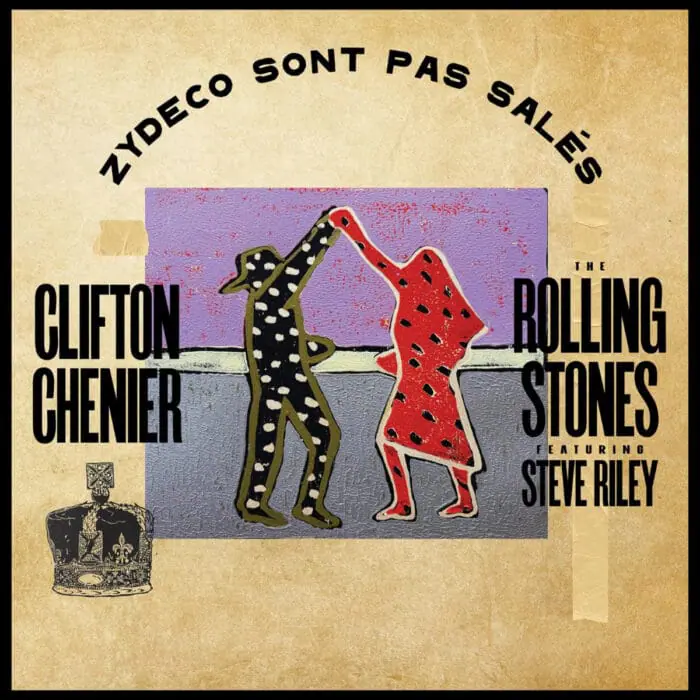
The late Clifton Chenier, Zydeco pioneer known for his Creole-inspired sound rooted in blues, Cajun and R&B, is being bolstered by the music community on his 100th birthday. To mark the occasion and signify Chenier’s esteem by his musical admirers, The Rolling Stones have taken on the artist’s 1965 recording, “Zydeco Sont Pas Salés,” sung entirely in French by Mick Jagger. The track is part of the forthcoming LP “A Tribute To The King Of Zydeco“, due June 27th, 2025.
Speaking of their involvement in the project, the blues-influenced British band shared, “The Stones are truly honoured to be on this tribute album amongst a stellar cast of artists and musicians. Clifton Chenier was one of the most influential musicians to come out of Louisiana. He turned so many people onto the wonderful free-spirited dance music of Zydeco, including ourselves back in the day.”
“Although the development of any music style can seldom be attributed to one artist, there is not a zydeco band who has not followed the template Chenier created,” the group delineates, speaking fondly of their longstanding source of influence. On the track, the band tapped guest Steve Riley, who adds a layer of The Big Easy by way of the accordion. The results are a renewed appreciation for the Zydeco tradition fused with the players’ signature brand of rock-and-roll.
“Both Mick singing in impeccable Creole French and Keith and Ronnie completely carving up the traditional approach with those signature licks and their iconic ‘weaving’ style sounds easy and playful,” says the track’s producer, CC Adcock. “Man, this one sounds like they’re just running wild through the swamps with it.”
On a broader scale, the album’s producer, Steve Berlin (Los Lobos), and Joel Savoy, the founder of ALCOUR Records and member of the “First Family of Cajun Music,” state, “Clifton Chenier was an international ambassador, introducing the world to Zydeco. While he has been honored with many awards, his real impact is found in the lives and style of musicians from southwest Louisiana and beyond.”
“A Tribute to the King of Zydeco” presents 14 tracks contributed by Taj Mahal (“Hey ‘Tite Fille”), Lucinda Williams (“Release Me”), John Hiatt (“You Used To Call Me”), Charley Crockett (“Easy Easy Baby”), Jimmie Vaughan (My Soul), David Hidalgo (“Hot Rod”) and more industry luminaries.
In addition to music, the Chenier family estate and the University of Louisiana Lafayette have come together to set up the Clifton Chenier Memorial Scholarship, which will, “The scholarship fund will offer annual financial assistance to students studying Traditional Music, specifically Zydeco accordion,
Funkadelic‘s back catalogue of Westbound studio albums is being reissued on vinyl via ORG Music. On August 29th, the reissue series kicks off with the band’s 1970 self-titled debut album, with audio restored and remastered from the original master tapes by mastering engineer Dave Gardner and tape restoration specialist Catherine Vericolli.
“It’s very rare for an archivist and a re-mastering engineer to be in the same room with the source material on a project,” Vericolli said in a statement. “To investigate, troubleshoot and make decisions as a team to best serve the releases. The approach is unorthodox, but the more we dug in, the more we realized that the magic of this undertaking wasn’t just in the tapes, or the incredible history that surrounded us in the studio—it was in the process. It was in the collaboration and trust.”
In the months that follow, other celebrated albums from the group will be released, including “Free Your Mind…and “Your Ass Will Follow”, “Maggot Brain”, and more.
Funkadelic’s debut album alone would be enough to secure Westbound’s legacy, let alone a roster that includes Ohio Players, Junie Morrison’s solo albums, The Detroit Emeralds, Denise LaSalle, The Counts, Dennis Coffey and so many more who continue to deeply influence soul, R&B, rock, funk and beyond.
Irish band Just Mustard are back with their first new music in three years. “Pollyana” picks up where 2022’s “Heart Under” left off, with blisteringly loud guitar haze floating atmospherically around a driving bassline and breakbeat drumming.
The latest from Just Mustard finds them taking a deeper dive into the experimental ambiance of shoegaze. A minimalist drone of sound anchors the vocals, holding the song together. Katie Ball’s voice has just enough of a piercing quality to make this work. If you were hoping for a more guitar-oriented track, this is not it, but it does work well at creating the dreamy vibes that keep the band from being boxed into a singular aspect of the genre they are associated with.
The video was directed by singer Katie Ball, who says, “We shot the video using different CCTV and VHS cameras around our hometown Dundalk trying to have as much fun as possible, the kind of fun that makes you feel sick almost instantly, which suits the themes of the song.”
We are also happy to announce that we have a run of intimate shows across the world this September. Sign up to our mailing list at justmustard.ie to access presale 10am local time tomorrow, Wednesday 18th June.
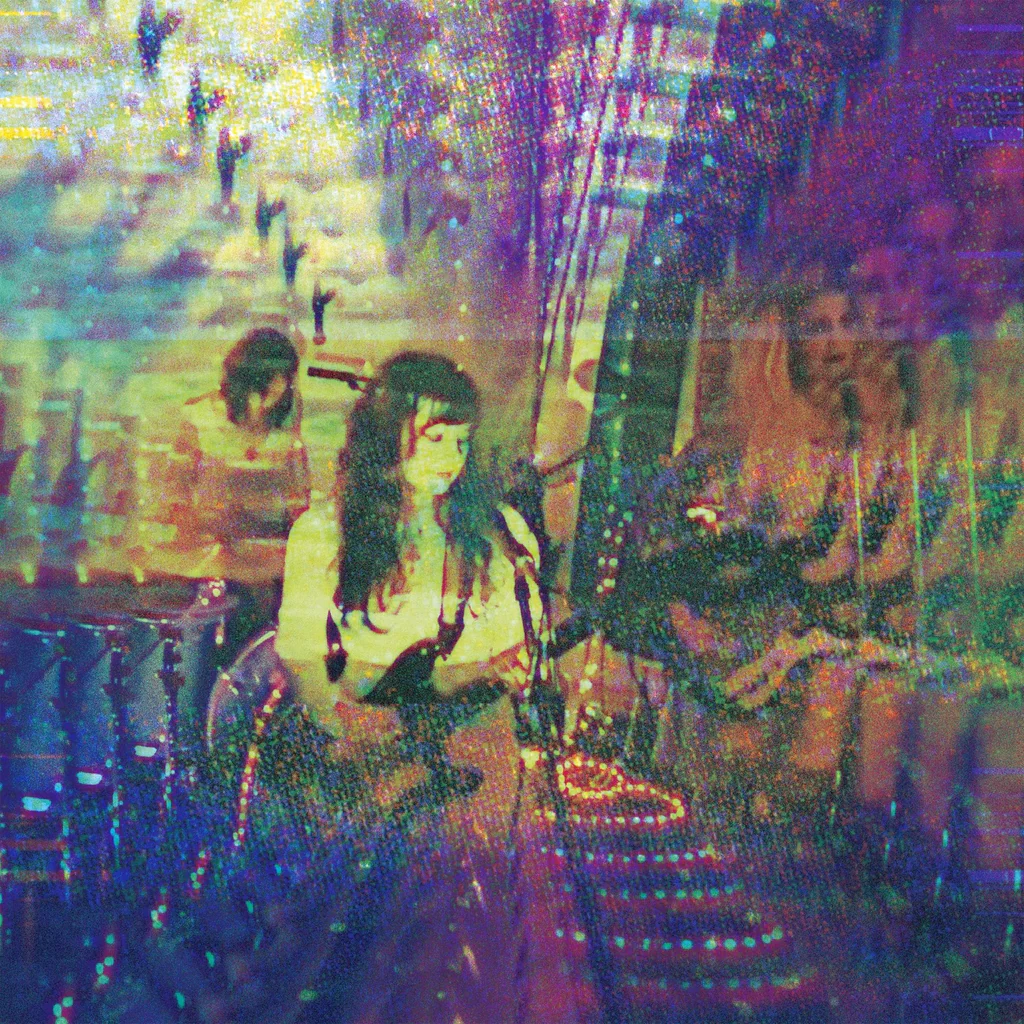
Death Valley Girls – “Live From the Astral Plane”. Originally recorded back in 2020 in the heart of a global pandemic, the band reunited to record a live film in their practice space in Los Angeles, CA. Revisited and remastered in 2024, pressed on beautiful splatter vinyl for the very first time.
“Wow! Getting to do this project was such an honor, and a treat! We finished recording our record “Underthe Spell of Joy” one day before lock down. Rolling out an album under normal circumstances is a huge, and all consuming job. Then figuring out how to compassionately, respectfully, and successfully roll out an album during a worldwide catastrophe, and especially an album about spells, and incantations for joy, was a real head scratcher! Getting to work on this live recording during that period allowed us to focus on a way we could be most helpful in a world of sorrow, and forced us to be creative. We were desperate to be of service.
We realized astral projection – and concepts around leaving the 3D experience was an exciting idea. If we could connect people on the astral plane, we wouldn’t have to feel so alone! So we decided to start the session with an introduction on how to astral project! Learning how to meditate on this concept turned out to be the greatest gift, and a lasting escape during this terrible time. This recording finally getting to be on vinyl is so exciting! The idea that we can all meet up in the sky, and leave our problems behind for a bit is such a fun exercise! Now all you gotta do is drop that needle and fly! Thank you for letting us !” – Death Valley Girls
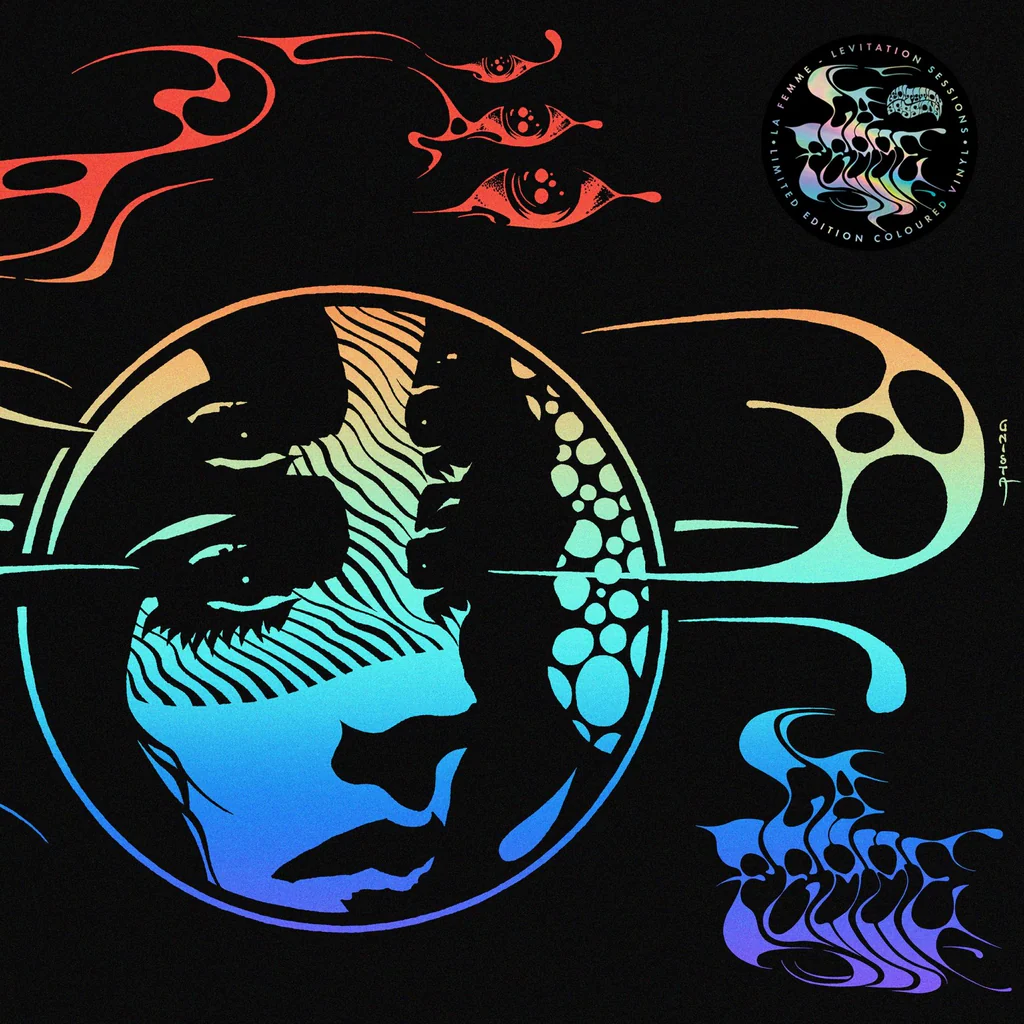
Parisian psych institution, La Femme, unleash a discography spanning set dripping in LSD and casual chic, transmitted from a smoky room in Normandy, France. The Session comes on the heels of their new LP, “Paradigmes”, and upcoming world tour. “We have recorded this session in the country side of Normandy, France, an intimate set in a rustic old home. We played our most psyches track, according to the Levitation Sessions spirit, recorded by the fireplace in the darkest hours of the night.
The spirit of the Psych Fest was haunting the room, and so were psychedelic ghosts, they were living in every one of the musicians of the band. We were time traveling, the spirits of the 60s rising back from the dead. The track “Sphynx” was written during Austin Psych Fest 2014 in Austin, Texas, and we are pleased to bring it back home. Danser sous acide” – La Femme
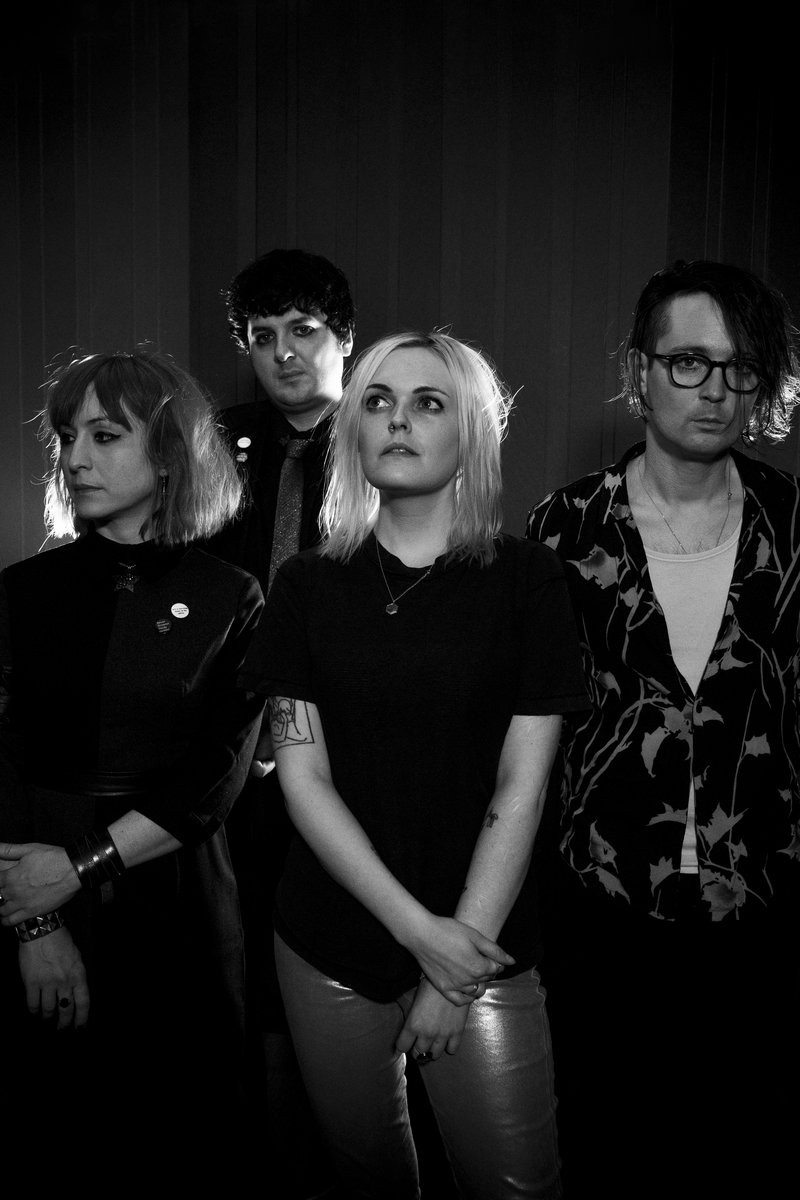
Easter 2021 saw the return of the noirish alt-goth roustabouts Desperate Journalist to the Bodega in Nottingham, who pile back into the marketplace with a brand new single called ‘Fault’ on April 2nd. Driven along by Simon Drowner’s ear-popping bassline ‘Fault’ finds the quartet in impeccably brutalist form, all banshee howls and lacerating lyrics from singer Jo Bevan. “And those teenage hang-ups are hard to beat / When your closet is piled up with defeat,” she snaps at one especially prickly point, as alongside her guitarist Rob Hardy and drummer Caz Hellbent add fuel to the sonic flaming. ‘Fault’ is the first track to be hauled from Desperate Journalist’s thoroughly forthright fourth album, ‘Maximum Sorrow!’, recorded entirely in Crouch End in lockdown.
Here’s what Jo says of this first shot from the long playing bows…“The lyrics for ‘Fault’ were initially written quite intuitively and informed by what sounded good mouthwise with the kind of melody I thought the song needed – quite sonorous, Jim Kerr-y vowels. As I edited it into something which actually made sense, it naturally turned into a memory-screed about a terrible flat I once lived in and how the place itself seemed to reflect all the misery going on in my life at the time. I quite like the idea of a song sounding so big and dark and kinetic but with lyrics set mostly in quite a small space where nothing really happens except for unexpressed turbulent emotion. “Structurally it’s unusual for us in that it a) doesn’t have many guitars on it and b) has a shifting hook/chorus which doesn’t happen at the times you’d necessarily expect. It was more of a textural exercise to record too which was really enjoyable and interesting – there are two drumkits on the recording and also synth undercurrents to make it extra propulsive and intense. ”So post-punk has made it into the springtime pages of The Sunday Times? Oh, DO keep up – Desperate Journalist have been raging against the corporate machine for aeons with their melodramatic blend of traumatised guitars and artbroken vocals. In fact, ‘Maximum Sorrow!’ will represent their fourth full album release in the six years since the ‘Desperate Journalist’ debut appeared in 2015. Sophomore effort ‘Grow Up’ stormed out in 2017 and 2019 saw the search for ‘In Search Of The Miraculous’.
Throw in a couple of five-track EPs (‘Good Luck’ and ‘You Get Used To It’) and their melody-shattering proficiency is apparent for all to see. Add in a litany of ten-out-of-ten media reviews and utterly devotional followings from desperate fanboys and fangirls from Birmingham to Berlin and Desperate Journalist’s incredibly credible status is more bulletproof than ever before. In fact, what really is impressive this time around is that ‘Fault’ sounds so alive but as it was written and recorded in lockdown it has never actually been played live – now that really does take some creative skillings.
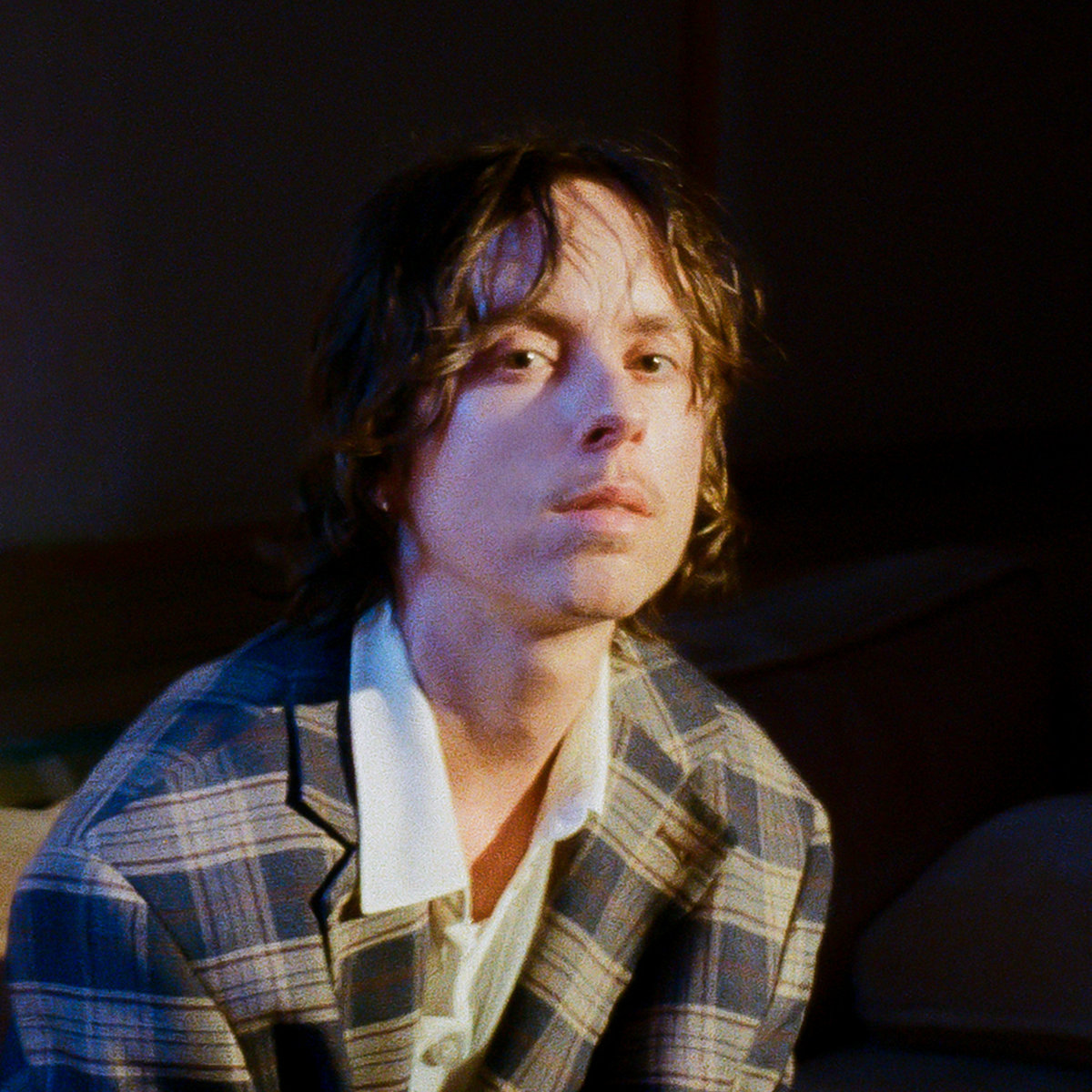
Hand Habits, is the project of multi-instrumentalist and singer-songwriter Meg Duffy, has announced a new LP. “Blue Reminder” is slated to arrive on August 22nd via Fat Possum. It’s led by the bristly, yearning new song ‘Wheel of Change’, which comes paired with a video from director Otium.
“Both lyrically and in its production, this song is about the impossibility of return—you can’t go back to the way things were, no matter how much you might want to hold on to a time, or a feeling, or a person,” Duffy explained in a press release. “Lyrically there’s a kind of desperation (‘I need it now more than ever’), but in it there’s also a request, ‘don’t take it away just yet,’ which is not a question but a demand, and I wanted the production to reflect that. That in longing, there can be this sharper, wild edge. Like, no I need this, give it to me, don’t take it away.”
Duffy recorded “Blue Reminder” in Los Angeles with co-producer Joseph Lorge. It features a crew of collaborators including Alan Wyffels, Gregory Uhlmann, Olivia Kaplan, Blake Mills, Tim Carr, Daniel Aged, and Joshua Johnson and Anna Butters of SML. “For this record I set out to no longer shapeshift when it came to the person I become in the face of love,” Duffy shared.
“Of course the weight of the past is always in the room with me when I sit down to write,” they added. “It is filtered through my way of making even the most precious moments imbued with something blue — the constant reminder is there — but I have spent so much time writing as a means to work through pain, or place blame on myself or others, and I am at a point in my life where I’m more interested in acceptance, forgiveness, and exploring what it means to need and be needed.”
Back in 2023, Hand Habits released the mini-record “Sugar the Bruise”. Last year, they contributed to the solo piano music compilation piano1, and recently joined the National’s Matt Berninger on his single ‘Breaking into Acting’.
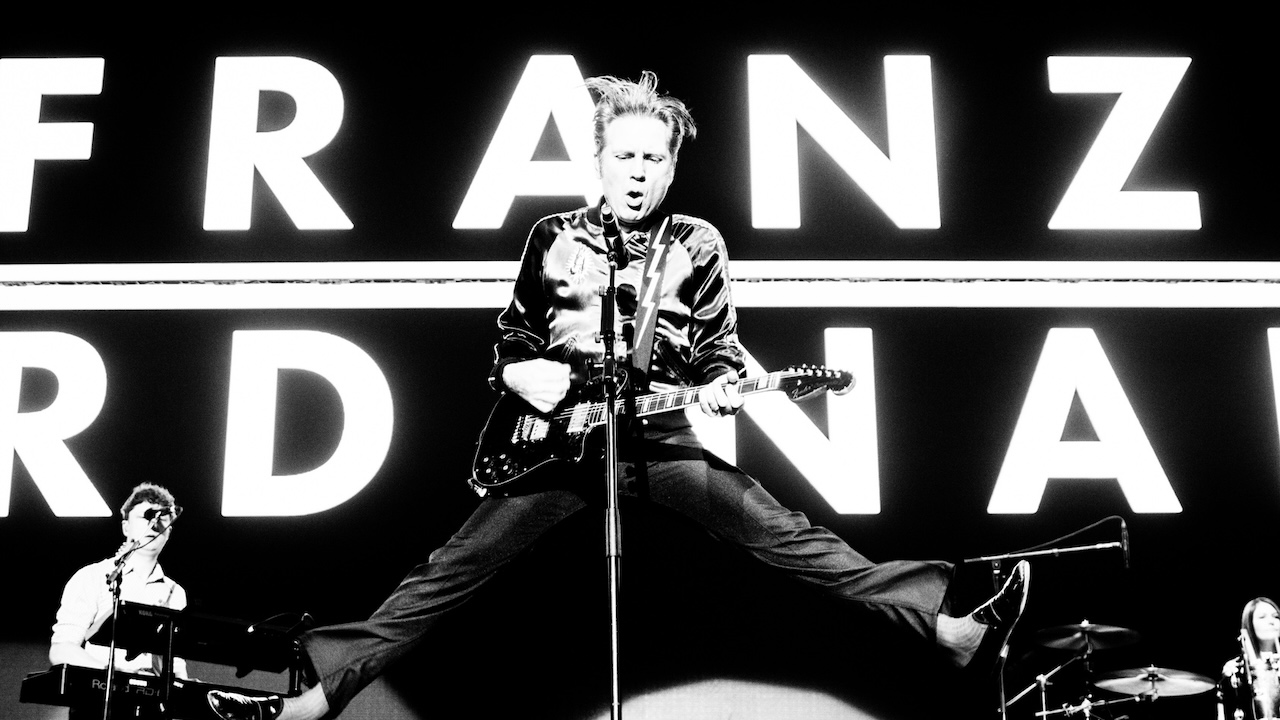
Franz Ferdinand have shared new versions of two tracks included on “The Human Fear“, which was released via Domino Recordings in January. Those two new songs are a version of “Build It Up” with the great Johnny Marr on guitar and a live version of “Hooked,” which was recorded at Barrowlands in Glasgow and features London-based indietronica figure Master Peace.
The new version of “Build It Up” came from a live Amazon session in which the band was joined by Marr. The collaboration apparently went swimmingly, as the band and the former Smiths guitarist eventually hopped in the studio to record their version.
“Johnny is an inspiration. Literally,” shared Franz Ferdinand frontman Alex Kapranos. “I sat in my bedroom as a teenager trying to work out how to play his melodies. To hear his distinctive playing on our song is glorious. He’s elevated it in that way only he can.”
Both songs were originally featured on the band’s 2025 LP “The Human Fear“.