Sharon Van Etten contemplates life and love and the accompanying kaleidoscope of emotions.” Throughout her discography, consisting of six sublime studio albums, the singer/songwriter has consistently merged the dark and the dazzling, proving herself to be one of the best lyricists of the 2010s.
This Spring Sharon Van Etten released “We’ve Been Going About This All Wrong“, her sixth and most instrumentally diverse record in a storied 13-year career. Before releasing her debut, “Because I Was in Love“, in 2009, and forging a blueprint of heavy, sometimes sparse, emotional upheavals, Van Etten worked as a publicist for Ba DaBing Records and sold handmade, self-released CDs. Now, a half-dozen LPs and more than a decade later, Van Etten has never been side-lined by formulaic exhaustion each of her projects tap into similar emotional headspaces, but never flirt with redundancy. She’s enigmatic and self-aware; graceful and humorous understanding of what weight a song can hold, what reactions restraint can provoke.
Van Etten’s journey to where she is now has been a slow burn, as she’s patiently amassed a discography that’s always remaking itself sonically. Each record has built an empire out of the one predating it, and Van Etten’s work has become a cornerstone in indie rock through consistency, experimentation and brilliance—and her collaborations with Josh Homme, Norah Jones and Angel Olsen, among others, showcase her adaptability, how she can so comfortably fit into any song with anyone. (She’s even linking up with Julien Baker and reuniting with Olsen for the powerhouse Wild Hearts Tour this summer.)
As the Brooklyn singer/songwriter celebrates “We’ve Been Going About This All Wrong“, another triumphant document of romance, pitfalls and joys, in a discography patented by it, is highlighting each project’s acclaim. Below we look at all six Sharon Van Etten albums, which range from gentle acts of anti-romantic balladry to powerful declarations of hard-earned healing.
Because I Was in Love (2009)
Van Etten’s debut chronicles the balance between disaster and joy in love, exploring the improbability of easy, happy endings. It’s not as instrumentally rich as her subsequent records, but there’s a raw power that beautifully upends our perceptions of the bounds a singer/songwriter project has to abide by. The place of intimacy from which Van Etten has worked is always palpable and addicting, and “Because I Wasin Love” exists as proof.
Sharon Van Etten’s first recordings are among her most delicate. “Consolation Prize,” the second song on her debut “Because I Was In Love” is a spare and beautiful venture in plucking. The narrator of this tune doesn’t want to be someone’s last choice, or even their second. “The moral of the story / is don’t walk away again,” Van Etten warns. “No, I’ll never be your consolation prize.”
“For You” is still a standout in her catalogue, with that intoxicating “I was running home to you / I was hoping that you knew” melody; “I Wish I Knew” remains her most triumphant opener, as she immediately leans into the vulnerable song writing she’s made her blueprint. “I wish I knew what to do with you,” she sings on the track, capturing the gist of the entire record: a tender, brilliant testament to love’s greatest confusions.
Epic (2010)
With her second album, “Epic”, Van Etten perfectly built off her debut effort in a concise way, adding depth and rich textures to a shaped voice and daring, outspoken lyrics in just seven tracks. What sets her apart from many contemporaries is how she chooses to open herself up, as she chronicles second-person interactions with a memorable eye for self-analysis. “Don’t leave me now, you might love me back,” she sings on “One Day,” her best pre-“Tramp” tune.
On this track from 2010’s “epic”, Van Etten is all of a sudden an emboldened troubadour, chasing the sounds of an adventure. She starts the song unsure: “I was somewhat afraid / I was something.” But, after a too-short couple of minutes of bouncing drum and choral backing vocals, she’s awake and self-assured: “When I woke up I was already me / And I am not afraid / I am something.”
Sharon Van Etten is a master slow-burner, and “Love More,” the album kicker from “epic“, is a particularly beautiful shedding of the wax. Her retelling of an emotionally abusive relationship, and a way of coping with the aftermath of it, is sad but cathartic.
The synth-driven closing track “Love More” got a lot of attention because Bon Iver covered it, but, on its own, is one of Van Etten’s most affecting codas. (“You chained me like a dog in our room / It made me love, it made me love, it made me love more” is still a heater of a lyric couplet.) When “Because I Was in Love” arrived in our hearts in 2009, Van Etten was drawing comparisons to Marissa Nadler and Norah Jones (with whom she would later collaborate); by the time she wrote “Epic” a year later, she’d surpassed both of them completely.
Tramp (2012)
She pivoted to Jagjaguwar for her next album, “Tramp”, and has remained at the label since. But in the years since 2014, when that fourth record, “Are We There” arrived, something happened. Actually, a lot of things happened: Van Etten started a romantic relationship with her once-drummer and now-partner Zeke Hutchins, went back to school at Brooklyn College, secured a recurring role on the Netflix show The OA and had a baby—in that order.
It takes some courage to admit “I am bad at loving.” Using clever rhymes (“Well, well, hell”) and folksy acoustic guitar, Van Etten looks back on a soured relationship and shares the blame for its demise. The track, which Van Etten says was inspired by Leonard Cohen (and also the “Kevin” who’s referenced on the preceding track) is one of the best on “Tramp“.
Produced by The National’s Aaron Dessner, “Tramp” is Van Etten’s most forward creation, littered with angry ballads of isolation and mistrust. The production of this record is plucky and visceral, an industrial precursor of the detouring, harmonious leap she would make, instrumentally, on “Are We There” two years later. When she goes up a register on the scoffing, jangly “Warsaw,” in come stark, clamorous echoes of that familiar heartache Van Etten has consistently plucked from her own emotional repertoire. But the shining parts of “Tramp” arrive when she comes back around and tilts the spotlight away from herself.
Love is torture. What do you do when a relationship is clearly toxic, but the feelings are so strong, so all-consuming? In the case of this song’s narrator, you freeze. Van Etten said writing the song was her “therapy.” But it might be useful for more than just herself: The signs of an unhealthy relationship (“Break my legs so I won’t walk to you / Cut my tongue so I can’t talk to you / Burn my skin so I can’t feel you”) show themselves in varying ways, and Van Etten’s assessment is a look at the very worst. But it’s a song that moves and stirs, drawing more empathy out of me than I knew was possible from an anti-love song.
On “Kevin’s,” she strains her voice while singing of someone else’s self-destruction, lamenting, “You dig your own grave / Buried in masculine pain all the time”; on “We Are Fine,” she helps a friend out of a panic attack.
During “Serpents,” the album’s lead single and Van Etten’s most eruptive and punishing track, she pleads for the simple act of consideration, belting, “I had a thought you would take me seriously,” before the memorable, racing choral breakdown.
Above it all, “Tramp” is about healing, both individually and in relationships. “I want my scars to help and heal,” she sings on “All I Can.” On the two previous records, Van Etten sang of a world stopped while the pain came rushing in; on “Tramp“, she decided to keep moving forward through the crumbling.
Are We There (2014)
“Are We There” showcases what we’ve come to love about Van Etten: The New Yorker is self-possessed in the most beautiful ways. This record came into the peripherals of many listeners by way of Twin Peaks: The Return, when Van Etten performed “Tarifa” at the Bang Bang Bar at the end of episode six. Beyond that cameo, “Tarifa” is Van Etten’s prettiest song, sandwiched between the intoxicating, electronic “Our Love” and the nervous, stark “I Love You But I’m Lost.”
The heart of “Are We There” is its finale, “Every Timethe Sun Comes Up,” which endures as a declaration of the record’s anti-romantic ethos. “People say I’m a one-hit wonder / But what happens when I have two?” she sings on the track, before obliterating the song’s anonymous subject with the “I washed your dishes, but I shit in your bathroom” line. “Are WeThere” is a bridge between “Tramp” and “Remind Me Tomorrow”; an immense follow-up to the former and a bold, gentle predecessor to the latter.
While she’s spent plenty of time studying despair, Sharon Van Etten knows her way around a love song—a real one, with butterflies aplenty and googly, awestruck eyes for days. “Our Love” sort of straddles love’s light and dark sides. The chorus, just a repeated crooning of “it’s our love” and “in our love” and, eventually, “it’s all love” exists in the light side. The verses, however, are more uncertain. The droning drum loop lopes along as twangy, sorrowful guitar lulls you into a trance, leaving the listener with the responsibility of deciding whether or not this song has a happy ending. One thing’s for sure, though, someone rescued her from the bottom of the “well,” making everything else worth it.
How we approach that banality of everyday life, however, is up to us. Van Etten has said “Every Time theSun Comes Up,” a brooding and funny take on the humdrum, started as a joke, just the product of some late-night silliness with her bandmates, but that doesn’t make it any less smart. It’s both a look at burdernous rituals and some kind of deeply personal anecdote, but Van Etten makes them feel like one in the same. It’s a song about nothing and everything—and also weed (“People say I’m a one hit wonder / But what happens when I have two?”). Or—wait—was she actually referring to her well-performing singles? The great thing about Sharon Van Etten is that we’ll never need to know.
Remind Me Tomorrow (2019)
“Remind Me Tomorrow”careens from the almost-galloping pace of songs like “Comeback Kid” or the third-verse howl of single Seventeen, to more restrained and almost crooning tracks like “Malibu” or “I ToldYou Everything“.
The three singles ahead of the album—”Comeback Kid,” “Jupiter” and “Seventeen”—are intense and grandiose in a way we haven’t seen before from Van Etten. She’s working with a new toolbox, using more synth and beats and production. It’s an exciting display of rock ’n’ roll and a noticeable break from her folk-leaning beginnings,
The release of “Comeback Kid,” the first single from “Remind Me Tomorrow” was when we realized 1. the old Sharon can’t come to the phone right now and 2. the new Sharon is a dark queen. Of all the songs on this record, this slingshot is the most intense, and it also marks a pivotal point in Van Etten’s career, when she introduced us to a whole new trove of her capabilities as a musician. Van Etten returned with firepower, a song so loud and alive we couldn’t tune it out.
The intensity of “Seventeen” matches that of the two previously released singles from “Remind MeTomorrow, “Comeback Kid” and “Jupiter 4.” We’ve always counted on Van Etten to bring excellent lyrics and brooding melodies to the table, but we’ve never heard her like this—emboldened and chasing a darker, more driving strand of rock ‘n’ roll. “Seventeen” is almost Springsteen-esque in its grandiosity and nostalgia, though it’s more charged. The track’s companion video is, as Van Etten put it in a tweet, a “love letter” to New York City. In the clip, Van Etten chases a perfectly cast “shadow” of her former self (seriously—it’s eerie how similar these two look) around NYC, reckoning with her past and remembering when “she used to be 17.” The video is sentimental, but Van Etten is skeptical of youth’s glow, too: “I used to feel free, or was it just a dream?” she sings.
Van Etten gravitated towards synths on this record, thanks in part to indie archetype Michael Cera – they shared a practice space – which sees her formerly guitar-based music open up to new sonic textures. Yet the album remains anchored by Van Etten’s vulnerable, honest and good-humoured lyricism, which while haunted by a recurring “shadow”, glows with the loving perspective of a new mother.
We’ve Been Going About This All Wrong (2022)
“We’ve Been Going About This All Wrong” is a career-spanning Van Etten record. She elected to not share any singles prior to the album’s release, making a statement on artistic control, productivity and the dedication she has to her craft. The record beautifully taps into every era of Van Etten’s career, weaving in and out of acoustic ballads, synthy, atmospheric flickers and orchestral compositions fit for high-ceiling chambers or starry amphitheaters. It’s less a follow-up to “Remind Me Tomorrow” and more a first step towards something grander, something Van Etten perhaps hasn’t even figured out yet. “Born” is a magnetic, sprawling opera (“It was something like a window / And I wanted to break free”), while “Headspace” follows as a sensual, brash tune with inversely sublime lyrics (“I want to touch you in the dark”). Lyrically, Van Etten has stripped back her usual approach, trading in on-the-nose dissections for more accessible couplets about desire and moving on.
But instrumentally, she’s never been more experimental, electing to make these songs feel conversational through arrangements that perfectly complement her vocal performances. On every preceding project, Van Etten sounded like she was scratching at some kind of revelation; on “We’ve Been Going About This All Wrong“, she’s made peace with what she has, or hasn’t, discovered.
Left us on this day (April 23rd) in 1991: American rock’n’roll/punk rock guitarist, singer & songwriter Johnny Thunders (believed to be drug-related causes, age 38), who came to prominence as a founding guitar player of influential, proto-punk band, The New York Dolls (1971-75); born John Anthony Genzale, Jr., he renamed himself after a comic book of the same name; the Dolls released the seminal albums ‘NewYork Dolls’ (1973) & ‘Too Much Too Soon’ (1974); Johnny left & formed The Heartbreakers in 1975, recording on & off until 1984 (including the essential 1977 album ‘L.A.M.F.’); he also recorded solo, including the 1978 considered classic LP ‘So Alone’, featuring a rock & punk celebrity cast & arguably his greatest composition, “You Can’t Put Your Arms Around A Memory”; he also formed Gang of War with MC5’s Wayne Kramer for one album in 1990; his final recording was a version of “Born To Lose”, with German punk rock band Die Toten Hosen less than two days before his passing in New Orleans; in 1999, veteran documentary filmmaker Lech Kowalski released ‘Born To Lose: The Last Rock ‘N’ Roll Movie’;Danny Garcia’s featured documentary, ‘Looking for Johnny’, was released in 2014…
My admiration of Johnny Thunders stems from my huge love of his tenure with the New York Dolls and The Heartbreakers. I’ve just started listening to his solo catalogue again. And I started off with what are identified as his three true studio albums, “So Alone”, “Que Sera Sera”, and “Copy Cats”. Does anyone recommend listening to specific other releases of his that are floating around out there? There are so many titles live albums, compilations, bootlegs, Love to get your recommendations please.
“DTK live at the Speakeasy” often included in some LAMF reissues. “Live at the Village Gate” is good. If you can get your hands on one, “LAMF Heartbreakers definitive edition” box CD set. It includes 4 CD’s (and badges!), LAMF lost ’77 mixes, LAMF the restored Track LP, LAMF demo sessions ’76, ’77, LAMF alternative mixes (21 in total for that disc), deluxe booklet by Nina Antonia including a comprehensive interview with Walter Lure. You should still be able to find one on EBay probably. “Belfast nights” has pretty good sound quality. “The Yonkers demos” often included in some comps. “Madrid memory”, “The Heartbreakers live at Max’s” great sound quality. Walter Lure’s Waldos have a couple CD’s “Rent Party” and the still pretty new “Wacka Lacka Loom Bop A Loom Bam Boo” on Cleopatra Records.
‘Johnny Thunder lives on water, feeds on lightning.
Johnny Thunder don’t need no one, don’t want money.
And all the people of the town, They can’t get through to Johnny, they will never, ever break him down.
Johnny Thunder speaks for no one, goes on fighting.
And sweet Helena in bed prays for Johnny.’
“Johnny Thunder”—R. Davies
In the late summer of 1980, the remains of what was Giant Sandworms went in an exhaustive road trip to find our place in NYC’s post-punk rock whirlpool of unsigned bands. We were unprepared for this mythic belly flop into the catacombs of both the Lower East Side and the herculean task of day-to-day advancement of spinning our wheels just to play CBGB for 16 people, 15 of them being our friends.
New York City was a harsh, smelly, tinderbox of sorts. The Hell’s Angels block on First Avenue and Third Street held an obit on the west side of the street, sprayed on the brick wall in memory of Big Vinny “When in doubt, knock ’em out.” .The building was like any other building in 1981, serving as Alphabet City’s 24/7 narcotics market and shooting galleries. It wasn’t always a pleasant interaction and even Johnny Thunders was just another mark.
Back then, everybody had a story about Johnny Thunders, everybody. Way back in the early ’70s, rock had become listless. With a few exceptions, groups made the same record again and again, then a live album, with audience applause engineered to sound like panzer divisions. But the onset of change would begin in small camps, garages, and basements, by like-minded kids that didn’t fit. New York City had become dangerous, abandoned and for the taking. Beneath the Brill building, Warhol’s Factory, Manny’s Music (“try it, you buy it”), record companies furnished with mahogany and leather and maybe a faint trace of Birdland and, more recently, The Fillmore, offered up stagnation. The industry and its product were stamped in Billboard Magazine, in self-congratulatory pages, while raw, young talent went unfostered. It became near impossible to break into the machinations of this music machine.
In 1973, one band The New York Dolls almost got through. They were representing their city with driving blues rock, and hard-luck tales of youth punching back at the disorder of war, technology, urban renewal and the luckless stars of a time where nothing was forbidden. It was unapologetic, dirty, loud, and fast. The cover of their debut album found the quintet in full drag and unwashed long hair with more swagger than the Rolling Stones could muster on their best night.
Todd Rundgren produced it and it sounded as they did—no whiteout on this term paper. David Johansen was a lead singer with the goods. Lead guitarist, Johnny Thunders’ sound was driven, mangy, loud, and original. “Trash,” “Vietnamese Baby,” and “Subway Train” were unforgettable titles. There would’ve been no Sex Pistols without them and that’s just for starters. It was pure from-the-streets commentary on the times.
CREEM magazine awarded the Dolls the No. 1 best new band and No. 1 worst band in their yearly poll in 1973. Love ’em or hate ’em, they made a huge impression. The record peaked at paltry No. 119 on the Billboard album chart , and they toured in the U.S. supporting Mott The Hoople and went back to London for a short tour as well. They could inspire from an audience a chorus of boos, or offer truly compelling performances that left people gasping, saying it was the best rock show of their lives.
The band was schizophrenic and the media found them authentic if nothing else. Bowie had referenced Billy Murcia in song (“Time” from Aladin Sane), the original Dolls drummer who OD’d in a London bathtub in ’72 just before the band signed to Mercury. By ’74 the quintet made Too Much Too Soon with Shangri-Las’ producer Shadow Morton. It held “Babylon,” “Human Being,” and Thunders’ first lead vocal on “Chatterbox.” It was camp but cool, choosing mostly great covers like Philadelphia’s “Gamble and Huff” and Sonny Boy Williamson’s “Don’t Start Me Talking.” Record sales were even worse than the first outing, and the tours were hampered by bassist Arthur ‘Killer’ Kane’s alcoholism and the heroin habits of Thunders’ and drummer Jerry Nolan. Infighting and a lack of new material found them waning, they dropped by Mercury.
In ’75, Thunders and Nolan quit the band. But along with the MC5, The Stooges, and The Dictators, the Dolls were the American precursor to a punk-rock movement that found its place in every city young, reckless, and hungry.
Johnny Thunders forms The Heartbreakers, Thunders might have been without a band or a steady gig for a week before he formed The Heartbreakers, which, for a downtown minute, included Richard Hell. But the group would be ex-Doll Jerry Nolan, guitarist Walter Lure, and Billy Rath on bass. They worked and developed a devil-may-care harder rock sound and, planned or not, they were synonymous with heroin. You wouldn’t find The Heartbreakers pictured with Nancy Reagan’s “Just Say No to Drugs” slogan above their heads. What I did see on every other pole and telephone booth after moving to New York City with a post-Heartbreakers pic of Johnny sideways in a hat, syringe sticking out of the brim, pimping his next show, trading street cred for self-parody by 1982.
The Heartbreakers played around New York and then overseas as be part of the historic Sex Pistols’ Anarchy Tour. Four dates in and things imploded. London was not used to a group like this, unafraid to play a guitar solo, yanks dressed big-city junkie cool with enough ego and stage presence to be long remembered. They stayed and recorded the record L.A.M.F. , a very good journal of a rock & roll band with antisocial bravado and American conceit and big dirt-sugar pop hooks. But the record was muddy and poorly mixed and has by now a remixed version or two, but you don’t get them when you need them and Nolan left the band because of it.
They became an apparition of sorts, who would through the years get back together for a payday, but in their time, they were the house band at Max’s Kansas City and took on all contenders. (Their swagger-y ’79 live album, Live at Max’s Kansas City, smokes).
Thunders stayed in London and the next year put out his debut record “So Alone”, one of ’78’s best by anyone. He had Paul Cook and Steve Jones hot to play from The Pistols’ demise and Thin Lizzy’s Phil Lynott on bass, some Peter Perrett (Only Ones) on guitar, and it opens on a cover of The Chantays’ “Pipeline” and it don’t quit. The ultimate in blood-on-the-page ballads is “You Can’t Put Your Arms Around a Memory” and covers Otis Blackwell II’s “Daddy Rolling Stone” with Thunders on the first verse, Lynott emotive second, and Steve Marriott, the white blues-boogie screamer, who turns the final verse into sulfur, striking fire, holding nothing back.
The studio is said to have been an all-day and all-night den of vice and electricity, where all involved saw a success in its making and a fortune cookie that read “Your Time is Nigh.” So Alone was helmed by a young (pre-U2) Steve Lillywhite. It earned some good press on both continents, sold better than expected and is a rock ‘n’ roller’s album. Johnny’s vocals were as good as they got and his playing was tough, sincere and even tender. It has aged well. But and he never hit that high again. In fact, all three of the voices heard in “Daddy Rolling Stone,” would be dead within a decade.
After returning to the States, Thunders became more difficult, more undisciplined, and toured to survive and make his bones with mostly sub-par bands, or worse. Thunders and Wayne Kramer were in that storied, short-lived combo Gang War. The few songs I’d heard were reggae influenced, but with no real direction. The band was more like a ghetto timeshare for two very talented men. It was a project that brought no record deal and no new respect for the future rock ‘n’ roll legends. Lots of time-wasting though.
Fighting with his band, fighting with his roadies, and with the audience. Trolling the faces to call down: “hey douchebag, pussy, come suck me off!” as if he was waiting on something or someone to take the weight off, to just be John again, or someone else completely. The shows might have been sloppy the first week, but you end up floating downstream letting a last power chord float when he didn’t know the bridge or when the band did one out of thin air he didn’t know. Thunders would look back, frown, turn up a notch before doing standards like “Can’t Kick,” “Chinese Rocks” or a cover he still found a friend in.
Nonesuch Releases Special Editions of Wilco’s Iconic “Yankee Hotel Foxtrot” on September 16th in Celebration of Album’s 20th Anniversary, Wilco’s fourth studio set saw the departure of guitarist Jay Bennett and drummer Ken Coomer – and famously prompted a break with the group’s record label – yet somehow triumph emerged from adversity. Picked up by Nonesuch, “Yankee Hotel Foxtrot” would become the Chicago-based alternative rock band’s most successful album. From opener “I Am Trying to Break Your Heart” onward, the collection’s ambition is undeniable, with Sonic Youth stalwart Jim O’Rourke’s multi-layered mix applied to some of Wilco founder Jeff Tweedy’s most varied and distinctive songs. With its No1 ranking in the year’s on best-of-the-decade lists in Rolling Stone, Pitchfork and Paste, critical acclaim for the gold-certified “Yankee Hotel Foxtrot” So please give the set another spin to wish Jeff Tweedy a happy birthday.
Named in honour of the three-word codes used by short-wave radio operators, Wilco’s fourth album sounds like a late-night broadcast of some weirdly wonderful pop station punctuated by static and the sonic bleed of competing signals. Songs that begin with simple, elegiac grace—“Ashes of American Flags” and “Poor Places”—end in a cathartic squall of distortion. The results can be initially jarring, but it’s these tracks more than the sturdy jangle pop of “Kamera” or “Heavy Metal Drummer” that demand, and reward, repeated listens. Mixed by studio experimentalist Jim O’Rourke and produced by the band, “Yankee Hotel Foxtrot” harkens back to a time when the words “pop” and “sonic adventurism” weren’t mutually exclusive.
Great records don’t necessarily always have interesting stories behind them. There’s probably a compelling argument to say that Wilco’s “Yankee Hotel Foxtrot” doesn’t need one – that regardless of context, it’s simply just an outstanding piece of work. In this instance, however, it’s difficult to separate the album from all of the noise surrounding it. These eleven songs on the original album represent so much more than just the sum of their parts. They stand for the existence (and complete vindication) of integrity and artistic freedom, in a world so often dominated by corporate structures and commercial pressures. Because if something can simultaneously feel like both an instant classic and a slow-burner, then surely this is it.
The backstory is something I’m sure a lot of readers will be aware of, so here goes a brief summary; having recorded the album, and with frontman Jeff Tweedy correctly believing it to be their best work to date, the band submit to their label Reprise records (a subsidiary of Warner) who following an internal shakeup refuse to release it on the grounds that it has no commercial potential. The band negotiate a costly split from Reprise, retaining the rights to the record which they then streamed on their website for free, a ground breaking move (and pretty unheard of at the time). Bizarrely, the band end up signing with Nonesuch records, another subsidiary of the same major label – a move that many critics believe exemplifies just how messed up the music industry is in modern times. The album goes on to amass a huge amount of critical acclaim, and just so happened to shift hundreds of thousands of copies, becoming a gold-selling LP in the process.
Nonesuch release seven special editions of Wilco’s landmark 2002 album “Yankee Hotel Foxtrot”. The now-classic record has been remastered and will be available as part of each set. “Yankee Hotel Foxtrot” was the first Wilco release on Nonesuch Records following the band’s infamous split with Reprise (both labels are part of Warner Music Group). It was also the first release featuring the line-up of drummer Glenn Kotche and multi-instrumentalist Leroy Bach joining founding members Jeff Tweedy and John Stirratt. The 2002 Sam Jones film “I Am Trying to Break Your Heart” documented the fraught recording and mixing process, personnel changes, and label issues.
Given the legend that surrounds it, the remarkable part is probably that in the fifteen years since its release, the most enduring thing is the music itself. For me, there’s pretty much the whole spectrum of human emotion explored within a microcosm; at times, Tweedy’s abstractly poetic lyrics serve to cryptically mask what is actually quite a personal record while at other points, relationships and communicative failures lie at its heart. It’s the sending of signals in the hope that someone, somewhere will receive – audibly characterised in the broken static and shortwave radio samples that regularly weave in and out. There’s the playful denouncement of love in the opener ‘I Am Trying To Break Your Heart’, but also the hopeful celebration of it by the time the album draws to a heart wrenching close, with Tweedy declaring: “I’ve got reservations about so many things / But not about you”, a chaotic and confused yet beautiful love letter for the modern era.
There’s a penetrating weight to it all, a sincerity which somehow never falls into over-earnestness. It is in many ways a record of constant tension – mostly between the beautiful and destructive – but also mirroring the ongoing conflicts outside the music; between bandmates (guitarist and co-writer Jay Bennett left the band shortly after the album’s completion), and between band and label, the tension between artistic freedom and commercial potential. At once both pretty and dissonant, conventional yet weird, both instant and challenging, it’s a record that rewards the listener with each spin, a phrase which always sounded to me like a useless cliché until I found it to be true. I think the thing I love most about “Yankee Hotel Foxtrot” is that ultimately there’s just classic song writing and melody at its core, with Tweedy’s voice broken and exposed at the centre of everything, but with complete chaos ensuing all around it.
For me, Jay Bennett perfectly summarizes it with this quote from the documentary “I Am Trying To Break Your Heart” – “If the overall song feels good to you, you’re going to fall in love with the little parts of it that are fucked up”. There are swirling organs, crashing drums, distant voices, and dissonant pianos, and in ‘Ashes Of American Flags’ and ‘Poor Places, anthemic moments that descend into walls of white noise and feedback. It comes to me as no surprise whatsoever that over time this is an album that has been repeatedly referenced as being “Americana’s Kid A”.
Wilco marked the anniversary of “Yankee Hotel Foxtrot” which was released commercially on April 23rd, 2002, after a circuitous and storied gestation, including a period of streaming for free on the band’s website—with a performance of the album’s “Poor Places” on last night’s Late Show with Stephen Colbert, which may be seen below. The band is currently performing “Yankee Hotel Foxtrot” in its entirety (plus a mix of concert favorites and rarities) in two limited runs at New York City’s United Palace and Chicago’s Auditorium Theatre.
Among Yankee’s inspirations was a recording Tweedy bought at Tower Records in the late 1990s, The Conet Project: Recordings of Shortwave Numbers Stations. As Bob Mehr points out in his new album note, the record got “deep under Tweedy’s skin.” Tweedy said in his 2017 memoir, Let’s Go (So We Can Get Back), “It was as fascinating to me as anything being made by actual musicians using actual instruments … I wanted to know why it was so hypnotic to me. Why could I listen to hours of this stuff, even though I had no clue what any of them were saying. That question became the foundation for “Yankee Hotel Foxtrot” … the way people communicated or ultimately failed to communicate.” The album takes its title from a haunting recording of a woman repeating those words that is included in The Conet Project; that recording is sampled in the penultimate song on “Yankee Hotel Foxtrot”, “Poor Places.”
The film gives a great insight into the recording process. Tweedy notes they “generally go for a pretty straight definitive version of what the song sounds like it should be…and then deconstruct it a little bit and see if there’s some more exciting way to approach it”. I adore this as a concept – the fact that what is theirs to have created is also theirs to destroy, and that a song can take any number of routes before it becomes the one that people hear. Ultimately, I think what probably sets the results apart is the combination of the band’s willingness to experimentally rip up the Americana rulebook, but crucially also the mixing work of Jim O’Rourke (Sonic Youth), whose mixes lift them far beyond the Alt-Country genre they had practically created in the first place. At the heart these are gorgeously simple songs, reimagined in an exciting, experimental vision.
Retrospectively, quite how many people these songs have resonated with may have come as some surprise to Wilco’s former label bosses, but not to me. For a record that very nearly didn’t see the light of day, that it exists at all is truly wonderful, and that it exists without compromise is nothing short of remarkable. Maybe some things are worth waiting for.
Wilco was Jeff Tweedy, John Stirratt, Leroy Bach, Glenn Kotche, and Jay Bennett with Craig Christiansen, Ken Coomer, Jessy Greene, Fred Lonberg-Holm, and Jim O’Rourke.
11LP – The Super Deluxe version comprises eleven vinyl LPs and one CD – including demos, drafts, and instrumentals, charting the making of “Yankee Hotel Foxtrot” – plus a live 2002 concert recording and a September 2001 radio performance and interview. That box set includes eighty-two previously unreleased music tracks as well as a new book featuring an interview with singer/songwriter/guitarist Jeff Tweedy, drummer Glenn Kotche, and Jim O’Rourke, who mixed the acclaimed 2002 album; an in-depth essay by journalist/author Bob Mehr; and previously unseen photos of the band making the album in their Chicago studio, The Loft.
7LP – Deluxe edition comes in a sturdy box with soft cover book. The set includes the original album, remastered, plus 39 previously unreleased tracks—“The Unified Theory of Everything” alternate album versions plus bonus tracks, a live 2002 concert recording, and a September 2001 radio performance. The set also includes a booklet with an in-depth essay by journalist / author Bob Mehr.
2CD – Expanded Edition includes the original album, remastered, plus 18 previously unreleased tracks—“The Unified Theory of Everything” alternate album versions plus bonus tracks.
8CD – Super Deluxe Edition comprises the original album, remastered for its 20th anniversary in 2022, plus 82 previously unreleased tracks. Includes demos, drafts, and instrumentals, charting the making of the album; a live 2002 concert recording; and a September 2001 radio performance and interview. The set also includes a new book featuring an interview with Jeff Tweedy, Glenn Kotche, and Jim O’Rourke; an in-depth essay by journalist/author Bob Mehr; and previously unseen photos of the band making the album in their Chicago studio.
A live version of “Reservations” from a legendary concert contained on Snoozin’ at The Pageant – Live 7/23/02 at The Pageant, St. Louis, MO—a recording that is part of the Super Deluxe LP and CD sets as well as the Deluxe LP and digital sets—is available now. Full details of each of the seven versions is below; album pre-orders are available here. A limited-edition vinyl 7” with versions of “I’m the Man Who Loves You” and “War on War,” from the Super Deluxe box set, is available now from wilcostore.com.
“After half a year living with a bootleg copy, the music remains revelatory. Complex and dangerously catchy, lyrically sophisticated and provocative, noisy and somehow serene, Wilco’s aging new album is simply a masterpiece; it is equally magnificent in headphones, cars and parties… Beneath the great story of “Yankee HotelFoxtrot“, there are all the tropes and symbols and coincidences of a little mythology; but under that is a fantastic rock record. And why tell you? You all already knew this.”
There is nothing quite like A Ghost Is Born in Wilco’s discography. Ghost (even more than Yankee Hotel Foxtrot, which has been roundly embraced as a masterpiece) is the difficult album. There’s a steady hum of dread and anxiety buzzing beneath these tracks. It rises to the surface on the Krautrock workout “Spiders (Kidsmoke)” and on “Less Than You Think,” a lengthy ambient drone meant to simulate Jeff Tweedy’s debilitating migraines. But “Less” aside, this isn’t exactly Metal Machine Music; Tweedy’s songwriting is generous and urgent, even—or especially—in the face of his personal battles with anxiety and depression. “Hummingbird” is perfect McCartney pop, “Handshake Drugs” is a cryptic snapshot of the singer’s addiction to painkillers and “At Least That’s What You Said”—a haunted murmur of a love song that erupts in a remarkable guitar tantrum—might just be Wilco’s finest song ever. Wilco’s art-rock period ended soon after A Ghost Is Born. Twelve years later, it remains one of the band’s most puzzling and rewarding creations.
“A Ghost Is Born” sits neatly in the middle of Wilco’s ten studio albums. As the band’s centre, the record is their turning point and their most exploratory.
The first two minutes of “At Least That’s What You Said” is raw emotion. It’s one hell of an album opener. Until that two minute mark where everything is ripped to shreds and Tweedy comes in on electric guitar with one of the best riffs of his career. It’s on “Ghost” where Tweedy is prominently on the guitar for the entire record, the only time that’s happened on Wilco’s LPs. He used the guitar to translate something impossible to hold: pain.
There are many side stories of the Wilco arc including—but not limited to—record labels and disgruntled band members. The most important concerning “A Ghost Is Born” is headaches. Tweedy has been plagued by chronic migraines his whole life, vomiting and all. The month before Ghost’s release he checked into a clinic for migraines, depression, and anxiety attacks. It put off a tour, where the band was playing a lot of the record before it came out. Soon after, he became addicted to the painkillers prescribed to him. Tweedy then checked into rehab, one that would treat addiction and depression after realizing he couldn’t fight one battle without facing the other.
He wanted to push his headaches and panic attacks out through six strings. “A Ghost Is Born” is a sweeping landscape of Jeff Tweedy’s guitar and therefore, of his head. In this context “At Least That’s What You Said” is crisp and anything but concise. When the piano and drums come in and pound together, it’s a pulse. “A Ghost Is Born” is often building up to break us back down. The lyrics are a whimper and the melody a rage. For someone with so much pain and confusion, it’s amazing he’s able to find beauty in it. To take it one step further and share that beauty is nearly fantastical.
Tweedy is an unstoppable musician on this record. I find myself reminding fellow Wilco fans of Tweedy’s guitar work, of his genius with the instrument, and the power and dexterity he can deliver. Resident jazz rock guitarist Nels Cline joined the band in 2004 but doesn’t appear until 2007’s “Sky Blue Sky”. “A Ghost Is Born” is all Tweedy.
There are new members who joined up for “Ghost”. Keyboard player Mikael Jorgensen, formerly Wilco’s sound engineer, is here and shares some song writing credits with Tweedy. Jorgensen formally introduces himself on track two, “Hell Is Chrome,” with a bright opening riff on the piano. Keyboards have always been an important part of Wilco, but on “Ghost “they expand alongside Tweedy’s guitar forming cacophonous riffs. Jorgensen also plays rocksichord, organ, synthesizer, and a Farfisa (an electric organ) on the LP, bringing new textures to play with.
Tweedy entered rehab for an addiction to painkillers just two weeks before the release of “Ghost”, the band’s fifth studio album, and when he came back sobre it was too late to delete the 12 minutes of gray noise that close the LP. The album’s theme of self-identity was manifested by more significant band contributions. Also because this was the album between the dismissal of Jay Bennett and the addition of Nels Cline, Tweedy played most of the lead guitar and leaned heavily on Television records (and a lesson from Richard Lloyd) for guidance. Ironically, this organic-sounding LP was pieced together through Pro Tools software, but Tweedy came in armed with a great batch of songs.
Happy 15th Anniversary to Wilco’s fifth studio album “A Ghost Is Born”, originally released June 22nd,2004.
The Electric Flag (American Music Band) – “The Trip” LP
Legendary director Roger Corman, known for his B-movies for the American International Pictures, had filmed 1967’s The Trip about an LSD trip. The filming was done during a 17-day period in and around Sunset Strip in Los Angeles and starred Peter Fonda, Susan Strasberg, Bruce Dern, Salli Sachse and Dennis Hopper.
Gram Parson’s International Submarine Band was originally suggested to record the soundtrack but Corman did not feel that Parson’s group’s music fit the movie. Peter Fonda suggested Mike Bloomfield’s band, which did not yet have a name. The recording was done over a ten-day period for Sidewalk Records, owned by Mike Curb, which had distribution through Capitol Records. The movie was released and the soundtrack followed a short time later. It was a landmark album that broke barriers, and featured a mixed racial group that played a unique blend of blues, rock, classical and avant-garde music—the first rock band to have horns (ahead of Chicago and Blood, Sweat and Tears) and the first to feature a Moog synthesizer. Since the band did not have a name, the group was credited as The American Music Band..
Virtually all of the 50th anniversary retrospectives commemorating the Monterey Pop Festival of June 16-18th, 1967, focused on the weekend’s breakout artists and big-name stars—Janis Joplin, Jimi Hendrix, OtisRedding, the Who, Ravi Shankar. But one of the most anticipated performances among attendees of the festival has been largely obliterated with time: that of the Electric Flag.
If the name draws a blank, perhaps it’s because they weren’t very flashy or because they didn’t last long enough to make much of an impact. They only cut two albums with the original line-up, the first a soundtrack to a cheesy psychedelic exploitation film titled “The Trip” that barely made a dent, getting only a handful of reviews (mostly indifferent) in the nascent rock press.
But the Electric Flag’s other album is a stone gem. “A Long Time Comin’” remains a favourite of many and holds up better than so much music of its era, even if it’s become something of a footnote over the long haul.
A bit of background. The Electric Flag was the brainchild of Mike Bloomfield, who, as one of the two guitarists in the exalted Paul Butterfield Blues Band, had become the very definition of American rock guitar god before such a designation really existed. Bloomfield had, in the mid-’60s, seen his reputation explode precipitously. Discovering and falling in love with his city’s blues music in his teens, he took up the guitar and began to find work as his skills increased exponentially. Even before he met Butterfield, he was often invited to sit in with the great black Chicago blues masters at a time when such a thing just wasn’t done—particularly by a white Jewish kid.
He’d joined the Butterfield outfit—Butterfield on vocals and harmonica, Elvin Bishop on second guitar, keyboardist Mark Naftalin, drummer Sam Lay and bassist Jerome Arnold—in 1965 and played on the group’s self-titled debut album for Elektra Records, recorded that September and released the following month. But even before that, in the summer of ’65, the buzz around Bloomfield had already grown—enough so that Bob Dylan tapped him to play lead guitar on his new “Highway 61 Revisited” album and on “Like a Rolling Stone,” the single that would establish Dylan as a rock god and send him on his way toward becoming one of the most significant cultural icons of the century.
Bloomfield stayed with the Butterfield organization long enough to record one more album the following year, the masterful “East-West”, which (with Billy Davenport replacing Lay) took the group beyond the confines of blues into music that owed as much to modal jazz and raga as it did to Muddy Waters and Howlin’ Wolf. The extended jam that formed the basis of the title track remains even today an astounding listen, far ahead of its time. The other tracks, including its instrumental cover of Nat Adderley’s “Work Song,” Robert Johnson’s “Walking Blues,” Allen Toussaint’s “Get Out of My Life Woman” and even Michael Nesmith’s “Mary, Mary,” all added up to one of the most impressive albums of the ’60s, a ground breaker on par with the sounds coming from England via bands like Cream, who also used the blues as a take off point but didn’t stay there very long.
By early 1967 Bloomfield was getting restless. He knew it was time to move on from the Paul Butterfield Band into his own thing and set out to put together a band that would stay rooted in black music, with an emphasis on funky soul as well as Chicago-style blues. That would mean a horn section—Bloomfield, like so many of his contemporaries, was enamoured of the acts signed to Memphis’ Stax Records and the musicians who played in the label’s house band. He wanted something similar, but also wanted to keep his new creation open-ended enough to incorporate elements of other genres such as jazz and gospel, as well as the psychedelicizing that was so prevalent in the studios and rock stages of the day.
One by one, Bloomfield found his band. Setting up camp in Marin County, north of San Francisco, he recruited keyboardist Barry Goldberg, who’d played with Dylan at the game-changing 1965 Newport Folk Festival, and bassist Harvey Brooks, who’d been on “Highway 61″. While in New York, Bloomfield saw a 19-year-old drummer named Buddy Miles backing up soul giant Wilson Pickett, decided the kid was the best drummer he’d ever witnessed, and made him an offer he couldn’t refuse. He hired Nick Gravenites, a fellow Chicagoan who’d already settled in San Francisco, where he worked with locals like Big Brother and theHolding Company and Quicksilver Messenger Service.
The horn players—Peter Strazza and trumpeter Marcus Doubleday—arrived via recommendations. The new band, dubbed the Electric Flag and appended with a descriptive subtitle—“An American MusicBand”—had barely had any time to discover its direction when they were hired to provide the soundtrack for “The Trip”, starring Peter Fonda that, as its title makes clear, existed solely to exploit the popularity of LSD among a growing segment of the youth market. The band (augmented by Paul Beaver on Moog synthesizer) rehearsed and recorded in Hollywood during April and May 1967, turning out a set of hastily composed Bloomfield tunes with titles like “Flash, Bam, Pow,” “Psyche Soap” and “The Other Ed Norton.” The soundtrack album was eventually released on the low-budget Sidewalk label but Bloomfield and the others had largely forgotten about the project once they finished their part.
Anyway, they had bigger things to think about: They’d been invited to make a high-profile public debut at the Monterey Pop Festival in June. Their set at the fest was short—only four songs—and although Bloomfield would say that it did not display what the Electric Flag was fully capable of, they were well received. Documentarian D.A. Pennebaker filmed the band’s entire set but elected not to include any of their music in his film, Monterey Pop.
This outtake, the band’s opening number, a savage workup of the traditional “Wine” featuring a killer Bloomfield guitar solo, is proof that perhaps Pennebaker made the wrong call at least once while assembling his film. With Monterey behind them, the Electric Flag set about recording in earnest their proper debut album, which they’d begun days before the festival. Now signed to Columbia Records, they took several months to make the record. By the time it was completed in early 1968, they’d already begun to splinter, with Goldberg the first to leave.
But what a stunner they finally released that March. The appropriately titled “A Long Time Comin”, which included contributions not only from the official band members but also multi-instrumentalist Herb Rich, Stemsy Hunter on alto saxophone, Michael Fonfara (Goldberg’s replacement) on keys and a host of guests, remains—a virtually perfect album.
Naturally, Bloomfield’s guitar is showcased often. Right off the bat he solos ferociously on top of whatever else is happening throughout the opening number, a sizzling cover of Howlin’ Wolf’s “KillingFloor” (prefaced by a snippet of a speech by then-President Lyndon Johnson, followed by laughter).
Gravenites’ vocals are alternately smooth and tough, cool and self-assured on tracks like “Groovin’ IsEasy” and the breakneck-paced “Wine,” and Miles, in addition to emerging as one of the hottest new drummers on the scene, also proved a formidable soul vocalist.
“A Long Time Comin’was a fine, modern production (by John Court) that earned raves from progressive-minded listeners seeking a new direction and, especially, from fellow musicians. Alongside other new bands like Blood, Sweat and Tears and Chicago, the Electric Flag ushered in a new branch of jazz- and soul-informed rock that valued tight horn charts as well as guitar pyrotechnics. “A Long Time Comin’ lives up to Bloomfield’s desire to create an American music pastiche, from the soul-stomper “Over-Lovin’ You” to “Texas,” a more traditional slow blues. Goldberg’s “Sittin’ in Circles” is a multi-textured ballad that he’d also record with his own group, the Barry Goldberg Reunion.
That it didn’t last is both a shame and, in retrospect, inevitable. Although they played a number of highly touted gigs (including a run at San Francisco’s Fillmore Auditorium opening for Cream), Bloomfield would grow weary of the idea quickly—his next move, in May 1968, was to team with Al Kooper, another Dylan alumnus, who’d vacated his role as the keyboardist/vocalist of Blood, Sweat and Tears, for an album they called “Super Session” (also featuring ElectricFlag members Brooks and Goldberg, as well as Stephen Stills). It out-performed the Flag’s debut.
The Electric Flag attempted to stay afloat in the wake of Bloomfield’s departure, with Miles the nominal frontman now, but it was a losing proposition. Miles would form his own Buddy Miles Express and then entertain an invitation to join Jimi Hendrix in the short-lived Band of Gypsys (Buddy Miles died in 2008). Bloomfield’s solo career found him staying close to the blues of his roots, some projects more artistically viable than others. Although he continued to record and perform live regularly, he never recaptured the glory he achieved as a bona fide rock guitar hero.
The Electric Flag—with Bloomfield, Miles, Gravenites and Goldberg aboard—reunited for a while in 1974 but by that point the spark they’d captured briefly seven years earlier had left.
Mike Bloomfield died February. 1981, victim of a drug overdose, found slumped in his car. He has since been the subject of books and a documentary film and was inducted into the Rock and Roll Hall of Fame in 2015 as a member of the Butterfield crew. Most aficionados agree he reached the pinnacle of his creativity during the stretch that took him from Dylan sideman through Butterfield and into the ElectricFlag. But even at his most uninspired, later in his life, there were few guitar players that could do what he could with six strings.
You may know Ben Cook as the guitarist in Canadian punk band Fucked Up, but his solo project, Young Guv, demonstrates his broad music taste and undeniable song writing talent. Last year, he unleashed a two-part album “GUV I & II” via Run For Cover Records, which boasted pretty, lo-fi guitar pop songs with a ravishing melancholia. After early-to-mid-2000s stints in hardcore bands No Warning and Fucked Up, it’s safe to say Toronto-based singer/songwriter Ben Cook has found his bliss since setting out on his own as Young Guv. From his 2015 debut “Ripe 4 Luv” to today’s “GUV III”, his third release on Run forCover Records, Cook has been putting out hooky, throwback guitar pop that sounds more like a ray of sunshine than a sock in the jaw.
You’ll know whether you’re onboard with GUV III within seconds, as opener “Couldn’t Leave U If I Tried” leads the way with textbook jangle-pop a la Teenage Fanclub or Matthew Sweet.
“Every Flower I See” by Young Guv from the album ‘GUV I’ out August 2nd, 2019 via Run For Cover Records.
The record maintains that buoyant tone all the way through, folding in power-pop (“Lo Lo Lonely”), psychedelia (“Scam Likely”) and even a touch of the orchestral (“April of My LIfe”) along the way. What’s to stop Cook’s bliss from becoming your own?
Being a fan of The Cure requires a little bit of patience and a willingness for devotion. With 13 studio albums, five live albums, ten compilations and singles collections, and nearly 40 singles and EPs, the band has built a daunting discography for newcomers. And that was all achieved before 2009. Though The Cure has continually teased new music since the release of 2008’s “4:13 Dream”, unless they surprise-release something, it’ll have been a full decade without new music from the band. Yet in that time, they’ve still flexed their muscles, headlining major music festivals like Lollapalooza, Coachella, and Riot Fest, as well as playing several nights on their own at Madison Square Garden and Wembley Arena.
A hidden challenge when getting into The Cure is denouncing the stereotypes that have long followed the band. On the surface, a Cure record may come across like a wall-to-wall mope fest, and while there’s truth in that, it’s not the totality of the band’s being. Though it should be obvious from the existence of songs like “Friday I’m in Love,” “The Lovecats,” or “Doing the Unstuck,” there’s a joyful giddiness undercutting much of frontman Robert Smith’s work. Though his art may skew toward the self-serious there’s more to The Cure than what a cursory glance would reveal.
So how does one get into The Cure, a band who has a catalogue that’s not just vast, but full of worthwhile material? And how does one make sense of a discography that includes everything from goth to pop and post-punk to psych? The only way to understand The Cure is to embrace the twists and turns of their discography, knowing that if one part of their sound doesn’t appeal to you, there’s another half-dozen that may.
While it’s important to dispel the myth that The Cure works in a mopey mode, it’s just as imperative to approach that material head-on. As early as 1980, the band was already crafting desolate, despairing songs—and composing the nearly half-hour-long drone piece, “Carnage Visors”, to accompany 1981’s “Faith” but they would perfect it on 1989’s “Disintegration”. Though not constructed as complimentary pieces, the one-two punch of “Plainsong” into “Pictures of You” makes for one of the most evocative introductions ever committed to tape. The two songs lean on one another, with the wintry introduction of “Plainsong” allowing the pop-laced epic that follows it to be graced with an even bigger impact.
No song in the band’s arsenal highlights their ability to marry sprawling ambiance with gentle pop hooks better than “Pictures of You.” Built on Simon Gallup’s shimmering bassline and a simple drum groove, the song pushes forward slowly, allowing swells of synth to add to the song’s desolate aura. Hell, it even uses wind chimes effectively. Like much of “Disintegration”, “Pictures of You” could just as easily have been an instrumental, and for the first two minutes, it’s exactly that. But it’s in that space that The Cure showcases their power, taking a bleak colour palette and imbuing it with soft flashes of light. And when Smith’s vocals enter the fold, with the iconic opening line “I’ve been looking so long at these pictures of you / That I almost believe that they’re real,” it speaks to the band’s ability to work in an esoteric mode and unleash a memorable hook when you least expect it.
You can see the band first playing with this form in the early 80s, with “Seventeen Seconds” and “Faith” offering more compact, post-punk versions of the band’s all-consuming sound. With songs like “A Forest” and “The Drowning Man” in tow, the band was able to position themselves as a leader in the quickly evolving goth scene while still retaining a post-punk snarl. By the time of “Disintegration”, they’d have perfected this sound and have made it a commercially viable pursuit. It’s why, on 1992’s “Wish”, they’d spend half the record working in this mode, turning in glacially slow epics like “Trust” and “To Wish Impossible Things,” only to buck expectations by releasing their bubbliest concoctions to date.
Though 1996’s “Wild Mood Swings” is often seen as the first failure after a decade of highs, it still has songs that are worth digging for. “Treasure” offers perhaps the shortest version of The Cure’s esotericism, and it’s a sound the band would return to fully with 2000’s “Bloodflowers”. Considered the final act in “The Trilogy,” alongside “Disintegration” and 1982’s “Pornography”, the record may not fully measure up to those staggering heights but when it works, it shows that Smith is still capable of making good on his ambition. “The Last Day of Summer” and the closing title track both warrant their length, and even if the 11-minute “Watching Me Fall” sees Smith’s affection for My Bloody Valentine’s “Loveless” taking root in his own music.
While the pair of albums that followed are often seen as minor, they have moments that keep them from being totally disposable. “Lost” opens the band’s self-titled 2004 album, and though it’s got more of a driving chug than anything that came before it, the track builds to a cathartic release that’s as off-putting and powerful as anything the band did in the 80s. While both “The Cure” and “4:13 Dream” suffer from subpar production, songs like “Underneath the Stars” prove the band’s later period still warrants exploration.
For a band that made its name on brooding compositions, The Cure has dashed off their fair share of gooey pop gems, too. While picking up a copy of 2001’s “Greatest Hits” could easily satiate a newbie, it’s the way these songs are injected into albums to dip and dart across genre lines that makes them most effective.
“Boys Don’t Cry” is an obvious starting point, culled from the album of the same name, it showcases the band in its embryonic stage, still sounding like a lean, mechanical post-punk band. As iconic as it is, it’s not the only treasure to be found in those early years, as “Jumping Someone Else’s Train” and “10:15 Saturday Night” prove that The Cure can be peppy without losing their bite.
1985’s “The Head on the Door” would be the band’s breakout moment, featuring the now radio staples “In Between Days” and “Close to Me,” alongside such should-be hits as “Six Different Ways” and “Push.” The latter would be the kind of riff-forward song that showcased Smith’s proficiency as a guitarist—something he’s long been underrated for and would be brought to the forefront on the band’s sprawling album from 1987, “Kiss Me, Kiss Me, Kiss Me”. It’s easy to see how “Kiss Me” would get the band tagged as alt-rock at the time, with songs like “The Kiss,” “Torture,” and “All I Want” being sinewy, rage-filled tracks that could be seen as an inspiration on acts like the Smashing Pumpkins. But here, also, were the band’s giddiest numbers, from the pitch-perfect “Just Like Heaven” to the horn-laced “Why Can’t I be You?” and “Hey You!!!” all the way down to softly lilting “Catch.”
Even those mope-fuelled records still have their bright spots, with “Disintegration’s” “Lovesong” being one of the band’s most iconic tracks, and “Wish” pulling itself out of the pit of despair with “High” and “Doing the Unstuck” . Even with “Wild Mood Swings‘ near universal derision, “Mint Car” is as tightly constructed as any of the songs from the band’s golden era. The same can even be said of “The End of the World” and “The Only One” from the band’s records in the 2000s, which are just as ebullient and infectious as their more renowned hits.
Though The Cure’s first forays into full-on goth music came by way of “Seventeen Seconds” and “Faith”, they were the building blocks upon which the band would create their first full masterpiece, 1982’s “Pornography”. Though the preceding pair of records was increasingly stark and devoid of pop hallmarks, “Pornography” was the sound of human beings bottoming out. “One Hundred Years” opens the record with the cacophonous boom of a drum machine and is paired with guitars that sound like they are warping off the record itself. The LSD-fuelled recording session, paired with Smith’s depressive streak and desire to make the “ultimate ‘fuck off’ record” results in the clearest inspiration on acts like Nine Inch Nails. There is no trace of hope to be found on “Pornography”, and it makes songs like “The Hanging Garden” and the aptly titled “Cold” capable of sucking the joy right out of a room.
Part of Smith’s grand plan was to have “Pornography” be the end of The Cure. And for a brief spell, it was. SimonGallup left the band at the end of the record’s support tour, and Smith was spending more time playing guitar for Siouxsie and the Banshees. After doing a one-off project called The Glove alongside the Banshees’ Steven Severin, he returned to The Cure and made “The Top”, a record that is as close to a solo album as Smith ever produced. Though not as overwhelming as “Pornography” the inclusion of “The Caterpillar” keeps it from being totally murky—the record remains indebted to its predecessor while also shifting toward psychedelic influences that had previously gone untapped.
“The Top” is far from the band’s best, but songs like “Shake Dog Shake,” “Give Me It,” and the closing title track are feral, unhinged freak-outs that demand attention, and show Smith’s capability for expressing pure, unvarnished anger.
The same can be said of deeper cuts from “Kiss Me”, with “If Only Tonight We Could Sleep,” “The Snakepit,” and “Like Cockatoos” sounding inspired by hallucinogens even if Smith had long kicked the habit (though he’d return to it for “Disintegration”). But it also showcases “The Kiss,” as heavy and pounding of a track as The Cure ever committed to tape in their heyday. These songs aren’t always easy listens, as they rarely adhere to a single sonic touchstone, but that’s also what makes them so essential.
As noted above, The Cure has a lot of singles and EPs, and while those kinds of releases can often be havens for half-baked throwaways, that’s not the case here. Not only that, The Cure is a completists nightmare, as singles were often released on multiple formats, each with their own unique add-ons, and sometimes those even differed by which region—be it US or UK—that they were released in. As a result, The Cure’s catalogue of deep cuts can dwarf most band’s proper releases. And while there are things that are inessential—most of the remixes, along with the remix album “Mixed Up”, can be tossed aside there’s plenty of tracks that rank among the band’s best.
Thankfully, “Join the Dots: B-Sides & Rarities 1978–2001 (The Fiction Years)” does a great job of collecting a bulk of essentials. Though it omits “Cut Here,” a bonus track from 2001’s “Greatest Hits” compilation, as well as the limited edition Acoustic Hits companion piece, which saw the band tackling their most known in a stripped-down format, “Join the Dots” gives you most of what you need. It works through the band’s history chronologically, allowing you to see the band evolve almost in real time. Granted, “Join the Dots” is nearly five hours long, and even if you were just to cherry-pick the very best material, you’d still have a couple album’s worth of songs. From post-punk ragers like “Pillbox Tales,” to the anthemic chorus in “The Exploding Boy,” all the way to the Wild Mood Swings cut “A Pink Dream,” The Cure proves they’re a band worth getting lost in.
The Cure’s catalogue of music that helped shape an era.
‘Wild Mood Swings’ (1996)
The Cure’s 10th album sounds like kind of a mess because it was made under stormy conditions. Various members were in and out of the group at the time, and, after scoring the highest-charting album of its career with 1992’s ‘Wish,’ Robert Smith took a four-year break – the longest hiatus between Cure albums at the time – that ended with an overlong, and underdeveloped, set of songs.
The song that effectively closed the book on The Cure as a contemporary commercial force, “The 13th” was a disastrous choice of lead single, never catching a foothold anywhere on radio. It’s not exactly tough to pinpoint . It had nothing to offer ’90s rock audiences in the era of Beck and Oasis, but for Cure fans, its stylistic inscrutability and unpredictability makes it an enduring gem also featuring some of RobertSmith’s most enjoyable schizophrenic vocals, and the group’s best use of horns since “Close to Me” a decade earlier.
If you picked up one of the many copies of Wild Mood Swings available in used racks across the country in the late ’90s, you might be pretty confused from the first track as to why the album was such a clearance regular: “Want” is a perfect opener, a slow-building epic of desperation, its synths dancing around the stereo span like an itch at the back of your subconscious. Truth told, Wild Mood Swings is pretty underrated on the whole just sabotaged by a terrible album cover and an inexplicable choice of lead single.
The glory days were over.
‘The Top’ (1984)
If it wasn’t for the slinky “The Caterpillar,” the Cure’s fifth album could be their worst. It’s certainly the most forgettable of all the early records. It’s sludgy, murky, confusing and all over the place musically. Plus, Robert Smith seems scattered and unfocused for most of its 40 long minutes.
Another brilliant title-track closer, best remembered for its steadily quaking bass line, like a bell ringing for an impending doomsday. It’s the ideal note of queasiness to finish one of the band’s most muddled albums, The Top is hardly the full-scale misstep it’s often portrayed as, but it was certainly a transition set, ending the first half of The Cure’s ’80s with the band a little adrift between frolicking pop oddities like single “The Caterpillar” and uninviting gloom marches like “Wailing Wall.” “The Top” seems to almost be addressing the band’s unease with the mainstream breakthrough that lay ahead of them: “This top is the place/ Where nobody goes/ You just imagine…” Wouldn’t have to imagine much longer.
A jewel buried deep in the B-side of the underappreciated album it lends part of its name to. “To WishImpossible Things” is among the most heart breaking songs in the group’s catalogue, a lyric of merciless nostalgic melancholy summed up in the already-ruined naivete of its title. But for all the song’s vocal yearning and weeping strings, its most indelible melody is provided by the ghostly tapping of its drums faint, gentle and impossibly sad. It’s just one of the many examples in the Cure’s discography of long time group percussionist Boris Williams improbably stealing the show from his bandmates.
They managed to return with one of their all-time best albums, ‘The Head on the Door,’ a year later.
‘Japanese Whispers’ (1983)
All cats are grey? Hardly. It never got friskier or more colourful for The Cure than 1983’s “The Love Cats,” an absurdly theatrical prance through jazzy new wave. Along with the group’s other ’83 singles, eventually collected on the “Japanese Whispers” mini-compilation, “Love Cats” effectively turned the corner on the band’s darkest period and positioned them as a pop act with blockbuster potential; in the U.K. it was the band’s first top ten hit.
More importantly, it showcased Smith’s versatility as a frontman, preening and pawing with an elastic elan hardly audible on Pornography.
‘4:13 Dream’ (2008)
Some of the songs on the band’s 13th album dated back to the mid-’80s, and Robert Smith had so much material that he considered making it a double record at one point. Instead, he replaced the gloomier songs with more polished and upbeat ones. Not a good move. Like other Cure albums from the period, ‘4:13 Dream’ tries too hard to replicate the band’s best era, but the songs – besides a couple singles – just aren’t there.
‘The Cure’ (2004)
The group’s self-titled album from 2004 was co-produced by Ross Robinson, who’s worked with Korn, Limp Bizkit and Slipknot. So, it’s a heavier album than fans probably expected (or even wanted) from the Cure. It’s overlong, and it’s kind of hard to get through, but ‘The Cure’ offers a somewhat new perspective on a band that had recently passed the quarter-century mark of their career.
More influential than all but a handful of bands in modern rock history, The Cure didn’t often let the younger generation return the favour while on his own, Robert Smith would collaborate with acolytes like Crystal Castles or Blink-182, as a collective entity The Cure remained largely monolithic. A fascinating exception was “Lost,” opener to their self-titled 2004 album, which let producer Ross Robinson (Deftones, Slipknot) tap into a discordant rawness that had largely eluded the band in their third decade. Its full-band chug approaches Taking Back Sunday levels as the song crescendos in intensity, Smith howling “IIIII CAN’T FIND MYSELF!” That Smith & Co. never let themselves get pushed further in this direction remains both a missed opportunity and one of the more compelling What-Ifs in the band’s story.
‘Bloodflowers’ (2000)
The Cure’s 11th LP was called a return to form following 1996’s messy and disappointing ‘Wild Mood Swings.’ It’s certainly mood-building – one track clocks in at more than 11 minutes, and the average song length is a taxing six minutes – but ‘Bloodflowers’ often comes off like it’s trying a little too hard to sound like a Cure album.
The Cure’s first album of the 21st century aimed to recreate the majesty of the group’s largely unquestioned 1989 masterpiece “Disintegration” but seemed to forget how vivacious that album was in its dreamy sprawl; by contrast “Bloodflowers” was fairly flat in its production and dynamics.
On lead single “Maybe Someday,” that evenness worked to its advantage, allowing the gentle ache of the song’s lyric to gradually deepen over the chorus of its five minutes.
Not necessarily a bad thing, but there’s not much originality here either.
‘Wish’ (1992)
Wish actually started out much differently. The songs, Smith admitted, “were moody and slow and I thought it would be pretty dull, really, to bring out a Cure album that was going to reinforce the myth of us being doom and gloom.”
Like 1989’s thunderously melancholy “Disintegration”, the more bittersweet Wish delved into common Cure themes of regret and loss – but this time, Robert Smith made room for glimmers of optimism. It paid off: Powered along by the goofy pop sunburst that was “Friday I’m in Love,” which became their second-highest charting U.K. single ever, the Cure became famous beyond their wildest dreams.
Of course, Wish boasts its elegies (“Apart,” “End”) and its paranoid ruminations on love (“From the Edge of the Deep Green Sea”) – but also its determined affirmations (“High,” “Trust”) and a song that could genuinely be described as jaunty (“Doing the Unstuck”). This blend of alienation and offbeat joy helped the album open at a startling No. 2 on the album charts.
‘Disintegration’ made them worldwide stars three years earlier, the Cure returned with a similar-sounding LP that downplayed the earlier album’s gloomier elements. The result was the band’s highest-charting album, reaching No. 2 in the U.S. “Friday I’m in Love” was the big single, but there’s more to ‘Wish’ than that. Probably the most consistently joyful album the group has ever made.
Three years after their U.S. breakthrough, the Cure had returned with Wish which reached No. 2 – their highest-charting LP. The album’s first single, “High,” is kinda blah. It’s the second single that anchors the album with its wonderfully poppy hook and Smith’s giddy performance – basically, it’s a song that’s as happy as it lets on. It’s the band’s second-highest-charting single in the U.S.
‘Faith’ (1981)
Like the albums before (‘Seventeen Seconds’) and after (‘Pornography’) it, ‘Faith’ forms a trilogy of records that helped seal the Cure’s reputation as gloomy, black-clad artsy post-punks. The songs are mood-building set pieces, so radio airplay was pretty much non-existent. But as doomy, artsy goth, the Cure’s third album is a cornerstone work by a band that excelled at it.
The finest of the band’s early album closers, “Faith” sounds utterly defeated in its slow-rolling saunter, stretching out to seven minutes almost out of a lack of inertia. “Nothing left but faith” shouts an unconvinced Robert Smith into the void, as the song dissolves underneath him — as bleak an illustration of bottomless despair as the ’80s produced.
About as phantasmal as early Cure got, all endless drum reverb and lightly moaning synths and tensely plodding bass — you can practically see the shadows being projected against the back-alley wall. Robert Smith sounds strangely like Brian Eno on this one, letting the soundscape do most of the emotional storytelling as he coos from behind the thick fog, “The columns are all men/ Begging to crush me/ No shapes sail on the dark deep lakes.”
‘Kiss Me Kiss Me Kiss Me’ (1987)
Following the 1985 rebound ‘The Head on the Door,’ Robert Smith led the band through a double-LP extravaganza that included some of his most joyous songs. The excellent “Just Like Heaven” is here and helped drive the album into the Top 40 (a first in the U.S. for the Cure). There’s some filler here – Side Four is a big come-down – but ‘Kiss Me Kiss Me Kiss Me’ set up the group for its masterpiece two years later.
“Why Can’t I Be You?” The first single from the band’s first album to get much notice in the U.S. is also one of its all-time brightest songs – all blasting synth-horns and frontman Robert Smith’s playful vocals just skimming the surface of the springy melody. There’s not much to the song (it’s in and out of there in a little more than three minutes), but it’s a whole lotta fun, dispelling the myth that the Cure are a bunch of moody sad sacks.
While the rest of the singles on The Cure’s U.S. breakthrough album “Kiss Me, Kiss Me, Kiss Me” seemed to be actively fighting their way out of your speakers, the lovely ballad “Catch” takes one of the lightest touches in the group’s catalogue. Smith in particular comes off so low key, it almost sounds like he’s singing through a vocal filter on this love-that-never-was story.
Its fragile strings and shuffling drums give it a delicacy rare to singles of its period, and allow for unforgettable moments like Smith unexpectedly echoing his “Just rolling about on the floor!”sigh, taken aback by the memory’s power.
Remarkably, “Just Like Heaven” wasn’t the first single released from “Kiss Me, Kiss Me, Kiss Me”. It wasn’t the second single, either. When it finally started picking up airplay six months after the album came out, the track became the Cure’s first Top 40 hit (it actually didn’t get any higher than No. 40, but little victories, right?) and one of the defining songs of the burgeoning alternative nation. From the rolling, almost tripping-over-themselves drums that start the song to the glorious synths that just sorta drift into space at the fade-out, “Just Like Heaven” indeed sounds like it comes from a most heavenly place.
‘Three Imaginary Boys’ (1979)
The band’s debut album is sketchy at times (Robert Smith practically disowned the LP after the record company released it without his approval), but the post-punk moodiness that elevated later records starts here. There’s a conceptual tightness here, too, which carried over to some of their best albums.
After releasing their kinda-dismal debut single “Killing an Arab” in 1978, the Cure followed up a year later with this deceptively cheery breakup song. It sets the template – uptempo rhythm track, bummer words – for some of the band’s best cuts. And how about that spare but striking guitar line that runs throughout the chorus?.
Every post-punk group worth its salt needed its own “Frankie Teardrop,” an eerily understated one-act that ends in absolute horror. The two-minute “Subway Song” escapes novelty primarily on the strength of its bare-bones groove — particularly then-bassist Michael Dempsey’s looping hook, which sticks in your head far longer than Smith’s unexpected shriek to close the song.
Even better: the reworked U.S. version – called ‘Boys Don’t Cry’ and released a year later – which includes some great early singles.
‘Seventeen Seconds’ (1980)
A year after their debut, the Cure returned darker, more focused and moving closer to the sound that would help define their reputation. ‘Seventeen Seconds’ comes together as Robert Smith leads the expanded lineup through a group of songs that set the stage for the goth movement right around the corner. The first in a trilogy of landmark records that formed a genre.
Particularly in their early run, The Cure excelled at title tracks, most often using them as closing statements. These titular cappers never went too big with their summations, though: The emblematic “Seventeen Seconds” reads its bitter dénouement matter-of-factly over greyscale guitars and a mercilessly ticking drum machine: “The picture disappears / Everything is cold now / The dream had to end/ The wish never came true.” The song ends with an ambiguous repetition of its title, terrifying in all its unsuggested possibilities.
‘The Head on the Door’ (1985)
Robert Smith wrote every single song for the first time, and his singular vision helped get the Cure back on track after 1984’s dismal ‘The Top.’ They try on a few different styles here, with the pop songs – especially the bouncy “In Between Days” – finding new radio-ready textures to cling to. Modern-rock radio was starting up around this time, and ‘The Head on the Door’ turned out to be a perfect fit.
“In Between Days” was The first single from the band’s sixth album, and their first consistently listenable one, is somewhat misleading. It features one of the Cure’s catchiest tunes, but listen closely to the lyrics, and you’ll hear a dude fretting about his future. It’s typical downer Cure stuff, but it’s totally disguised in one of the cheeriest refrains of Cure Songs.https://youtu.be/_1qY8IxLuWYThe Cure’s more playful side often gets overlooked — but Smith’s rediscovery of his sense of whimsy was critical in breaking them out of the goth-rock holding pattern they threatened to get stuck in for much of the early ’80s. “Six Different Ways” almost sounds like children’s TV music with its scale-running flute hook and jaunty piano plunks, but matches that with an off-kilter waltz time signature and a delectably awestruck Smith lyric: “This is stranger than I thought/ Six different ways inside my heart.”
“Close to Me” includes The staccato handclaps, the bubbling bass, the ghostly keyboards and the general wooziness of “Close to Me” add up to one of the most musically claustrophobic songs ever recorded. Smith practically whispers his lines, like he’s afraid of waking some hungry beast that might be hunched over in the corner. Put this one on your Halloween mix.
‘Pornography’ (1982)
The Cure at their gloomiest and doomiest. And no wonder: Everyone was fighting and taking drugs, while Robert Smith was fighting back some major bouts of depression. It all amounts to the pinnacle of the band’s darkest period. ‘Pornography‘ was the final album in the Cure’s trilogy of landmark goth records. Next up was their first real stumble, then a period of renewed creativity and a golden era of hits and music.
‘Disintegration’ (1989)
Everything the Cure had learned over the past decade was summed up on their milestone eighth album. ‘Disintegration’ has it all: goth dirges, endless psychedelic jams, super-catchy pop songs. And it made them massive stars, setting up a commercial groundswell for the next few years. Some of their best songs are here – “Pictures of You,” “Lovesong,” “Fascination Street” – but more importantly, ‘Disintegration’ sounds like an album made by a band at the peak of its creative powers.
It spawned four hit singles including this slinking mid-tempo number with nightmare-inducing imagery (“quietly he laughs and shaking his head, creeps closer now, closer to the foot of the bed”). Sweet dreams!.
“Disintegration’s” first single takes a while before it really goes anywhere, rumbling bass pretty much dominates the first couple minutes of the song. But once it kicks in, there’s a ton of things going on in the busy mix. “Fascination Street” is one of the Cure’s biggest modern rock hits and a staple at concerts, where it’s occasionally dragged out for 10-plus minutes.
The Cure had hit a creative and commercial peak in 1989 with “Disintegration”. It’s their biggest-selling album and the first to crack the Top 20 in the U.S. It spawned four hit singles (all of which make our list of the Top 10 Cure Songs), including this slinking mid-tempo number with nightmare-inducing imagery (“quietly he laughs and shaking his head, creeps closer now, closer to the foot of the bed”). Sweet dreams!
“Lovesong” was The Cure’s only Top 10 U.S. hit (it reached No. 2) is one of their most popular songs. Adele covered it on her mega-selling 21 album; stoner-ska goofballs 311 recorded it too. But the Cure’s original take from “Disintegration” remains the definitive version. As the title claims, it’s a love song, and a relatively simple one at that. But the sincere sentiment, coupled with the lilting melody, makes it one of the Cure’s most immediately engaging cuts.https://youtu.be/UmFFTkjs-O0“Pictures of You” was the fourth single from the Cure’s best album is a brooding ballad that has more in common with the band’s deep album tracks than most of the other cuts on that album. For one thing, it runs more than seven minutes; for another, it’s way gloomy. But Smith delivers it with just the right amount of ache in his voice. And it’s not nearly as self-indulgent as so many of those deep album tracks.
Bob Seger dropped a lyric video for the title track to “Against the Wind”, which turns over 40 years old. The clip follows the lyric video for “Night Moves,” on his newly launched YouTube channel. Bob Seger had already set a high standard. Early in his career, he had established himself as a no-nonsense heartland rocker, beloved in his native Michigan and already making inroads in other parts of the nation as well. A series of early albums on Reprise, Capitol and Camden Records established a certain tone and tenacity, but it was his first national hit, “Ramblin’ Gamblin’ Man,” that found him elevated to the status of iconic heartland rocker, primed to please multitudes of air guitarists in venues large and small.
The first album recorded with the band in tow, 1976’s “Live Bullet”, provided the big breakthrough, and with two successive efforts, “Night Moves” and “Stranger in Town”, both formally credited to Bob Seger and the Silver Bullet Band,
‘Against the Wind’ is Classic Bob Seger imagery with animated horses, motorcycles, and vast American highways flash across the screen with each line of the track. “It seems like yesterday,” he sings, “But it was long ago/Janey was lovely, she was the queen of my nights/There in the darkness with the radio playing low.”
Released on February 25th, 1980, with his Silver Bullet Band, “Against the Wind” is Seger’s only Number One album. “Knowing the difference between when people are using you and when people truly care about you, that’s what ‘Against the Wind’ is all about,” he said of the track in 1980. “The people in that song have weathered the storm, and it’s made them much better that they’ve been able to do it and maintain whatever relationship. To get through is a real victory.”
Side one was stocked with a pair of songs that some observers perceived to have sexist connotations “The Horizontal Bop,” an obvious reference to the joys of intercourse, and “Her Strut,” said to be inspired by Seger’s admiration for Jane Fonda, but also interpreted as offering some sentiments that were demeaning to women. In retrospect, however, the latter seems quite the opposite, given that it asserts the strength of the woman in question. Seger’s ricochet-like guitar solo brings it all home.
Still, it’s the ballads that best define the album overall. The title track offers an homage to determination and defiance, or as Seger himself told one interviewer at the time, it’s “about trying to move ahead, keeping your sanity and integrity at the same time.” To most listeners, however, it came across like an anthemic ode to maintaining perseverance and commitment despite all the odds.
“Fire Lake,” a song originally intended for the “Beautiful Loser” album but shelved due to the fact it was incomplete at the time. In some ways, it brings close comparison to any number of early efforts by would-be rival Bruce Springsteen, thanks to its aural imagery and description of some simple summer joys. With three of the Eagles Glenn Frey, Timothy B. Schmit and Don Henley providing the harmonies,
Given Seger’s successful streak of multi-platinum albums released from the mid-’70s to the early ’80s, it’s difficult to discern any one album that stands out overall. Yet even now, some 40 years on, “Against the Wind” still ranks as one of Bob’s best.
He finally launched his catalogue on streaming services in 2017, making him one of the last major artists to do so. However, many of his earliest records, like “Smokin’ O.P.’s” and “Back in ’72″, remain unavailable both digitally and in print. “Jack White is always asking me about that,” he explained in 2018. “He wants to remix them all and said he’d do it for free. Maybe when I retire I’ll get serious about it.”
Bob Seger & The Silver Bullet Band – Against The Wind Released on February 25th 1980
Led Zeppelin released their sixth album “Physical Graffiti” in the UK. Recording sessions had been disrupted when bassist and keyboard player John Paul Jones had proposed quitting the band, supposedly to become choirmaster at Winchester Cathedral, England, although in reality he just needed time to rest after Zeppelin’s demanding tour schedule. The group decided on a double album so they could feature songs left over from their previous albums “Led Zeppelin III”, Led Zeppelin IV” and “Houses OfThe Holy”.
Released as a double album in 1975, Physical Graffiti was the band’s longest and most ambitious record to date. While double albums were already considered hit or miss by this point, fans were undoubtedly cautious about what this 83-minute collection had in store for them. Thankfully, they were not just surprised, but stunned at the glorious package of auditory goodness that was coming their way. The Physical Graffiti sleeve design features a photograph of a New York City tenement block, two five-story buildings located at 96 and 98 St. Mark’s Place in New York City. The images on the interchanging windows of the cover included a picture of drummer John Bonham wearing ladies tights (taken during a Roy Harper gig in London) and both Robert Plant and tour manager Richard Cole in drag – along with an array of legendary faces including: astronaut Neil Armstrong, The Virgin Mary, rock & roll singer Jerry Lee Lewis and German actress and singer Marlene Dietrich.
With songs that span between almost every genre, Physical Graffiti consisted of studio tracks and a handful of outtakes, resulting in a collection that serves almost like a retrospective of the group’s recorded output rather than a studio album. Featuring stunning highlights like ‘Trampled Under Foot’ and the exceptional ‘Kashmir’, there’s a reason that many people point towards this record as the moment at which Led Zeppelin’s career peaked.
Released on the 24th February 1975, Led Zeppelin released this their sixth album Physical Graffiti in the UK. Recording sessions had been disrupted when bassist and keyboard player John Paul Jones had proposed quitting the band, supposedly to become choirmaster at Winchester Cathedral, England, although in reality he just needed time to rest after Zeppelin’s demanding tour schedule. The group decided on a double album so they could feature songs left over from their previous albums Led Zeppelin III, Led Zeppelin IV and Houses Of The Holy.
By the time Led Zeppelin released Physical Graffiti in 1975, they no longer needed to prove anything. “All of us knew that it was a monumental piece of work, just because of the various paths that we’d trodden along to get to this,” says the group’s guitarist and producer Jimmy Page, in one of the music rooms at London’s Olympic Studios where the double-LP was originally mixed. “It was like a voyage of discovery, a topographical adventure.”
After refining the band’s blend of heavy-hitting blues-rock and introspective English folk on their five previous records, Led Zeppelin made Physical Graffiti their victory lap. They were now successful enough to operate their own record label, Swan Song, and the album, their first offering on the imprint was their lengthy battle cry. Clocking in at a little over 80 minutes, Physical Graffiti contained some of their hardest-rocking tunes (“The Wanton Song,”“Custard Pie,” “Houses of the Holy”), trippiest epics (“Kashmir,” “In the Light,” “Ten Years Gone”) and sweetest rock & roll diversions (“Black Country Girl,” “Boogie With Stu”). The record showed Led Zeppelin at both their most excessive and most impressive.
Page has given Physical Graffiti an overhaul remastering the original LP and compiling an album-length bonus disc of alternate mixes and early sketches of the songs on the record. Some are subtle, like the understated rough mix of “Houses of the Holy” and overdub-free version of “Trampled Under Foot” (titled “Brandy and Coke”), and others are drastic, such as “Everybody Makes It Through,” a psychedelic draft of what would become the LP’s portal to other worlds, “In the Light.”
When Page recalls the first rumblings of the album, he remembers the excitement he felt about returning to Headley Grange, the 18th century English estate where the group had recorded its landmark fourth LP. “I knew what we could do at Headley Grange after having had such a rewarding and productive experience there before,” he says. “I knew the secrets of what could be done there.” I knew how we did the drums in the main hall for Led Zeppelin’s fourth album “When the Levee Breaks.” And some numbers would come out of thin air, like for example the way “Rock & Roll” did on the fourth album and then on Physical Graffiti, “Trampled Under Foot,” which came out of thin air like that, just starting out of a riff. I was basically musically salivating on the way there. I was just looking forward to the whole process of everybody being there and just having a whole run at basically working out whatever material I had had or anyone else might’ve had.
I had the ideas for the riff on “Kashmir” the cascading part, which is actually electric 12-string and it’s brass on the record, from something that I had been working on before we even went to Headley. It was another piece of music entirely, and right at the very end of it, while I was playing along, I played the acoustic guitar part in reverse, and there was a sort of fanfare, or the cascades, followed by the riff, and I thought, “Whoa.” It just occurs right at the end. I said, “Oh, boy, I can visualize this. It’s going to be built around the drum kit, and I’m going to get in there with John Bonham.” It’s the first thing that I ran through with him, because I just know that he is gonna love it, and he loves it, and we just play the riff over and over and over, because it’s like a child’s riff. Musically, it’s a round, like “Frère Jacques,” where you can lay things on top of it. That was the idea of having this riff that was gonna be really intense, and probably pretty majestic as well, but quite intriguing. But the fact was, it was going to be built around the sound of Headley, and the drums in the hall. That’s how I heard it, and that’s how I saw it, but I also heard it with orchestra in mind.
It was the first track where we actually heard the complement of a full orchestra on top of the brass, and the strings. We’d used strings on “Friends,” on the third album, just a small string session, but this was really something that was meant to be pretty epic and substantial.
Robert Plant attributed the lyrics to “Kashmir” to a trip you two took in Morocco. It had already been taking on a really magnificent and substantial shape, and Robert said, “You know, I’ve got some lyrics that I wrote when we were in Morocco I’d like to try on this,” and that’s what he did. But that was way after the event of actually having the whole of the structure of the song.
There were three tracks that were left off of the fourth album, and that was “Boogie With Stu,” “Night Flight” and “Down by the Seaside.” If you think about it, you couldn’t have substituted anything off the fourth album with any of those tracks, quite rightly so. Each of them had their own individual charm and character.
“Houses of the Holy” was a track that wasn’t included on the album Houses of the Holy, that was four things straight away [to include]. And, you know, given the chance of having a good run at this writing and recording process, I didn’t want it to be a double-album with any padding on it. It would be a double-album with all character pieces, the way that Led Zeppelin did their music with the sort of ethos of it, if you like, that everything sounded different to everything else. It was the first [Led Zeppelin] album that was going to be on the Swan Song record label that Peter Grant had helped put together for the band with Atlantic.
Having a record label was a really cool idea, because it gave us a chance to showcase people that we really liked and respected, so, as an example, Paul Rodgers’ band, Bad Company, which was one of the first releases and also, the Pretty Things, we all did highly of, and I thought what they did on Swan Song was good.
“Boogie With Stu”
Even perfect albums have their weak links, and “Boogie With Stu” — named after Rolling Stones sideman Ian Stewart, who sat in on this tune — is one of Physical Graffiti‘s. The song has its fans, those who champion its melange of ‘50s rock, clack-clack percussion and Stewart’s boogie-woogie piano, but everyone else can hear why the track sat in the vaults since 1971. Ian Stewart the Rolling Stones session pianist and road manager— revs up this low-key jam, a leftover from the “IV” sessions. (He also played, more famously, on that album’s “Rock and Roll”) Given the hassle that ensued upon release of “BoogieWith Stu,” not to mention the middling quality of the music, it probably should have remained a castaway. “Ian Stewart came by and we started to jam,” Page told Guitar World in 1993. “The jam turned into ‘Boogie With Stu,’ which was obviously a variation on ‘Ooh My Head’ by the late Ritchie Valens, which itself was actually a variation of Little Richard‘s “Ooh My Soul.” What we tried to do was give Ritchie’s mother credit because we heard she never received any royalties from any of her [late] son’s hits, and Robert did lean on that lyric a bit. So what happens? They tried to sue us for all of the song! We had to say bugger off. We could not believe it. So anyway, if there is any plagiarism, just blame Robert.”
“Night Flight”
Another leftover from the fourth album’s sessions, “Night Flight” languished in the vaults for almost four years before being unearthed to pad Physical Graffiti’s double-album ambitions, but that doesn’t mean it’s without merit. Composed primarily by John Paul Jones, whose Hammond organ dominates the song, “Night Flight” boasts a memorable lyric by Robert Plantabout a young man trying to avoid the Vietnam draft. Over Page’s twangy, luminescent chords, Jones’ rippling Hammond organ and Bonham’s funky drum groove, Plant recounts the story of a draft dodger fleeing the prospect of war for a train ride into the unknown. The song’s nifty instrumental flourishes (see Jones’ rapid-fire bass notes around 2:39) offer some forward motion, but it’s easy to understand why they shelved it during the sessions for Led Zeppelin IV.The group never played “Night Flight” live, unless you count a sloppy July 1973 soundcheck during the Houses of the Holy tour. At least Jeff Buckley, a noted Zeppelin devotee, dusted it off two decades later for a solo guitar version found on the deluxe Live at Sin-é LP.
“Bron-Yr-Aur”
“Bron-Yr-Aur” returned listeners to the remote cottage nestled deep in the Welsh countryside where Jimmy Page and Robert Plant (whose parents owned it) composed the bulk of 1970’s “Led Zeppelin III”. And just as that landmark album provided a welcome creative departure in the group’s career, this spartan but strikingly beautiful acoustic performance by Page does for the predominantly electrified proceedings on Physical Graffiti. This acoustic guitar instrumental, a moment of calm within the free-for-all of Physical Graffiti, reflects Page’s fascination with the British folk revival. And if it sounds a bit out of step with the rest of album, there’s a reason — the track dates date to the Led ZeppelinIIIsessions, and it’s named after the Welsh cottage where they wrote much of that record. Page plays an open C-style guitar tuning, his dreamy fingerpicking accentuated with huge dollops of reverb. “It’s a C[-type] tuning but not a C tuning,” he noted in 2010’s Led Zeppelin – III Platinum Album Edition: Piano/Vocal/Chords. “I made it up.”“Bron-Yr-Aur” their shortest-ever song at a little more than two minutes — never became a live staple, though Led Zeppelin played it for a brief period during the acoustic set on their sixth American tour in summer 1970. More famously, it appeared on the soundtrack to their experimental 1976 concert film, “The Song Remains the Same”.
“Sick Again”
Tucked way at the very end of Physical Graffiti, “Sick Again” is nevertheless a corker of a band performance, pushed into overdrive by Jimmy Page’s slippery guitar and John Bonham’s merciless drum assault. Like its lyrics, in which Robert Plant takes pity (well, not that much pity) on the hordes of groupies that would nightly sacrifice themselves to their rock gods, the music leaves listeners clamouring for more. Outside of the shifting time signature and Bonham’s cymbal-heavy drumming, “Sick Again” is one of the most straightforward rockers from this period of Zeppelin history. Somehow Plant’s vocal still gets buried in the mix, masking a lyric inspired by encountering very young groupies on tour.”It’s a shame, really — if you listen to ‘Sick Again,’ the words show I feel a bit sorry for them,” Plant said in 1975. “‘Clutching pages from your teenage dream in the lobby of the Hotel Paradise/Through the circus of the L.A. queen, how fast you learn the downhill slide.’ One minute she’s 12 and the next minute she’s 13 and over the top. Such a shame. They haven’t got the style that they had in the old days … way back in ’68.”
“Black Country Woman”
“Black Country Woman”s backstory is arguably more intriguing than the song itself, which was recorded in Mick Jagger’s backyard during the “Houses of the Holy”sessions, where it captured the sound of an airplane overhead, giving new meaning to the concept of field recordings. Lyrically, the song simply transplants a classic cheating-woman blues motif to Plant and Bonham’s origins in England’s “BlackCountry.” This acoustic lark, originally titled “Never Ending Doubting Woman Blues,” opens with production chatter, an airplane passing overhead and Plant requesting that they leave in the noise. No moment better encapsulates Physical Graffiti’s “let’s get weird” aesthetic than that random intro: LedZeppelin, aiming to experiment, recorded the song during the Houses of the Holysessions, hauling their gear into the garden of Mick Jagger‘s country home, Stargroves. “Black Country Woman” is a bottom-tier Zeppelin cut with a generic blues riff, but Bonham’s massive drumming salvages the recording.
“The Wanton Song”
It may not be the brightest light on Physical Graffiti, but with its overdriven guitars and relentless riff, “The Wanton Song” showcases Led Zeppelin working in their fundamental, frill-free heavy rock element. With Jimmy Page as its driving force, the song’s forceful musical bed (including a mildly dissonant counterpoint riff midway through) is perfectly suited to the lusty and uncensored sexual conquest of its lyrics. Before the band began its Headley Grange sessions, Page had already worked out the foundations of several tracks at his home multi-track studio: “Ten Years Gone,” “Sick Again,” the bulk of “Kashmir” and this funky cut. “The Wanton Song” was one of the first riffs they fleshed out as a band, and Bonham’s crunching kick-drum accents elevated the groove to near-classic status.
Looking back decades later, Plant wasn’t satisfied with his vocals on the studio version, calling them “almost unfinished” in Led Zeppelin by Led Zeppelin. Perhaps that’s why the singer revived the song numerous times over the years, both with Page and as a solo artist. (He even used it to open his set at Bonnaroo 2015.)
“Down by the Seaside”
‘Down By The Seaside’ was heavily influenced by Neil Young’s ‘Down By The River’. It was recorded in 1971 and was intended for release on ‘Led Zeppelin IV’ but was held for ‘Physical Graffiti’. At the absolute opposite end of the sonic spectrum from “The Wanton Song” (and thus representative of the turn-on-a-dime song writing fearlessness that made Zeppelin so lovable), “Down by the Seaside” is a wistful fantasy awash in trembling guitars and bluesy electric piano breakdowns. And that’s before it briefly transforms into a completely different tune halfway through; like an instance of song writing Jeckyll and Hyde, the likes of which kept Led Zeppelin fans ever on their toes. Few Led Zeppelin songs qualify as “breezy,” but here’s an exception. Page and Plant first wrote the laid-back “Down By the Seaside” as an acoustic number in 1970, later reworking it as an expanded electric cut during sessions for their fourth LP. It’s obvious why they left it on the cutting-room floor for five years what song could this have possibly knocked off III, IVor Houses of the Holy? But it makes sense within the eclectic stew of Physical Graffiti. Zeppelin never played it live, but Plant did cover “Seaside” with Tori Amos for the 1994 tribute LP, “Encomium”.
“Houses of the Holy”
Another session holdover, this time from the 1973 album that bears this name, “House of the Holy” is a timeless Led Zeppelin number that wouldn’t have sounded out of place on any of their LPs. But we’ll gladly celebrate its inclusion on Physical Graffiti, where it provides a grounding presence to the oft-experimental surroundings with the help of John Bonham’s squeaky drum pedal so perfect the band didn’t even feel the need to “fix” it in the final mix.
Not even Bonham’s annoyingly squeaky kick drum pedal can derail this lightning bolt of a song, a leftover from their previous album of the same name. What an embarrassment of riches only a band at a peak this lofty could shelve one of the catchiest songs in its entire catalogue .Once you dig in Page’s stammering funk riffs and Bonham’s cowbell-heavy groove, you’ll notice the weirdness of Plant’s lyrics — a hybrid of his most juvenile sex metaphors and nerdiest fantasy imagery (“There’s an angel on my shoulder/In my hand a sword of gold/Let me wander in your garden/And the seeds of love I’ll sow“).(Though Bonham’s “Squeak King” pedal, a nickname for his Ludwig SpeedKing, is famously audible throughout, it’s even more noticeable on other songs, including “The Ocean” and “Since I’ve Been LovingYou.”
“Custard Pie”
Leave it to Led Zeppelin to kick off the album many consider their magnum opus with a simple recipe for one of their favourite desserts. Wait, what? Yes, the song is actually about sex (as usual), despite it collecting a clever pastiche of vintage blues lyrics (from Robert Johnson, Blind Boy Fuller, etc.) over JohnBonham’s rock-solid foundation and Jimmy Page and John Paul Jones’ dueling guitar and Clavinet riffs. And did we mention the absolutely massive, continent-sized groove?.
“Custard Pie” Robert Plantcranks up the sexual bravado and bluesy swagger to the max on Physical Graffiti‘s opener, barking out cheap innuendo over Page’s tightly coiled riff, John Bonham’s booming drums and John Paul Jones’ funky Clavinet-and-bass combo. The singer even throws in a harmonica solo, rounding off a classic full-band showcase. But looking back, Plant was never fully satisfied with the track.”
On ‘Wanton Song’ and ‘Custard Pie,’ there are things that I can hear that are almost unfinished,” he admitted in the 2018 book Led Zeppelin by Led Zeppelin. “Hindsight is a cussed bedfellow, but it’s great to fly in the face of it all and meld something tangible, a kind of union between the intent of the much and some sort of vocal release. … Some songs are finished, some songs aren’t.
Even now. Led Zeppelin never played this one live, unless you count the informal, partial reunion — staged one decade after Bonham’s death at the 1990 wedding of the late drummer’s son Jason.
“Trampled Under Foot”
This may prove to be a rather contentious choice this low in the rankings of Physical Graffiti songs, but “Trampled Under Foot” is a singular cut in Zeppelin’s canon, since John Paul Jones’ hypnotic funk-inspired Clavinet riff, rather than Jimmy Page’s guitar, drives it. Nevertheless, the tune has snagged more radio airplay than almost any other Physical Graffiti song, and is apparently one of Robert Plant’s favourites, to boot. Easily the funkiest Led Zeppelin song, “Trampled Under Foot” finds Plant tapping into the same car-metaphor model that Robert Johnson flaunted on 1936’s “Terraplane Blues.” But the groove is king: The song which Plant, Page and Jones developed under the working title “Brandy and Coke” could easily exist as an instrumental, highlighted by the interplay between Bonham’s primal thud, Page’s stabbing licks and Jones’ greasy Clavinet. The track, which developed from a spontaneous jam, is a perfect showcase for Jones’ underrated keyboard work. Many critics have compared it to Stevie Wonder‘s equally infectious pattern on “Superstition.” I suppose you could — I wouldn’t say that it was a sort of Stevie Wonder-like thing, but other people could,” Page has said . “Actually, the more I think about it, I see why other people do say that.”
“The Rover”
A quintessential Led Zeppelin hard rocker, “The Rover” matches a menacing Jimmy Page lick with JohnBonham’s reliable pounding and John Paul Jones’ busy bass work, while Robert Plant muses about life on the road with one of the world’s most powerful touring machines. Seems simple, right? Well, it is, but only the greatest talents can turn simplicity into amazement, and that about sums up the enduring wonder that is Led Zeppelin.
“The Rover” is a fitting title for this bruising blues-rocker, which took time rounding into shape. Page and Plant recorded a hilariously sloppy acoustic demo at Headley Grange in 1973, but they reconstructed the tune into its greasy electric arrangement during the Houses of the Holysessions (alongside “BlackCountry Woman” and “D’yer Maker”). After it didn’t make the final cut of that LP, Led Zeppelin revived “The Rover” for Graffitiwith some remixing and fresh overdubs. (The sleeve credit “Guitar lost courtesy Nevison. Salvaged by the grace of Harwood” is likely a reference to mixing difficulties, using the last names of engineers Ron Nevison and Keith Harwood.) Despite the rough gestation and its absence, in full form, from a live set list
“The Rover” became a favourite for both Page and Plant. Songs like ‘The Rover,’ for example, everything worked,” Plant said. “The marriage between my lyrical intention, the way I sang it and the way those guys played, there were many times like that. I thought it all worked, there couldn’t have been any more that I could have added, or more that I could have taken away to make it work as a consummate finished article.
In 2015, Page praised the song’s defining “whole guitar attitude swagger.” “I’m afraid I’ve got to say it, but it’s the sort of thing that is so apparent when you hear ‘Rumble’ by Link Wray — it’s just total attitude, isn’t it?” . That sort of thing … is sort of probably in my DNA to be honest with you.”
“In the Light”
One of Physical Graffiti’s best-loved epics, “In the Light” features the sort of song writing innovation and clever instrumental gimmicks that set Led Zeppelin apart from every other heavy rock band of the ‘70s and beyond. John Paul Jones’ synthesizer intro is backed by Jimmy Page sliding a violin bow across his guitar to create a droning effect. The ensuing sequence of counterpoint melodies and riffs strung out over John Bonham’s deliberate beats and underneath Robert Plant’s soaring wails comprise a kaleidoscope of sound with few parallels in the classic-rock world.
One of Led Zeppelin’s most prog-leaning tracks, “In the Light” developed from a similar rehearsal piece called “In the Morning” (available in bootleg form) and another, more polished take later issued as “Everybody Makes It Through” on Physical Graffiti‘s deluxe reissue. Jones, Page and Plant all contributed to the writing, and it’s a true full-band effort just take the droning intro: a mingling of Page’s bowed acoustic guitar, Jones’ colourful synthesizer solo and Plant’s stacked vocals, which Page told Rolling Stone remind him of “some choral music that I had heard from the Music of Bulgaria.” But there’s a surprise around every other corner, as a series of winding riffs navigate darkness into light.
In the liner notes for the band’s 1993 box set,The Complete Studio Recordings, Plant ranked the song among the band’s “finest moments,” along with “All My Love” and “Kashmir.” Despite their satisfaction, they never played “In the Light” live.
“In My Time of Dying”
Zeppelin’s greatest epic, all 11 minutes of it, brings the first side of Physical Graffiti to an awe-inspiring blues workout, almost as if the band was daring fans to flip the record over and see what wonders lay beyond. Let’s celebrate Jimmy Page’s extensive slide guitar vamps across “In My Time of Dying” along with John Bonham’s intentionally reverb-drenched drum sound, based on the same effect used on the fourth album’s “When the Levee Breaks.” ‘In My Time of Dying’ is a reworking of Blind Willie Johnson’s‘Jesus, Make Up My Dying Bed’ from 1927. Another variation of the song was recorded by Bob Dylan.
Bob Dylan covered this spooky gospel spiritual on his 1962 debut, moaning about death and ascension over a creaky acoustic guitar pluck. But Led Zeppelin transformed the traditional piece into an epic on par with “Stairway to Heaven” stacking riff upon riff into a staggering monolith. Page took great pride in the song’s vast dynamic range the development from crawling slide-guitar licks to explosive, metallic grooves. Fittingly, it’s one only two tracks on the album (along with the laid-back blues of “Boogie WithStu”) credited to the full quartet. “There were no edits or drop-ins or overdubs to the version you hear,” the guitarist said. “This is Led Zeppelin just going for it for an 11-minute song with all the changes in it and everything and the musical map that you have to remember when it goes 1-2-3-4, tapes rolling.”
There was a hell of a lot to sort of remember along the way, but we were up for all of this,” he told In the Studio With Redbeard, noting how he deliberately avoided listening to much popular music to preserve his sense of curiosity. This song, “so radical relative to any sort of blues that anyone else had done,” defines that originality.
“Ten Years Gone”
With all due respect to “Stairway to Heaven,” Led Zeppelin never crafted a more musically and emotionally satisfying power ballad than “Ten Years Gone”. With its brilliantly arranged contrasts of heavy and light, aching vocal performance by Robert Plant and panoramic sweep leading up to its final crescendo, this is a veritable song writing clinic by the masters of the craft. Everything that should have been put in was, and everything that should have been left out was too. The end result is absolute perfection.
“Ten Years Gone” is a true balance of Page and Plant, weaving the guitarist’s cinematic riffs with the singer’s introspective lyrics. “There’s a number of sections on ‘Ten Years Gone’ and movements, and I’d already sort of constructed all of this before going in,” Page said of the song’s layered arrangement.
Plant tapped into the track’s core wistfulness by drawing on a personal tale of doomed love. “I was working my ass off before joining Zeppelin,” he said “A lady I really dearly loved said, ‘Right. It’s me or your fans.’ Not that I had fans, but I said, ‘I can’t stop, I’ve got to keep going.’ She’s quite content these days, I imagine. She’s got a washing machine that works by itself and a little sports car. We wouldn’t have anything to say anymore. I could probably relate to her, but she couldn’t relate to me. I’d be smiling too much. Ten years gone, I’m afraid.” “Ten Years Gone” become a live favourite, but, like many of Zeppelin’s more elaborate pieces, it proved difficult to replicate. In an effort to flesh out the tune, Jones played a triple-neck instrument with a six-string guitar, 12-string guitar and mandolin, all while playing bass pedals with his feet.
“Kashmir”
When you think ofPhysical Graffiti, “Kashmir” tends to be the first and last song that comes to mind. As colossal as the Zeppelin legacy itself, “Kashmir” captures all four band members at the peak of their talents: You have Jimmy Page’s unconventional DADGAD tuning inspired by similar modal Arabian ones; Robert Plant’s vivid impressions of his travels across Northern Africa; John Bonham’s thunderous but meticulously planned percussion; and John Paul Jones’ orchestral arrangement, both for real strings and his Mellotron. The final achievement is mesmerizing, majestic, mind-blowing. “Kashmir” remains an indestructible cornerstone of classic rock.
It’s the most majestic Led Zeppelin song not named “Stairway to Heaven” and its roots are suitably elaborate. Page developed the track’s symphonic arrangement from the seed of a previous piece dating back before the Graffitisessions, using the cascading guitar fanfare to develop a brand new epic.
“I had a particular idea for a mantric riff with cascading overdubs,” the guitarist recounted inLed Zeppelinby Led Zeppelin. “I started playing the riff with John Bonham and we just locked in played it nonstop. It was so infectious, such a delight and just so us. I overdubbed the electric 12-string to what was later the brass parts; I had visualized this piece as being mighty, orchestral, even threatening. When I heard the playback of myself and drums, I knew this was truly innovative. This is the birth of ‘Kashmir” Page and Bonham built off the vast reverberations of the drum sound captured in the Headley Grange hallway — the drummer’s contribution was so crucial, he wound up with a co-writing credit. Page expanded the stark riffs with brass and strings; Jones added an eerie mellotron; and Page crafted a vivid lyric inspired by a recent drive through south Morocco — not, as the title might imply, the Indian region of Kashmir.
“It’s one of my favourites,” the singer wrote in the liner notes for 1993’s The Complete StudioRecordings box set. “That, ‘All My Love’ and ‘In the Light’ and two or three others really were the finest moments. But ‘Kashmir’ in particular. It was so positive, lyrically.” Page concurred: “There have been several milestones along the way,” he said in 1977. “That’s definitely one of them.
“Physical Graffiti” received glowing reviews, Rolling Stone said the double album was “the band’s Tommy, Beggar’s Banquet and Sgt. Pepper rolled into one: Physical Graffiti is Led Zeppelin’s bid for artistic respectability.” Billboard magazine’s 5-star review stated: “(Physical Graffiti) is a tour de force through a number of musical styles, from straight rock to blues to folky acoustic to orchestral sounds.” In 1998 Q readers voted “Physical Graffiti” the 28th-greatest album of all time.
Certified 16x Platinum in the U.S., the commercial success of Led Zeppelin’s “Physical Graffiti” was equalled by its critical reception. Generally regarded as one of the greatest double albums of all time, the set has been hailed by the likes of Rolling Stone, Mojo and the Rock and Roll Hall of Fame. The band’s first release on its Swan Song label, the collection represents a creative tour de force that explores the group’s dynamic musical range, from the driving rock of “Custard Pie” and acoustic arrangement of “Bron-Y-Aur Stomp” to the Eastern raga of “Kashmir” and funky groove of “Trampled Under Foot.”
Although the New Riders of the Purple Sage are often grouped among the pioneering country-rock bands of the late ’60s and early ’70s like Poco, the “Flying Burrito Brothers“, the “Sweetheart of the Rodeo ” period Byrds, and even Dylan himself with his John Wesley Harding and “Nashville Skyline” albums but theirs was a different undertaking. While country and rock did indeed reside at the core of their sound, anchored by pedal steel guitar and the twangy fretwork of lead guitarist David Nelson, NRPS as their name has always been abbreviated was born of another sensibility, one that shared much with their friends and mentors the Grateful Dead.
Like the Dead, the origin of the New Riders is traceable directly to the folk music scene centred in the region south of San Francisco encompassing San Mateo and Santa Clara counties, in particular the city of Palo Alto. During the early ’60s, the area was a hotbed for aspiring folkies and bluegrass connoisseurs, many of whom banjoist/guitarist/vocalist Jerry Garcia, singers/songwriters/guitarists David Crosby, Paul Kantner and Jorma Kaukonen and others traded ideas as they worked the local clubs.
By 1965, with the advent of the Beatles, the calling of rock and roll was too tempting to resist: Crosby was going strong with the Byrds, Garcia had co-founded a band initially calling itself the Warlocks (soon to become the Grateful Dead); and Kantner and Kaukonen had just launched (along with singer MartyBalin) a rock outfit they called Jefferson Airplane.
San Francisco itself served as ground zero for the psychedelic culture that began shifting from well-kept secret to international phenomenon during this time, luring thousands of young people to the area these musicians enjoyed while performing at venues like the Fillmore Auditorium and the Carousel Ballroom in the city.
Numerous rock bands, most based either in the Bay Area or the vicinity of Los Angeles, looked to country music as a refuge from the sizzling, cranium-searing electricity of what was being labelled acid-rock or psychedelic music a desire to simplify life seemed to go hand in hand with the lonesome sound of steel guitars, fiddles and songs touting the richness of a rural, less encumbered lifestyle away from the clatter of the city
The ever-restless, hyper-prolific JerryGarcia counted himself among those looking for new outlets. Although the Grateful Dead were arguably at their most experimental and electric at the time, he began learning to play the pedal steel, an instrument inextricably associated with country music. He incorporated it into Dead concerts but that avenue didn’t allow him to fully explore its potential.
He teamed up with his Peninsula friend Nelson, who had been keeping busy with a group called the New Delhi River Band, and singer-songwriter John Dawson, who went by the nickname Marmaduke. Working up songs largely written by Dawson, as well as some choice covers, the trio also had assistance from Dead bassist Phil Lesh and drummer Mickey Hart and morphed into the New Riders of the Purple Sage, taking their name from the 1912 Western novel Riders of the Purple Sage by Zane Grey.
With Dave Torbert (who had been a member of the New Delhi outfit) replacing Lesh on bass, the quintet began gigging around the Bay Area in 1969 and, by the spring of the following year, opening for the Dead on tour. A typical gig of the period might find the Dead beginning a concert with an all-acoustic set, followed by the New Riders and finally the electric Dead: with Garcia participating in all three configurations, he might keep busy onstage for upwards of six or more hours.
As the New Riders gained in popularity in their own right, and with the Dead finding a wider audience via their acoustic-based 1970 albums “Workingman’s Dead” and “American Beauty“, it was not long before record companies began sniffing around. Columbia Records, run by the renowned Clive Davis, signed the group and they went into San Francisco’s Wally Heider Studios toward the end of 1970 to record their debut album, self-producing with the help of engineer Stephen Barncard. They ultimately laid down 10 original Dawson compositions that varied in style and temperament, drawing nearly all of the songs from their live setlists.
The album, self-titled, was the only official NRPS release to feature Garcia on pedal steel, and as such it serves as a shining example of his uncanny ability both to absorb the traditional techniques.
There would be one more personnel change as the album sessions were underway, however: Drummer Mickey Hart was out (he also left the Dead for a period of four years), and Spencer Dryden, who had driven Jefferson Airplane during that band’s prime years of 1966-70, was in. He proved a better fit, a steadier, more rock-solid sticksman than Hart, less prone to tossing in offbeat, sometimes ill-considered percussive accents. Hart appeared on two tunes, “Dirty Business” and “Last Lonely Eagle,” both of which also featured pianist George “Commander Cody” Frayne, the leader of the rising local band Commander Cody and His Lost Planet Airmen.
Dawson was the primary creative force of the New Riders of the Purple Sage. As sole composer and lead vocalist throughout the album, this was his vision. The album’s lead track, “I Don’t Know You,” also served often as the opening number during the group’s concerts. A melodic, uptempo rocker, it tells a simple but mysterious tale of a woman appearing in the protagonist’s life unexpectedly, or maybe not: “I don’t know you, you’ve been lately on my mind,” sings Marmaduke as Nelson and Torbert join in harmony, but soon after he’s telling another story: “Come sit beside me, I’m not sure if you’re still there.
“Whatcha Gonna Do,” which follows, slows the pace, the singer again musing on a woman of no fixed presence: “Where you gonna go on the planet today?” he asks to a springy rhythm, then leaves her appearance to chance: “Take a look around ya now and what do you see?/If you could go somewhere’s else now, where would that be?/When you find a place to hide, come and tell me where it is now/I’ll still be sitting here, singing in the air.”
A long time staple of the band’s live shows, “Portland Woman” is an oft-told but usually not quite as frankly tale of a traveling musician’s yearning for temporary companionship: “If I don’t find someone tonight, I just won’t make it through,” Dawson laments. He heads back out on the road the next day, but this time he’s having second thoughts: “The little girl that I had found, her I left behind/But I haven’t felt too good since I left Portland yesterday/I’m going back to Portland town now, what more can I say?” he sings with longing and firmness in his voice.
Another NRPS perennial, and a guaranteed crowd-pleaser, was “Henry” is an unabashed tribute to a high-volume smuggler of weed heading toward Acapulco, then back to the States through the rugged mountains of Mexico, to the “50 people waiting back at home for Henry’s load.” One of the speedier songs on the album—reflecting Henry’s “fast, fast, fast” driving down the “twisty mountain roads”—it was always a fun romp, packed with crisp country licks from Nelson and a playful, bluegrass-y pulse from the rhythm section, that gave the band’s drug-happy fans an opportunity to celebrate a very different kind of outlaw than those usually found in country tunes.
“Dirty Business” is he album’s most unorthodox tune, a showcase for the extreme sounds that Garcia had already discovered he could get out of his pedal steel. At times taking it so far from country music as to be nearly unrecognizable haunting, eerie, unsettling sounds, just plain nasty his performance here is the epitome of his visionary approach to the instrument. Garcia gives the ballad a sense of foreboding and dread that its lyrics of the “dirty business” perpetrated behind the scenes at a coal mine where frustrated workers and management are at odds.
An age-old country music standby story of the great train robbery is next. “Glendale Train”—which reprises the band’s favoured stepped-up bluegrass tempo and features Garcia returning to the banjo, is one of several tunes on the recording that find the Dawson-Nelson-Torbert trio engaging in harmonies.
In 1971, songs warning of impending environmental cataclysm were few and far between, but in “Garden of Eden,” Dawson was on it. The “cool clear water ain’t quite as cool and clear as it out to be,” he proclaims, and there’s “smoke fillin’ everywhere.” We “live in the Garden of Eden,” he reminds us, “don’t know why we want to tear the whole thing to the ground.” Sad to say, those who could do something about it didn’t—the song, despite its pretty melody, is just as relevant today as in 1971.
“All I Ever Wanted” is a thing of beauty, a tender, sensitive love song which gives Garcia an outlet to display the most tear-jerking sounds that can be coaxed from a pedal steel guitar. Marmaduke’s vocal performance can’t exactly be called a croon, but the soft edges he brings to the lyric how much more to the point does it get than “All I ever wanted was your loving?” define the sound of affection.
It’s followed by “Last Lonely Eagle,” one of the most powerful songs on the album and another that was years ahead of its time. With stellar vocal harmonies driving the appropriately uplifting chorus, and a sense of drama balancing out its discomfiting message, Dawson writes of those who’ve “forgotten their dreams and they’ve cut off their hair” (hello, David Crosby!), while imploring us to “Take a last, flying look at the last lonely eagle/He’s soaring the length of the land/Shed a tear for the fate of the last lonely eagle, for you know that he never will land.”
Finally, there’s the stomping “Louisiana Lady,” in the grand tradition of a road warrior trucker our intrepid traveller has been on the road for a full week, “so beat my vision’s just a yellow haze.” If he pops a little speed and drives faster, he can cut an hour off the time on his way to New Orleans, where “it’s gonna be worthwhile, I’m gonna see my lady smile.” Another crowd-rouser in concert, the song, like several of its predecessors, features stunning harmony and a vibe that’s somewhere between hardcore hippie and good ol’ American traditional music,
Released in August 1971, the album featured, on its cover, the band’s striking red, white and blue, and orange and gold, logo a green cactus standing tall at its centre that would become familiar to all of its fans. the album helped establish the New Riders as an entity apart from the Grateful Dead, although they would continue to open shows for the more successful band for years, even while touring on their own. The 1972 follow up, “Powerglide”, Garcia would bow out of the group, concentrating full-time on the Dead, replaced by Buddy Cage on steel the band had seen him performing with Canadian folkies Ian and Sylvia.
Sadly, all but one of the key members of the 1971 New Riders—Garcia, Dawson, Torbert and Dryden all have passed. Only Nelson still survives, still leading a NRPS group while also performing with his own David Nelson Band. Their debut album remains an invigorating, prescient listen more than 50 years after its release.



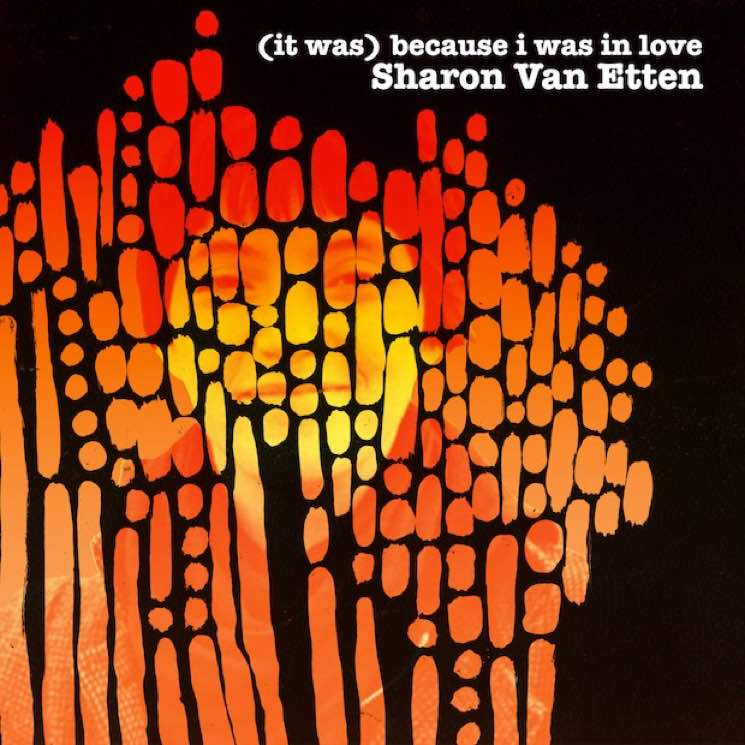
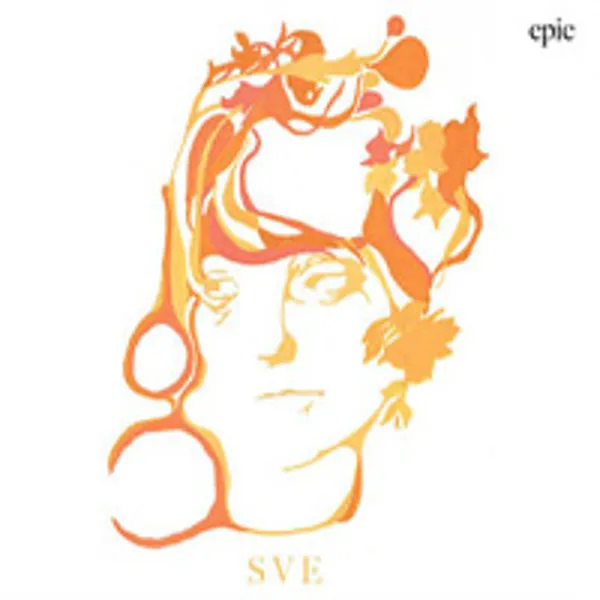
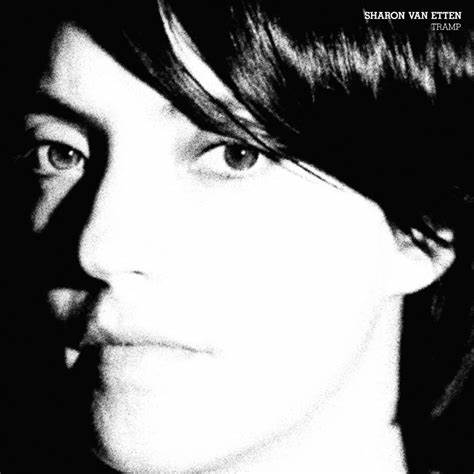
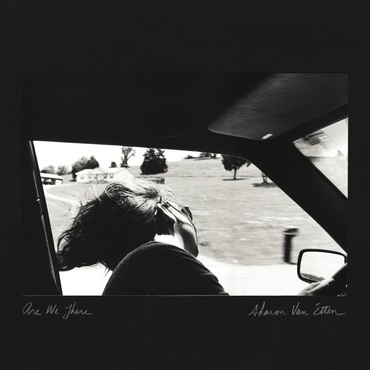
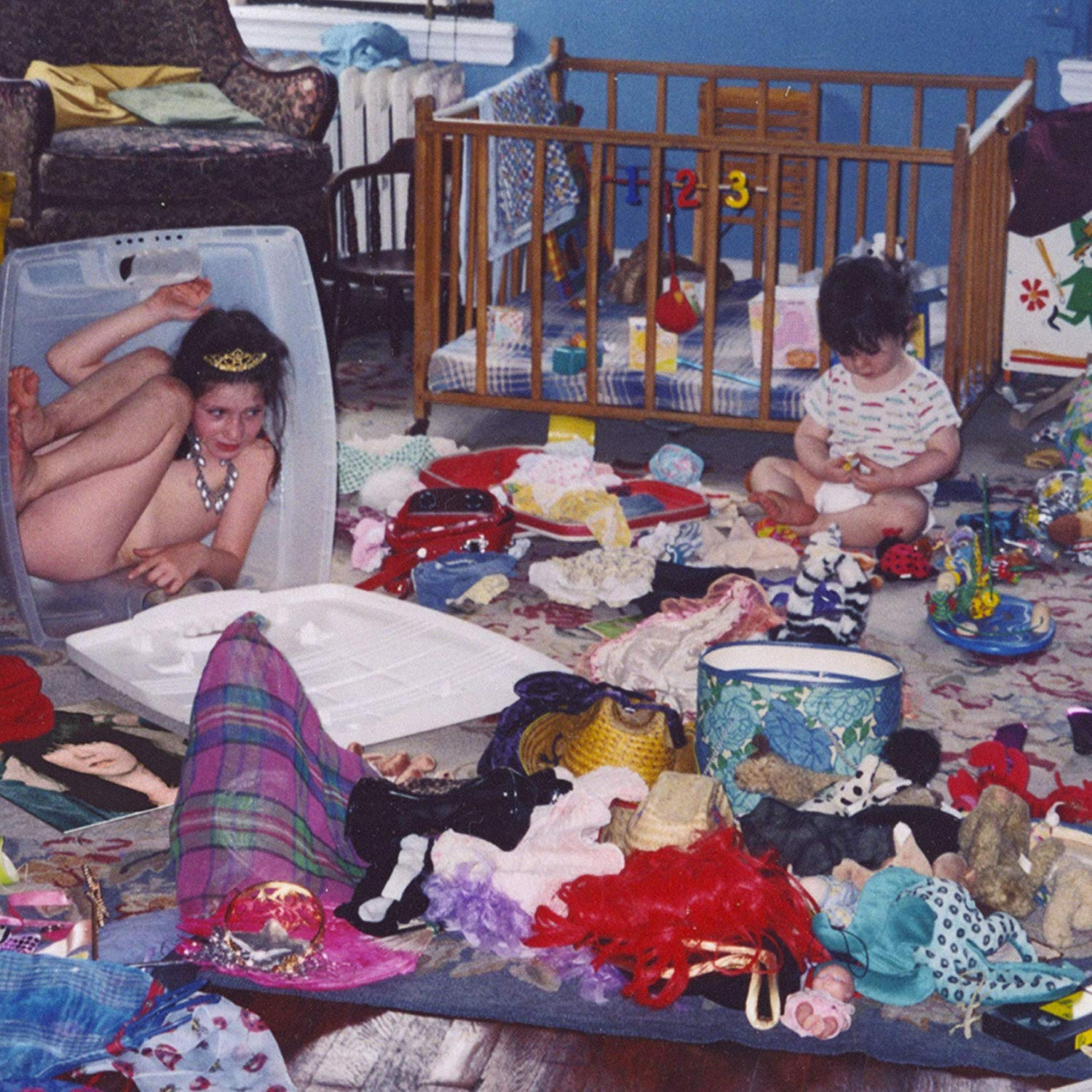
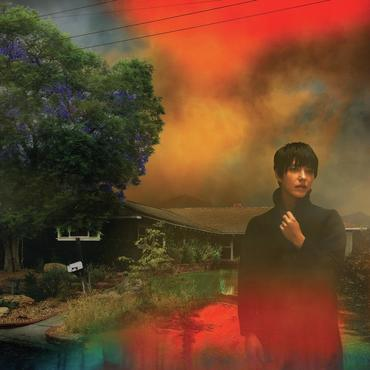


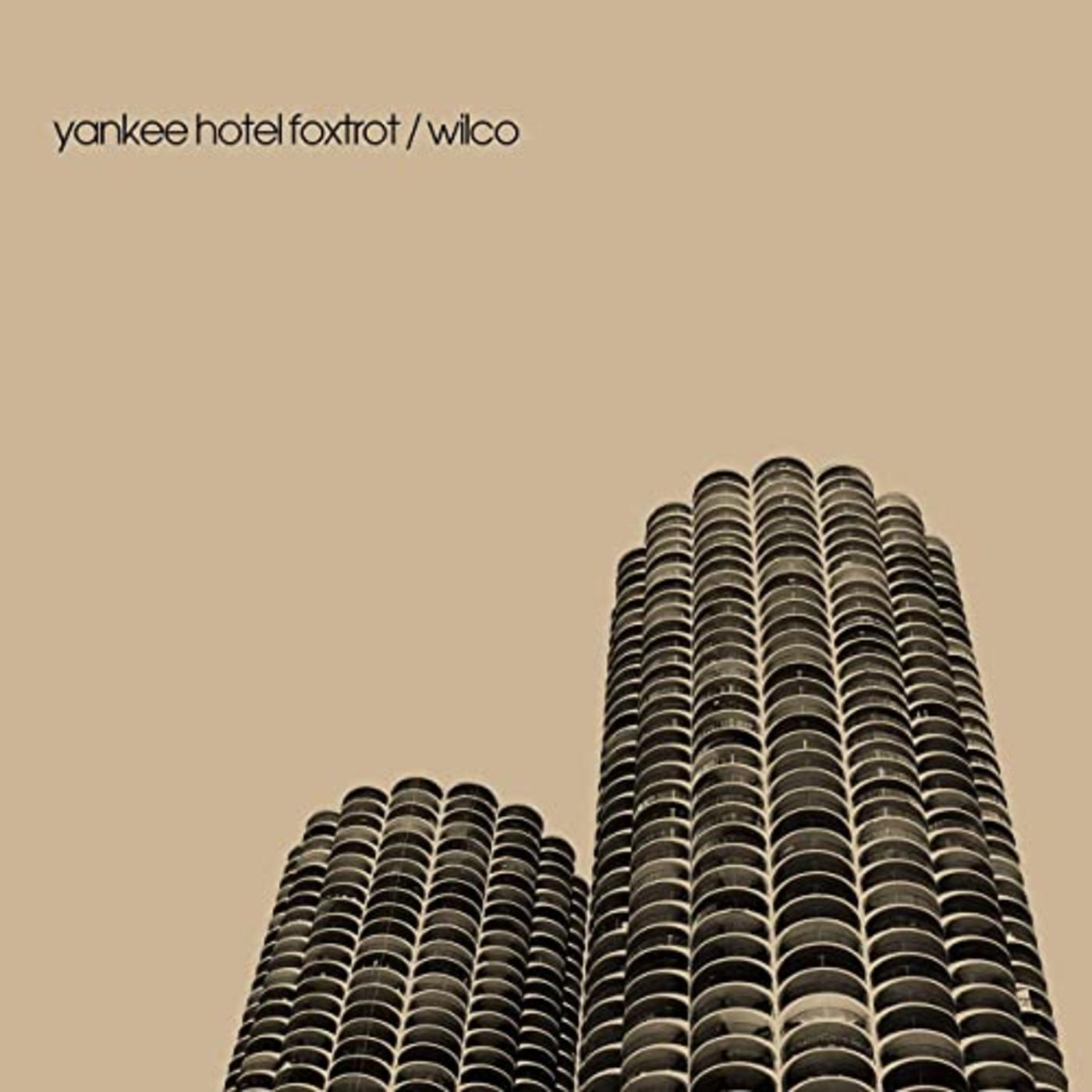
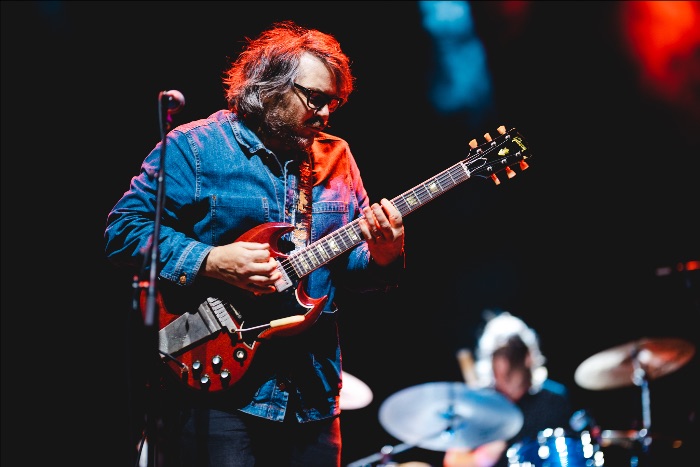

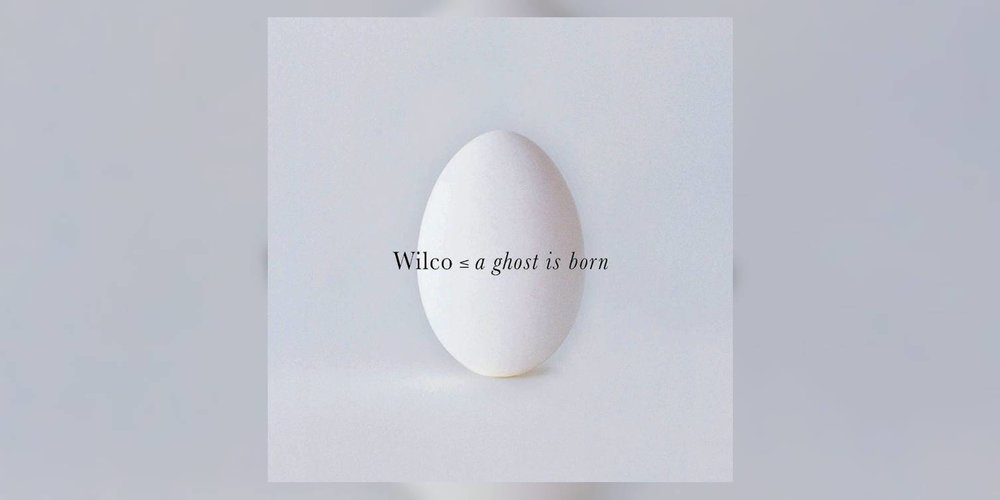

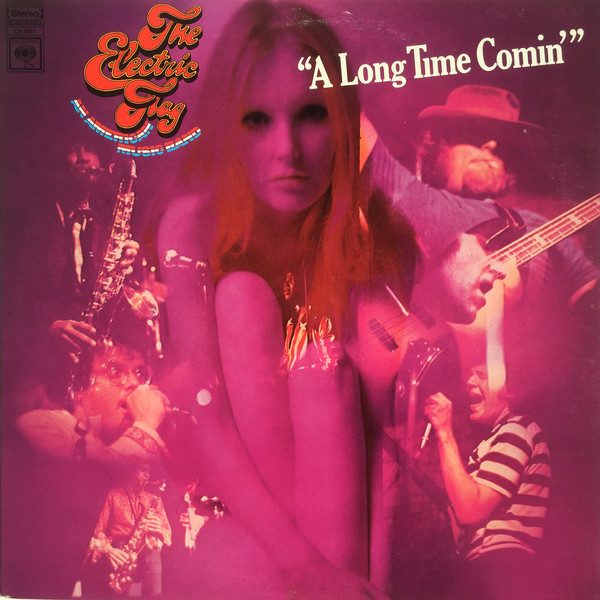
:format(jpeg):mode_rgb():quality(90)/discogs-images/R-8189152-1457562831-9287.jpeg.jpg)
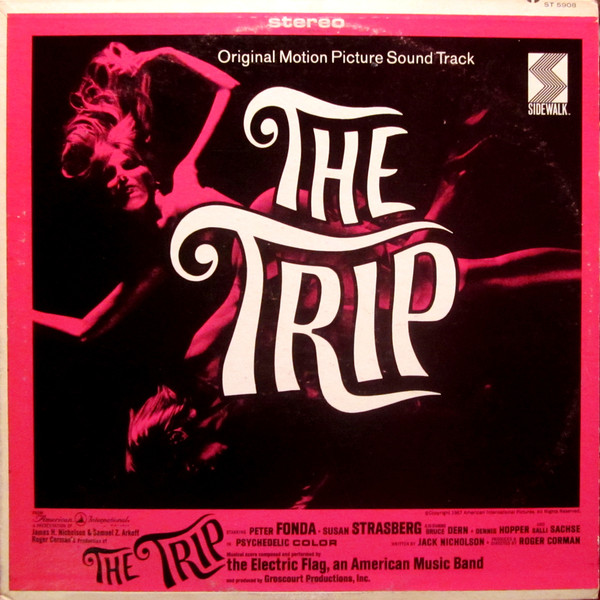



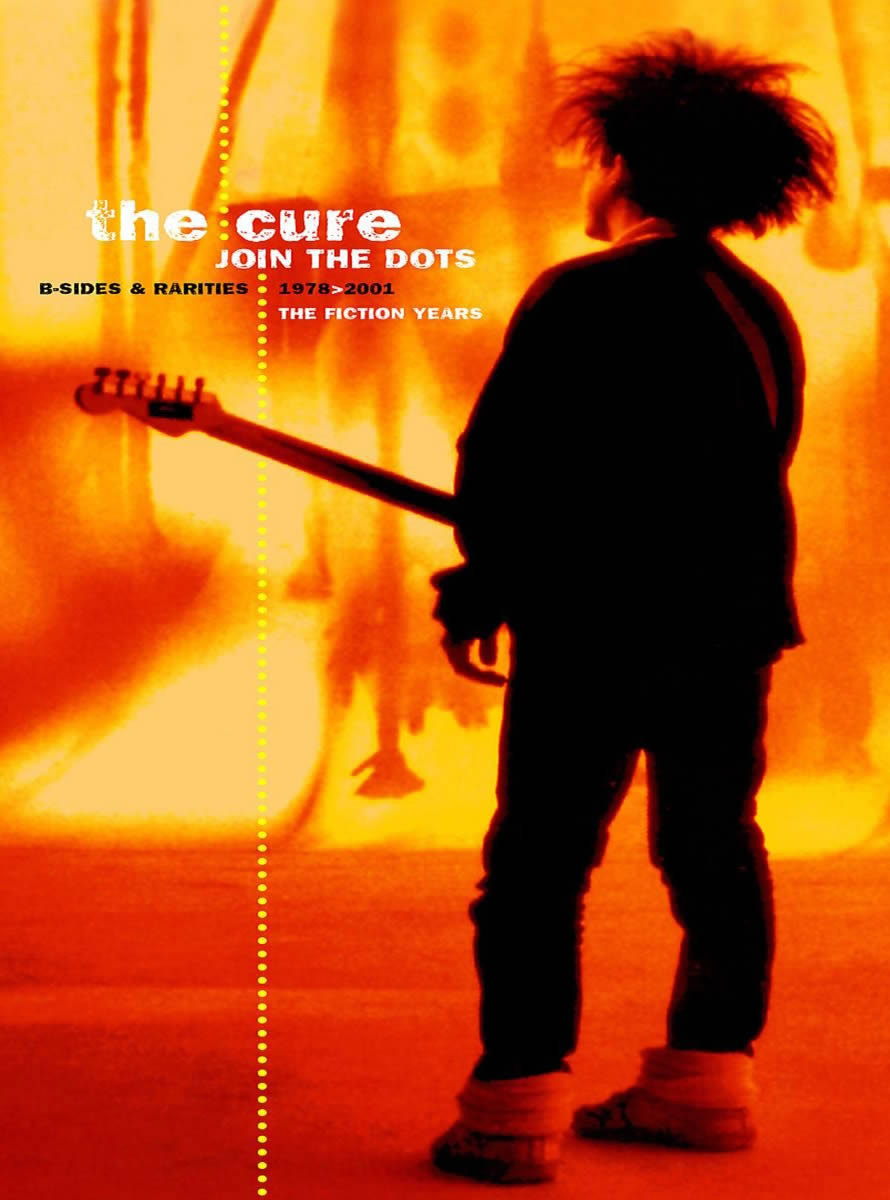


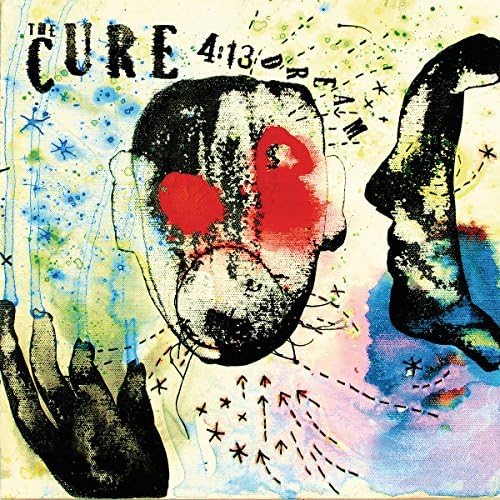

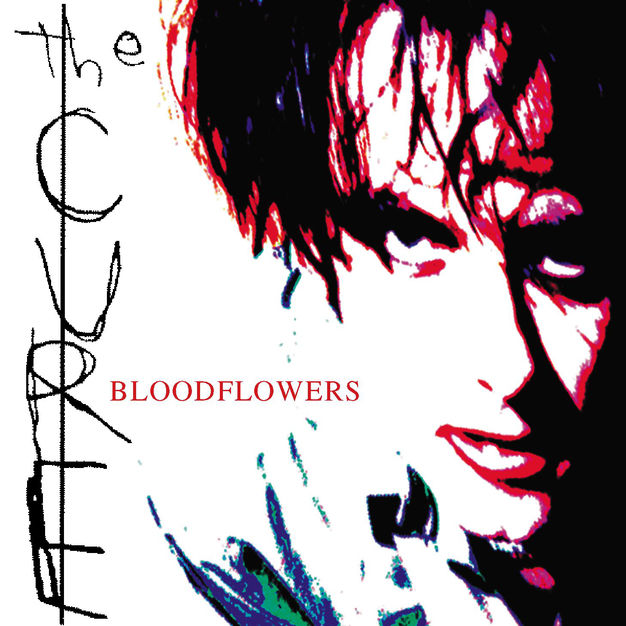


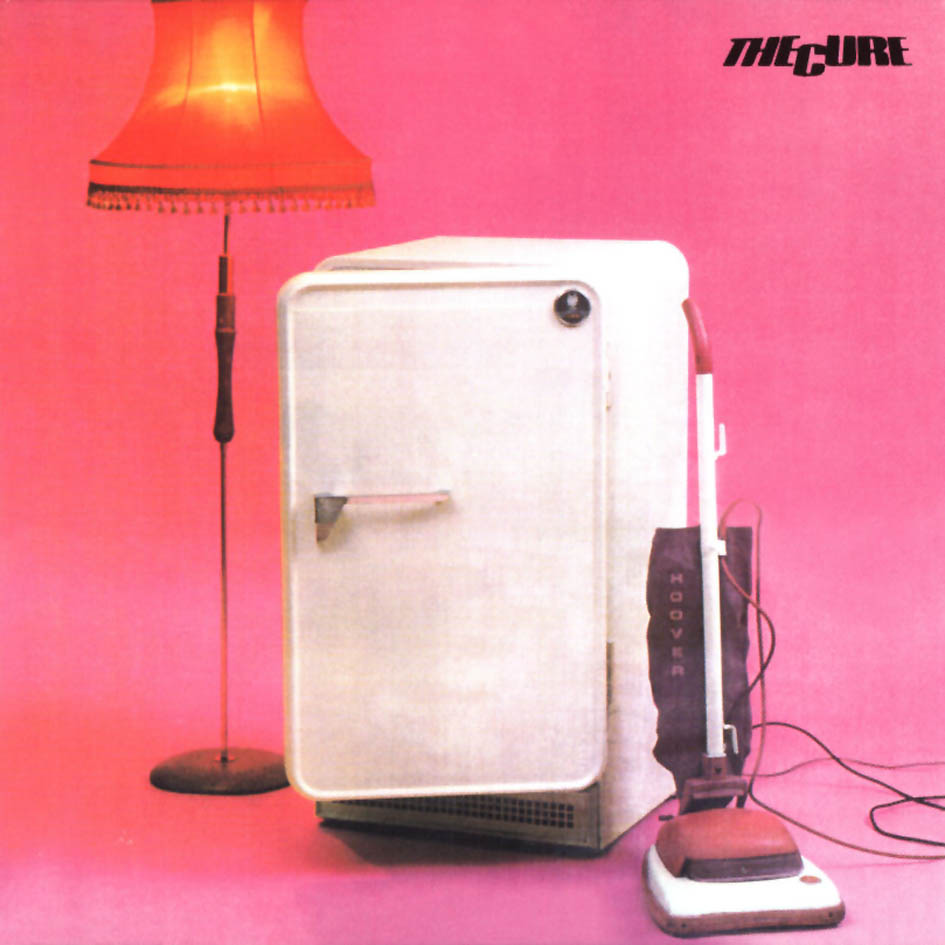
:format(jpeg):mode_rgb():quality(90)/discogs-images/R-751772-1155144458.jpeg.jpg)
:format(jpeg):mode_rgb():quality(90)/discogs-images/R-1499680-1224315996.jpeg.jpg)

:format(jpeg):mode_rgb():quality(90)/discogs-images/R-9275086-1477775020-4065.jpeg.jpg)

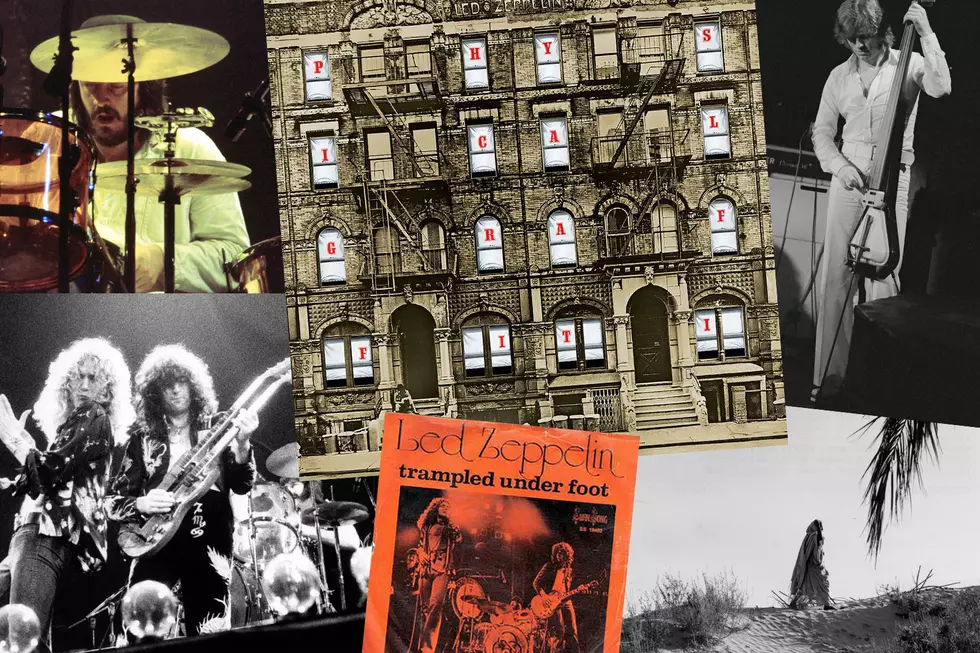
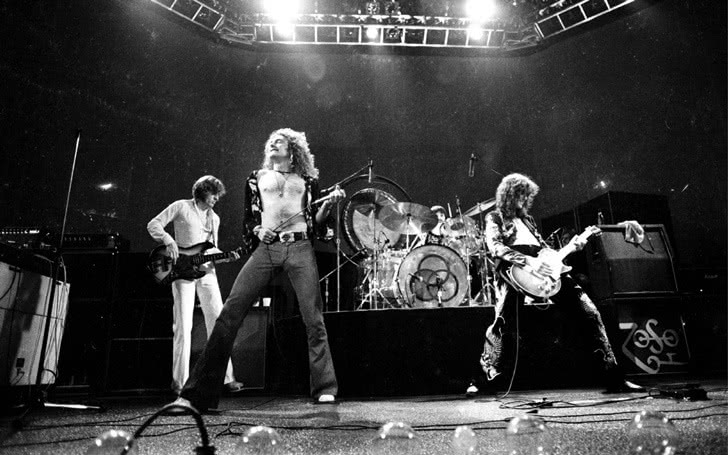
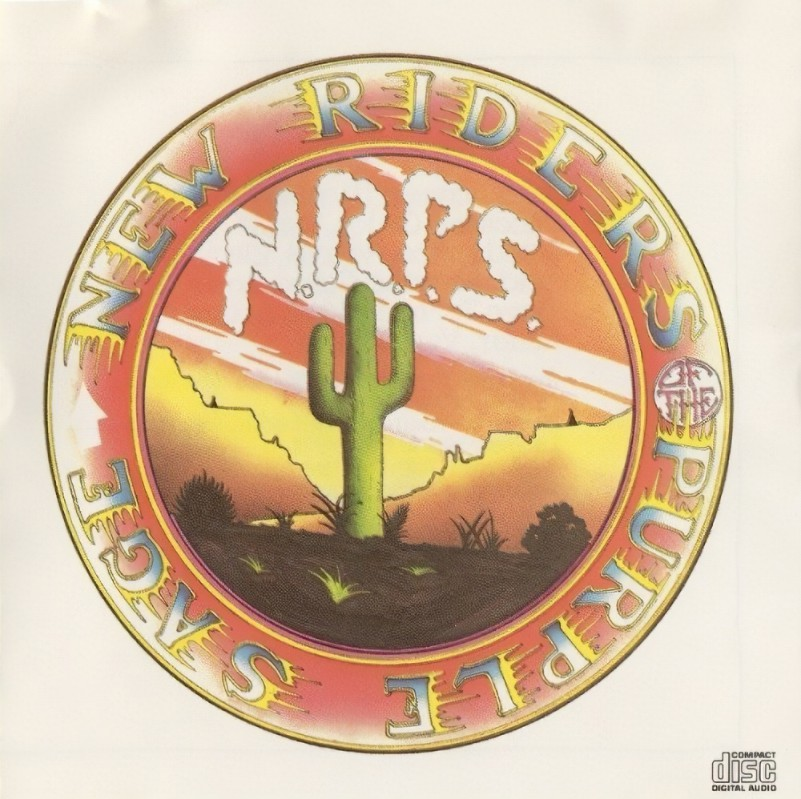
 The Fat Angel Sings