The Pretty Things have released two tracks in memory of their late singer Phil May. May died at the age of 75 on May 15 at the Queen Elizabeth Hospital, Kings Lynn, Norfolk, after being admitted earlier that week following a fall from his bike. The singer had undergone emergency hip surgery, after which complications set in.
The Pretty Things had been working on new material following their retirement from live touring in December 2018, with the two tracks unveiled today covers of Will Varley’s “To Build A Wall” and Gillian Welch’s “Devil Had A Hold On Me”.
A statement reads: “These recordings are taken from the work that the band had been doing, following lengthy discussions about whether they could actually create meaningful new music in a stripped back, acoustic-driven format.
“It seems that they could, and Phil May and Dick Taylor – together with manager and producer Mark St. John – began work on a new album, in an entirely acoustic format.
“Featuring strong, intuitive arrangements from Taylor, who reminds us of his well-earned place as one of Britain’s finest guitarists, these recordings set the scene for some of the most vulnerable, intimate and achingly moving vocals that we have ever heard from Phil May.
“This is the sound of authenticity, experience and deep pain and longing. The sound of two long, long lives in art and music that have always been at the cutting edge, and that have always worked as they did at the very start, in their teenage years, with absolute honesty. “Both of these new recordings are taken from a stripped back new album due for release later this year.”
The Pretty Things played their last show, The Final Bow, at London’s Indigo at the O2 in December 2018, where they were joined onstage by David Gilmour and Van Morrison.
Phil May, frontman of the riotous band the Pretty Things who were acclaimed peers of David Bowie and the Rolling Stones, The Lead singer with legendary, cult, first-wave, British, R&B band The Pretty Things died following tragic accident. It is with very deep sadness that the management of the Pretty Things have to announce the death of the band’s lead singer.
Phil May passed away at 7.05am on Friday 15 May at the Queen Elizabeth hospital, Kings Lynn, Norfolk. He was 75 years of Age. He had been locked down in Norfolk with his family and, during the week Phil had suffered a fall from his bike and had undergone emergency hip surgery, after which complications set in.
The Pretty Things first came to prominence in the 1960s when they caused great controversy because of the length of their hair and outrageous behaviour. Fights at shows were commonplace and questions were even asked in parliament. But over the years the band retained their uncanny relevance across generations of rock music.
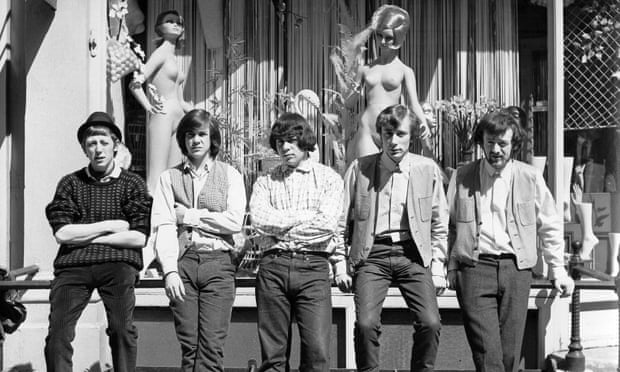
Born in Dartford, Kent, May formed the Pretty Things in 1963 with guitarist Dick Taylor, who had recently left the nascent Rolling Stones. The band’s line-up coalesced with John Stax, Brian Pendleton and Viv Andrews, with May as frontman.
The Pretty Things were fundamental in the development of British music. They enjoyed much critical success and were a huge influence on artists as diverse as David Bowie, Aerosmith, The Ramones, Bob Dylan, The Sex Pistols, The White Stripes, Kasabian, The Lightning Seeds and countless more. The Pretty Things seem to have existed in a state of chaos from the moment they began. They were a genuinely ground breaking band. At a time when most British R&B artists treated their US source material reverentially – “as if it were written in stone and you can’t fuck with the Bible”, says May – the Pretty Things tended to charge at old Willie Dixon and Jimmy Reed songs head on, with thrillingly explosive results. “We were incompetent reprobates,” chuckles Taylor. “It was thrash R&B.” At least part of the Pretty Things’ nonpareil ability to attract trouble was linked to May’s appearance: he had grown his hair down to his shoulders while at art school, a remarkable move in early 60s Britain. “By the time the Pretty Things hit the TV screens, I was used to being abused and spat at and getting into punch ups, because it had happened when we were art students. We’d done our apprenticeship at being outsiders.
They signed to Fontana Records and released a string of hit singles: “Rosalyn”, “Don’t Bring Me Down”, “Midnight to Six Man”, the latter a paean to the life of a jobbing musician so evocative you can almost smell the sweat, cigarette smoke and chip fat in the Blue Boar service station as it plays.
But they also attracted trouble: May and Taylor are full of tales about touring that begin with the band gamely setting off in their van “with some sandwiches Dick’s mum made us” and end with them causing a riot, or being run out of town by the police, or discovering that a guitarist has vanished without trace, unable to cope with the bedlam, only to reappear years later, having opted for a quieter life selling insurance. Should anyone think these stories are exaggerated, there is some footage of them performing in the Netherlands in 1965: they don’t seem to be playing a gig so much as providing the soundtrack to a public disturbance, the music getting more and more chaotic as the crowd fights. Then there was their drummer Viv Prince, a typical anecdote about whom begins: “He was drinking a bottle of whisky a day and there were a number of incidents with a tear-gas gun he’d got hold of in Germany.” A 1965 tour of New Zealand would have gone badly anyway – the press were upset by the band’s appearance, the chaotic nature of their performances and May’s loud questioning of the country’s treatment of its Maori population – but it was Prince who managed to cause so much trouble that the band were deported and the New Zealand parliament barred them from the country for life.
A clip exists of them performing Private Sorrow on French TV that gives you a flavour of what it might have been like: drummer John “Twink” Alder does a mime in white face and Napoleon hat, while May shoots him a succession of furious glares. He looks as if he wants to kill him. “Oh God, yeah,” nods May. “We all did. He got completely carried away. It was like: what are you fucking doing? It was his Marcel Marceau period.
There was also their penchant for what Taylor calls “musical anarchy” on stage – their performances degenerating into improvised noise – and their fondness for drugs. They obviously were not the only mid-60s rock band who fell under the influence of acid, but they may have been the most blatant. Other artists wrote subtly coded songs, wreathed in metaphor, that tipped the wink to listeners in the know: White Rabbit, I Can See for Miles, Tomorrow Never Knows. The Pretty Things wrote songs called LSD and Tripping. “I don’t think we were trying to be surreptitious about anything at that time,” shrugs May.
Radio was equally disinclined to play their astonishing 1967 single Defecting Grey, a saga of cruising in a park while on acid. If May was at least a little more circumspect about his bisexuality than his drug use, he was still fond of swapping the gender pronouns around in old R&B songs, enlivening one mid-60s BBC performance by singing, “I’m in love with your little girl, and your little boy’s in love with me” during a version of Mama, Keep Your Big Mouth Shut.
The group became a key part of the London blues-rock scene who were in thrall to US blues players but were also bringing in new elements of pop and psychedelia. They had an early Top 10 hit in “Don’t Bring Me Down” and other moderately successful songs like “Honey I Need” and “Cry to Me”, and became known for their drug-taking and raucous on-stage behaviour.
May was bisexual, wore his hair long and marked himself out as a countercultural figure. He remembered in “By the time the Pretty Things hit the TV screens, I was used to being abused and spat at and getting into punch-ups, because it had happened when we were art students. We’d done our apprenticeship at being outsiders.”
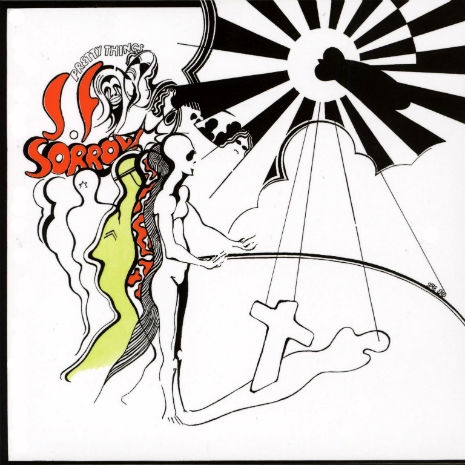
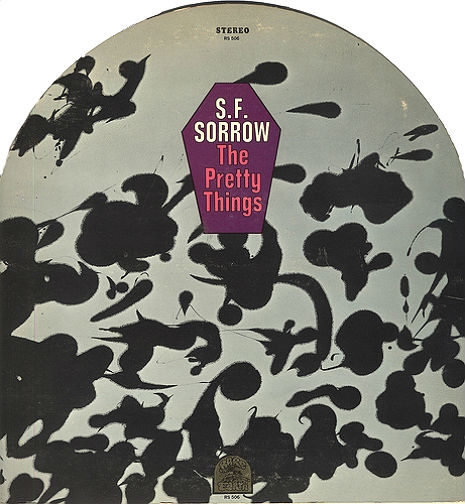
The band earned their most enduring fame for their 1968 concept album SF Sorrow. It is regarded as the first rock opera album, a tale of the life of the fictional Sebastian F Sorrow, ahead of similar experiments like the Who’s album Tommy. The record was released by Motown offshoot Rare Earth, making them Motown’s first ever UK signing, though it was a flop on release and only later became a cult favourite.
The band created a rich music catalogue including top-level albums such as The Pretty Things, S.F. Sorrow & Parachute, and remained a significant artistic and creative force throughout their entire 55+ year career.
They were revered by artists as diverse as Jimi Hendrix, Aerosmith, the Ramones and Kasabian, and while there were spells of inactivity, the band never split up, enjoying a 55-year career. They played their final concert in 2018, with guest appearances by David Gilmour and Van Morrison.
May and Taylor have a lot of stories like this. They have spent 55 years, on and off, as frontman and guitarist of the Pretty Things, with no end in sight to their career, although the was to be their last as an electric band. May had emphysema, which makes touring tough, although they planed to continue performing acoustically. It is a life that has left them with an apparently bottomless fund of anecdotes about everything from the snobbery of the south London blues scene from which they and the Rolling Stones emerged – “they kind of dismissed me and Keith Richards as punks; they wouldn’t allow us onstage,” says May – to microdosing LSD, a practice May thinks may have been invented by a keyboard player who performed with the band in the 70s. “He used to have a little lick of acid every morning while standing on his head, doing his yoga exercises.” And did it help him psychologically, as latter day devotees of microdosing claim it can? “Well, no, not really,” sighs May. “He went pretty loony, to be honest.”
May also released a solo blues-rock album as Phil May & the Fallen Angels in 1976, which had a fraught gestation – half the album was written and performed with band members from Fleetwood Mac and Humble Pie, who later quit, leaving May to finish it with a fresh set of personnel.
In 2014, he was diagnosed with chronic obstructive pulmonary disease and emphysema, and took a break from touring. He recovered, and the following year the band released their most recent album, The Sweet Pretty Things (Are in Bed Now, of Course…). An album of new material is also slated for release this year.
They continued to release iconic and influential recordings, right up to the present day, with a new album due for release this year. Phil had been in poor health for some time when the Pretty Things played their last live concert, ‘The Final Bow’, on 13th December 2018,
Phil May leaves behind his son, Paris May, his daughter, Sorrel May and his partner, Colin Graham.
They weren’t the best-known of the early ‘60s “British Invasion” bands, but the Pretty Things are undeniably one of the most enduring and influential of the first wave of U.K. rockers to wash up on U.S. shores.
The various eras spanned by the band’s work could give the uninitiated pause, however, ranging from the Pretty Things’ mid-‘60s British R&B romps and the unbridled psych-rock of 1968’s “S.F. Sorrow” to the hard rock ‘70s when the band was signed to LedZeppelin’s Swan Song Records label, and beyond into the 21st century. The best that the Pretty Things have to offer from across the band’s storied half-century of music.
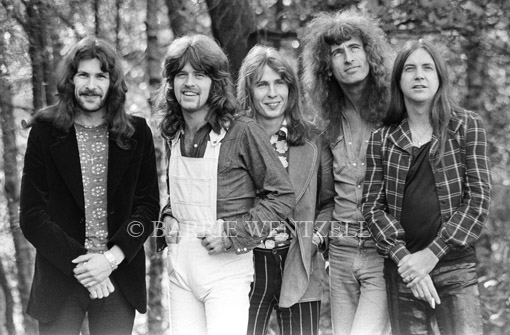
With a December 2018 “farewell” performance held at the O2 Indigo in London, and the recent release of the show in a couple of formats by Madfish Music, the Pretty Things take a final bow after 55 years in the rock ‘n’ roll trenches. The line-up for this event was comprised of band originals Phil May (vox) and Dick Taylor (lead guitar) along with longtime guitarist Frank Holland, bassist George Woosey, and drummer Jack Greenwood. Former Pretty Thing’s bandmates Jon Povey, Wally Waller, and Skip Allan appeared onstage, and rock legends Van Morrison and David Gilmour (Pink Floyd) joined the band in celebrating their storied career.
The band’s story begins with guitarist Dick Taylor, who was the odd man out in the earliest incarnation of the Rolling Stones. With both Brian Jones and Keith Richards in the fold, the Stones didn’t need a third guitarist, so Taylor gamely switched to bass. Taylor quit the Stones a few months later, after he was accepted by the Central School of Art and Design in London. It was there that he met singer Phil May, who convinced him to form a new band. Named after a song by legendary Chicago bluesman Willie Dixon (1955’s “Pretty Thing”), England’s Pretty Things were a typical early ‘60s British R&B band playing American blues tunes by artists like Bo Diddley and Jimmy Reed.
The Pretty Things scored a minor chart hit with their first single, “Rosalyn,” which was released in early 1964 and they quickly followed it up with the Top Ten hit “Don’t Bring Me Down” and, in early 1965, Taylor’s “Honey I Need,” which peaked at #13 on the UK charts. While the band never enjoyed a hit single in the U.S. they were extremely popular in Australia, Germany, and the Netherlands as well as their home country. As the 1960s wore on, however, the band’s ever-changing line-up and ever-evolving sound resulted in diminishing commercial returns. In 1968, the Pretty Things released what is considered by many to be their masterpiece, the “S.F.Sorrow” album.
A notch above contemporaries like the Rolling Stones or the Beatles in their status as England’s premiere R&B outfit, the Pretty Things’ self-titled debut was a rockin’ collection that relied heavily on American blues standards by folks like Bo Diddley, Jimmy Reed, Willie Dixon, and Tampa Red. Even when the band cranked out an original like the hit “Honey, I Need” or “13 Chester Street,” they dressed it up in their best Chicago blues garb and played like they were auditioning for Chess Records. As was the trend at the time, the U.K. version of the album differed in song selection and sequencing from the U.S. release, which front-loaded the hit singles and added a couple of tracks not available across the pond.
The Pretty Things created some of the most exciting and innovative records of the late sixties and early seventies. Winners of the Hero award at the 2009 Mojo Honours, the band have been name checked over the years by an array of artists ranging from The Clash, David Bowie and Aerosmith through to The Libertines and Kasabian. The band first burst onto the scene in 1965 with a blend of raw, explosive R&B, this their debut album which reached no. 6 in the UK album charts. Over the course of several albums they evolved into psychedelic pioneers.
The 1967 release ‘Emotions’ bridged the gap between the R’n’B era of The Pretty Things and the psychedelic Sergeant Pepper and Pink Floyd era of their ’68 release ‘S.F. Sorrow’. The album is almost an exact snapshot of swinging London at its purest. ThePretty Things were formed by Phil May and guitarist Dick Taylor in 1963. Taylor was hot from the first days of the RollingStones, the band he formed with Mick Jagger and Keith Richard, but left because it was time to go to art school; May was a hooligan disguised as a fellow student; and the rest of the band just picked things up from there.
Other bands played R&B, of course… the Kinks, the Yardbirds, even the Beatles tried their hand at it. But none of them played it like the Pretty Things. Their hair was long, their music was greasy, and they genuinely did not understand how to turn down the volume on their amplifiers.
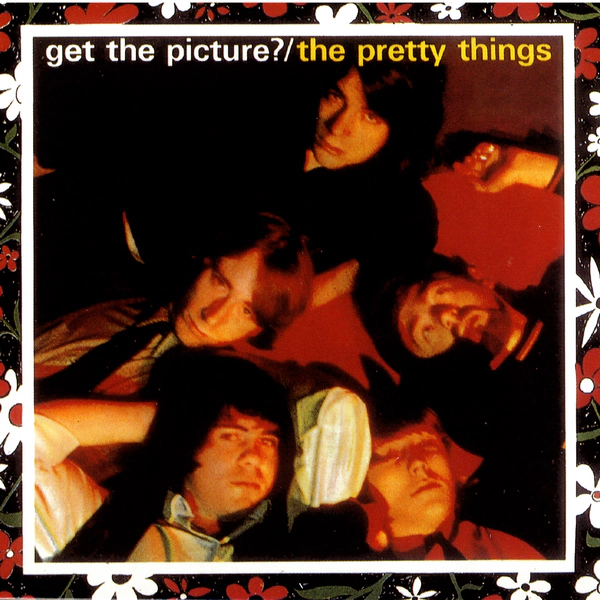
The legendary 60s RnR upstarts’ cherished second album from 1965 featuring 6 bonus tracks and liner notes including the singles “L.S.D.”, “Midnight To Six Man”, “Cry To Me” and “Come See Me”. This edition of ‘Get the Picture?’ is presented in complete with an 8-page booklet featuring liner notes from renowned journalist and editor Paul Du Noyer
The Pretty Things’ sophomore effort and the band’s second album in less than a year found the PTs relying less on American blues standards in favour of exploring their own growing songwriting chops. The results were inconsistent, but impressive nonetheless as the band delivers a blistering set that ranges from jangly ballad “You Don’t Believe Me” (co-written with then-session pro Jimmy Page) Listed among the composing credits on ‘Get The Picture’ is one Jimmy Page, the most in demand session guitarist of the era. the fuzz-drenched, garage-rockin’ title track to the freakbeat classic and minor chart hit “Midnight To Six Man.” Get the Picture? was the last PTs’ disc to feature notorious (and erratic) drummer Viv Prince.
Released December 1965 ‘Get The Picture’ – The Pretty Things certainly did with this follow up to their debut album of the same year. The band were getting wilder and the music getting better, with two remarkable singles ‘Midnight To Six Man’ and ‘Come See Me’. The Pretty ThingsMay was a hooligan disguised as a fellow student; and the rest of the band just picked things up from there. Other bands played R&B, of course.
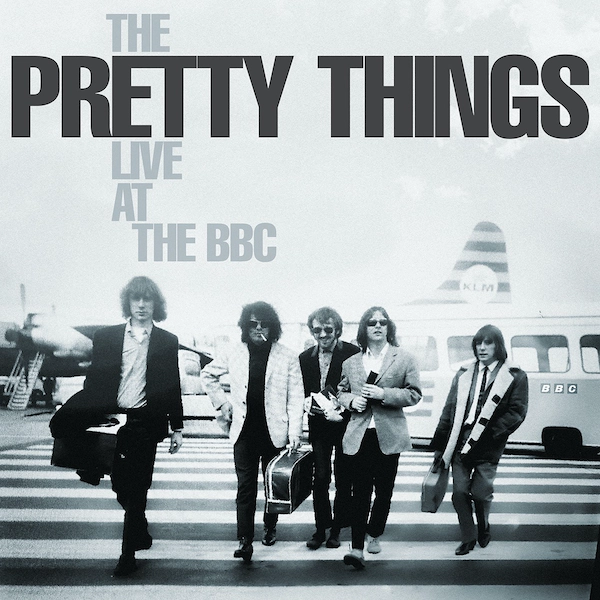
As well as recording hit singles and albums, the Pretties were also heard live in action on BBC radio shows that captured their dynamic performances with remarkable clarity and presence. We are fortunate that this audio heritage has been carefully preserved and has now been digitally restored for future generations to enjoy. Repertoire is proud to present this comprehensive collection that provides hours of non-stop R&B, original songs and new concepts. Such seminal BBC shows as Saturday Club presented by DJ Brian Matthew and Top Gear by John Peel -who also hosted his own regular Sunday Concert – welcomed the band to their studios where they’d romp into everything from Pretty Thing favourites like “Big Boss Man”, “Road Runner” and “Buzz The Jerk” to the experimental “Defecting Grey”.
There is more broadcast material from the 1970s and even into the 2000s with BBC shows hosted by Mark Lamarr and Marc Riley that bring the band’s history up to date with vibrant versions of “Belfast Cowboys”,“Singapore” “Silk Torpedo” and even a revival of their first hit single “Rosalyn”. This superb boxed set has informative liner notes by Richard Morton Jack, progressive rock historian and editor of Flashback magazine, and includes an interview with Phil May discussing the recordings. Repertoire’s Chris Welch also interviews founder member guitarist Dick Taylor, who reminisces about the early days of the Pretty Things and pays tribute to his old friend Phil May who sadly passed away in 2020.
One of rock music’s first concept albums, “S.F. Sorrow” was based on a short story by May and although it failed to gain traction commercially, it has only grown in fans’ and critics’ estimations in the decades since.
The band’s unquestioned masterpiece and one of rock music’s first concept albums, “S.F. Sorrow” was released at a point where rock ‘n’ roll was experiencing “peak psychedelia,” and the Pretty Thing’s obviously rose to the occasion. Based on a short story by Phil May, the album is structured as a song cycle that tells the story of its protagonist, “Sebastian F. Sorrow,” from birth to disillusioned old age, with all the travails that ensued in between. From a musical perspective, this is probably the most imaginative and daring as the band would ever get, with Taylor, Waller, and Povey contributing some of their finest performances.
“S.F. Sorrow”, is one of the great classics of the Psychedelic era. The album stands favourable comparison with Sgt Pepper and Piper At The Gates Of Dawn as one of the defining records of the time. Originally recorded at Abbey Road in 1967 and 1968 it was one of the first true concept albums, pre-dating Tommy by a full year.
The Pretty Things created some of the most exciting and innovative records of the late sixties and early seventies. Winners of the Hero award at the 2009 Mojo Honours, the band have been name checked over the years by an array of artists ranging from The Clash, David Bowie and Aerosmith through to The Libertines and Kasabian.
Released in 1970 the album was named Rolling Stone’s album of the year ahead of ‘Let It Be’ by The Beatles, ‘Morrison Hotel’ by The Doors, ‘After the Gold Rush’ by Neil Young, ‘Moondance’ by Van Morrison, ‘Bridge Over Troubled Water’ by Simon and Garfunkel, Pink Floyd’s ‘Atom Heart Mother’ and Led Zeppelin ‘III’. Following the now legendary and critically acclaimed ‘S.F. Sorrow’, the psychedelic ‘68 classic, the band returned to Abbey Road Studios and started work on “Parachute”.
The legendary 60s RnB upstarts’ highly acclaimed 1970 5th album featuring 6 bonus tracks including the singles “The Good Mr. Square”, “Blue Serge Blues”, “October 26” and “Cold Stone”.
The PTs entered an uncertain new decade as disillusioned founder Dick Taylor left the band after “S.F. Sorrow” failed to improve the PTs’ fortunes. The band borrowed guitarist Victor Unitt from the Edgar Broughton Band as Taylor’s replacement for the recording of “Parachute”, a criminally-underrated follow-up that took the psychedelia of its predecessor into interesting new directions.
The vocal harmonies are outstanding, Unitt’s fretwork offers a fresh perspective, and the songwriting displays the band’s unique penchant for reinvention and evolution. Sadly, “Parachute” was virtually ignored at the time of its release, but critical reappraisal of the album would begin almost immediately, with Rolling Stone scribe Stephen Holden calling it an “obscure underground classic” a mere two years later when reviewing “Freeway Madness”for the magazine.
Taylor left the band before the underrated 1970 album “Parachute”, replaced by former Eire Apparent guitarist Pete Tolson, who would perform and record with the band through the remainder of the decade on sorely overlooked albums like 1972’s “Freeway Madness” and 1974’s “Silk Torpedo”. The band effectively broke-up when May was fired by his bandmates after the release of 1976’s “Savage Eye” album.
A new year, a new record label (Warner Brothers), and a new bass player in the form of Stuart Brooks (from Paul Kossoff’s Black Cat Bones) after longtime PTs member Wally Waller flew the coop. Oddly, Waller hung around after quitting, producing “Freeway Madness” for his former bandmates under the pseudonym “Asa Jones.” The results moved the band further onto the hard rock turf they’d fully explore during their Swan Song years. Waller did a great job in capturing the band’s sound; May took more chances with his vocals; and new guitarist Pete Tolson clearly found his comfort zone here, tearing off creative, cutting-edge solos. Proving that you can teach an old dog a new trick, the PTs further updated their sound; the mix of blues, boogie, and rock ‘n’ roll on “Freeway Madness” is period perfect.
The band’s 21st century “comeback” album, “Balboa Island” was the first PTs release in almost eight years, and only their second album in over a quarter-century. The classic trio of May, Taylor, and Waller are all in the saddle alongside old friends like keyboardist Jon Povey and drummer Skip Alan, as well as the “new guy,” guitarist Frank Holland, who had played on 1999’s …“Rage Before Beauty”. Another underrated entry in what’s not an enormously large Pretty Things catalogue, the album isn’t without its hiccups…the album-ending title track kind of fizzles out without ever hitting escape velocity, and the vamping “(Blues For) Robert Johnson” would have been embarrassing even in the band’s glorious 1960s heyday. But the musicians’ 40+ years of chemistry clearly shines on blustery originals like “Livin’ In My Skin” and “Buried Alive.” Throw in inspired covers of Dylan and Muddy Waters song and you’ll wonder why “Balboa Island” didn’t get more love when it was released.
May and Taylor reunited with bassist Wally Waller and keyboardist Jon Povey for 1980’s “Cross Talk” album, but otherwise the Pretty Things spent much of the 1980s and ‘90s out of the studio and out of the record-buying public’s consciousness.
The band’s new manager, Mark St. John, helped keep the band alive and performing during those dark years, and in 1999 the Pretty Things released the band’s first album in almost two decades in “Rage Before Beauty“, which included a new addition in guitarist Frank Holland. The critically-acclaimed “Balboa Island” album followed a mere eight years later in 2007, and the Pretty Thing’s twelfth and final studio album, well-received “The Sweet Pretty Things (Are In Bed Now, of Course…”) was released in 2015. Throughout this period, the band stayed busy with live performances and, also in 2015, the Pretty Things were honoured with the release of the deluxe, career-spanning multi-disc box set “Bouquets From A Cloudy Sky”.
The Pretty Thing’s go “glam” with an inconsistent set of songs that takes a stab at a more commercial sound while eschewing the tough-as-nails British R&B and imaginative psychedelia with which they’d made their bones. Turnabout is fair play, I suppose, the band finding inspiration in acolytes like David Bowie and Ian Hunter, and while “Silk Torpedo” provides, at times, an ill-fitting musical direction, songs like “Joey,” “Singapore Silk Torpedo,” and “Belfast Cowboys” rock pretty hard for glam, riding the rails of Pete Tolson’s wiry lead guitar and May’s reckless vocals. An often-overlooked entry in the Pretty Things’ catalogue, “Silk Torpedo” remains many a fan’s favourite nonetheless.
Listening to the two-LP version, the performance documented by “The Final Bow” makes little effort to include the band’s post-“S.F. Sorrow” material, largely eschewing the 1970s for a laser-focused trip back to the Pretty Things’ beginning years. After a brief intro, the band rips into two of their earliest hit singles, swinging through “Honey I Need” with reckless aplomb before jumping into the swaggering, blustery “Don’t Bring Me Down,” which features some incendiary Dick Taylor fretwork. The title track of the band’s sophomore album, “Get the Picture?” is a swinging slice of mid-‘60s British R&B with spry May vocals. “Midnight To Six Man” was a modest hit in 1966 and the band plays it pretty close to the vest a half-century later, the upbeat tune propelled by an undeniable rhythm, shards of jagged guitar, and bursts of manic energy.
Jumping ahead to 1968, much of side two features the band playing a condensed version of their landmark album “S.F Sorrow”, Pink Floyd guitarist David Gilmour sitting in with the band. The performances are so damn satisfying for the old-school PTs fan – “S.F. Sorrow Is Born” crackles with energy, the band backing May’s vocals with a swirling tsunami of psych-drenched instrumentation. Gilmour’s contributions to “She Says Good Morning” and “I See You” embellish, rather than detract from the original arrangements, his ethereal tone and fluid string-bending adding to the psychedelic vibe. The latter song is provided a gorgeous extended jam that will thrill any six-string junkie.
“Cries From the Midnight Circus,” hailing from the band’s underrated 1970 album “Parachute”, is chronologically the newest song here, and is afforded a rumbling, hard rocking arrangement with funky rhythms and May’s leather-lunged vocals, proving once again that the Pretty Things were a few years ahead of the rock ‘n’ roll curve stylistically. Name-checking friends like Keith Richards and David Bowie (née Jones), the band revisits its past life as a British R&B outfit with the legendary Van Morrison stepping in to help on blues standards like the rollicking “Baby, Please Don’t Go” and the jaunty “You Can’t Judge A Book By ItsCover,” both of which benefit from Morrison’s infusion of Irish soul. May’s nuanced vocals and Taylor’s slinky guitar-picking take “Can’t Be Satisfied” back to its Delta roots.
“The Final Bow” final side closes out with another appearance by Gilmour on a thirteen-minute-plus “medley” of two early PTs songs – the controversial non-album B-side “L.S.D.” (ostensibly “pounds, shillings, and pence,” using the British currency symbol £ for the ‘L’ but really about the mind-bending drug that was in vogue in 1966) and “Old Man Going” from “S.F. Sorrow”.
The first part is a foot-stomping rave-up before the song devolves into a dreamlike instrumental miasma with guitar interplay is every bit as enticing as you can imagine. The show’s encore includes the first Pretty Things’ hit, “Rosalyn,” the song shining every bit as brightly as it did 55 years ago (the late David Bowie adored the band, recording “Rosalyn” and “Don’t Bring Me Down” for his 1973 covers LP “Pin Ups”). After a few fitting words from Phil May, the band closes out with another “S.F. Sorrow” track, the lovely, melancholy “Loneliest Person.”
The Pretty Things’ “The Final Bow”is available in a couple of formats depending on your financial status and dedication to the band, including a nifty two-LP vinyl set with gatefold cover and individual sleeve notes by Phil May and Dick Taylor. For those of you with deeper pockets, you can get “The Final Bow” in a deluxe package with two concert DVDs of the event accompanied by a pair of live CDs and a 10” vinyl record with tracks selected by May and Taylor. It also includes a 52-page hardback book with photographs and more. Either way you go, “The Final Bow” is both a fine introduction to, as well as a fitting swansong for this timeless band.
Greatest Hits (2017)
If all you want is a taste of the Pretty Things to whet your appetite, you can’t do better than this 2017 release. Although the band didn’t have “greatest hits,” as such, they did enjoy a modicum of commercial success in the U.K. during the early ‘60s, and charting singles like “Rosalyn,” “Don’t Bring Me Down,” and “Cry To Me” are among the two-dozen tracks included here.
“Greatest Hits” covers a period from the band’s first hit in 1964 through their 1970 LP “Parachute” and includes a wealth of obscurities as well as four tracks from their masterpiece, “S.F. Sorrow”. I’m giving extra credit to the band for including a 25th bonus track, a new recording of the Byrds’ “Mr. Tambourine Man” which displays the band’s ability to creatively reinterpret material in their own image.
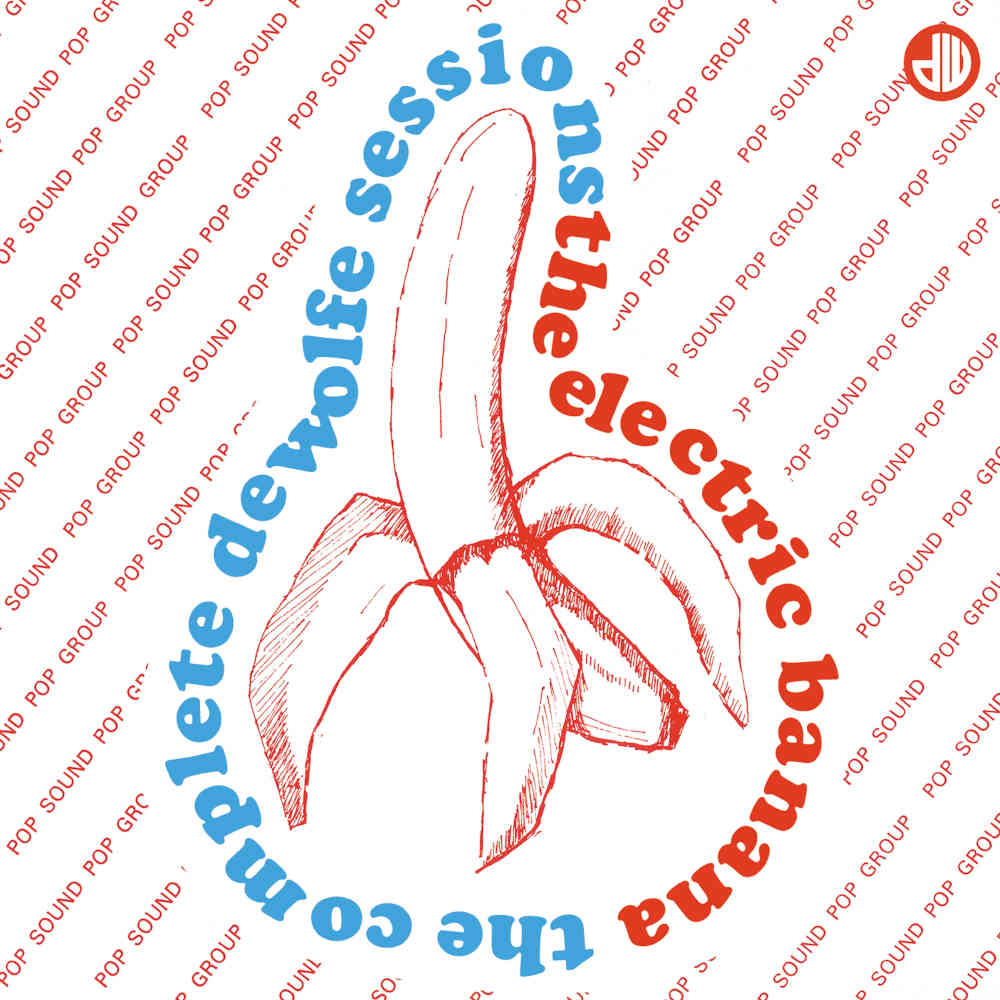
Also check out the “The Complete De Wolfe Sessions” [as Electric Banana] (2019)
It’s a poorly-kept secret among collectors that, during the late ‘60s and well into the 1970s, members of the Pretty Things supplemented their meagre cash flow by recording tracks for British music library company DeWolfe under the alias ‘The Electric Banana’. The music was never designed to be released commercially, but rather licensed to cheap-o movies and TV shows for soundtrack filler. That didn’t stop the band from cranking out some cool new tunes for their paydays, and the ElectricBanana ended up recording what amounted to six albums worth of material for the De Wolfe library, all of which have been collected in a nifty, budget-priced three-CD box set “The Complete De Wolfe Sessions”. Each “album” included five or six vocal tracks accompanied by instrumental versions, and the box set preserves 55 tracks in total.
There wasn’t really a “legit” live set released during the band’s heyday (1965-1980), the first (of sorts) being 1998’s “Resurrection”, recorded live in the studio with guest David Gilmour of Pink Floyd. If I had to recommend a couple of live discs for the still-hungry new PTs fan, I’d go with “Live at Rockpalast” (which features German TV appearances from 1998, 2004, and 2007) and “Live at the BBC” (which offers British TV appearances from the 1960s and ‘70s) as well as “The Final Bow”, of course…
Many thanks to longtime Pretty Thing’s members Phil May (vocals); Dick Taylor, Pete Tolson, and Frank Holland (guitars); Wally Waller and John Stax (bass); Jon Povey (keyboards); and Skip Alan (drums) for all the great music!
The Pretty Things started as blues-rock band in the early 1960s, and they’re often described as being “meaner, louder, uglier and with longer hair” than the Rolling Stones. (Pretty Things guitarist Dick Taylor originally played bass in the Stones). Their gritty, primitive R&B sound was heavily influenced by Bo Diddley’s beat.
Their fourth album, S.F. Sorrow , thePretty Things decided to shake it up a bit and create a psychedelic rock opera that some regard as a masterpiece . It’s held in the same high regard as another lost 60s classic, Odessey and Oracle by the Zombies. In fact, S.F. Sorrow was the first rock opera, not Tommy.
S.F. Sorrow was recorded between December 1967 and September 1968 at Abbey Road Studios. The sound incorporates the sitar, Mellotron, flute, dulcimer and tripped out sound effects.. At the same time, the album’s producer, Norman “Hurricane” Smith was working with Pink Floyd on their A Saucerful Of Secrets album and The Beatles were recording their White Album. (S.F. Sorrow came out the same week as the White Album and The Stones Beggars Banquet).
The 50th anniversary box set edition of the Pretty Things’s groundbreaking 1968 concept album (featuring the 1998 ‘Live At Abbey Road’ recording – with David Gilmour and Arthur Brown described as “A psychedelic masterpiece.”The Pretty Things, were iconic 1st wave cult heroes, created some of the most exciting and innovative records of the 1960s and 1970s. Winners of the Hero award at the 2009 Mojo Honours, the band have been a huge influence on artists as diverse as David Bowie, Aerosmith, The Ramones, Bob Dylan, The Sex Pistols, The White Stripes, Kasabian and many, many more.
In 2018 The Pretty Things celebrate their 55th anniversary as a band with their final live tour and final studio album. 2018 also marks 50 years of the world’s first Rock Opera, S.F. Sorrow. The album stands favourable comparison with Sgt Pepper and Piper At The Gates Of Dawn as one of the defining records of the Psychedelic era. Originally recorded at Abbey Road in 1967 and 1968 it was one of the first true concept albums.
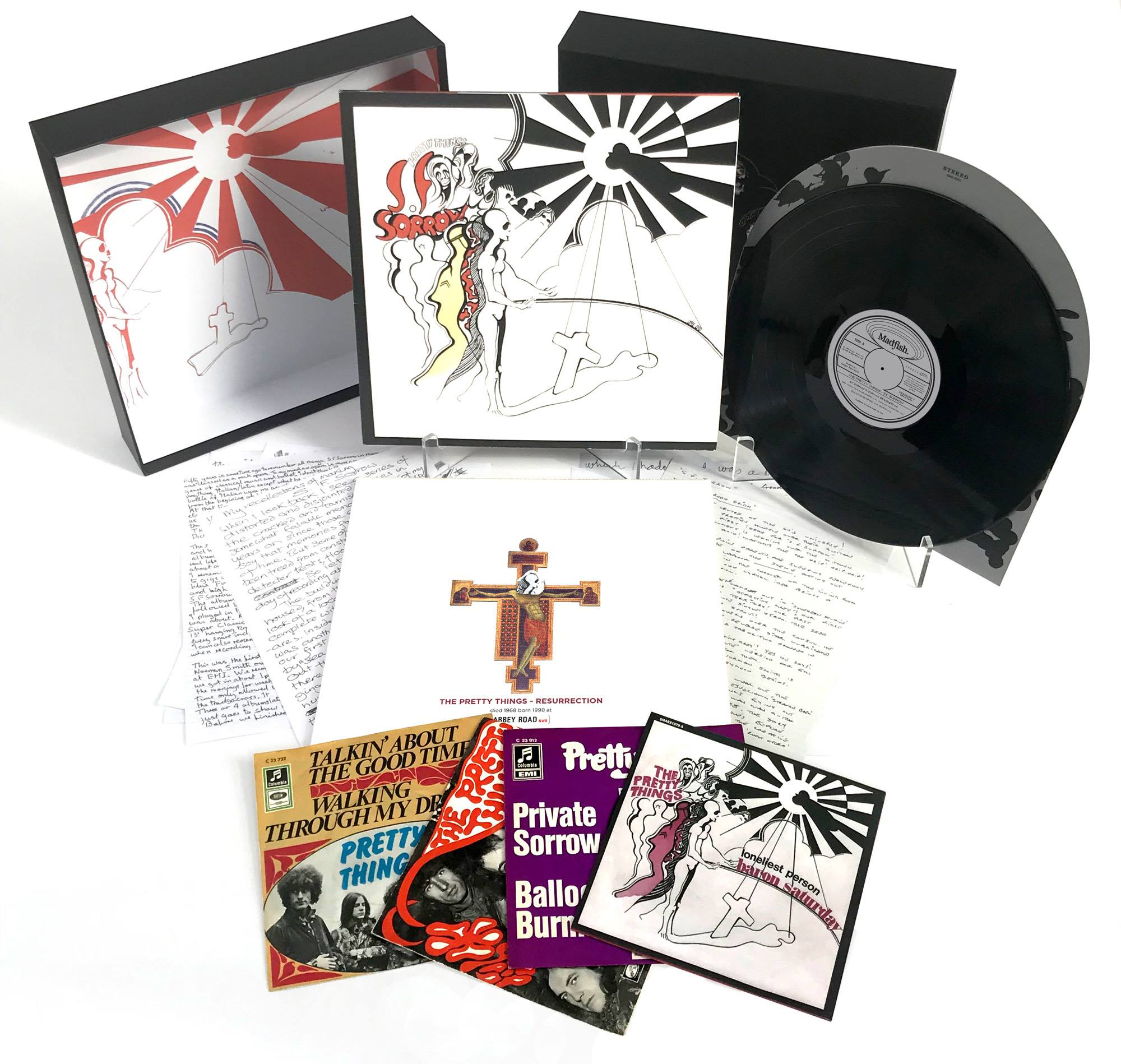
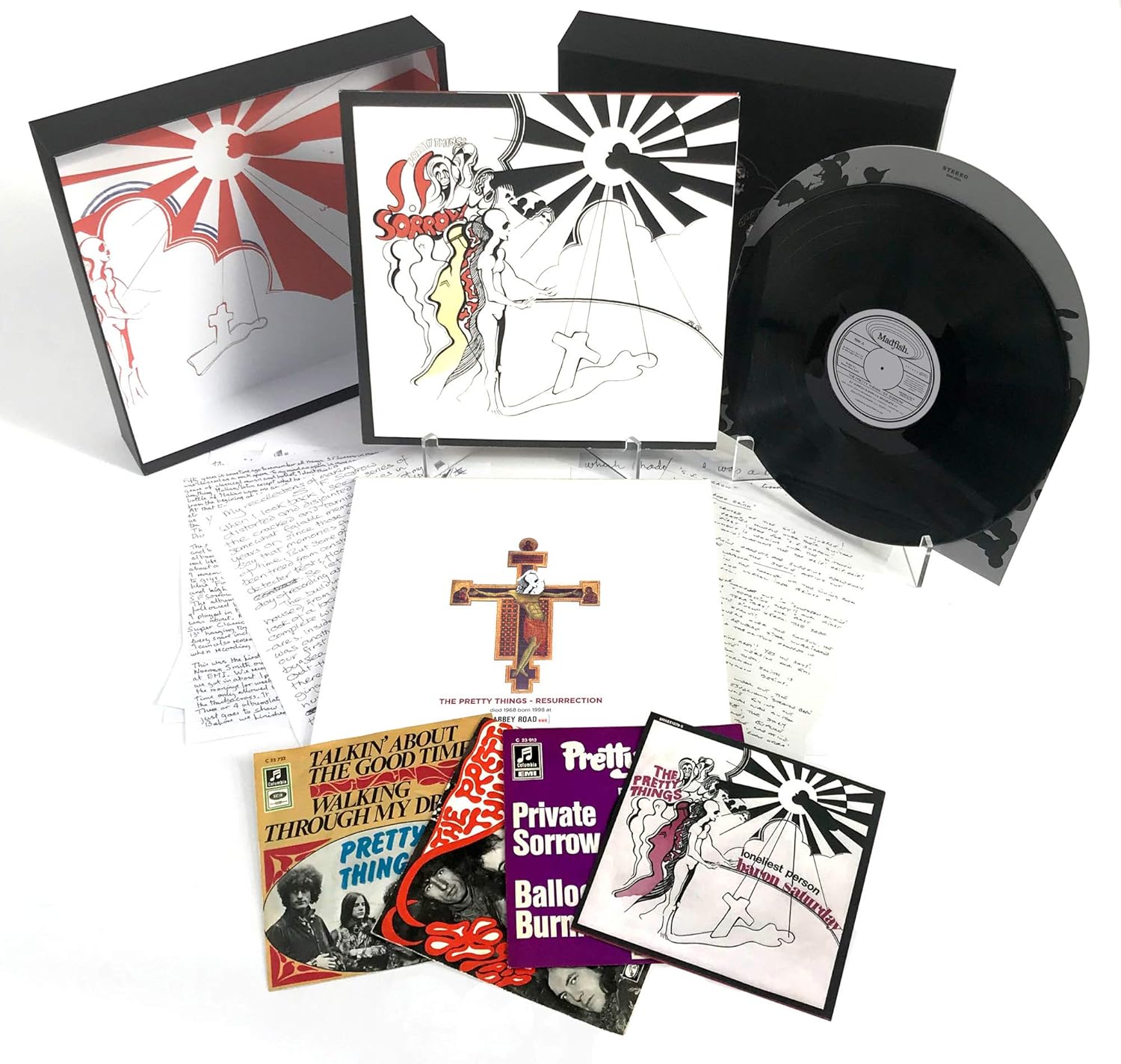
The S.F. Sorrow deluxe vinyl box set features four 12″ LPs, four rare European 1960s picture sleeve 7” singles, and handwritten recollections from Phil May, Dick Taylor, Jon Povey and Wally Waller on individually signed inserts.
The first two LPs feature the mono and stereo versions of the album cut from the original Abbey Road master tapes packaged in facsimile versions of the original UK gatefold and USA ‘Tombstone’ sleeves respectively. The third and fourth LPs comprise a 2LP set of the 1998 Live At Abbey Road anniversary recording with Gilmour and Brown on vinyl for the very first time.
The opera’s libretto came in the form of liner notes that told the story of one Sebastian F. Sorrow, an ordinary fellow who works at the “Misery Factory” and is drafted into World War I. His life descends into meaninglessness after he witnesses a hot-air balloon carrying his fiance crash and burn. Along the way he has an encounter with a mysterious whip-cracking character called “Baron Saturday”.
Saturday “borrows his eyes” and takes Sorrow on a trippy trip through the Underworld (something that seems to mirror the Acid Queen’s unorthodox therapy in Tommy, The opera ends on a sad note as the desolate Sorrow realizes that he can trust no one and that he will die alone.
The Pretty Things were really out there. With ‘SF Sorrow’ they really were pushing it to the absolute mac. They were pushing it just as hard as The Beatles but in a different direction. They recorded it at Abbey Road. It’s a record you go back to if you need to be reminded what being in a rock’n’roll band is all about.”
The Electric Banana, are actually the Pretty Things. And the Pretty Things… ah, but you don’t need Spin Cycle to tell you that. The Pretty Things are one of the greatest bands that ever stalked this earth; purveyors of so much great music that it hurts to think of how many people have never actually heard it; and if you want to know why they changed their name for these sessions, that was down to business and contracts. They could never have realized they were also creating a legend.
The Electric Banana were one of the greatest bands that ever stalked this earth, purveyors of… etc
Three discs and a terrific booklet tell the story, how a beat band of somewhat ill repute was invited to record what was known as library music for one of the companies that specialized in such things, DeWolfe Music.Intended for use in film, television and similar enterprises that required some appropriate tunes to play beneath the action, it’s an avenue that a lot of musicians recognize, even if they don’t always admit to it.
The Pretties, however, saw the opportunity as something more than that; a chance to experiment on somebody else’s budget, to lay down ideas and thoughts that may or may not go any place else, and even to demo songs that they might want to use on their own LPs.
Both SF Sorrow and Parachute arguably have their roots in these sessions, and that’s one of the reasons why the original Electric Banana albums (Electric Banana in 1967; More Electric Banana in 1968 and Even More Electric Banana in 1969) have been so highly prized by collectors, since their existence first became well-known.
But wait, there was more – a return to DeWolfe’s fold in 1973 for Hot Licks, and again in 1978 for The Return of the Electric Banana. In truth, this pair are not as exhilarating as the earlier albums; accurate or otherwise, there’s definitely a sense that the band reconvened more for financial than creative reasons. But still there’s much to be enjoyed as the box plays through, from playing “spot the riff” acrossdiscs one and two, to just rocking out on disc three.
Plus, it’s the Pretty Things.What more do you need?
The Pretty Things started as blues-rock band in the early 1960s, and they’re often described as being “meaner, louder, uglier and with longer hair” than the Rolling Stones. (Pretty Things guitarist Dick Taylor originally played bass in the fledgling Stones). Their gritty, primitive R&B sound was heavily influenced by Bo Diddley’s beat.
With their fourth album, “S.F. Sorrow”, the Pretty Things decided to shake it up a bit and create a psychedelic rock opera that some regard as a “lost”—or at least unfairly underappreciated, A mini masterpiece . It’s held in the same high regard as another “lost” 60s classic, Odessey and Oracle by the Zombies. In fact, S.F. Sorrow was the actually the very first rock opera, not Tommy. Although Pete Townshend has pointedly denied that S.F. Sorrow was an influence on Tommy, this seems unlikely at best: They were both of the same London scene.
Possibily the first rock opera. As good a document of what a band infatuated with the blues could do within the burgeoning psychedelic scene. The cradle-to-grave story of S.F. Sorrow. Classic songs include “I See You,” “Baron Saturday,” “Old Man Going” and “Defecting Grey.” (Note: latter releases include the five-minute version of the latter and is not to be missed for its sheer ferocity.) To quote Richie Unterberger: “And it does show a pathway between blues and psychedelia that the Rolling Stones, somewhere between ‘Satanic Majesties,’ ‘We Love You,’ ‘Child of the Moon,’ and ‘Beggars Banquet,’ missed entirely.” This British group the Pretty Things, was released in December 1968, is generally considered to be among the first creatively successful rock concept albums, in that each song is part of an overarching unified concept – the life story of the main character, Sebastian Sorrow.
S.F. Sorrow was recorded between December 1967 and September 1968 at Abbey Road Studios. The sound incorporates the sitar, Mellotron, flute, dulcimer and several tripped out sound effects. At the same time as the sessions for S.F. Sorrow, at Abbey Road their album’s producer, Norman Smith was also working with Pink Floyd on their A Saucerful Of Secrets album and The Beatles were recording their White Album there as well. (S.F. Sorrow came out the same week as the White Album and the Rolling StonesBeggars Banquet. What a week for music.)
The Pretty Things S.F. Sorrow The title comes from the sad-sack protagonist who wanders through life unhappy before going nuts from regret. The opera’s libretto came in the form of liner notes that told the story of one SebastianF. Sorrow, an ordinary fellow who works at the “Misery Factory” and is drafted into World War I. His life descends into meaninglessness after he witnesses a hot-air balloon carrying his fiance crash and burn. Along the way he has an encounter with a mysterious whip-cracking character called “Baron Saturday” who is based on the voodoo deity Baron Samedi. The opera ends on a sad note as the desolate Sorrow realizes that he can trust no one and that he will die alone.
It’s a landmark because it ranks as the first rock opera. Rumor has it Pete Townshend started wringing his hands and concocting “Pinball Wizard” after hearing this.








 The Fat Angel Sings