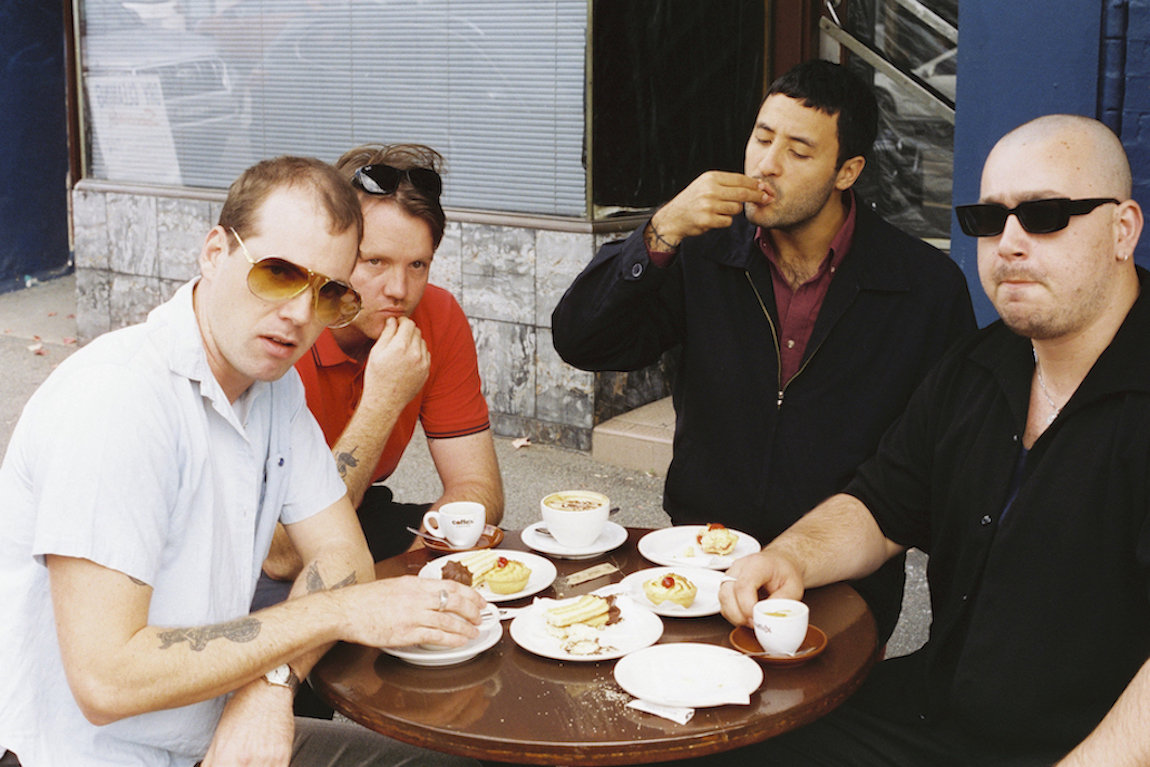
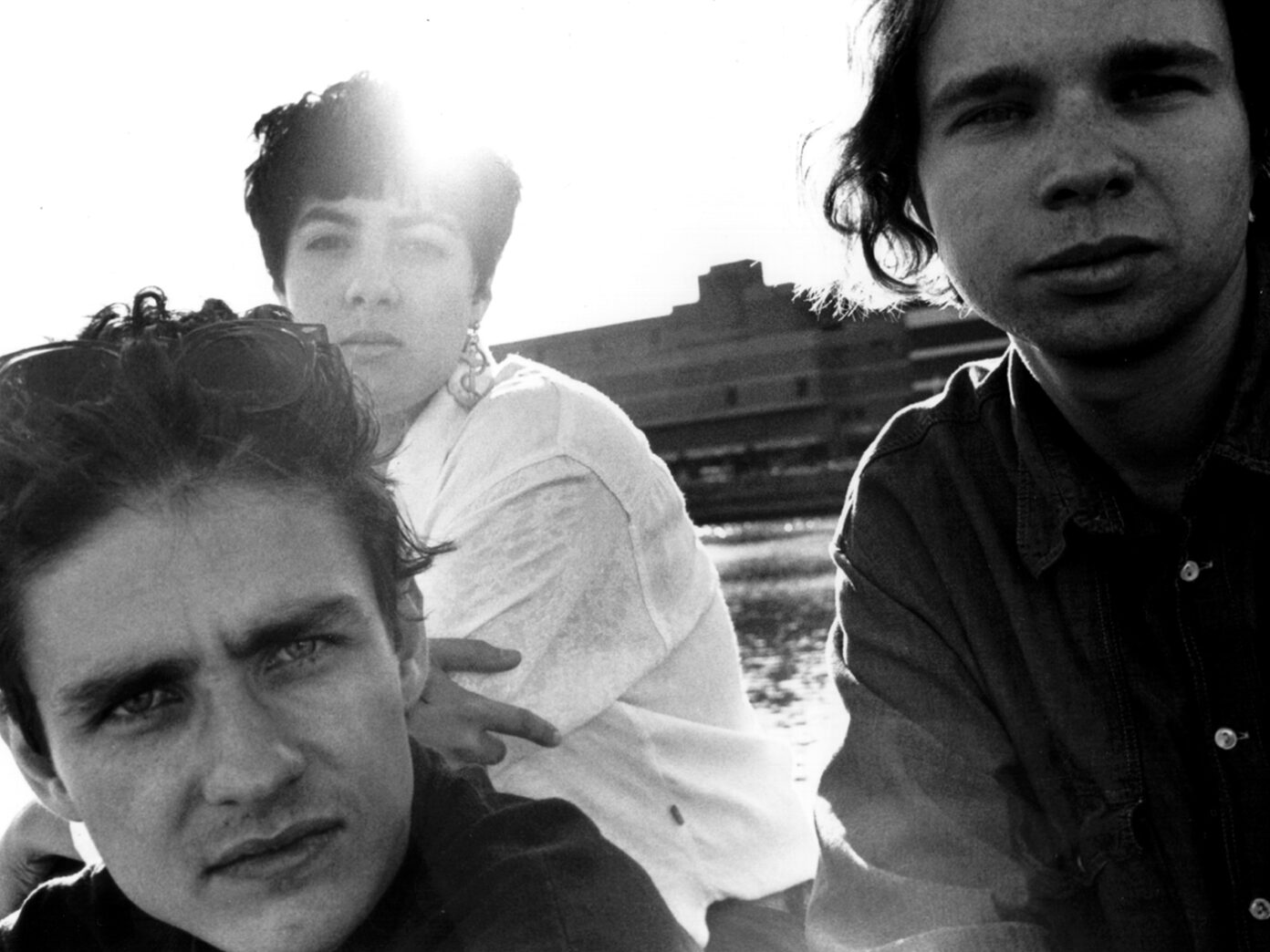
The Australian group’s third LP is out via ATO Records. “One of the most exhilarating bands in recent years, Australian band Civic reimagine proto-punk for an era of endless uncertainty. On their new album, “Chrome Dipped“, they push themselves and their sound even further. the first half of 2025 has surely made a record like Chrome Dippeda particularly welcomed sound for a broader demographic of ears. The melodically aggressive tones of CIVIC feel geared toward this moment of tension and frustration both here in the States and abroad, with the band’s lyrics vaguely addressing themes that conveniently match up with the conspiracy wormholes we’ve lost distant relatives to over recent years and a growing sense of AI supremacy some of us may soon be losing our livelihoods to, as well.
The title speaks to this desire to break down barriers. “I like the idea of “Chrome Dipped” being a mindset,” says frontman Jim McCullogh. “It’s like a casting of your character, or like an outer shell. One of the main objectives for this album was to make a drastic turn in our sound. Break the mould, melt the steel.”
The band mostly speaks in abstraction when discussing the 11 songs on “Chrome Dipped“, perhaps less as songwriters carefully guarding the true meanings of their work and more so due to the fact that the snarling vocals and wailing guitars behind them (to say nothing of the “disgusting” central riff on at least one of these tracks) do plenty of talking themselves. While their overarching sense of nihilism can be found in the lyrics if you’re searching for them, it’s hard to deny that the catharsis this mood permits provides more than a bit of the muscle behind each of these doomy post-punk cuts.
1. “The Fool”“The Fool” is about living in an illusion or lie that supports your own selfish narrative and lifestyle patterns. You think you’re sailing, but you’re actually drowning. [It’s] a nihilistic death march about dreamers and idiots. A jangly pagan punk song meant to provoke the senses. It recalls the story of the fool and what’s behind the thousand-yard stare.
2. “Chrome Dipped”A balancing act between human emotion in a world that’s hurtling toward complete reliance on the machine.
3. “Gulls Way”Paints a picture of a rose expelling its seeds to create offspring. The garden is grown only to be tainted by a freezing storm. Your world freezes over. A farewell song to loved ones.
4. “The Hogg” Finding peace and gratitude in being out of your depth in a foreign place. The song is about staring into the abyss and seeing nothing but its pure beauty. Surface-level pleasure with sinister undertones. A porcelain dancer draped in flesh, pirouetting to the infinite beat. ‘The Hogg’ is my reality. ‘The Hogg’ is my destiny.
5. “Starting All the Dogs Off” I’m painting a picture of this character on a mission to nowhere, that’s leaving a trail of destruction behind him, but can’t deny his human emotions getting in the way. There’s a love story in there, there’s loss, there’s all this life stuff getting in the way of his journey to emotional freedom. The ending is kind of this ultimate form—it’s like the final blow. It’s about giving into who you are, and coming to that realization.
6. “Trick Pony”Being stuck in the anxious brain. Fight-or-flight in full effect. The pinnacle of disaster.
7. “Amisuss” Serendipitous events around the loss of my mother. Noticing/experiencing her spirit in a non-tangent way. It was almost like watching the transformation of her leaving her physical body behind and becoming something that still resides in and around me.
8. “Poison” Ultimately a song about a relationship/friendship becoming toxic.
9. “Fragrant Rice” The change of hand in kinship and the fear around that becoming your reality. Humanity is the rice. We are all the same. We will all have loss.
10. “Kingdom Come”“Kingdom Come” is a ballad about people who live with longterm addiction and manage a life through a chaotic and turbulent existence. Somehow functional and always on the edge of collapse, but also wanting nothing else.
11. “Swing of the Noose” Finding freedom in nihilism and embracing the demise.
Laura Jane Grace in the Trauma Tropes—the songwriter’s newly minted band with vocalist Paris Campbell Grace, bassist Jacopo “Jack” Fokas, and drummer Orestis Lagadinos— have shared the new single “Wearing Black,” which will be featured on their forthcoming album “Adventure Club“. On the hard-charging punk-pop cut, Grace sings: “Wearing black to the punk parade / ACAB but the gays are OK!” The singer tosses in some cultural criticism, too, cooking up a heater of a bar with: “Jojo Siwa is playing at two / She’s got that karma and some Tito’s, too.”
Additionally, Grace will be touring throughout 2025 across North America and Latin America with Murder by Death, Rodeo Boys, Trapper Schoepp, and Team Nonexistent in select markets.
“Wearing Black” is taken from the upcoming album, “Adventure Club” – out July 18th, 2025 via Polyvinyl Records . Laura Jane Grace: Vocals, Guitar Paris Campbell Grace: Vocals Jacopo “Jack” Fokas: Bass Guitar, Vocals Orestis Lagadinos: Drums, Vocals Additional backing vocals by Chiristina Blioumpa & Georgia Kollyra
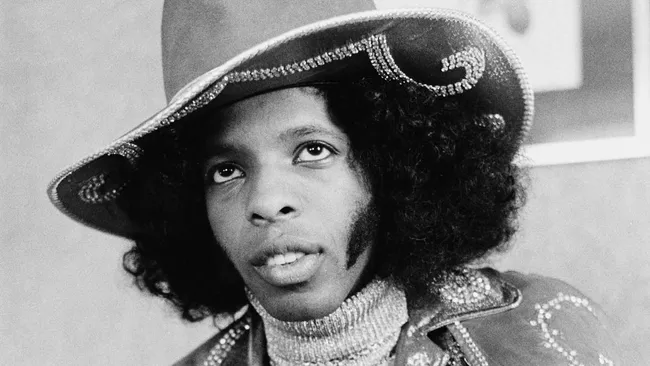
Sly Stone, who has sadly passed away aged 82, The creation of his second masterpiece was still a couple of years away when, in 1969, Sly Stone launched into the pivotal year of his career, the 12 months in which his great leap forward gestated. Led by the mercurial Sly Stone, Sly & The Family Stone were a highlight at Woodstock and Monterrey Pop and an influence on generations of musicians
“After a prolonged battle with COPD [chronic obstructive pulmonary disease] and other underlying health issues, Sly passed away peacefully, surrounded by his three children, his closest friend and his extended family,” the statement reads. “While we mourn his absence, we take solace in knowing that his extraordinary musical legacy will continue to resonate and inspire for generations to come.
Born in Denton, Texas, in 1943, Stone formed Sly & The Family Stone in 1966. Arguably the first truly interracial major rock group, they mixed rock, gospel, funk, pop, jazz and psychedelia into a heavy-duty mix that was as influential as it was innovative.
“Sly was a monumental figure, a groundbreaking innovator, and a true pioneer who redefined the landscape of pop, funk, and rock music. His iconic songs have left an indelible mark on the world, and his influence remains undeniable. In a testament to his enduring creative spirit, Sly recently completed the screenplay for his life story, a project we are eager to share with the world in due course, which follows a memoir published in 2024.”
During those 12 months he released his fourth studio album, and first masterpiece, “Stand!” That five-star summation of the multiracial, male-female Family Stone’s style mixed celebrations of life with songs whose sociopolitical thrust came in soul, R&B, rock, pop and jazz arrangements and the funk he’d given a hipped West Coast twist. It all seemed a glorious affirmation of the hopes held out by the decade just closing.
Sly topped that in August when the Family Stone’s set was one of the high points at the Woodstock Festival. Yet by December his sound-shifting, shape-changing single “Thank You (Falettinme Be Mice Elf Agin)” had intuited the darker days to come. Sly had discovered the Maestro Rhythm King drum machine which gave him greater control of the Family Stone sound and would gradually nudge the musicians to the peripheries, stoking up resentments and paranoia as the band slowly fragmented.
Thereafter, the exuberance of the late-’60s music would give way to a muddier sound, and the lyrics were less open and inclusive. Moreover, his live appearances became persistently and provocatively unreliable as drugs sapped his creative juices. While he was making great records, he could just about get away with the contempt he seemed to be showing to paying customers; but when the recorded music lost its moxie, the audiences at his concerts slowly came to comprise eternal optimists and car-crash chasers.
It was a tragic, protracted coda to a decade-long imperial phase of dazzling brilliance. But when he shone, Sly Stone shone brighter than almost anyone. Formerly Sylvester Stewart, raised on gospel, fed a diet of doo wop, jazz, blues and R&B, as a DJ, songwriter, producer, singer and multi-instrumentalist, Sly’s unmatched grasp of soul, funk, pop and rock created a revolutionary cross pollination of sounds, drawing in both black and white audiences in a way that no other performer at the time managed. His seismic impact can be felt reverberating through funk, disco, house, R&B, hip hop, rock and pop to this day.
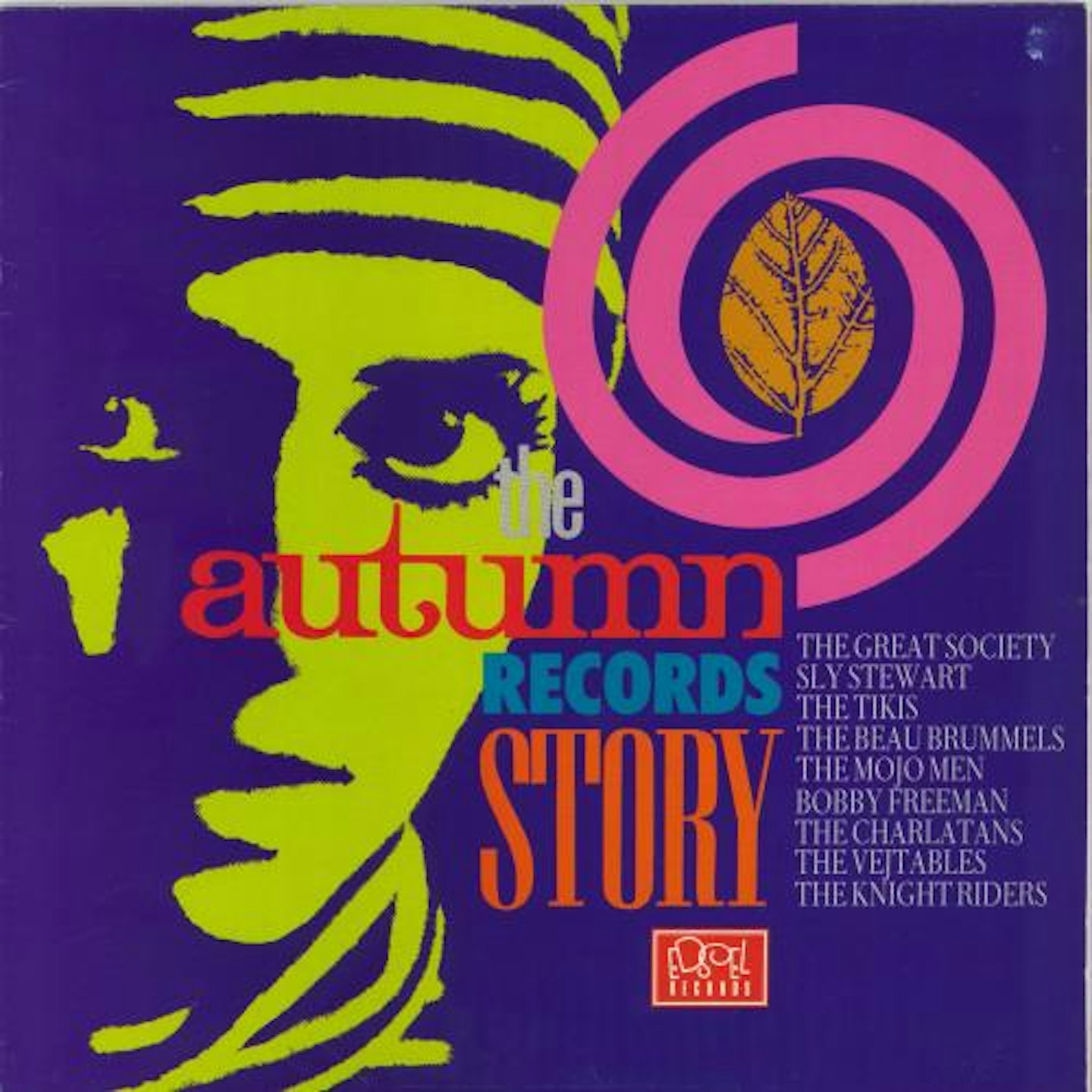
Various Artists – The Autumn Records Story (Edsel, 1986)
Included on this compilation of tracks from a San Francisco label, owned by local DJ Tom Donahue, are several mid-’60s productions by Sly Stewart, aka Sylvester Stewart, who was also a Frisco DJ back then. The tracks that announce his arrival capture the energy of the era and range from The Mojo Men’s raucous, garagey She’s My Baby to Bobby Freeman’s Cmon And Swim (Part 1) and S-W-I-M. Although only dance-craze cash-ins, Sly finds the best in Freeman’s tone – a little like the twistin’ Sam Cooke, in fact. Elsewhere, Sly makes an appearance as an artist, again under the Sly Stewart moniker, “Buttermilk”, an organ-led instrumental with a strong bass line and mouth-harp solo, being the best.
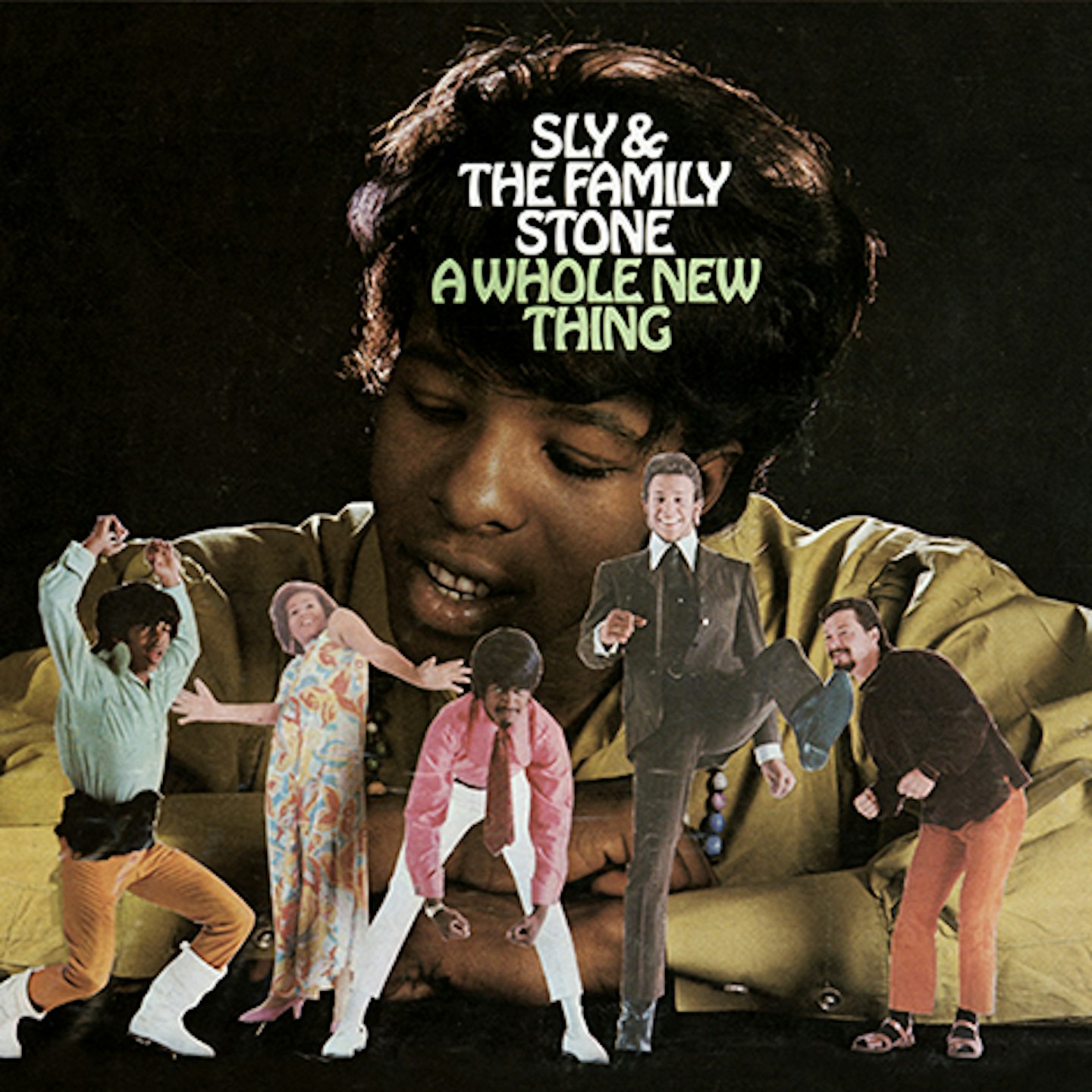
Sly And The Family Stone – A Whole New Thing (Epic, 1967)
It’s doubtful if Epic realised quite what they were unleashing on this debut “A Whole New Thing”. Even now, the Family Stone sounds an impressively tight and well-drilled unit, standing at the crossroads of funk, rock and soul, ready to head off in all musical directions at once. From the war dance drums-and-horns riff of “If This Room Could Talk” to the pop catchiness of “Run, Run, Run” and the frantic soul revue tribute of “Turn Me Loose“, there are constant changes of tone and tempo – Larry Graham’s bass, and bass vocal, anchors the ballad “Let Me Hear It From You” and less successful hard hitter “Bad Risk. Advice” is good, but the weirdness and paranoia of later is apparent in “I Hate To Love Her, Bad Risk and “Dog”
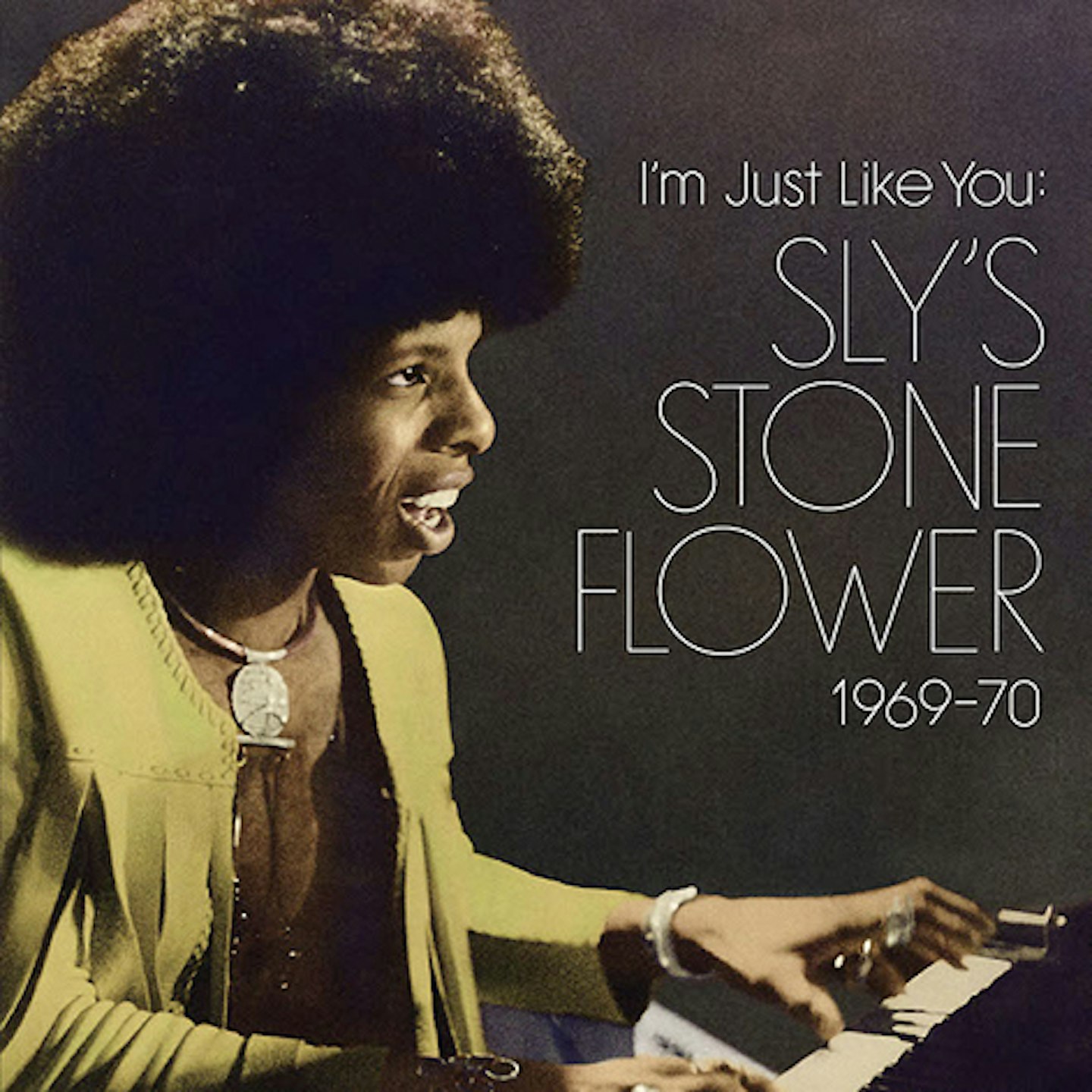
I’m Just Like You: Sly’s Stone Flower – (Light In The Attic, 2014)
A rare plant that bloomed for just two years, Stone Flower Records launched in 1969 and grew out of the production company Sly and his manager David Kapralik had set up two years earlier. It featured four singles, all here, by three acts – Little Sister, including his sibling Vaetta, the strong soul singer Joe Hicks and multi-racial sextet 6ix – to which this CD adds 10 previously unreleased tracks. Sly’s fingerprints are all over the music – Little Sister B-side “Stanga” hits the groove; 6ix sound looser on “You Can, We Can; Hicks’s Life & Death In G & A finds him in “There’s A Riot…” territory and Sly’s stoned funk, pop and soul productions here clearly parallel his concurrent work on that album.
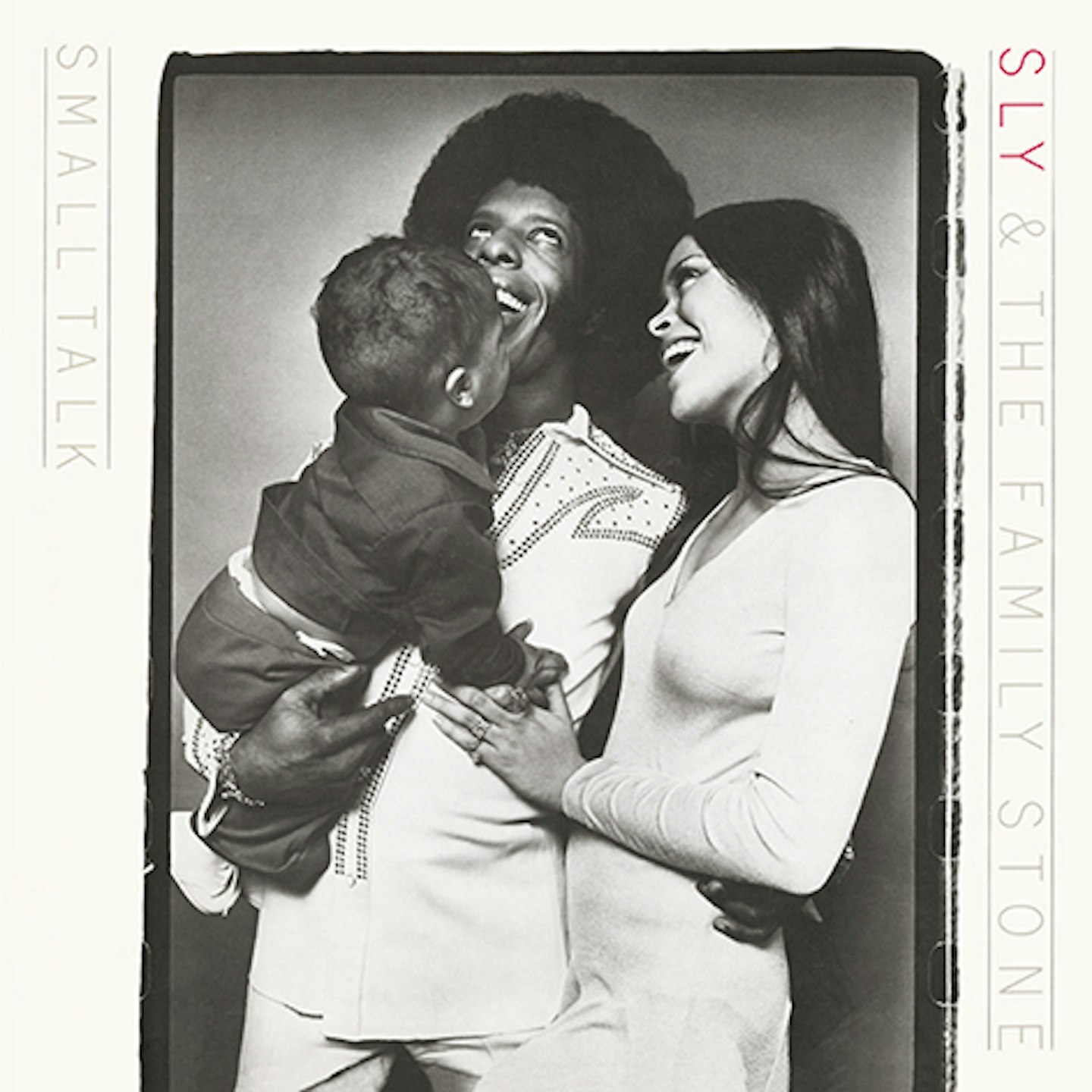
Sly And The Family Stone – Small Talk (Epic, 1974)
Kathleen Silva, briefly Sly’s wife, and son Sylvester Jr, are pictured on the sleeve of an LP that mixes ruminations on family (title tracks, “Mother Beautiful“) with superior tracks of Stone power – notably the driving start to side two, in old vinyl money, “Loose Booty” and “Holdin’ On”, and a later, frantic, “Livin’ While I’m Livin’. But gentler vibes are the norm “Wishful Thinkin’; a lovely doo wop closer “This Is Love“. “Time for changin’, rearrangin’,”Sly sings in his final US Top 40 hit single “Time For Livin’. Sadly, there is no new direction. A track like “Can’t Strain My Brain”, despite its jauntiness, suggests the artistic lassitude that would, after 1975’s so-so solo album “High On You“, consume the next 40 years.
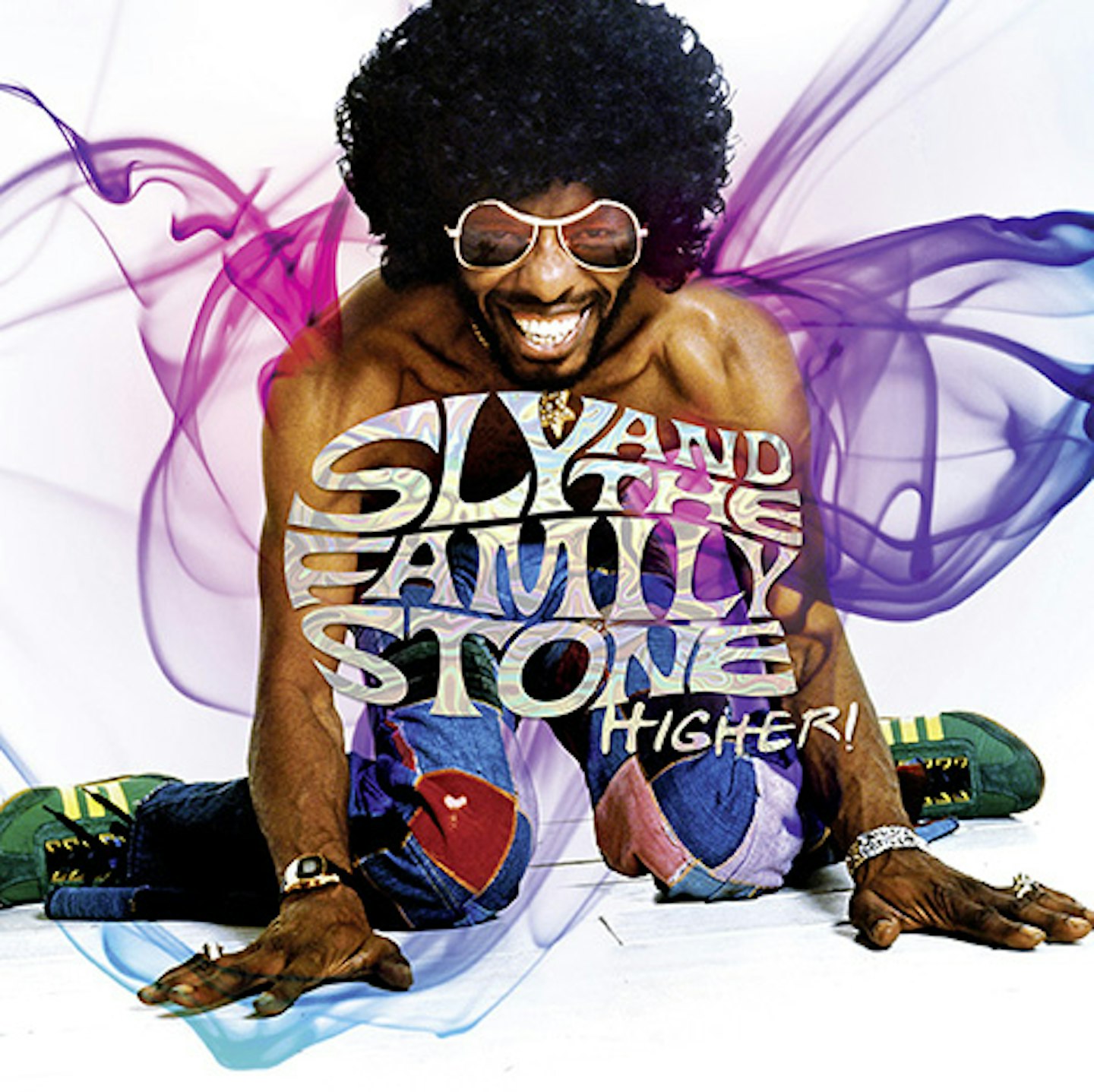
Sly And The Family Stone – Higher! (Sony/Legacy, 2013)
Of several available ‘best ofs’, “Higher!” is the classiest and comes in two sizes. First, a 17-track digest with three unreleased songs “What’s That Got To Do With Me”, “I Remember”, and “You’re The One“, taped live on Don Kirshner’s Rock Show), plus singles edits, mono mixes and another live track from the Isle Of Wight (1971). If that merely whets your appetite rather than satisfying it, there’s a fascinating 77-track 4-CD/8-LP box with 13 more previously unreleased songs, plus more of the other type extras. You’ll be reminded why you dug Sly in the first place and, indeed, taken higher. Of other comps, “Spaced Cowboy” (2009, 2 discs) and “Dynamite!”, (2011, 22 songs) are Sony/Camden budget CDs.
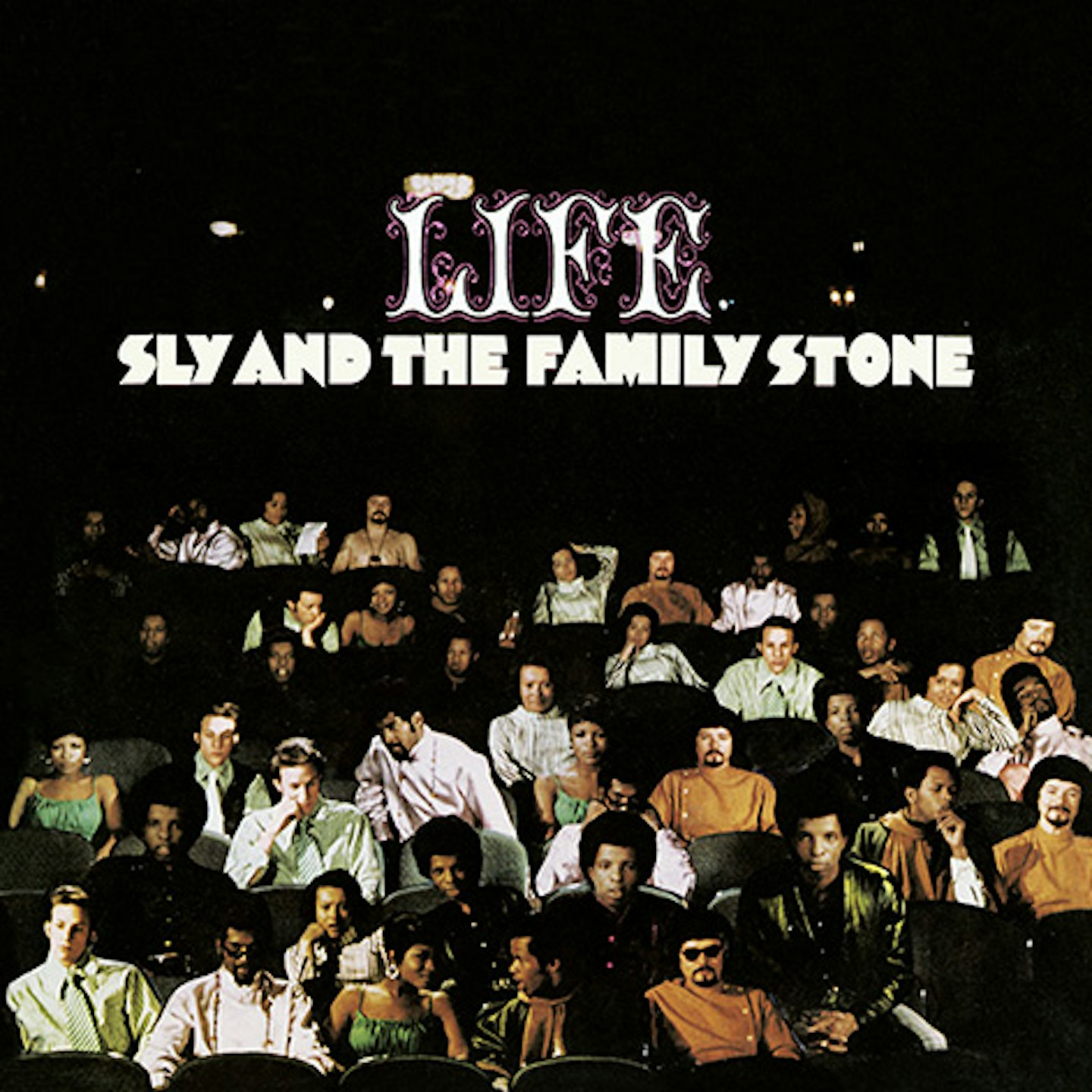
Sly And The Family Stone – Life (Epic, 1968)
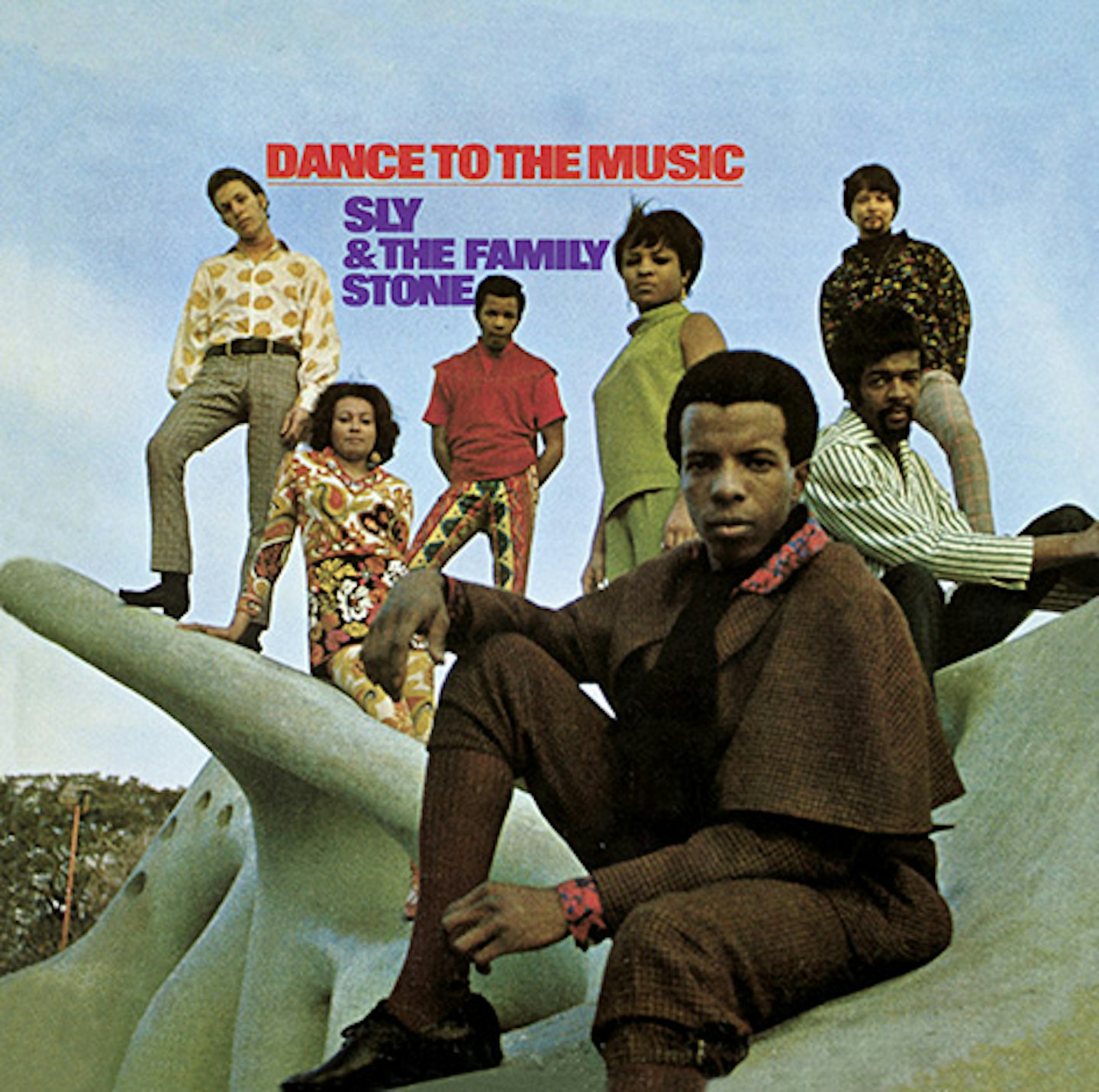
Released in the slipstream of “Dance To The Music”, the Family Stone’s third album is often overlooked in the story but has plenty of surprises and is a strong stepping stone (no pun etc) to “Stand!” Sure, opening track “Dynamite!” quotes from Dance and Plastic Jim reworks Eleanor Rigby’s “all the lonely people” refrain rather baldly, but “Chicken” clucks and pecks its funk around the yard, while the contrasting grooves of “Fun” (fast) and “Into My Own Thing” (midtempo) show off the band’s tight interplay. An exuberant “M’Lady” and title track, the album’s two US Top 100 hits, are solid pathways from “Dance To The Music” to “I Want To Take You Higher”; “Jane Is A Groupee” is the caustic, cautionary closer.
Sly And The Family Stone – Dance To The Music (Epic, 1968)
As a DJ in San Francisco, Sly knew how to programme a radio show and responded to Epic’s request for a more commercial record for the second Family Stone album with this first classic in the catalogue. “All the squares go home!” the title track shouts, a theme expanded on in the 12-minute three-part “Dance To The Medley”, full of multi-instrumental dexterity, vocal variety from doo wop and scat to James Brown get-down riffing. The track “Higher” has the prototype of the chorus to “I Want To Take You Higher; Music Lover,” part three of the Medley, sends the “Higher” idea into outer space; strong ensemble playing throughout.Sly And The Family Stone – Fresh (Epic, 1973)
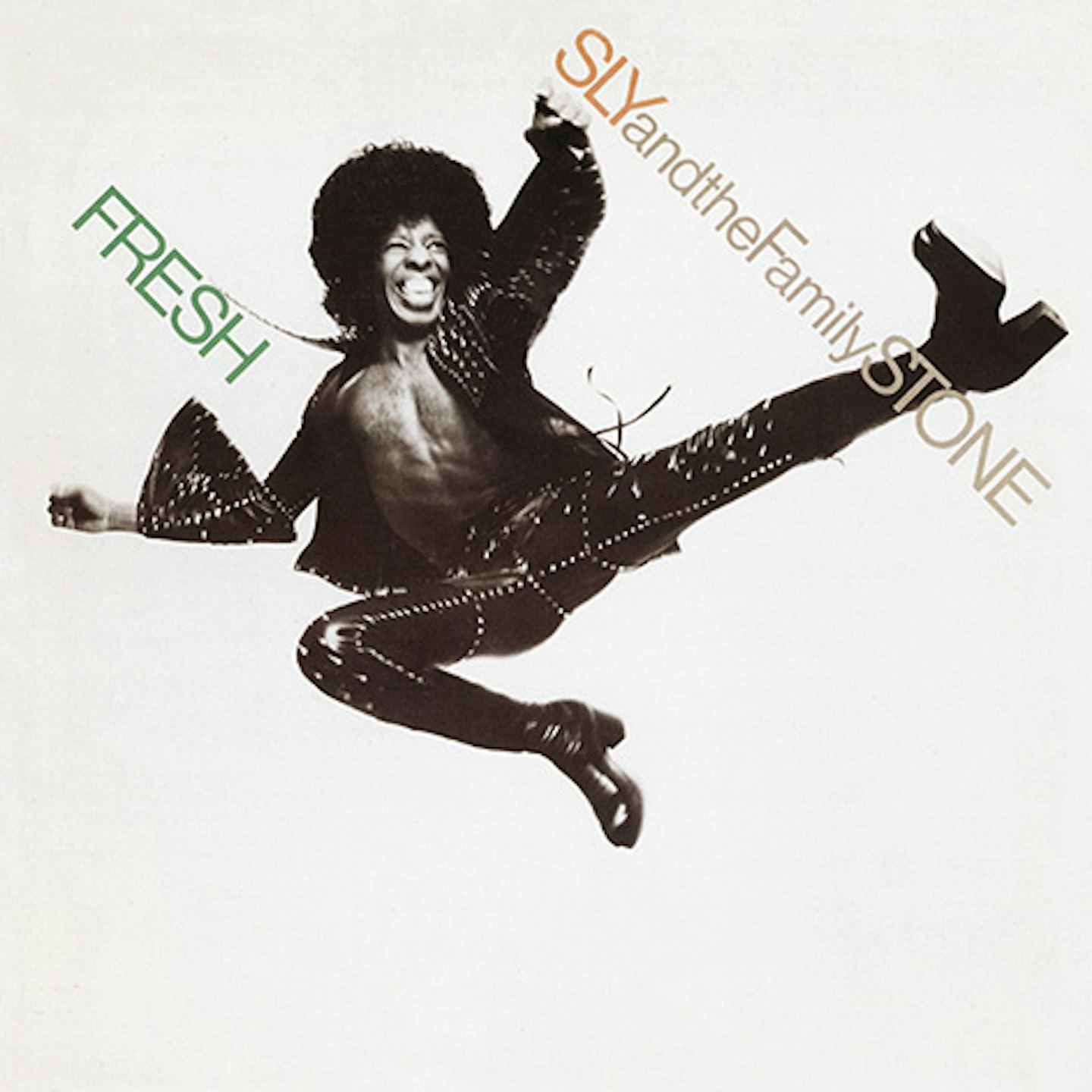
Sly And The Family Stone – Fresh (Epic, 1973)
The Larry Graham/Greg Errico rhythm section had left in the fall-out from the heavy drug scene coalescing around Sly, and this broadly self-referential set of songs that followed is an honest portrait of the state he’s in. “Put a little tickle on the jones’s head/Turn off the light and go to bed,” he sings in “Frisky”. There may be hope in “Thankful ’N’ Thoughtful”, but a Doris Day cover, “Que Sera, Sera (Whatever Will Be, Will Be)“, and “If You Want Me To Say” suggest Sylvester Stewart had his hat and coat on and was ready to turn off the studio lights after making this final essential LP. Richard Avedon’s cover shot of Sly’s energetic ‘leap’ is misleading. He was actually prone, laying down flat on a glass table. All the signs were there.
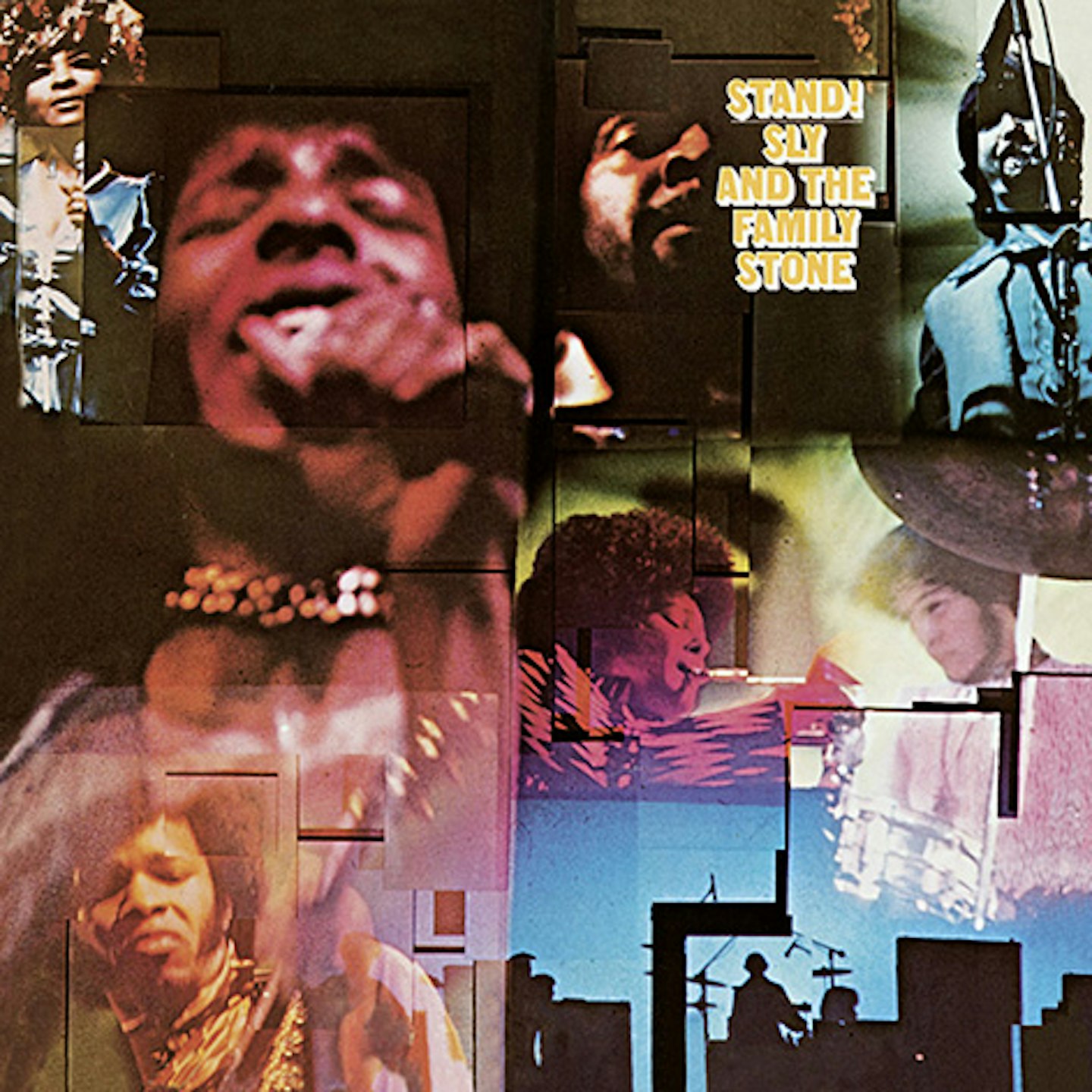
Sly And The Family Stone – Stand! (Epic, 1969)
The first five-star album in Sly’s briefly productive, starkly parabolic career. Highlighted by its anthemic hits which emphasise the multiracial, men-women nature of the band – the drive of “I Want To Take You Higher”, the Number 1 hit “Everyday People, Sing A Simple Song” and the uprightly defiant title track – “Stand!” also boasted successful experimental tracks, notably two which lean on treated vocals – “Don’t Call Me Nigger, Whitey”, a fine funk workout, and the 13-minute “Sex Machine”, essentially a band instrumental.
On stage, the band were phenomenal, with appearances at both Woodstock and Monterey Pop giving them instant credibility, but by the mid-70s a litany of cancelled shows, disrupted tours and terminal drug abuse had rendered the band all but unemployable, with an erratic Stone battling both addiction and mental health issues.
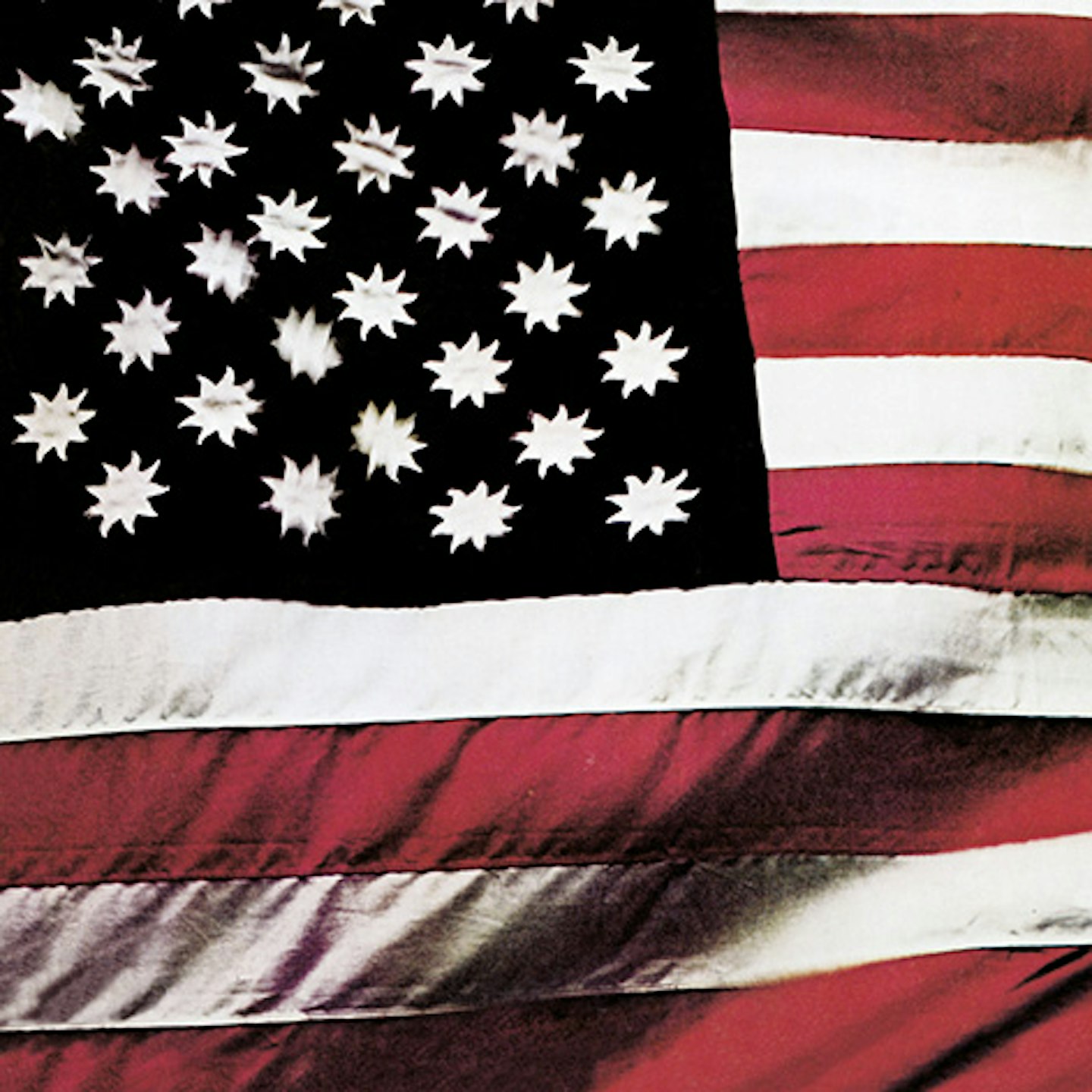
Sly And The Family Stone – There’s A Riot Goin’ On (Epic, 1971)
Where have all the good times gone? Recorded during reclusive, obsessive and drug-fuelled sessions in a Bel Air mansion, Sly’s riposte to his own hi-energy successes, “Stand!”, Woodstock triumph, Number 1 hit “Thank You (Falettinme Be Mice Elf)” – was this masterpiece. It has some of his catchiest melodies “Family Affair”, “Just Like A Baby”, “Runnin’ Away”, but muddier, grittier rhythm tracks bubble on a mesh of guitar-bass-keyboards-synths under which lurks muted anger “Africa Talks To You”, defiance “Brave & Strong” and drug paranoia “You Caught Me) Smilin”. ”I’m a songwriter, a poet,” he sings in “Poet”, not a spokesman for a nation’s generation despite a Stars And Stripes cover.
The last interview Stone gave was in 2007, although he surprised many by publishing a memoir, Thank You (Falettinme Be Mice Elf Agin), in 2023. And this year, Sly Lives! (aka The Burden of Black Genius), a movie directed by the Roots drummer and Tonight Show bandleader Questlove, was released to great acclaim. It was a film he deserved.
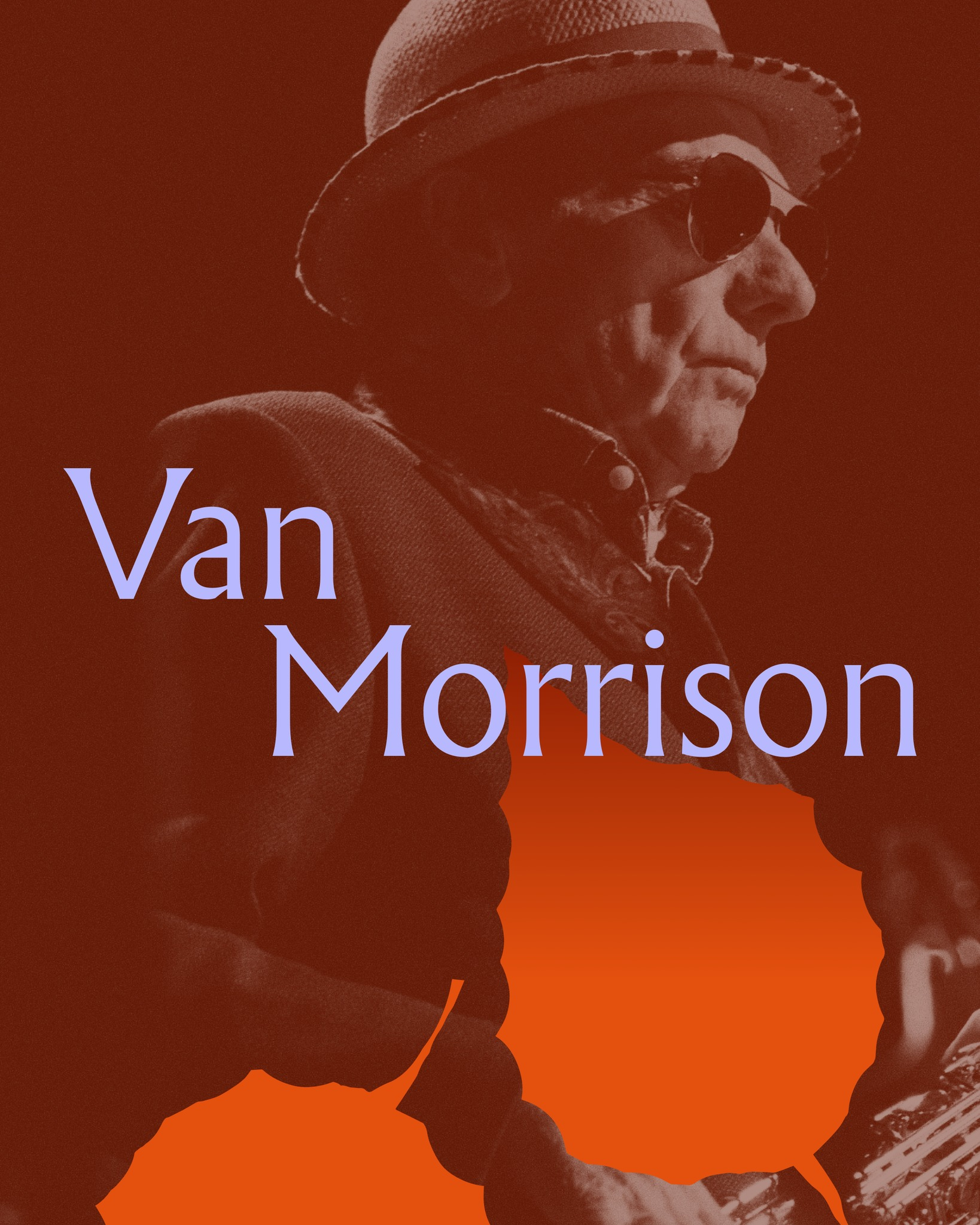
“Pretending my life is not in ruins/Pretending I’m not depressed.” So ran the opening lines on “Pretending”, the quietly devastating final song of Van Morrison’s last album of new music, 2022’s “What’s It Gonna Take”. Maybe you didn’t make it that far, beaten down by all those songs about government mind control and the World Economic Forum. But here was the sound of a man in crisis, unsure whether he was having “some kind of breakthrough [or] a nervous breakdown” and putting it all in song.
Well, something has changed, and maybe it was that act of excoriating self-analysis. Because, after two restorative 2022 covers albums “Moving On Skiffle” and the pointedly titled “Accentuate The Positive” and last year’s archive collection, “New Arrangements And Duets“, comes what might be Morrison’s best album since 1991’s “Hymns To The Silence”.
It begins with a brace of easeful, radiant openers, “Down to Joy” (initially recorded for Kenneth Branagh’s 2021 film, Belfast) and “If It Wasn’t For Ray”, a salute to Ray Charles, that, in its “da-da-da-da dup-da-da-da-da-da” scat, musically quotes another Morrison’s soul paean, “Jackie Wilson Said”. The third song, “I Haven’t Lost My Sense Of Wonder” is, of course, another act of self-reference, echoing the seven-minute title track of Morrison’s vastly underrated 1984 LP. It’s also a declaration of intent, that this album will reconnect with both the laid-back Hammond and saxophone groove of that particular album and the heightened state of consciousness that has defined Morrison’s finest work. However, the inclusion of string arranger Fiachra Trench (who last worked extensively with Morrison on 2006’s “Pay The Devil” points to another influence, that of “Avalon Sunset’s” soaring romantic lyricism.
As with many of Morrison’s 21st Century releases, “Remembering Now” runs long at 63 minutes and while the first half possesses a freewheeling intimacy that is hard to resist, the record truly opens up on “Once In A Lifetime Feelings” a Don Black co-write which finds Van driving down to Monte Carlo, surprised by his own romantic optimism and the sweetly aching Stomping Ground, in which the singer yearns, once again, for vanished memories of Belfast’s Strandtown and “the Church of Ireland’s… six bells chime”. “See where I started from”, sings the impassioned Morrison, and this, in part, seems to be the goal of “Remembering Now“, to get back to the real soul.
But in the majestic final half of the record, particularly on the mantric, waltzing title track and epic, rhapsodic closer, Stretching Out the title of the album takes on another meaning. This is Van Morrison remembering how to be in the moment, realising that the days of wonder are not in the past or lying in ruins, they are in the moment. They are now.
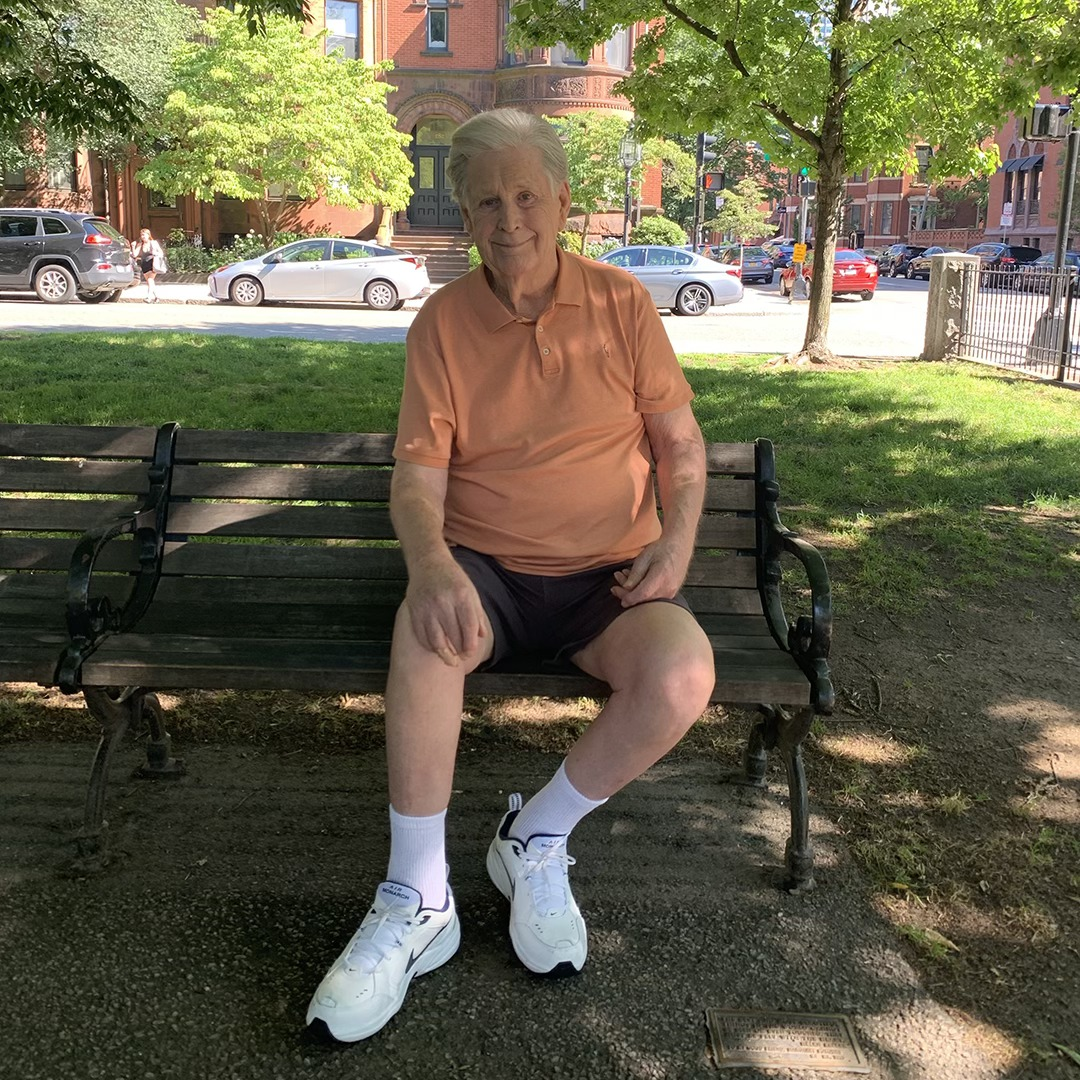
Brian Wilson, co-founder and principal songwriter for the Beach Boys, has died. The man responsible for writing some of the greatest songs in the history of recorded music, has passed away after living with a neurocognitive disorder similar to dementia. He was 82.
“We are heartbroken to announce that our beloved father Brian Wilson has passed away,” Brian’s family wrote in a statement shared on his official Facebook and Instagram pages. “We are at a loss for words right now. Please respect our privacy at this time as our family is grieving. We realize that we are sharing our grief with the world. Love & Mercy.” The musician’s family confirmed his passing on social media. The creative force behind the mid-century pop-focused favourites, who contributed to California’s cool and laid-back aesthetic.
Wilson was born on June 20th 1942, and began to play the piano and teach his brothers to sing harmony as a young boy. The Beach Boys started as a neighbourhood act, rehearsing in Wilson’s bedroom and in the garage of their house in suburban Hawthorne, California.
Brian Wilson, born in Inglewood and raised in Hawthorne, formed a band called the Pendletones with his brothers Dennis and Carl, cousin Mike Love, and friend Al Jardine. Candix Records changed the band’s name to the Beach Boys and, in 1963, they found their first Top 10 single in “Surfin’ U.S.A.” A year later, Wilson suffered a significant panic attack and subsequently quit touring with the band.
Wilson married singer Marilyn Rovell in 1964 and the couple welcomed daughters Carnie and Wendy, whom he became estranged from following their divorce.
The Beach Boys released their most recognised album, “Pet Sounds”, in May 1966, His group’s acknowledged masterpiece, 1966’s “Pet Sounds“, has been widely acclaimed as one of the greatest albums ever, with Wilson recognised by musicians worldwide as a songwriting genius for his innovative, ground breaking and hugely influential compositional skills, his use of complex harmonies, his arrangements and orchestration. “I believe that without Brian Wilson’s inspiration, “Sgt Pepper” might have been less of the phenomenon that it became,” Beatles producer George Martin is quoted as saying in Charles L Granata’s book Brian Wilson And The Making Of Pet Sounds. “Brian is a living genius of pop music. Like The Beatles, he pushed forward the frontiers of popular music.”
The next chapter of Wilson’s tenure in the Beach Boys was marked by difficulty. He was placed in a psychiatric hospital for treatment in 1968 and, in the 1970s, struggled with drug addiction and obesity. His relationship with psychologist Eugene Landy, which became the subject of the Beach Boys biopic “Love & Mercy”,
In 2012, following the 50th anniversary of the Beach Boys being founded, Wilson took to the road with Mike Love, Jardine and others for a tour.
Wilson’s brother Dennis died in 1983 while Carl died in 1998.
Songs like “Don’t Worry Baby,” “God Only Knows,” “Wouldn’t It Be Nice,” and “Surf’s Up” are some of the most important creations in modern recorded music. And that’s not even including “Good Vibrations,” a perfect, audacious invention not yet replicated or rivaled. Had Wilson successfully completed his “teenage symphony to God,” “Smile”, in 1967, there would’ve been no debate between the Beach Boys and Beatles. Suffice to say: A world without Brian Wilson in it isn’t a very good one.
The Beach Boys’ “Surf’s Up2 was released in the waning days of summer 1971. The album began with a warning – “Don’t Go Near the Water” – and ended with two successive gut punches that left no doubt Daddy had indeed taken the T-bird away…perhaps for good. Before the ironically titled “Surf’s Up” brought the album to a close, Brian Wilson’s “‘Til I Die” took hold. I’m a rock in a landslide/Rolling over the mountainside…I’m a leaf on a windy day/Pretty soon I’ll be blown away... In just over two and a half minutes, the leader of The Beach Boys had distilled his innermost feelings of hopelessness, and the seeming inevitability of forces greater than he, into a soundscape of glistening beauty and profound sadness.
The Rolling Stone’s guitarist Ronnie Wood said in a social media post: “Oh no Brian Wilson and Sly Stone in one week – my world is in mourning, so sad.” His message was punctuated with praying hands and heart emojis, and featured pictures of Wilson and American funk singer Stone, real name Sylvester Stewart, who died on Monday, also aged 82.
Keith Richards posted an extract of his 2010 memoir, “Life”, about Wilson on Instagram with the caption “Rest in Peace!”. In the excerpt, Richards, 81, recalls hearing The Beach Boys for the first time on the radio, and his reaction to their 1966 album “Pet Sounds”. The extract reads: “When we first got to American and to LA, there was a lot of Beach Boys on the radio, which was pretty funny to us – it was before “Pet Sounds” – it was hot rod songs and surfing songs, pretty lousily played, familiar Chuck Berry licks going on…
Cusack, 58, who played Wilson in a 2014 biopic, said in a post: “The maestro has passed — the man was a open heart with two legs — with an ear that heard the angels. Quite literally. Love and Mercy for you and yours tonight. RIP Brian.”
Fleetwood Mac drummer Mick Fleetwood added: “Anyone with a musical bone in their body must be grateful for Brian Wilson’s genius magical touch!!
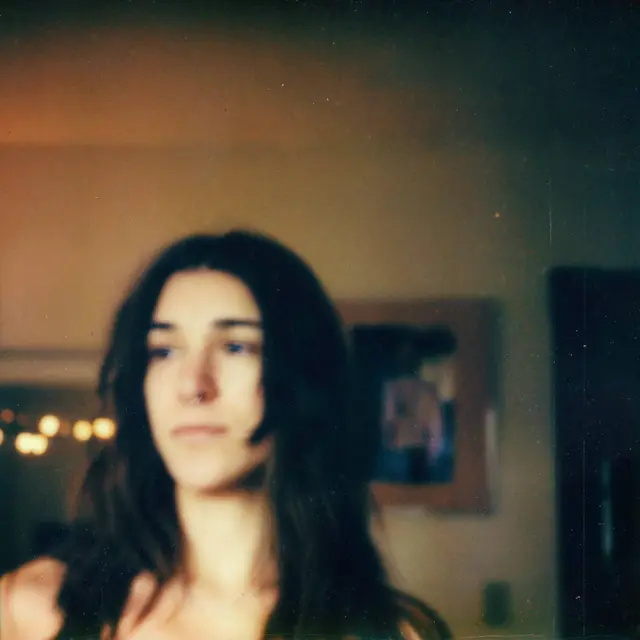
Word of mouth will always be the best way to find new music. So when Squirrel Flower among my favourite indie-rock artists this year. She recently took to Instagram to congratulate Merce Lemon on her new album, “Watch Me Drive Them Dogs Wild“, Up too that moment I’d never heard Lemon’s music, but upon hitting play on this nine-track body of work, the first moments of the opening song, “Birdseed,” provided a succinct sonic thesis statement: delicate yet sultry vocals; acoustic strums with a subtle swing; warm, inviting vocal harmonies; lyrical imagery that’s profound in its myriad emotions.
“Birdseeds between all of my teeth / I’ve been eating like the birds / So maybe I’ll grow wings / Wouldn’t that be something?” At one moment, the idea of having birdseed stuck in her chompers sounds like a nightmare, at the next she catalyzes optimism in flying free after enduring the discomfort.
Merce Lemon built her latest album: “Watch Me Drive Them Dogs Wild“. These are earnest songs, of belonging and longing, in which romantic and familial love rip into and out of themselves in a flurry of reckoning. There is a fierceness, a persistence in this vulnerability, that is matched by the wildness of her band. Merce took a step back from music in 2020, after releasing her debut album “Moonth”, to reassess. “[Music] was just something I’d always done, and I didn’t want to lose the magic of that – but I was just having less fun.” In this time of restless confusion, she got back to her roots. “I got dirty and slept outside most of the summer. I learned a lot about plants and farming, just writing for myself, and in that time I slowly accumulated songs.” A creative hunger, supported by her community, had been newly fertilized. From this rediscovery, imbued 7 with the vitality of earth’s green magic, “Watch Me Drive Them Dogs Wild” sprouted forth.
Then the rest of the band comes in with twangy electric guitar and a rhythm section that effortlessly propels the song forward. Right off the bat, she presents the album as what it is: an exploration of reality through musical fantasy.
“Slipknot” doesn’t lean into clown-masked heavy metal like you’d think it might, but rather depicts a tumultuous relationship held together only by its namesake, coming loose in the wake of a powerful guitar solo. Lemon’s voice dominates the title track, expressing tones without any clear form, as if she’s reacting to the dogs she’s driving wild—or, rather, the love interests who never seem to understand or appreciate her. And while those thoughts weigh on her, she’s driving her fans wild in the best way possible.
Margo Price has announced the August 29th release of her forthcoming album, “Hard Headed Woman”, via Loma Vista Records. Previous collaborator Matt Ross-Spang produced the new set, which features duets between the songstress and Tyler Childers, as well as the social media music sensation Jesse Welles. The LP;s first single and official music video, “Don’t Let Those Bastards Get You Down,” inspired by the late Kris Kristofferson and Sinéad O’Connor and the book turned TV series The Handmaid’s Tale.
“Hard Headed Woman” is Price’s first album, made in Nashville in more than two decades, the place she has called home and taken inspiration from. On the impending record, the musician extends an anthem for independence while staying true to tradition. The set strikes a stance of resistance, evoking a similar presence to Margret Antwood’s literary success, and is rooted in her own experience after being booed on stage during a Bob Dylan anniversary gig. The track produces a feeling of individual durability and resilience.
Price co-wrote the single with help from her husband, Jeremy Ivey, as well as Kristofferson and Rodney Crowell. Today’s release emphasizes the importance of fighting the good fight, which promotes justice and dedication to individual principles.
In her own words, Price says, “I always hope to do like Johnny Cash did, which is speak up for the common man and woman. But there have been so many threats and anger and vitriol over the years, when I am only coming from a place of love. So I made the decision to rebuild everything from the ground up. I hope this album inspires people to be fearless and take chances and just be unabashedly themselves, in a culture that tries as hard as it can to beat us into all being the same.”
Price’s latest set builds off the child-like perspective of “Midwest Farmer’s Daughter”, telling tales of the battles and experiences in her quest to stardom: from dive bars to tour buses, parenthood and relationships, the musician strikes a deeper connection with a full thrust of honesty and introspection.
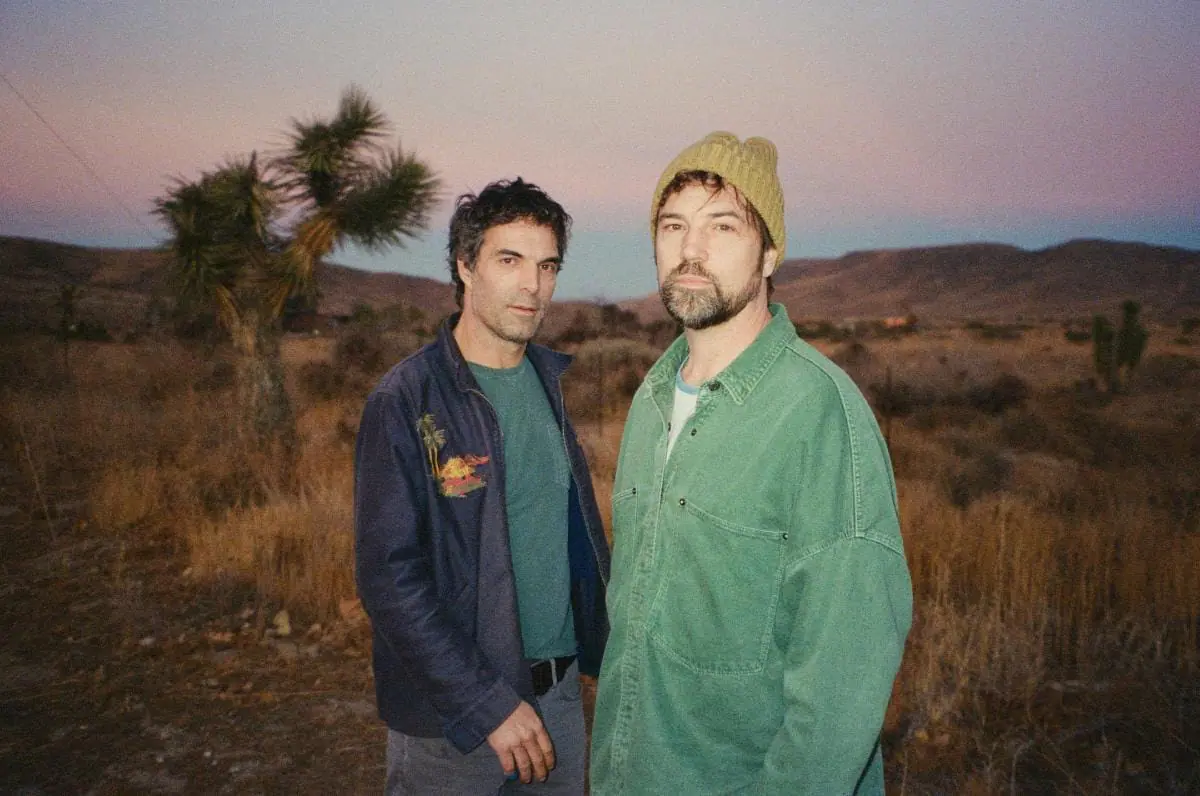
The Barr Brothers are back with their long-awaited fourth full-length LP, “Let It Hiss“, due on October 17th, on Secret City Records. The impending 10-track collection chronicles a period of revision and transformation that allowed Brad and Andrew Barr to refine their pursuits and vulnerably channel their musical bond as brothers and creative accomplices. The group shares the album’s title track as an initial preview of their latest chapter in the studio.
“Let It Hiss” expands on Brad and Andrew’s intimate musical connection, reaching a state of introspection on the necessary changes to redirect their artistic focus. “In 2022, we found ourselves at a breaking point,” Brad says, “It was clear something had to change. The real story of this record is the story of that change and everything that came after.”
Andrew adds, “Let it Hiss” is what happened when we stopped pretending everything was fine and finally listened to what was actually going on.” Rather than start with sound, the brothers opted for truth, recognizing their personal strife and creative blockage to break habits, surmount tensions and grief, and ultimately achieve growth.
“It just felt right,” Andrew says of the defining moment. “To leave the hiss in. The discomfort, the imperfection, the struggle. We stopped trying to clean it all up. That’s when the music started to breathe again.”
The lead single derived from an extended jam session featuring Brad’s blown-out, visceral guitar, complemented by Andrew’s stable groove and impeccable count. According to the official press release, after observing a light buzz via the guitar monitor during playback, the duo let it ride, embracing others might consider an “imperfection” and evoking the shibboleth, “let it hiss…”
The forthcoming LP arrives after the success of the band’s previous full-length release, 2017’s “Queens of the Breakers”.
Galaxie 500 have announced details of a live album, “CBGB 12.13.88“, which is released by Silver Current Records on August 8th. The show at New York’s CBGB‘s marked the end of a busy year for the band, who’d released their debut album “Today” in February. Billed alongside Sonic Youth, B.A.L.L. and Unsane, the CBGB’s show was a benefit for the celebrated East Village ‘zine shop, See Hear.
Much bootlegged, the recording – captured by the band’s producer Kramer and now restored from the analogue source by Alan Douches at West West Side Music – is now officially available for the first time on LP, CD, cassette and digital.
After a storied first year as a band releasing and touring behind their critically acclaimed debut album “Today”, Galaxie 500 closed out 1988 with a quintessential performance at New York City’s famed CBGB with every bit of their signature intimacy and autumnal bombast on display. Captured here in a raw but inspired board mix by Kramer “CBGB 12.13.88” is a live snapshot of a Galaxie fully formed, punctuating the end of their first chapter while poised to step into their next with “On Fire” the following year.
Officially available for the first time on LP, CD, cassette and digital. Out September 5th 2025 on Silver Current Records.“Live at CBGB, New York City, December 13th, 1988”.
Players: Dean Wareham – guitar/vocals, Naomi Yang – bass, Damon Krukowski – drums
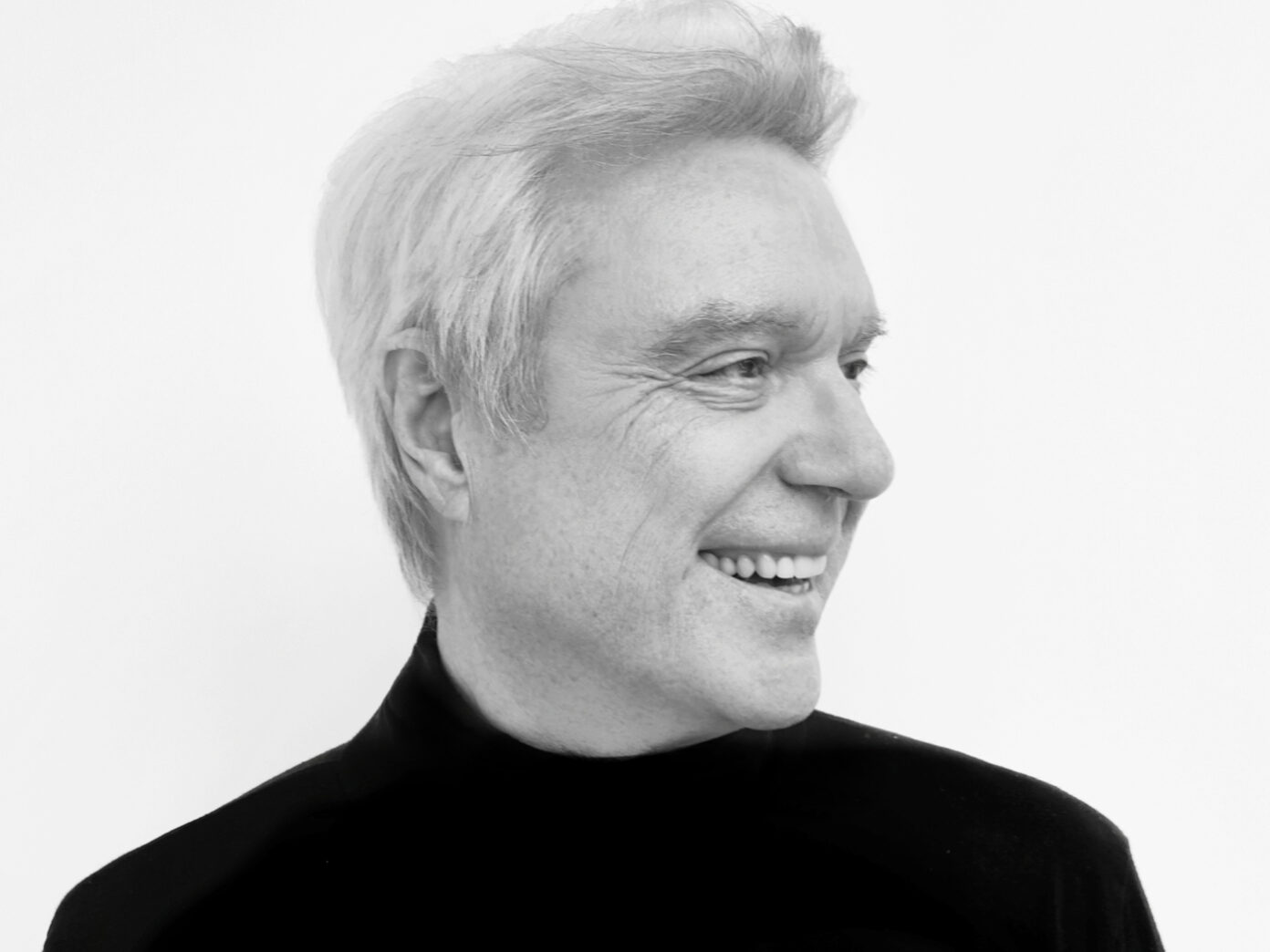
David Byrne has unveiled details of his first solo album since 2018’s “American Utopia”. “Who Is The Sky?” will be released by Matador on September 5th, and you can watch a video for lead-off single “Everybody Laughs”
“Everybody lives, dies, laughs, cries, sleeps and stares at the ceiling,” says Byrne. “Everybody’s wearing everybody else’s shoes, which not everybody does, but I have done. I tried to sing about these things that could be seen as negative in a way balanced by an uplifting feeling from the groove and the melody, especially at the end… Music can do that – hold opposites simultaneously. I realised that when singing with Robyn earlier this year. Her songs are often sad, but the music is joyous.”
The album was produced by Kid Harpoon and arranged by the members of New York-based chamber ensemble Ghost Train Orchestra. It features guest appearances from St Vincent, Paramore’s Hayley Williams, The Smile drummer Tom Skinner and American Utopia percussionist Mauro Refosco.
Byrne will also return to the road with a brand new live show in support of “Who Is The Sky?” The touring band will comprise 13 musicians, singers and dancers, all of whom will be mobile throughout the set.
03/09/2026 – Manchester, UK – o2 Apollo 03/10/2026 – Manchester, UK – o2 Apollo
‘Who Is The Sky?’, the new album from David Byrne out September 5th on Matador Records.







 The Fat Angel Sings