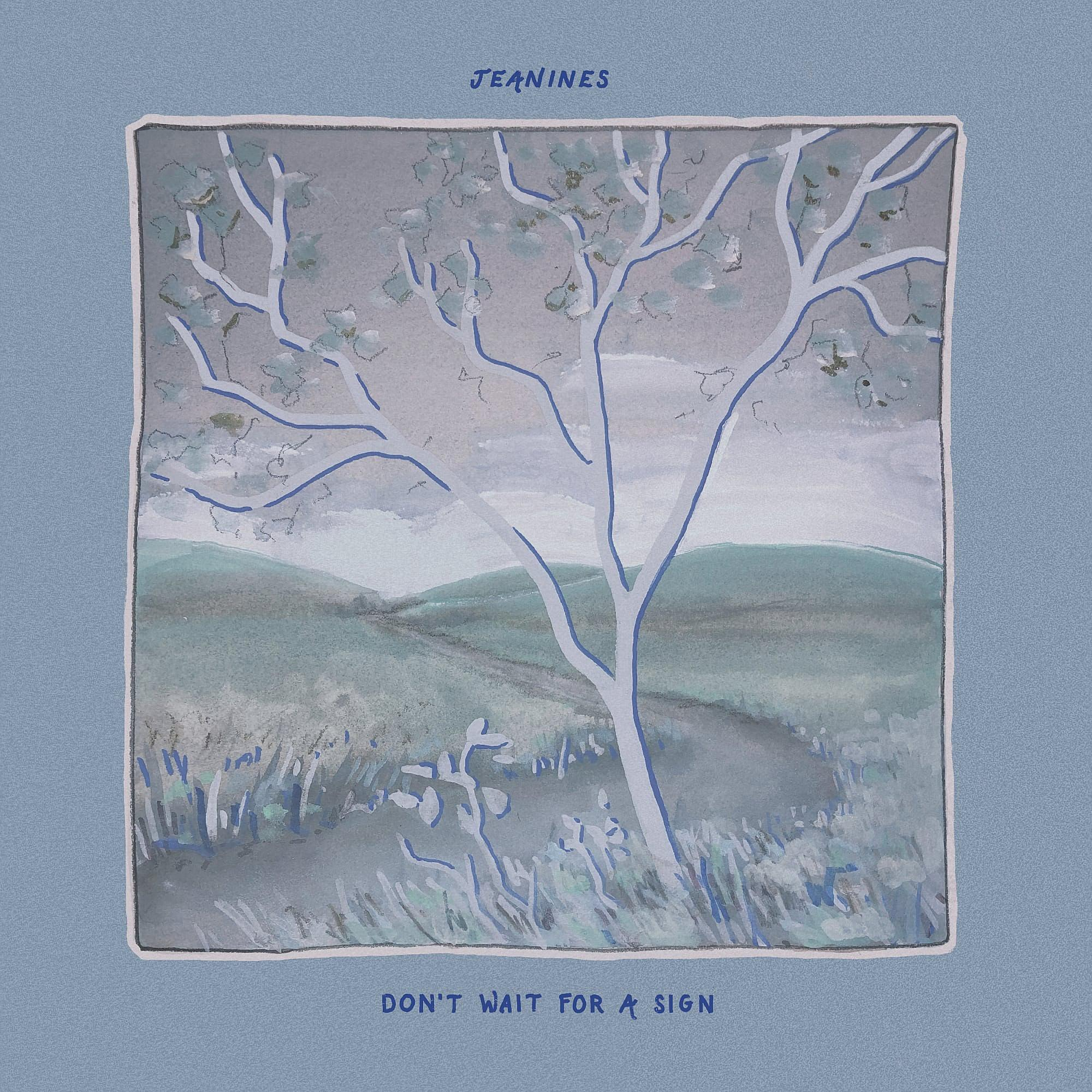
One of the brightest hopes are New York City indiepop duo Jeanines’ self-titled debut was a charming surprise and one of the best albums of 2019, a compact, jangly hook machine full of earworm melodies and simple but perfect low-fi production. Alicia Jeanine and Jed Smith are back with Jeanines’ second album, “Don’t Wait for a Sign“, which will be out April 22nd via Slumberland. Check out the wonderful first single.
The wistful “Any Day Now” is a perfect example of what Jeanines do so well, a song lifted by Alicia’s ethereal harmonies and its “la la la” chorus. It clocks in well under two minutes long but will be stuck in your head after the first listen.
Jeanines will be heading to Europe in March to play some festival dates Paris’ L’INTERNATIONAL on 24th March and Madrid Popfest on 26th March.
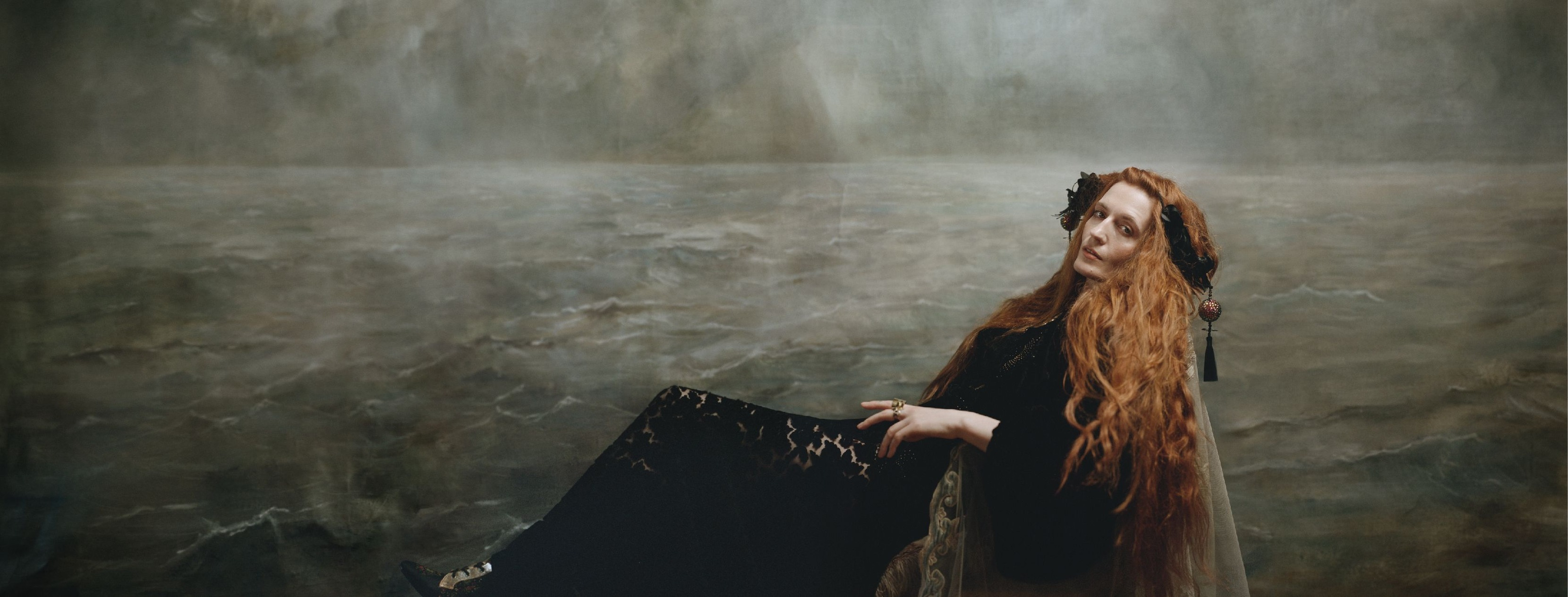
Florence + The Machine is back with a new single Florence + The Machine has been teasing something, and now she’s shared a new single, “King,” with an accompanying video directed by Autumn de Wilde, which you can watch below.
“As an artist, I never actually thought about my gender that much,” Florence says about the song. “I just got on with it. I was as good as the men and I just went out there and matched them every time. But now, thinking about being a woman in my 30s and the future, I suddenly feel this tearing of my identity and my desires. That to be a performer, but also to want a family might not be as simple for me as it is for my male counterparts. I had modelled myself almost exclusively on male performers, and for the first time I felt a wall come down between me and my idols as I have to make decisions they did not.”
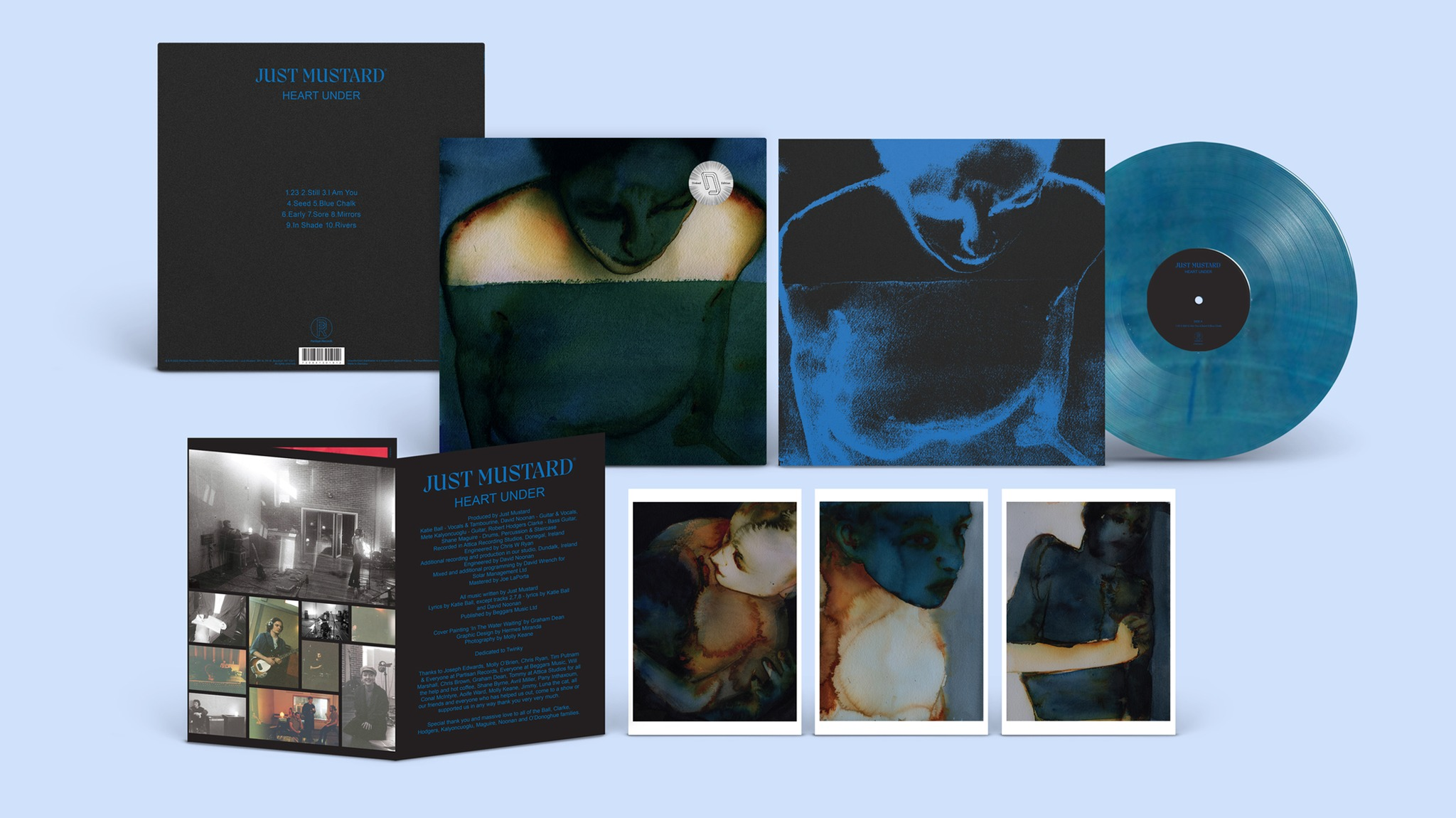
Irish shoegazers Just Mustard are back with a bang, treating their second LP to a Dinked exclusive variant with three A5 prints and inserts.
“Heart Under’,Just Mustard’s second album and first for Partisan Records, is an album that asks you to forget what you know. At every turn, this remarkable record reconfigures and stretches the ideas and ambition of a rock band, and turns a year of lockdown and personal struggles into a breath taking artistic statement.
The music the five friends from Dundalk, Ireland make is strikingly untraditional. Though to look at them, it appears that the band are a five-piece with uniform make-up of a vocalist, two guitarists, a bassist and a drummer, not a single one of them utilises their instrument in a confined or regular fashion.
Irish band Just Mustard will release their second album, “Heart Under” in May, and will be on tour with Fontaines D.C. before that. Check out the danceable first single.
Over four years after their acclaimed debut ‘Wednesday’, the Louth quintet are back with their noise rock and post-punk inspired take on the genre. Their first for Partisan Records, ‘Heart Under’ hears their a-typical instrumentation meet ambitious genre-bending and the post-production expertise of David Wrench.
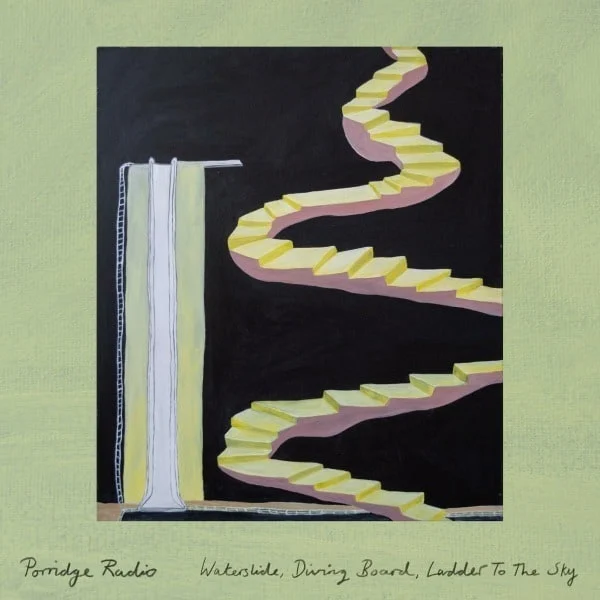
‘Waterslide, Diving Board, Ladder To The Sky’ is the third full-length album by Brighton’s acclaimed indie types Porridge Radio. Following their Mercury Music Prize nominated album ‘Every Bad’, the album sees singer and songwriter Dana Margolin searching for a balance between the joy, fear and endlessness in her life through infectious indie anthems.
“Back To The Radio” by Porridge Radio from the forthcoming album ‘Waterslide, Diving Board, Ladder To The Sky’ out May 20th on Secretly Canadian.
The Cocteau Twins frontwoman Elizabeth Fraser, who has undergone a slight re-emergence in recent years, will release her first new music in more than a decade on Record Store Day via a “finally finished” 12-inch vinyl EP featuring five songs by Fraser and her partner Damon Reece.
Not much is yet known about Fraser’s new music with Reece, though at least one of the songs appears to have been previously released, though possibly in a different form. The first of the EP’s five tracks is “Underwater,” the same name as an electronic single Fraser released in the U.K. in 2000.
And two of the other songs “Golden Air” and “Make Lovely the Day” appear to have been performed by Fraser during her rare sets at the U.K.’s Meltdown Festival in 2012, along with “Underwater,” in appearances that had been billed as mixing new music from an anticipated solo album with Cocteaus classics.
The new music will be the first released by Fraser since her one-off 2009 single “Moses,” a song she’d written with Reece with their friend Jake-Drake Brockman that was released following Brockman’s death that year in a motorcycle crash.
The EP’s release comes after Fraser has become more musically visible in recent years.
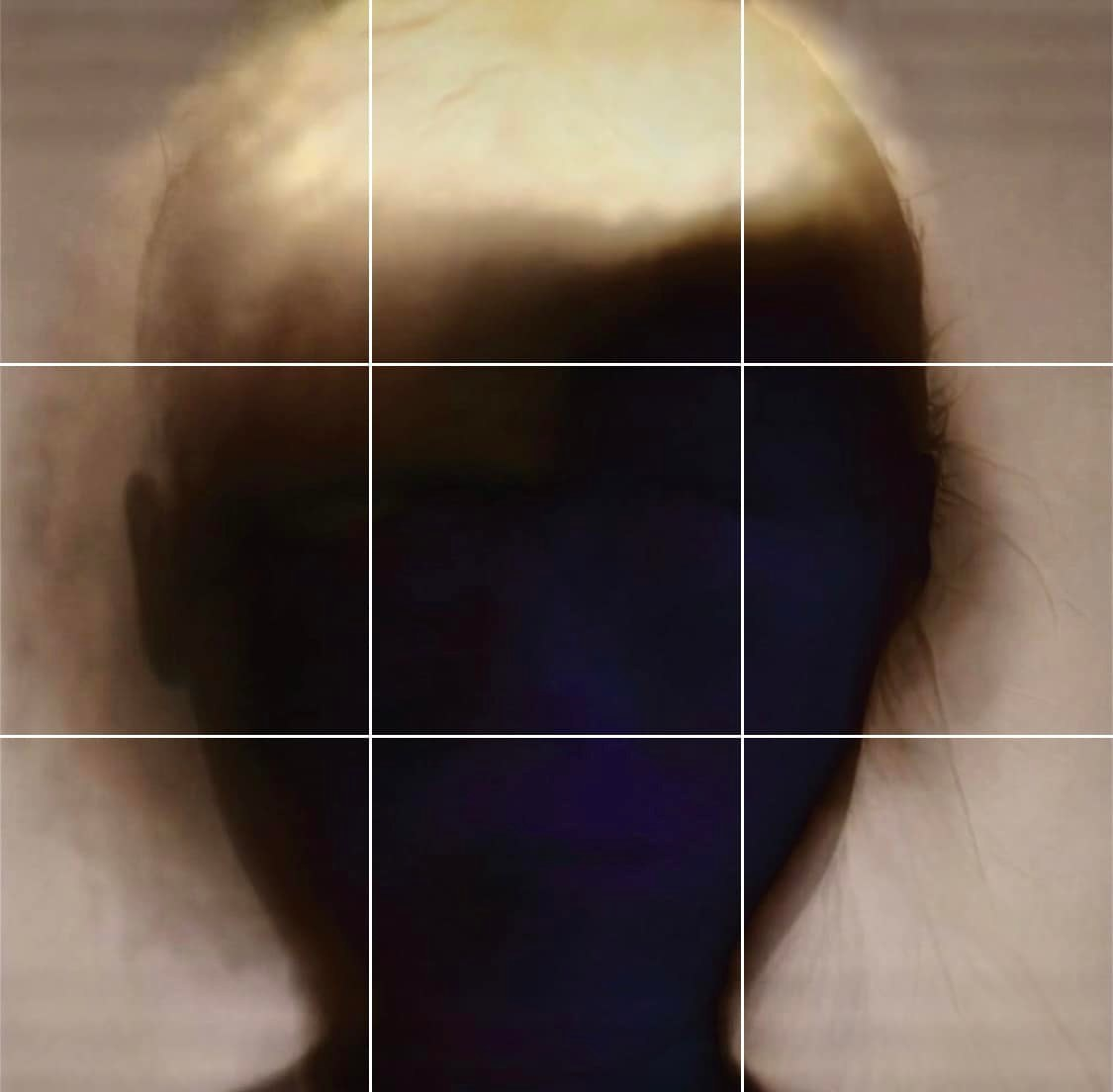
Sun’s Signature is a 5 track EP of music by Elizabeth Fraser (Cocteau Twins) and Damon Reece (Spiritualized, Echo & the Bunnymen, Lupine Howl). Pressed on black vinyl, housed inside a single sleeve jacket and printed inner sleeve.
Set to release an EP on Partisan Records in April under the name “Sun’s Signature.”
Limited to 3,700 copies, it will be available exclusively in store on Saturday April 23rd, 2022.
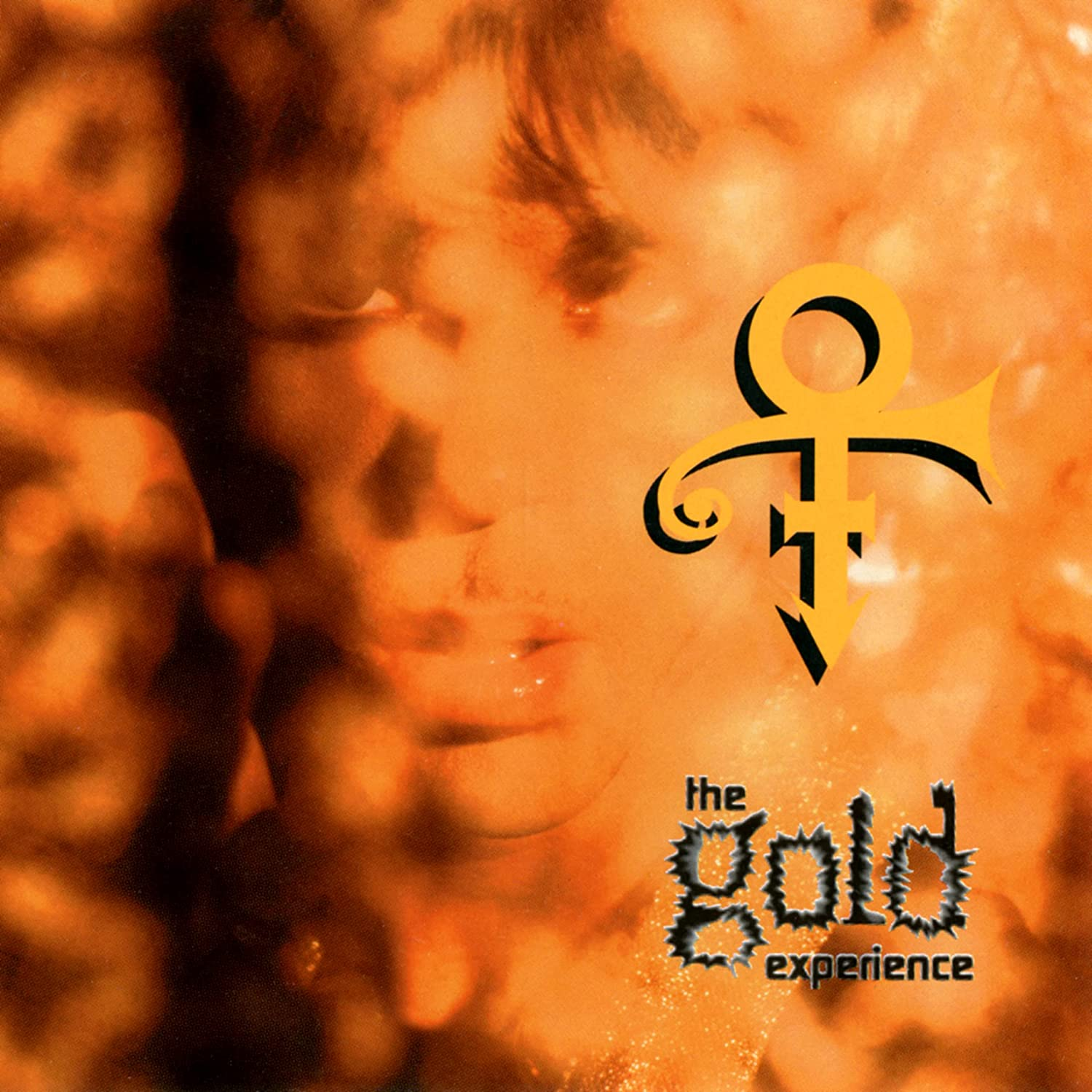
Prince’s 1995 album The Gold Experience (his first to be credited to that unpronounceable squiggle) will be reissued for Record Store Day 2022 a special 2LP gold vinyl edition being made available for this year’s Record Store Day.
The album features the UK number one single ‘The Most Beautiful Girl’ in the World’ and this reissue does indeed include that song after the resolution of a legal dispute. Two further singles, ‘I Hate U’ and ‘Gold’ were both top 20 singles in Britain. In fact, ‘Gold’ peaked at number 10 and was therefore Prince’s last top ten single in the UK, in his lifetime, if we don’t count the reissue of 1999 .
It was a confusing time for the record-buying public. Prince was in dispute with his label, had an enormous hit (‘The Most Beautiful Girl In The World’) on his own NPG Records label and wrote ‘Slave’ on his cheek. The chart-topping single was issued in February ’94 but “The Gold Experience” wasn’t issued until September 1995. In between the album “Come” was grudgingly put out, along with the rather good single ‘Letitgo’.
It’s a little surprising that there’s no word of a retail black vinyl to go with the CD reissue but we’ll see what happens. Meanwhile the video to ‘The Most Beautiful Girl in the World” has been newly-restored to HD and you can watch it above.
Glenn Donaldson and The Reds, Pinks & Purples are one of those very few Prolific musicians where you literally Can make a Leap of Faith and Buy the Album Sight unseen before you even listen to A Few Seconds of The First Song. I Did, It’s that Good. Frankly Questioning the Beautiful Poetic Janglers Style and Music output at this point… if your into Indie-pop… is like Questioning whether it’s going to Rain in the Month of April. If it had anything to do with Glenn’s Song writing Capability, it’d rain Everyday
Earlier this year, The Reds, Pinks and Purples released the wonderful new album “Summer at Land’s End” and they’re already back with a follow-up EP.
Glen Donaldson is in a bit of a prolific run. Under his moniker of The Reds, Pinks and Purples, he’s released four albums in four years, with the most recent arriving only last month. Along the way, he’s released a smattering on non-albums singles as well and this weekend he returns with a three song EP. Per usual, the tracks capture the bright, meditative guitar-pop we’ve grown accustomed to hearing from Donaldson with all of these frequent releases and these tracks are just as sunny as any of his most recent output. Sheets of guitar hit like tender shoegaze moments over his otherwise blissful, pastel tones that offer up a warm, cozy feeling that is as inviting as the kitchen-pop style would suggest, or as his Bandcamp reads, it’s “the echo pop of twilight.”
His vocals billow like a breeze, easing from his mouth with such delight and his delivery as consistent as his output. Harmonica finds its way through the acoustic guitar haze as well, giving more pop textures to the title track as steady drumming holds the beat. Fuzzing organ and keys give the songs some added weight and again give a richness to the texture that bristles with a slight buzz giving it more dream-like qualities and underlying themes that tie each track together. “We’re starting over again” he croons on the last track, but really there is no need. Donaldson has hit a stride of creating brief, wonderful tunes that will remarkably always fit a pattern and provide a sense of charm and ease. The most comfortable groove that wraps you like a blanket as you stare off into the perfect blue sky on an epic stretch of grass.
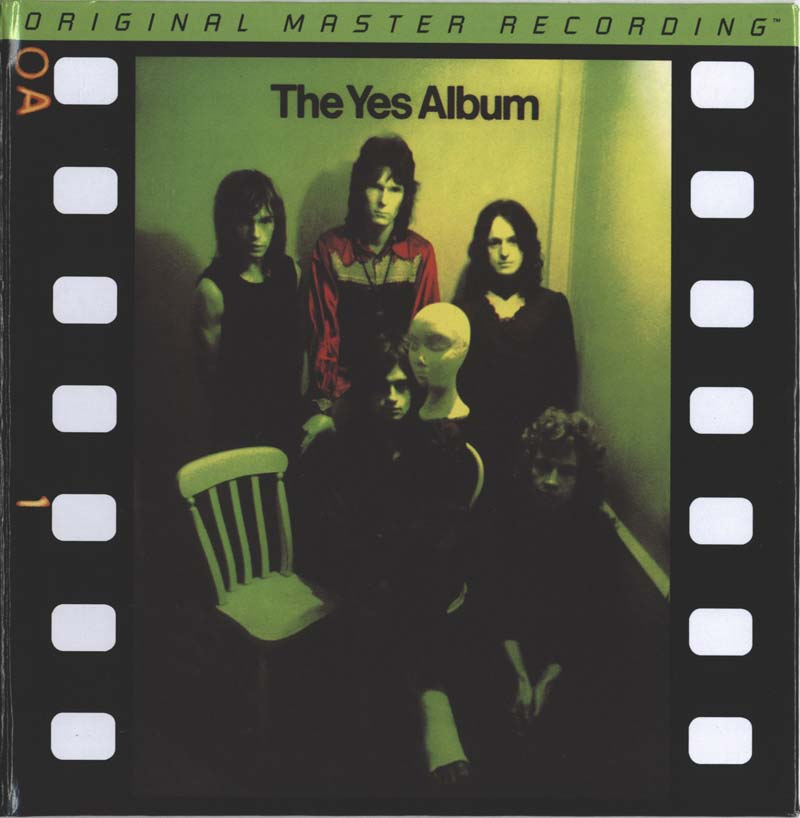
After two musically solid but poor-selling albums, the five-piece psychedelic-progressive rock group Yes privately suspected their label Atlantic was looking for some serious commercial progress in order to justify keeping them under contract. In late spring 1970 they retired to a farm in Devon, England, for rehearsals with a “make or break” attitude.
This was to be their first album of entirely original material. Vocalist Jon Anderson , drummer Bill Bruford, keyboardist Tony Kaye and bass player Chris Squire were integrating their new guitarist Steve Howe, after original member Peter Banks left in April. Howe, who’d previously been with the “freakbeat” band Tomorrow, was at home in a number of genres, including folk, blues and country, and was soon exerting a strong influence on the group sound as they wrote and rehearsed new material. His main axe was the Gibson semi-acoustic ES-175, often considered a jazz guitar. He was the type of versatile player who could take advantage of it. He could play powerful block chords, wail jagged solo lines, flat-pick or fingerpick; whatever it took, he supplied it.
Bruford was likewise able to be subtle one minute and crash the next. Using a jazz approach, he tended to imply the main beat rather than always state it as a rock drummer would. His approach was defined by variety. Squire played bass like a lead instrument, generally with a heavy-gauge pick. Like the Who’s John Entwistle, he sounded at times like a low-pitched guitarist rather than a harmonic accompanist, part of the rhythm section. Kaye had trained as a concert pianist, but he’d abandoned classical music for pop, playing a Vox Continental in various groups before joining Yes in 1968 and settling on the Hammond B-3 organ as his main squeeze.
Anderson sang in a high tenor, and was responsible for most of the group’s lyrics, which tended toward the mystical, pastoral and mythological. Yes’ producer-engineer Eddy Offord described how the group teased Anderson for his wordplay: “The band gave him such a hard time. They’d all say to him, ‘John, your fucking lyrics don’t make any sense at all! What is this river/mountain stuff?’” Offord says Anderson would always explain, “I use words as colours, for the sounds of the words, not the actual meaning.”
Working at Advision Studios in London during autumn 1970, the group aimed for precision and even perfection. Most of the time Squire and Bruford recorded their parts and all other instruments and vocals were meticulously stacked on top, filling the 16 tracks available. Recording their complex, multi-part songs sometimes in takes as short as 30 seconds, they redesigned and edited pieces together as they went. Some heavily rehearsed sections were wedded to spontaneous studio creations. Offord was so expert that for much of the time the listener can’t hear the seams.
In an interview for yesworld.com, Offord recalled, “Bill Bruford didn’t like Jon messing with the tracks once they were recorded. I remember we were trying something—Jon wanted to have some echo in the background—and Bill got up and yelled, ‘Why don’t you put the whole fucking record in the background with echo then?’ .
The nine-minute “Yours Is No Disgrace” kicks off the LP with a show of force, a sort of warped tango rhythm with Bruford and Howe assertively locked in, extremely prominent bass work, a Howe transitional solo and Kaye’s organ holding the strands together. Anderson and harmony vocals don’t enter until 1:30, with a tempo change, a Hammond B-3 bed and lyrics that are both evocative and opaque: “Yesterday a morning came, a smile upon your face/Caesar’s palace, morning glory, silly human race.”
Instrumental effects and changes in dynamics and tempo continue to oscillate, circling back like a classical sonata to theme and variations. There are sections that sound like prime King Crimson or Genesis; the arrangement keeps us guessing. At the 6:00 mark, Howe performs a dazzling series of solos in different styles, but isn’t allowed to linger before Anderson re-enters. At this point the lyrics are even wilder: “Battleships confide in me and tell me where you are/Shining flying, purple wolfhound, show me where you are.”
Strangely, the next track is “Clap,” a Chet Atkins-style acoustic guitar piece recorded at Howe’s very first live gig with Yes, at the London Lyceum on July 17th, 1970. Incorrectly and unfortunately listed as “The Clap” on the original LP, it’s a fine showcase for Howe, but what it’s doing sequenced between “Yours Is No Disgrace” and another nine-minute epic, “Starship Trooper,” is a mystery. Surely such a contrast would have worked better tucked somewhere on side two? Howe laid down a longer version of “Clap” at Advision, but it wasn’t released until 2003 when Rhino issued an expanded CD of the album.
“Starship Trooper” is in three parts running together, with “Life Seeker” written by Anderson, “Disillusion” by Squire and Howe’s “Würm.”Anderson’s at his peak, and again the instrumentalists are constantly impressive and in motion. Listen to Bruford’s variations as he moves around the kit and Squire puts in spectacular punctuation. At one point, Howe’s guitar track is run through a flanger, giving it a synthetic sound. He also does another Atkins-like country backing for a multi-tracked vocal grouping. Howe’s final section is a solid rocker that pounds a couple of chords into submission, Kaye dominating the background and Howe up front.
Side two begins with a two-parter meshing Anderson’s “Your Move” and Squire’s “All Good People.” The first half, with lyrics that use a game of chess as a metaphor for relationships, was released as a single and did get some AM airplay, but the FM dial took to the whole thing and made it ubiquitous, helping “The YesAlbum” on its slow but steady trek to gold record status when released on February 19th, 1971. It’s one of Yes’ most melodic and even fun tracks, all the while quoting multiple John Lennon lyrics, and Anderson turns out to be right about the shape of the words being more important than the literal meaning.
“Your Move” utilizes a drum-bass tape loop, which was Offord’s solution to a frustrating session in which Bruford and Squire laboured hard but couldn’t get it right for long enough. Listen for Howe’s overdubbed 12-string. Squire’s bouncy “All Good People” is about as jaunty as Yes ever got, and it’s remained a fan favourite for 50 years.
“A Venture,” written by Anderson, fades in on Kaye’s delicate piano, Howe chimes in and the track becomes a very upbeat romp. On an extended version, released in 2014 as part of a deluxe CD/Blu-ray reissue supervised and remixed by Steve Wilson, there’s nearly two minutes of extra soloing, Howe and Bruford doing some excellent work. Offord has said he regrets the early fade on the original LP.
The album concludes with the strong “Perpetual Change.” It’s got a very cinematic, dramatic opening, after which Howe does a brief countrified electric solo, and the tumult dies out for Anderson’s gentle entry. The choppy main theme re-enters (listen what Bruford does here), and then, true to the title, it switches back into a lower gear. Much of the track consists of two overdubbed Yes bands playing in different time signatures.
“The Yes Album” was very successful, and Yes was at last well-established as one of rock’s perennial stadium-filling acts. It would be Kaye’s last album with the group (until he returned to the line-up more than a decade later). They wanted him to integrate synthesizers and other electronic sounds into the mix, and he wasn’t having it. His replacement, Rick Wakeman, was more than amenable, and Yes’ next discs, “Fragile” and “Close To The Edge“, were even bigger hits. The behemoth “Tales From TopographicOceans“, which partisans cite as the apotheosis of ’70s prog-rock, was waiting in the wings.