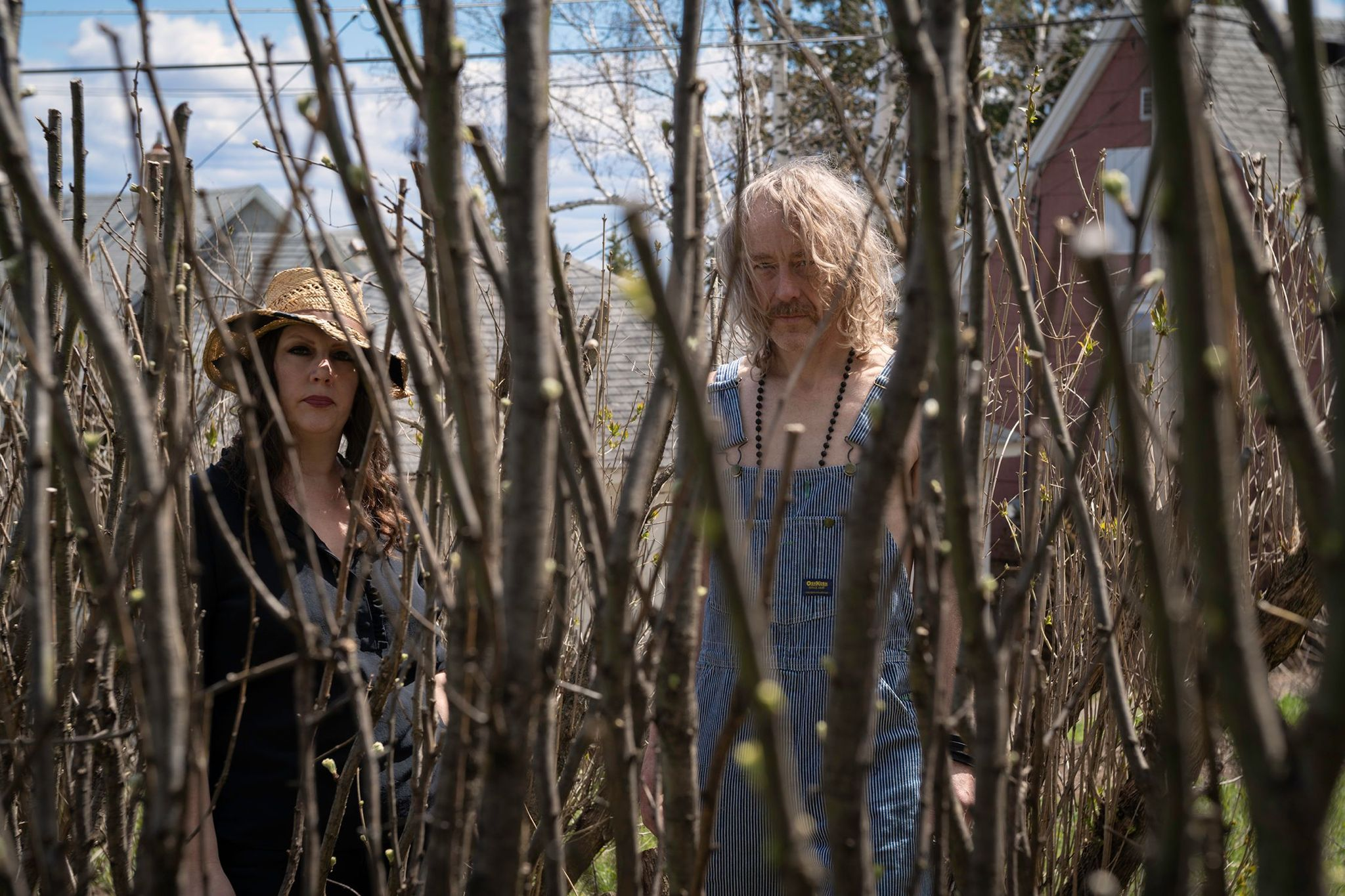
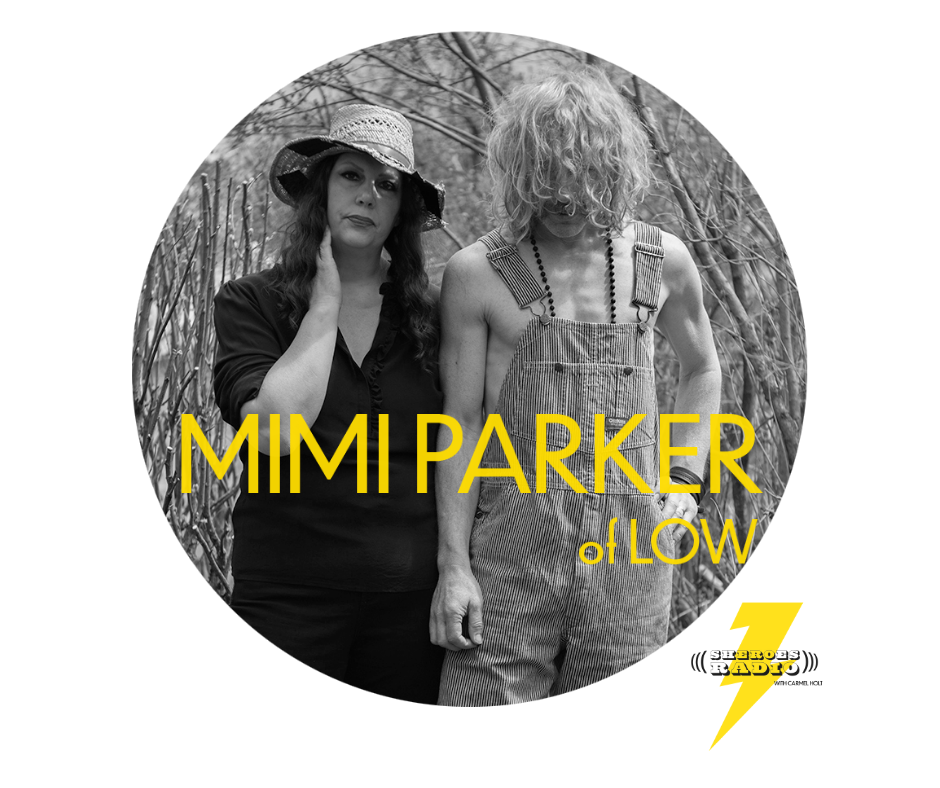
Low drummer-vocalist Mimi Parker dies, age 55, after two-year battle with ovarian cancer, Alongside husband Alan Sparhawk, Parker formed Low in the early 90s, and their minimal alternative to the era’s grunge-heavy music saw them acclaimed as one of indie-rock’s most original bands. Parker was born in 1967 and grew up in a small town outside of Bemidji, Minnesota. She began experimenting with music from a young age, coming up with harmonies to complement her sister’s guitar and leads. The pair sang along to the old country and gospel records introduced to them by their parents.
She knew how to let her art speak for itself, anchoring Low’s songs with a steady heartbeat pulse while summoning a hazy effect with her mesmerizing voice. She was the aching spirit that shaped Low’s incomparable sound.
Mimi Parker, the founding drummer-vocalist for the ‘slowcore’ indie-rock band Low, passed away at age 55 on Saturday night inside her Duluth, MN home after a two-year battle with ovarian cancer. Fans were first made aware of Mimi’s health problems on August 15th when the band announced they had to cancel concerts in Wales, Scandanavia, England, and Scotland due to her ‘fighting cancer’ which made ‘travel impossible.’
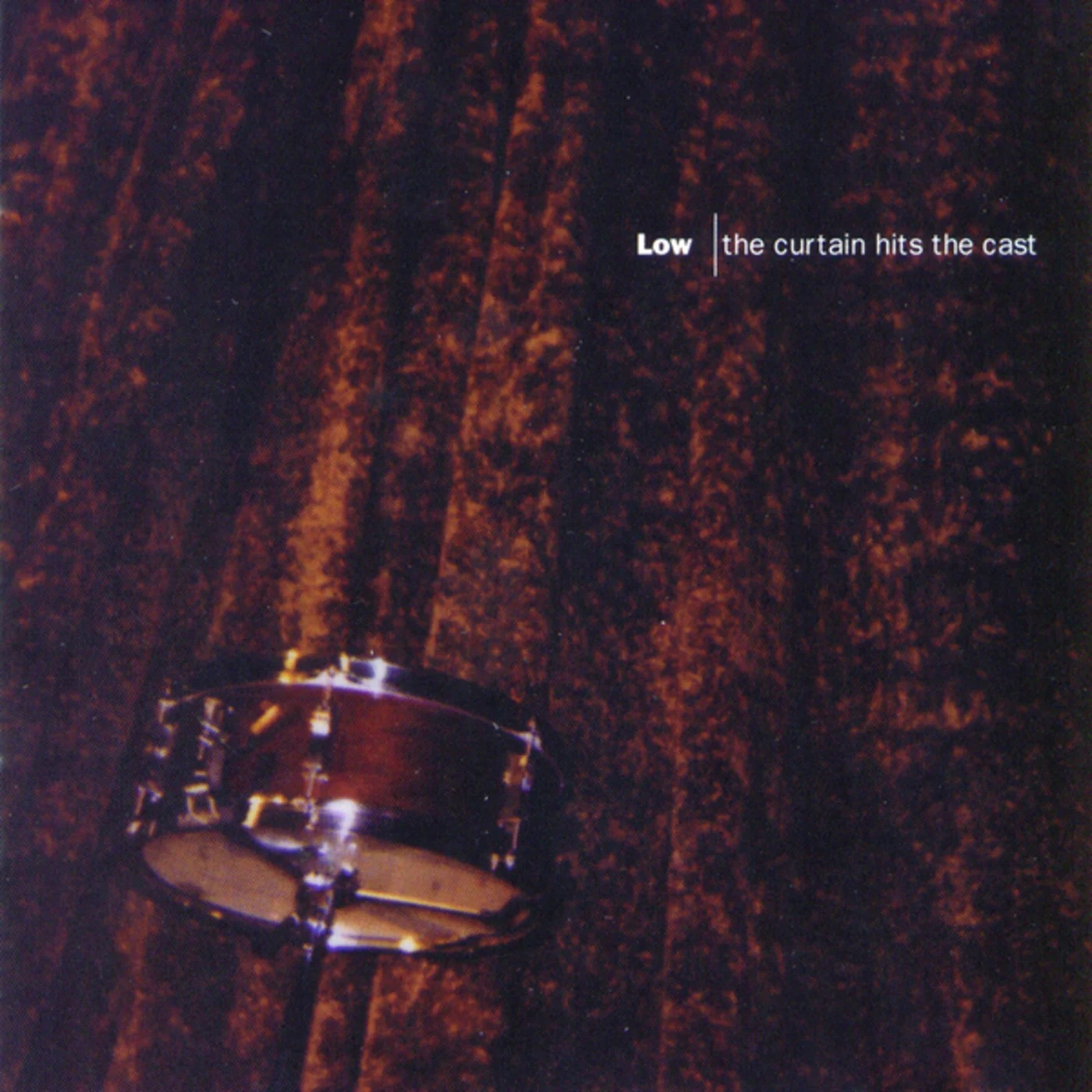
Parker met future bandmate and husband Alan Sparhawk at primary school, before they formed Low in 1993, with bassist JohnNichols. Initially she played a modest drum kit composed of just a snare, cymbal and floor tom, and used brushes instead of drumsticks. The band’s debut album, “I Could Live in Hope”, was released in 1994, and later included in Pitchfork’s 1999 list of the best albums of the 1990s.
While supplementary members of the band came and went, Parker and Sparhawk remained at the helm throughout Low’s almost-30 year history. With their slow, minimal arrangements and often quiet delivery, Low are recognised as one of the most original and accomplished names in indie rock.
‘Friends, it’s hard to put the universe into language and into a short message, but she passed away last night, surrounded by family and love, including yours,’ her husband and bandmate Alan Sparhawk announced Sunday.
‘Keep her name close and sacred. Share this moment with someone who needs you. Love is indeed the most important thing.’
Aside from Sparhawk, Parker is survived by their two adult children – 22-year-old daughter Hollis Mae and 18-year-old son George Cyrus.
Former Low bassist Zak Sally posted an old snap of Parker captioned: ‘I don’t have any words, other than that I treasure every moment I had with Mimi Parker, one of the most wonderful humans I’ve been lucky enough to know in this life. And so thankful I got to tell her that. I love you, Mim.’
Many of the band’s peers paid tribute online. “I heard the news in the most base circumstances, surrounded by degenerates, stuck and cursing, in a conference room in Deerfield,” wrote producer Steve Albini, who worked with the band on the 1996 Transmission EP and the albums “Secret Name” (1999) and “Things We Lost in the Fire” (2001). “I was momentarily overwhelmed, the sound of her voice resonant in my memory, beautiful and heartbreaking. Godspeed Mimi Parker.
Mogwai’s Stuart Braithwaite tweeted: ‘Absolutely heartbroken by the news about Mimi. Sending all my love to Alan and his family.’
Portishead frontman Geoff Barrow wrote: ‘Heartbroken by the news of Mimi Parker’s passing. Her voice with Alan’s often emotionally moved me unlike any other band. Their music together transcended all the bulls*** in the world and I will treasure every time I saw them play live or said hello to her at a festival.’
Everything But the Girl singer Tracey Thorn tweeted: ‘So sorry to hear this news. Love and condolences to all who knew and loved Mimi.’
Thorn’s bandmate Ben Watt tweeted: ‘Just unbearably sad to hear of the death of Low’s Mimi Parker. My heart goes out to Alan and their family. I feel honoured that our paths crossed more than once.’
Grammy nominee Will Sheff tweeted: ‘Mimi Parker’s voice had such depth and mystery – icy and opaque but also somehow warm and motherly, an uncannily perfect complement to Alan Sparhawk. And she had such presence onstage. She gifted Low with their extraordinarily powerful sense of gravity. Rest in peace.’
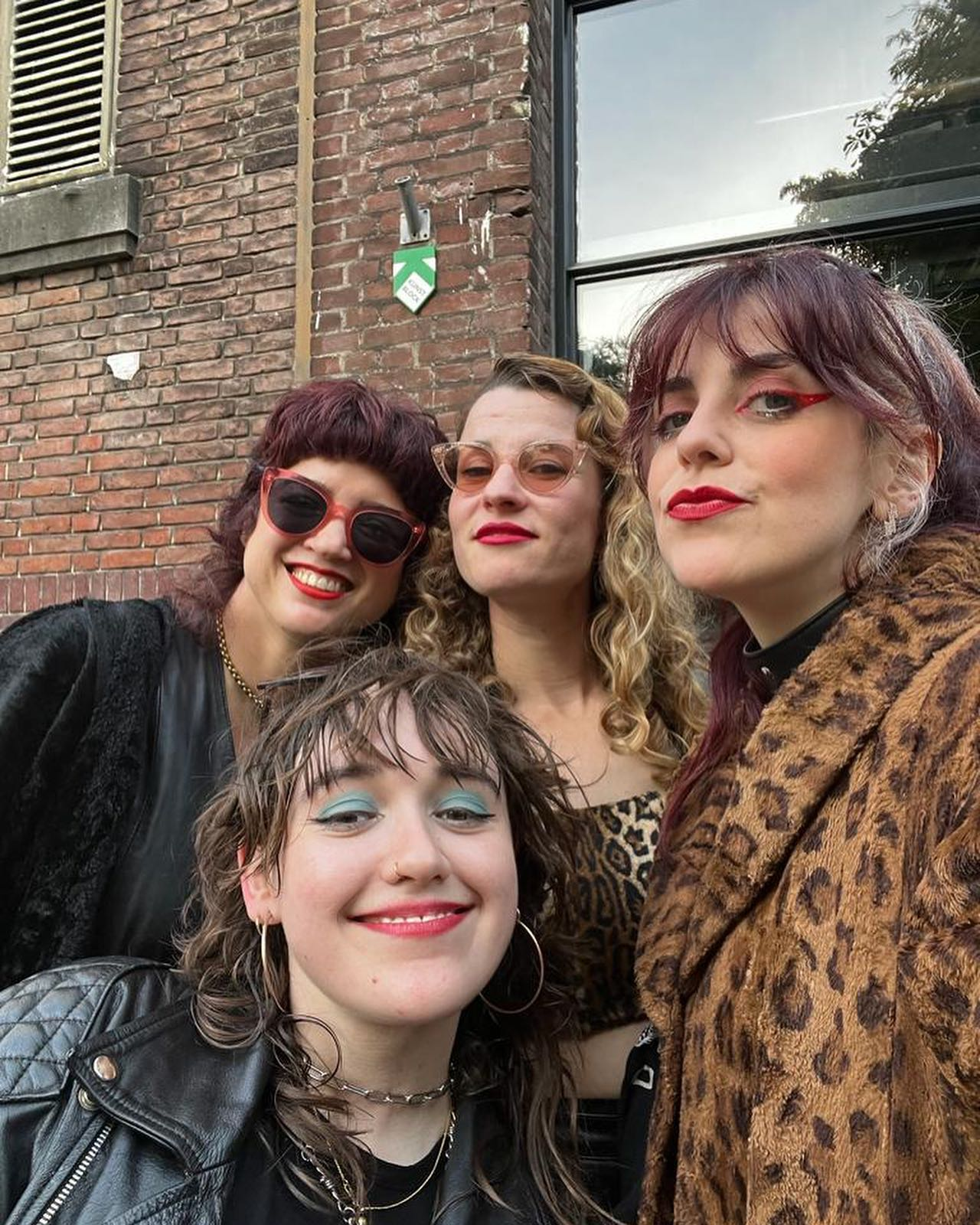
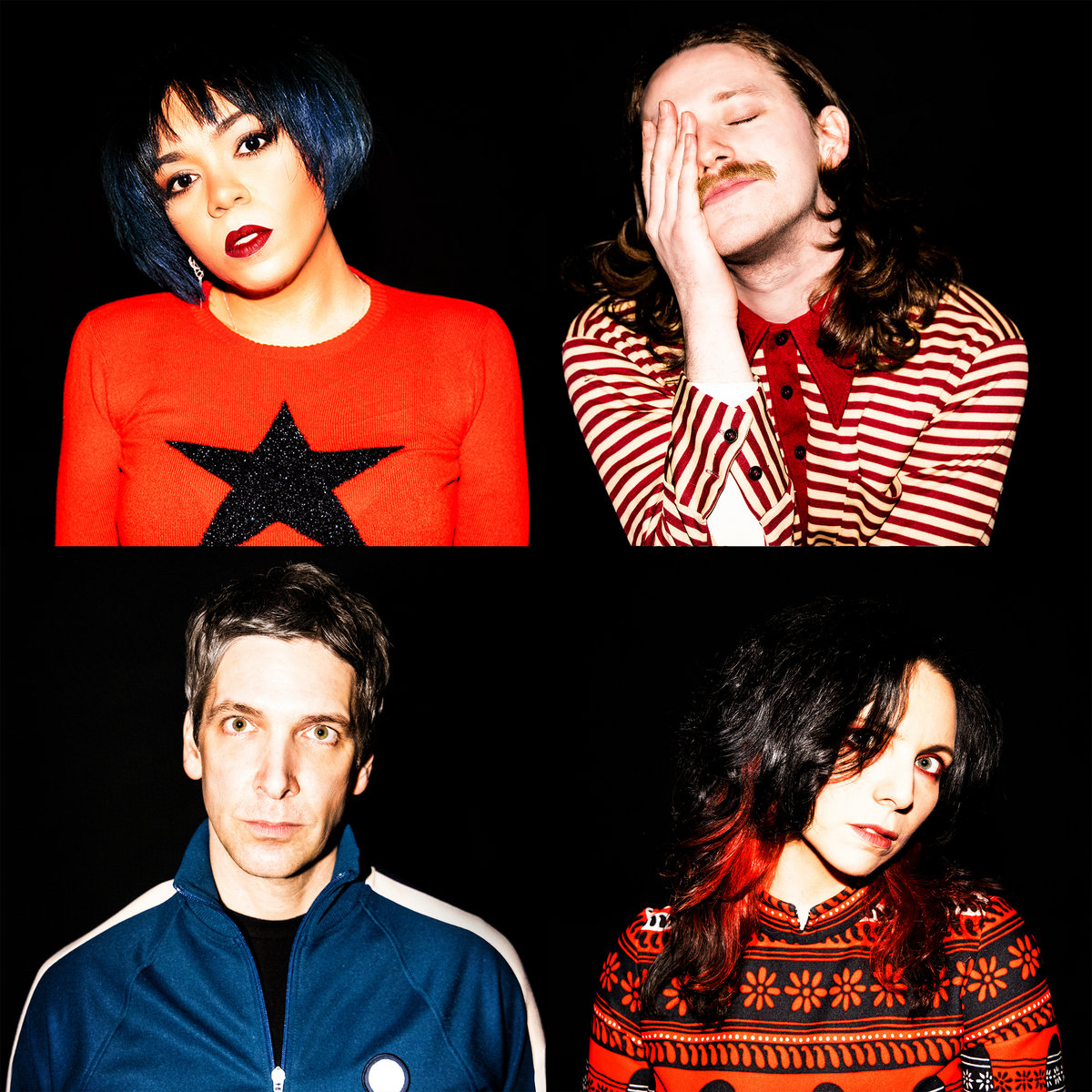
Ghost Car, the London-based international punk quartet, have announced their debut album ‘Truly Trash’ following their signing to One Little Independent Records. The riotous, quick-witted collection of 11 garage-rock bangers will be released on October 28th.
Ghost Car, the London-based international punk quartet. Riff-heavy bangers rise in raw intensity as group harmonies build toward garage-rock noise-outs, and frenzied synth drags the sound in a 60’s psych direction.
Ghost Car practice what they preach, and aim to spread their mantra of inclusivity and equal rights as loud as possible.
The album provides Ghost Car with a platform to rage against political injustices, as their unified battle cries attack patriarchal inequality, homophobia, racism and toxic relationships. ‘Truly Trash’ is a call to reclaim autonomy and to revolt against the powers that uphold an archaic nationalist system.
Arny Margret released her gorgeous debut album, ‘they only talk about the weather’, an album of acute emotional exploration. It’s Arny’s coming-of-age journey, from writing in school, staring out of dorm room windows, being on the road, to today. With poetic proficiency and a knack for composing melodies that bury themselves deep into the subconscious, Arny writes of loneliness and existentialism with stark relatability.
Taken from new album ‘they only talk about the weather’
2017’s equal parts somnambulant and sultry “Sleeprydr” 7” was aptly described as “psychedelic rock that hits like a dream despite undoubtedly seeking to soundtrack nightmares” (-Stereogum). Thankfully, “Slow Sundown”, Holy Motors’ debut full length release, finds the Estonian dreamcatchers utilizing a similar sonic palette ranging from dark psychedelic pop to shoegaze-inflected western music. But while “Sleeprydr”, much like 2015’s “Heavenly Creatures” 7”, provided only a fleeting glimpse into the dreamscape that their music evokes, “Slow Sundown’s” eight tracks offer a more immersive experience for those brave enough to take the ride. While the guitar lines from lonely cowboy ballads like “Honeymooning” could easily serve as the central themes for unwritten Morriccone scores, dystopian anthems like the rhythmically propelled “Signs” break new ground for the band and demonstrate that Holy Motors are not bound by their influences.
Thematically the album is comprised primarily of sad love songs centered around the idea of motion – the motion of a satellite orbiting a planet, the motion of a passenger riding shotgun in a car – as it relates to stellar-scale and existential isolation. Produced by Merchandise’s Carson Cox and recorded at Brooklyn’s Kutch1 Studios when the band was visiting the US on tourist visas, “Slow Sundown” is a beautiful alien artifact that definitively delivers on everything we have been promised by Holy Motors’ work to date.
About Holy Motors, Hailing from Estonia, Holy Motors is a five-piece twang and reverb band featuring three guitarists. They are cowboys at heart who come off as shoegazers by their presence and dreamcatchers in their music. In their time, Holy Motors have played alongside bands such as Kaleidoscope, Craft Spells, Sic Alps, Dirty Fences, and Rips.
STEREOGUM Hits like a dream despite undoubtedly seeking to soundtrack nightmares THE FADER HOLY MOTORS makes shoegaze that sounds like the old west ADHOC Alluring in their delivery, entrapping in their substance
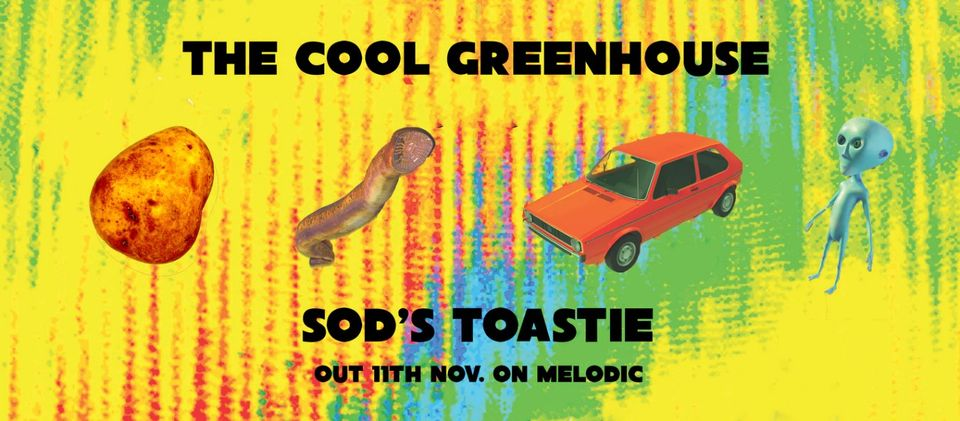
With “Sod’s Toastie”, Tom Greenhouse and his intrepid band of sonic explorers are more assured and confident than ever throughout this sublime sophomore album.
While frontman Tom Greenhouse’s off-kilter observations and bizarro anecdotes remain front and centre, this time round the band up their game with a more vigorous sound that keeps pace with Greenhouse’s wholly distinctive lyrical style. Greenhouse continues to revel in telling increasingly surreal short stories, rejoicing in the power of the deadpan one-liner and bedecking his songs with far-flung cultural references. But now the band employ a variety of techniques with improved pro-duction, from the impulsively bashed keyboards and jubilantly repetitive guitar stabs that have be-come their trademark, to flirtations with–heaven forbid!–melody, chord progressions and arrange-ments which elevate their tried-and-tested blueprint into a more exciting and cohesive whole.
Opener “Musicians” is the perfect embodiment of this conscious development. Here, Greenhouse re-counts a sarcastic tale of half-truths that see him galavanting around town trying to put a band to-gether. Sonically, it begins with a caustic callback to the group’s first EP “Crap Cardboard Pet” and its über-minimalist aesthetic. But by the end of the song a joyous festival of afrobeat-inspired in-struments including samba whistles, bongos and saxophones are added to the mix as the front-man, ironically, fails in his mission to recruit more players. With “Get Unjaded“, the band have somehow conjured something close to pop, without abandoning the repetition and wit that’s relished by their early fans.
“I Lost My Head” also adopts a jangle-pop sheen with a luscious synth melody, as the frontman ditches the spoken-word for a surly croon (his first known attempt at actual singing!) that provides a welcome breather from the onslaught of dense recantations that are the band’s bread-and-butter.
While the lyrics here are still often humorous and political, Greenhouse has also notably expanded his interests on this album to include a new host of topics.
The influence of extraterrestrials, for ex-ample, infiltrates the subject matter frequently. On The UFOs, the mysterious protagonist Blinkus Booth’s isolationist lifestyle is apparently interrupted by the spectres of otherworldly visitors, while closer The Neoprene Ravine feels like an extract from a deep space rock opera. Here, jaunty and angular instruments pile-on as we are fed images of an interstellar Spinal Tap, the titular fictional band “The Neoprene Ravine” who are “the alien equivalent of the Velvet Underground” and include an alien Lou Reed yelping “too busy sucking on my little green ding dong!”.
Meanwhile, “Hard Rock Potato” is propelled by a vortex of keys and synths, a real noise-pop gem comprised of real guitar chords (!) and rock-orientated riffs. Here the stream-of-consciousness lyrics take shots at the sinister financial industry, and include one of the many top-tier one-liners on the album: “It’s not gambling if you’re wearing a tie (even if you’ve got no trousers on)”.
On “Sod’s Toastie”, The Cool Greenhouse have pushed their distinctive flavour of post-punk to the point of perfection – their incongruous riffs, alchemical instrumental chemistry, and irreverent spo-ken-word vocals are a delight throughout. “Sod’s Toastie” is hilarious at times, and at others just hi-lariously good – a not-so-difficult second album.
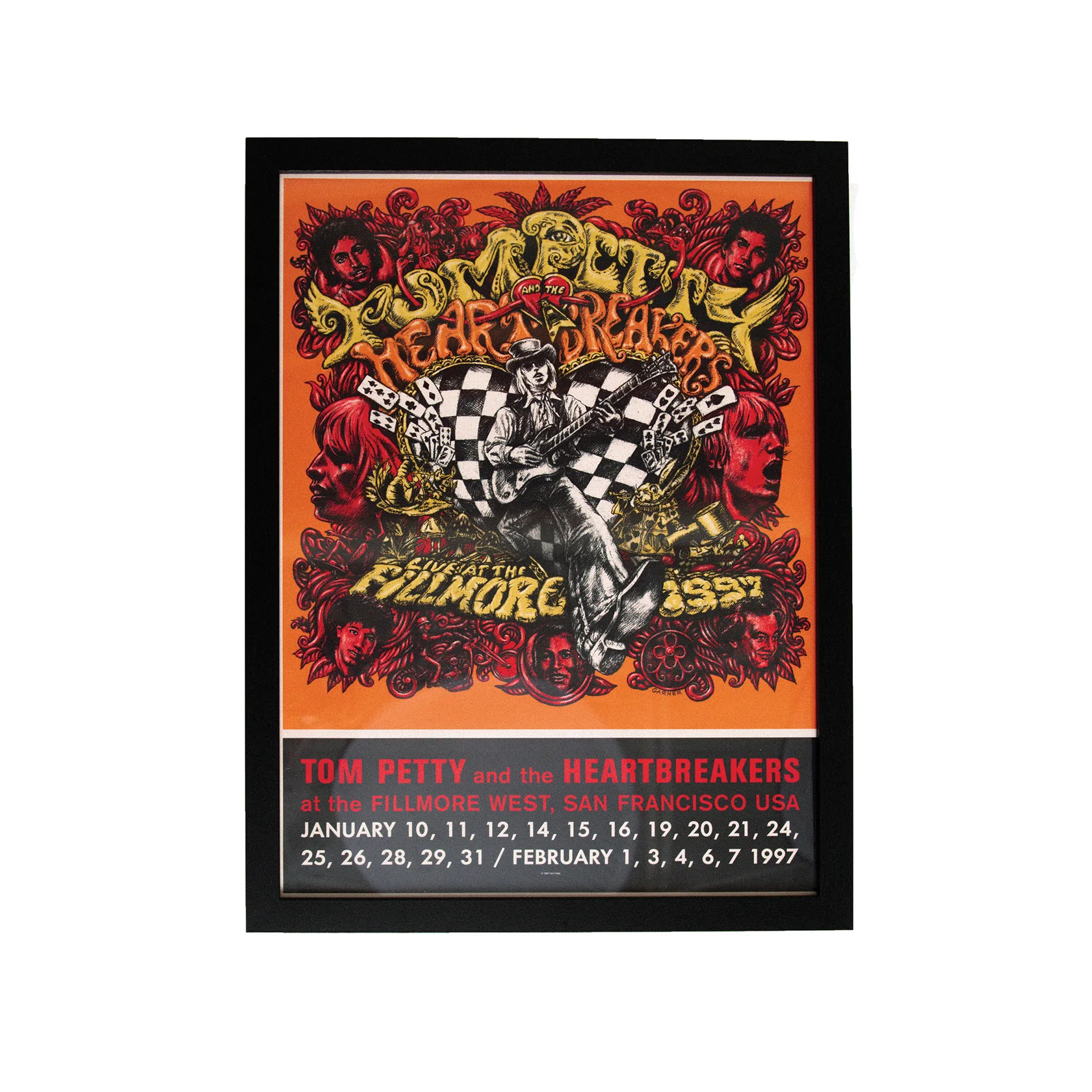
The infectious rendition from Tom Petty & The Heartbreakers of the J.J. Cale classic “Call Me The Breeze” premieres today, accompanied by a stellar music video directed and hand-illustrated by Emmy Award Winner Jeff Scher. The new track is taken from the highly-anticipated “Live At The Fillmore, 1997” — Tom Petty & The Heartbreakers’ first live record in over a decade .
The video features characterful animations of Tom Petty and The Heartbreakers performing “Live At The Fillmore”, hand drawn by educator and filmmaker Scher. “‘Call Me The Breeze’ is an anthem to freedom,” says Scher, whose body of work includes music videos for Bob Dylan, Paul Simon and others as well as pieces in the permanent collections of the Museum of Modern Art, The Harvard Film Archive, The Centre Pompidou and The National Film Archive of Austria .
The most direct metaphor for me was driving and the joy of unrestricted motion which made me think of the way things blur when they fly past. I was excited to try and recreate that motion blur with paint and pastel. I started with the first shot and just kept adding shots and cutting it together as I went. You might say it just evolved as it grew. Making the video in this way felt like I’d incorporated the spirit of the song into the process of making the video.”
For the 20 shows on the legendary Fillmore 1997 run, Tom Petty & The Heartbreakers dropped their stadium tour setlist and instead experimented with alternate versions of classic Tom Petty songs and tributes to artists they love. Tom Petty & The Heartbreakers were long-time fans of J.J. Cale. The band frequently played his songs in their sets, and Tom often played Cale songs on his acclaimed Buried Treasure show on Tom Petty Radio. “Call Me The Breeze” is one of two J.J. Cale covers on “Live At The Fillmore”, alongside “I’d Like To Love You Baby”.
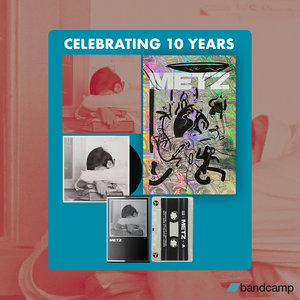
Over the last few months we’ve released our Self Titled (Deluxe Edition) featuring bonus versions of “Wet Blanket,” “Wasted,” and “Get Off” from a BBC Radio 1 session, a limited edition 24” x 36” Self Titled 10 year anniversary poster featuring an illustration by Rick Froberg printed on metallic foil, “Come On Down” featuring our dear friend Joe Talbot of IDLES, “Heaven’s Gate”, and brought back Self Titled on cassette with clear shell with black liner. If you’re missing any of these get them here today while it’s Bandcamp Friday.
This updated, thirteen-track album features the original ten songs along with bonus versions of “Wet Blanket,” “Wasted,” and “Get Off” from a BBC Radio 1 session at Maida Vale Studios which originally aired on Huw Stephens’ show in 2013.
Asbury Park 1996: Just released, this month’s archive highlights Bruce’s triumphant return to Asbury Park in ’96, which wraps with a lively 24-song closing-night set peppered with special guests, and a “setlist that explores the exuberance of youth and the realities of adulthood, along with tales of those living on the margins.
While his “Born to Run” book and “Springsteen on Broadway” performance served as overt autobiographical projects, Bruce Springsteen’s 1996 homecoming shows in Freehold and Asbury Park were equally if not more confessional.
Sprouting from seeds planted at 1990’s Christic Institute benefit concerts (available in the Live Archive series), Bruce’s return-to-the-Shore shows break the fourth wall and at times seek to provoke the audience by intentionally revealing parts of himself that didn’t necessarily comport with the image of rock’s everyman superstar. Coming home—not just to New Jersey, but the very towns where his music, band, and lifelong friendships were born—is an act of making peace with one’s past. As Springsteen writes in “When You’re Alone,” performed so poignantly here, “I left and swore I’d never look back,” only to be sent “crawling like a baby back home.”
Bruce has been a storyteller since the early days, spinning yarns about Ducky Slattery and the magical meeting of Scooter and the Big Man. But that became part of the mythmaking.
Back in Asbury Park for the first time in decades, he’s in a different sort of dialogue with the audience—not exactly a two-way street (though he does respond to audience shouts on a few occasions), but consciously revealing his truths and gauging response. Case in point: As he makes unambiguously clear introducing “Red Headed Woman,” Springsteen was (and hopefully remains) America’s foremost advocate for cunnilingus.
For all that’s been said over the years about how he became the musician that he is, the story he tells ahead of “Across the Border,” drawing a parallel between the pop music his mother played on the radio and The Grapes of Wrath might be the most instructive. He eloquently connects the roots of the two key themes of his formative work: the yearning to escape one’s circumstances and the desire for human connection.
Both themes are in full display on Asbury Park 26/11/96, the final night of four Shore shows and the closing night in AP. The November 24th performance was previously released in the Live Archive series, where Bruce was joined by Danny Federici, Patti Scialfa, and Soozie Tyrell. That trio returns for the last show, joined by several figures from those seminal Shore years including Stevie Van Zandt, Vini “Mad Dog” Lopez, Richard Blackwell (who played percussion on “The Wild, The Innocent &The E Street Shuffle“), and the late, great Big Danny Gallagher, on whose living room floor Bruce wrote “a lot of my early work.”
The show immediately acknowledges those early days as Springsteen is accompanied by Federici on “For You” to open, followed by a solo turn of “It’s Hard to Be a Saint in the CIty.” There’s nothing retro about the performances, which sound vibrant and in the moment, with Bruce in fine, strong voice. For “Saint,” his strumming adopts the low acoustic sound from the Joad tour arrangement of “Darkness on the Edge of Town,” which propels the song to the rafters. On that point, the same can be said of the entire performance, which practically bursts from the stage to the audience. In contrast, Springsteen’s next solo outing, the 2005 tour in support of “Devils & Dust”, can be categorized as more of a lean-in experience, brilliant as it was.
“Atlantic City” gets a passionate if traditional reading. Curious that the song wasn’t part of the original Joad setlists, but it became a staple starting with the European shows in the spring of 1996. The brilliant “Straight Time” was part of the Joad tour core, but curiously it has been played only once since, in Copenhagen 2005.
Scialfa and Tyrell first take the stage for “Tougher Than The Rest,” played only in Freehold and Asbury in a rare acoustic arrangement. “Darkness” is assayed at a blistering pace, and the urgency felt in so many of the night’s performances rings true as Bruce sings, “lives on the line where dreams are found and lost.”
There’s a washboard quality in the rhythmic strumming intro to “Johnny 99” as Bruce blasts harmonica to what sounds like the riff of U2’s “Desire.” It’s another pacey rendition, and Bruce’s heighted Joad voice shifts wildly from high to low, hard to soft, demanding the audience engage.
Next, the first of those old friends, as Richard Blackwell takes the stage on congas for a one-off performance of “All That Heaven Will Allow,” dormant since the last night of the Tunnel tour. Bruce brings out Blackwell with a story about randomly running into him in the woods a long way from the Shore—near the Esalen Institute in Big Sur—after driving cross-country in late 1969. Blackwell is then joined by Tyrell on violin for the comforting return of “All That Heaven Will Allow.”
With Federici rejoining on accordion, Tyrell and Springsteen revisit “Wild Billy’s Circus Story,” and again Springsteen’s singing is spirited and invigorating, even contemporizing the “Wild & Innocent” classic.
The aforementioned cunnilingus advocacy precedes “Red Headed Woman,” though perhaps stumping would be a better word choice. Bruce makes a rare foray into political impressions, doing his take on Senator Bob Dole by way of positing the theory that Dole could have won the 1996 Presidential election if only he’d said, “This is Bob Dole. Bob Dole stands for a strong America; prosperity in every home. Bob Dole stands for cunnilingus.”
“Two Hearts” arrives just in time to turn off the steam, as Patti and Soozie join for this calmer expression of love, teeing up one of the night’s true highlights. “When You’re Alone” was released on “Tunnel of Love” in 1987, but never appeared in a Tunnel of Love Express Tour set. Springsteen finally debuted the song live at the 1993 tour’s Count Basie Theatre warm-up before its more formal resurrection for these 1996 Shore shows, tour-premiering in Freehold.
Why these shows? Bruce gives “When You’re Alone” no meaningful introduction, but the second-verse lyrics are highly apropos of the occasion. In this stripped-down arrangement, Bruce carries a lot of the original melody in his vocals, enhanced by Patti’s rich harmonies, and the result is special. One of only 12 performances ever, this is the last “When You’re Alone” until 2005.
Former single-mates “Shut Out the Light” and “Born in the U.S.A.” are paired masterfully, with the B-side played first, featuring sympathetic support from Danny, Soozie, and especially Patti on vocals. The 1984 title track always merits reappreciation in its original acoustic form.
The NJ shows deviated significantly from the baseline Joad set, but the end of the 11/24/96 show reverts to form for “Sinaloa Cowboys,” “The Line” and “Across the Border.” As they were night after night, each of the three is brilliantly realized, and the addition of “Racing In the Street” between the final two is both a fascinating and fitting addition. Bruce reads “Racing” not unlike a Joad song (that influence can be felt on some of the 1973 songs as well), and the shifted telling makes for an engrossing rendition.
To the encore, and wonderful moments of Bruce seeing and celebrating the local friends who helped get him there. It starts with Stevie Van Zandt, who joins all prior guests and shares lead vocals with Bruce on his own classic “I Don’t Want to Go Home” in its only tour appearance and a unique acoustic arrangement. “Spirit in the Night” is suddenly an ode to the spirit on this night, with Lopez and Gallagher joining the fray on backing vocals.
A shambolic “Rosalita” ensues, where the spirit of the performance is again what matters most, and a video would do more justice to see the joy on the faces of these reunited Shore brothers (and sisters).
Danny and Bruce handle a joyous “This Hard Land” on their own, but not before reminding the audience that the show is a benefit for the Asbury Park Fire Department and the Women’s Center of Monmouth County. The evening closes with “4th of July Asbury Park (Sandy),” Bruce’s beloved ode to the city, the culture, and the people who brought him to John Hammond’s office and eventually MetLife Stadium.
“I got a chance the other night to just watch my kids running around the theatre,” Bruce says in his intro to “Sandy,” “bringing the whole thing sort of full circle.” The same can be said for his own return to Asbury Park in 1996 for one of the most heartwarming shows on the Joad tour.
Words By Erik Flannigan
ARCHIVE RELEASE: Bruce Springsteen, Paramount Theatre, Asbury Park, NJ, November 26, 1996
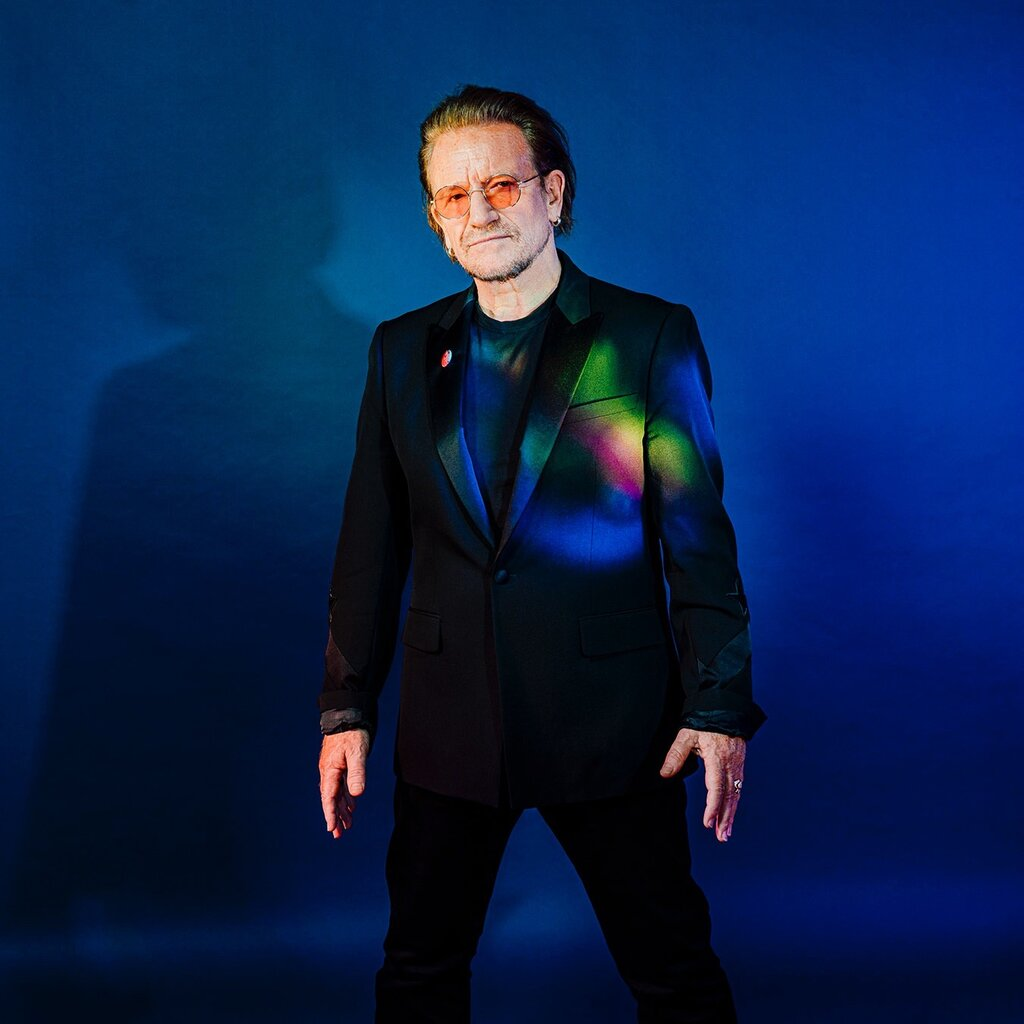
Last night, U2’s frontman Bono made an appearance on “The Late Show with Stephen Colbert”, where he performed U2’s 1987 song “With or Without You” and gave an interview where he discussed his new memoir, “Surrender”.
The U2 frontperson joined Colbert to promote his new memoir, Surrender: 40 Songs, One Story, which arrived on November 1st. As the episode’s sole guest, he discussed a range of topics including the Beatles documentary Get Back, the future of America (a country he believes does not yet exist), and the attack on Paul Pelosi. “America’s on its way,” he concluded. “I’m just so excited to see where you take it.” To close the show, he played a new version of “With or Without You” featuring spoken-word segments from the memoir.
We’re honored to host the one and only Bono for this unique presentation of U2’s classic song, “With or Without You,” complete with spoken-word verses from Bono’s new memoir, “Surrender: 40 Songs, One Story.” Find the book available everywhere now,
Ganser’s “Just Look At That Sky” delightfully descended on the world in July of 2020, I do admit that I mostly did find myself looking skyward, though that looking was often coloured by an ever-present anxiety. The city was coming apart and maybe your city was coming apart too. Maybe atop the buildings of your downtowns there were guns, and men in fatigues. Maybe in front of the libraries, there were tanks, maybe in front of the food banks, there were army patrols. And yet, maybe you found an album or some tunes that reflected the times, which means both everything and nothing at all now, as time fractures into small, elastic shapes, some jagged, some joyful. An album of a moment must require malleability – songs that hold several songs within them.
Ganser is back with a couple of tunes that will anchor spring through fall, a project called “Nothing You Do Matters” (produced by Liars’ Angus Andrew) and the songs are full, biting, sweet and relentlessly tongue-in-cheek. What propels Ganser as a band, for me, is what shines here: their performance of joyful apathy so often has many other moving parts underneath that suggest that they are a band of deep caring, simply unsatisfied with the hands they’ve been dealt by the world. The dark humour seeped into the apathy is the central and most visual part of the magic trick, but it isn’t the trick itself. It is the disappearing bird or rabbit, that which returns safely to the open palm in order to distract an audience from everything else unfolding during its disappearance.
“People Watching” is almost a mini-suite of a jam, which first kicks in your door and then lulls you with what feels like comfort, before tearing your place apart on the way out.
It’s a thrasher of a tune that is more deliberate than breathless, picking its spots to twist the lyrical knife of talk until the words lose meaning, which circle the drain of the song repeatedly, until it has evicted you, or you have evicted it.
“What Me Worry?” fills the space of breathlessness, a sneering romp where each line of lyric feels engaged in a mighty tug-of-war for what comes before and after, simmering with the kind of tension that Ganser has gotten great at – a tension that pushes a listener to the edge before dragging them back to firm ground.
Survival is hard-won. For many folks, it has always been, for many more folks it feels especially hard-won now. Ganser has adjusted to the times. Yes, the lyrics are darker, seem more exhausted with the realities of having to make it to whatever is next. But there’s also real bursts of playfulness and gratitude wrestling underneath these songs. Gratitude for what winning another inch of survival, perhaps. I needed these songs, and you might, too. It’s good to feel, for a moment, that all is not lost. And even if it is, at least we can laugh our way to some meaningless demise.