On June 30th, 1971, Stephen Stills released his second solo album. The simply-titled “Stephen Stills 2” peaked within the top ten of the Billboard Top LPs chart and yielded two singles (“Change Partners” and “Marianne”) which peaked just outside of the top 40 on the Hot 100. Stills set off on his first solo tour in support of the album and brought along The Memphis Horns, the brass section which had played on the LP. Omnivore Recordings and Iconic Artists Group have announced the April 28th release of “Live at Berkeley 1971”, a previously unreleased 14-song album drawn from Stills’ concerts at the Berkeley Community Theater in Berkeley, CA, on August 20th and 21st, 1971.
The concerts typically opened with a solo acoustic set and closed with an electric one featuring The Memphis Horns. Stills had some surprises in store for the Bay Area audience, however, including an appearance by David Crosby on “You Don’t Have to Cry” (from Crosby, Stills, and Nash’s 1969 eponymous debut) and “The Lee Shore” (which had appeared on CSNY’s 1971 live album “4 Way Street”). The concert as assembled on this release opens with “Love the One You’re With,” Stills‘ infectious hit from his 1970 debut, and includes a medley played on piano of the Stills-penned Buffalo Springfield classic “For What It’s Worth” and “49 Bye-Byes” which he wrote and sang as the closing track of CSN. A number of songs from “Stephen Stills 2” were also played, including “Sugar Babe,” “Word Game,” “Know You Got to Run,” “Bluebird Revisited,” and “Ecology Song.”
In addition to The Memphis Horns, Stills was joined in Berkeley by Dallas Taylor (drums); Calvin “Fuzzy” Samuels (bass); Paul Harris (keyboards); Steve Fromholz (guitar); and Joe Lala (percussion). The original live recording was produced by Stills and recorded by Bill Halverson. Stills produced this first-time release with Kevin McCormick.
Stills comments in the press release for “Live at Berkeley 1971”, The intimacy of the Berkeley Community Theater seemed to serve as a focal point between the audience and the energy surrounding the social climate of the day. It was my first tour as a solo artist and these shows were raucous and unrestrained, captured here in these recordings.”
The concert will be available in 2LP, 1CD, digital, and deluxe box set formats. The latter will be available exclusively at Stills’ webstore and contains the double-LP set, four 8×10 photos by Henry Diltz taken during the tour, and a 12×12 numbered, limited-edition self-portrait framed lithograph signed by Stills. The box set is limited to just 100 copies.
“Live at Berkeley 1971” from Omnivore Recordings and Iconic Artists Group on April 28th.
Some of America’s most beloved and influential musicians were born in Mississippi, from Robert Johnson, B.B. King and Muddy Waters to Elvis Presley, Charley Pride and Bobbie Gentry. And crucially, Black sharecroppers from the northwest sliver of the state—the Mississippi Delta—spawned a sound known as Delta blues, an essential precursor to rock ’n’ roll and a beautifully raw art form in its own right. One of the city’s most exciting bands is MSPAINT, a fiercely political and self-described “pseudo-hardcore” group who are set to release their debut album “Post-American” on Convulse Records.
Raw emotion is at the heart of MSPAINT’s music—so much so that it practically explodes out of them. Their lyrics and album title, “Post-American”, refer to a post-apocalyptic world that’s succumbed to grave threats currently posed by capitalism, state violence, religion, misinformation and technology. The title track describes a “cursed wasteland” of “broken glass beaches” and “powerless plants,” while “Free From the Sun” paints a scene of “densely set fog,” “bleak street lights” and “dead flower smell.”
But these images aren’t nihilistic, they’re urgent wake-up calls. “Post-American” suggests that it’s imperative to grasp just how horrific things are in order to make change, and to keep the beauty that power brokers rob from people at the front of one’s mind. Deedee’s stream-of-consciousness poetry is rather artful, mixing imagery from the natural world with seething political critiques, allowing listeners to interpret their tracks as both personal emotional awakenings and broader societal ones. But that doesn’t mean their political messages are subtle, as they spout lines like “Guillotine will decide who’s separated in classes” and “Burn all the flags and the symbols of man.”
Raw emotion is at the heart of MSPAINT’s music—so much so that it practically explodes out of them. Their lyrics and album title, “Post-American”, refer to a post-apocalyptic world that’s succumbed to grave threats currently posed by capitalism, state violence, religion, misinformation and technology.
MSPAINT formed in late 2019 around the sole concept that no guitars were allowed, which is ironic, given that three-fourths of the band are seasoned guitar players. However, they eventually grew disillusioned with the instrument and wanted to be challenged. Panella, in particular, has been playing guitar for over a decade, having studied jazz at school and taught students everything from blues to Metallica.
MSPAINT may not win over the hearts of every hardcore diehard, but “Post-American” is a vehement document of Hattiesburg,Miss., DIY and an invigorating call to prioritize love and justice in a time when virtually every part of society and culture encourages robotic mindlessness. And if nothing else, they’ll continue to turn heads when they unleash their oddball electro-punk dirges
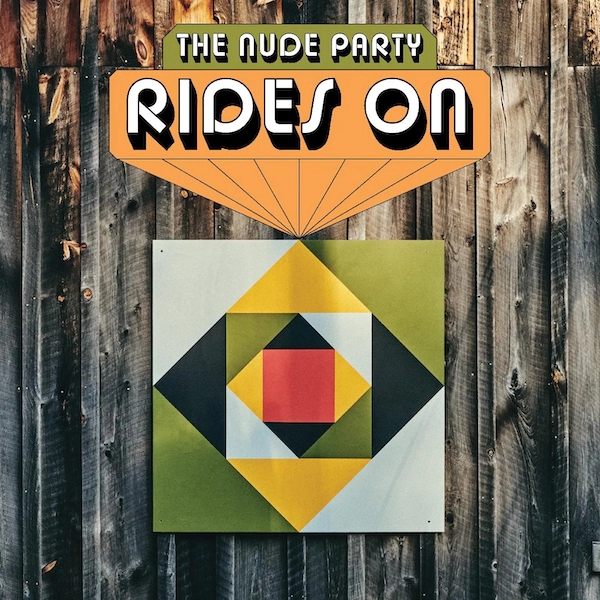
For The Nude Party, nearly a decade has flown by in the blink of an eye. In that time, the New York-based band has released a pair of well-received albums, an EP and played numerous shows.
On “The Nude Party Rides On2, this septet have moved beyond their start as a garage-rock party band. They’ve haven’t lost that early energy and irreverent wit, but they’ve added a musical and lyrical ambition that makes them one of the best under-30 rock bands around. Those ambitions are stated clearly in “Tell Em,” the key song on the new album. It begins, revealingly, with a collision of urban and rural sounds, as Shaun Couture’s streetwise, stiletto guitar stabs into Patton Magee’s pastoral, Americana strumming.
Soon Magee’s nasal tenor is singing, “Daddy told me, ‘Don’t lose your way. When you go singing a song, have something to say…. Tell ’em all the good times; tell ’em all the bad times too.’” The Nude Party has a history of catching people off guard. If audiences are expecting the fun and funny music implied by the band’s name, they’re surprised by the brittle chords or droning counterpoint of the Velvet Underground-inspired guitars and by the bite of the lyrics’ satire. There are more such surprises on the new album, which tackles hypocritical lovers, class divisions, loneliness, looming mortality, nuclear war and political violence—usually in the context of loose and catchy rock ’n’ roll.
The band has historically worked with a producer to help them create a distinct sound in their records but with their latest effort, “Rides On”, the band decided to handle production duties by themselves. The hands-on approach allowed the band to have as much fun creating as they ever had at any other point in their career. They recorded over 20 songs, including some that dabbled in electro-pop and stripped-down country before settling on the final 14 songs containing the best elements of ‘70s-driven blues rock.
The relaxed vibe of the session also unleashed a diverse sonic texture compared to their previous releases. Sonically, the album is reminiscent of Sticky Fingers-era Stones, but the lyrics are mini-vignettes that embody the spirit of what The Nude Party are going for — and their growth as a band.
By now, it’s commonplace for Manchester Orchestra not to be a routine band. Ever since 2017’s ‘A Black Mile to the Surface’, frontman Andy Hull, lead guitarist Robert McDowell, bassist Andy Prince and drummer Tim Very, have branched out from their indie rock roots. ‘The Million Masks of God‘ from 2021 neatly honed in on Hull and McDowell’s narrative songwriting ability.
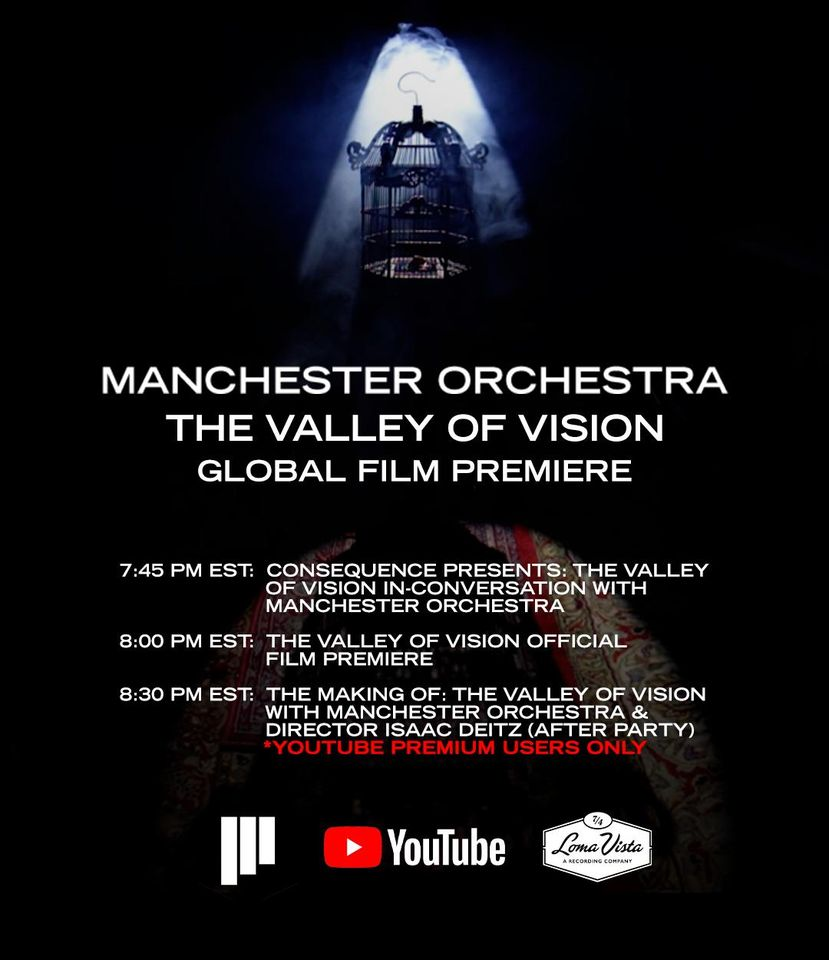
“The Valley of Vision” is the shortest Manchester Orchestra record yet by a significant margin; it’s composed of only six songs, clocking in at just over 26 minutes. Regardless, its brevity doesn’t make it any less ambitious, especially considering its interdisciplinary, multimedia mindset (an accompanying VR film). It conveys its motifs in subtle ways: through the verdant, deciduous imagery, its interweaving portrayals of natural decay and idyllic vistas, the harmony that hangs between youth and old age.
Manchester Orchestra have teamed up with filmmaker Isaac Deitz on a film project titled ‘The Valley of Vision’. While the visual aspect sees Deitz embrace the use of 3D-computed radiography technology, it’s left to Hull and company to provide its soundtrack. Furthermore, the band wrote the EP away from one another, describing the process as a “science experiment.” Nevertheless, with all that said, ‘The Valley of Vision’ still sounds like Manchester Orchestra at their stunning, harmonious best.
Whereas its predecessor delved into heavy themes like the loss of family members and followed a character named the Angel of Death, “The Valley of Vision” is more tranquil and at peace with itself. It signifies resolution through liminality. It’s rife with acoustic guitars and spacious levity, a rarity for a band often associated with distortion and hard-hitting drums.
‘Capital Karma’ comfortably drifts in with Hull’s intimate vocals and tender keys. Its gradual build wraps you in a reassuring musical blanket with a heavenly tone that easily draws you in. Hull’s words introduce a sense of gratitude that is threaded throughout these six tracks. On here, he directs his words at a loved one, reassuring his faithfulness – “I’m in love with whoеver you are, Nothing here is gonna take that away”.
‘Capital Karma’ succulently melts into ‘The Way’; maintaining the sparse tone, distant drums tick along as you’re drawn into Hull’s hushed voice telling a tale of losing his way through uncertainty. It’s complemented by a soaring bridge, serving as an emotional release. With ooh’s scattered throughout, its build sustains with gorgeous execution.
Throughout their career, Manchester Orchestra have proved their worth when creating a compelling atmosphere to their music, and ‘Quietly’ is another example of this. It’s ideally timid, allowing Hull and company to paint a sorrowful picture of patience for close to three minutes. As the story intensifies with “two people gnashing their blood-coloured teeth”, Tim Very’s drums erupt, complementing the final chorus and introducing a rarely heard guitar in the process.
Minimal electric drums and atmospheric strings introduce ‘Letting Go’. However its tone, and occasional swells, results in the track being one of the weaker offerings. Whereas ‘Lose You Again’ is a barebone, acoustic-led number with tender guitars and pianos, and duel harmonies. Lyrically, Hull’s narrative is introspective – “I’ve been tired trying to chase your high, You’ve been trying hard to fill that hole” – as his plucky acoustic twinkles amongst a shimmering musical backdrop.
‘The Valley of Vision’ departs on a high note in the form of ‘Rear View’. Backed by Andy Prince’s brooding bass, Hull’s delicate voice gradually builds to a momentarily high-pitched shrill as he sings “And all this time I thought I was right.” Delayed piano keys add to ‘Rear View’s compelling atmosphere.
It’s a credit to Manchester Orchestra that they use sparsity to their advantage, being able to create an environment that draws you in by doing nothing, letting notes linger. Manchester Orchestra has crafted an EP that highlights their intimate essence with purity. The experimentation of “doing things the wrong way,” as the band said ahead of the EP’s release
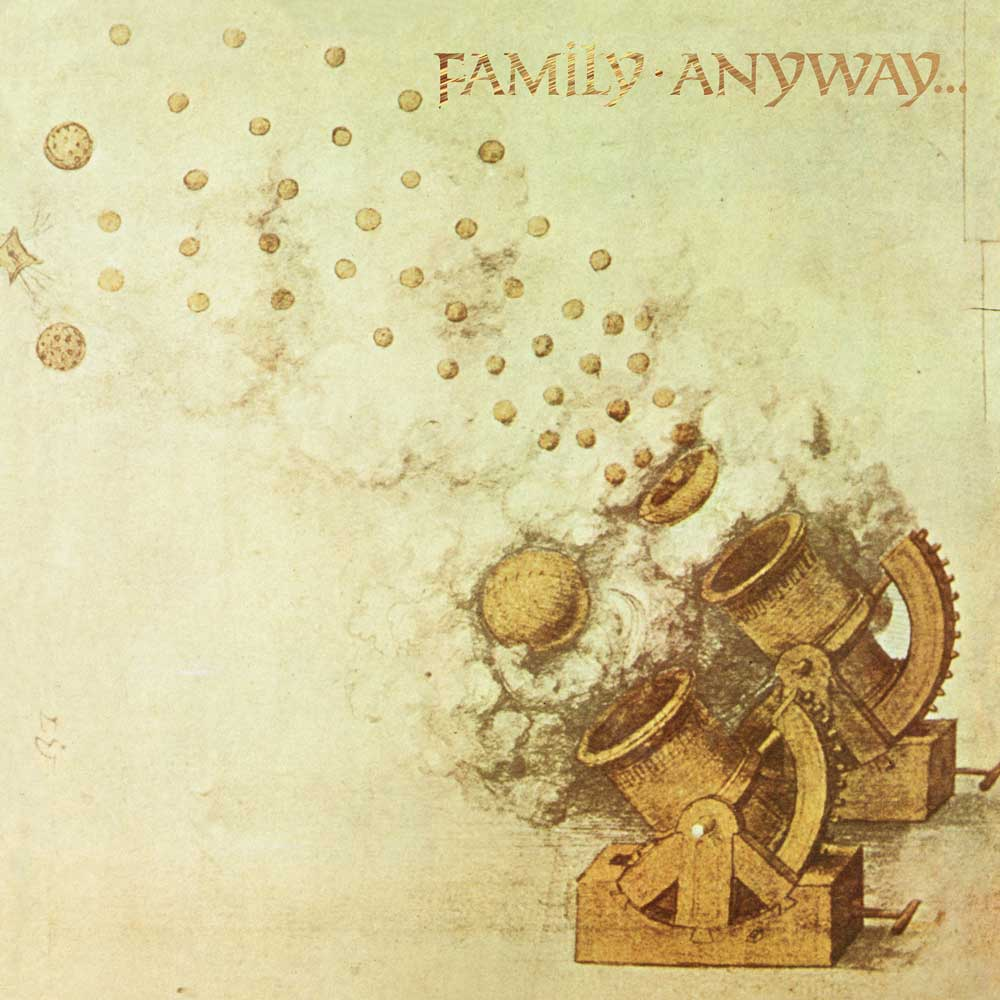
Leicester rock band Family’s 1970 album “Anyway” will be reissued as an expanded 2CD set next month.
Featuring vocalist Roger Chapman, guitarist John ‘Charlie’ Whitney, drummer Rob Townsend, bassist and violinist JohnWeider and multi-instrumentalist John ‘Poli’ Palmer on vibes, keyboards and flute, “Anyway” comprised a side of live recordings made at The Fairfield Hall in Croydon in July 1970 and a side of studio tracks recorded at Olympic Studios in the late summer.
Family were always a fine live act, and the performances of songs such as ‘Good News Bad News’, ‘Holding the Compass’ and ‘Strange Band’ showed the band at the peak of their powers on stage. The album’s studio tracks were equally fine, with ‘Part of the Load’, ‘Anyway’ and ‘Lives and Ladies’ being fine examples of the diversity of the band’s music.
The group’s fourth album reached number seven in the UK album charts at the time and has been remastered from the originaltapes. It features 16 bonus tracks drawn from singles and BBC radio sessions and comes with a booklet with a new essay.
“Anyway” is reissued on 28th April 2023, via Esoteric Recordings.
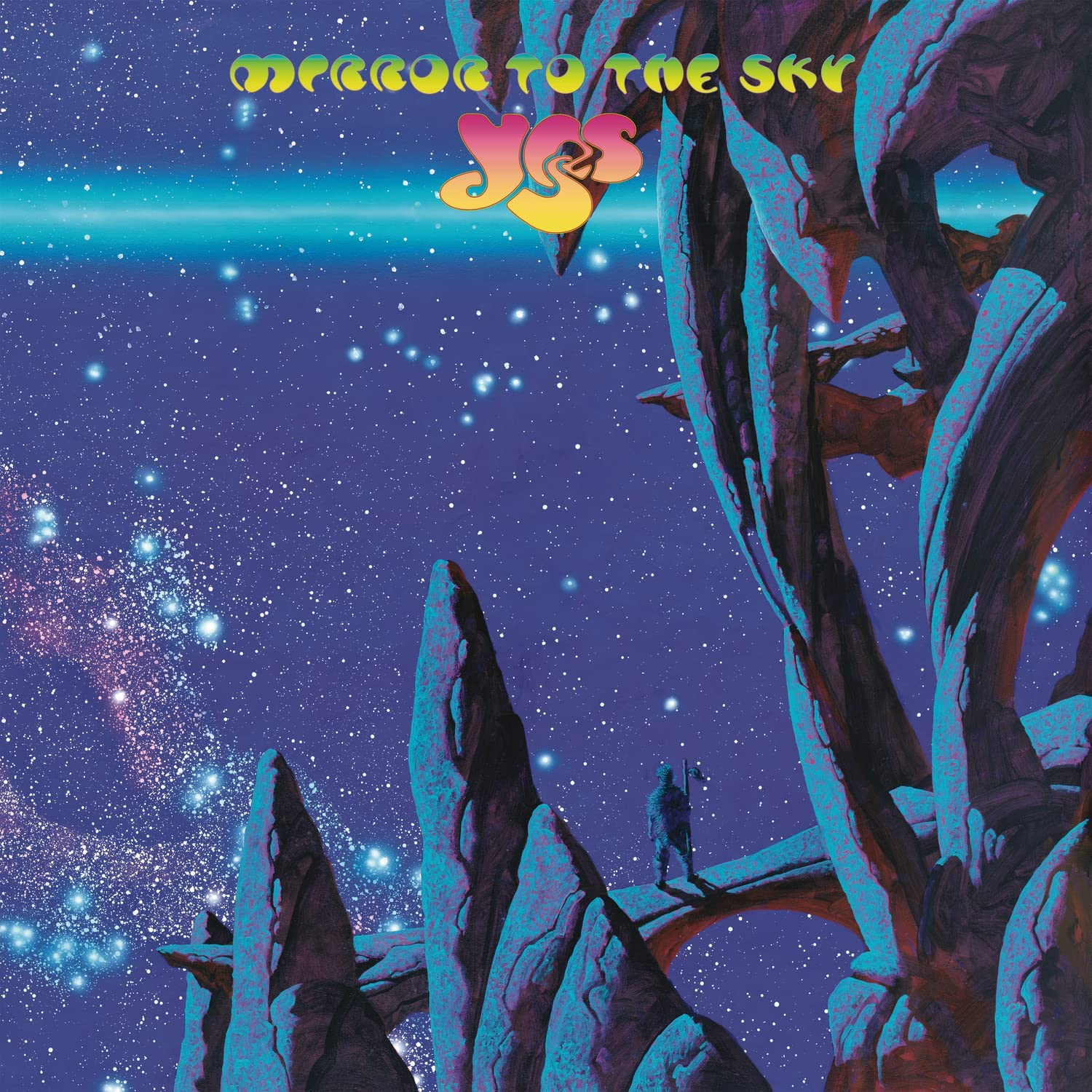
Legendary prog rockers Yes will release a new studio album called “Mirror to the Sky”, in May.
This relatively prompt follow-up to 2021’s “The Quest” is the band’s 23rd studio outing and “is a very important album for the band” according to guitarist Steve Howe. “We kept the continuity in the approach we established on “The Quest”, but we haven’t repeated ourselves. That was the main thing,” he adds. “As Yes did in the seventies from one album to another, we’re growing and moving forward”.
Who are Yes are these days, the band consists of longest serving member and guitarist Steve Howe, keyboard wizard Geoff Downes, vocalist Jon Davison, Billy Sherwood on bass and Jay Schellen behind the drums.
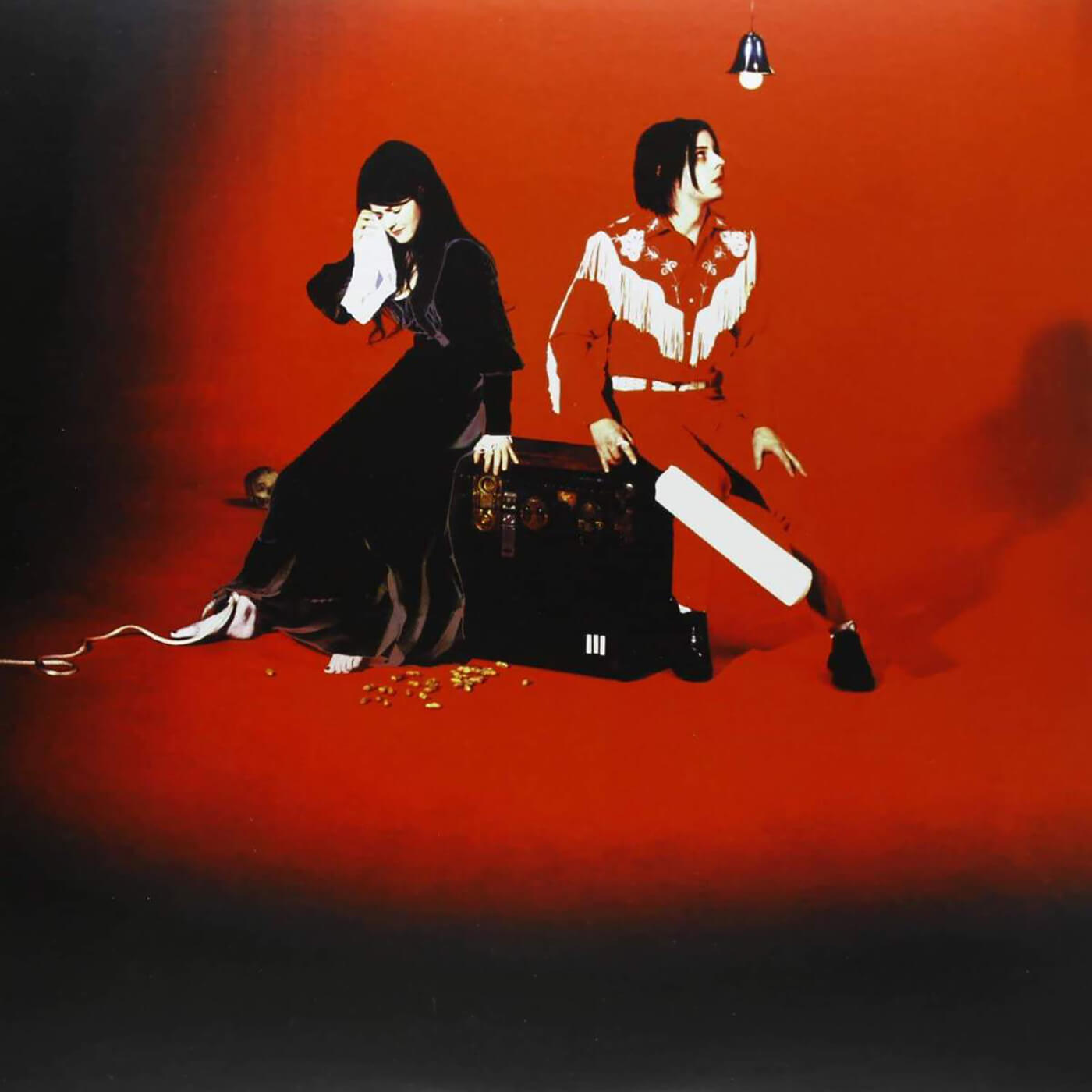
“Elephant” – the duo’s heavy-hitting 2003 garage-rock masterpiece that unleashed rock’s last truly world-conquering riff.
On their fourth album and first for a major label, The White Stripes distilled all of the elements of their raw and electrifying combination of punk, blues and garage-rock into 14 shots of dark spirit that became their definitive statement.
Driven by minimalist drums, the manic yelp of angst in Jack White’s voice and the unpredictable menace of an extraordinary palette of visceral guitar sounds, this time ’round the duo adorned their sound with the addition of piano, keyboards, extra vocals, harmony parts, White’s archtop-plus-Whammy masquerading as bass, and a tendency towards the weird. But while their sound veered restlessly between twee and childlike and punitive and punky, it was always more about what they left out than what they added in.
Their cultivated minimalist ethos extended to recording the record in just over two weeks in London’s Toe Rag Studio, where none of the equipment was manufactured after 1963: the liner notes proclaim that “no computers were used during the writing, recording, mixing and mastering of this record.”
Jack White referred to “Elephant” as his “guitar album”. Even leaving aside that riff for a minute, the rest of “Elephant” is teeming with wild, combative guitar playing courtesy of White’s Airline ‘JB Hutto’ Res-O-Glass through an EHX Big Muff Pi then a DigiTech Whammy, and Fender Twin and Silvertone 1485 amps: some of it smuggling evil intent behind a sheen of disarming innocence, some of it unvarnished and confessional; yet more channelling the demons of the Delta.
“Black Math” is unadulterated, greasy sleaze; its solo is satisfyingly batshit crazy. On “There’s No Home For You Here”, White’s guitar delights in vandalising the song’s comically overwrought Queen-like vocal harmonies with a six-string spraycan of feedback and fuzz.
Even in gentler moments, rage is never far away: “I Just Don’t Know What To Do With Myself’” string rakes and split-second howls of feedback are like a ball of barely suppressed anger, finally released in a frenzy of dirty fuzz in its final minute.
But “Ball And Biscuit’” backdrop of out-and-out blues bravado is where Jack White finally succumbs to the lure of full-fledged guitar solos, peeling off three startlingly chaotic, animalistic soundscapes that foreshadow the abrasive Whammy-smeared soloing antics of his later records.
Contrasts abound as the album stretches out: where “The Hardest Button To Button’s” clever riff is a perfectly formed, precision-tooled earworm (with Michel Gondry’s video turning its rhythm into a playful stop-motion-style movie), “Little Acorn” is a slab of dumb-downed edge-of-breakdown riffery ushered in by a self-help story about a determined squirrel: “Give it a whirl, be like the squirrel,” White urges us, before “Girl, You Have No Faith In Medicine” stuttering killswitch-mimicking solo offers a final shot of his relentless, manic lead style.
But it’s “Seven Nation Army”, the album’s opener and lead single, that overshadowed the album as a whole to quickly become the band’s signature song. A winner of a Grammy for Best Rock Song, its almighty riff has been adopted as sport’s unofficial anthem and called the “second-best-known guitar phrase in popular music” (after (I Can’t Get No) Satisfaction).
Recorded on White’s early-60s Kay K6533 hollowbody tuned to open A for slide, even though the song is in the key of E, its ‘bassline’ was created using the Whammy’s octave-down setting. White wrote it while soundchecking in Australia in a hotel while on tour. Unbelievably, when he played it to Ben Swank of Third Man Records, the label executive felt that White “could do better”; White initially vowed to save the riff for if he ever had the chance to write a Bond theme, but thankfully he didn’t wait to unleash it – although he even had to persuade his labels to release the song as the album’s first single.
At least some of his muso friends appreciated it, as we see in this scene from It Might Get Loud; and its creator remains delighted that the riff has taken on a life of its own.
“[It] makes me feel proud that I was a conduit and antenna at one moment in time for other people to help express themselves,” White told the Detroit Free Press. “The less people know where it came from, the more it is ingrained in the tradition of folk music; and the more it feels anonymous to the public, the more I’m fulfilled as a songwriter.”
On release, “Elephant’s” ambitious and playful blend of contradictions thrilled most critics, but left some dismissing it as a variation on a winning but limited formula, and others frustrated at how knowingly contrived it all was.
Regardless, the album transformed the emergent White Stripes into world-renowned rock stars and saviours of rock, whether that status suited them or not. Readers of Mojo voted it top in a poll of albums that ‘shook the last 20 years’ in 2013 – and it bears repeating that since “Seven Nation Army” stomped all over our brains, no guitar record has had such a universal impact.
The White Stripes, “Elephant” (2003, XL)
Jack White, guitars, vocals, piano, mixing, production
Meg White, drums, vocals
Holly Golightly, vocals
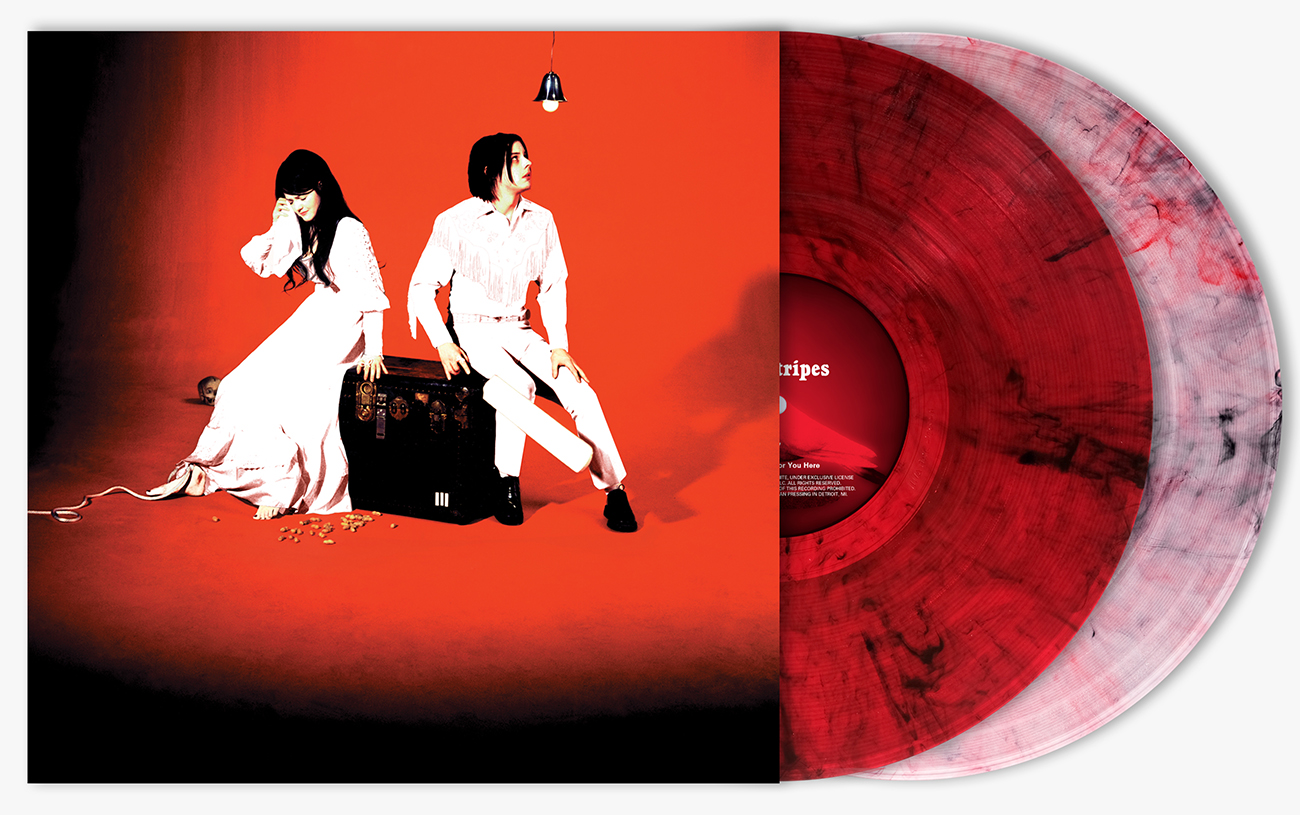
In honour of the 20th Anniversary of “Elephant”, The White Stripes are celebrating with two special releases! Largely recorded over two weeks in April 2002 at London’s analogue Toe Rag Studios, the Grammy award winning album includes “Seven Nation Army,” “I Just Don’t Know What To Do With Myself,” “The Hardest Button To Button,” and “There’s NoHome For You Here”.
“Elephant (Deluxe)” is out via Third Man Records and sees the remastered HD audio of the original studio album joined with the band’s July 2nd, 2003 27-song set at Chicago’s Aragon Ballroom from their “Elephant” Tour.
A limited edition 2xLP version of the original album will be released on Red Smoke (1st LP) & Clear with Red & Black Smoke (2nd LP) coloured vinyl released on Friday, April 21st.
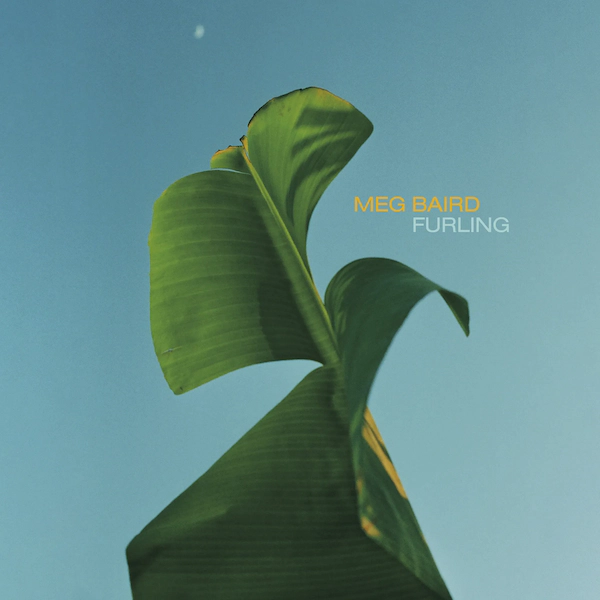
After more than a decade as a fixture in Philadelphia’s musical scene, Meg Baird returns to its warm and loving embrace, and more, this May. With the release of her latest solo offering“Furling” in October and a west coast run already under her belt, Meg Baird is headed back to the Atlantic–this time with esteemed duo Damon & Naomi! Since the demise of Galaxie 500, Damon & Naomi have worked as a duo, exploring folk music, psychedelia, and collaborations with like-minded musicians. No stranger to allied partnership herself, Baird will perform not only her own solo sets but joint performances with Damon & Naomi.
Of this exciting combination, Damon Krukowski writes: “We love Meg the person and we love Meg the singer and we love Meg’s new album! Psyched to be doing these shows together, first in a while for us and can’t think of a better way to reenter the rhythm of performing than to be with a friend. Naomi and Meg have collaborated previously, on two videos together – and did you know both Meg and I like to play drums…and Charlie Saufley will be joining Meg with electric guitar? So you never know what we might all cook up to do together while we have the chance. “
“Furling” moves through the breadth of Meg’s musical fascinations and the environments around them – edges of memory, daydreams spanning years, loose ends, divergent paths, secret conversations under stars – all led by a stirring, singular voice calling experience and enlightenment, elation, and ecstasy into bloom.
“Furling” by Meg Baird, out on LP/CD/Digital on January 27th, 2023 on Drag City.
In May of 1996, with a handful of releases under their belts, the kings of the insanity sound, then known simply as: The Champs, began recording their magnum opus, “III”. This time their sights were set beyond the still diminutive cassette format and trained squarely on a gatefold double album — the perfect medium for Total Music Over the next year, in between touring up and down the west coast, the band began to moold their Kubrickian monolith.
In May of 1997, after lugging a console, tape machines, speakers and a smattering of outboard gear up three flights of stairs, the band mixed the album in the bedroom of a third floor apartment, directly overlooking the 280 freeway. Ultimately, the eclectic San Francisco label, Frenetic, took the plunge and generously emptied their modest coffers to fund the manufacture of “III”, which was released under the legally distinct band name: C4AM95.
After the release of“III”, The Champs continued to tour the US, embarking on (and completing) six tours before the turn of the millennium. It was at this point the powers that be at Drag City International realized they could sit on the sidelines no longer and committed to release the band’s aptly titled follow-up, “IV”. However, one obstacle stood in the band’s way to global dissemination of Total Music : the seemingly benign moniker they had saddled themselves with so many years earlier. After much discussion and consultation with The Oracle, it was determined that adding the supplemental “Fucking” to The Champs name would clear up any confusion regarding another band of the same name from the 1950’s and provide lasting legal indemnification.
For this special 26th anniversary edition of “III”, the album was remastered by the band from the original master tapes, lacquers expertly cut by John Golden and artwork restored by forensic experts at Drag City. Long sought after on eBay, Discogs and the like, this will be the first time that this master stroke of musicality will be made widely available.
Listen to the first taste of “III”, “Dale Bozzio”, and pre-order your double LP for May 26th! on Drag City Records
The Telescopes issue their 15th album marks a complete change in dynamics; here we have the poetry of motion, solid grooves to the fore, leaving crystallised trails across a fluttering undercurrent of uplifting rhythm and hooks.
Lawrie’s voice, usually treated as an instrument equal to the rest of the sound now takes the reins, engaging the listener in a melodic swirl of radiant harmony that speaks, sometimes in a whisper, of love as revolution. every song on the album stands its ground, each one unique. everything from the composition to the performance, arrangements and production are leaps beyond previous offerings. this is an album to get lost in on the dance floor or headphones in equal measures.
The Telescopes are an all embracing concern that began in 1987, the only constant being sole composer/ instigator, northumbrian born Stephen Lawrie. “Of Tomorrow” is the 15th album from the Telescopes, the fifth for Tapete.
The album was created entirely by Lawrie at his studio in Shropshire, it is a departure from what the press often refer to as a ’wall of throb’ when describing the dense merge of noise and sound synonymous with most of the telescopes output.