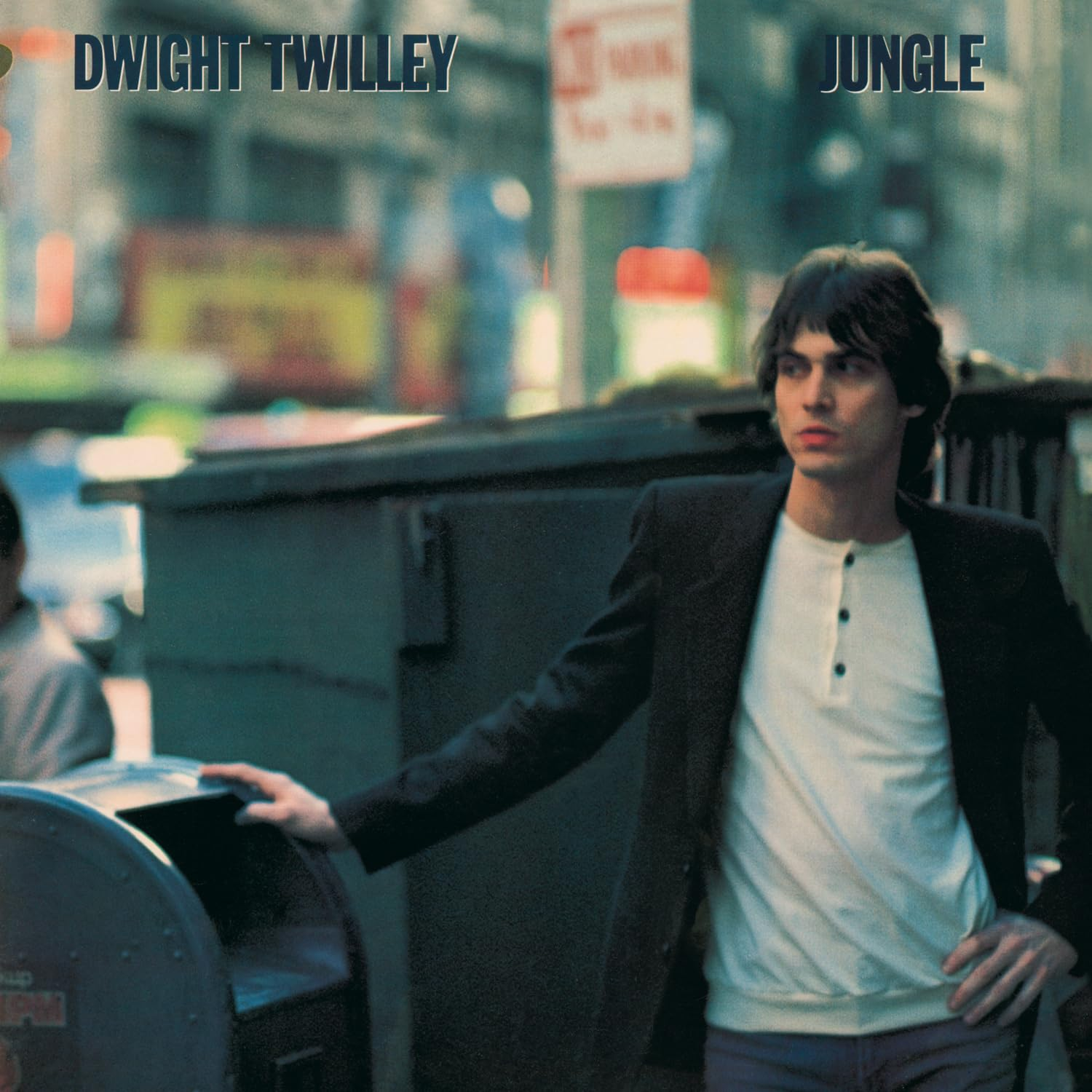
Record label Iconoclassic Records is saying: Welcome to the “Jungle”. The label is reissuing the late, great Dwight Twilley’s 1984 album “Jungle” for the first time on CD in a 40th anniversary expanded edition featuring six bonus tracks (four of which are previously unreleased).
Twilley’s third solo album and second on EMI America, “Jungle” became the singer-songwriter’s most successful. It reached the top 40 of the Billboard 200 and yielded the top 20 hit “Girls,” fuelled by a music video in heavy rotation on MTV. The irresistible “Girls” opened with a snatch of Lerner and Loewe’s “Thank Heaven for Little Girls” from the 1958 film musical Gigi and boasted a guest appearance on vocals by Tom Petty.
The track epitomized the album’s blend of contemporary power pop with a Beatles-worthy melodic sensibility. “Why You Wanna Break My Heart” would gain a new generation of fans when Tia Carrere covered it on the double-platinum soundtrack to the 1992 comedy Wayne’s World, while “Little Bit of Love” joined “Girls” as an MTV fixture in those halcyon days. Twilley wrote all of the album’s songs himself, with an assist on “Max Dog” from Rocky Burnette and Pat Robinson.
Recorded at Sound City with producers John Hug, Mark Smith, and Noah Shark, Jungle welcomed musicians including Buzzy Feiten, Mike Campbell, and Richie Zito on guitar; Alan Pasqua, Michael Boddicker, and Steve Goldstein on keyboards; Kenny Lewis on bass; and Craig Krampf and Mike Baird on drums. Susan Cowsill joined on background vocals.
Iconoclassic’s deluxe expanded edition boasts six bonus tracks including the outtakes “Forget About It, Baby,” “You Can Change It,” and “Don’t You Love Her,” and Twilley’s demos of “Long, Lonely Nights,” “To Get to You,” and the title track. Ken Sharp has contributed a new essay based on his interviews with the late artist (who passed away in October 2023 at the age of 72); it can be found in the 12-page booklet which also features previously unseen photos from the original cover shoot. These photos were recently uncovered by original art director Zox. Rounding out this splendid package, Maria Triana has remastered the audio from the original tapes.
“Jungle”, released in cooperation with the Estate of Dwight Twilley, follows Iconoclassic’s essential reissue of Twilley’s Wild Dogs. it’s due this tomorrow, June 7th.
American psychedelic rock band The Flaming Lips have announced dates for their latest tour in celebration of the 20th anniversary of their classic album “Yoshimi Battles the Pink Robots.” Tickets for 8 UK/IE dates go on sale this Friday at 10am, set a reminder: https://tinyurl.com/yc7as5am
Released in July 2002, “Yoshimi Battles the Pink Robots” remains the commercial high-water mark in TheFlaming Lips ‘wild four-decade journey, giving the Grammy award-winners their first RIAA certified Gold Record. As the eagerly awaited follow-up to 1999’s masterwork, “The Soft Bulletin”, “Yoshimi” proved that singer/guitarist Wayne Coyne, and multi-instrumentalist Steven Drozd had yet another masterpiece in them.
Bonny Light Horseman’s new album, “Keep Me on Your Mind/See You Free”, is an ode to the blessed mess of our humanity. Confident and generous, it is an unvarnished offering that puts every feeling and supposed flaw out in the open. The themes are stacked high and staked even higher: love and loss, hope and sorrow, community and family, change and time all permeate Bonny Light Horseman’s most vulnerable and bounteous offering to date. Yet for all of its humanistic touchpoints, “Keep Me on Your Mind/See You Free” was forged from a kind of unexplainable magic.
The new double LP ‘Keep Me on Your Mind / See You Free’ is out June 7th (!). We are grateful, psyched, and bursting to share this music with you. Thank you to everyone who made it possible to make it: our partners (business + romantic), our friends + families, especially the O’Leary Family at Levis Corner House in West Cork where we recorded many of the songs, and all of you who listen.
Written over five months in 2023, this third album began when the band’s core trio–Anaïs Mitchell, Eric D. Johnson, and Josh Kaufman–convened in an Irish pub alongside beloved collaborators JT Bates (drums), Cameron Ralston (bass), and recording engineer Bella Blasko. Mitchell suggested the pub as their first recording location, based on her one conversation with owner Joe O’Leary. She had a feeling about the place, and was surprised by her bandmates’ enthusiasm for the idea. Stepping inside the pub’s aged confines, the trio felt an immediate connection to its palpable sense of community, and of family, forged over many decades.
The pub was Levis (pronounced: “leh-viss”) Corner House, a century-old watering hole in Ballydehob, a tiny coastal village in County Cork, and its energy became a singular source of Bonny Light Horseman’s creative engine. The pub’s upright piano, which they lubricated with olive oil to quiet its creaking, became a sort of spiritual fulcrum, a single entity that embodied all of the album’s motifs: imperfection as a badge of honour; aging, endurance and the passage of time; how the simplest of acts can heal us. The analogs–between this century-old meeting place of local folk and this trio of American folkies–were undeniable. “It has this sense of history; it’s also small, and crammed with a bunch of stuff that’s spilling all over the place,” says Kaufman. “It was like the pub version of our band.” A painting that hung on a wall of the pub, which watched over the band during their time working, became the album cover. “I was making eye contact with that person for most of the recording,” Johnson said of the artwork. And there was a deeper connection. Before the band had even planned to record in the pub, the owner’s wife had named the woman in the painting Bonnie.
There’s magic in a place like Levis Corner House, yes, but it takes the right wizards to wield it. At the center of Bonny Light Horseman is, always, the singular combination of three powerful and tender artists–artists who expertly dodge superlatives but are quick to acknowledge the ways they strengthen and enrich one another, and the bond that makes each one better, braver and more vulnerable than they’d be on their own. Nowhere is this more apparent than in the force of their voices together, which work with complete trust in one another through the gentlest moments and the most ruthless wails. The result can comfort and cradle listeners, but also leaves them rattled, wrecked, and reborn.
On a practical level, the “blessed mess” of “Keep Me on Your Mind/See You Free” shows up in its fidelity to this home, as crowd noise, laughter, coughing, and field recordings (“Think of the royalties, lads!”) convey everything from this special place in time. But philosophically, the “mess” is evidence of something deeper. It’s the imperfect, soul-nourishing fruit born of a singular communal experience, one that transforms its participants through the spirit of good company. Mitchell posits the idea of a “feast” and how dinners with friends effortlessly span courses, conversations, and hours — a meal that’s nutritious on physical and spiritual levels. “I have a friend who says you should never remove the dishes from the table, that you should sit among the wreckage,” she offers.
“There was this new level of letting it all hang out,” Mitchell said of the album’s making. In its evolution from recording to release, this meant compiling a double LP—eighteen songs across two discs. It also meant two titles, if not precisely two distinct records. “Keep Me on Your Mind/See You Free“is sprawling and welcoming, and encompasses the group’s captivating artistic layers: its roots in the sounds and lyrical spirit of traditional folk music, its branches in a more experimental and emotionally raw version of the band.
The group tracked about half of the songs in the main room of Levis’s. They spent two days working alone. On the evening of the third, O’Leary invited some enthusiastic residents to join in. That’s not to say it’s a live album; instead, the third day of the Ireland sessions represented a serendipitous blend of energies because the audience implicitly understood the assignment. Patrons gave the band enough space to talk about arrangements and record multiple versions of songs, but they also provided an evident sense of environmental joy as they chatted over pints with friends and family. “We were doing this in the middle of their spot and they intuitively understood what was required of them,” Johnson said. “It was pretty magic.”
The band then returned to their spiritual home, upstate New York’s Dreamland Recording Studios (where they completed their first two albums), to finish the work they had started. Frequent collaborator Mike Lewis joined on bass and tenor saxophone. Annie Nero stopped by to play upright bass and sing some harmonies for an afternoon. The days were rhapsodic and restorative, filled with crying, and songs that poured out like tears.
The poignant quandary at the center of “I Know You Know” revealed itself in mere minutes. The trio attributes the speed to the fact that they’d already finished much of “Keep Me on Your Mind/See You Free” and were able to “stand on the shoulders” of that creativity. It’s also demonstrative of the band’s ability to lace emotional devastation with a pop sensibility, which they’ve achieved throughout the album. Its feel-good, mandolin-laced arrangement and anthemic chorus belie how its refrain will wreck you. “I’m a fool if I love you and a fool if I let you go,” Johnson sings as Mitchell’s voice soars alongside him.
“Tumblin Down” is similar in its melodic tribulation. A folk-rock portrayal of an unravelling relationship, it’s like the spirit of Ingmar Bergman’s “Scenes From a Marriage” set to song—light on its surface but woven from existential crisis. “When I Was Younger,” meanwhile, is a primal scream, revolutionary for its open reckoning with motherhood, maturation and all of the things polite society doesn’t say out loud. In the song, Mitchell and Johnson’s honeyed voices meet and transform into a two-headed beast formed from pent-up emotion; its roar is necessary, beautiful, and scary.
“Old Dutch” originated as a voice memo recorded in a historical church of the same name in Kaufman’s home city. “It was timestamped ‘Old Dutch’ and that was too perfect; it sounded like a Bonny Light Horseman song,” he said. Its choral refrain echoes those origins; it also punctuates the band’s tale of shifting love with that alluring thing the heart is inevitably steered by—a lingering, often illogical, feeling.
With “Keep Me on Your Mind/See You Free”, Bonny Light Horseman offers a distinct sense of grace, and a reminder that life is most lived when things aren’t so perfect. Over the years, the band has accumulated many miles on the collective odometer of life. That’s all reflected here, in these modern folk songs, laced with glory and chaos. As Mitchell puts it: “It’s not concise. It’s not simple. It’s messy, and that’s OK.”
This cover painting is “Martha” by Tom Campbell.
Bonny Light Horseman the upcoming album ‘Keep Me On Your Mind/See You Free’, out 6/7 on Jagjaguwar.
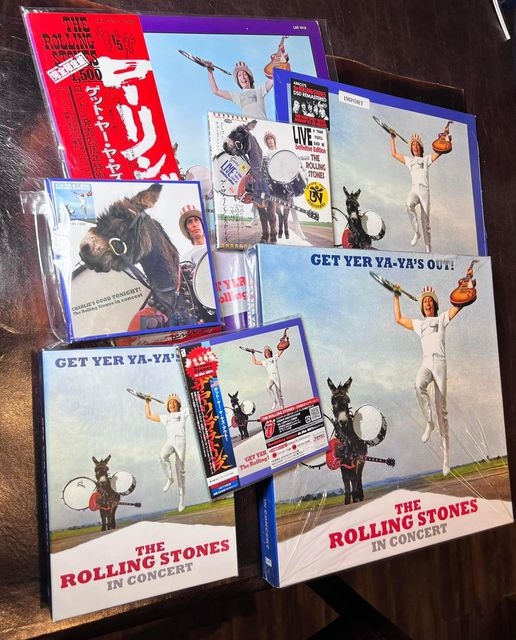
“Get Yer Ya-Ya’s Out!” was the second live album by the Rolling Stones, released on 4th September 1970 on Decca Records in the UK and on London Records in the United States. It was recorded in New York City and Baltimore in November 1969 prior to the release of their studio album “Let It Bleed”. It is the first live album to reach number 1 in the UK. It was reported to have been issued in response to the huge selling bootleg “Live’r Than You’ll Ever Be”.
The Rolling Stones 1969 American Tour’s trek during November into December, with Terry Reid, B.B. King (replaced on some dates by Chuck Berry) and Ike and Tina Turner as supporting acts, played to packed houses.
The tour was the first for guitarist Mick Taylor with the Stones, having replaced Brian Jones shortly before Jones’s death in the July; this was also the first album where Taylor appeared fully and prominently, having only played on two songs on “Let It Bleed“. It was also the last tour to feature just the Stones – the band proper, along with co-founder, road manager and session/touring pianist Ian Stewart – without additional backing musicians.
The performances captured for this release were recorded on 27th November 1969 (one show) and 28th November 1969 (two shows) at New York City’s Madison Square Garden, except for “Love in Vain,” recorded in Baltimore on 26th November 1969. Overdub sessions took place in January 1970 in London’s Olympic Studios. The finished product featured overdubbed lead vocals on all tracks except “Love In Vain” and “Midnight Rambler,” added back-up vocals on three tracks, and overdubbed guitar on two songs (“Little Queenie” and “Stray Cat Blues”). However, this album is widely recognized as one of few actual ‘live’ albums during this era.
“Ya-Ya’s” is manna for guitar freaks, thanks to the fiery interplay between the immortal Keith Richards and inarguably the greatest lead guitarist the Stones ever boasted, Mick Taylor. “Under My Thumb” and “Live with Me” feature wondrously rejiggered riffs, while “Love in Vain”, “Street Fighting Man”, and “Sympathy for the Devil” soar with brilliant solos (two solos in the case of “Sympathy”). Rhythmically, the whole set (aside from a two-song acoustic blues interlude) coagulates into one long, sweaty, irresistible throb.
The title “Get Yer Ya-Ya’s Out!” is taken from Blind Boy Fuller song “Get Your Yas Yas Out”. The lyric in Fuller’s song was “Now you got to leave my house this morning, don’t I’ll throw your yas yas out o’ door”. In the context of Fuller’s original song and its use in other blues music, “yas yas” appears as a folksy euphemism for “ass”. However, Charlie Watts’ T-shirt worn on the album’s front cover shows a picture of a woman’s breasts, suggesting an alternative explanation. Watts said that his wardrobe on the album cover was his usual stage clothing, along with Jagger’s striped hat.
Some of the performances, as well as one of the two photography sessions for the album cover featuring Charlie Watts and a donkey, are depicted in the documentary film Gimme Shelter, and shows Watts and Mick Jagger on a section of the M6 motorway adjacent to Bescot Rail Depot in Walsall, England, posing with a donkey. This is adjacent to where the RAC building now stands. The cover photo, however, was taken in early February 1970 in London, and does not originate from the 1969 session. The photo by David Bailey, featuring Watts with guitars and bass drums hanging from the neck of a donkey, was inspired by a line in Bob Dylan’s song “Visions of Johanna”: “Jewels and binoculars hang from the head of the mule” (though, as mentioned, the animal in the photo is a donkey, not a mule). The band would later say “we originally wanted an elephant but settled for a donkey”.
Jagger commissioned the back cover, featuring song titles and credits with photographs of the group in performance, from British artist Steve Thomas, who said he produced the design in 48 hours.
Rock critic Lester Bangs said, “I have no doubt that it’s the best rock concert ever put on record.”
This was also the band’s final release under the Decca record label and not under its own label Rolling Stones Records.
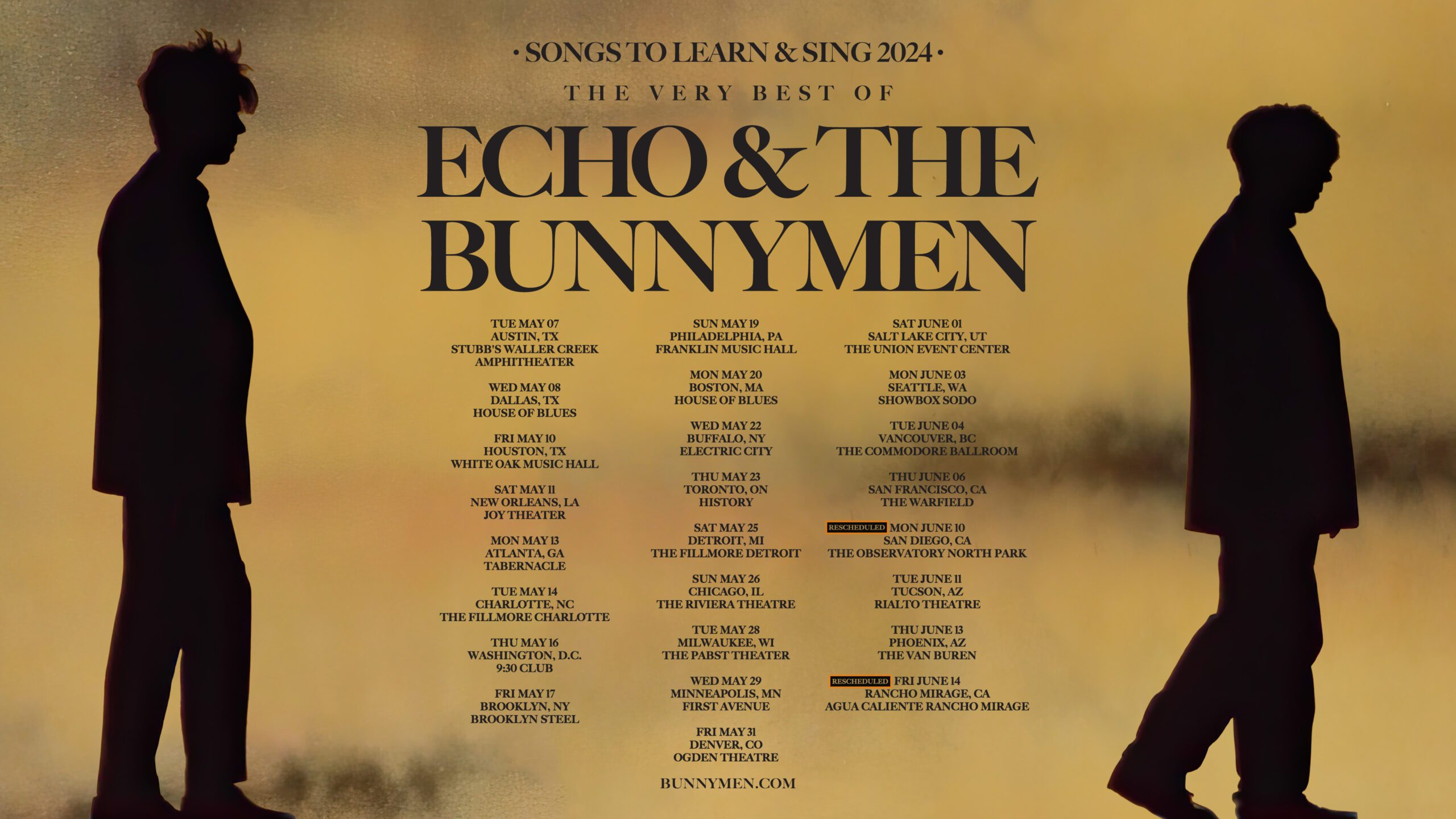
Echo & The Bunnymen brought ‘Songs to Learn & Sing’ to Brooklyn Steel. “The lights went down at Brooklyn Steel and the packed house cheered as Echo & The Bunnymen guitarist Will Sergeant walked on stage…alone. Approaching the centre stage mic, he greeted the audience and then said, “Just to let you know, Mac’s got a bit of laryngitis,” Sergeant said to some immediate grumbling from the audience. “The show must go on, of course, but just know Mac won’t be at 100% strength. 99.5, though. See ya in a minute.
With expectations lowered, so began the Brooklyn stop on the Bunnymen’s “Songs to Learn & Sing” tour. Though the name might have you thinking they’re playing the band’s classic 1985 singles collection in full, it was more a repurposing of the title for a run-through of some of the band’s most popular songs.”
The set which actually didn’t include at least a third of what is on that album “Do it Clean,” “The Puppet,”“The Back of Love” and “A Promise” are not being played on this tour. Which was fine; I love all of those songs but I’ve heard “Do it Clean” plenty of times over the years and it was really hard to argue with what they did play across two sets and an encore. Ian McCulloch‘s voice was noticeably more froggy than usual on opener “Going Up” from their 1980 debut, “Crocodiles”, and he struggled a bit through the next few songs, but by the time things got to the gothy “All My Colours (Zimbo),” his pipes were rallying. And even when it was rough, it was still unmistakably Ian McCulloch. That voice. There’s no one else like him.
One aspect to the Songs to Learn & Sing tour is the Bunnymen are really encouraging the audience to sing along, and on some of their biggest hits the band would lay back at times, making the crowd the star. I could’ve done without that, personally, as Brooklyn Steel did not need to be asked to sing along to anything. We were all there on a Friday night to have a good time. Other times, it was like Mac was letting the crowd sing the notes he couldn’t hit. Will Sergeant, though, was spinning gold all night, laying down his signature leads and atmospherics, and breaking out the autoharp for “The Killing Moon” which was especially cool to see.
There was a 20-minute break between sets and when they came back out, Mac’s voice was remarkably better and the energy in the room went up. “Over the Wall,” with some theatrics from both Will and Mac, is always great, and “Never Stop” had the whole place dancing. “Nothing Lasts Forever,” their Britpoppy 1997 hit was one of only two songs of the night that weren’t from the Bunnymen’s imperial phase and was the night’s only moment when Mac went into his signature covers medley thing (which on other tours would happen during “Do it Clean”). Being in NYC, this meant Lou Reed songs, including “Walk on the Wild Side” (“Hey New York, take a walk on the Merseyside” was a nice adlib) and “Coney Island Baby.”
From there it was a parade of hits: the Doors-y “Bedbugs and Ballyhoo,” “The Killing Moon” (one of the orchestrated sing-a-longs) and “Lips Like Sugar” to close out the second set. The band’s usual two encores were combined into one due to the venue’s curfew, which was all the better since walking on and off stage is, let’s be honest, all for show anyway. We got two of the Bunnymen’s greatest songs: a storming version of “The Cutter,” and then the beautiful “Ocean Rain” to finish the night on an emotional high note. Mac was clearly saving his strength for that one.
Diiv’s “Frog in Boiling Water” comes half a decade after its predecessor, 2019’s “Deceiver”, and took most of that interval to compose. Made as the band (now in its second incarnation) fretted over its direction and identity, the album drills into melancholy and vulnerability with irradiated guitars that throw off dream-pop sparks. In the fashion of shoegaze’s more maximal strains, an undercarriage of funk and breakbeats helps transmute the angst of Zachary Cole Smith’s lullaby vocals into the ultimate catharsis.
“Fourth album from DIIV might be their best yet and definitely lands at a fortuitous moment.” brooklyn vegan”
The band’s despondently beautiful fourth album pairs songs about a world falling apart with seductive sonics and a little bit of hope.” allmusic
DIIV – “Frog in Boiling Water”, released on May 24, 2024.
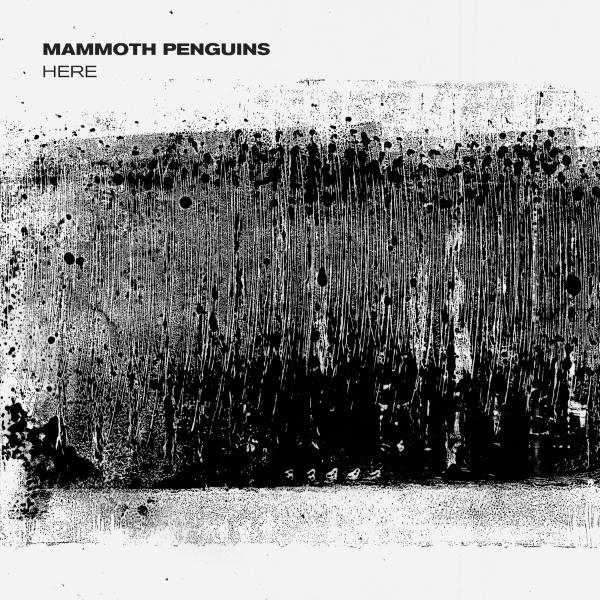
Mammoth Penguins are Emma Kupa (guitar, vocals), Mark Boxall (bass, vocals) and Tom Barden (drums, vocals). Reminiscent of the pop melodies of The Beths, the indie dissonance of Land of Talk, and the guitar forward slacker rock of Weezer, Mammoth Penguins marry heart-ache indie pop with spiky guitars and Emma’s frank confessional song writing.
The new record leans into a raw pop-punk power-trio sound more than ever, with a deep growl in layered guitars and bursts of percussion and harmony. The songs and artwork explore themes about finding a place for yourself and familiarity with people and places. Although it turns back towards a classic three-piece sound, the band weren’t restricted by that palette, adding finishing touches of percussion, extra guitars and backing vocals in short bursts in a garden shed, and also bringing in gorgeous strings to sweeten the title track.
You might also be interested in Emma’s solo album
Sugary, joyous indie-pop fun from Cambridgeshire-based Mammoth Penguins, who’ve been one of the most underrated bands in the country for the best part of a decade. Five years on from “There’s No FightWe Can’t Both Win”, they return to the power-pop / pop-punk leanings of their 2015 debut “Hide And Seek” on their fourth album “Here”.
Pip Blom have today announced details of the release of the ‘Bobbie Remixes’ A 9-track EP, which will be available digitally via Friday 23rd May 2024. Featuring reworkings of tracks from their much acclaimed third album, “Bobbie”, which was released in October last year,
Hailing from Manchester, Tom Sharkett is a producer that seeks to blend the weird, wonky and disparate elements of all corners of dance music into his productions. He is also in the band W.H. Lung.
Talking about the remix Tom said: “After meeting the Pip Blom contingent and bumping into them over the past few years of touring (including a particularly late one in Amsterdam at afters Darek put us on to) it was great to finally remix one of their tunes. It was also a nice bit of synchronicity that they recorded the album at the same place we’d made our first two records.
I loved the physicality of the new record and wanted to translate that into a Dark Italo/EBM thumper. ‘Get Back’ felt particularly raw and stood out to me most to remix. I could hear Pip’s vocal over an 1980s Belgium-adjacent bassline, and once I added in some harsh, industrial drum samples and the crunchy guitars from the original stems, we were away!”
Last month Brooklyn post-punk rockers Pamphlets released their debut album, “Take Your Place”.
We have shared a handful of tracks ahead of its release and today show some love to standout single “In Those Eyes.” It’s another perfect demonstration of the bands sharp post punk delivery with an angular blend of new wave inspired instrumentation and punk grit.
Speaking on the track, the band adds: “in Those Eyes” is a self realization of becoming something you fight against. It’s realizing how weaponized hate is cyclical and in so vowing to break the cycle.
Pamphlets · Jeremiah Marquez · Benjamin Griffin · Daniel Pemberton
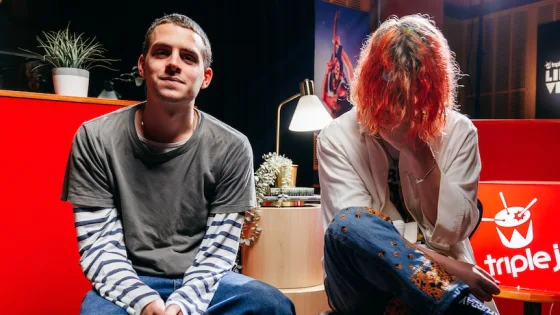
Pratts & Payne, is a South London pub that sits around the corner from the famed home studio of producer Dan Carey, who has an important place in the history of Royel Otis. When making their debut album with Carey in early 2023, the Australian duo – childhood friends Otis Pavlovic and Royel Maddell – would decamp to the pub to finish lyrics and make decisions on the direction of their frst LP. “Dan would ask us to record vocals,” Royel remembers, “and we’d say, ‘Just give us half an hour, we’re popping to Pratts & Payne’, and we’d have a pint, a few shots, and get some lyrics down.” Eventually, it made such a mark that they named the record “Pratts and Pain“.
Across the debut album, Royel Otis swing between melodic, pop- inspired indie and woozy psych, but it never feels tied to one lane. As soon as one style or mood has outstayed its welcome, they handbrake turn into psychedelic weirdness or dissonant noise, keeping everybody on their toes.
After the table was laid on the two EPs, “Pratts & Pain” brings everything from the band’s history together on a record that’s reverent towards their beginnings but unafraid to push forwards into new sounds. This loose, open formula for what makes a Royel Otis song is written all over “Pratts & Pain”, an album defined by its sense of fun and adventure.






 The Fat Angel Sings