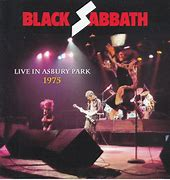
This is the best live Black Sabbath there is. They were beasts in 1975. Ozzy, Geezer and Bill Ward – No Words. Just Incredible. and it includes some of the best live guitar tones from Tony Iommi ever captured on tape. It captures the band at the tail end of their absolutely unbeatable first six album run, right before they ran into a wall (by their standards anyway) with the album “Technical Ecstasy“. This live set is basically a celebration of the incredible catalogue Sabbath had already created in just five to six years, where they forever redefined heaviness. The entire band sounds electrifying, with Tony Iommi delivering phenomenal six-string fire per usual but Ozzy Osbourne is also at his absolute best. Although Ozzy has several vocal moments that are admittedly far from perfect, I’ve never heard a show where he sounded this vibrant and ready to throw down. His spirited performance really adds the extra spark that makes this a particularly memorable gig.
I like comparing this version of “Megalomania” to the “Sabotage” take – it has to rely less on elaborate studio trickery and interestingly sounds a bit more like how the song might have come out if it had been recorded on one of Sabbath’s first four albums.
Tony Iommi really awesomely rips things up on it too and sometimes I like this live edition a bit more than the studio one. There are also a couple jams on here that essentially serve as otherwise-unreleased songs, with Tony going wild on guitar solos and Geezer Butler providing unexpectedly funky bass action at times. Bill Ward gets into the action too and I’m pretty sure at one point he humorously exclaims “All drum solos are boring!” – well, usually that’d be accurate, but I gotta respectfully disagree with Bill this time. A later Tony guitar solo also previews “Rock ‘n’ Roll Doctor” more than a year before it’d appear on “Technical Ecstasy”. My only real complaint is that the band only runs through an abbreviated 2½ minute version of “Supernaut” but that’s just something Tony does a lot in concert, you gotta learn to accept that and be thankful that he played that crushingly riveting track at all. Even “Iron Man,” which to my jaded ears feels like it’s long been run into the ground through overexposure, sounds fresh, exciting and heavy all over again.
This is a swell recording that fans definitely shouldn’t miss out on. Great sound quality too. This longtime bootleg fave has appeared on releases of varying lengths but it’s finally been officially remastered and is now included as discs two and three on Rhino / BMG’s 2021 “Sabotage” [Super Deluxe] reissue. It’s honestly worth buying yet again just to get all of this thrilling live set.
Tracklist: Killing Yourself to Live, Hole in the Sky, Snowblind, Symptom of the Universe, War Pigs, Megalomania, Sabbra Cadabra, Supernaut (partial), Iron Man, Orchid / Rock N’ Roll Doctor / Don’t Start (Too Late), Black Sabbath, Spiral Architect, Embryo – Children of the Grave, Paranoid,
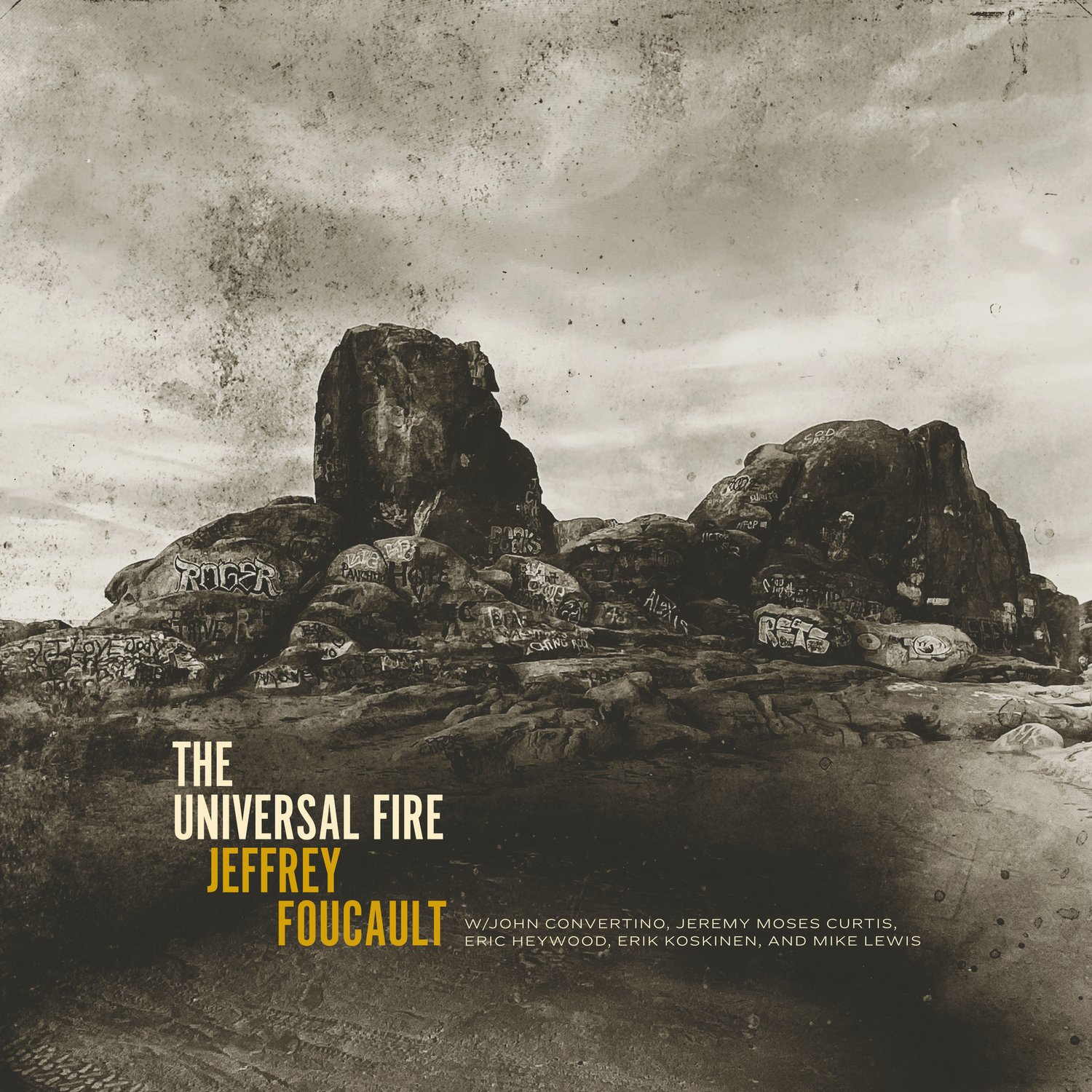
It’s my pleasure to finally announce the release of “The Universal Fire” on Fluff and Gravy Records, and the release of the title track as a single anywhere music is undervalued. “The Universal Fire” is a sort of almanac, the winter count of a season of grief. Its context is the illness and death of Billy Conway – my best friend and our drummer and brother for a decade on the road – and the album sets that loss against the 2008 fire at the Universal Studios lot in Los Angeles that destroyed the masters of certain bedrock recordings of American music, to get after ideas about mortality, legacy, memory,
Sonically it’s a rock’n’roll record, in line with albums like Brothers in Arms by Dire Straits, or Tonight’s the Night by Neil Young. It covers most of what I know how to play, rock’n’roll and fingerstyle ballad, country lament and greasy blues shuffle, and the band is outrageous. They play with so much heart, these dear friends of mine.
Recorded at Wavelab in Tucson, Arizona, and produced by Bon Iver’s Mike Lewis (who also played saxophone and piano), the album features my long-time band with Eric Heywood on steel, Jeremy Moses Curtis on bass, and Erik Koskinen on electric guitar, joined by the great John Convertino of Calexico on drums. Kris Delmhorst Pieta Brown and Barbara Jean Meyers all sang backing vocals, and Tucson’s Sergio Mendoza played some beautiful ranchera-style accordion. The cover image was created by the incomparable Brandise Danesewich and the layout done by Jamie Breiwick .
If you want to help, please order the album right damn now, share the single with anyone you think might like it, and then go pre-save the album wherever you stream music.
Then, make your plans to come find us this fall. We’ll be on the road across the country with the full band Sep-Dec, with Europe and other regions at home on deck for 2025.
Screaming Females an American rock band from New Brunswick, New Jersey comprising MarissaPaternoster on vocals and guitar, Jarrett Dougherty on drums, and Mike Abbate on bass. Paternoster and Abbate had formed a band in high school under the name Surgery On TV. After several line-up changes they finally became a trio with Dougherty and changed the name of the band to Screaming Females. Their eight albums manage to capture the bombast, excitement, and proficiency of their live sound better than most bands working,
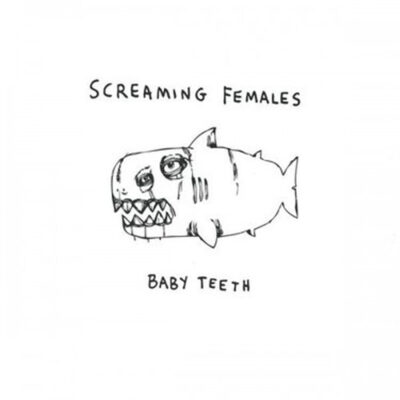
They released their debut album “Baby Teeth” in 2006. They have toured with bands such as Garbage, Throwing Muses, Dinosaur Jr., The Dead Weather, Arctic Monkeys, and The Breeders. Screaming Females – or Screamales, as they were affectionately known by fans – accomplished a lot in their too-short career. They made eight albums together, from the scuzzy punk belter “Baby Teeth” to the Steve Albini-helmed “Ugly” to the maximalist double LP “All At Once” . This year’s swansong, “Desire Pathway“, was classic Screamales a sharply observed collection of hooky, nervy rock songs full of ripping guitar solos and hypnotic grooves. Paternoster’s fretboard pyrotechnics and bellowing vocals have always grabbed the headlines, but there’s no Screaming Females without the genius-level interplay between Abbate and Dougherty.
As uniformly excellent as their albums are, the real Screaming Females could only be found onstage. They have played around 1,500 shows in total, (check out the documentary Screaming Females Do Alaska There’s a scene where Paternoster shreds out a solo while crowd-surfing through an Anchorage dive bar.
On “Desire Pathway” highlight “Let You Go,” Paternoster sings, “Now the stage is empty, and I am too.” Whether or not that line was meant as foreshadowing, it’s now a bittersweet epitaph for one of the greatest unknown rock bands in the world.
Baby Teeth, (2006)
“Baby Teeth” revels in its youthful exuberance with thrashy garage-pop, lots of silly lyrics, and even a few forays into ska. Paternoster’s terrific, distinct vocals get much stronger after “Baby Teeth,” though, which means it probably isn’t the album to start with.
“Foul Mouth” is the rare debut-album opener that introduces a fully formed band and establishes the themes they’d riff on for the rest of their career. “Foul Mouth” has everything that makes a great Screaming Females song a techtonic groove; a stomping, midtempo riff; smeary, abstract lyrics that occasionally pull into vivid focus; With a couple of smouldering guitar solos from Paternoster. A lot of the time, “Baby Teeth” feels like a rough draft for what was to come. But “Foul Mouth” is perfect as it is.
What If Someone Is Watching Their TV?
The band lives up to their name on their second LP, also self-recorded/released. Paternoster is shouting her head off on the excellent, Pixiesesque opener “Theme Song,” and the record doesn’t let up from there. The band itself sounds harder and meaner, but retains the charm of a group willing to try any song that’s fun to play.
Screaming Females’ second sound-defining album, featuring fan favourites like “Starve the Beat,” “Mothership,” and “Boyfriend.” The name of the record is based on something a cop said to the band when he told them to stop practicing because they were being too loud.
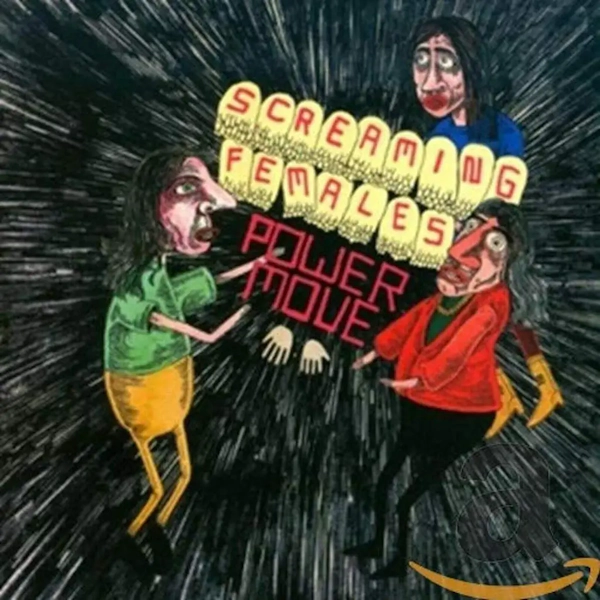
Power Move, (2009)
Screaming Females bring the sweaty intensity of basement punk to a new level with their third and most scorching full-length, “Power Move“. Their urgent vocals, gritty guitar solos, and iron- strong rhythms have garnered the attention of Spin Magazine, Maximum Rock n Roll, and everyone in-between. “PowerMove” has a startlingly original sound that incorporates elements of Hendrix-like jazz-fusion, screamed post-punk vocals, electrically charged basslines, and hypnotic melodies. In a nutshell, it’s indie rock with shredding.
“Power Move” is the first Screaming Females record to be released on a label Don Giovanni Records, also based in their home scene of New Brunswick, N.J.— and gives the band the perfect amount of upgrade by improving the sound quality without changing the recipe. It’s the most punk-sounding of the albums listed so far, with loud-quiet-loud dynamics, major keys anchoring melt-your-face guitar riffs, and lyrics that will make your mom ask if you’re doing okay (“The curtains part/The shades are flesh/Second hands turn to knives/You are buried in the nude”). All of this rocking is still accomplished with little to no overdubbing, so good luck being mad that your favorite band is signed now.
Paternoster’s vocals tend to oscillate between a talky, melodic register and a booming roar, but in the early days, she would sometimes also dip into a venomous hardcore shriek. Take “Buried In The Nude,” the closer from the band’s Don Giovanni debut, “Power Move”. Paternoster delivers most of the song in a post-punkish monotone, but a few lines come out as throat-flaying screams.
Castle Talk (2010)
2010 release from the critically acclaimed Punk trio, for the first half-decade of their career, ScreamingFemales just got stronger with each release. On 2010’s “Castle Talk,” Paternoster’s voice has reached full power, effortlessly shifting from Stevie Nicks warble to wraith-like shriek mid-song. The drums, bass, and guitar are in lockstep with each other from years of sharing the same stage. Musically the songs are more adventurous here— with pretty, emo-ish chord progressions mixed into the record’s hardcore stew. The band started to gain some critical attention from this one, so time to get on the horse or be trampled underfoot.
Ugly , (2012)
Their fifth album, “Ugly”, was released in 2012 and was recorded by noted audio engineer Steve Albini, “Ugly” marked a turning point for Screaming Females. They recorded the 54-minute behemoth at Electrical Audio with Steve Albini, who helped drag their sound out of the basement and indulged their most experimental tendencies. “Doom 84” and “It’s Nice” aren’t on this list, but they’re both insane and worthy of an honourable-mention shout.
Screaming Females’ seven years as a band, four full-length albums and 700 globe-spanning live shows has made them difficult to miss – Through it all, the New Brunswick, New Jersey trio have continued to exude a frenetic energy which is built upon the zeitgeist of America’s punk and indie underground yet has always remained forward-looking. Fittingly, for Screaming Females‘ 5th album “Ugly“, the band enlisted legendary recording engineer Steve Albini, famed for his unique ability to capture the ferociousness of a live performance while delivering gorgeous sonic clarity. The album’s 14 tracks reaffirm the touchstones of the band; they can still shred and front-woman Marissa Paternoster can still unleash a powerful howl. But it doesn’t end there. The album ushers in new explorations for the band, a truly remarkable feat considering their already prolific output. “Ugly” has the perfect combination of raw energy and honed musicianship that produces the type of rock & roll which is still a force to be reckoned with.
The band’s level-up was evident straight out of the gates, with the groove-drenched album opener “It All Means Nothing.” Paternoster rips wild leads for much of the song, which means Abbate’s bass holds down most of the riffs. That’s a common dynamic on Screamales songs — especially live, where Abbate is frequently the bassist and rhythm guitarist at the same time. On “It All Means Nothing,” he makes a meal out of a potentially unglamorous role, delivering bass riffs that can stand toe-to-toe with Paternoster’s paroxysms.
Even on their earliest records, when they were still fundamentally a punk band, the Screamales favoured a big-tent interpretation of rock music. That makes the punky sound of “Rotten Apple” as precious as gold. It’s still weird and melodic and full of guitar heroics, but it has a casually tossed-off quality that becomes harder to replicate the longer a band sticks together. The thing also just moves, and it remains irreverent and playful for its entire three-minute runtime. Paternoster’s vocal on the self-flagellating chorus sounds like one big ironic eyeroll, but it also shows a range that was beginning to develop new contours. “Ugly”was a transitional time for the band, and the collision of their DIY instincts and Albini’s pro-studio production is never more thrilling than it is on “Rotten Apple.”
With the heat of “Castle Talk” and years of touring behind them, Screaming Females finally got the Steve Albini Treatment. Since there wasn’t much frill here for Albini to trim, “Ugly” goes straight to the work of capturing the live feel of Screaming Females, and gives the listener the sense of hearing them play to a big room with a mosh pit for one. More than anything, “Ugly” sounds loud— Dougherty’s drums are more to the front of the mix than they’ve ever been, Abbate’s bass is rattling with fuzz, and Pasternator takes many gain-drenched, feedback-squealing guitar solos way into the red.
Rose Mountain, (2015)
For a songwriter who has said she doesn’t write songs that are about one thing in particular, “Rose Mountain” contains Marissa Paternoster’s most evocative lyrics yet. The record addresses dealing with chronic sickness and pain, after cutting the tour supporting “Ugly” short to deal with Paternoster’s initially undiagnosed illness of fibromyalgia. “Ripe” practically dares an unnamed assailant to do their worst, with a repeated plea to “peel the skin raw,” and “pinch ‘til the feeling’s gone.” The only title track of the band’s career is named after Rose Mountain Care Center, a rehab in Paternoster’s native North Jersey that she saw as a child and dreamed of one day going to to get well. It’s not surprising that music so preoccupied with bodies and pain is among the band’s most visceral; it’s lean and direct at 35 minutes, only coming up for air long enough in a few spots to plunge you right back into its seething rage. Paternoster’s guitar work here pays homage to the ‘90s rock legends that inspired her to pick the instrument up as a teenager, and the album’s stellar closer “Criminal Image” wouldn’t sound out of place nestled with the best tracks on Siamese Dream. From the peak of “Rose Mountain” you can see everything the band has done before and after perfectly coalescing into their most cohesive, confident, and yearning collection of songs.
A rock band is only as good as its power ballads. Screaming Females don’t crank out the lighters-aloft jams often, but when they do, they can hang with the best of them. “Hopeless” is their finest hour working in that mode. It’s a breakup song addressed to one’s own body, and a plea for mercy in the throes of chronic illness. Paternoster had been sick with mono for a year going into the recording of “Rose Mountain”, and she pours all the anguish and desperation of that experience into the song’s devastating refrain: “I’m not hopeless, helpless, or begging you to stay/ It’s just turning out that way.” The album version of “Hopeless” builds to a crescendo, with Dougherty and Abbate ushering the song’s simple riff to a powerful conclusion.
The demo that appears that on “Singles Too” compilation is just as potent. Stripped down to just Paternoster’s vocals and acoustic guitar, the song feels as intimate as anything in the Screamales catalogue.
Screaming Females will probably always be underappreciated as songwriters. That’s what happens when your band plays raucous live shows and boasts an old-school, shred-goddess lead guitarist. But the Screamales’ knack for melody and structure has always been crucial to what they do. Even back on “BabyTeeth”, they were writing hooks, not just riffs.
Their finest moment of pure songcraft is “Wishing Well,” which plays like a lost ’90s alt-rock radio hit. With its wobbly, sunny guitar licks and huge, sugar-rush chorus, the song is uncharacteristically bright for the Screamales. That’s exactly why it works so well. “Wishing Well” wears its melodic sensibility on its sleeve, offering an unvarnished look at the sturdy frame that holds up all the shredding and shouting.
All At Once , (2018)
The weird and ambitious masterpiece “All At Once.” The band absolutely shreds all over this one– their proggiest record by far. It starts with their best opener before or since “Glass House” and over its 15 tracks it leaves few stones unturned in its gleeful classic rock revelry (there’s even a Skynardesque, neo-soul ballad with “Bird In Space”. In less deft hands the result could be messy, but every Music Club indulgence yields beautiful results here.
Marissa Paternoster says the only time she ever weighed in on album sequencing was when she pushed for “Glass House” to lead off the album “All At Once” . That gives her a perfect lifetime shooting percentage. “Glass House” is one of the best opening tracks in recent memory, and it’s also the best song Screaming Females ever wrote. It takes its time getting going, spending much of its first two-thirds locked to Abbate’s insistent bass part. Paternoster’s main riff is simple, and it only comes in intermittently, punctuating the bass line. Mostly, she sticks to squiggly little figures that roil beneath her vocals. There’s not even a guitar solo on “Glass House,” which makes me feel insane for calling it the best Screaming Females song.
Instead, it’s all about the crescendo, which takes up the final 70 seconds of the song. “My life in this glass house/ Impossible to get out,” Paternoster sings over and over, with paranoiac intensity. Everything around that refrain steadily gets bigger and louder and denser. Dougherty adds more drums to his insistent, pulsing pattern. The guitars and bass begin to swell and merge into a Sabbathian wall of sound. A cello comes in, just loud and long enough for you to notice it. Claustrophobia starts to set in. The tension finally breaks as the song reaches its final moments, and Paternoster finishes her last repetition of the line a cappella. Only then can you move on and hear the rest of what “All At Once”has in store. It’s the most exhilarating moment in a discography full of them,
The latent radio-friendly sensibility that “Wishing Well” brought to the surface blossoms into a full-on pop song on “I’ll Make You Sorry” or at least the Screaming Females version of a pop song. It’s a total blast, balancing the jilted-lover revenge fantasy of its title and chorus with the sweetness of its pop-punk melodies.
This being Screaming Females, the verses are still laced with abstract poetry, and the song still builds to a muscular and relatively noisy peak. But when Paternoster sings about how she was in love before but she’s given up, it makes me want to roll the windows down and shout along into the night. By my definition, that makes it a pop song.
Early on in the pandemic we got asked to cover a 1980s punk rock song for a special edition release of the comic What’s the Furthest Place From Here. Mike immediately said “We should do a ska song” to which Jarrett replied “Cool. It should be The Selecter followed quickly with Marissa stating “Great. Let’s do “On My Radio” It happened over the course of about 30 seconds. I don’t know if we have ever made such a quick decision as a band.
Many people are familiar with The Specials but The Selecter should be just as renowned. Their first string of singles and first LP are legendary and Pauline Black’s live performances, as captured in “Dance Craze”, are absolutely transcendent.
Singles Too (2019)
“Singles Too” collects Screaming Females’ complete non-album recordings, gathering together early 7” singles, digital-only b-sides, and one pretty great remix. The download and CD will also feature six cover songs, including the New Jersey trio’s takes on music by Neil Young, Taylor Swift, Sheryl Crow, and Patti Smith. The vinyl version of the album will be a one-time pressing limited to 1500 copies.
The tracklist also provides a roadmap of the band’s progress through 15+ years of music-making — tracking Screaming Females from their early days playing New Brunswick basement shows into life as a full-time band with a tour schedule rigorous enough that their van earned its own New York Times profile.
“On the first single we ever put out, there were mistakes that I made playing guitar that make me want to crawl into a hole and die,” says guitarist Marissa Paternoster, recalling the sessions for “Arm Over Arm” and “Zoo of Death.” “At the time I didn’t know I was allowed to say, ‘Can I do that again and correct it? I was 19, giving it my all.”
On “Singles Too”, you can hear Screaming Females lay it down at Milltown, NJ’s post-apocalyptic recording-on-a-budget one-stop, The Hunt — tin roof, flammable mixing board, DIY growlab housed in back of Marshall cab — AND at posh Los Angeles hit-factory, East West Studios, where they convened with members of Garbage to cover “Because the Night.”
The b-sides included here also capture the breadth of the trio’s creativity, with compelling detours and tangents otherwise unrepresented in their catalogue, from Sammus and Moor Mother’s re-work of “End of My Bloodline” to the stripped down demo of Rose Mountain’s “Hopeless.” “Singles Too” is a rarities comp, but it’s a compelling one — a deep dive into SF ephemera, an introduction, and a history lesson all at once.
Desire Pathway, (2023)
The abnormally lengthy pause between2018’s “All At Once” and was punctuated by a spectacular solo effort from G&L mangling guitarist/frontwoman Marissa Paternoster, a compilation album of singles, B-sides, and covers titled “Singles Too”, and of course, there was small matter of a global shutdown.
The band’s third with producer Matt Bayles, and though the production is the slickest it’s ever been it manages not to sacrifice the raw power of their sound or make a record that can’t be reproduced live. Paternoster is harmonizing with herself more on this one while taking fun departures into old-school punk “Desert Train”, hooky radio-rock “Ornament” and power-pop that could turn Blondie green with envy “Mourning Dove”.
From the stormy discordance of “Desert Train“, to the tuneful pop-punk of “Mourning Dove” and the cathartic “Let You Go” (complete with seesawing wah-wah badassery), there are killer songs, matched with sympathetic guitar lines aplenty.
“Brass Bell” starts with an extended, slow-building synth riff, introducing “Desire Pathway” with a sound largely alien to the Screamales’ true-blue rock configuration. (Paternoster’s underrated solo album “Peace Meter” has a lot more electronic elements, “Desire Pathway” has a subtly otherworldly feel to it, aided by Matt Bayles’ bold production. “Brass Bell” ultimately blossoms into a crunching riff-rocker with martial, almost metallic vigour. But that synth intro, along with some spacey vocal effects and a mix that swells in intensity as the song reaches its peak, helps “Brass Bell” feel like new ground for the Screamales.
It’s impossible to trace Screaming Females’ sound back to a single formative influence. But sometimes, they sound a lot like Dinosaur Jr. “Ornament” is one of those times. The song opens with a wailing guitar solo – a time-honored J. Mascis trick – before settling into a sturdy pocket. It’s not just Paternoster’s shredding that ties Screaming Females to Dino Jr.
The band established a power trio model for indie rock, finding a balance between punk-rock verve and sharp musicianship. Screaming Females follow in those footsteps. “Ornament” always sounds like the work of three people, even as it builds to a heady climax. Everybody has to lock in, but everybody also has to stay loose. A song like “Ornament” makes that sound a lot easier than it is.
“Desire Pathway” isn’t afraid to be catchy, and serves as a perfect entry point to the band.
In December 2023, The New Jersey rock legends Screaming Females band announced their breakup on their social media pages, ending a brilliant 18-year run. The trio of guitarist/vocalist Marissa Paternoster, bassist “King” Mike Abbate, and drummer Jarrett Dougherty had started playing together in the New Brunswick DIY scene that orbited Rutgers University in the mid-2000s. They always kept a foot in that world, even as they became critical darlings and fixtures of the indie-rock touring circuit.
Their final album, 2023’s “Desire Pathway”, kicks nearly as much ass as anything that the band ever released. There’s been no announcement about a grand-finale show or anything like that, but we’re now getting one final recording from the band, and it stands as further evidence that they were an absolute wrecking ball until the very end. Screaming Females recorded the five songs on their newly released “Clover” EP during their “Desire Pathway” sessions. As with that album, the band laid those tracks down at Pachyderm Studios in Minnesota, the same place where Nirvana made In Utero and PJ Harvey made Rid Of Me.
Their producer was longtime collaborator Matt Bayles, who’s also worked with bands like Mastodon and Pearl Jam. The EP is an unexpected treat, and all five songs rock hard. “Violence And Anger”? . If Screaming Females ever decide to get back together, the “Clover” EP stands as evidence that they’ll still be in fighting form.
The Americana world was shaken in 2020 by the death of Justin Townes Earle, the talented singer songwriter country/folk/blues musician following in the footsteps of his father, alt-country SteveEarle. His songs were rich in guitar, organ and horns (the first two of which he’d played in his father’s band) and featured evocative, personal lyrics inspired by his own personal demons and the stark realities of life in general. His last album, 2019’s “The Saint of Lost Causes”, was an affecting critique of the American dream in 12 songs and signalled his burgeoning promise was cut short when he succumbed to a long struggle with drug abuse at only 38 years old.
The bulk of “All In” offers material from the sessions that would birth the songs of “The Saint of Lost Causes” most of which did not make that final album. Only a work-in-progress version of the title track and demos of “Appalachian Nightmare” and “Over Alameda” – the latter two paired with the released album versions for comparison – indicate what was left on the album, with six demos showcasing songs left on the cutting room floor. Additionally, there are two covers from that album’s sessions: the formative “Rocket 88” and a haunting version of Fleetwood Mac’s “Dreams” that serves as the album’s lead single.
Other rarities on “All In” cover the period surrounding “Kids in the Street”, including a demo of that album’s “If I Was the Devil” and two live tracks from the period recorded live for the elder Earle’s SiriusXM radio show.
The album closes with three rare covers Earle recorded: a 2014 take on Bruce Springsteen’s “Glory Days” for a “Born in the U.S.A.”tribute album; a 2010 version of John Prine’s “Far from Me,” recorded for a tribute album to that legendary songwriter; and a take on Paul Simon’s “Graceland” that was issued as a B-side/bonus track to “Kids in the Street”.
New West Records – who released “The Saint of Lost Causes” and its predecessor, 2017’s “Kids in theStreet” – will memorialize Earle’s tenure on the label with “All In: Unreleased & Rarities“, is a collection of demos and outtakes from this period. Nearly entirely previously unreleased, the album will be available August 9th on CD, vinyl and digital.
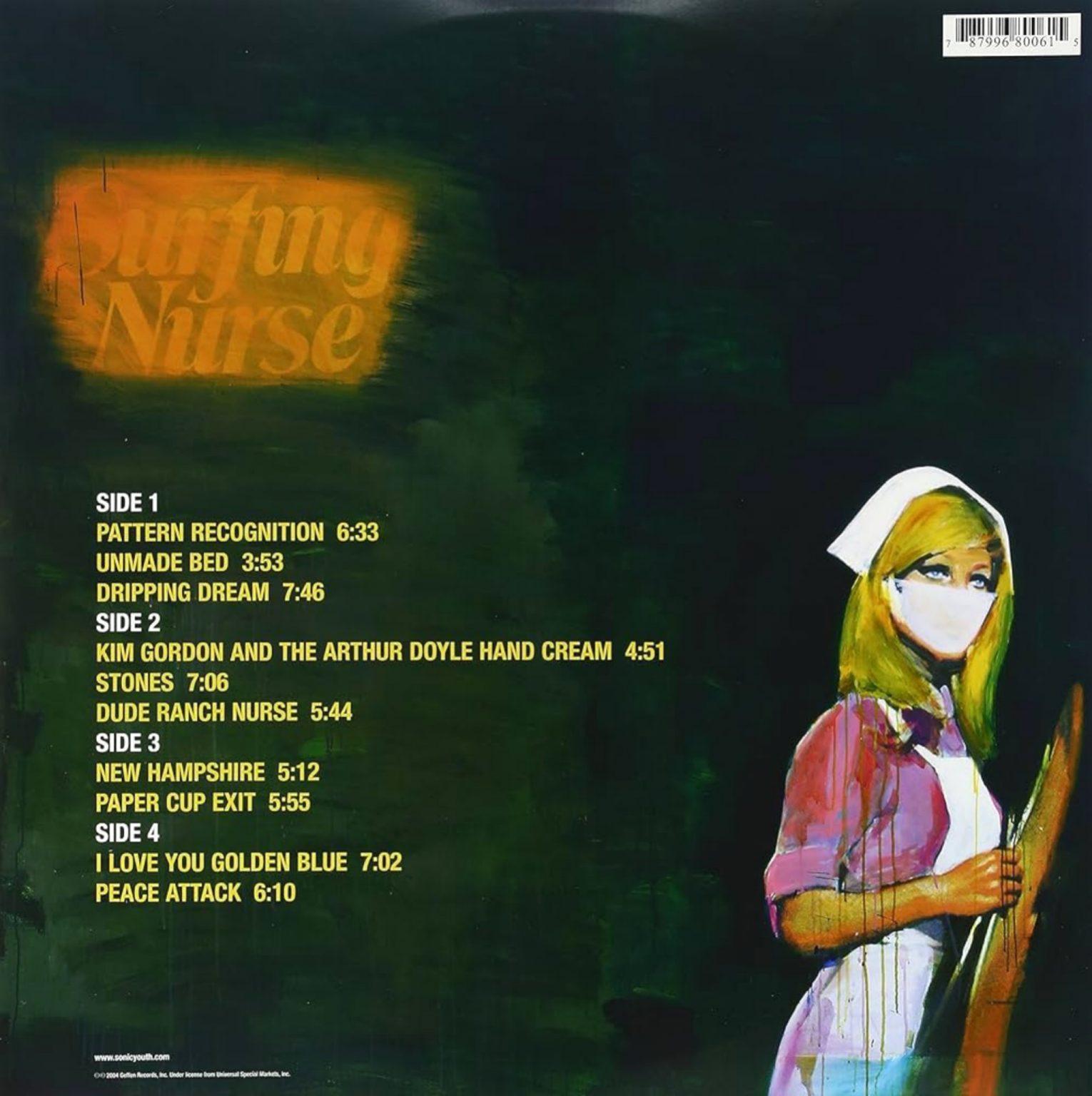
Picking up where “Murray Street’s” languid experimentalism left off, Sonic Youth’s somewhat awkwardly named “Sonic Nurse” shows that the band still sounds revitalized, and may have even tapped into a more fruitful creative streak than they did on their previous album. Anyone who has stuck with Sonic Youth this long knows more or less what to expect from them, but the group still has the potential to surprise; one of “Sonic Nurse” biggest surprises is the return of Kim Gordon. She had a relatively limited presence on “NYC Ghosts & Flowers” and “Murray Street”, but she’s back in a big way on this album, contributing four tracks; not coincidentally, Gordon’s songs are among the strongest on the album. “Pattern Recognition” gets “Sonic Nurse” off to a strong start “Your pattern recognition is kind of slow,” Kim Gordon taunts at the outset of Sonic Youth’s 13th studio album. Her quieter songs have just as much impact: “Dude Ranch Nurse” boasts an oddly timeless guitar lick and lyrics (“Let me ride you till you fall/Let’s pretend that there’s nothing at all”) that blur the line between alluring and nihilistic.
Her legendary alt-noise outfit of exactly three decades isn’t the kind of band that immediately announced themselves as my favourite. It was a realization after years of sinking in how often I still listened to every single one of their albums since Steve Shelley became their permanent drummer. I’ve been in love with Sonic Youth for years, first the dynamic contrast between the sweet (soothing Lee and Thurston explorations) and sour (viciously abrasive Kim ones) “A Thousand Leaves” had got my attention even more immediately “Daydream Nation” then along with “Experimental Jet Set” and “Dirty” .
With the rabid “NYC Ghosts & Flowers” and with a more solidified love of Sonic Youth by 2002’s “Murray Street” maybe the 2008 “Battery Park” live recording with the reunited Feelies.
Most of “Sonic Nurse“, including a beautiful, opening number and perhaps another standout, a beautiful but bleak ballad with ghostly vocals that recall Nico at her most fragile. “I Love You Golden Blue” “Sonic Nurse” was possibly their softest, cleanest album, it’s notable how well that material translated to the live setting, but also how memorable it was anyway. If it’s a transcendent album,
SonicNurse starts loose and jammy with excursions Thurston Moore’s “Dripping Dream” begins as absurdist, angular rock (although he still has the ability to make phrases like “We’ve been searching for the cream dream wax” sound like the coolest thing ever) and stretches out into a beautiful epic, with the interplay of feedback and guitar lines giving it a comet-tail majesty. “Paper Cup Exit,” the requisite Lee Ranaldo track, has a sharper-edged mix of noise and melody than most of “Sonic Nurse”
“Stones” (“The dead are alright with me,” sings Thurston, or does he mean the Dead?), but less so than the stretcher parts of “Murray Street”. The single “Unmade Bed” and “I Love You Golden Blue,” the other advance track, were definitelytheir softest, a friendly contrast between Steve’s atypical use of toms in the former and a typically tone-deaf Kim crooning a ballad in the latter. The idea of Geffen cajoling them into attempting a more major-label digestible version of a hushed meditation like “Leaves’ “Hits of Sunshine” is patently ludicrous, but that’s sort of the feel. Even with its ginormous epics, “Karen Revisited” and “Sympathy for the Strawberry,”
“Murray Street” felt like a streamlined version of an assured sound, and I would say that continued with overwhelming success throughout the final three albums SonicYouth ever make. The hooks increasingly poked out of the friendly morass in the second half: Lee’s “they were rising up out of a paper cup,” the sliding-up-the-neck lead guitar that suddenly squirts out of the Krautrock in personal fave “New Hampshire” which could pass for a lost track from “Daydream Nation” — Sonic Youth actually sound younger and more enthusiastic than they have in a few albums.
“Sonic Nurse’s” most memorable tune isn’t delicate at all, though, in fact, it’s a bit insensitive. I’ll call it by its real title: “Mariah Carey and the Arthur Doyle Hand Cream,” which did end up in a more major-label digestible state upon release. Unlike their winking embrace of Madonna and their downright touching requiem for Karen Carpenter (not to mention their classic Carpenters cover). But the song is so fun and ridiculous, I somewhat doubt Carey, who can afford better mental healthcare than Kim Gordon I love when Kim mentions Eminem and then quasi-raps “Did he bake you and then forsake you / Is innocence gonna still overtake you.” Maybe Mariah would even have a laugh herself at “you’re just being totally perfect” or “maybe you need an emo boy” or “it’s time to take a bubble bath.”
Because of Sonic Youth’s sweeping discography made up more than 20 years there are louder parts than I remembered, particularly the feedback tantrum that finishes off “Dripping Dream” and the squelching wah-wah solos that take over “New Hampshire.” So maybe it’s just another Sonic Youth album, though the trilogy from “Murray Street” through 2006’s even more subdued and hookier. “Rather Ripped” is the most melodic they ever became, with “Sonic Nurse”smack in the middle. When Kim strains to croon “I can’t read your mind” on “Golden Blue,” it goes against all telepathy and nature this quartet’s synergy had developed by 2004 in their own mysterious, alternate-tuned language. So it’s maybe a Thurston phrase I misheard as “Heaven’s junk” and couldn’t find again that sums up “Sonic Nurse“. Or Lee’s inevitably catchy “Paper Cut Exit”: “I don’t mind if you sing a different song / Just as long as you sing, sing along.”
Whatever it may be, this album remains one of the great high watermarks in a career filled with them. thanks to rockandrollglobe.com for the words
On July 12th, BMG Records will be making “The Best of Friends” available on vinyl for the very first time as a 2LP set along with its return to the CD format as well. The reissue includes an exclusive edition available through Vinyl Me Please, featuring a striking red and black marble vinyl limited to 750 units. All formats include the Bonus Track “Up and Down” featuring Johnnie Johnson on piano. Pairing the original Boogie Chile up with high profile guests who worshiped at the altar of one of the meanest guitar players to ever walk on two feet. Featuring a whole host of guests like Eric Clapton, Ry Cooder, Carlos Santana, Van Morrison & Booker T. Jones
Known to music fans around the world as the “King of the Boogie,” John Lee Hooker endures as one of the true superstars of the blues genre. His work is widely recognized for its impact on modern music – his simple, yet deeply effective songs transcend borders and languages around the globe. Each decade of Hooker’s long career brought a new generation of fans and fresh opportunities for the ever-evolving artist, and he regularly toured and recorded up until his passing in 2001.
For blues fans at the time, “The Best of Friends” served as an indispensable compendium for exploring Hooker’s work during the ‘80s and ‘90s across such classic albums as 1989’s seminal “The Healer” and 1995’s “Chill Out.” Now, a quarter century later, the collection offers music fans a key reminder of what makes John Lee Hooker one of the definitive architects of electric blues music in the 20th century.
It’s never been on vinyl until now, and it’s here on exclusive coloured vinyl and strictly limited to 750 units.
A new vinyl box set chronicling the legacy of the Australian punk band classic album will be released on November 15th. The Saints’ seminal 1977 debut LP, “(I’m) Stranded”, is being honoured with a rarities-rich deluxe edition, coming out on In The Red Recordings in collaboration with Universal Music Australia. The project is being spearheaded by Feel Presents and the band’s founding member Ed Kuepper it will feature all the band’s studio and live recordings from 1976 thru 1977.
In addition to the original LP remastered for vinyl for the first time in over 40 years, this box set also includes such audio extras as a five-song live performance from Paddington Town Hall, Sydney April 3rd,1977 appearing on vinyl for the first time; a full live performance from the Hope & Anchor Front Row Festival, London, November 1977, also appearing on vinyl for the first time; all three tracks from the 1977 “This Perfect Day” 12” single and all four tracks from the 1977 1-2-3-4 double 7” single and the previously unreleased 1976 demo mix of the full “(I’m) Stranded” album.
The set includes a 28 page 12” x 12” photo essay of the band covering their origins from 1973 through the end of ’77, an authorized band history, an 8” x 10” 1976 promo photo and a “(I’m) Stranded” sticker.
“It’s been an exhausting yet thrilling process being involved in the creation of this box set,” Kuepper said in a press statement. “It’s been 51 years in the making and has possibly turned out even better than I anticipated. It’s by far the most extensive appraisal of the band, both aurally and visually, that has ever been made available and hopefully reveals some things people may not have known about the band.”
This year marks the 50th anniversary of the writing of “(I’m) Stranded” and the 50th anniversary of Kuepper’s career as a live performer. And in celebration of it all, The Saints are actually reforming in celebration of the box set release under the aegis The Saints ’73-’78. Joining original members Kuepper and drummer Ivor Hay will be honorary Saints; vocalist Mark Arm of Seattle’s pioneering Mudhoney, bassist Peter Oxley of Sunnyboys fame and former The Birthday Party / Bad Seeds guitarist Mick Harvey.
The Saints ’73-’78 will perform select tracks from all three classic Kuepper-led Saints titles “(I’m) Stranded” (1977), “Eternally Yours” (1978) and “Prehistoric Sounds” (1978).
“The Saints’ first three albums rank among the best records ever made,” proclaims Arm. “They have been a part of my life since stumbling upon them in the early 80s. Their influence looms large in Mudhoney world. I am stoked, stunned, and humbled that I get to join in on this Rock ‘n’ Roll Reality Camp with Ed, Ivor, Peter and Mick!”
“I’m really looking forward to having the chance to be playing these great songs again and capturing the original excitement and energy of the first three albums,” adds Ivor.
“It’s great to be given the opportunity to run through this set of songs again and especially the chance to work with a group of people of the calibre of Mark, Mick, Pete and especially Ivor, who is one of the most distinctive drummers I’ve had the pleasure to work with,” Kuepper explains. I’m feeling chuffed that they’re all on board for this. We will be concentrating exclusively on material from and around the first three albums, including stuff that hasn’t been performed live in Australia before….or at least for a pretty long time… Very much looking forward to this, catch us if you can, pop fans.”
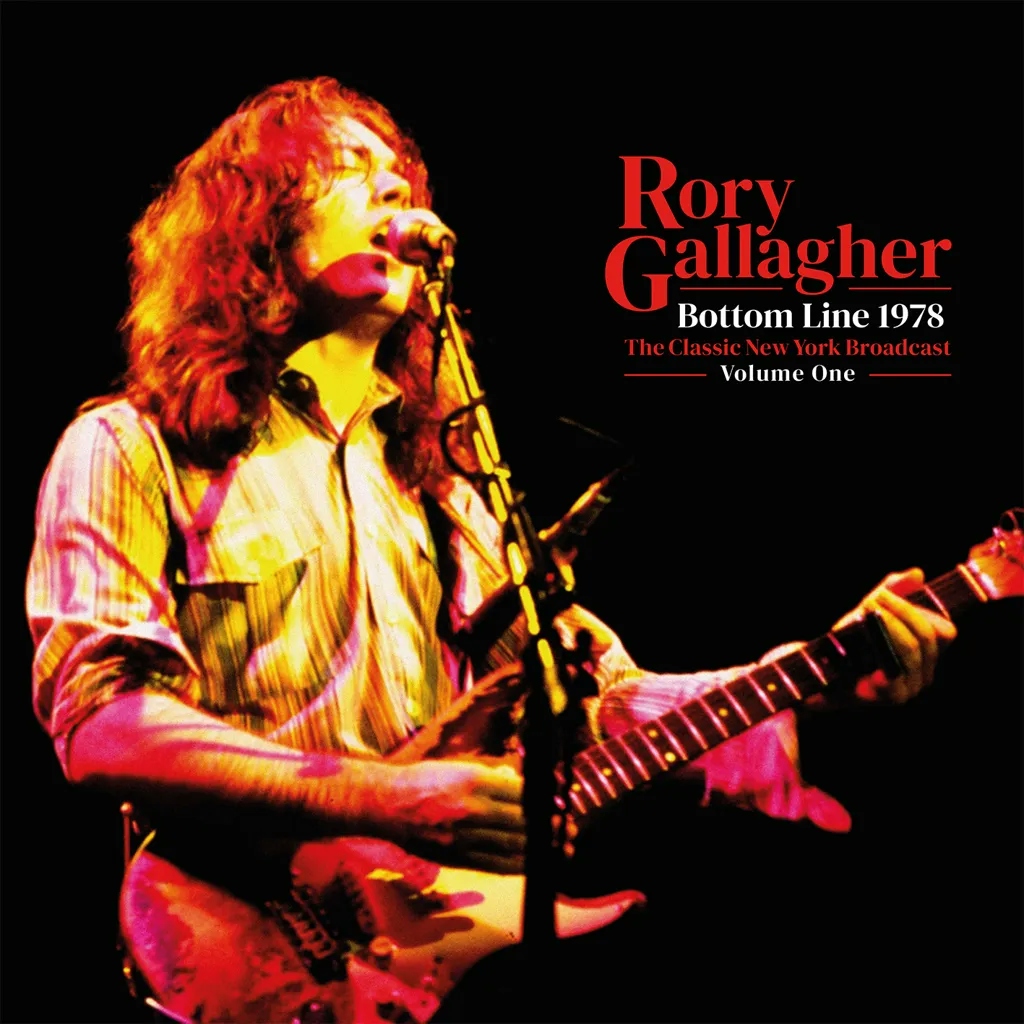
Irish blues rock guitarist Rory Gallagher was in peak form when this energetic and highly entertaining set was recorded at the legendary Bottom Line club in New York City in the fall of 1978. Gallagher had been on the European music scene for nearly a decade (and a viable name in the U.S. for almost six years) when he blew into the Big Apple for his first NY show in almost two years.
Rory Gallagher had returned to his power trio line up of bass, drums and guitar for this tour, after several years touring with a keyboardist, in a quartet format. Long-time bassist Gerry McAvoy was still on board, and he and Gallagher were joined by drummer Ted McKenna, previously a member with the SensationalAlex Harvey Band. For this set, Gallagher warmed up with “Shin Kicker,” a rocking-blues romp that encompasses the best elements of UK blues movement. “Garbage Man,” a slow blues number that was an obvious crowd pleaser, follows soon after and leads the way into “Secret Agent,” one of Gallagher’s best known rockers,
This was the first show he played that night, and while it lacked some of the surprises of the second show, it still contained plenty of evidence of Gallagher being of the premier talent of his generation. “Moonchild,” “Roberta” and as well as a tasty re-make of the classic Frankie Ford hit, “Sea Cruise,” are all good examples of why Rory Gallagher was an exciting showman.
But it is on “Bullfrog Blues,” where Gallagher kicks into hyper-drive — his guitar/vocal interplay is simply astounding. For the end of the show, he reverts back to his better know blues rockers, such as his arrangement of the Buddy Guy/Junior Wells classic, “Messing With the Kid.”
Gallagher first made a name for himself in 1969 with the band Taste. They recorded three albums before splitting in 1971. Gallagher recorded several solo albums between 1971 and 1991, but also is noted for his work on the legendary “London Sessions” album by blues icon, Muddy Waters, released on Chess Records in 1972. Sadly, he died after receiving a liver transplant in 1995, at the age of 47. Not long after this show, his brand of blues-rock fell out of favour with radio programmers, and like artists such as Robin Trower or Steve Marriott, Gallagher had to focus on a smaller, but fiercely loyal, following.
The new Humanist official single “Brother” sung by Depeche Mode singer Dave Gahan is a tribute to the late, great Mark Lanegan with whom Humanist’s Rob Marshall collaborated on the albums “Gargoyle” and “Somebody’s Knocking”. The track comes accompanied by a striking B&W video.
Commenting on the track Rob Marshall says: “One week after Lanegan’s departure, Ed Harcourt reached out to me regarding one of the musical ideas I’d shared. He reminisced about Mark’s habit of affectionately calling his closest allies ‘Brother’. Which is what he always called me too. This endearing term hinted at a camaraderie akin to a tight-knit family. The song became ‘Brother’. Listening back for the first time, immersed in the music, emotions surged and memories flooded my mind. Initially overwhelmed, I was moved to tears by the sheer power of it all.
Dave Gahan, being another of Mark’s long time friends, seemed the perfect fit for the vocals, and after hearing the track he completely agreed. The track came further to life as more of Mark’s former comrades came into the picture: Isobel Campbell’s haunting cello, Sietse van Gorkom’s stirring strings – all intertwined in a cathartic symphony of remembrance and reverence. It’s a humble tribute to a colossal soul, but it feels undeniably fitting.” Following their recent shows supporting Janes Addiction in the UK, today Humanist also announce news of an October headline UK tour
Taken from the album “On The Edge Of A Lost And Lonely World” released 26th July 2024 via Bella Union
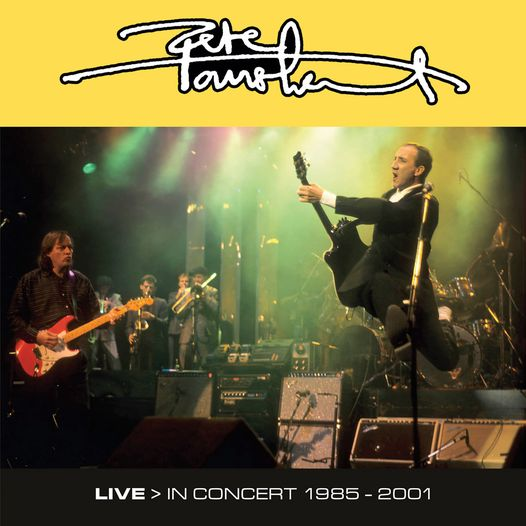
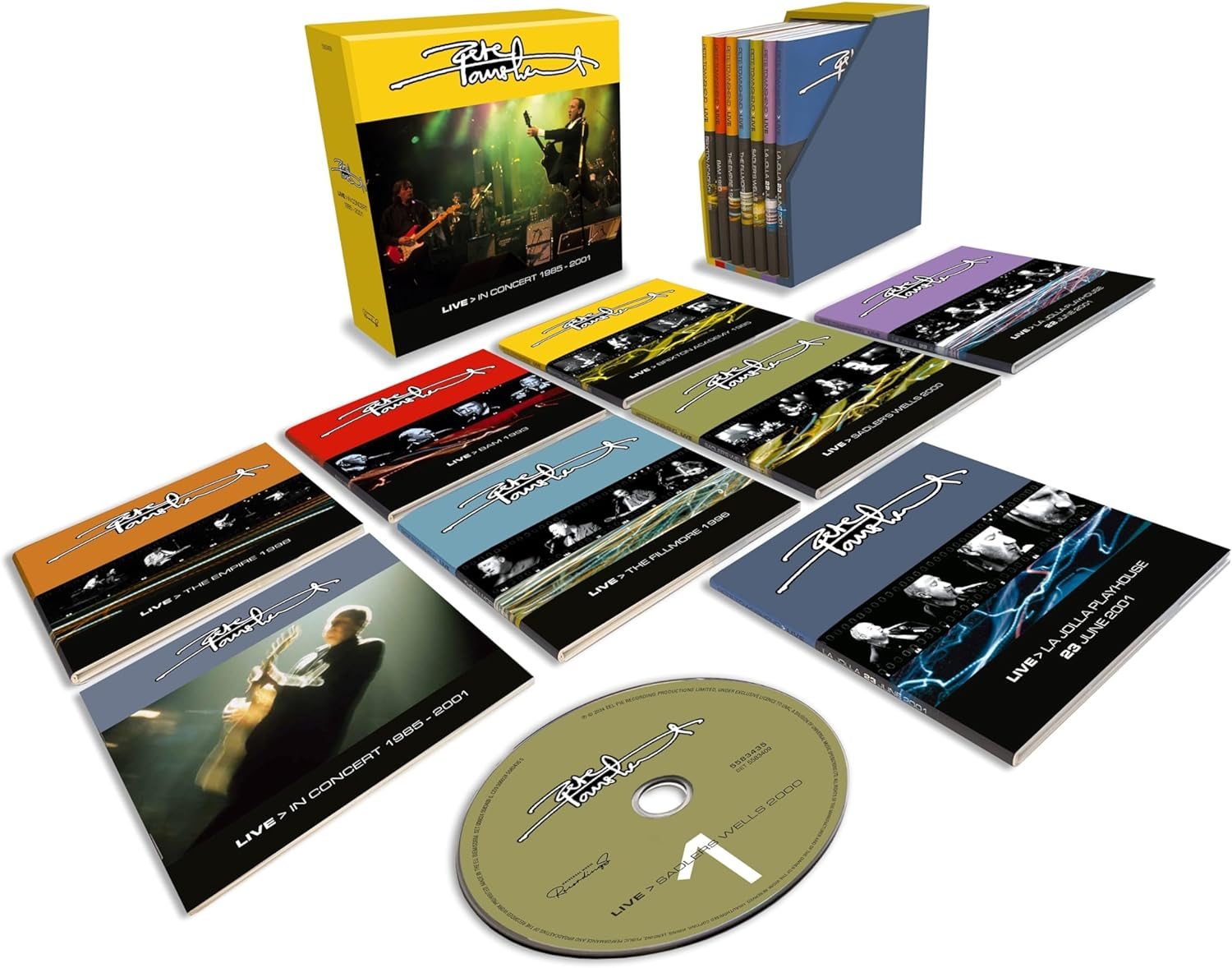
For the first time, all the Eel Pie live shows have been compiled in one place to create an expanded complete live 14-CD box set, Pete Townshend Live In Concert 1985-2001. The seven double albums in the set have been newly mastered by long-time Who engineer Jon Astley, and have not been available since 2002.
Featuring audio from some of Pete’s most loved live shows over the years including Brixton Academy 1985, Brooklyn Academy of Music 1993, Sadler’s Wells 2000, La Jolla 2001 and more. . The whopping 14-CD set will cover a series of shows from 1985-2001, originally released through Townshend’s own Eel Pie publishing house.
The Pete Townshend highlights include an entire album rendition of “Lifehouse,” the lost rock opera that theWho later fashioned into “Who’s Next”: The live records feature a mix of Townshend’s solo work and samples from his work with The Who. “Baba O’Riley,” “Teenage Wasteland,” and “Pinball Wizard” all appear alongside “Let My Love Open The Door,” “A Little Is Enough,” and “Slit Skirts” in a series of setlists that cover a wide-reaching discography.
When it comes to releasing new music in 2024, Townshend recently spoke to the New York Times. “I’ve got about 500 titles I might release online, mostly unfinished stuff,” he shared. “We’re not making Coca-Cola, where every can has to taste the same. And it’s turned out, surprise, surprise, that rock ’n’ roll is really good at dealing with the difficulties of aging. Watching Keith Richards onstage, trying to do what he used to do — it’s disturbing, heart-rending, but also delightful.”
The box set features rare photos and concert memorabilia in a full colour 28-page book. The book also includes sleeve notes by archivist Matt Kent and a new exclusive foreword from Pete Townshend. Pre-order your copy before it sells out, and enjoy a rare chance to listen to plenty of Who favourites, songs from Pete’s solo catalogue, plus some great jazz and rock standards. Released on 26th July.
DISC ONE: Brixton Academy 1 and 2 Nov. 1985. DISC TWO: Brixton Academy 1 and 2 Nov. 1985. DISC THREE: Brooklyn Academy of Music, Brooklyn, N.Y.7 August 1993, DISC FOUR: Brooklyn Academy of Music, Brooklyn, N.Y.7 August 1993, DISC FIVE: Fillmore 1996 – 30 April 1996, DISC SIX: Fillmore 1996 – 30 April 1996, DISC SEVEN: The Empire 9 November 1998, DISC EIGHT: The Empire 9 November 1998, DISC NINE: Live Sadler’s Wells 2000 – Recorded live 25 and 26 February 2000, DISC TEN: Live Sadler’s Wells 2000 – Recorded live 25 and 26 February 2000. DISC ELEVEN: La Jolla Playhouse 22 June 2001, DISC TWELVE: La Jolla Playhouse 22 June 2001, DISC THIRTEEN: La Jolla Playhouse 23 June 2001, DISC FOURTEEN: La Jolla Playhouse 23 June 2001









 The Fat Angel Sings