Simon Fowler has a new book out, as well as an exclusive album of songs that he recorded before forming the band. “Finding My Voice” is the genesis of the story – you can hear in the tracks and read in the stories the way OCS would later unfold. Each copy is signed by Simon, and books are luxe versions, boxed, and with coffee table-design.
“Finding My Voice” is an intimate celebration of the life, music and remarkable career of Simon Fowler, best known as the distinctive lead singer and frontman of Ocean Colour Scene.
Through his own story, Simon reflects on the experiences, influences and defining moments that shaped his journey and his unmistakable voice. From his musical beginnings through to life as part of one of Britain’s best-loved bands, “Finding My Voice” offers fans a personal insight into the man behind the music.
This special edition is made even more collectible with a Simon Fowler signed bookplate, individually hand-signed by Simon, together with an exclusive coloured vinyl featuring a specially selected collection of recordings. The package also features a hand-written lyric sheet for “The Circle“, on Zeta Hammer Brilliant 350gsm paper, to be framed by owners.
The vinyl includes tracks such as A Hundred Words, Charlie Brown Says, Days Like Today, Don’t You Go Inside, and Justine, making it a perfect companion to the book. This edition has been created as a lasting celebration of Simon Fowler’s musical story and is an essential addition to Ocean Colour Scene fans.
Vinyl is only available free with the book and is not for resale.
The Nerves released one four-song EP on November 10th, 1976. They mounted a single tour, then went their separate ways. They could’ve been contenders had they stayed together long enough, but the Nerves, despite their brief existence, were one of the most exciting bands in power pop. Formed by Jack Lee, Peter Case, and Paul Collins in 1975, But their career was over by 1978, but they produced a great EP that featured the power pop classic “Hanging on the Telephone,” which was later recorded (and brilliantly so) by Blondie.
Ultimately, having three talented songwriters in one band hurried the demise of the Nerves, and all three principals found greater happiness and success with their new bands; although Jack Lee (arguably the most talented songwriter of the three) had the shortest career and eventually dropped out of sight after a fine solo record (Jack Lee’s Greatest Hits, Vol. 1) in 1981. Case went on to form the Plimsouls, who recorded two good records and a transcendent pop song, “A Million Miles Away.” After breaking up in 1984, Case recorded as a roots rock solo act for the rest of the decade and into the ’90s. Collins would later go on to form the Beat (also known as Paul Collins’ Beat).
So why are we still thinking about them nearly half a century later? Because of the remarkable economy and durability of their music: taut pop songs with punk energy—nervy, if you will—’60s melodic instincts, ringing guitars, and scarcely a note out of place.
Guitarist Jack Lee, bassist Peter Case, and drummer Paul Collins—all three sang—each brought a distinctive songwriting voice, and the band’s influence far exceeded its brief existence, most visibly when Blondie transformed Lee’s “Hangin’ on the Telephone” into a hit. The Nerves seized that fleeting moment when power pop, punk and new wave converged and made it sound timeless.
On October 23rd, Third Man Records will release The Best Collection, a 29-song set that brings the Nerves’ largely unheard history into the light.
“It was a very simple form of rock ’n roll,” remembers Case, who later formed the power pop the Plimsouls and then became a solo singer-songwriter with Americana leanings. “I guess people latched onto it because it was youthful, stripped-down and straight-ahead, simple songs in a way that nobody else was doing at that point—or really at any point, because it was so simple.
“Jack pushed us to strip everything down,” he continues. “That was what he really brought; his style, in which you could still have a lot of emotion and atmosphere in a song but keep it really stripped-down. Jack had the most songs and was very prolific during that period. He was very inspiring.”
Holy Motors’ new full-length “Heaven’s Night” is finally out today. “Heaven’s Night” has received coverage in FLOOD, Sound Bites, The Line of Best Fit, Treble, Brooklyn Vegan, The Fire Note, Mindies, and Stereogum, which described the centerpiece single “Hellishly Hot” as “enrapturing.” From pop experiments on songs like “Tough Crush” to all-out rippers like “The Last Ones,” “Heaven’s Night” throws a new spin on Holy Motors’ world that is a little less haunted and a little more dangerous.
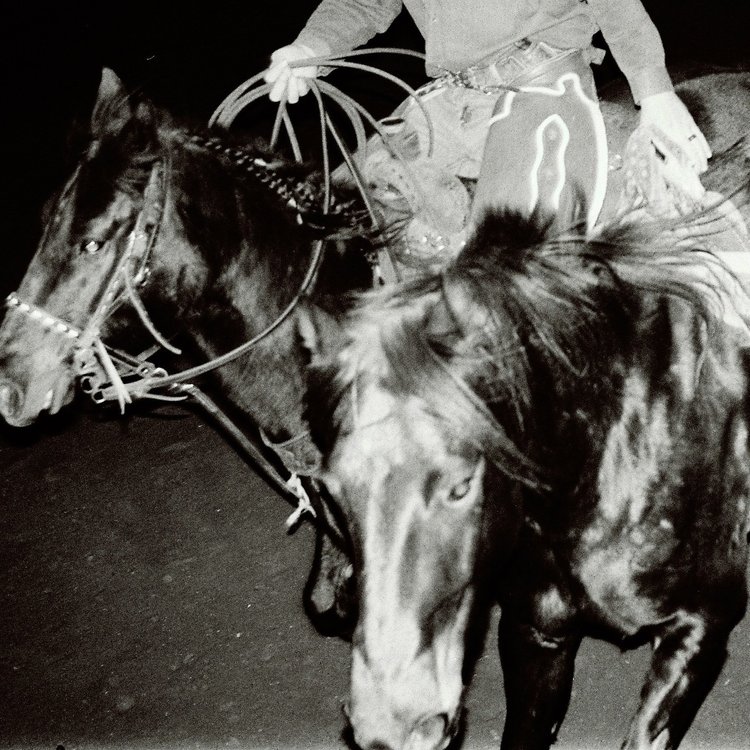
Holy Motors’ third studio album, “Heaven’s Night”, pairs the band’s signature Western dreamscapes with pop hooks and new-wave textures that mark new territory for the Estonian band. Notably, there is a new sweetness to the collection of songs on “Heaven’s Night”, which features characters who step away from the doomed sunsets and outback melancholy of 2020’s “Horse”. As the band puts it, their new sound is “sweet as dripping honey, sad like summer rain.”
The band will be announcing plans to support “Heaven’s Night” soon, so keep your eyes peeled.
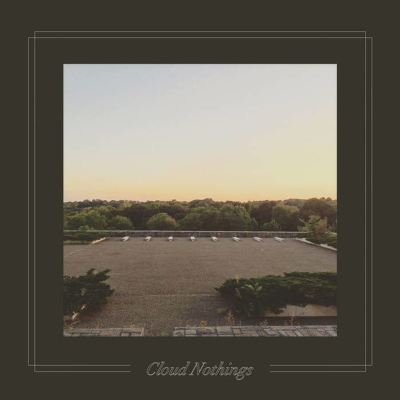
Cloud Nothings the American indie rock band from Cleveland, Ohio, founded by singer-songwriter Dylan Baldi. It currently consists of the lead singer and guitarist Dylan Baldi, drummer Jayson Gerycz, and bassist Chris Brown.
The band originally started in 2009 as a solo project, with Baldi recording both vocals and instrumentals in his parents’ basement, although he performed live with a full band. The band was signed to Washington, D.C.–based Carpark Records.
“Cloud Nothings” is “a fun, frenetic and crisp debut that is more resplendent than his lo-fi scuzz.” Under the Radar’s wrote “Baldi’s songs somehow manage to mix punk rock energy with pure pop tunefulness”. A hallmark of the band’s sound is its strong sense of melody and hooks. The band’s melodies are augmented by “layers of fuzz and propulsion”. Lyrical themes in the band usually include self-deprecation, adolecence, and regret. These are songs about growing up, hating life, and repeating the same mistakes. Isn’t that what pop punk is really about anyway?
Baldi had been so prolific in such a short time, cranking out several EPs and an album’s worth of music within a couple of years, that it’s easy to forget that this is his official debut album. These tracks are more polished than what came before, but only to a point; unlike some lo-fi bands who graduated to unrecognizably slick full-fledged albums, Baldi cleans up Cloud Nothings’ act only enough to get his songs across more clearly. There’s still an old-school, lo-fi vibe to Baldi’s music.
Like Male Bonding and Best Coast, Cloud Nothings excel at noisy rock that cloaks deceptively innocent, heartfelt melodies. Baldi is young enough to get away with lyrics as simple as “I don’t understand love/And I don’t understand at all,” while punk putdowns like “Not Important” still cast him as an outsider, even if he’s no longer in high school. Though the half-baked experiments that filled out Baldi’s EPs are missing this time around, quickies such as “Heartbeat” and “Rock” show that he still has room for off-the-cuff outbursts.
Baldi still goes in lots of different directions, from the pure power pop of “All the Time” to “You’re Not That Good atAnything”’ snarling garage punk to the surprisingly sweet and optimistic “Should Have.” Meanwhile, songs like “On the Radio” and “Nothing’s Wrong” serve up bouncy punk-pop without the machismo that style developed in the ‘90s and 2000s.
However, Baldi’s best songs have a thoughtful undercurrent that separate him from the noise pop pack, whether it’s “Forget You All the Time” heartbreak detritus, or “Been Through” empathy. The way he blazes through so many songs in such a short space is a little overwhelming
Two years later, after the success of their hook-heavy eponymous debut album, Cloud Nothings has released their Steve Albini produced being their breakthrough album “Attack on Memory“, released on Carpark in 2012. The band’s third album, Recorded with famed producer/engineer Steve Albini at Electrical Audio known for his awe-inspiring resume of being involved with nearly every great alternative album of the last 20 years. But there is a whole lot more at work over these 33 minutes that isn’t characterized by Albini’s signature sonic touch.
It was the first outing to feature the live line-up and the first album in 2012 to receive “Best New Music” status on Pitchfork. The grippingly explosive first track “No Future/No Past” starts the attack on the offensive. With a thesis of “Give up/Come to/No hope/We’re through” (the only lyrics of the song, save a chant of the title), “No Future/No Past” plays like a fight song for the negative voices in your head.
If you thought track one was heavy, just wait for “Wasted Days.” Clocking in at almost nine minutes and featuring a four-minute, boiling jam that would make King Crimson and The Wipers quite proud, “Wasted Days” is an early contender for song of the year. At this point in the record, you begin to notice the immense power and weight the new rhythm section adds to Baldi’s personal soothsaying. “I thought I would be more than this,” Baldi screams. Dude, how can you ask for more?
A shift of gears without losing any momentum showcases the versatility of Baldi’s songwriting. Killer, hooky pop gems like “Fall In” and “Stay Useless” use a bit more of the major scale, sure, but it’s important to note that the rhythm section still sounds as huge as it did on the earlier tracks, which is likely a combination of fantastic musicianship and Albini’s recording techniques.
It was ranked No. 22 on their Album of the Year list for 2012 by Rolling Stone’s selected Cloud Nothings as the “Band to Watch”. The band toured Europe, performed at the Fuji Rock Festival (Japan), Pitchfork Festival and made their debut television appearance on the Jimmy Fallon Show performing the single “Stay Useless”.
Their fourth album, “Here and Nowhere Else” was recorded with producer John Congleton was released in April 2014. A 10th anniversary edition of “Here and Nowhere Else” was released which included extra live tracks
“Here and Nowhere Else” is a heads-down set of songs. From its rolling beat to Baldi’s more relaxed vocals, “Now Hear In” sets the easier, more natural tone for the rest of the album. A few bravado moments remain, most notably “Pattern Walks,” which could be a kissing cousin to “Attack on Memory” with its seven-minute length, tangled guitars, and ecstatic keyboards. Still, the band spends more time crafting the kind of hooky yet angry insights that have made their best songs special since the beginning; the sweet harmonies carry just as much weight as the heavy guitar, drums, and bass on songs like “Quieter Today,” which could be the album’s manifesto.
John Congleton’s hissy production borders on lo-fi, which is used too often as a signifier for deeply felt emotions. It actually works here, forcing listeners to crank up the volume and lean in to Baldi’s screams. “Here and Nowhere Else” offers ample proof that Cloud Nothings aren’t too mature and considered to really let it rip on “Just See Fear” and “Giving Into Seeing,” both of which build to truly chaotic fury topped by Baldi’s raw-throated howling (however, drummer Jayson Gerycz is the band’s true MVP, driving the album’s dramatic dynamic shifts with ease). “Here andNowhere Else” closes with “I’m Not Part of Me,” which sings the praises of bridging those gulfs instead of burning bridges. It’s a hopeful, if not exactly happy, ending to an album about being in it for the long haul.
Cloud Nothings’ album their fifth album, “Life Without Sound” was released on January 2017. With the announcement came the release of the album’s first single, “Modern Act,” .Upon its release Uncut rates it 8/10 and praises it as “thrilling… Baldi successfully develops his own take on the merger of power pop and hardcore brawn…without sacrificing any of his irrepressible energy, or his enviable knack for hooks”.
On this album, Baldi and company sand off some of the rough edges that defined “Attack on Memory” and “Here and Nowhere Else“, and more often than not, it adds nuance to the tug of war between defiance and acceptance that drives their music. However, smoother sounds don’t always mean a smoother outlook, and “Life Without Sound” finds Baldi soundtracking his quarter-life crisis with songs that try to reconcile past with present, youth with growth, and grit with polish.
“Up to the Surface” begins the album with piano, an instrument that is often overused by rock bands to convey thoughtful maturity, but coupled with the track’s heavy drums and Baldi’s gravelly baritone when he sings “I knew peace in the terror of the mind,” Cloud Nothings actually do sound thoughtful and mature as they contemplate the moment when abandonment turns into letting go. Helping the band achieve this perspective is producer John Goodmanson, whose work with Death Cab for Cutie feels like a major influence.
“Modern Act,” the album’s glossiest moment, the chiming melodies that steered Baldi through his crises since “Turning On” also take the lead on “Internal World” and “Things Are Right with You,” where the chorus “Feelright/feel lighter” feels like a mantra. Cloud Nothings don’t forsake fiery outbursts entirely; “Darkened Rings” could have appeared on “Here and Nowhere Else“.
Still, songs like the darkly cathartic finale “Realize My Fate” and “Strange Year,” a tangle of recrimination and regret that boasts the album’s most throat-shredding vocals, aren’t quite as raw as they could have been, emphasizing how the band’s focus has shifted. By letting go of a little of their rage, Cloud Nothings let more light and shadow into “Life Without Sound” with promising results.
If “Attack on Memory” and “Here and Nowhere Else” built on ’90s grunge, then “Life Without Sound” could be seen as carrying on the tradition of neatened-up early-2000s indie,
This was followed by “Last Building Burning”, released on October 2018, A new song/video, “The Echo of the World,” Following its release Under the Radar rated the album 8/10, stating “…Cloud Nothings have never been better.” saying “Baldi and his conspirators have created something fantastic here – easily matching the scope and ambition of artists across the musical spectrum. They always seemed to be on the cusp of greatness, and “Last Building Burning” is their first step over that threshold. The album singled out the track “Leave Him Now” as Cloud Nothings at their best: direct, visceral, vulnerable. It hits in the gut and rings in the head, striking that golden ratio of ferocity and tunefulness that this band does best
“Last Burning Building” resembles an especially well-recorded live album in how well it captures the band’s dynamics. After a decade of screaming his lungs out, Dylan Baldi’s voice is a well-earned, well-worn rasp that Dunn doesn’t shy away from on pop-inclined songs like “Leave Him Now” and “Another Way of Life” or moodier tracks such as “In Shame” and “Offer an End.” It’s a sound that’s just as vital to Cloud Nothings‘ music as in-the-red guitars and frantic drumming, both of which are on full display starting with the blazing opener “On an Edge,” which is the closest they’ve come to matching the intensity of their hardcore influences.
Producer Dunn brings to the band’s sound is perfect for “The Echo of the World,” where climactic riffs elevate the song to towering proportions, while their mix of distortion and soul-searching has rarely sounded as effortless as it does on “So Right So Clean.” Likewise, “Last Burning Building’s” extra muscle helps the ten-minute centerpiece “Dissolution” keep listeners riveted from start to finish. Five albums in, Cloud Nothings version of maturing is to go harder and louder than ever — and they sound all the better for it.
The Bandcamp exclusive “The Black HoleUnderstands” on July 2020, and “The Shadow I Remember” on February 2021 about a month into quarantine, Dylan Baldi and Jayson Gerycz started sending files back and forth, with guitars, bass and vocals recorded in Philadelphia, “Despite being recorded in an era of unthinkable instability, it is the most assuredly melodic Cloud Nothings has sounded in years” and “Backed by gleaming harmonies, Cloud Nothings make the dulled ennui of everyday life sound like an escapist fantasy”.
During the COVID-19 global pandemic, Cloud Nothings went back to basics in ways that brought out the best in their music. Since shows were off the table and their recording sessions were constrained by social distancing and file sharing, 2020’s “The Black Hole Understands” and 2021’s “The Shadow I Remember” concentrated on the thoughtful lyrics and hooky tunes at the heart of the band’s music, and quickly became standouts within their body of work.
The band announced a new studio album in October 2020, “The Shadow I Remember”. The announcement was accompanied by a new single, “Am I Something.” again was produced by Steve Albini.
“The Shadow I Remember” sees Cloud Nothings reunite with celebrated producer Steve Albini of Electrical Audio almost a decade after they had previously collaborated on their album “Attack on Memory”. What resulted is a record that’s heartening, human, and sonically explosive, Raw and uncompromising, yet always harbouring a degree of melody, it’s the product of ten years of learning, and succeeds in deftly balancing subtle nuance with a sense of uncompromising aggression”
“The Shadow I Remember’s” compact, hooky outbursts are just as potent as the slow-burning epics on Cloud Nothings’ other albums. They’re so seasoned that they can shift from bouncy to crushing and back again in a blink on “The Spirit Of,” or whip through a dramatic buildup, blistering choruses, and a radiant coda in 90 seconds on “It’s Love.” Cloud Nothings are as searching as ever on “The Shadow I Remember”, and Baldi continues to ask the essential questions that he’s confronted bravely at every stage of his career. “Am I older now/Or just another age?,” he wonders on “Oslo,” although his yelp is evergreen; on “Am I Something,” his existential angst is even deeper when he howls “Does anybody living out there really need me?”
“The Shadow I Remember” is the quintessential Cloud Nothings album” and “perfectly encapsulates everything the band do so well, and hints at what might be to come from this great band.
“Final Summer” The band’s ninth album and first on Pure Noise Records was released on April 2024. “Final Summer’ is a masterclass in Indie Rock”. Pitchfork awarded the album a 7.5 and exclaimed “With spruced-up production highlighting new subtleties in their sound, yet never abandoning their melodic fundamentals, the Cleveland indie rockers’ latest radiates a renewed sense of purpose.” adding Cloud Nothings have never sounded so committed to going the distance.
Cloud Nothings is a band that has consistently delivered energetic and melodic indie rock. Their latest album, “Final Summer,” continues this trend and offers a refreshing blend of rock elements. Here are some key points about the album…Cloud Nothings’ musical style is characterized by hooky rock songs that blend inventiveness with accessibility. Their sound features energetic guitar riffs, driving beats, and layers of interlocking melodies. Over the years, Cloud Nothings have refined their sound while staying true to their rock roots. From their lo-fi beginnings, they’ve evolved into a tight unit with a knack for crafting dynamic and engaging indie rock compositions.
The regret Dylan Baldi conjures when he sings “I was on the edge of another life” over a half-swaggering, half-staggering rhythm on “Daggers of Light” feels bottomless. While “Final Summer” has its fair share of eloquent heartache, Baldi and company spend more time seeking out peace and contentment in a world that isn’t inclined to either of those things. In their hands, self-care is punk rock, whether it’s achieved by ending toxic relationships on the revved-up “Thank Me for Playing,” going for a head-clearing jog on “Running Through Campus,” or becoming shatterproof on the gloriously crunchy anthem-in-the-making “I’d Get Along” Cloud Nothings bolster this resilient mood with “Final Summer’s” sound, which is both heavier and smoother than their pandemic-era output.
The title track, “Final Summer,” sets the tone with atmospheric synths before erupting into energetic guitar riffs and driving beats. It encapsulates themes of seizing the moment and finding solace amidst life’s challenges. “I’d Get Along” is another standout track, featuring Dylan Baldi’s signature repetition and unique delivery. The explosive chorus delivers a cathartic release.
The band’s energy level never slackens throughout “Final Summer”, and the entirety of the record’s half-hour run time sounds massive, even at its most deceptively simple. But in moments like ‘I’d Get Along,’ a towering anthem in which Baldi wrings every last ounce of power from only two lines, Cloud Nothings reveal how much artistic growth they’ve undergone.
“The Golden Halo” packs a punch with relentless energy and infectious hooks, drawing listeners into its euphoric sonic landscape. Dylan Baldi’s lyrics possess a mantra-like quality, often exploring themes of perseverance and self-improvement. His delivery, characterized by repetition and unique phrasing, adds depth to the album’s overarching lyrical ideas. Overall, “Final Summer” is another high point in Cloud Nothings’ consistent output. It’s a joyous celebration of playing loud guitars and drums, and it’s clear that the band remains committed to their craft.
“Final Summer” is another strong album from a remarkably consistent band, but it’s the wisdom, maturity, and joy Cloud Nothings bring to it makes it an especially satisfying listen.
What Kind of Hell Did You Survive?
For more than 15 years, Cloud Nothings have remained one of the most vital and consistently evolving bands in modern guitar music, earning acclaim for their raw energy, sharp songwriting and explosive live shows while performing around the world at festivals including Coachella, Primavera Sound, Bonnaroo and Pitchfork Music Festival.
On “What Kind of Hell Did You Survive?”, the band pushes into heavier territory, deliberately stepping outside the indie-rock lane to make what they describe as their “heaviest, most intense record yet.” Recorded with Seth Manchester (Lightning Bolt, The Body, Battles), the album draws from the heavy rock the band has immersed itself in over the last several years, with influences including Queens of the Stone Age, Motörhead, Earth and Electric Wizard. Inspired lyrically by political metal and hardcore, the songs confront cruel governments, the importance of community and a broader frustration with the state of the world. “What Kind of Hell Did You Survive?” marks a new chapter for Cloud Nothings, expanding the urgency and energy that have defined the band while revealing a heavier, more confrontational side of their sound.
There is also a huge collection of live recordings on their Bandcamp website bootleg series
The Welsh rock band Man, also known as The Manband, has a rich discography that spans from their formation in 1968 to their current activities. Here are some of their notable albums: The group were formed in November 1968 by Micky Jones (guitar and vocals), Deke Leonard (guitar and vocals), Clive John (guitar, keyboards and vocals), Ray Williams (bass guitar) and Jeff Jones (drums), in Merthyr Tydfil, out of previous local band the Bystanders. They were active through to 1976 with an ever-changing personnel, the last line-up consisting of Jones and Leonard with John McKenzie (bass), Terry Williams (drums) and Phil Ryan (keyboards). Amongst others, Martin Ace (guitar and bass) had a significant spell with group.
Man’s style combined elements of psychedelia, space rock and progressive music, With their debut album, “Revelation”, Man positioned themselves between the space prog of Nektar and the acid rock of Quicksilver Messenger Service”. Man were one of the most promising rock bands to come out of Wales in the early ’70s, they helped establish the core of the pub rock sound, but they played louder and also had a progressive component to their work that separated them from many of their rivals.
Member Martin Ace has denied that Man are a pub rock band, saying, “We ended up playing in pubs, but it would be completely false to lump us in with that scene. Terry Williams, a former member of Man went on to join Rockpile, who were the definitive pub rock band, but we sounded nothing like them. The BBC called Man a progressive rock band and “psych-prog titans”. Classic Rock magazine called Man a jam band. Frank Zappa was an admirer of Man’s music, and once described Man guitarist Micky Jones as “one of the 10 best guitarists in the world”
Their musical style is rock encompassing elements of psychedelia and progressive, and they are noted for their extended live improvisations.
Man were initially signed to Pye Records, for which they recorded their first two albums with John Schroeder producing: “Revelation” (January 1969), noted for the simulated orgasm on “Erotica”, which received a UK ban, A blast from Man’s psychedelic past, this debut shows the band making an auspicious debut with Hammond-drenched guitar rock. It’s easy to see, between the spacy effects and unearthly vocal choruses of their single “Sudden Life,” how Man positioned themselves between the space prog of Nektar and the acid-fried rock of Quicksilver Messenger Service.
When “The Future Hides Its Face” melds Apollo mission control transmissions with jamming, it’s certainly evocative of time both musically and historically. “And Castles Rise in Children’s Eyes” takes a more measured and orchestral approach, while the wonderful “Don’t Just Stand There” is the great should-be single of the album, careening as it does between spiraling organ solos and sunny choruses of harmonica and Dylanesque vocals. Not every experiment works on this album, but when Man get it right, they get it very right.
Next came “2 Ozs of Plastic with a Hole in the Middle2 (September 1969). While mixing the second album, Leonard left and was replaced by Martin Ace from Leonard’s previous band. Martin joined the Manband in 1969 as a replacement for Deke Leonard who was returning to Wales to support his ailing wife Fran.
This release sees Man rely less on the Hammond and harmonized vocals, and more on hard-driven guitar. Its compositional ambitions are perhaps a bit greater — it opens with “Prelude” and “The Storm,” an extended jam that became ever longer and even more free form over the years as a concert favourite. “It Is as It Must Be” circles around the monster groove of a two-chord guitar vamp, while “Spunk Rock” struts over a jagged floor of overdriven guitar and yelped vocals. If nothing else, both the song and the album can be said to live up to their names.
Martin simply took over Deke’s guitar parts and vocals and the group carried on much the same as before. An intensive touring schedule around mainland Europe was still being pursued thanks to manager Barrie Marshall’s policy of keeping them busy abroad while trying to extricate them from the clutches of the clueless Pye records.
When Deke rejoined in March 1970 Martin stayed on. Deke explains; “Martin, freed from the strictures of a set instrument, did what the hell he liked. Sometimes he would pick up a guitar and whip off a solo, sometimes he would play percussion, and sometimes he would perform a tightrope walk along the top of the balustrade that ran around the stage. At this time, Man were recording three demo sessions a week for Leeds Music, including “Down the Dustpipe”, which was loaned out to Status Quo
The band obtained a new record contract with Andrew Lauder of United Artists Records, for whom the band recorded the album “Man” (March 1971), which received mixed reviews. From the first UA album “Man”, the song ‘Country Girl’ came with him and Deke from The Dream.
This album has long been mistaken as a debut effort. However, prior to this title, they had already released a pair of LPs, By the time of this platter, Clive John (organ/piano/electric guitar/harpsichord/vocals), Deke Leonard (guitar/vocals), Martin Ace (acoustic guitar/bass guitar/vocals), Terry Williams (percussion/drums), Roger Leonard (acoustic guitar/piano/electric guitar/steel guitar/vocals), and Micky Jones (acoustic guitar/electric guitar/vocals) had settled into what most enthusiasts consider to be a seminal aggregate.
In addition to their exceptional improvisational skills, Man would display a more aggressive sound. The opening track, “Romain,” instantly gels into driving blues behind Leonard’s woozy steel guitar interjections. ‘Romain’ was written in two parts; the lyrics tell the story of Martin’s unhappy meeting with Belgian police officer Romain Bracx; the music first appeared as ‘First Song Rock And Roll’ with different lyrics, and was written back in the last days of Plum Crazy.
“Country Girl” is reminiscent with a distinct West Coast county-rock lilt. Both of the extended pieces, “Would the Christians Wait Five Minutes?…The Lions Are Having a Draw” and “Alchemist” are pastiches of well-developed instrumentals, although at times they come off as somewhat dated. There is plenty of inspired interaction, however, especially on the latter song as they unleash some definitive heavy metal licks that could easily be mistaken for seminal Sabbath.
“Daughter of the Fireplace” is another highlight as a compact and attitude-heavy rocker. [Interested parties should note that Repertoire’s CD reissue of “Man” (2003) augments the original five cuts with the 45 rpm edits/mixes of “Daughter of the Fireplace” — which has been amended from five-minutes-and-19-seconds to just under three minutes — and “Country Girl [Single Version].”
The next album, “Do You Like It Here Now, Are You Settling In?” (November 1971), recorded at Rockfield Studios by Kingsley Ward, received good reviews, and the band appeared on German TV and in Iceland with Badfinger.
Long a fan favorite, Man’s fourth studio album was recorded in 1971 during a harried one-week studio session that found the group having to write nearly the entire album, barring the tight and rocking “Angel Easy” and the group’s multi-part masterwork “Many Are Called but Few Get Up.” the fractured multi-layered masterpiece of which features Martin’s lyrics.
The album sounds like a record that was largely jammed in the studio; the eight-minute-plus jams that close each side, “We’re Only Children” and “Love Your Life,” are particularly tiresome, good instrumental and lyrical ideas stretched well past their breaking points.
However, besides the superior “Angel Easy” and “Many Are Called but Few Get Up,” the album does include the rather wonderful “All Good Clean Fun,” a showcase for pianist Clive John and lead guitarist Deke Leonard that has a delightful prog pop playfulness. The album may be only half good, but that half is among Man’s very best work.
“Do You Like It Here Now” also featues ‘Manillo’ Once the record was released in November the gig sheet took a surprising turn. Extensive dates in Europe, peppered with occasional dates in the UK, were suddenly reversed in December 1971, when at last the entire month was spent in Britain. it was the start of major UK exposure for them, and the beginnings of cult stardom. The Manband had been promoted to league division two and were on their way up.
Constant touring was creating internal pressures and, in January 1972, the keyboard player Clive John left the band to form Iowerth Pritchard and the Neutrons with Phil Ryan and Will Youatt.
Although no studio albums were recorded as a four piece the group were captured in this guise on two limited edition live albums, both of which showed that they had no intentions of slowing down.The new four-piece supported Hawkwind and Brinsley Schwarz at a charity gig at The Roundhouse in February 1972, recorded and issued as the “Greasy Truckers Party” (with other artists, April 1972), it was a limited-edition double album which rapidly became a collector’s item.
Andrew Lauder, persuaded them to follow this with a live album. “Live at the Padget Rooms, Penarth” was recorded on April 1972.
This new band line-up recorded the first of Man’s three Peel Sessions the first on 29th August 1972, (the others being on 18th September 1973 and 31st October 1974).
Man then recorded “Be Good to Yourself at Least Once a Day” (November 1972), The introduction of Ryan and Youatt brought what Will described as a “more magical, lighter feel” to Man. The new songs were classics and the album that this line-up produced, the eccentrically titled ‘Be Good To Yourself At Least Once A Day’ remains a highpoint of the group’s career.
The only Man album recorded without Deke Leonard is something of a curiosity, a view of the band without the frontman who wrote most of their material. As might be expected, the vocals on this album are less accomplished and further back in the mix, but that is actually an asset in this case. Lacking their lead singer, Man proceeded to assemble their best instrumental set ever, and then to add sparing vocals more for texture than communication. The group interplay here is remarkable, with musical themes and ideas tossed from instrument to instrument with considerable creativity. The side with “C’mon” and “Keep on Crinting” is one long and intricate jam, and unlike most progressive marathons from the period, one doesn’t wish for it to end even a second earlier than it does.
The first cut on the next side, “Bananas,” became a concert favourite for obvious reasons: it consists of four lines of silly poetry followed by nine minutes of inspired playing, then a repetition of the four lines of poetry. Tracks like that might almost be taken as a sneer at the idea that this band needed a singer at all, though the relationship with Deke Leonard was obviously cordial.
After all, he contributed a “family jungle” of the band to the liner notes and was back for their next album. [Note: Fans of album art will cherish the LP version of this release, which featured an origami cover that folds out into a two-foot square map of Wales with humorous illustrations. Original releases in good shape are collector’s items,
A party on 19th December 1972, with Dave Edmunds, Help Yourself, The Flying Aces and others, was issued as Christmas at the Patti (July 1973), A magnificent rendering of Man’s 1972 Christmas party staged at Swansea’s Patti Pavilion, “Christmas at the Patti” was released as a limited-edition budget-priced double-10″ vinyl package, its gatefold packed with party pics and its grooves bristling with some remarkable music. No simple Man gig this — no less than the mighty underground gatherings convened at such legendary London holes as Dingwalls and the Roundhouse, “Christmas at the Patti” was to be a celebration of southern Welsh rock in as many guises as they could fit in.
But, whereas the result is usually filed alongside those other live remembrances of early-’70s British rock GlastonburyFayre and Greasy Truckers, the reality is far more cohesive and, ultimately, far more enjoyable. The Jets and PlumCrazy, long dead heroes of the local scene, both re-formed for the evening, turning in singalong sets as joyous and relaxed as any music their main members went on to create — Man men Deke Leonard and Martin Ace were members of the Jets, but you’ve probably never heard them play “Jambalaya” before; the great Dave Edmunds guests with Plum Crazy, and lets rip with a signature slam through “Run, Run, Rudolph.”.
Help Yourself, longtime friends of the headliners, also boast a couple of guests — Leonard again plus pedal steel whiz B.J. Cole. Two lengthy tracks, a hypnotic “Mona” and their own marathon “Eddie Waring,” are preserved here, and bear gripping testament to the band’s own magnificent powers of improvisation, too seldom heard on its regular albums but looming larger than life in concert.
Ducks Deluxe, newcomers to the scene in 1972, make their recorded debut by turning in a growling “Boogaloo Babe,” while another previously unheard band, Martin Ace’s the Flying Aces, are introduced via their first ever show; they open the album with the absolutely fitting “Welcome to the Party,” although at the show itself the Flying Aces were the next-to-last band of the evening — the last, of course, being Man itself. Joined by vocalist Stan Phifer and a returning Dave Edmunds, the group turns in just two songs, “Life on the Road” and “Shuffle,” but both rank high in any pantheon of all-time great Man performances.
“Live at the Padget Rooms, Penarth” ranks among the all-time greatest Man concert recordings, the sound of the band at the peak of its game in 1972. The recording’s genesis lay in Man’s contributions to the Greasy Truckers benefit album, recorded and released a little earlier in the year.
Though Man was granted little more than one side of vinyl, the marathon (22-minute) version of “Spunk Rock” that ensued has since been described by Deke Leonard as one of the best things the band ever released — and that despite the vinyl version fading in some ten minutes into the actual performance!
For this latest release, there would be no such shortcomings. With a raw sound that seems to spill straight out of the amps, just three songs devour the album, including a remarkable rendition of the so evocative “Daughter of the Fireplace” and a positively yowling take on “Many Are Called, But Few Are Raised,” a live staple that had long since outgrown its studio incarnation. “H Samuel,” titled for a once-thriving chain of British jewelry stores, completes the set with further dynamic improvisation, leaving the album hovering closer to the brink of a massive stoner rock-jazz fusion hybrid than any other Man album ever dared to go.
One needed to move astonishingly quickly to hear this remarkable treasure, however. As with the Greasy Truckers and “Christmas at the Patti” albums,”Live at the Padget Rooms, Penarth” was a budget-priced limited edition of just 8,000 copies and, though it entered the mid-priced LP chart at number one, the album then disappeared completely seven days later. It would be another three decades before it returned to the stores.
On 24 June 1973 they recorded the live half of this double album at Man’s spiritual London home, The Roundhouse, backed by the Gwalia Male Choir, who had previously sung with Man at The Oval, when they supported Frank Zappa. The album initially sold well and again, this was tipped to be the album that would make the band, but pressing was restricted by a lack of plastic during the oil crisis.
The four-piece started to record “Back into the Future” (September 1973), but felt the need for a second guitarist, so Alan “Tweke” Lewis joined from Wild Turkey.Man carried on for three months as a four piece before recruiting the 19 year old Tweke was a fan long before he became the guitar player and in 1991 had fond memories of his brief part in the story; “…they were called upon by the audiences who expected to be taken further and further by this musical machine all the time.
The band’s tight performance and increasingly ambitious musical experimentation made “Back into the Future” the first Man album to chart in the U.K.; when it hit number 23, it was to be the band’s high-water mark. Despite the band’s live reputation, the studio album probably holds greater interest for listeners today. The title track is a lyrical evocation of the album’s charming cover art a staged before-and-after shot of a railway station in its Edwardian prime, and then in modern decrepitude.
The song’s wistful glance at the past blurs with dabs of modern psychedelia, and it conveys the post-Sgt. Pepper’s fascination of British rockers with the costumed grandeur of Empire past. But it is “Ain’t Their Fight,” with its echoing vocals and windmilling guitar riffs, that stands out as one of the band’s most satisfying tracks.
Most of the rest of the album is comprised of lengthy instrumentals, but the opening “Never Say Nups to Nepalese” is worth noting for its gloriously crashing crescendo, cheerfully lifted from Pink Floyd’s “Echoes.” And while the live set uses a male choir to haunting effect in the slow psychedelic jam of “C’mon,” it’s more typified by the indulgent 21-minute boogie marathon of “Jam Jelly Up Tight.” Nonetheless, the album stands up as a fine artifact of the band’s heyday.
The next album, “Rhinos, Winos and Lunatics” (May 1974), was produced by Roy Thomas Baker, noted for his work with Queen.
An excellent set of material energized by the return of the pleasingly abrasive vocals of Deke Leonard; it charted nearly as well as “Back Into the Future”, and its tighter composition means that in many ways it’s held up better over the years.
The second half may be the band’s artistic high point — bookended by the pomp-wah instrumentals, “Intro” and “Exit,” it contains the unusually sultry “Kerosene” and the epic “Scotch Corner,” which builds up from rattling snare and picked guitar verses to beautiful choruses of harmonized vocals.
The next album, “Slow Motion” (October 1974). Before the album was released, the band toured the UK (again with Badfinger) The returned to the US in March 1975, to promote the album Additional dates were arranged, but most were cancelled when Micky Jones developed pneumonia, so the final gigs were at the San Francisco Winterland. These were a great success, and the promoter Bill Graham paid them a bonus, and rebooked them, but Whaley had had enough and left Ace flew out as a stand in and the band met and rehearsed with John Cipollina of Quicksilver Messenger Service, who played with them at Winterland and agreed to play a UK tour.
This is a less successful follow-up to “Rhinos, Winos and Lunatics“, with almost the same personnel. While this album has the same California-via-Wales guitar twang and spit as its predecessor, evidenced by the laconically witty “You Don’t Like Us,” it somehow lacks ambition. Perhaps it’s the absence of keyboardist Malcolm Morley. The pensive “Grasshopper” rises to the occasion, though, with a percussive piano part and weeping strings overlaid by gentle strummed guitar.
The obligatory album, ‘Slow Motion’ was rehearsed and recorded during the summer, sessions being shoe-horned into a busy tour schedule. Recording at Rockfield was frequently diverted by the antics of Foghat, who had achieved some success in America, but who were ignored in their native Britain. Deke’s comic description of events in his ‘Rhinos, Winos and Lunatics’ book may serve as some retribution.
On this tour, the Roundhouse gig was recorded for commercial release and, although Buckley and Ellingham said that it is rumoured that Micky Jones had to over-dub Cipollina’s guitar, it was only the track “Bananas” on which his playing was replaced: “Everything on Maximum Darkness which sounds like Cipollina is Cipollina”, per Deke Leonard.
Originally released in 1975, “Maximum Darkness” was the final album by Welsh Rock legends for United ArtistsRecords. Recorded live in 1975 at the Roundhouse as part of a UK tour, Man were at the top of their game on stage. For this concert they were joined by John Cippolina from San Francisco’s legendary Quicksilver Messenger Service. A triumphant concert, the album has since become legendary.
An appearance on the BBC music programme ‘The Old Grey Whistle Test’ in January 1975 proved difficult, the second in a set of two songs, ‘Many Are Called But Few Get Up’, had to be re-recorded as the band weren’t happy with the first take. It was the last time they appeared on BBC TV.
They then recorded “The Welsh Connection” (March 1976) This was to be Man’s last studio album for two decades, and with its weak sales (it failed to chart) and underpowered material it’s easy to see why the band called it quits for the time being. There’s some irony, then, in the closing track being “Born with a Future.” It’s a good final bow, though, as it’s well harmonized and ultimately one of the best cuts on the album.
Perhaps this releases’s most nagging overall problem is the mix — Phil Ryan’s keyboards are high up, while Deke Leonard’s bracing guitar parts are less evident than usual. Although this isn’t always a liability — the lengthy title track lazily wends its way through some pleasant Moog solos and electric piano flourishes — the grittiness of the band’s sound is largely squandered here.
The MCA record deal, however, was for three albums, but nobody was willing to contribute new material, and their attempts at covers were poor, so MCA eventually agreed to a live farewell album. “All’s Well That Ends Well” (November 1977) was recorded at the Roundhouse on 11th–13th December,
The very definition of the contractual obligation album, “All’s Well That Ends Well” is a live record recorded at London’s Roundhouse less than a week before Man’s split in 1976 and released in place of the album that was supposed to come from the fractious and ultimately unproductive studio sessions that had led to the band’s dissolution. Nearly half the songs come from the recent Welsh Connection album, the others being mainstays of the live act like a rubbery, almost disco-tinged version of the standard “Spunk Rock.” The one new song, the opening “Let the Good Times Roll,” is actually quite good, a bluesy pub rocker featuring some swell organ work by Phil Ryan and a typically excellent performance by drummer Terry Williams, but the rest of the album, particularly the three tracks from the rather subpar “Welsh Connection“, is rather dispirited and dull. Man would eventually reunite in various permutations of the classic lineup, but to coin another cliché, “All’s Well That Ends Well” proves only that all good things must come to an end.
Man’s first studio recording in over 15 years, 1992’s “Twang Dynasty” finds Deke Leonard and an only slightly rejiggered group (drummer Terry Williams is absent) largely picking up where their late-’70s albums left off, bridging the gap between rollicking pub rock and twiddly prog with not-always-successful results.
Most of the album leans rather toward the latter side of the equation; although songs like the opening guitar workout “AFeather on the Scales of Justice” have memorable riffs and catchy tunes to their credit, they could have stood to be trimmed by a minute or two. Indeed, as was often the case in the early CD age, the whole album could easily have been trimmed by 20 minutes, losing perhaps the overlong three-chord jam “Mad on Her” and the inscrutable blues “Chinese Cut” and trimming songs like the crystalline “Price” by half of its six-minute length to emphasize its clever pop-song gleam. Still, “Twang Dynasty” is a more credible comeback attempt than many of Man’s ’70s contemporaries made.
The first studio album to be issued, “The Twang Dynasty”, was issued in 1992 and included the track “Fast and Dangerous”, Their performance at 1994’s Glastonbury Festival was issued as Live 1994 – Official Bootleg (and reissued as Live Official Bootleg), and in 1995 they recorded “Call Down the Moon” (May 1995) issued on the Hypertension label,
The band reformed in 1983, with a line-up of Micky Jones and Deke Leonard on guitars, Martin Ace on bass and John “Pugwash” Weathers (formerly of Gentle Giant) on drums. This line-up was to stay constant until 1996,
Man’s first American release in 20 years, “Call Down the Moon” arrived in 1995, the successor to 1992’s brilliant “Twang Dynasty“, and a worthy one at that. Almost half the album tracks find the band approaching the nine- or ten-minute barrier that, in the past, was always the hallmark of Man at their most magical, while the song titles positively ooze the old spirit as well — “Burn My Working Clothes,” “The Girl Is Trouble,” “Call Down the Moon” itself. Indeed, that latter cut might well have crept out of any past incarnation of the band you could dream of; it’s a gliding slice of anti-gravity that lifts the album into the atmospheres that Man have always been capable of reaching, but so rarely actually get to. considering it was a brand new album by a much beloved band, the package screams “cheap cash-in” so loudly that even loyal fans initially gave it a wide berth.
The group reformed in 1983 with Jones, Leonard and Ace being joined by new drummer John Weathers. The band remains active, with Ace being the only ever-present member after further personnel changes. They released a further eight studio albums.
The essential new albums,
Back into the Future: This album reached No. 23 on the UK charts. 1
Rhinos, Winos and Lunatics: Another UK charting album, reaching No. 24. 1
Maximum Darkness: A live album that also charted, reaching No. 25. 1
Do You Like It Here Now, Are You Settling In?: This album is a retrospective compilation of previously unissued archive tapes. 1
Anachronism Tango: The latest album released by the band, accompanied by a limited edition CD EP ‘Mojo Train’. 1 The band’s music is characterized by its rock style, incor
porating elements of psychedelia and progressive rock, and they are known for their extended live improvisations. Despite changes in personnel, the band has maintained its presence in the music scene and continues to release new music. 2 For a complete list of their albums and more detailed information, fans can visit the Manband Archive or check out their discography on platforms like Discogs.
It all starts with The Wran: hailing from the mountains of County Waterford, the four brothers of The Wran are yanking Irish trad-folk to a new frontier.
With psychedelia, punk, and storytelling at the heart of all they do, they’re a captivating presence in the new wave of Irish music that’s building momentum from all directions. Your expedition into this exciting new world starts with The Wran.
Filmed on a hike to ‘The Stone Man’ standing stone in Bearna na Madra, Comeragh Mountains. Huge thanks to all our family and friends who joined us on the day.
HMLTD have posted the video for the title-track of their new album “The Worm”, directed by frontman Henry Spychalski.
“The video for The Worm shows the final stand of the resistance,” Spychalski said. “We shot the video in an abandoned, desecrated church in London’s East End to emphasise the spiritual nature of the song and its themes of struggle and salvation.”
It was inspired by the films of the polish auteur Andrzej Żuławski, and in particular his unfinished masterpiece ‘On The Silver Globe’. The chorus of extras which make up the congregation are all fans of ours who answered a general callout on Instagram, without whom the video would not have been possible – so our eternal gratitude to them here cannot be overstated.
Hark! A tale of yore that befalleth our fair England and the brave Grunter rebels who didst fight to save it! A most foul Worm didst wake and ascend from the bowels of our Earth once disturbed, threatening to swallow the land whole. But lo! The Grunters didst rise to the challenge, and with courage and wit, they didst attempt to carry their great duty to fulfil their destiny! Herein lieth the tale of the Grunter rebels and the laidly Worm, a tale that shall be remembered for evermore!
“In the video, I wanted to show man’s inner demons physically manifested as real, living, breathing entities – the Worm within man.”
Art punks HMLTD return this week and it has to be said, it is a ludicrously impressive outing with “The Worm”. It was created over the last two years with a cast of fifty musicians to include a 16-piece string orchestra and a gospel choir. The audacity of this album really is something to behold as it moves through themes, styles and textures. We’ve been enjoying diving into this one.
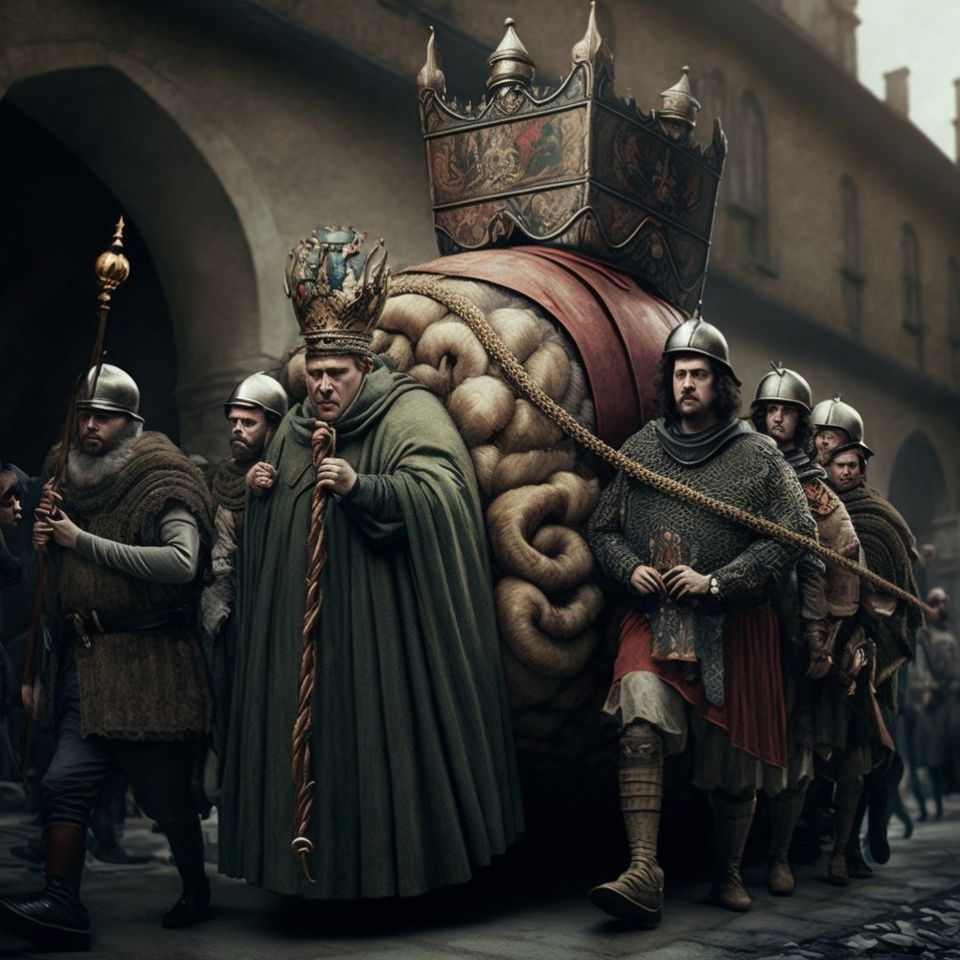
A cast of 47 musicians including a gospel choir and 16-piece orchestra came together to work on this wildly ambitious second album from HMLTD. It took over two years to put together and is not so much a concept album as a fully realised musical universe that crosses all genre and medium boundaries. It is set in a version of Medieval England steeped in sci-fi fantasy and is part a political polemic and part a moving and psychological journey. Frontman HenrySpychalski draws on his own struggles to tell a modern tale about the impotence of people feel stuck inside system of power.
Capturing one of the most acclaimed bands of recent times in their natural habitat, Warpaint release a new live collection, “Artifact”.
Emily Kokal, Theresa Wayman, Jennylee Lindberg and Stella Mozgawa’s first full record since their 2022 album “Radiate Like This”, and following on from standalone single “Common Blue”, which marked the group’s return to original label Rough Trade Records, the 16-track album brings together some of Warpaint’s greatest and most distinctive live recordings and boasts a host of fan favourite songs captured across several special performances.
Recorded both in the wake of “Radiate Like This” release and at gigs marking both the 15th anniversary of the band’s debut EP “Exquisite Corpse” and during shows celebrating their 20th year as a group, the live recordings captured not just the uniqueness of these occasions but also goosebump-inducing atmospheres and heart-swelling emotions that are conjured up whenever Warpaint take to the stage.
“Between 2022 and 2024 we released our most recent album, “Radiate Like This“, celebrated the 15th anniversary of our debut EP, “Exquisite Corpse“, and also our 20th year as a band. We played a handful of shows for each of those occasions, and luckily we documented a few of the performances,” the band say of “Artifact’s” germination, which brings together some of their most beloved and cherished songs, including “Undertow”,” Love Is To Die”, “So Good” and more, all recorded in front of audiences in Houston, London, Porto, Dallas, Phoenix, Brussels, Amsterdam, Los Angeles and New York City. This perspective across several gigs and years has created a unique document that showcases Warpaint at their freest and most affecting best.
“Listening back, we’re very proud of the music we’ve created together, the connection between us and that there are people who enjoy our music and come to see us,” the band add. “This collection is a snapshot of the sound and energy of our shows and an experience that we’ve felt so lucky to share.”
“Artifact” 2LP set from Warpaint released through Rough Trade Records
Whatever might come certain career artists will stand by you when the time comes, late-1970s Tom Petty for instance which is my way of leading into sharing some quite important news directly from the Tom Petty Estate.
And that news is this: In celebration of Tom Petty and The Heartbreakers’ 50th anniversary, a comprehensive new 5LP/1DVD/1BD box set titled “Origins 1971-1978″ is scheduled to come out on November 6th, 2026, via UMe (in addition to some other related incarnations I’ll get to in a bit).
The massive “Origins 1971-1978” collection has culled 27 previously unheard of-era tracks from Petty’s extensive vaults in order to chronicle the band’s “sonic formation” (those are their words, which I wholeheartedly agree with) in a most formative 1970s-period that leads directly into their emergence as an American rock powerhouse. The 51 tracks on “Origins” inclusive show Tom Petty &The Hertbreakers’ collective dexterity in creating music across a number of genres such as country, folk, punk, reggae, rock, and soul.
Each cut on the five 180gm LPs included in Origins 1971-1978 has been newly mixed and remastered from the original multitrack tapes—including those on the 50th-anniversary editions of the band’s first two albums that appear on LP2 and LP3, respectively—by longtime Tom Petty producer, engineer, and confidante Ryan Ulyate.
“Origins 1971-1978” will be made available in three configurations the 5LP/1DVD/1BD box set b) a 4CD box set and c) an uber-deluxe edition.
The centrepiece of the expanded vinyl editions is an 88-page fanzine featuring liner notes by David Fricke and BudScoppa, track-by-track annotations from the original bandmembers, complete album credits for the above-noted first two albums, and a trove of unearthed archival photos and memorabilia alongside Polaroids, postcards, collectibles and more.
At the core of the “Origins” collection is LP1, which is subtitled “No Sleep Til L.A.”. More than a rarities compilation, “No Sleep” is a 12-track document of Tom Petty becoming Tom Petty—tracing the years between the earliest recordings of Mudcrutch and the subsequent formation of The Heartbreakers, as Tom searched for (again, in their words, which I wholly endorse), “the right players, the right sound, and ultimately the right band.”
To get a taste of what to expect, check out the following official YouTube clip for the first track on Side 1 of “No Sleep“, the quite intriguingly (and rightly) named “Parade of Loons.” (You may even recognize some of the Hollywood faces that appear in this clip.)
“No Sleep” follows the band’s journey from their first-ever studio session at Criteria Studios in Miami in 1971 through the formative sessions held in Tulsa, Oklahoma, wherein Petty and guitarist Mike Campbell, keyboardist Benmont Tench, drummer Stan Lynch, and bassist Ron Blair all learned to make records together—which ultimately led to them cutting tracks in Los Angeles, where everything finally clicked into place.
Seven of the 12 cuts on “No Sleep” have never been released before, and the other five have been newly mixed. As someone who was able to track down a vintage white-label Mudcrutch 45 for “Depot Street” b/w “Wild Eyes” without breaking the bank, I’m quite happy to get both of those tracks available in better-mixed incarnations on longform vinyl.
Origins 1971–1978 also includes metallic limited-edition versions of Tom Petty and The Heartbreakers’ aforementioned November 1976 self-titled debut album (LP2) and its May 1978 follow-up, “You’re Gonna Get It! (LP3). On those two LPs, you’ll get extended versions of eleven tracks, including “American Girl” (LP2, Side 2, Track 5), “Breakdown” (LP2, Side 1, Track 2), and “Restless” (LP3, Side 2, Track 4).
LP4, subtitled Live From the Record Plant 1977, features a highly sought-after, fan-favorite broadcast, now released in its entirety for the first time (officially, that is). Recorded for San Francisco’s KSAN-FM at the Record Plant in Sausalito, California, this 14-track recording captures the band’s intense energy already readily apparent during their early period, and it includes a guest appearance by Al Kooper on electric piano on “Fooled Again (I Don’t Like It)” (LP4, Side 1, Track 7).
I can also tell you that the Record Plant version of “Luna” (LP4, Side 1, Track 8), originally found on the S/T debut LP, features a tasty organ intro provided by Tom Petty himself.
LP5, subtitled “The Cut Out Bin”, continues the exploratory spirit of No Sleep, gathering five tracks that show Petty working as a solo artist alongside session musicians—including a (yes, in their words!) “yacht rock track” with LeonRussell—before ultimately concluding that The Heartbreakers were the right vehicle for his songs.
“The Cut Out” songs like “Save Me” (LP5, Side 1, Track 1) could have just as easily been released at the tail end of the 1980s as solo Petty tracks and no one would have batted an eye, or necessarily picked up on them having been recorded in the prior decade. I’d say a somewhat similar thing about the 1974 version of “Making Some Noise” (LP5, Side 1, Track 2), which shows the building blocks of a track that later appeared in a quite raucous form near the end of Side 2 of July 1991’s “Into the Great Wide Open“, albeit then sans the “g” in the song title’s first word. All five “Cut Out cuts appear on the first side of LP5, so I’m awaiting a confirm about what appears on Side 2—perhaps a cut-out etching of some kind? .
The box set closes with the full video of the band’s 1978 UK performance on the classic BBC show “The Old Grey Whistle Test” on the DVD, while the BD features the complete collection of all 51 “Origins” songs in high-rez stereo, 5.1, and Atmos mixes, all courtesy Ryan Ulyate. when it comes to Tom Petty and The Heartbreakers’ “Origins 1971-1978”, you’re gonna get it—and you’re no doubt gonna love it.