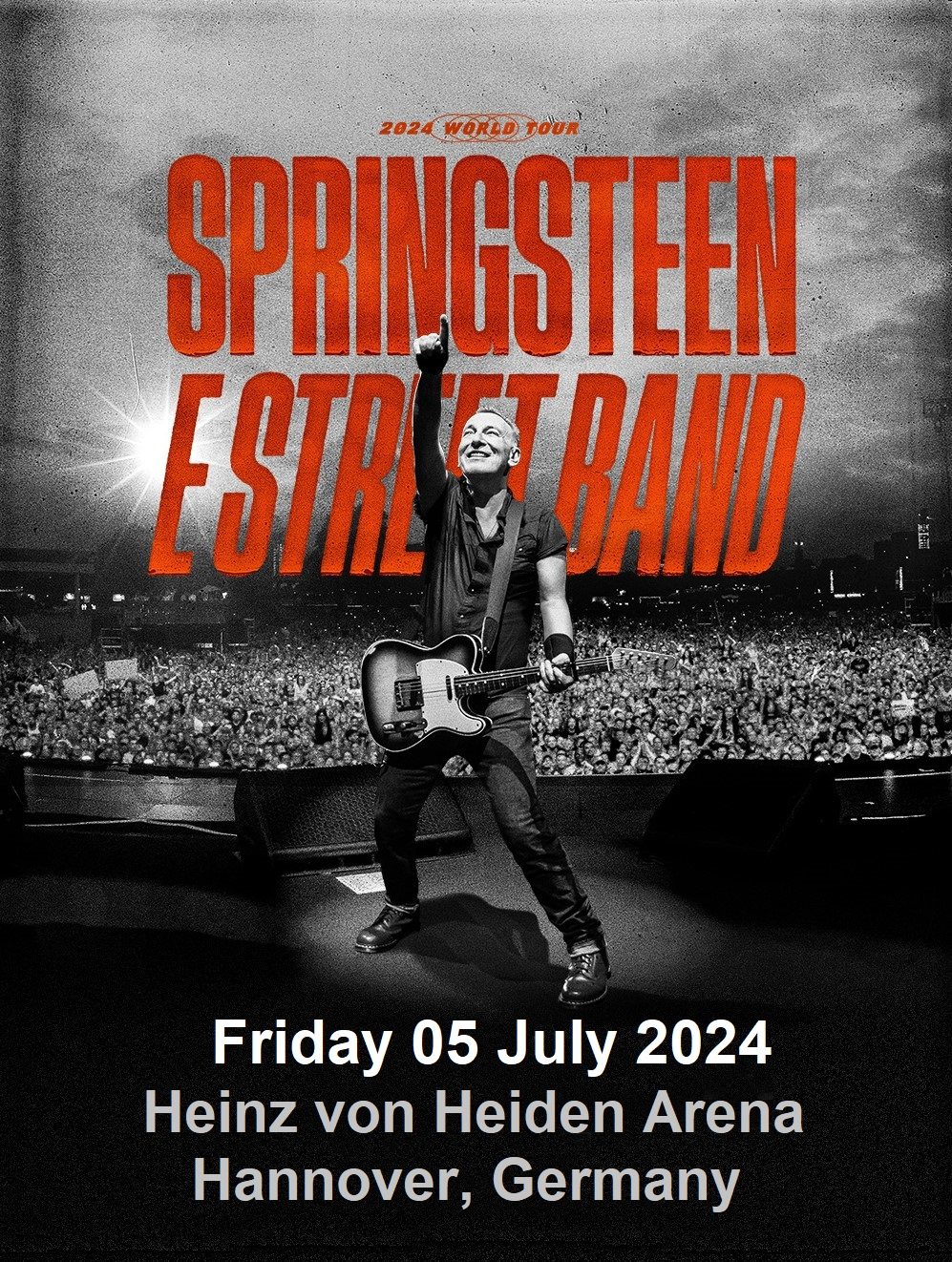
“Hanover, are you ready?” This is how Bruce Springsteen greeted the audience in the Heinz von HeidenArena in Hanover on Friday evening (July 5th). At 7:45 p.m., the eyes of almost 45,000 Springsteen fans in the stadium in Hanover were on the “Boss”. He was to play 30 songs from his 50-year career with his E Street Band over the next three hours.
For the really big hits like “Born In The USA” and “Dancing In The Dark”, the people who had travelled from all over Germany had to wait until injury time, but that did not dampen the enthusiasm. In pleasant temperatures, people danced with outstretched arms to Springsteen’s stadium rock in the best sense of the word.
There were a couple of small surprises in the setlist of Bruce Springsteen & the E Street Band’s concert today at Heinz von Heiden Arena in Hanover, Germany —”Into the Fire” and “The E Street Shuffle” — and one big one: “Janey Needs a Shooter,” in its live debut.
“Janey Needs a Shooter” dates back to the early ’70s, though Springsteen did not finish it and release a studio version of it until 2020, on his“Letter to You” album. Warren Zevon recorded a different version of it on his 1980 album “Bad Luck Streak in Dancing School”, with the title “Jeannie Needs a Shooter”;Springsteen received a co-writing credit on that version.
“Into the Fire” made its first appearance at an E Street Band show since 2016, in Hanover. “The E Street Shuffle” was played often at last year’s shows, but this was its first appearance in 2024.
Among the highlights of this great performance were classics such as “Because The Night” and “The River”, which Springsteen still performed visibly moved. He also seemed moved by “Last Man Standing”, a play about the loss of loved ones, and had the text faded in in German translation. All his songs sounded perfect, at least in the interior of the stadium.
Even after the concert marathon, vest, white shirt and dark red tie still fit perfectly. And even though Springsteen did not respond to the song title requests on the held up signs this time, he made many a fan particularly happy by signing autographs in the front row before saying goodbye to Hannover.
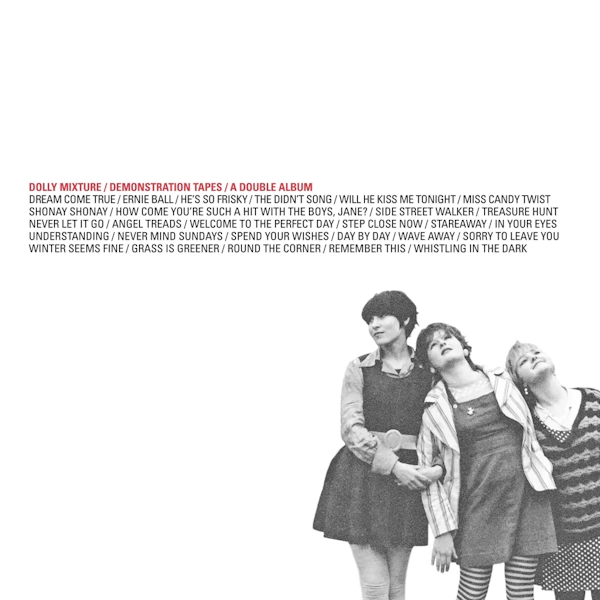
The return of the classic “Demonstration Tapes” double LP on vinyl from the one and only Dolly Mixture. Originally self released in 1984 – this 27 track set collects the band’s demos from 1979 to 1983 of perfectly executed pop, indie pop and ’60s girl group gems. The sound is raw but the charm and pure-pop songcraft manages to shine through. Dolly Mixture should have been massive – so just sit back and enjoy these charming songs that have aged like a fine wine.
The double album called the “Demonstration Tapes” originally released on their own Dead Good DollyPlatters label. The album sported a plain white cover and each copy was numbered and autographed by the group members. One thousand copies were pressed. The album featured 27 demo tracks which covered a large part of the band’s repertoire.
The same year saw a release of the “Remember This” single, again on Dead Good Dolly Platters label. The B-side was a piece entitled “Listening Pleasure/Borinda’s Lament”, which included dialogue (à la Home Service British Force’s Radio DJ), a half-finished song and an instrumental chamber piece with Wykes on piano and Bor on cello.
Dolly Mixture were formed in 1978 by the bassist and vocalist Debsey Wykes, guitarist and vocalist Rachel Bor, and drummer Hester Smith, three school friends who shared a fondness for the Shangri-Las and the Undertones. They became friends with The Damned Captain Sensible and recorded backing vocals on his singles and albums. After Sensible had a hit with “Happy Talk” in 1982 (featuring Dolly Mixture, credited as “Dolly Mixtures” on the single.
Rejoice Indie poppers, punks and pop kids – Sealed Records in conjunction with the band and BBC release all 14 tracks Dolly Mixture recorded for the BBC. You no longer have to listen to bad YouTube uploads… Here are all the tracks remastered from original sources, and as an added treat featuring John Peel introducing them and three jingles the band recorded for Kid Jensen.
The first session was recorded for John Peel in August 1979 and features the unreleased ‘Dolly Mixture Theme Song’ which the band used to start gigs with and a super strong cover of Goffin and King’s ‘TheLocomotion’. Four already Dolly Mixture classics from the time were also recorded including ‘Dream Come True’, ‘He’s So Frisky’, ‘New Look Baby’ and ‘Ernie Ball’.
You can hear the excitement and joy and the sounds are so well recorded at Maida Vale Studios with top notch studio equipment and production. The next session from September 82 was recorded for KidJensen and shows a slightly more mature band, but the tracks are just as instant and lovable. These tracks have a more 60’s girl group sound but with more energy. Most people will know the tracks from the “Demonstration Tapes” album but these versions are better recorded and show the band moving forward.The last session from October 1983 was for Kid Jensen and again shows a band evolving but still with tunes that over forty years later are still loved and adored.
All in all 14 perfectly rounded pop nuggets wrapped in a beautifully designed sleeve and poster by Paul Kelly.
David Gilmour has released a rehearsal clip of “Wish You Were Here,” the title track from Pink Floyd’s 1975 album. The legendary musician is joined by guitarist Ben Worsley, who’ll be the touring guitarist on Gilmour’s upcoming run of dates, scheduled to begin in late September.
Gilmour shared a second track from “Luck and Strange“, his upcoming studio album, and first since 2015. “Between Two Points” features lead vocal by his daughter, Romany Gilmour. David Gilmour has continued to expand his 2024 tour, his first since 2016. On June 10th, he announced a fourth show in Los Angeles, this time at the new Intuit Dome on Oct. 25th. That show precedes the concerts he’s giving at the Hollywood Bowl. [On May 16, he added a third show at the Hollywood Bowl and fourth and fifth concerts at New York’s Madison Square Garden. [One day earlier, when the pre-sale for the two venues began, a third concert at MSG was added “due to overwhelming demand.”] That brings the total to 21 concerts in support of “Luck and Strange”. On May 10th, Gilmour announced six shows—all at Rome’s Circo Massimo in late September and early October 2024. That announcement followed the news exactly one week earlier of six October concerts at London’s Royal Albert Hall. (The Italy and U.K. performances are the only European dates.)
‘Luck and Strange’ was recorded over five months in Brighton and London and is Gilmour’s first album of new material in nine years. The record was produced by David and Charlie Andrew, best known for his work with ALT-J and Marika Hackman. Of this new working relationship, David says, “We invited Charlie to the house, so he came and listened to some demos, and said things like, “Well, why does there have to be a guitar solo there?” and “Do they all fade out? Can’t some of them just end?”. He has a wonderful lack of knowledge or respect for this past of mine. He’s very direct and not in any way overawed, and I love that. That is just so good for me because the last thing you want is people just deferring to you.” The majority of the album’s lyrics have been composed by Polly Samson, Gilmour’s co-writer and collaborator for the past thirty years. Samson says of the lyrical themes covered on ‘Luck and Strange’, “
It’s written from the point of view of being older; mortality is the constant.” Gilmour elaborates, “We spent a load of time during and after lockdown talking about and thinking about those kind of things.” Polly has also found the experience of working with Charlie Andrew liberating, “He wants to know what the songs are about, he wants everyone who’s playing on them to have the ideas that are in the lyric informing their playing. I have particularly loved it for that reason.” The album features eight new tracks along with a beautiful reworking of The Montgolfier Brothers’ ‘Between Two Points’ and has artwork and photography by the renowned artist Anton Corbijn.
Musicians contributing to the record include Guy Pratt & Tom Herbert on bass, Adam Betts, Steve Gadd and Steve DiStanislao on drums, Rob Gentry & Roger Eno on keyboards with string and choral arrangements by Will Gardner. The title track also features the late Pink Floyd keyboard player Richard Wright, recorded in 2007 at a jam in a barn at David’s house.
Some contributions emerged from the live streams that Gilmour and family performed to a global audience during the lockdowns of 2020 and 2021; Romany Gilmour sings, plays the harp and appears on lead vocals on ‘Between Two Points’. Gabriel Gilmour also sings backing vocals.
The album’s cover image, photographed and designed by Anton Corbijn, is inspired by a lyric written by Charlie Gilmour for the album’s final song ‘Scattered’. Of working with his family on ‘Luck and Strange’,David says, “Polly and I have been writing together for over thirty years and the Von Trapped live streams showed the great blend of Romany’s voice and harp-playing and that led us into a feeling of discarding some of the past that I’d felt bound to and that I could throw those rules out and do whatever I felt like doing, and that has been such a joy.”
“Luck and Strange” will be released on September 6th, 2024, on Sony Music.
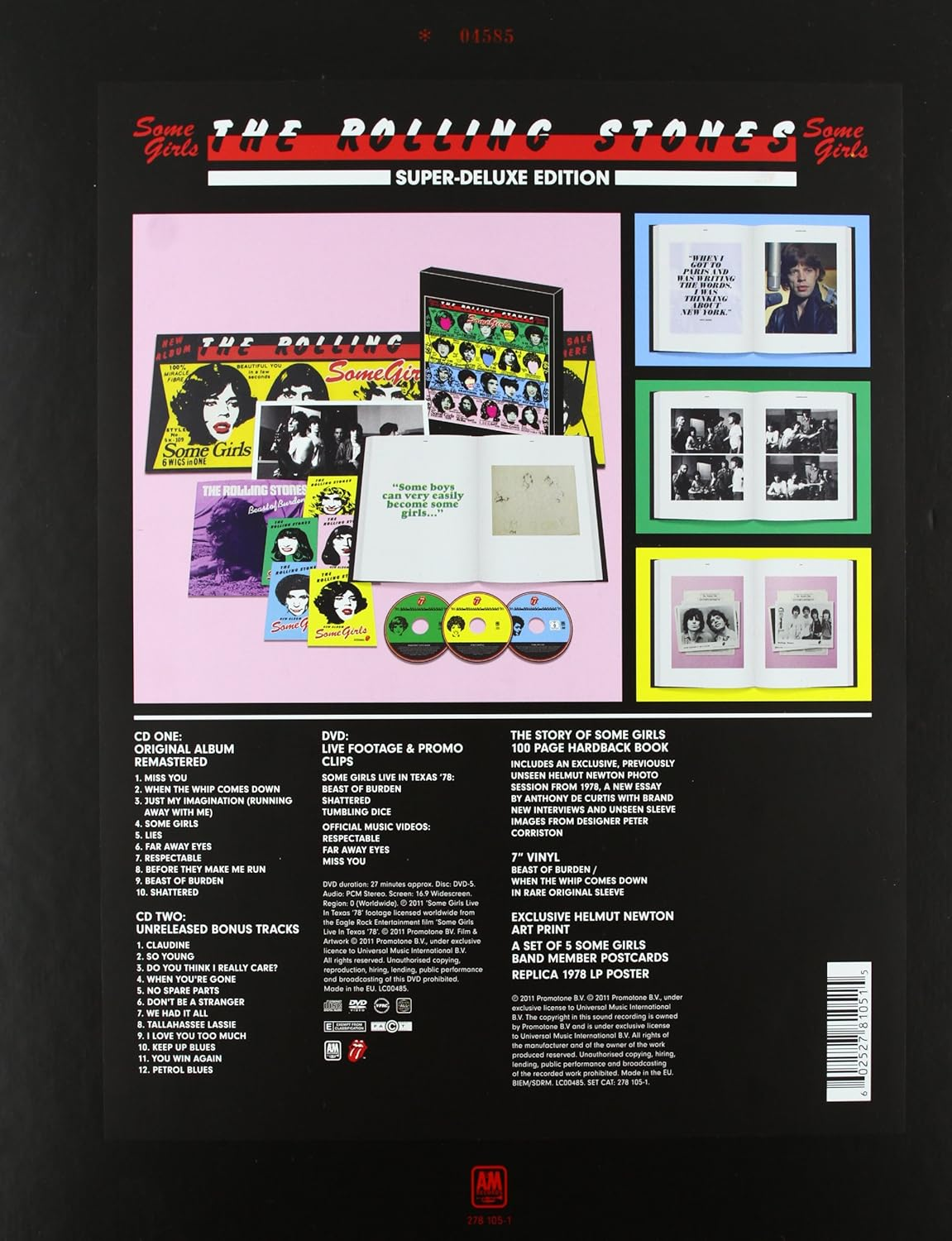
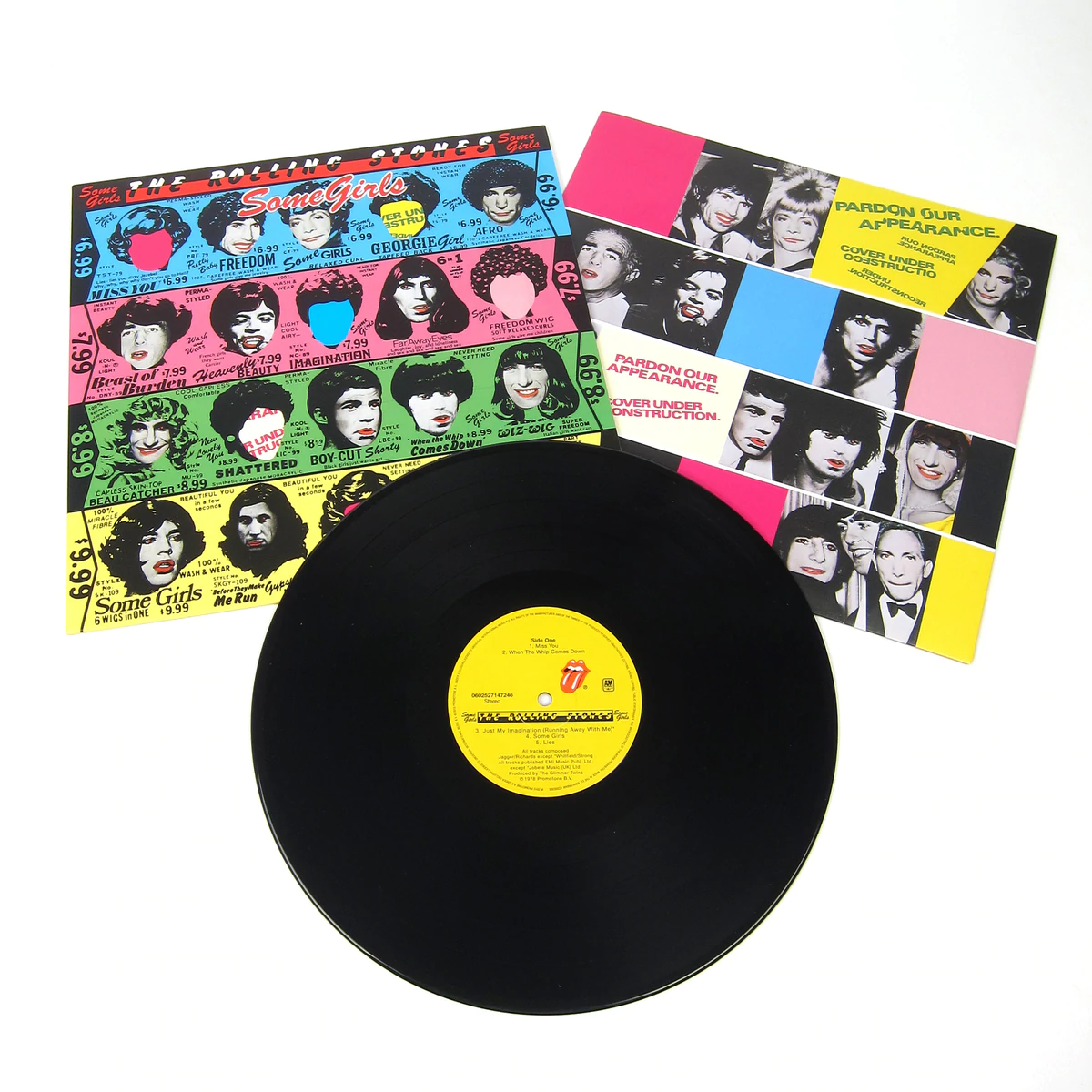
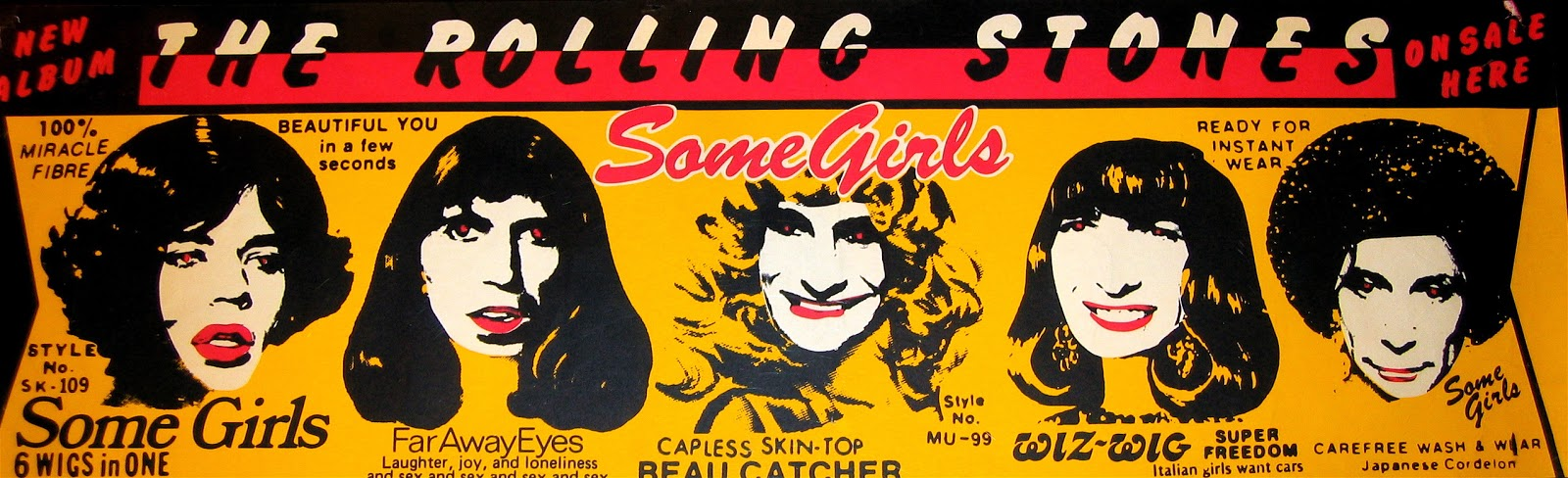
The Rolling Stones have long established their resiliency, but perhaps the most impressive artistic testament to their endurance is having top-rated albums a decade apart, in both 1968 and 1978. It’s not just the time between the acclaimed releases of “Beggars Banquet” and “Some Girls”, but the dramatic differences in those respective eras of popular music that the Stones were able to somehow dominate.
As they approach the end of their sixth decade of performing and recording, TheRolling Stones know they’ve been written off by some critics and music fans as irrelevant has-beens—just about as many times as they’ve been hailed for their ability to “reinvent” themselves and stage a “comeback.” To be anointed the World’s Greatest Rock and Roll Band one year and a weak parody of themselves the next is no doubt a source of some vexation, and perhaps rueful hilarity, to a group that transcended any need to defend itself many years ago.
The band was entering the recording studio to follow up 1976’s “Black and Blue“, an album that got mixed reviews and only yielded one rather anemic hit single, “Fool to Cry.” With highly regarded lead guitarist Mick Taylor gone and Keith Richards’ buddy Ron Wood now officially on board, the group took advantage of its new European recording contract to enter the EMI-owned Pathé Marconi Studios in Paris, with the trusted Chris Kimsey once again engineering.
In 1968, the American sound of Bob Dylan and The Band were the rage, with Dylan coming off a string of electric albums that revolutionized the genre and The Band graduating from backing Dylan to orchestrating their own towering musical achievement with their debut, Music From Big Pink. A decade later, the pop landscape was in the midst of the disco craze while rock was overthrown in Britain and New York by an ascendant punk movement, with classic-rockers like the Stones seeming hopelessly out of step.
But the Rolling Stones managed to adapt to 1978 as deftly as they had 10 years earlier by co-opting the prevailing disco sound and somehow making it cool for rock fans. As impressive, they captured both the sound and tone of the punk scene in downtown Manhattan, which may as well have been a thousand miles from the pulsating and chic Studio 54. Songs like “Shattered” and “When the Whip Comes Down” successfully established the Stones’ continued relevance. The former song, written by Jagger in the back of a cab, is the greatest rock song ever written about New York City, The Ramones’ own turf. “When the Whip Comes Down” sounds influenced by Dee Dee’s male prostitute confessional “53rd and 3rd.” It’s openly gay, as Jagger explained at the time, somewhat uncomfortably. But Jagger’s singing actually channels Sex Pistols leader Johnny Rotten, who ironically would call the Stones “one of the most notoriously inept bands in music.”
“When the Whip Comes Down” uses only a few chords and relentless forward movement to tell the lurid story of a gay Manhattan street hustler: “I’m going down 53rd street/And they spit in my face/I’m learning the ropes/I’m learning a trade/The East River truckers/Are churning with trash/I’ve got so much money/That I spend so fast.” It’s one of the punkiest performances the Stones ever laid down, a successor to “Midnight Rambler” in its ferocity.
On Beggar’s Banquet, the Stones had clearly been influenced by Dylan and The Band. In fact, the famous bathroom graffiti on the cover included the words, “Music From Big Brown,” a sly reference to the Canadian rockers. Note that the Stones on their 1968 opus were working for the first time with an American producer, Jimmy Miller. Dylan comes through most clearly (though not entirely convincingly) on the slide-guitaring “Jigsaw Puzzle.” And “Parachute Woman” echoes Dylan’s Basement Tapes, which had been recorded in 1967 and, though not released until 1975, was heard by 1968 by everyone who mattered in rock.
While released a decade apart, Beggar’s Banquet and “Some Girls”, and even individual songs, are easily connected beyond trying to channel rock’s cutting edge. Both albums are salacious to the point where teenagers at the time could never listen to them with their parents in the room. “Stray Cat Blues,” from Beggar’s, and the “Some Girls”Some Girls title track are unapologetically misogynistic.
The mid-tempo romp “Some Girls” is next, with its infamously offensive lyric, “Black girls just wanna get fucked all night/I just don’t have that much jam.” Jagger struts and sneers, multiple guitars wailing behind him as he (humorously?) castigates women for being gold-diggers, spreading venereal disease and being too generous when they treat him like a gigolo. As a contribution to the long history of the band’s misogynistic lyrics, it attracted numerous critics, and drew a typical Jagger response noting that Ahmet Ertegun at their American label “tried to get us to drop it, but I refused. I’ve always been opposed to censorship of any kind, especially by conglomerates. I’ve always said, ‘If you can’t take a joke, it’s too fucking bad.’”
The frantic “Lies” closes the first LP side with another three-guitar attack, Jagger pushing his voice to its breaking point. Again, one or two chords suffice and Watts pounds away in a way that few we’re-proud-we-can’t-really-play punk rockers would even attempt.
Side two begins with “Far Away Eyes,” with Jagger affecting an even thicker phony American accent than usual to recite a countrified tale straight out of Bakersfield, with Wood’s expert pedal steel and Richards’ note-bending electric in full flower (Richards also handles the piano part). There’s some beautiful harmony singing too, but beyond some light amusement from the parody, it doesn’t earn its prominent position in the album sequence. The spirit of Richards’ running buddy Gram Parsons, and his influence over “Let it Bleed”, “Sticky Fingers”, “Exile on Main St”. and beyond, is clearly still alive in some corner of the collective Rolling Stones brain.
Both make you wince today. Incredibly, Jagger wasn’t even content to make the girl at the centre of “Stray Cat Blues” 15, as on the album. On the 1969 live album Get Yer Ya Ya’s Out!, he changed her age to 13. But it’s too over-the-top to take too seriously. It’s just Jagger strutting. In “Some Girls,” he sings about women who are seemingly of appropriate age, but sexualizes possessing them while also making it clear that they are sexualizing and trying to possess him and Keith, too. “Some Girls” is the evil twin of The Beach Boys’ “California Girls,” lumping women together by race and region.
“Street Fighting Man,” like “Shattered,” tried to capture the essence of urban despair in its era. But neither offers answers, which would be too preachy and idealistic for the Stones. While that can leave listeners of “Street Fighting Man” cold given the stakes at the time, with Civil Rights on the line and a war raging in Vietnam, it actually works on “Shattered,” where laughing at the madness of the Carter era seems the most appropriate response.
“Sympathy for the Devil” and “Miss You,” the tentpole songs on Beggar’s and “Some Girls”, respectively, are relentless dance grooves. Jagger said of “Sympathy” at the time, “It has a very hypnotic groove, a samba, which has a tremendous hypnotic power, rather like good dance music. It doesn’t speed up or slow down. It keeps this constant groove.”
The parallels continue with the albums’ respective cover songs. “Prodigal Son,” on Beggar’s, is a retiled version of Robert Wilkins’s “That’s No Way To Get Along.”“Some Girls” similarly nods to music crafted by black Americans with a cover of the Motown hit “Just My Imagination (Running Away With Me),” written by Whitfield-Strong and originally performed by The Temptations. While that cover version is fine, the Stones actually wrote a better soul ballad than that original. The version of the Temptations’“Just My Imagination” is absolutely fine, but one can’t help but wonder if the slot would have been better served by something like the hard rocking “So Young,” one of the outtakes featuring barrelhouse pianos by Ian Stewart and Chuck Leavell that showed up on the 2011 CD expanded reissue of the album.
“Beast of Burden,” from the groove right down to the Eddie Kendricks-inspired falsetto, is a masterpiece on par with “Miss You“.
While those assessing the entire The Rolling Stones cannon inevitably place these two albums next to one another in the top 5—often behind Sticky Fingers, Exile on Main Street and Let It Bleed, it’s almost always Beggar’s Banquet over “Some Girls”. Yes, their 1968 effort set the stage for arguably the greatest stretch of recording excellence in rock history. But the public voted with record sales and made “Some Girls” the best-selling Stones album of all-time. Could the public be right in ranking “Some Girls” over Beggar’s Banquet?
Their 1968 LP has three to five essential tracks: “Sympathy for the Devil,” “Street Fighting Man,” “Stray Cat Blues” and probably “Salt of the Earth” and “No Expectations.” The rest of the album grades passable to okay—not filler, necessarily, but nothing historic. “Some Girls” is stronger up top with “Miss You,” “Beast of Burden” and “Shattered,” and then adds “When the Whip Comes Down” and Keith Richards’s “Before They Make Me Run,” about his heroin bust in Canada.
“Shattered” is a virtual spoken-word piece, which Jagger acts out magnificently—listen to what he does with “Pride and joy and greed and sex/That’s what makes our town the best” and “Don’t you know the crime rate is going up, up, up, up, up/To live in this town you must be tough, tough, tough, tough, tough/You got rats on the West Side/Bedbugs uptown.” Jagger gives the impression of improvising the lyrics, an illusion he no doubt meticulously rehearsed. The grinding background holds on two chords during verses, and saves any development for the bridge, which adds Wood’s pedal steel and a variety of percussion (probably among those few elements overdubbed in brief additional sessions in Paris, New York and Los Angeles). The track ends dramatically with no fade, the equivalent of a mic-drop in today’s parlance.
In his autobiography, “Life,” Richards explained: “For sheer longevity—for long distance—there is no track that I know of like ‘Before They Make Me Run.’ That song, which I sang on that record, was a cry from the heart. But it burned up the personnel like no other. I was in the studio, without leaving, for five days…”
Richards’ feature “Before They Make Me Run” is one of his best songs, right up there with Exile On Main St.’s “Happy.” He and Wood handle half a dozen guitar parts, including slide and pedal steel, and Richards even subs for Wyman on bass. The strong lyrics are constructed from a series of contrasts and juxtapositions (“Only a crowd can make you feel so alone,” “Gonna find my way to heaven/’Cause I did my time in hell”), ending in the sardonic and defiant affirmation that, “After all is said and done/I did alright, I had my fun/But I will walk before they make me run.” With Jagger and Wood providing backup vocals, Richards’ keening, strangled vocal becomes beautiful in a characteristically offbeat way.
If you include “Jumpin’ Jack Flash” from the “Beggars Banquet” sessions, then there is no quarrel with ranking that album higher. But it’s not on the LP, having been released earlier as a stand-alone single, rising to No. 3 on the U.S. charts. The rest of “Some Girls” is stronger with the title track and the funnier (and far less offensive) “Far Away Eyes.”“Some Girls” has a stronger cover song and “Lies” is a more conventional, throwaway Stones rocker, while “Respectable” is another punk-inspired, snarling song that Jagger and the band pull off. Richards said of “Respectable,” “This is a punk meets Chuck Berry number…”
Mostly true to Jagger’s no-frills wishes, the album revolves around the still-potent blend of drummer Charlie Watts, bassist Bill Wyman, Jagger, Richards and Ronnie Wood, the latter on pedal streel, acoustic and electric guitars. Jagger himself contributes guitar parts to several songs, especially beefing up the power on “When the Whip Comes Down,” “Lies” and “Respectable.” The harmonica of Sugar Blue (a Paris busker Jagger found who’d played professionally with Roosevelt Sykes and Louisiana Red) greatly enlivens “Miss You” and the title track, and there are contributions from Faces keyboardist Ian “Mac” McLagan and saxophonist Mel Collins, but the overall sound is vintage five-piece Stones. Under Kimsey’s scrutiny, the recording clarity is extraordinary, every nook and cranny of the arrangements illuminated.
While it’s arguably hair-splitting, “Some Girls” is not only stronger at the top but the deeper album, too.
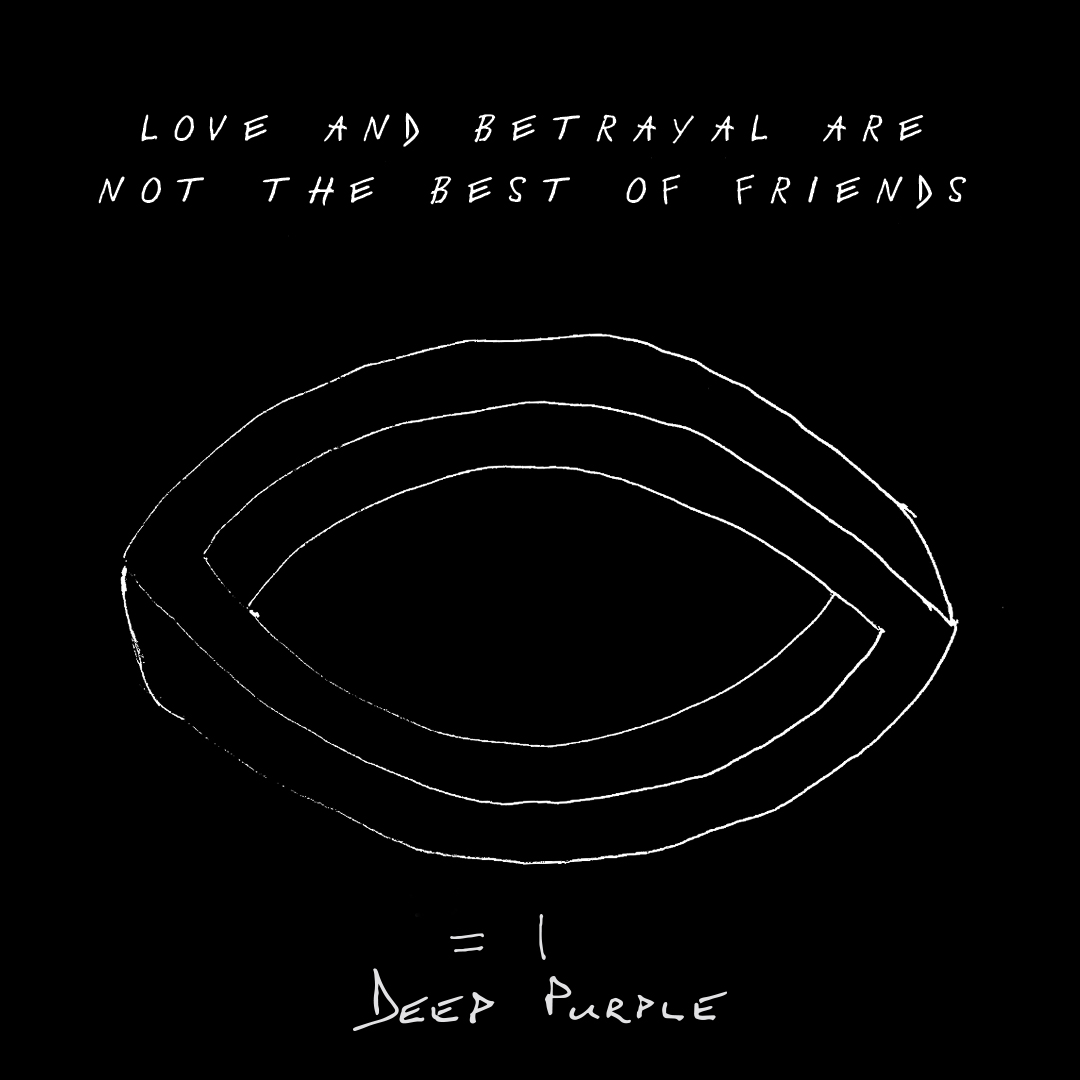
This summer, a new chapter is set to be written in the Deep Purple story. The new album ‘=1’ is on its way, and ‘Lazy Sod’ is the third single, from their upcoming album =1,” which will be released on July 19th via earMUSIC. “Lazy Sod” follows in the sonic footsteps of “Pictures Of You” (released last month) and “Portable Door” (May),
The new song comes powered by a chunky riff straight out of the early 1970s, and finds Ian Gillan pondering the perilous state of the world and his reluctance to do anything about it. “The world’s on fire, and I can’t get my ass out of bed / The world is on fire, there’s smoke all around my head,” sings Gillan, before the chorus reveals the reason: he’s a lazy sod.
“Recently, a young journalist asked me how many songs I had written in my life,” Gillan told Germany’s Rocks magazine last month. “I replied that the last time my assistant counted, twenty years ago, it was over 500. I felt quite accomplished until she pointed out Dolly Parton’s 5,000 songs, calling me a lazy sod. I couldn’t help but agree and wrote down the exchange in my notebook.”
A vast array of formats will be available, including a limited edition box set containing the album on CD and 2LP, three live vinyl 10“ discs, a 24-page booklet, a DVD of the documentary Access All Areas, plus a t-short, an art-card and a lanyard.
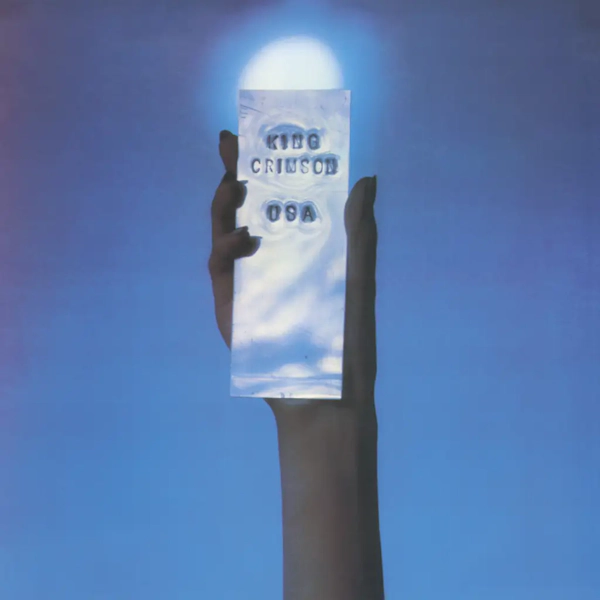
Released on the exact 50th anniversary date of the original concert recording at The Casino, Asbury Park,New Jersey, USA, on June 28th, 1974. The complete concert taken from the 2013 mix of the full concert by Robert Fripp, David Singleton and Tony Arnold.
From one of the last few concerts of King Crimson’s final US tour of the ‘70s, “USA” was issued as an epitaph for the band in Spring 1975 as a single album, at a time when doubles or even triple live albums were considered more the norm for live releases. Deleted towards the end of the vinyl era in the mid-1980s, it remained unreleased in the CD era until the expanded edition was finally issued in October 2002. In common with much of KingCrimson’s output, it was not well received by critics when originally released, though its critical reputation grew immeasurably in the intervening years to the point where a review of the “21st Century Guide to King Crimson” boxed set in 2004 identified the album as the point “…where Fripp maps out the guitar blueprint for the entire post-punk movement.”
If that claim sounds somewhat exaggerated, a casual listen to the opening minutes of the album – where the ethereal ‘Walk On..’ tape of Fripp and Eno’s “No Pussyfooting” gives way to the sonic assault of ‘Larks’ II’ – provides ample evidence to back up the claim. It’s also worth noting the audience response to the band – especially at the end of ‘Starless’, a piece that had yet to be recorded in the studio at that point.
The 1972/1974 King Crimson line-ups is now revered by critics and fans alike as one of the key bands of the era – a reputation enhanced by DGM’s archival live releases from that period, starting with “The Great Deceiver” released in 1992, through to the multi-disc boxed sets of more recent years.
Originally issued on vinyl in 2018 as part of the second King Crimson vinyl series boxed sets and only briefly available as a standalone set from that box, this vinyl reissue is much sought after by King Crimson fans and presents the 2013 mix of the concert by Robert Fripp, David Singleton and Tony Arnold.
Line-up: David Cross: Violin and Keyboards Robert Fripp: Guitar and Mellotron John Wetton: Bass and Voice William Bruford: Percussives
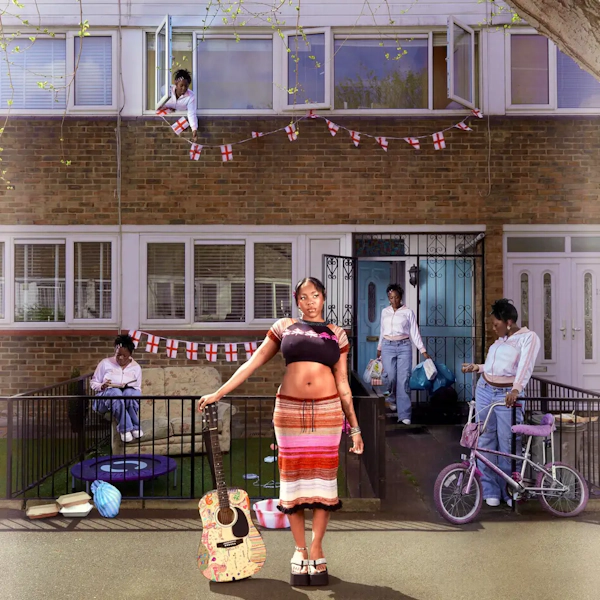
Ahead of her debut album’s release next month, Rachel Chinouriri is prepared for people to have questions about its artwork. “Your first reaction, especially if you’re black seeing that, might be like, ‘What on Earth is she doing’?,” she tells BBC Newsbeat.
The singer’s talking about the England flag, which features prominently on the cover. Rachel includes herself among those people from minority backgrounds who have a complicated relationship with the St George’s Cross. Some would argue it has come to symbolise oppression or racism. But Rachel says she’s determined to reclaim it.
Born in London to Zimbabwean parents, the 25-year-old says her upbringing hasn’t been without its challenges. “I have had lots of things with racism and discrimination in the UK but I still feel like the UK is my home,” she says. “Even though there were points I felt really unwelcome.”
Rachel’s been releasing a steady stream of singles and EPs since 2018 and her upcoming debut album, “What A Devastating Turn of Events”, explores the idea of home.
Rose Hotel’s label debut “A Pawn Surrender” sees Atlanta-based singer, songwriter, and multi-instrumentalist Jordan Reynolds claiming her agency with a 10-song set of nuanced indie-rock songcraft that pulls from a palette of psychedelic shimmer and folk influence via her Southeastern roots. With a drive to pay homage to the legends of the art form, she uses the trappings of psychedelic rock not as source material, but as ornamentation, as she explores relationships, feminine rage, lust, temptation, blissful ignorance, frightening apathy, delusions, and illusions.
“A Pawn Surrender” is an album about relationships: with myself, with friends, with lovers, and with the world around me – It’s about learning how to play the game, what moves to make, figuring out who I’m up against (most often my toughest opponent is my own internal chaos), choosing when to fight for what you want, or when it’s time to surrender – I’m at the cusp of my thirties and very interested in understanding how to best utilize varying traits within myself to move through life with some sense of strategy and intention; to slow down, celebrate my strengths and ponder my weaknesses – I love the chess motif running throughout the album because chess is a game that requires patience, understanding, and acceptance — three virtues that I struggle to maintain but will always seek to embody
From Rose Hotel’s new album ‘A Pawn Surrender’ due out June 7 via Strolling Bones Records.
Vampire Weekend are released a new album, “Only God Was Above Us”, on April 5th via Columbia Records. Yesterday, they shared its third single, “Classical,” via a music video. The song features saxophonist Henry Solomon. Nick Harwood directed the video, which features a whole lot of green screen, and also features appearances by Ariel Rechtshaid, Ray Suen, and the band’s drum tech, Josh Goldsmith.
Previously the band shared its first two singles: “Capricorn” and “Gen-X Cops.”
Vampire Weekend’s tour will feature various support acts, depending on the date, including LA LOM, The English Beat, Voodoo Glow Skulls, Mike Gordon, Christone “Kingfish” Ingram, Ra Ra Riot, Princess featuring Maya Rudolph and Gretchen Lieberum, Cults, a DJ Set By Mark Ronson, Turnstiles (a Billy Joel tribute band), and The Brothers Macklovitch. In select cities they are doing evening shows on a Saturday night, followed by a matinee show the next day.
Previously Vampire Weekend had shared a trailer for the album, as well as its tracklist and cover artwork.
“Only God Was Above Us” is the band’s fifth album, their first new album in five years, and the follow-up to “Father of the Bride”. debuted at #1 on the Billboard 200 album chart with the largest first week sales for any rock album in 2019, It was also nominated for Album of the Year at the Grammys.
Vampire Weekend is Ezra Koenig, Chris Baio, and Chris Tomson. Koenig wrote most of the album’s lyrics in 2019 and 2020 and the band have been refining the album since then, recording in various cities around the world, including New York, Los Angeles, London, and Tokyo. Koenig produced the album with long time collaborator Ariel Rechtshaid and it was mixed by Dave Fridmann and mastered by Emily Lazar.
A press release promises that the album is “direct yet complex, showing the band at once at its grittiest, and also at its most beautiful and melodic.”
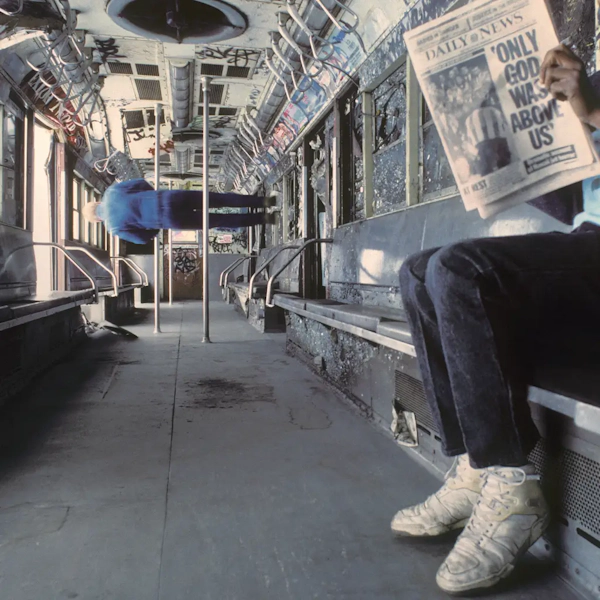
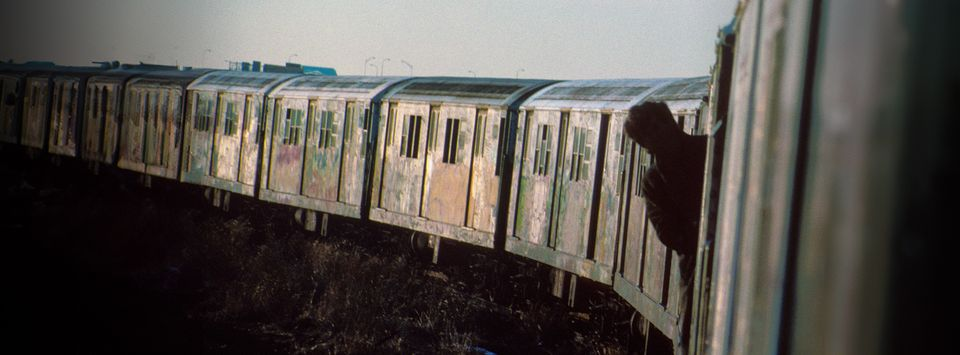
The album’s cover artwork also inspired its title. It is a photo taken in 1988 by Steven Siegel at a subway graveyard in New Jersey. In the photo is a man sitting in a turned over subway car, reading the May 1, 1988 edition of The New York Daily News. The cover of the newspaper details an airplane accident on Aloha Airlines flight 243, when an explosion tore the roof off. The headline of the newspaper quotes a survivor saying, “Only God was above us,” which is now the title of the new album.
In “A Little Longer” Samuels captivates with her signature tender melodies and observations of everyday truths so astute it makes the mundane, poetic and worthwhile. The lead single from her “First and the Last” EP reminds us of the excitement and curiosity that uncertainty can bring when we don’t focus on the fear. “A Little Longer” is a big light in the darkness.
Jordan Lehning has been a musician I’ve admired since I was a teenager so when he asked me if I wanted to make music together I jumped at the chance. I try to write everyday as an exercise and the songs for this came quite fluidly. The whole project came together in a short amount of time and was recorded at The Duck in Nashville, TN. In this past year I came into a new sense of fierceness within myself and I think the music is reflective of it in tone.
The recordings were also extremely joyful to create. There was a profound amount of laughing and hamming in the studio and I can only hope that comes thru to its listeners in this collection as well. I felt lucky to have my old friend and incredible drummer Dom Billet on the EP. I hope that these songs are interpreted with a sense of levity and joy as they explore the more nuanced elements of love and self.





 The Fat Angel Sings