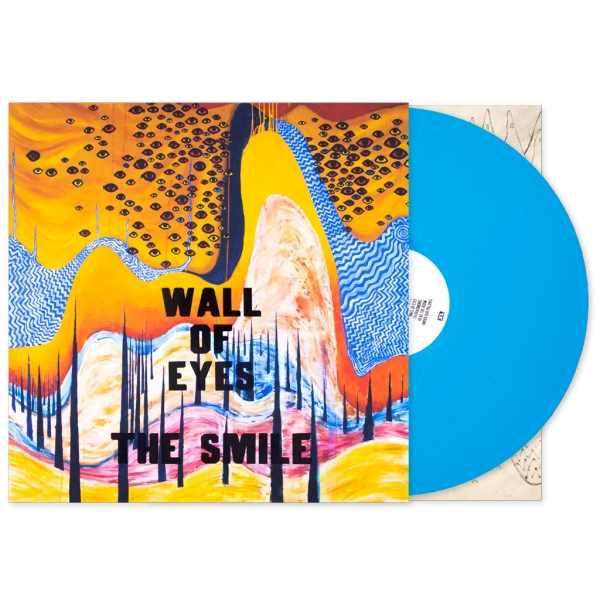
Having experimented with everything from IDM to glitch-core with Radiohead, it’s refreshing to hear songwriter Thom Yorke and guitarist Jonny Greenwood embrace alt-rock once again on The Smile’s second studio album, “Wall Of Eyes“. That’s not to say the results are any less challenging than the duo’s earlier work; recorded at Abbey Road Studios, with producer Sam Petts-Davies and string arrangements by the London Contemporary Orchestra, “Wall Of Eyes” lives up to its status as one the most anticipated new albums of 2024 thanks to moments such as Yorke’s flirtation with hypnotic bossa nova textures on its title track and the lushly hypnotic folk that frames “Bending Hectic”. “I turn up with a bunch of phone recordings; doodles that are not even edited or formed and are fairly shapeless,” Yorke told NME of his songwriting process for the record. “We put them into shape then this thing appears that has this momentum.”
Anchored by the welcome input of jazz drummer Tom Skinner (Sons Of Kemet), Yorke’s thought-provoking songs of ambient-pop despair and psych-folk melancholia carry surreal and atmospheric undertones, easily making “Wall Of Eyes” one of the most richly rewarding listens among the best albums of 2024.
The Smile‘s second album, “Wall of Eyes” was released early 2024, following on from a hugely successful first release, “A Light For Attracting Attention“. I love this album. For me, The Smile have conquered the second album fear. The songs seem to have been approached in a way that makes this record feel incredibly wise and transformative. Sounds and textures so deliberate, alongside the words and melodies, creates some beautiful and complex stories. Although criticism depicts this album to be less of a treasure in comparison to their debut, I disagree. I would urge everyone to give this entire album a proper listen. It’s raw and brilliant and definitely worth the 45 minutes.
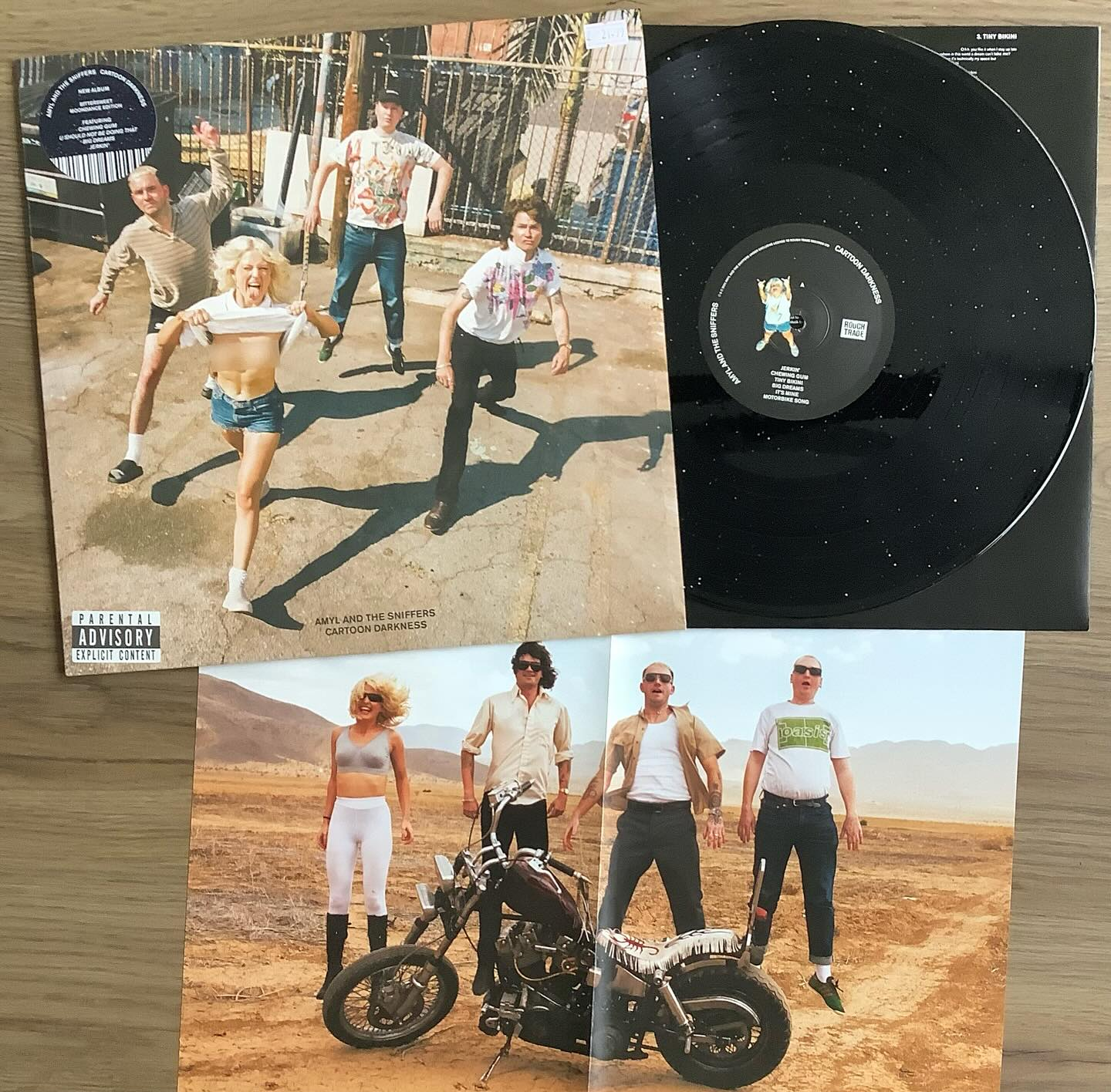
In the eight years since Amyl and The Sniffers came together in Melbourne’s sticky pub-rock scene, Amyl and the Sniffers have become masters of balancing power and playfulness. With two critically acclaimed albums under their belt – 2019’s self-titled debut and 2021’s visceral “Comfort To Me” – vocalist Amy Taylor, guitarist Declan Mehrtens, bassist Gus Romer and drummer Bryce Wilson have achieved something unique and remarkable.
Since the release of “Comfort to Me”, the band has seen their horizons broaden exponentially in every way. And it’s this attitude – bigger, brighter, smarter, sharper – that’s fuelling their third album, “Cartoon Darkness”. Recorded with producer Nick Launay at Foo Fighters’ 606 Studios in Los Angeles, on the same desk that captured Nirvana’s Nevermind and Fleetwood Mac’s Rumours, the latest Amyl offering is full of surprises.
Musically, Mehrtens, Romer and Wilson have written The Sniffers’ most diverse album yet. It stretches from classic punk to the glammy strut of recent single ‘U Should Not Be Doing That’ to the stormy balladry of ‘Big Dreams’ (which is a sonic gear shift worthy of the title).
“Cartoon Darkness” is about climate crisis, war, AI, tip-toeing on the eggshells of politics, and people feeling like they’re helping by having a voice online when we’re all just feeding the data beast of Big Tech, our modern day god. It’s about the fact that our generation is spoon-fed information. We look like adults, but we’re children forever cocooned in a shell. We’re all passively gulping up distractions that don’t even cause pleasure, sensation or joy, they just cause numbness.
There’s no escapism here, only raw assessments of reality. the world maybe ain’t so cool after all… though bands like the recently CoSigned Chat Pile are doing their part in making it more tolerable. Unrelenting touring has made their riff-hitting noise rock absolutely airtight, as captured on “Cool World“, a worthy follow-up to the OKC band’s 2022 blockbuster “God’s Country“.
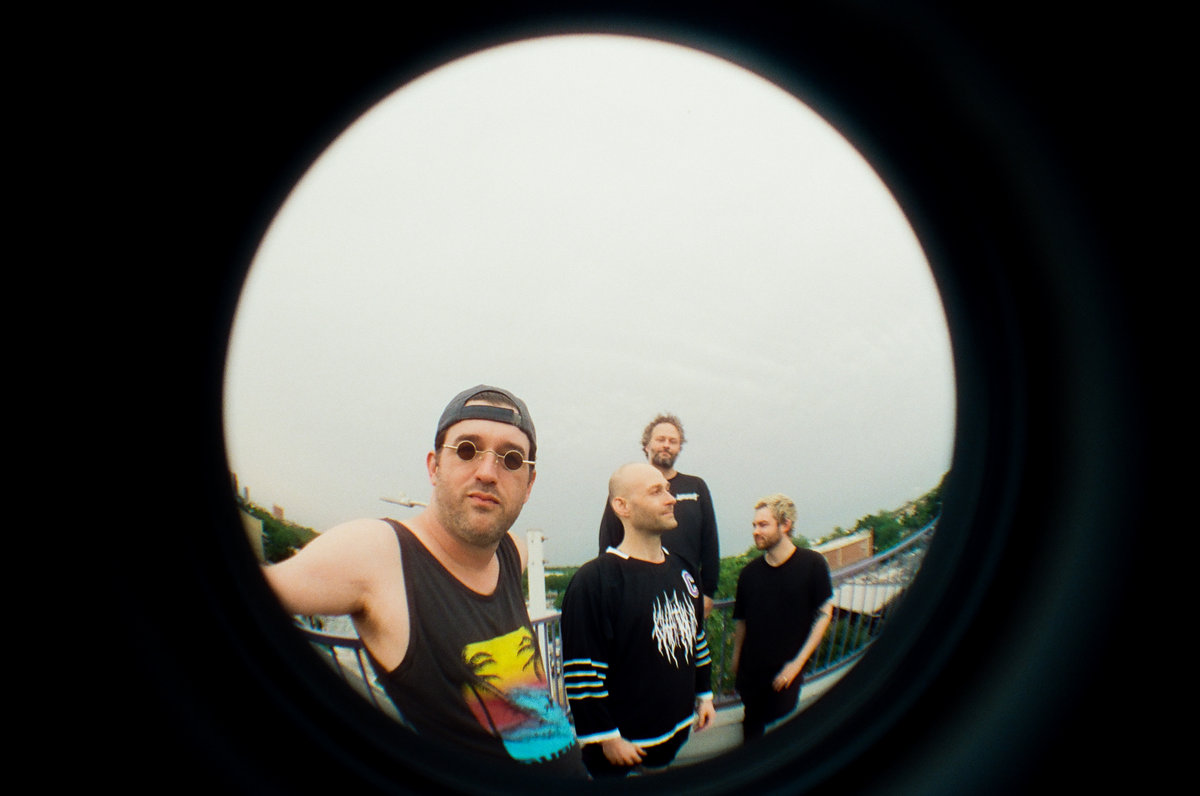
Like the towering mounds of toxic waste from which it gets its namesake, the music of Oklahoma City noise rock quartet Chat Pile is a suffocating, grotesque embodiment of the existential anguish that has defined the 21st Century. It figures that a band with this abrasive, unrelenting, and outlandish of a sound has struck as strong of a chord as it has. Dread has replaced the American dream, and Chat Pile’s music is a poignant reminder of that shift – a portrait of an American rock band molded by a society defined by its cold and cruel power systems.
“Cool World” makes for an apt title of Chat Pile’s sophomore full-length record. In the context of a Chat Pile record, the words are steeped in a grim double entendre that not only evokes imagery of a dying planet but a progression from the band’s previous work, moving the scope of its depiction of modern malaise from just “God’s country” to the entirety of humankind. “Cool World” covers similar themes to our last album, except now exploded from a micro to macro scale, with thoughts specifically about disasters abroad, at home, and how they affect one another,” says vocalist Raygun Busch.
Though very much on-brand with Chat Pile’s signature flavour of cacophonous, sludgy noise rock, the band’s shift to a global thematic focus on “Cool World” not only compliments the broader experimentations it employs with their song writing but also how they dissect the album’s core theme of violence. Melded into the band’s twisted foundational sound are traces of other eclectic genre stylings, with examples of gazy, goth-tinged dirges to abrasive yet anthemic alt/indie-esque hooks and off-kilter metal grooves only scratching the surface of what can be heard in the album’s ten tracks. “While we wanted our follow-up to “God’s Country” to still capture the immediate, uncompromising essence of Chat Pile, we also knew that with “Cool World“, we’d want to stretch the definition of our “sound” to reflect our tastes beyond just noise rock territory,” reflects bassist Stin. “Now that we had some form of creative comfort zones in place after hitting that milestone of putting out a full-length record, album #2 felt like the perfect opportunity to challenge those limits.” Besides stylistically stretching the boundaries of the Chat Pile sound, “Cool World” is also the band’s first record to have someone else handle mixing duties, with Ben Greenberg of Uniform (Algiers, Drab Majesty, Metz) capturing and further amplifying the quartet’s unmistakably outsider and folk-art edge.
The proverbial thread tying all of the experimentation on “Cool World” together is the depth to which Chat Pile dissects the album’s theme of violence. Whether it be the cycle of creating and passively consuming literal and figurative violence on sister tracks “Camcorder” and “Tape”, the diminishment of crimes against humanity by way of foreign policy and colonialism on “Shame”, or the mental anguish of hopelessness on “The New World”, Cool World is an apocalyptically bleak record. Sure, Chat Pile’s debut album was plenty disturbing with its B-movie-inspired interpretation of a “real American horror story”; what Chat Pile depicts on “Cool World” is unsettling not just from its visceral noise rock onslaught, but from depicting how all sorts of atrocities are pretty much standard parts of modern existence.
“If I had to describe the album in one sentence,” explains Busch, “It’s hard not to borrow from Voltaire, so I won’t resist – “Cool World” is about the price at which we eat sugar in America.”
“Cool World” released via The Flenser on October 11th, 2024
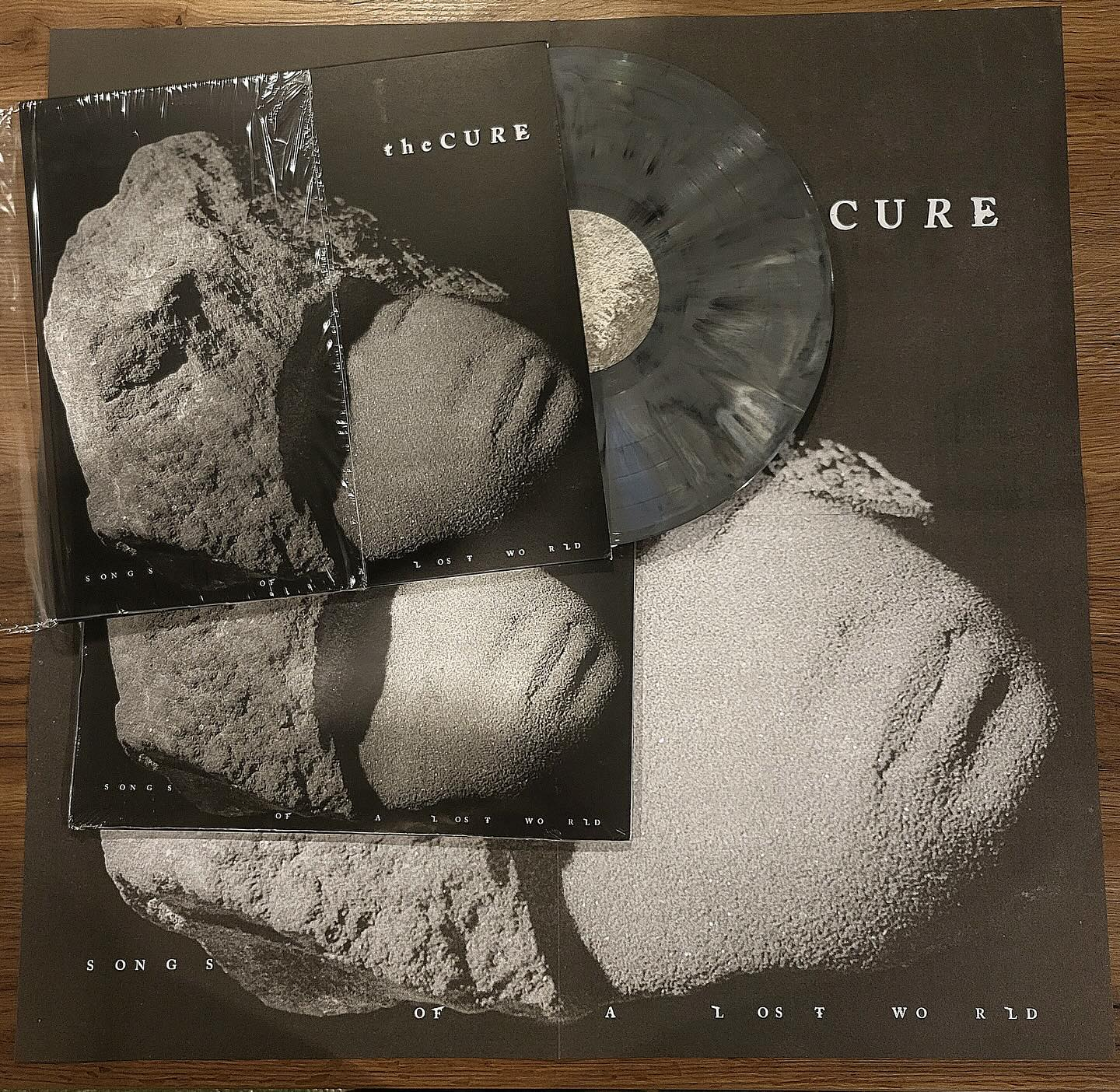
The band will release their 14th studio album ‘Songs Of A Lost World’ this Friday (November 1st), marking their first full-length effort since 2008’s ‘4:13 Dream’. Robert Smith and co. have already shared two singles from the project, ‘Alone’ and ‘A Fragile Thing’.
The 16-year wait for their 14th record is finally over! And with it comes 16 years of weight, of loss, of grief, of struggle, all permeating the lyrical and instrumental content with a deep gravity that will be all too familiar for those also scarred and bruised by life’s indiscriminate knocks.
Fortunately, it sounds absolutely huge and just like the spectral Cure of ‘Disintegration’. The guitars flit from icy harmonics to amp-energising, throaty roars – it is as much driven by despair as it is by a need to express their vitality. The continent-spanning sounds juxtaposing intimate lyrical confessions as beautifully as only these masters can. The world might seem lost, with yesterday no longer in reach, but fortunately, we can rest assured that The Cure are alongside us, forging a prism through which we can understand all that softly slips away.
Additionally, The Cure have been posting snippets of various other songs from the record via this website and a Whatsapp channel. These include ‘Drone:NoDrone’ and ‘And Nothing Is Forever’.
Now, the group have given fans a taste of the forthcoming ‘Warsong’. The instrumental begins with atmospheric organ chords and subtle percussion before electric guitar, plucky keyboard and drums are introduced.
‘Warsong’ represented a more “gloomy” side of the album, describing it as “a pummelling sludge of noise that mourns “the hope of what we might have been“. The Cure are scheduled to play a special intimate gig at the BBC Radio Theatre in London tomorrow (October 30) ahead of another small show at the Troxy in the capital this Friday (November 1st). In a recent lengthy interview, Robert Smith revealed that The Cure have another new album that’s “virtually finished”, with a third record in the pipeline as well. He also shared his plans for a world tour in 2025 and discussed the band’s upcoming 50th anniversary.
“The frontman suggested that another two records may be arriving at some point, but ‘Songs Of A Lost World’ feels sufficient enough for the wait we’ve endured, just for being arguably the most personal album of Smith’s career. Mortality may loom, but there’s colour in the black and flowers on the grave.”
Universally praised, shortlistedfor the 2024 Polaris Music Prize, and already hailed by Pitchfork as the 3rd best album of the 2020s, anticipation and conversation around the record has been high.
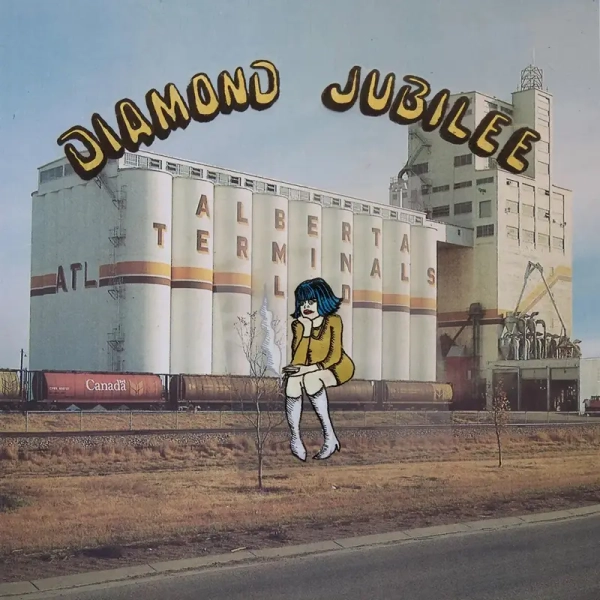
Cindy Lee is the performance and song writing vehicle of Patrick Flegel (who previously fronted influential indie group Women). Over several albums, Flegel has combined delicate melodies and sheer beauty with moments of experimentation. With “Diamond Jubilee”, Flegel’s undeniable songcraft comes to the foreground, embracing a more instant connection and accessibility. Timeless tales of love and longing, surrounded by sticky hooks, take the listener on an unforgettable journey.
It’s a testament to the quality of “Diamond Jubilee” that despite songwriter Patrick Flegel’s anti-establishment efforts — only distributing it via YouTube, a retro GeoCities webpage, and an eventual vinyl pressing and Bandcamp stream — it nonetheless became one of the most talked about records of the year. The towering, hypnotic double LP finds Flegel’s Cindy Lee project shedding some of the noisy abrasion found on projects like “What’s Tonight to Eternity” in favour of ghostly melodies and psychedelic soundscapes. The resulting listening experience feels unreal and fleeting, like lying on the couch half-awake and mid-acid trip .
Over several albums, Flegel has combined delicate melodies and sheer beauty with moments of experimentation. With “Diamond Jubilee”, Flegel’s undeniable songcraft comes to the foreground, embracing a more instant connection and accessibility. Timeless tales of love and longing, surrounded by sticky hooks, take the listener on an unforgettable journey.
“Diamond Jubilee” was written and recorded over several years by Patrick Flegel in Toronto, Durham, Calgary and Montreal at Realistik Studios. The album was mixed by Steven Lind, who also contributes to several tracks and co-wrote “Baby Blue,”
Superior Viaduct and our new artist label, W.25TH, are proud to continue to be the home for Cindy Lee with the physical release of the celebrated album “Diamond Jubilee”. Universally praised, shortlisted for the 2024 Polaris Music Prize, and already hailed as the 3rd best album of the 2020s, anticipation and conversation around the record has never been higher.
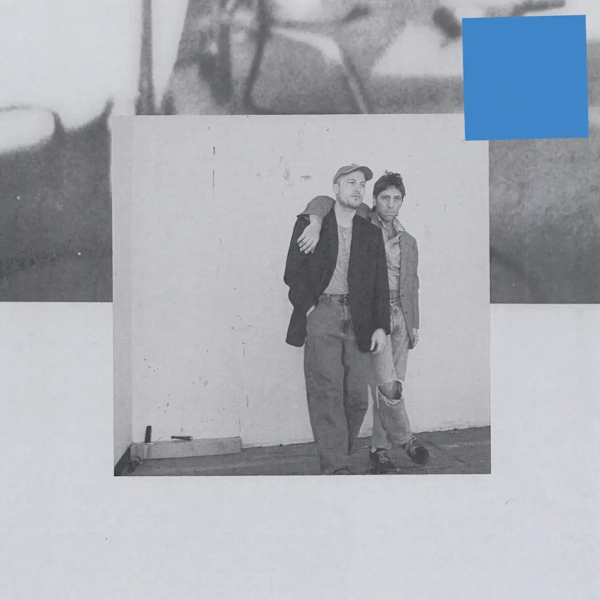
Hovvdy’s self-titled double album, co-produced with Andrew Sarlo (Big Thief, Bon Iver) and longtime collaborator Ben Littlejohn, is their most cohesive and ambitious record to date: The definitive Hovvdy album. Across the 19 track sequence ranging from expansive celebratory anthems to quiet acoustic meditations, Hovvdy displays deft and catchy pop songcraft with touches of indie folk and southern Americana.
Hovvdy’s self-titled album is not meant to be a total encapsulation of their sound. With its sprawling, double album format and intriguing left turns, “Hovvdy” serves as a more expansive, risky experiment from the Texas duo. But just as their voices seem to blend together in a perfect, homespun mix, Hovvdy make everything they do sound natural. The hooks, like on standouts “Forever,” “Jean,” and “Meant,” can come seemingly out of nowhere, and they land harder than ever.
The duo began their career releasing an EP in 2014. The following year, they released a split with the band Loafer. Hovvdy released their debut album, “Taster”, in 2016. In 2018, Hovvdy released their second full-length album titled “Cranberry”. In 2019, the duo released a split with musician Hannah ReadLomelda, . The split found Hovvdy and Lomelda covering each others songs. The duo’s third album, “Heavy Lifter”, was released in 2019. The band’s fourth album, “True Love”, was released on October 2021
releases April 26th, 2024
Co-produced by Andrew Sarlo, Charlie Martin, Will Taylor, Bennett Littlejohn Performed by Charlie Martin, Will Taylor, Bennett Littlejohn, Andrew Sarlo
Everybody loves a good indie-rock origin story like when the Replacements Paul Westerberg was holding it down as a janitor in the office of a Minnesota senator before joining the band. or Dayton, Ohio’s Robert Pollard teaching school while biding his time before Guided By Voices became a thing.
Here’s a new one for you: Meet Mike Maple, who is the mailman in the small college town of Marquette, Michigan who spends his time walking the postal beat dreaming up relentlessly fun punk-rock tunes to play in his band Liquid Mike. “Given what you know/The American dream is a Michigan hoax,” he informs us on their excellent new album “Paul Bunyan’s Slingshot”.
On “Paul Bunyan’s Slingshot” they play short, fast, muscular songs that split the difference between Nineties pop-punk and Nineties indie-rock, tempering the petulant angst of the former with the latter’s winning resignation.
Liquid Mike debuted in 2022 with the EP“A Beer Can and A Banquet,” The press photo that went out with “Paul Bunyan’s Slingshot” shows the band sitting around a fire pit cooking hot dogs, and the LP opens with “Drinking and Driving,” a song that highlights a life skill the members of Liquid Mike may have had down before they were out of high school.
On “K2,” they build a song about a wasted summer out of stupid Coldplay allusions (“The rush of blood straight to your head/You pissed your pants/And they were all yellow”), making the goofy conceit work because the music is so charged up and fun. On “Drug Dealer,” which sounds like Blink-182 by way of GBV, Maple sings about being stuck getting stoned with his friend and her scary new boyfriend, processing a bunch of weird feelings in a high-as-hell torpor. “USPS,” a bouncing ode to Maple’s place of work, suggests Weezer with a working-class soul. On “Small Giants” he offers the sage piece of advice: “You can shoplift any store you want/It’s not pathetic if you don’t get caught.”
“Paul Bunyan’s Slingshot knocks” through 13 songs in just 25 minutes, including a thirty-second Superchunk tribute and a minute-long Built to Spill throwback. But it leaves a lasting impression. In fact, you might have to go back to the 1971 debut by John Prine to find a record by an employee of the United States Postal Service that wins this hard.
Mike Maple – Guitar, Monica Nelson – Synth, Dave Daignault – Guitar, Zack Alworden – Bass, Cody Marecek – Drums
An album boasting 13 absolute rippers packed into a tight 25 minutes, hummable riffs, huge choruses, and sticky refrains hit listeners at an incredible pace, resulting in one of the most fun, midwestern-hearted works of 2024.
Shellac return with their sixth album and the first in ten years “To All Trains” is the unexpected, tragic swan song for the late Steve Albini’s long-running post-hardcore band Shellac — but what a project to go out on. Clocking in at less than 30 minutes in runtime, the record distills the Shellac formula down to its essentials: off-kilter riffs, powerful drumming, and an aging punk’s sense of humour. It’s idiosyncratic, irreverent, and beautiful, offering longtime fans and newcomers alike a concise introduction to the trio’s magic.
Wishy’s debut “Triple Seven” scratch a very specific itch: they’re fuzzed-out, honeyed takes on the kind of pop-punk, alternative rock, emo, and grunge that pervaded radio airwaves in the late ’90s and early 2000s. But even divorced from their nostalgic influences, the music is simply brimming with life. The guitars burn and smear, the drums whizz with momentum, the vocals from Kevin Krauter and Nina Pitchkites oscillate between high stakes belts and an earnest swoon; each piece of the Wishy rock song puzzle fits perfectly, even as their songwriting takes unexpected, lopsided turns.
You could call Wishy’s story a lucky one. After prior monikers and iterations, Wishy was born as a kaleidoscope of alternative music’s semi-recent history, with traces of shoegaze, grunge and power-pop swirling together. On “Triple Seven”, Indiana songwriters Kevin Krauter and Nina Pitchkites’ musical synergy proves itself to be a rare one–the kind that sounds like someone striking gold. Part sly wink and part warm gratitude, it’s only fitting their much anticipated full length debut is titled “Triple Seven”, where Wishy’s penchant for indelible poppy hooks is couched equally in pillowy atmospherics and scathing distortion.
By day Krauter works as a music teacher, giving drum and guitar lessons to students, while Pitchkites is a seamstress by trade and often makes embroidered merch for the band. Coming up in a scene defined by hardcore and emo, Krauter and Pitchkites instead found themselves writing melodies in their heads while driving to work, pulling music from the air and arriving at a blearier, more ethereal interpretation of Midwest expanse. Initially, their music oscillated between hazy dream-pop and heavier alt-rock.
The subject of their songs create a loose web of vignettes and snapshots, capturing Krauter and Pitchkites in a whirlwind couple of years — exiting the pandemic, embarking on an embryonic project, making sense of their musical pasts while forging a musical future alongside one another, each of them on a journey of self-acceptance and self-understanding. Sometimes gorgeous, sometimes festering, and always cathartic, “Triple Seven” is a vibrant and exhilarating document of self-discovery with the scope and heft of the bygone big-budget rock albums that inspired it.
Wishy’s debut LP ‘Triple Seven’ – out August 16th, 2024 via Winspear.
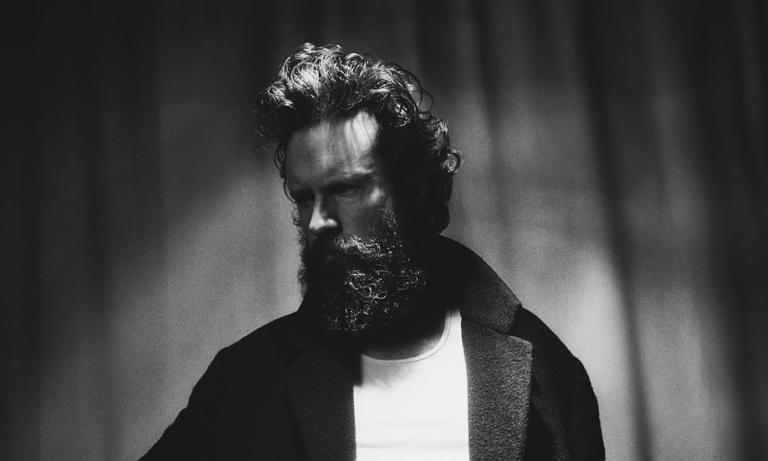
“Mahashmashana” ushers in a new chapter of existential reflection, as Josh Tillman captures the restless energy of society in decline. His latest album combines explosive rock anthems with poignant, mournful ballads, His new album is nine years after his breakthrough album “I Love You, Honeybear” turned Josh Tillman from a minor indie singer-songwriter (and the former drummer of The Fleet Foxes) into a critical cause célèbre, most people with any interest know broadly what to expect from a new release under the Father John Misty name. There will be blackly comic depictions of existential angst and apocalyptic dread. Songs that suggest life in the 21st century is basically unbearable and that the world is irredeemably screwed will vie with fourth wall-breaking moments where Tillman confesses his own complicity in screwing up the world. There will be barbed drawings of human relations, bleakly funny ruminations on ageing, self-lacerating reflections on his own music and career, stuff about Los Angeles, Tillman’s adopted home town, and, frequently, a lurid microcosm of all that’s wrong with the world.
Suffice to say that “Mahashmashana” ticks all those boxes. Indeed, it ticks quite a lot of them over the course of the opening title track, which sets a melody that evokes Father John’s most enduring musical touchstone, maybe the early 70s Elton John, to an arrangement that recalls the overripe Phil Spector production of George Harrison’s All Things Must Pass. It takes its name from a Sanskrit world meaning “great cremation ground” and alternates between describing “the next universal dawn” breaking over a silent world, and a troubled relationship between a man whose body is metaphorically compared to a chain of southern Californian gourmet food markets and a woman whose soul is a “fallen star”.
Modern-day life is “a scheme to enrich assholes”, Tillman avers, before poking his head through the fourth wall and taunting himself for his pomposity: “Such revelations,” he sings, with a parenthetical roll of the eyes, “which only singers can describe.”
But if “Mahashmashana” essentially occupies emotional territory that Tillman has mapped out over his last five albums, he keeps finding enthralling new ways to describe it: humanity, he suggests on “I GuessTime Makes Fools of Us All”, resembles “a himbo Ken doll” that God has made to “parachute into the Anthropocene” in order to “make things interesting”; “Against your will comes wisdom and 40 more years ahead” offers Summer’s Gone of the onset of middle age. He’s also very funny, as on Josh Tillman and the Accidental Dose, a kind of sequel to 2015’s scabrous “The Night Josh Tillman Came to Our Apartment”. Once again, the singer finds himself in trying company (“She put on Astral Weeks, said ‘I love jazz’ and winked at me / This is the last place I oughta be”), his discomfort compounded by the fact that the LSD he’s been microdosing has suddenly started to work a bit too vigorously, causing a painting of a clown on the wall to start speaking to him: he ends up in the street at dawn, apparently convinced, as the ruefully hungover often are, that he’s come to see things as they really are, ie unbearable.
Indeed, you’re sometimes struck by the sense that Tillman is saying things that plenty of other artists have already said, but putting it noticeably better than they have. “Mental Health” certainly isn’t the first song to opine that contemporary culture is making us unwell, the internet having helped create a culture of constant surveillance that encourages people to project a version of themselves that has no connection to reality, but it’s hard to think of anyone who’s put it more elegantly. We are living in a “panopticon”, where there’s no need for “guards and narcs” because we’re all spying on each other; online life reduces your identity to a “milk-white shadow”. Nor with more wit: “Mental health, mental health, no one knows you like yourself,” runs the chorus, adding: “You two should speak in the presence of a licensee” – whether marital, to conjoin these alienated souls, or publican.
You could argue that “Mahashmashana” is not an album built to change anyone’s mind: if you’ve already decided that Tillman is an insufferable smartarse, you can doubtless find evidence to support your claim among its dense, allusive songs. But you’d have a harder time arguing that he’s not a fantastic writer in both terms of melody – all nine tracks bear a tune that’s both beautiful and beautifully constructed – and the scope of his musical ambitions: the album nimbly leaps from Screamland’s white-knuckle take on electronic pop, strafed with the distorted guitar of Low’s Alan Sparhawk, to the sublime Great American Songbook pastiche of Summer’s Gone; from the gently discofied yacht rock of “I Guess Time Makes Fools of Us All” to Mental Health, which arrives drenched in strings and cooing, wordless female vocals redolent of late 50s/early 60s ballads and film soundtracks. He can, “Mahashmashana” suggests, master the lot: in fact, for a man who apparently spends a lot of time consumed by angst and portents of doom, Josh Tillman seems to be doing just fine.





 The Fat Angel Sings