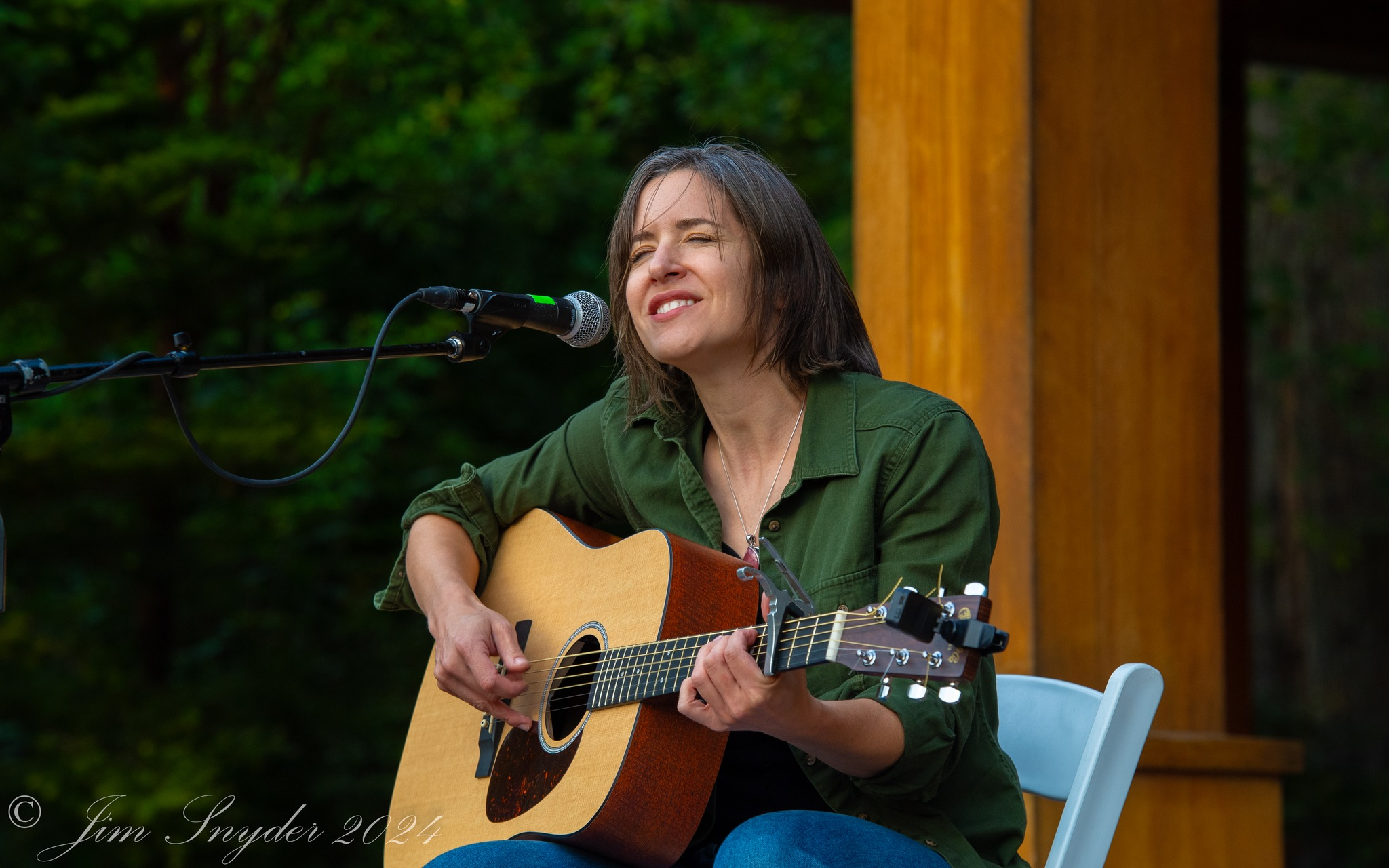
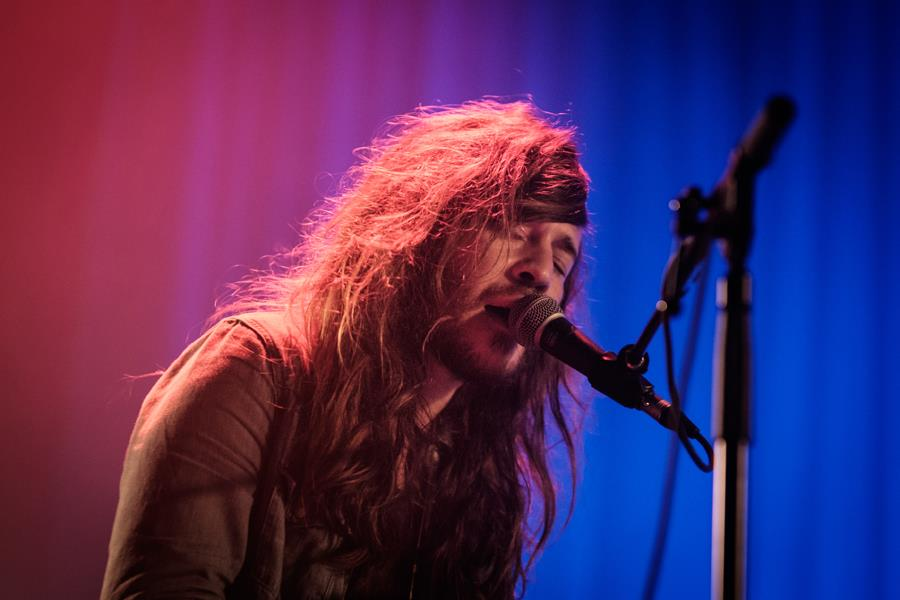
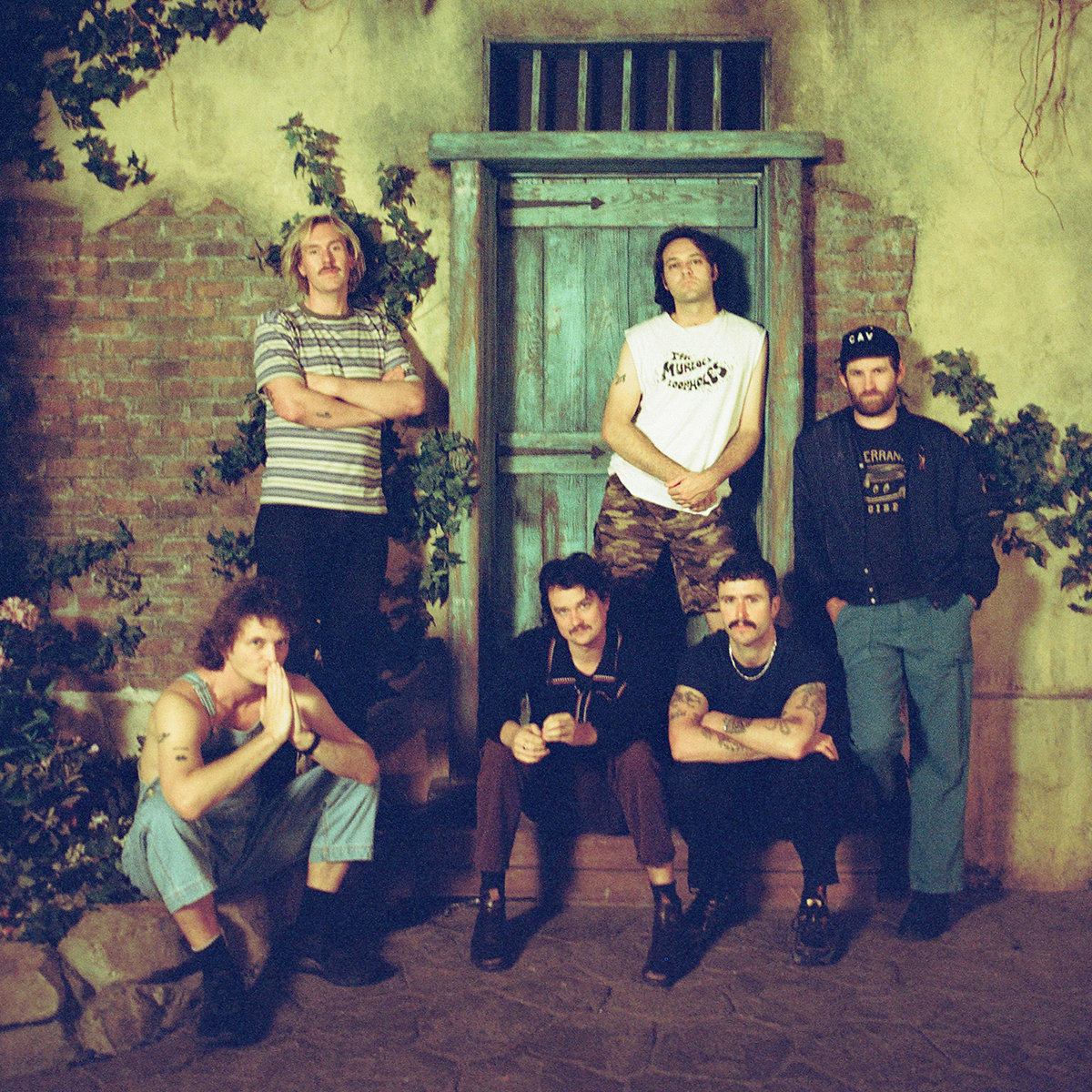
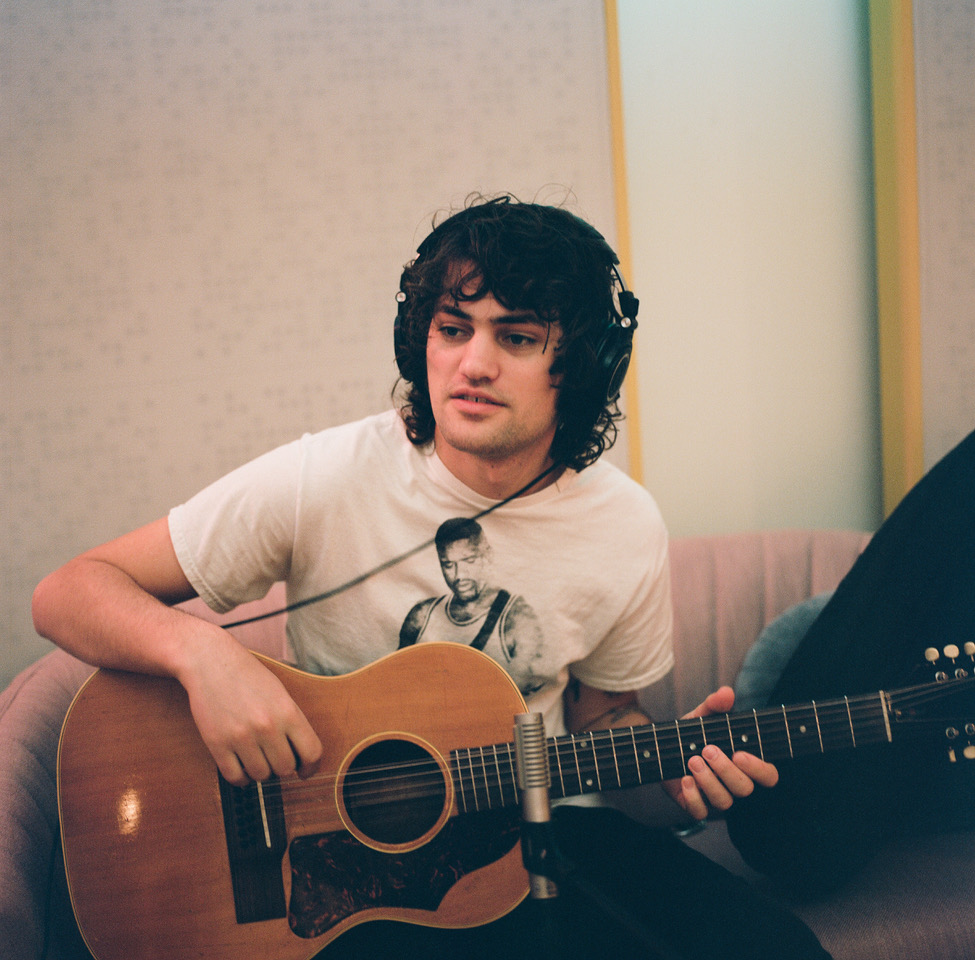
Laura Anne Stevenson is an American singer-songwriter from Long Island, New York. Born on April 25th, 1984, she gained recognition as a keyboard player for the musical collective *Bomb the Music Industry!*. With her captivating vocals and heartfelt lyrics, Laura has carved out a unique place in the indie music scene.
Her music draws inspiration from a variety of genres including folk, punk, and indie rock. You will find themselves drawn to Laura’s introspective song writing and melodic soundscapes.
Having collaborated with renowned musicians throughout her career, Laura’s solo work showcases her exceptional talent as both a songwriter and performer. Her discography includes critically acclaimed albums like “Wheel” and “Cocksure,” which have solidified her reputation as one of today’s most exciting independent artists.
In the four years since her self-titled album was released, indie-folk icon Laura Stevenson’s entire life has been upended. “Late Great”, released by Jeff Rosenstock’s Really Records, is about letting go, taking charge, and learning to rebuild from the deepest layers of your being: “It’s a document of loss for sure, ” Stevenson says, “but also of this scary and exciting precipice that I am standing on. I am making my own life now. With the record, my job, with everything, this is the first time I get to call all the shots.
“Late Great” was produced and mixed by John Agnello. The live band tracked at The Building in Marlboro, NY – an old church that used to be a pay-what-you-can model venue, a suitable space for an artist with DIY punk roots. The result is a big, smoldering sound that makes you want to roll down your car windows and let the wind whip away your woes. “Late Great” takes you on a journey as ornate arrangements and bombastic rhythms cede way to tender minimalistic arrangements only to find their way back again with Stevenson’s singular voice floating above the kaleidoscopic sonics, feeling powerful and vulnerable all at once.
From the new album “Late Great” released June 27th 2025 On Really Records
This week, Other Lives announced a new album, “Volume V”, and shared its first single “Mystic.” The album is due out October 10th via their new label Play It Again Sam.
Other Lives was originally founded in 2008 in the town of Stillwater, Oklahoma, where founding members Jesse Tabish, Jonathon Mooney, and Josh Onstott recorded their self-titled EP and LP in 2008 and 2009, and second LP “Tamer Animalsreleased in 2011. The group then moved out to Portland, Oregon, where they recorded 2014 album “Rituals” and 2020’s fourth album “For Their Love” with Tabish’s wife Kim joining the band along the way.
For “Volume V”, however, the band has revisited their roots in Stillwater, recording in The Sheerar, a former church that is now the Stillwater History Museum.. “Being back in our home town was, in more ways than one, a sanctuary for us,” says Mooney in a press release.
This week, Melbourne-based psych-rock group King Gizzard & The Lizard Wizard shared a new orchestral single, “Phantom Island,” also the band announced a U.S. tour where they will be backed by a different 28-piece orchestra in each city. They also announced a three-day camping residency in Colorado.
“Phantom Island” follows “Flight b741”, the new album King Gizzard released in August via the band’s own p(doom) label.
The band’s Stu Mackenzie had this to say about the new song in a press release: “Hello world. So our last album was 10 songs. Except we recorded 20 in that session. Here’s a track from the other set of 10. It’s even more maxxed out than the last one. There’s a whole fuckin’ orchestra on there. Hahahahahah! But for real, what a joy to be alive. A privilege to be making music for a living and to be here still after all these years. If you’ve been listening to Gizz for a long time, thank you. We love you so much. If you’re just tuning in, welcome to the cult.”
Conductor and music director Sarah Hicks will lead each orchestra. The camping residency will be at Meadow Creek in Buena Vista, CO. These shows will be the band’s only U.S. concerts of 2025.
Strings, horns, and woodwind add a veneer of regal fanfare to King Gizzard & the Lizard Wizard’s 27th studio album, reaffirming their joint status as rock court jesters and jam-band royalty. The Australian sextet has scarcely sounded more celebratory than it does on “Phantom Island”, an album of uber-psychedelic soft rock garnished with disco, prog, and fiddly folk flourishes. It is absurd, orchestral, and typically adventurous, but also more “introverted” than usual, says singer-guitarist Stu Mackenzie, the ensemble’s shaggy-dog lyrics dotted with notes of existential wonder.
“Flight b741” is the prolific band’s 26th album. It was first announced on their social media channels. Then they shared the album’s first single, “Le Risque,” via a music video. Then they shared its second single, “Hog Calling Contest,” as well as a making of the album video entitled Oink Oink Flight b741: The Making of…. “Hog Calling Contest” .
Last year the prolific band released “The Silver Cord”, via KGLW. There were two versions of “The Silver Cord“, an extended one and a version with shorter tracks.“The Silver Cord” followed the elaborately titled “PetroDragonic Apocalypse; or, Dawn of Eternal Night: An Annihilation of Planet Earth and the Beginning of Merciless Damnation”, which also came out last year.
MJ Lenderman is the project of Asheville native, Jake Lenderman, is the guitarist in country/indie band Wednesday, who released ‘I Was Trying To Describe You To Someone’ to critical acclaim in early 2020 on Orindal Records. His label debut for Dear Life Records is ‘Ghost of Your Guitar Solo,’ a ten-song collection recorded and performed entirely by Lenderman.
The record was written and recorded quickly, songs often being fully constructed and recorded within frenzied single day sessions. Songs were born out of freewheeling jam sessions with his roommates, with Lenderman often freestyling lyrics that would later become the foundations of the finished songs. Inspired by a writing exercise conceived by the late David Berman, Lenderman would write 20 disconnected lines a day, scrapping most of them but preserving a few to be used later. This process aided in what became an extremely prolific writing period for the artist this past spring. The record sounds like country music being played by a noisy punk band, unkempt and imperfect like the characters in his songs.
Lyrically, Lenderman broadened his scope beyond solemn introspection, adding humour to scenes larger than his own life. He points to authors Harry Crews and Larry Brown as inspirations, both who were southern, self-taught writers who balanced empathy, humour, and darkness. This leads to the erosion of the line that separates humour and sadness. The resulting songs are about over-indulgence and drug/alcohol abuse, full of self-loathing and pity while simultaneously celebrating the absurdity of it all.
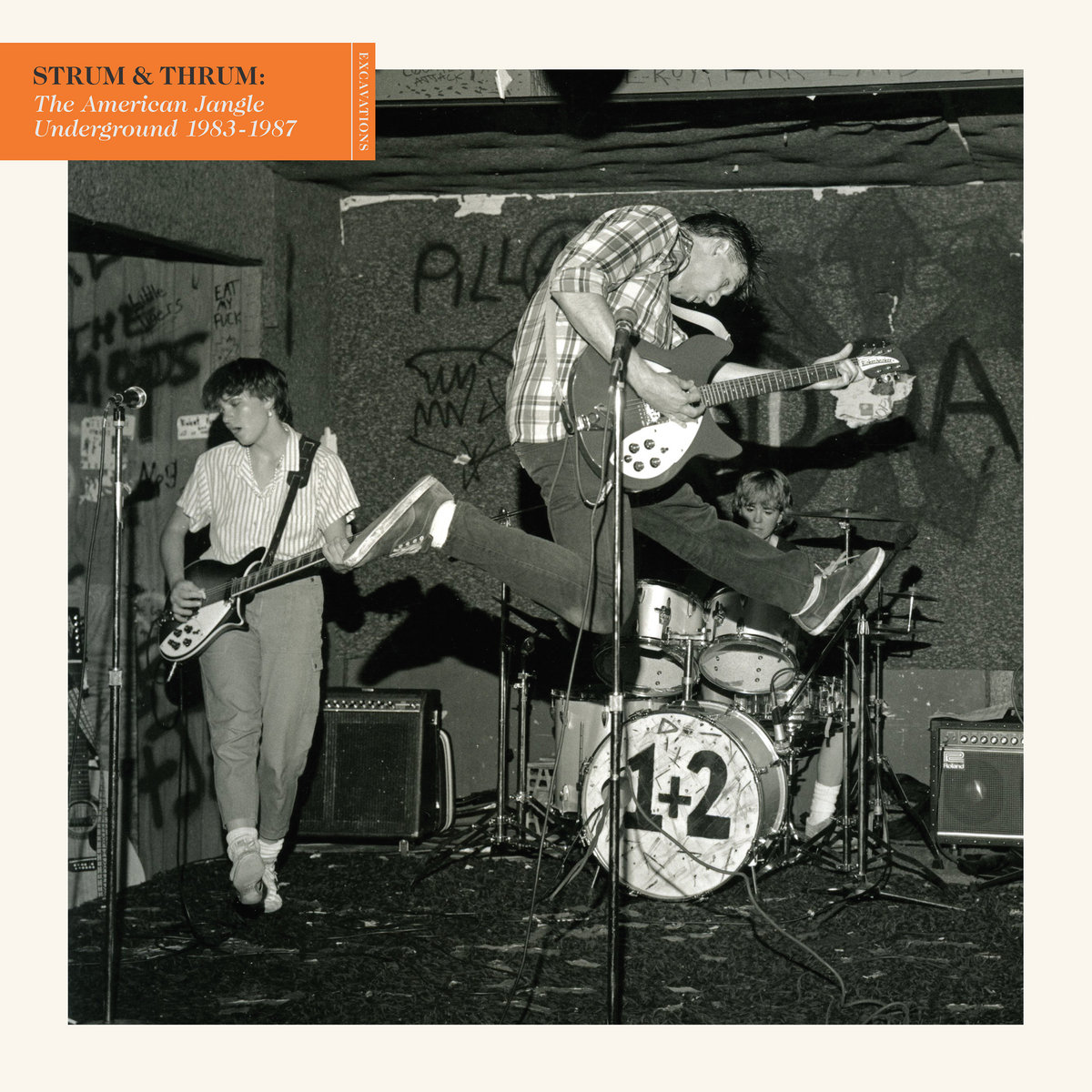
“Strum & Thrum: The American Jangle Underground 1983-1987” is the first volume of Captured Tracks’ new venture into compilations – Excavations.
Inspired by Pebbles, Killed By Death, Soul Jazz and Numero Group compilations, Excavations is a series dedicated to compiling forgotten music from the 1970s – 1990s that has a connection to Captured Tracks’ sound and aesthetic. Much like the Cleaners from Venus, the Wake, and Saäda Bonaire reissues we’ve put out, Excavations releases will bridge the past to our current roster and showcase the kinds of sounds that inspire us.
It makes sense that the first volume of Excavations is Strum & Thrum. As an American label, we’ve often wondered why British, Aussie, and Kiwi indie rock from the ‘80s has had the most influence on modern acts and the collector’s market. Granted, the music released on Creation, Sarah, Cherry Red, Postcard, Flying Nun, et al. during that era was fantastic, but a parallel to this sound existed in the US and Canada as well. Outside of bands like R.E.M., the Rain Parade, the Dream Syndicate, and a few others, most of these bands received little attention from national or international press outlets and markets – unless they opted for a “big ‘80s” sound and signed to a major. The acts on this compilation are the antithesis of that, with a true DiY spirit that lead many of these bands to self-record and self-release within tiny local scenes in small cities and college towns across America.
Though hardcore dominated the American underground at the time, the indie scene was no less vital and operated utilizing many of the distribution channels hardcore set up. The two genres may have sounded nothing alike, but the DiY ethos and dedication to community was the same… But this isn’t the story we’re used to hearing. While noted underground archivist and compilation producer Johan Kugelberg has called the ‘80s the “Dark Ages” of indie rock, Strum & Thrum aims to shed light on this forgotten era of jangly, melodic rock music that emerged from the ashes of post punk and helped kick start the indie rock boom of the early ‘90s that continues to this day. Indeed, many artists featured on Strum & Thrum went on to be part of this boom – Archer Prewitt from the Sea & Cake, Jon Ginoli from Pansy Division, Ric Menck from Velvet Crush, Brent Rademaker from Beachwood Sparks, Barbara Manning, and more went on to be in well known bands in the ‘90s.
We’re very proud of this compilation and guarantee it’s an essential listen for any fan of classic ‘80s indie bands like the Go-Betweens, Felt, the Church, the Bats, Shop Assistants, and the like. And if you’re a fan of the early records Captured Tracks released by Beach Fossils, DIIV and Wild Nothing, you’ll find a lot to love here as well.
At a time when Sonic Youth were imploring people to “Kill Yr Idols,” Strum & Thrum’s musicians were emulating them: They drew sustenance from the Byrds’ radiant Rickerbacker tones; the spare, poignant intro to the Velvet Underground’s “Heroin”; and early R.E.M.’s rambling approximations of Roger McGuinn’s guitar sound. Post-punk and no wave are nowhere to be heard in their orderly compositions. These groups almost uniformly privilege the guitar, and rarely do they disrupt a steady beat—although Start deviate from the prevalent 4/4 and Sex Clark Five dabble with quasi-prog-rock chord progressions and tempo switches. The stylistic niche plowed by most of the 28 acts here is narrow and, culturally and aesthetically, white. Not a scintilla of blues, funk, soul, jazz, or dub exists in these prototypical indie-rock songs. (The main points of Sasha Frere-Jones’s 2007 essay “A Paler Shade of White”—namely, that ’00s indie rock was defined in no small part by its aversion to the rhythmic expressions of mid-20th century, African-American popular music—could apply to Strum & Thrum.)
Music historian (and former Matador general manager) Johan Kugelberg regards the era documented here as American indie rock’s “Dark Ages.” Nevertheless, vibrant scenes were sprouting in college towns and small cities. Captured Tracks has dug deep to find gems from those microcosms. Luckily for these artists scorned by major labels and commercial radio, the college-radio infrastructure was burgeoning, connecting their smart, concisely constructed rock with students and zine-readers nationwide. The uninitiated, and those not alive during Reagan’s bleak reign, can learn much from Strum & Thrum about this stratum of sensitive-person rock.
The deities to which the majority of the comp’s artists genuflect are the Byrds and R.E.M., with occasional nods to the Smiths and Scottish label Postcard’s roster (Aztec Camera, the Go-Betweens). A substantial chunk of the album sounds like outtakes from “Chronic Town” and “Murmur“: For instance, the staccato rock of Holiday’s “Change” is essentially R.E.M.’s “1,000,000,” but with vocals influenced by the vivacious delivery of Kate Pierson, of the B-52’s. Strum & Thrum wholeheartedly champions verse-chorus-verse song structures, with no extravagant solos and few deviations from standard rock instrumentation.
With sonic innovation and political commentary off the table, these bands focused on writing catchy melodies, wittily rendering romantic entanglements and youthful musings, and generating those all-important guitar tones—the “jangle” and its close kin, the “chime.” The radiant timbres here generally signify innocent wonder and indomitable joy, despite the chronic threat of nuclear war fostered by American and Soviet leaders. Columbus, Ohio’s Great Plains slaughter doom with “When Do You Say Hello?,” a song so jittery it makes the Modern Lovers’ “Roadrunner” seem like it’s in first gear. The Ferrets mine party-starting gold with “She Was Unkind,” which audaciously fuses riffs from the Byrds’“Mr. Tambourine Man” and the Kinks’ “She’s Got Everything.” The Springfields’ Sunflower” attains a peak of Rickenbacker bliss via a fey paean to nature that could make Brian Wilson sigh.
Some of the more interesting songs here skew darker, including “Seven Steps Down,” by Salem 66, a Boston group, founded by three women, that crafted some of the most alluring hooks of the ’80s underground yet never transcended cult status. You can hear seeds of Helium and Liz Phair in their surprising dynamics and bewitching earworms. The modestly triumphant 28th Day rocker “Pages Turn (Alternate Version)” offers an early example of Barbara Manning’s ingenious songwriting and poignant vocals. On Riff Doctors’ “Say Goodbye,” singer Donna Esposito expresses the bittersweet feeling of liberation after a soured relationship, but the music radiates a restrained elation, a trick also perfected by the Smiths. The most rhythmically robust song here, Absolutely Grey’s “Remorse” is an emotional roller coaster in which Beth Brown sings, “I feel a bit remorseful now that you’re dead/But no more darkness in your head” like a female Gordon Lightfoot, her mossy tone catching with overwhelming emotion.
Taking cues from reissue specialist labels such as Numero Group and Soul Jazz, Captured Tracks has unearthed deep cuts from a stratum of rock that’s been swathed in apathy for over three decades and puts them into context. While it might be a stretch to say that Strum & Thrum’s artists influenced many of today’s indie rockers, it nevertheless represents a vault full of potential holy grails for fans of, say, Car Seat Headrest or Cloud Nothings. Captured Tracks owner Mike Sniper wants Strum & Thrum to prove that America’s ’80s underground rock bands merit the same respect as those from their more heralded British and New Zealand counterparts on labels such as Creation and Flying Nun. That’s a tall order, but even if he hasn’t quite succeeded, Strum & Thrum does an admirable job casting some much-needed light on those “Dark Ages” of American indie.
Spread across two LPs, Strum & Thrum includes an 80+ page booklet with an extensive oral history of the ‘80s indie scene, an introduction by Captured Tracks label head Mike Sniper, and tons of archival images and ephemera. Long live the jangle underground!
The Paisley Underground wasn’t so much a movement as an intermission between next new things. It was 1981 and punk music had run its course. Labels marketed their prior punk bands as new wave or power pop and the moniker was essentially abandoned to the hardcore kids. Cowpunk was about to happen, but wouldn’t kick off until Rank and File’s debut “Sundown” in 1982, while alt- and college rock were still a few years away. R.E.M. released their first single, “Radio Free Europe,” that year, and their jangly, then-fuzzy sound wasn’t far removed from where the Paisley Underground entered stylistically.
The sound blends roots rock like the Byrds or Buffalo Springfield, giving the guitars a warm ringing jangle, mixed with psychedelic rock elements from noisy, fuzzed-out licks to sonorous bar chord drone, all delivered in a raw, clamorous rumble lifted from ’60s garage rock.
While some acts resisted the tag, it was useful to have a banner of sort to run under. But it wasn’t a political party so much as a backyard one, full of like-minded souls who would explore some subset of those styles as they emerged from the gate. The “movement” was relatively small. There were six bands basically, and they would literally hang out and barbecue together.
“We were all out of step with what was going on,” says Dream Syndicate frontman Steve Wynn. Bangles lead guitarist Vicki Peterson agrees. “We were outliers for sure,” she says, “but that was the beauty of finding the community we found.” The thing that bonded The Dream Syndicate, The Bangles, and their fellow travelers in L.A.’s early ‘80s Paisley Underground scene was a passion for two ostensibly opposing influences: ‘60s psychedelia and the headlong rush of punk rock.
At the onset of the ‘80s, New Wave and hardcore ruled Los Angeles clubs, and ‘60s sounds were mostly kicked to the curb. The psych-garage tracks Lenny Kaye curated on Elektra’s historic 1972 “Nuggets” compilation were woefully unhip on the Sunset Strip. But to the blossoming Paisley Underground, the feral, fuzzed-out stomp of bands like The Standells, The Seeds, and TheElectric Prunes provided not only a peek at the past but a map to the future. “The first time I heard “Nuggets”, it felt like a validation,” remembers Peterson. “‘OK, see? We’re not crazy, there’s other people here who get this. We’re gonna write these songs that are very guitar-centric, that are garage-bands but like a “Nuggets”–era garage band, blaring harmonies over a very sloppy guitar track.’”
“That was just the Rosetta Stone for me,” says Wynn. “That was the thing that changed everything, going to a record store in Davis and finding a copy of Lenny Kaye’s“Nuggets” compilationfor two bucks and hearing all that stuff and going, ‘Oh my God. Wait a second—I like ‘60s music and I like punk rock, That’s my thing.’ And that set me off on everything that followed.”
Wynn had gotten a taste of that same sort of magic from another band of older guys, The Droogs, from whom The Dream Syndicate would eventually poach bassist David Provost. Wynn was working at Rhino Records and keeping his ear to the ground when he heard the inaugural 1981 singles by The SalvationArmy (soon to become The Three O’Clock) and The Bangs. “I was actually ordering and stocking the records by the other bands,” he recalls. “It was what I was looking for and wasn’t hearing, this nice mix of ‘60s-style music with the ramshackle punk-type attitude.” Wynn coordinated some of the first shows that brought together The Dream Syndicate, The Bangs, and The Salvation Army, and eventually fellow travellers Rain Parade, Green on Red, and Unclaimed offshoot The Long Ryders. “At that point, it just felt like we found our people,” says Peterson, “we found our tribe.”
“I know it sounds stupid, but a lot of us met at these outdoor barbecues,” Sid Griffin of the Long Ryders said. “We’re all living in the same neighbourhood. We’re all roughly the same age, and we all like ’60s bands: the Beatles, the Stones, the Byrds, the Creation, the Action. I was amazed a lot of these guys knew these bands.”
What’s extraordinary is all of these bands are still active in some way and many have continued to release music. Several have reunited in the past decade and released albums in the past 18 months, including the Long Ryders, Dream Syndicate and Rain Parade, while the Bangles broke up, then reunited 25 years ago and still play periodically. Green on Red’s Dan Stuart and Chuck Prophet continued into solo careers, while TheThree O’Clock reunited in 2013 and still play occasionally and have released archival music.
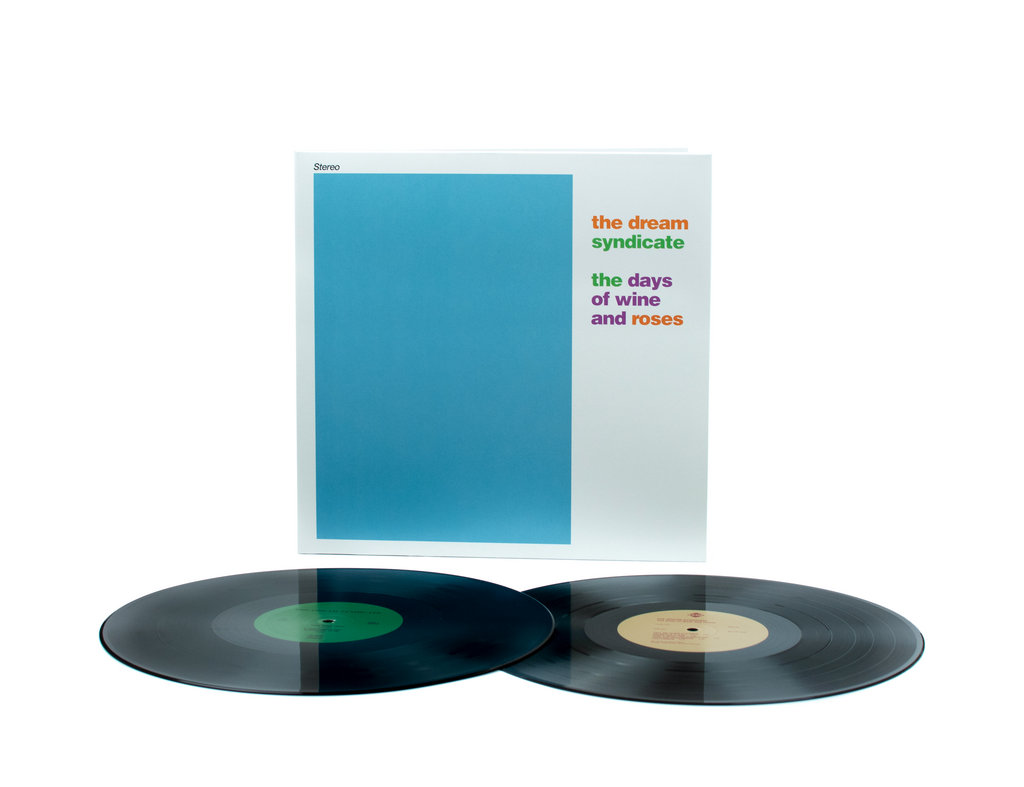
Dream Syndicate (1982) “The Days Of Wine And Roses”
Arguably the most critically adored of the Paisley Underground bands, Dream Syndicate took their name from one of John Cale’s pre-Velvet Underground projects, signaling one of their biggest influences. There’s a noisy obliqueness to their sound fuelled by the intertwining guitar work of Karl Pecoda and Steve Wynn, which was influenced by the guitar line interplay of Television’s guitarists Richard Lloyd and Tom Verlaine. There’s a ragged grace to their guitar hooks that also recalls Neil Young and Crazy Horse.
There’s something fitting about opening their debut album, “The Days of Wine and Roses”, with this track, which overtly evokes an ending. But it’s also about actively avoiding closure: I really don’t know / ‘Cause I don’t wanna know. That’s a fitting sentiment for a band that kept their musical approach and playing style open-ended.
An exceptional early ‘80s guitar-powered gem, remastered in full and includes a wealth of unreleased material. The newly expanded 4 CD collection includes tracks from main protagonist Steve Wynn’s earlier combo 15 Minutes, the debut EP, astounding cover renditions (Johnny Cash, Janis Joplin, The Who), recordings of the band’s first ever rehearsal, along with several visceral live concerts from the pre-album era.
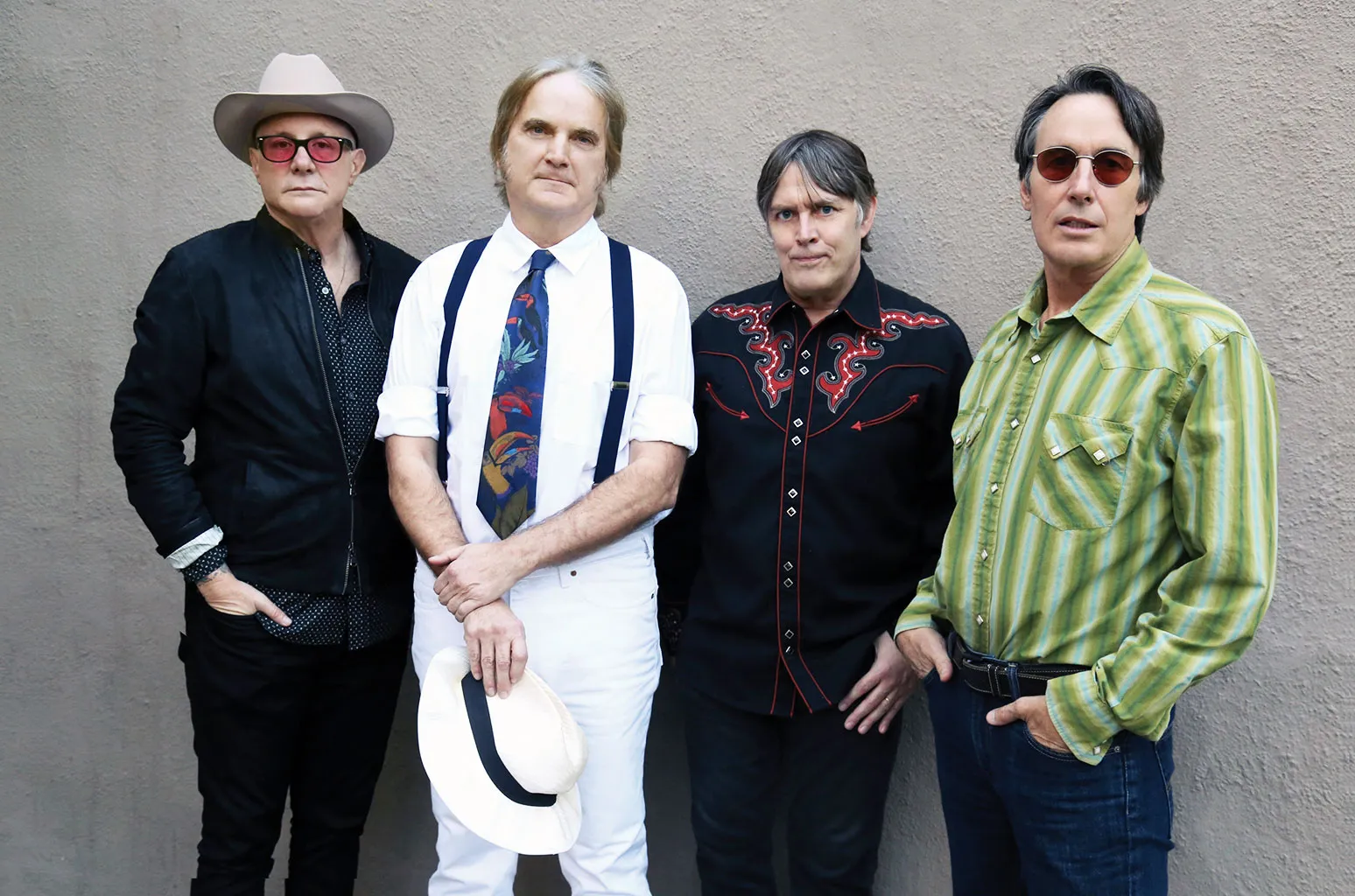
“The Days of Wine and Roses” is considered by many critics to be one of the best albums of the early ’80s; because it was released on Ruby Records, a smaller subsidiary of pioneering punk label Slash Records, it took time for word to spread. Wynn also releases solo albums and records with Scott McCaughey (Young Fresh Fellows) and Peter Buck (R.E.M.) in The Baseball Project. Dream Syndicate released “Ultraviolet Battle Hymns and True Confessions” in 2022.
Despite the twin pillars of punk and psychedelia as their starting points, the Paisley Undergrounders were a fairly disparate lot. The Dream Syndicate covered tunes like Bob Dylan’s “Outlaw Blues” and Buffalo Springfield’s “Mr. Soul,” but they were probably the least ‘60s-sounding of the bunch. Their dreams were the dangerous kind, with bassist Kendra Smith and drummer Dennis Duck creating a post-punky trebuchet to launch Wynn and lead guitarist Karl Precoda’s feedback-and-fuzz assault. The band was a feral beast you didn’t dare turn your back on.
By 1984, The Dream Syndicate and The Bangles had both graduated to the major labels, with “Medicine Show” on A&M and “All Over the Place” on Columbia, respectively. The Rain Parade would get there the following year with “Crashing Dream” on Island Records.
The Bangles (1984)
“The Dream Syndicate were my revelation in those days,” says Peterson, “because there was such a freedom in what they were doing. Whatever you expected, they were going to do the opposite. I took a lot of inspiration from that, watching Karl Precoda play in those earliest shows, watching him just wail and make noise. Before that, I was like, ‘Do I have to be [L.A. session guitarist] Waddy Wachtel and be perfect? I’ll never be perfect.’ But it was just like, ‘Fuck it, just do it, hit that chord and let it ring and see what happens.’ It was very liberating to me.”
Within a couple of years of The Bangs and The Salvation Army becoming The Bangles and The Three O’Clock, their albums began to boast more elaborate arrangements. But in the Paisley Underground days, Wynn attests, “We were looking for something a little more trashed out and broken and raw. I always say people who think they understand what the Three O Clock and The Bangles were about, if you could go back in time and see a Salvation Army or Bangs show, it would blow your mind. They were just rough and ready in all the best ways.” Looking back at The Salvation Army’s debut 45, “Mind Gardens,”Wynn observes, “It was more punk rock than Mamas and the Papas. They sounded like an uptempo Husker Du more than anything.”
When they were still The Bangs, Peterson, her sister Debbi, and Susanna Hoffs were sharing bills with the likes of Black Flag and Social Distortion. But it was a slightly older, garage-tastic gang called The Unclaimed that blew their minds when they played a gig together in Santa Monica. “They were playing things like ‘Little Girl,’ [a “Nuggets” track by] Syndicate of Sound, things that nobody else was doing then—so ‘unhip,’ as it were. And we were just completely entranced and made friends with them.”
The Bangles put sweet vocal harmonies and a ’60s pop vibe into a blender with garage rock and punk and pressed every button, ending up with something instantly accessible and unstoppably exciting. Whether they were playing their own tunes or revving up a “Nuggets” classic like The Seeds’s “You’rePushing Too Hard,” nobody ever mistook them for New Wavers. “We probably avoided that by being so ‘60s-centric and presenting as a garage band,” says Peterson, “we were not a tight, sixteenth-note kind of a band.”
The Bangles were sort of the spunky younger sister of the Go Go’s, but with a gruffer, garage rock swagger. Like the Go-Go’s, everyone contributed and sang, but the label screwed with the band’s chemistry by narrowing their attentions on Susanna Hoffs , and favouring her songs for the singles. The girls shared a love of ’60s garage-psych and British Invasion bands; they were huge music nerds like the boys. And naturally there were all these cross-connections; for example, Hoffs’ brother John was best friends with Rain Parade guitarist David Roback.
“Hero Takes a Fall” is not only a great early track for the Bangles, it led to Prince collaborating with the band on its first big hit, “Manic Monday.” “[It] was one of those breakthrough songs for us,” Hoffs said. “It’s the song that Prince heard and was like, ‘What band is this? I like it.’ The song really encapsulates sisters Vicki and DebbiPatterson, and my love of ’60s music and … sort of psychedelic pop: The Seeds, Arthur Lee, Love, the Beau Brummels, the Blues Magoos, the Troggs.”
When they showed up on those shabby stages, the bands of the Paisley Underground often lived up to their name. “I have definitely seen Steve wearing paisley shirts,” reports Peterson, “and the same with the Three O Clock. We all shopped at thrift shops, and we were wearing things from the ‘60s that we sourced from second hand stores. I found a pair of go-go boots that I wore until they literally fell apart, and I taped them up with gaffer’s tape. We had a friend who owned a very cool kind of punk shop on Melrose Avenue, a clothing shop. They actually made a couple of dresses for us. We were wearing miniskirts all the time, or tight trousers with crazy patterns. Furry vests, fringed vests—‘60s fashion was very important.”
The Long Ryders (1985)
The Long Ryders and Green on Red ultimately emerged as the scene’s cowpunk contingent. Sid Griffin then of The Unclaimed kicked off the former to pursue his vision of blending garage and punk flavours with the “cosmic country” side of the ‘60s SoCal scene that traded Nehru jackets for Nudie suits (Byrds, Buffalo Springfield, Flying Burrito Bros, Michael Nesmith). Steve Wynn briefly played in an embryonic version of the band before their line-up fully gelled.
Guitarists Sid Griffin and Stephen McCarthy keyed the Long Ryders’ sound, settling on a blend of Gram Parsons/Flying Burrito Brothers country with a gruff garage attitude, or as Griffin described it, “The Byrds, but pissed off.” The punk came out in the lyrics that were appropriately anti-corporate and progressive in tone, and together formed an early blueprint for the basics of the Americana sound.
According to Griffin, the band was particularly victimized by an executive at their label who thought guitar bands were over. Acting on his steadfast belief, he cancelled the order of albums to support the single’s release. Naturally the single got off to a nice start, getting airplay at college radio and into rotation on MTV, but then there were no records in the stores.
“There was like a three-week gap in the market where you couldn’t buy it, so we were just dead in the water,” said Griffin, who blamed the departure of the A&R guy that signed them. “The next people, they don’t care about you, because you’re someone else’s. They just say, ‘Well, this is Fred’s signing, not mine, what does it have to do with me?’”
Green On Red (1985)
Green on Red started out in Tucson as The Serfers before hightailing it to L.A. in time for the Paisley boom. Their early releases (including an EP on Wynn’s Down There Records) were solidly in the neo garage/psych vein, but by the time of their second album, “Gas Food Lodging”, they had shifted to a country-tinged, Neil Young-indebted brand of ragged-but-right roots rock.
Wynn had a hand in helping True West get off the ground, too. The band was psychedelic enough to make a stinging cover of Syd Barrett-era Pink Floyd banger “Lucifer Sam” their first single, but they eventually graduated to more of a “desert rock” vibe. “Their big influence was Television,” says onetime True West drummer Steve Emerson (née Packenham), “After that it was a mix of early Pink Floyd, Quicksilver Messenger Service, The Yardbirds, etc.”
Wynn recalls, “Russ [Tolman, guitar] and Gavin Blair, vocals and I had been bandmates in Davis when we [and Kendra Smith] were in The Suspects a few years before. They asked me to produce their first EP, and it was a natural fit—in some ways, they were the closest to the sound of the Dream Syndicate, and my main input was to keep telling them to turn up their guitars. And, of course, to toss some of my own modal guitar wandering into one of the songs. I just couldn’t resist joining the party.”
The Long Ryders and Green on Red ultimately emerged as the scene’s cowpunk contingent. SidGriffin of The Unclaimed kicked off the former to pursue his vision of blending garage and punk flavours with the “cosmic country” side of the ‘60s SoCal scene that traded Nehru jackets for Nudie suits (Byrds, Buffalo Springfield, Flying Burrito Bros, Michael Nesmith). Steve Wynn briefly played in an embryonic version of the band before their line-up fully gelled.
Green on Red came to Los Angeles from Tucson, Arizona, after singer/guitarist Dan Stuart fled the state following a smash-and-grab robbery to supply himself with a guitar and amp. (And he successfully avoided jail time!) While distinctive from the start, due in part to Chris Cacavas’ woozy organ sound, the addition of guitarist Chuck Prophet prior to their second full-length album, “Gas Food Lodging“, took them to another level.
“When I saw Green On Red, it’s hard for me to really describe just how wildly fresh they were at the time. They had songs, you know, that were narrative, story songs,” Prophet recalled. “They were playing some open chords on guitar and you could hear the words, but now on top of the elements, it was charismatic in some way that really kind of blew my mind. When they asked me to join, I didn’t hesitate.”
This track from the aforementioned album captures that moment’s road-weary-but-impassioned vibe, as Stuart sings, Guess I’ll just be poor for the rest of my life / It’s better than giving up the fight / That’s what dreams were made for.
Rain Parade (1983)
Some of the guitar tones share common DNA with Dream Syndicate. After releasing their 1983 debut, “Emergency Third Rail Power Trip“, guitarist David Roback left Rain Parade to form Opal with Dream Syndicate bassist Kendra Smith and drummer Keith Mitchell. When Smith left Opal after a show in Providence, Rhode Island, Roback replaced her with his friend Hope Sandoval, ultimately changing the band’s name to Mazzy Star. A few years later they released “Fade Into You,” a slow builder that became a hit almost a year after its release.
The Rain Parade made the most limpid, yearning sound of the pack. Roback brothers David (on guitar) and Steven (on bass) had been in late ‘70s band The Unconscious with Brentwood neighbour and future Bangle Susanna Hoffs before the Parade began in ‘81. With the Robacks and guitarist Matt Piucci all contributing vocals and songwriting, Rain Parade seemed to answer the question, “What would it sound like if the circa-’66 Byrds and Beatles were transported to the early ‘80s Sunset Strip?” Steven’s gently tumbling basslines and the guitars’ mix of sweet tintinnabulation and trippy prestidigitation helped make the band the real psychedelic sorcerers of the crew.
Piucci reunited Rain Parade a decade ago, and in August they dropped their third album and first release in 37 years, “Last Days of a Dying Sun“, to very favourable reviews.
The Three O’Clock
The Salvation Army, who were reportedly forced to find a new moniker by the famous Christian charity organization of the same name and became The Three O’Clock, were the cabal’s biggest psych revivalists. Early on, they sounded like they had stepped out of “Nuggets” and added some punky propulsion, with Michael Quercio’s puckish tenor and Mike Mariano’s technicolour keyboards coming more to the fore as they eventually pushed in a poppier direction. “They were more meticulous,” remembers Peterson, “all great players, really specifically painting a picture that was targeted and beautiful. With the Farfisa organ, with Michael’s singing being perfectly pseudo-Anglican. A kid from the South Bay, he sounded like a kid from Manchester. I just thought they were fantastic.”
The punchy, almost power pop approach of The Three O’Clock fits nicely alongside The Plimsouls, The Shoes and even R.E.M. Their songs were catchy and they quickly ascended the musical ladder, going from small indie Frontier Records for their 1983 debut, “16 Tambourines“, to major-associated indie IRS Records for their next two albums. They were signed to Prince’s major label subsidiary, Paisley Park, for their final album, “Vermillion”, which also featured popsmith Jason Falkner (Jellyfish) on guitar. The band broke up afterward, though they reunited in 2013. The only “original” music they’ve released was taking part in Yep Roc’s 2018 paisley underground “3X4” release, in which The Three O’Clock, Bangles, Dream Syndicate, and Rain Parade each cover one of each other’s songs.
When Salvation Army/Three O’Clock singer Michael Quercio casually dropped the words “paisley underground” at a Sunset Blvd. Denny’s during a late ‘82 L.A. Weekly interview, the term went viral, and the scene had a name. Unlike a lot of musical movements that get defined from the outside and whose participants never really claim a connection, the Paisley Underground was a true community, embraced by its participants even today. “We were a very well-defined scene,” says Peterson. “We were friends, we played together, we hung out together, and we were just in love with each other.” Wynn concurs, “It was a very legitimate, real moment where a bunch of bands came together and created something maybe bigger than themselves.”
Prince remained connected enough to his Paisley kin that in 1988 his Paisley Park label released The Three O’Clock’s “Vermillion“, which included the Prince-penned “Neon Telephone” and guest appearances by The Revolution’s Wendy & Lisa.
In the beginning, at least, the grittier the venue, the better it suited the bands. An early favourite was Cathay De Grande, where Wynn had worked as a DJ. “It was kind of a trashy, punky, raw place,” he recalls. “We didn’t have to shine things up too much to play there.”
“It was a basement club,” says Peterson, “it was kind of our version of the Cavern Club, because it was just a sweaty, hideous, low-ceilinged basement of a Chinese restaurant—absolutely horrible. It was a gathering spot for sure, right in the heart of Hollywood.” Gloriously grimy spots like The Music Machine and Club 88 had just the right punky vibe, too. “Those were also sweaty, horrible clubs, but a little less so. We’d all be on the same bill at those clubs. Those nights were great, we just felt like, ‘We’re not playing the same stuff, but we’re all in the same camp.’”
True West
There were enough bands on the fringes of the scene that, in retrospect, core members of the Underground have coined the term “Paisley-adjacent” for them. Game Theory, for instance, blended power pop, New Wave, and psych pop in a fashion that could’ve made them second cousins to The Three O’Clock. “I knew [bandleader] Scott Miller really well before all that in college,” says Wynn. “When they came along, they opened a few shows for us, and I was very encouraging of them. I was a fan of Scott’s music back in 1980 when I heard his first single with [earlier incarnation] Alternate Learning. I just couldn’t believe how good this guy was—a wild, mad genius.” Later, Michael Quercio became Game Theory’s bassist for a bit.
The Pandoras, featuring future Muffs singer Kim Shattuck, didn’t start until the Underground was already bubbling up, but in their early phase, they were the ultimate garage-psych fetishists, with a sound and image that was as 1966 as they could make it without resorting to some Back to the Future-type shenanigans. “They came sort of later in the game,” Peterson confirms, “but I think they have a claim.” Wynn recalls, “They were a very ‘60s band and pretty exciting and raw and punky.”
The Pandoras, a band best known for its 1960s garage-rock-inspired songs and attitude, are back after a 25-year hiatus. After a vibrant Facebook group revealed a feisty underground fanbase, The Pandoras got together to hang out and jam. One thing led to another, and they realized they could put on an amazing live show. The band had a successful headlining tour in Europe in 2015 and more recently, played shows with The Bangles and Flamin’ Groovies. Although The Pandoras’ lead singer/songwriter, Paula Pierce, died of an aneurysm in 1991, her music, bandmates, and fans are carrying on her legacy.
the Pandoras: were Kim Shattuck (The Pandoras, The Muffs, The Pixies): Doing Paula’s job with lead vocals, screams, and lead guitar, Melanie Vammen (The Pandoras, The Muffs, The Leaving Trains): On Vox organ, harmonica, tambourine, and backing vocals, Karen Basset (The Pandoras, The Rebel Pebbles): Taking over on bass and harmony vocals, Hillary Burton (The Pandoras, honeychain): Drums and backing vocals
The band has recorded an EP’s worth of Pierce-penned songs and covers; it was produced by Kim Shattuck and engineered by Grammy-award-winning Chris Dugan.
By the first months of 1982, the underground was already peeking overground. “Within four, five months, we were all making our first EPs for big indie labels and playing the Whisky a Go Go and stuff like that,” recalls Wynn. “The Rodney Bingenheimer [radio] show, Rodney on the ROQ, on KROQ, was a big thing for all of us. Rodney was very supportive of our scene. Rodney was coming from a place of loving ‘60s music and punk rock, so he just said, ‘Yeah, this is my thing!’”
“It didn’t take long,” says Peterson. “The Dream Syndicate, they went from their first rehearsal to their first record in a very short time, and that record became an absolute fan favourite. The Bangs, we played quite often in L.A., we got some good luck with press right away.”
No golden moment lasts forever, and as quickly as the scene grew, it started fragmenting. The bands all pursued their distinct destinies, drifting apart musically and geographically. “The Dream Syndicate grew very quickly in popularity, and they went out on the road before we did,” explains Peterson. “So now they’re not around. Then we got signed to a label, we were in a studio, and we were immediately out on the road, and I felt like I didn’t come back to Los Angeles for almost nine years. I didn’t know what was happening in L.A. Same thing with The Three O’Clock—they went on their adventure; they connected with Prince. Everyone had their own trajectory within a very short time. There was a beautiful, bright, sweet spot where we were all in town and we were all playing together, but that didn’t last terribly long.”
By the time the ‘90s rolled around, the bands had all broken up. But every pendulum swings back around eventually. In December 2013, the core four played a brace of benefit shows together that eventually inspired them to record a sort of sequel to “Rainy Day“. 1984 also delivered one of the scene’s most beloved artifacts, “Rainy Day”, which featured the core four joining together to reinvent tunes by the likes of Jimi Hendrix, Bob Dylan, The Velvet Underground, and The Beach Boys.
This time, they covered each other instead of their inspirations, and 2018’s “3×4” proved that the Paisley Underground story’s final chapter remained unwritten.
Fantastic round-robin by four leaders of the Paisley Underground sound taking a crack at each other’s songs. “3 x 4” a celebration of L.A.’s Paisley Underground scene of the 1980s featuring four of the scene’s most notorious bands each covering the songs of the others – four bands covering three songs each – “3 x 4” get it? The bands are The Bangles, The Three O’Clock, The Dream Syndicate and Rain Parade. These are brand new 2018 recordings.
There has been a gradual snowball effect as the scene slowly came surging back into the public consciousness. In 2017, the reunited Dream Syndicate released the first of several new albums. The Long Ryders’ reunion album, “Psychedelic Country Soul”, came out in 2019, with guests including the Peterson sisters. Omnivore Records unveiled an expanded reissue of The Salvation Army’s “Mind Gardens” seven-inch in 2021.
David Roback, who later formed Opal with Kendra Smith and then found fame as half of Mazzy Star, sadly passed in 2020; but The Rain Parade came roaring back with “Last Rays of a Dying Sun” in 2023, around the same time the Dream Syndicate documentary “How Did We Find Ourselves Here?” premiered. Wynn published his memoir, I Wouldn’t Say It If It Wasn’t True, the following year, and 2025 brought both the authorized Bangles biography The Eternal Flame and Peterson’s duo album with husband John Cowsill, “Long After the Fire”.
In the end, Wynn looks back on the scene’s salad days with love. “I have great memories of it,” he says. “We were all united in that camaraderie and very friendly competition and inspiration. I’m glad we had each other; it was a really great moment.”
“I think it was something really special,” says Peterson. “I just feel lucky that we were there and that we found each other. It felt like a revelation. You have that moment like, ‘I’m not alone.’ And we were absolutely not alone.”
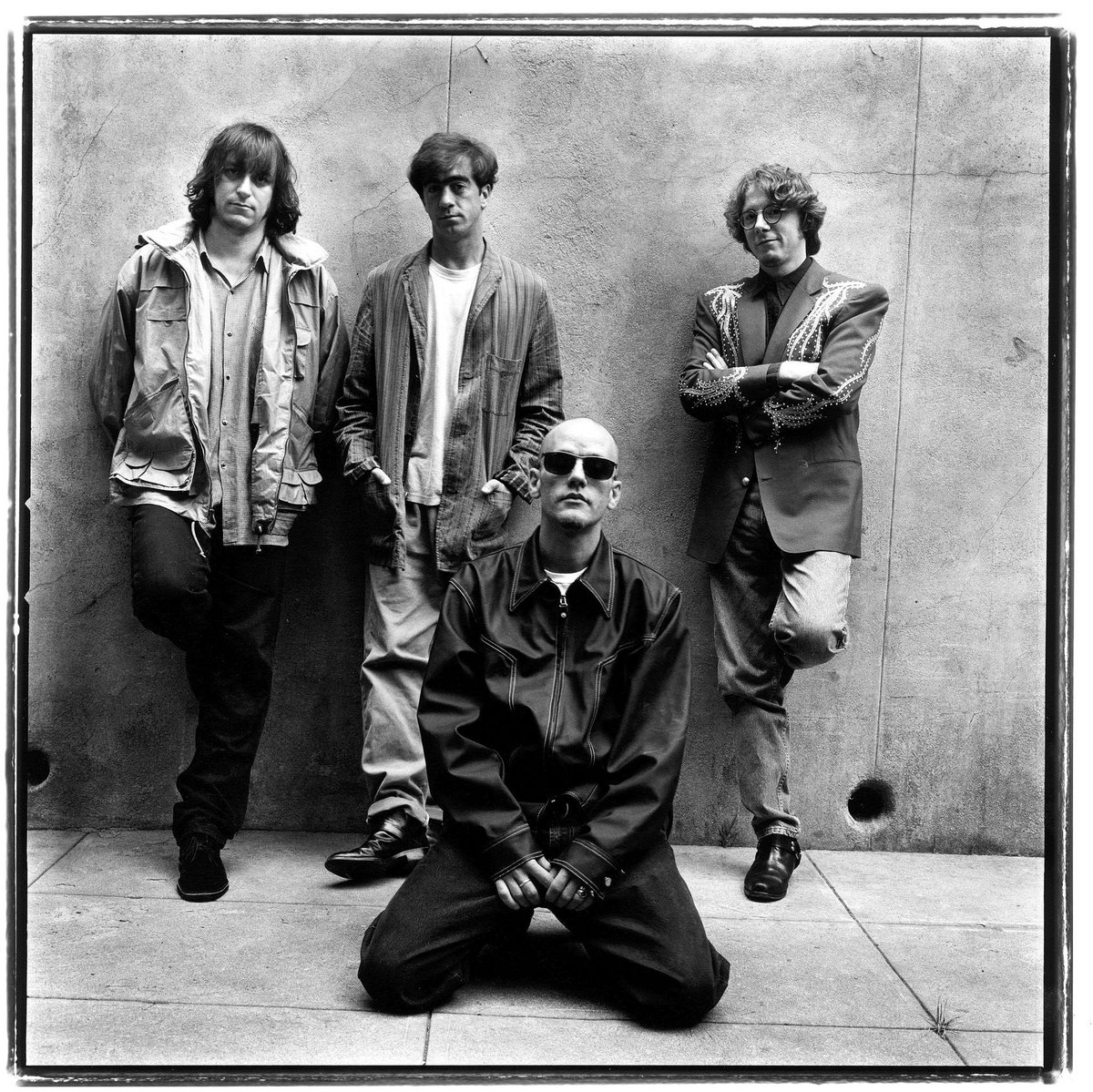
R.E.M. is one of the most revered bands to emerge from the American underground. Singer Michael Stipe, guitarist Peter Buck, bassist Mike Mills and drummer Bill Berry helped originate college rock during the post-punk scene of the 80s, with their idiosyncratic blend of brash tunefulness, poetic lyrics, chiming guitars and evocative vocals.
“Out of Time” was the album that catapulted R.E.M. from an indie favourite to one of the biggest bands in the world. Topping charts in the US, UK and beyond, this three-time Grammy Award-winning album remains an iconic title in modern rock history, with hits like “Losing My Religion” and “Shiny Happy People”.
Ranked #3 in Melody Maker’s list of “Top 30 Albums of 1991” – “…A merry breakdown and a mighty breakthrough…”, Included in Rolling Stone’s “Essential Recordings of the 90’s. Peter Buck claimed he was still teaching himself when he stumbled upon the riff for ‘Losing My Religion.’ The single remains the most perfect pop song R.E.M. ever crafted,
R.E.M. came back after a period of self-imposed reinvention, and “Out Of Time” is easily their most eclectic and wildly inspired album yet, although it is still very identifiably REM
R.E.M. has done it again: defied and fulfilled the conflicting expectations of a broad, mainstream audience and a smaller, more demanding, and possessive, cult….This may well be America’s best rock & roll band….surely, America’s most resourceful rock & roll band…” Spin (3/91) – “…More textured, lighter, brighter, and poppier than 1988’s “Green”….This album will nail it once and for all: They’re no longer innovative, original, or particularly exciting in the way they used to be–but they are writing more consistently excellent songs…”, “There is something extremely reassuring about the volatility of this album, its out-of-time-ness, which suggests that the music isn’t simply confined to the past but thrives in the present.”
The Bug Club are back, again, for their annual appointment at the garage rock makers’ market, where they’re flogging yet another pedigree record. LP number four, ‘Very Human Features’, arrives hot on the heels of the band’s first Sub Pop release, 2024’s ‘On the Intricate Inner Workings of the System’. That record saw the band continue their love affair with BBC Radio 6, start up a new one with KEXP thanks to a session with them, and crop up in the pages of the NME
So with LP number four, “Very Human Features”, released June 13th, Anything else from the bucket list? Oh yeah, festival slots including packing home ground Green Man’s Walled Garden to its non-existent rafters. Then shows across the US in those venues us Brits tend to hear about and that’s as far as we get. This record gives the band an excuse to continue their never-ending tour and feed their baying fans, engorged and expectant thanks to this band’s relentless record-releasing hot streak, a new batch of typically playful, riff-laden, smart Bug Club Tunes.
But first, a standalone single, because that’s how things are done here. “Have you ever been to Wales?”, asks the band in “Have U Ever Been 2 Wales.” It’s good. A new, discordant national anthem, if they didn’t already have a decent harmonious one. Oh, to be from a country where national pride is something other than the mark of a tosser. Starting as a classic, chugging chanta-long, it’s interrupted by what sounds like an alien choir before they let rip. Think Dinosaur Jr. with a job at the tourist board. And Welsh.
Personally, I hate it when an unnecessary personal opinion is inserted where it’s not needed – band bios, for example – in order to offload an uninteresting individual hot take. Maybe that’s why this stuff works: thankfully, on “Very Human Features” The Bug Club have continued in their habit of presenting as a collective mind. Two-in-one. Rarely do you find a band with two creative forces that have such a singular, shared perspective, sense of humour and knack for a pop melody. In “Beep Boop Computers” vocalists Sam (also on guitar) and Tilly (on bass) swap between “I”s, “my”s and “we”s as if there isn’t any difference between the lot, all the while skewering interpersonal relationships and experiences in a glorious, glam rock dismantling of the human aspects the album’s title references. Staying on topic, “How to Be a Confidante” does that-thing-The Bug Club-really-know-how-to-do where they, again speaking as two voices from the same mind, pluck out common aspects of how we all live and make them sound ridiculous. The surreal is in the familiar, not in ignoring the familiar – The Bug Club know this and that understanding joins an unrelenting bassline in forming the backbone of this garage-infused belter.
It’s no surprise that, in poking fun at the familiar, the humour is by track two turned inwards and it’s The Bug Club themselves in their own firing line. In “Twirling in the Middle,” after taking a detour to insult both airport-littering spy-fiction writer Andy McNab and the collective authors of the Bible, Sam and Tilly sing, “did you think this was over, cos we’re just getting started.” A reference to their prolific output perhaps – this is the fourth LP since 2022, not to mention all the EPs and standalone odds and ends, after all. Then they twist the knife further, hari-kari style, when they raise eyebrows at their own tempo change (“are we doing the rocksteady?”) and then add “just when you’re ready for this to be over, we’ll start playing solos” before doing exactly that. And it’s a proper solo too – they always are. It’s a rollercoaster unpicking of whatever-it-is The Bug Club do, while at the same time building on the work done in previous albums and presenting us with layers of creativity piled up atop one another.
Sam and Tilly, combined. But the multi-dimensional nature to The Bug Club is what makes “Very Human Features” just as re-listenable as their previous work. “Jealous Boy,” “Appropriate Emotions” and “Muck (Very Human Features)” all lend the LP a more poignant tone.
Initially comprising the songwriting core of Sam Willmett (vocals/guitar) and Tilly Harris (vocals/bass) with Dan Matthew (drums), The Bug Club started plying their trade in 2016. They were signed by UK label Bingo Records in Autumn 2020 and first single “We Don’t Need Room For Lovin’” was released in February 2021, followed by the EP Launching “Moondream One2. It quickly established The Bug Club as the tongue-in-cheek and live-focused antidote to the previous year’s penned-in pandemic drudgery.
Pile have undergone a pretty sprawling musical journey as a band, from solo project to hard-driving post-hardcore group to more atmospheric art-rock group on their 2023 album “All Fiction”. Their latest single, “Uneasy,” finds them remaining in that atmospheric space, but with an immediacy and a driving pulse that makes its more ambient, electronic elements all the more accessible. Drummer Kris Kuss is the secret weapon here, providing a muscular performance that reminds us how much this band rocks, even when they’re not really rocking—not exactly anyway. But the whole thing could explode at any minute, and it’s that kind of suspense that makes it exciting.
A Sisyphean fable concerned with labor and living. “Sunshine and Balance Beams” is the bands 9th Studio Album from Pile.
“A million sweaty punks can’t be wrong”, SPIN MAGAZINE “They’ve spent the past 16 years refining what a modern-day rock band could be… a surprisingly detailed and evocative world, just beyond the limits of rock” PITCHFORK “he cult around the Boston-based post-hardcore band Pile has grown feverishly… and has since blossomed into a hard-to-pigeonhole but instantly identifiable force in underground music” BANDCAMP
“Pile is one of the strangest bands in rock music, and one of the best” AV CLUB, “Rock ‘n’ roll can be a lot of things — dangerous, sexy, stupid — but Pile’s rock ‘n’ roll is deranged” NPR, “best known as THE Boston Rock Band” STEREOGUM
“Pile cemented their status as one [of] the loudest, most quietly influential DIY rock bands” PITCHFORK
From the album “Sunshine and Balance Beams” (Out 15th August, Sooper Records).
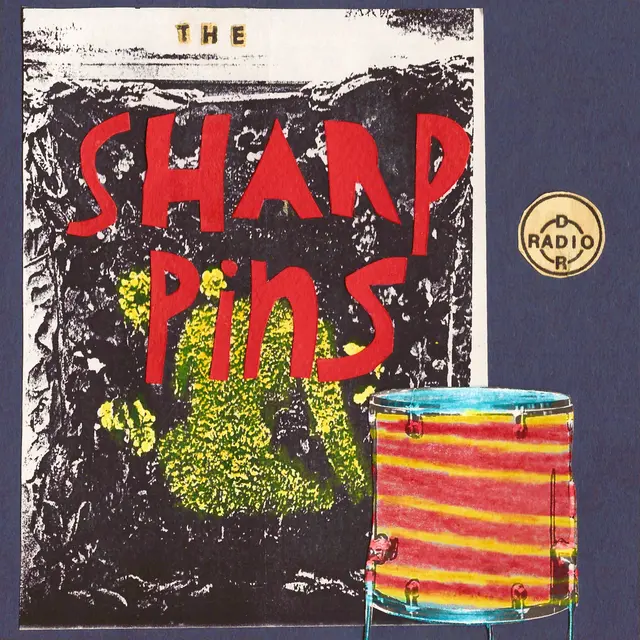
Sharp Pins’ “Radio DDR” showed up on our list of great albums from late 2024 you might have missed. But given the lateness of the hour and a proper physical release this year,
Release dates are trivia, but Sharp Pins’ purely joyful and impeccably crafted lo-fi power pop is essentially timeless on arrival. Reminiscent of prime Guided by Voices, Big Star, Cleaners from Venus—pick whichever analog-recorded janglers show up on your radar “Radio DDR” is pop perfection by any other name. The project of Lifeguard’s Kai Slater , Sharp Pins capture a certain kind of vintage that sounds great no matter how or when it graces your headphones: 2024, 2025, 1974, 1993, it’s all good stuff.
Sharp Pins is the super solid lo-fi noise pop project of talented Chicago musician Kai Slater of the band Lifeguard and Dwaal Troupe. “Radio DDR” was originally released as a Hallogallo tape.
Let the old folks fight it out. Sharp Pins are too busy staying up late watching vampire movies. Fathers and Children of the Revolution. Sharp Pins are known for their pop guitar minuets that splay the ballet; they are the cosmos. Word on the street is Sharp Pins will touring the U.S.A. with the Hard Quartet, March, April, May, 2025.