Is it their best? Not exactly. But it’s Duster, I’ve been obsessed with this band for over a decade at this point. So much so that I dug for every precious demo and unfinished record I could. Duster’s mostly untitled “Christmas Dust” and found a hand-scrawled forgotten cassette “On The Dodge.” I’ve scoured the internet for every Duster-adjacent music project I could find.
Now in 2024, Duster is a smash cult hit band; a household name for a certain slightly-disaffected Gen-Z TikTok user. And you know what? Duster rules. They absolutely deserve the success they’ve garnered, even if it feels like a total algorithmic fluke. Seeing them again last month was maybe even more surreal than the first time. At 31, I felt like one of the oldest people there, dumbfounded by people cheering and taking out their phones en masse to film the blisteringly loud “Echo, Bravo” from Stratosphere.
Right. “In Dreams”. Duster very suddenly dropped their fifth album this year (their third since reuniting, “Remote Echoes2 doesn’t count, those are old demos recompiled). What can I say? It’s more Duster. Which means it’s among one of the best albums to come out this year.
This record still so underrated. “Under Sound” easily wins ‘best bass guitar tone of the year’ from me. Every track on this thing is just so relentlessly heavy and crunchy in the best possible way. but the way the drums cut through such tone-heavy guitar and bass production feels like such an accomplishment.
I’ve been completely obsessed with this record for the past few days. While it might appear on the surface like a straight-forward emo-tinged alt-rock record, “Under Sound” is an incredibly focused and groove-packed endeavor. The production is stellar, featuring one of the most perfectly mixed snare-drums I’ve heard on a fuzzy rock album in a long time. It might sound arbitrary to point out, but making sure the drums crack through the massive guitar and bass tone on a record like this is a true accomplishment.
There’s clearly so much love and inspiration packed into “Under Sound” that I keep picking up on each listen. The opening riff of “Further From My Start” could slot into Deftones’ 2003 self-titled record just as easily as the title track could fit into Codeine’s “Frigid Stars” from ’91 (albeit with some slowing down, of course). All of this is just to say that Prize Horse doesn’t quite wear their influences on their sleeves as much as they reconstruct their influences into alt-rock couture.
All songs written and performed by Prize Horse Guitar/Vocals – Jake Beitel Drums – Jon Brenner Bass – Olivia Johnson
Earlier this year, New York’s Babehoven opening up for Greg Mendez in Chicago. Their vocalist (and main songwriter) Maya Bon came on stage, and in a raspy whisper, delivered the tragic news that she had lost her voice the previous day. She apologized profusely, and said that they’d try to perform a few songs, but she couldn’t sing a full show on her own. Then she made an unexpected offer to the crowd: if anyone was feeling brave, they could come up and sing a Babehoven song of their choice while the band backed them, karaoke style. No one wanted to go up at first, but after a couple of songs with Chicago local Hemlock filling in, someone from the crowd mustered up the courage to try. A young woman, maybe in her early 20s, shyly attempted to sing, a little off key.
The whole crowd clapped and cheered her on. A couple more folks came up to sing additional songs, and then finally opener Mia Joy joined, along with Greg Mendez himself, to wrap up the set. It was a funny, weird, sincere show full of kindness and encouragement from the Chicago crowd and fellow performers, and ended up being one of the most memorable shows I went to this year.
“Water’s Here In You” is not only a reminder of that touching memory, but a beautiful folk-tinged soft rock album to boot. It’s a lovely record.
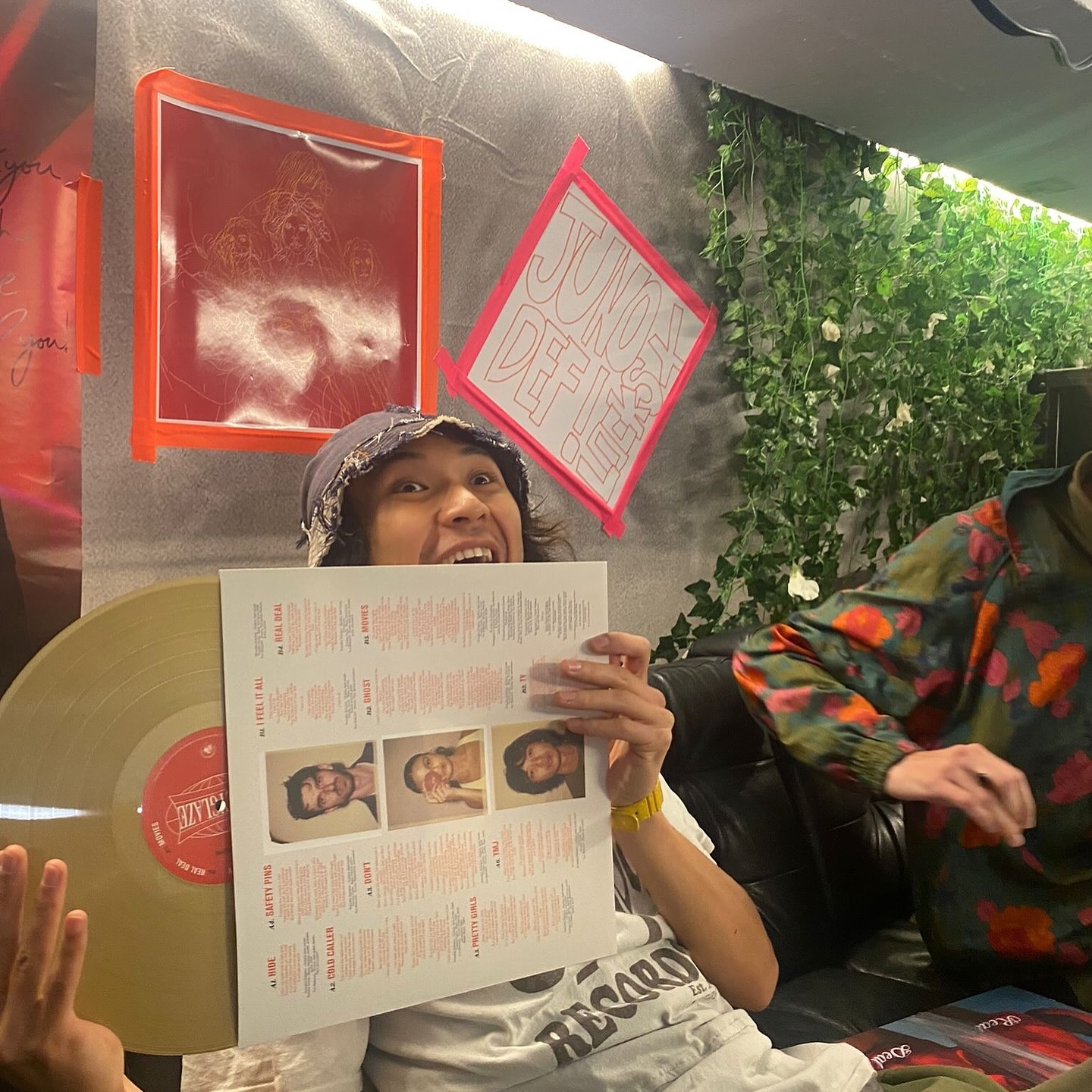
Honeyglaze’s second album, “Real Deal”, and first for Fat Possum, feels like their coming of age moment. The band have taken the foundations laid on their critically acclaimed debut (via Dan Carey’s SpeedyWunderground) and focused it into a mammoth record. Produced by by Claudius Mittendorfer (Parquet Courts, Interpol, Sorry), “Real Deal” is an album about being plunged back into normal life, acceptance, self assurance, searching for connection and finding comfort in chaos. Singles, ‘Don’t’, ‘Cold Caller’, ‘Pretty Girls’ and ‘Ghost’ are each, in their own right, the most exciting Honeyglaze songs to date.
“Real Deal” arrives like a sigh at the end of a big feeling. It’s a translation of white knuckles, grinding teeth and fingernails bitten raw: the inner turbulence that wrestles with a calm exterior. You might sit in the corner with your drink, try to lose yourself for hours in front of a screen – but for their second album, Honeyglaze confront it all, digging their fingernails under the scabs. Confrontation and confidence; intensity and catharsis – these are the hard-earned rewards of a band who are ready to reintroduce themselves.
“It was quite reactionary,” reflects vocalist and guitarist Anouska Sokolow. “Musically, we were reacting to the first album thinking, ‘How can we do better?’” Emerging from South London with bassist Tim Curtis and drummer Yuri Shibuichi who completed the picture by illustrating the tensions of her inner world, Honeyglaze grew in a strange time, warped by the pandemic. Brought to light by Dan Carey’s scene-defining label Speedy Wunderground, their 2022 self-titled debut album captured Sokolow’s coming-of-age. Fraught with arresting sincerity and deadpan wit, she announced herself as a singular songwriter who dared to share the parts of ourselves we’d rather hide: creative inadequacy, the fortress built around a closely-guarded heart, and the bad haircuts and bleach-jobs born from unsettled identity.
Written in the awkward limbo between adolescence and adulthood, Honeyglaze felt themselves outgrowing their debut even as they were making it. But from this creative boredom with a sound which fit like a t-shirt two sizes too small, there began a time of radical growth. The foundations of “Real Deal” were laid in the post-tour hangover, from the unwelcome interruption of the real world and the realities of surviving within it as artists. Sokolow had been contending with a break-up and moving homes; the record was written not in a studio but within the four, trusted walls of her bedroom. During this period of upheaval, she says, “I really think this album was one of the most consistent things in my life.” The band would meet every Wednesday to rehearse and evolve their new material, enjoying the luxury of time to delve into their parts and follow their instincts without intervention.
Lyrically, much of their debut record was written by Sokolow without the intention of it reaching anyone’s ears. “Real Deal“, however, was made to be heard. It’s serious, this time: the band climb into the ring, gloves up. Recorded with Grammy-nominated producer Claudius Mittendorfer (Parquet Courts, Sorry, Interpol) at a residential studio in the countryside, they were afforded the space – both literally and mentally – to explore new dimensions to their sound on their own terms.
The record, released by the taste-making label Fat Possum, is a translation of the urgency of their live performance. Armed with the experience of a tour under their belts, Shibuichi’s percussion is detonated like explosives on opening track “Hide”, landing like a sucker punch, while Curtis’ bass sections coil the tension to make the chorus feel phenomenally cathartic. “We wanted to express dark feelings not just lyrically, but as a band, through dynamics, distortion, shock and emotion,” explains Curtis. “You want to get all of this out in your music, but you can’t when the songs are too ‘nice’.”
When you dream, there’s an idea that everyone in the dream is you. The storytelling on “Real Deal” is a departure from the flushed, self-consciousness of their debut to usher in a matured self-awareness. Sokolow writes through a lens of character and costume, exploring people’s minds through vignettes like a presiding narrator – but through this hall of mirrors, she is still the real image.
“Cold Caller” leans into the specifics of fiction while revealing something painfully true about the nature of loneliness and disconnection. Over a meandering rhythm, Sokolow’s narrator becomes infatuated with a cold caller and their false interest. She sings, twisted in polite agony: “I’ll do anything I’m told / Just to know I’m not alone.” Curtis shares of the song, “It’s funny, because it’s a complete dynamic reversal: the last person you’d usually want attention from is a cold caller. Can you imagine how lonely someone must feel if you aren’t getting enough from them? Wishful thinking and delusion determine your reality more than you’d think.”
The band’s command of storytelling also lies with their musical volatility. A rhythm might lull you into a daydream before a whiplash-inducing switch; Sokolow’s voice eases into gentle surrender before being swept by a tide of anxiety. “Drink, I drink my drink”, she sings with deceptive cheerfulness on ‘Pretty Girls’, a self-soothing mantra to get through a social setting where you feel like an imposter. A suppressed confession rises to the surface, sliding down the scale: “But alcohol makes me feel sad, I want nothing to do with that…” Then, an interruption: “Slip, for a second I slip” – the music hangs in suspension, and while you wait for the pieces to fall, a familiar nausea curdles in the pit of your stomach.
There is deliberate tonal shift in the middle as you turn from Side A to Side B. The dam bursts with “Don’t”, a masterwork in tension and release (which, as an attentive listener will realise, draws from the melody of “Bills” by Destiny’s Child). There is a new emotion here, a new sound: rage. Against a backdrop of Shibuichi’s drums which rain down like hellfire and serrated guitars, Sokolow’s conversational delivery takes on a kind of quiet menace. She issues a calm warning, before the tension snaps; the pacing bass is silenced as she boils over into collar-grabbing fury: “Don’t raise your voice and interrupt me when I’m speaking / I’m a person too you know I’ve got things to say I’ve got fucking feelings.”
But what lies beyond this exorcism is relief. Side B takes hold with cinematic instinct, the satisfaction of the calm after you’ve weathered the storm. Wading through murky depths of distortion, “TV” captures the fracture between our reality and warring inward feelings – a contradiction Honeyglaze have always recognised and been faithful to. Sokolow wrote the track after finding comfort in her housemate who would always watch terrestrial TV. “I always envied her confidence to do nothing but sit and watch Grand Designs and not feel guilty about it,” she shares. “My mind races with everything I should be doing: working more, creating more, and I wished I could just watch it with her.” Such is the nature of overthinking: two might appear to be sitting quietly, watching television – but maybe no one is watching television at all.
“Real Deal” captures the essence of Honeyglaze, if only for a moment. Recorded live, it chases those fleeting moments and attempts to bottle those bolts of lightning. Though they are ever-evolving, what is immovable about the legacy of the record is that it feels like a stride forward in maturity. The secret? Acceptance. The grace that can be found in slipping through the cracks and surrendering to it.
their album “Real Deal”, out on Fat Possum September 20th.
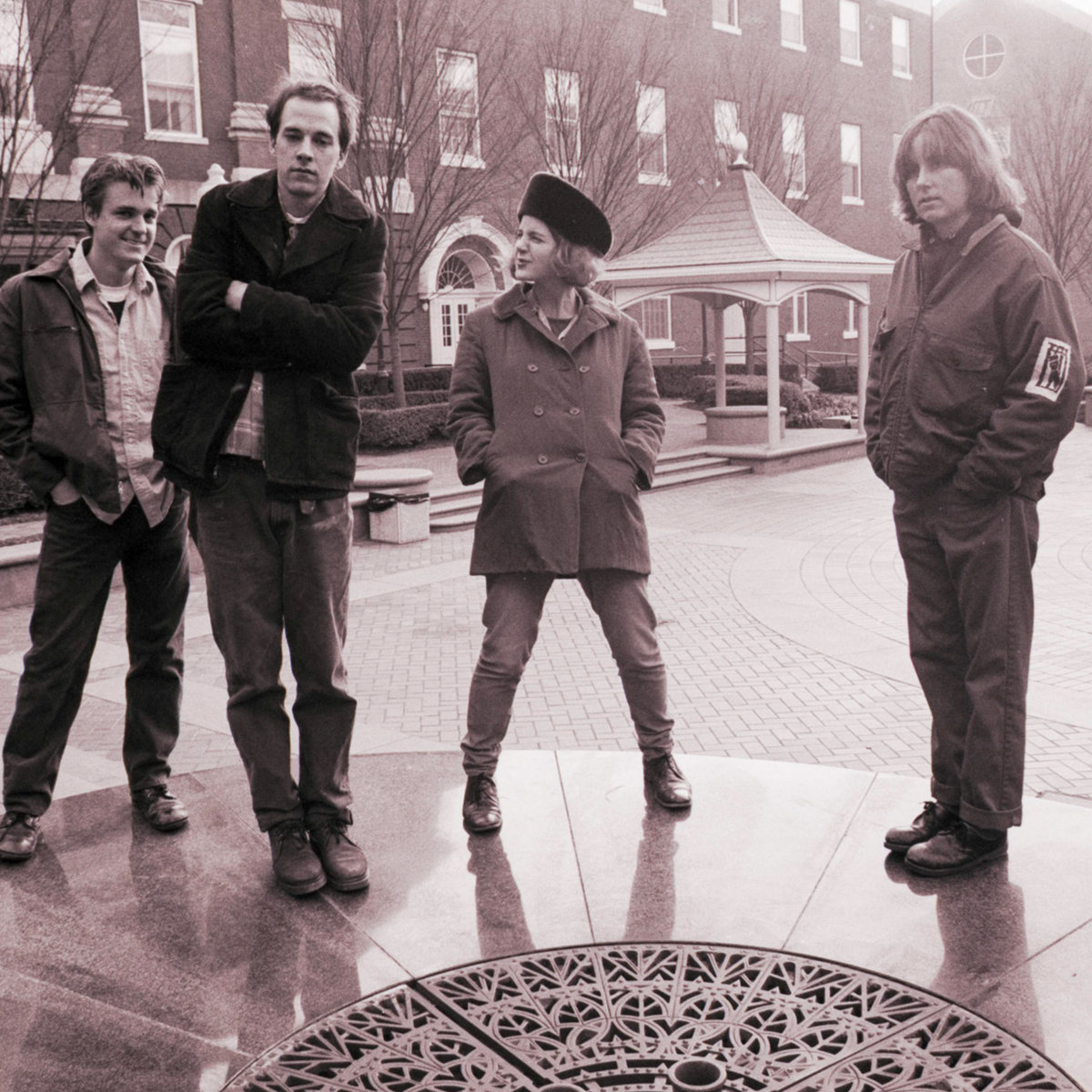
Tsunami’s new five-LP box set “Loud As Is” collects the work of this too-overlooked Virginia band that were a pillar of the indie rock scene in the 1990s. They might not be remembered as well as some of their higher profile peers, but between their excellent music and bandleaders Jenny Toomey and Kristin Thomson’s work with the Simple Machines label, Tsunami were one of the most important indie rock bands of that era. Their three albums, long out of print, have been reissued by Numero Group in a gorgeous box set, along with a two-disc compilation of singles and other assorted strays.
“Loud As Is” is a must-listen for anybody who likes smart, noisy, nervy rock music, whether you’re already familiar with Tsunami or not.
In the ‘90s there was a specific kind of sound. Guitar-driven, noise-drenched through distortion or lo-fi recording equipment or both, discordant but tuneful, vestigial punk ethics but without the rigid musical orthodoxy… it started as a largely American trend that grew out of hardcore and ‘80s college rock a la R.E.M. and The Feelies, popping up here and there on a band-by-band basis, few bands embodied that independent spirit better than Tsunami.
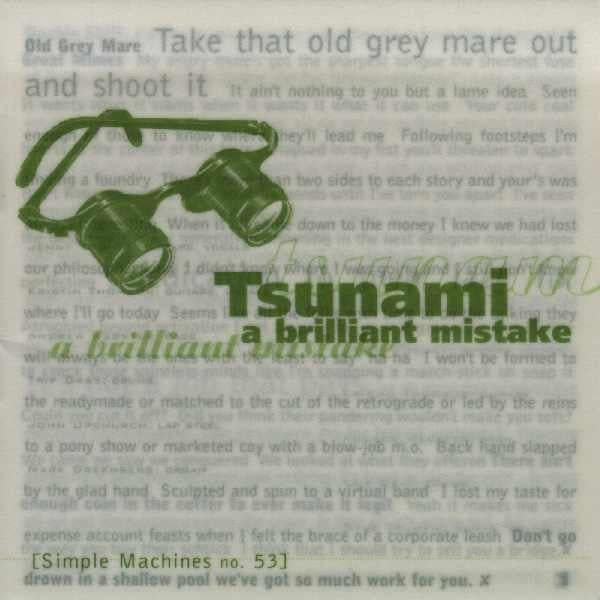
The true revelation with “Loud As Is” is that their final album, 1997’s “A Brilliant Mistake”, is their strongest; this whole scene was beginning fraying by ‘97, with the best bands from the first half of the decade either stagnating or trying hard to grow, and as a college radio DJ enamoured with post-rock and indie-pop and the hometown Elephant 6 scene Tsunami seemed to have hit a lull by the time they released their last album. “A Brilliant Mistake” might not share the more obvious indie rock trappings of their first two albums, but it’s the band’s highwater mark on almost every level; it features Toomey and Thomson’s most nuanced and powerful song-writing, their strongest vocal performances, and the most varied and interesting arrangements in their catalogue.
It’s the kind of record where the first song is so transcendent that you almost want to put it on repeat and not even get to the rest of it. That’d be a tragedy, of course, as the rest of the album is almost as great as “Old Grey Mare.”
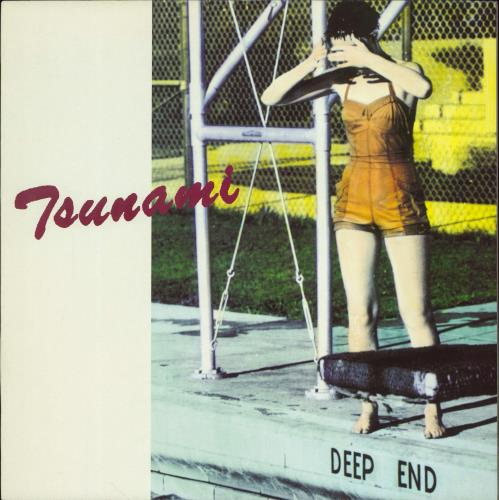
This is in no way a slight to the band’s other albums, or the material collected on “World Tour & Other Destinations. Deep End” released in ‘93, recorded in ‘92—is a sterling snapshot of the scene at that exact moment in time, in the wake of Nirvana’s eruption blowing everything wide open and driving desperate major label A&R men to hit on any band with a seven-inch and a modicum of college radio buzz. It includes what’s probably their best-remembered song today, “Genius of Crack,” a minor indie rock anthem and mix tape staple of the day.
Part of the band’s touring for “Deep End” included dates on the Lollapalooza second stage in ‘93 alongside Sebadoh and a couple of Sonic Youth-related projects, to show you the kind of circles they travelled in.
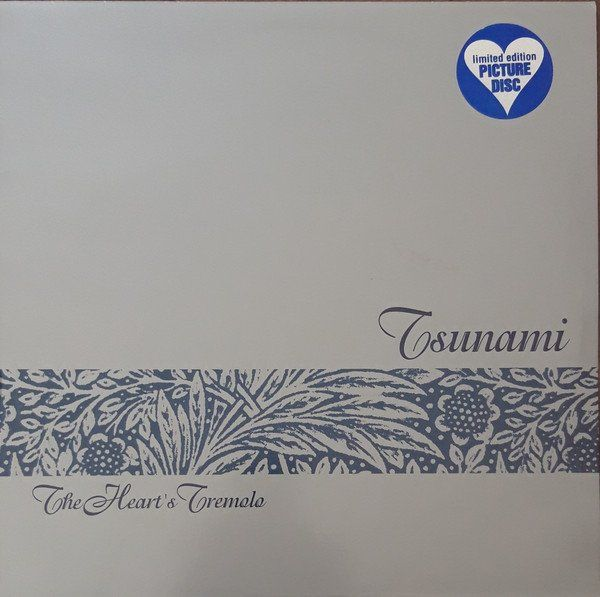
They followed that up quickly with the 1994 LP “The Heart’s Tremolo“, which is a dronier, more atmospheric, and more complex record, and then ‘97’s genuinely brilliant swan song. The first two albums, especially, are a great summary of what college radio sounded like in ‘93 and ‘94, but you can also hear why this great band didn’t become as big as colleagues like Sebadoh, Yo La Tengo or Pavement; their songs are probably a little too challenging for high school kids, less generous with pop hooks, and simultaneously a little brainier than something like Sebadoh but also more emotional than a band like Pavement (although not resembling ‘90s emo in terms of sound or lyrical self-indulgence). “Loud As Is” a powerful reminder that Tsunami wasn’t just “important” but also a really good band.
Tsunami’s “Loud Is As” boxset out November 8th from Numero Group. Sprung from the DC punk and politics that inspired Dischord, TeenBeat and the Riot Grrrl revolution, Washington, DC’s Tsunami crashed into the 90s with wit, distortion and a sharp-tongued feminist spirit.
This five LP box set collects eleven 7″s, 4-track demos, 1993’s “Deep End“, 1994’s “The Heart’s Tremolo“, plus the first-ever vinyl pressing of 1997’s acclaimed “A Brilliant Mistake“. Drawing on the suitcase archives of their own Simple Machines Records, Tsunami’s ambition – from all ages basement shows to the second stage of Lollapalooza – is captured in essays, photos, and ephemera, revealing the DIY history of the alternative music revolution.
Love, Burns is the solo project of Phil Sutton, of Pale Lights, and Cinema Red and Blue, and once of Comet Gain, Velocette, The Projects, Kicker, and The Soft City. He lives in Queens, NY, home of the hits.
It is not as if Phillip Sutton needs to prove himself. His time with and fronting acts should already have his name engraved on even the most jangle-pop adverse hearts. However, he does like to reinvent himself every few years—not massively, but enough to add further nuances to his jangly credentials. Since 2020, this brilliant Love, Burns act has acted as a vehicle for Sutton to add a sense of subtlety to his repertoire and which forms an integral part of his third album “Blue”.
As such, the opening double salvo of the title track, “In A Coma Again” and “Forever in Bliss”, moves within the beautiful jangly guitar pop meets subtle sophist-pop production extravagance of the Grant McLennan solo work, to proffer arguably Love,Burns most stunning track yet. Despite the above, there is still enough of his signature ‘jangly resonance’ on this release to satisfy his most ardent fans, with the Lloyd Cole-esque twangle of “To Say Goodbye” joining the rounded intonations of “Hard To Fall” and “Just For A While” to provide his signature ‘luscious jangly indie-pop’.
Love, Burns is Phil Sutton (Pale Lights, Comet Gain) accompanied by Kyle Forester (Crystal Slits, Ladybug Transistor, Woods), Gary Olson (Ladybug Transistor) and Hampus Öhman-Frölund on drums.
Love, Burns record for Kleine Untergrund Schallplatten, of Augsburg, Germany, and Jigsaw Records of Oakland, CA, USA.
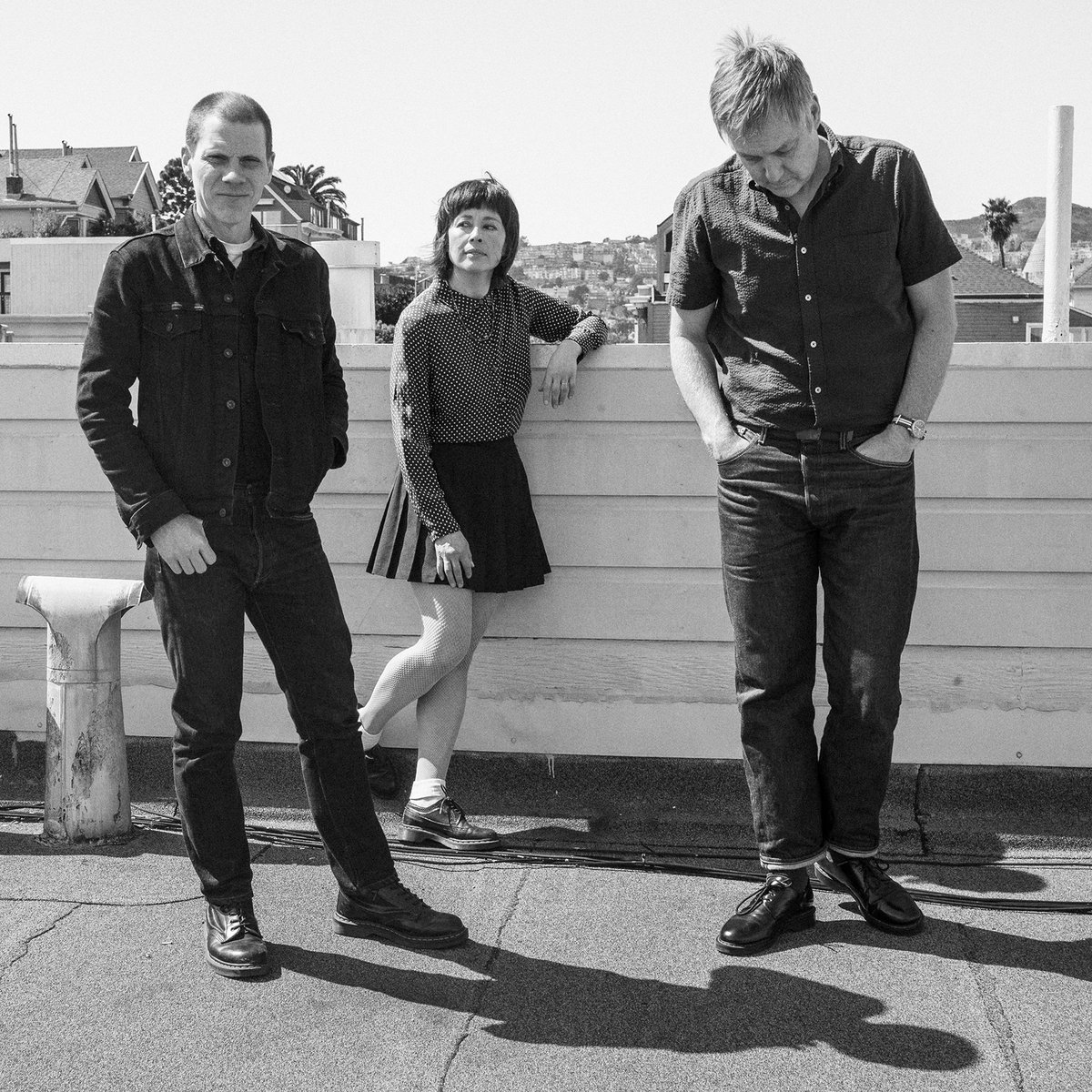
Dream… or nightmare? That’s the underlying question posed on “New Town Dream,” the second LP from the Oakland Bay Area trio Neutrals, as guitarist/vocalist Allan McNaughton’s lyrical narratives expand on the world first built on the band’s 2022 EP “Bus Stop Nights,” offering snapshots of mundane lived realities in the “New Towns” that proliferated in the UK during the ’60s and ’70s. “New Town Dream” conceptually voices the psychic tension of that era, of being pushed toward the margins and becoming just another cog in a deeply broken machine.
The band’s musical touchstones are squarely situated in the timeline of doomed Thatcherism that followed from the late ’70s to late ’80s. “Wish You Were Here” and “The Iron That Never Swung” jangle with a razor-edged rapid strum to rival The Wedding Present; “That’s Him on the Daft Stuff Again” and “Travel Agent’s Windows” nod to the Television Personalities’ naive, kaleidoscopic mod melodies streaked with cynicism; “Steven Proctor Bus Conductor” slowly unfolds from verses in the dark, rhythm-forward spirit of Josef K to transcendently Pastels-esque pop choruses with sugary-sweet backing vocals from bassist Lauren Matsui. Perfect C86 sounds for often hellish C24 times!
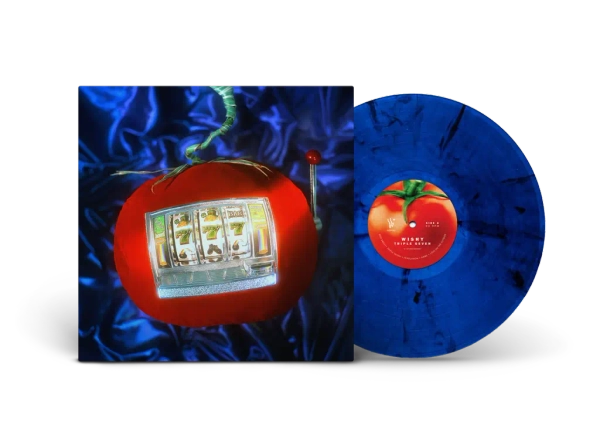
You could call Wishy’s story a lucky one. Wishy was born as a kaleidoscope of alternative music’s semi-recent history, with traces of shoegaze, grunge and power-pop swirling together. On their debut album “Triple Seven”, Indiana songwriters Kevin Krauter and Nina Pitchkites’ musical synergy proves itself to be a rare one–the kind that sounds like someone striking gold. Wishy’s penchant for indelible hooks is couched equally in pillowy atmospherics and scathing distortion. By day Krauter works as a music teacher, giving drum and guitar lessons to students, while Pitchkites is a talented seamstress by trade and often makes embroidered merch for the band.
At 10 tracks and 41 minutes long, “Triple Seven” solidifies Wishy’s sound and proves that the band—formed in 2021 by long time friends Kevin Krauter and Nina Pitchkites has the chops to sustain its standard of quality across a full-length release. But for rock fans burned by promising bands’ patchy releases in the past, it’s nice to hear. Krauter and Pitchkites trade off lead vocals the former’s come from a more nasally pinched pop-punk tradition, while the latter’s are calm and cool, often carrying melodies that float above it all. (Pitchkites sounds like she was born to sing in a dream pop band.)
Throughout the album, they play off each other perfectly, whether they’re providing tonal tension (see the back-to-back zigzag of the strutting “Busted” into the luscious “Just Like Sunday”) or intertwining seamlessly, as they do on “Game,” a propulsive chunk of jangle-pop delivered at a punk pace.
Wishy have many strengths, but chief among them is their affinity for instrumental hooks that surface from the swirl and settle in your brain for the foreseeable future. They’re everywhere: A three-note idea that crests over and over again in the background of “Sick Sweet”; the skittering rhythm that underpins the title track; the arena-ready twin-guitar solo in “Persuasion”; the extra-crunchy final third of “Love on the Outside,” in which a jaunty pop tune turns into roaring riff-rock.
And then there’s the nursery-rhyme cadence of the album’s caustic closer, “Spit,” in which Krauter and Pitchkites sing, na-na-boo-boo-style: “Who’s gonna break my heart? Who’s gonna wear my mind out? Wish this choice was mine.” OK, that’s a vocal hook, but the point remains the same: “Triple Seven” spills over with these kinds of sounds, which also happen to be the kinds of sounds that keep people coming back again and again.
Coming up in a scene defined by hardcore and emo, Krauter and Pitchkites instead found themselves writing melodies in their heads while driving to work, pulling music from the air and arriving at a blearier, more ethereal interpretation of Midwest expanse. Initially, their music oscillated between hazy dream-pop and heavier alt-rock.
Sometimes gorgeous, sometimes festering, and always cathartic, “Triple Seven” is a vibrant and exhilarating document of self-discovery with the scope and heft of the bygone big-budget rock albums that inspired it. Turns out Wishy have made not only one of the best debut albums of the year, but also one of the most irresistible, unshakeable albums of the year as well. It takes more than just luck to be this good.
Andwella were a Northern Irish psychedelic rock band formed in 1968, originally named The Method and later renamed Andwellas Dream. The trio were fronted by Dave Lewis (guitar/keyboard/vocals), with Nigel Smith (bass/vocals) and Gordon Barton (drums).
Hold on to your mind! Led by Belfast-born phenom David Lewis, Andwella made three LPs circa 1970 for London’s Reflection label, redolent with Cream-y rock workouts, soaring post-Sgt. Pepper psych experimentation, and earthbound laments The Band might’ve dreamt up at Big Pink. Barely heard back then, they now conjure a popular rock fantasia to challenge the most expertly composed and orchestrated songs of the era.
This deluxe set includes meticulous reproductions of the band’s 3-LP discography, plus an ephemera-packed booklet detailing Lewis’s brief moment as a downbeat song writing visionary at the height of his power.
Their first album, as Andwellas Dream, “Love and Poetry”, was recorded in London in 1968, and released in August 1969. It featured jazz musician Bob Downes on saxophone and flute, and Wilgar Campbell on drums on the track “Felix”. The album failed to sell, and Lewis then recorded a solo album, privately pressed, on the Ax label in 1970; which included new versions of some of the Andwella’s Dream .
Then in 1970 David Lewis wrote the music for and produced poet David Baxter’s “Goodbye Dave” album, for which he was backed by Andwella.
With the addition of Dave McDougall on guitar and vocals, the band was renamed Andwella. This line-up issued “World’s End” in August 1970, before Dave Struthers replaced Nigel Smith on bass and JackMcCulloch joined as drummer. This line-up recorded the bands’ last album, “People’s People” (released late in 1970), after which the band broke up in 1971.
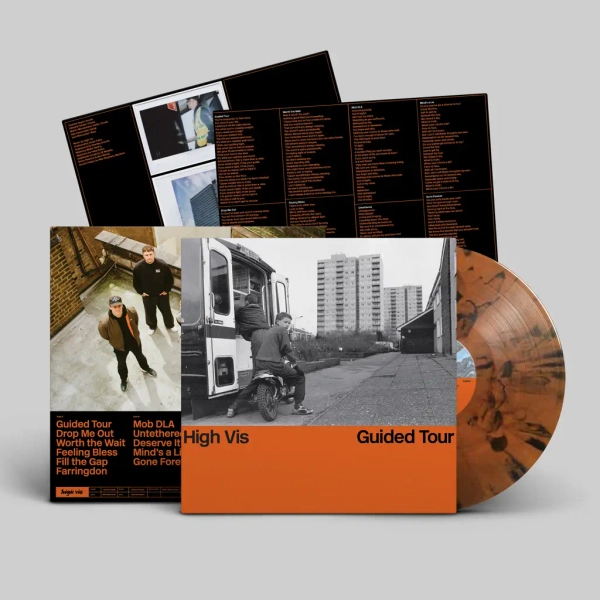
While filled with more melodic moments and pop hooks than their first two albums, High Vis still managed to retain all of their angst on their third outing, “Guided Tour”. The London-based group is at its best when decimating boundaries between genres, and nowhere was this more evident than on the album high point, “Mind’s a Lie,” with its dreamy vocal samples and Baggy-electronic beats serving up one of the year’s most groovy and starkly unique tracks.
Elsewhere, the band fuses Britpop and hardcore “Drop Me Out”, enters goth post-punk territory “Gone Forever“, and even tries their hand at shoegaze on “Mob DLA“, all the while sounding like themselves. “Guided Tour” is a self-aware and confident nod at the musical past from a band that is only ever looking into the future.
Since first forming in 2016, London’s High Vis have steadily polished their palette of progressive hardcore with shades of post-punk, Brit pop, neo- psychedelia, and even Madchester groove, mapping a middle ground between hooks and fury, melodies and mosh pits. Singer Graham Sayle describes their third album “Guided Tour” as an axis of competing forces: “It’s trying to be a hopeful record, while also being incensed.” Rounded out by drummer Edward ‘Ski’ Harper, bassist Jack Muncaster, and guitarists Martin MacNamara and Rob Hammaren, the band’s deep roots in the UK and Irish DIY hardcore scenes have kept them grounded but growing, inspired equally by restlessness and righteous anger. As Sayle puts it, “Everyone’s scratching, everyone’s working all the time, and their idea of relaxing is just getting fucked and avoiding reality. This album is an escape from that.”
From its opening seconds of a cab door slamming, a car revving away, and a baggy rhythm swinging to life, “Guided Tour” sounds like a band reaching for new heights, bristling with energy. Recorded across a few weeks at Holy Mountain Studios in London with producer Jonah Falco and engineer Stanley Gravett, the results feel dynamic and dialed-in, like anthems burned into sense memory through sweat and repetition. Harper cuts to the chase: “We had a clear idea going in, every moment got used. Maybe when we’re 60 we can sit around and get a drum sound right, but for now it’s about getting things done.”
Nowhere is this sentiment flexed more boldly than on “Mind’s A Lie,” a dance- punk anthem inspired by Harper’s love of house, garage, and pirate radio. Stabs of sampled female vocals (by celebrated South London singer and DJ Ell Murphy) build into a razor wire rhythm of low-slung bass, tense drums, and sparkling guitar before Sayle’s staunch voice starts barking harsh truths (“Face to face with all I’ve known / I can’t call these thoughts my own”). After a sudden breakdown, the track regroups and takes off, cruising into the horizon in a haze of chiming guitars and Murphy’s ascendant voice, from the streets to somewhere beyond.






 The Fat Angel Sings