
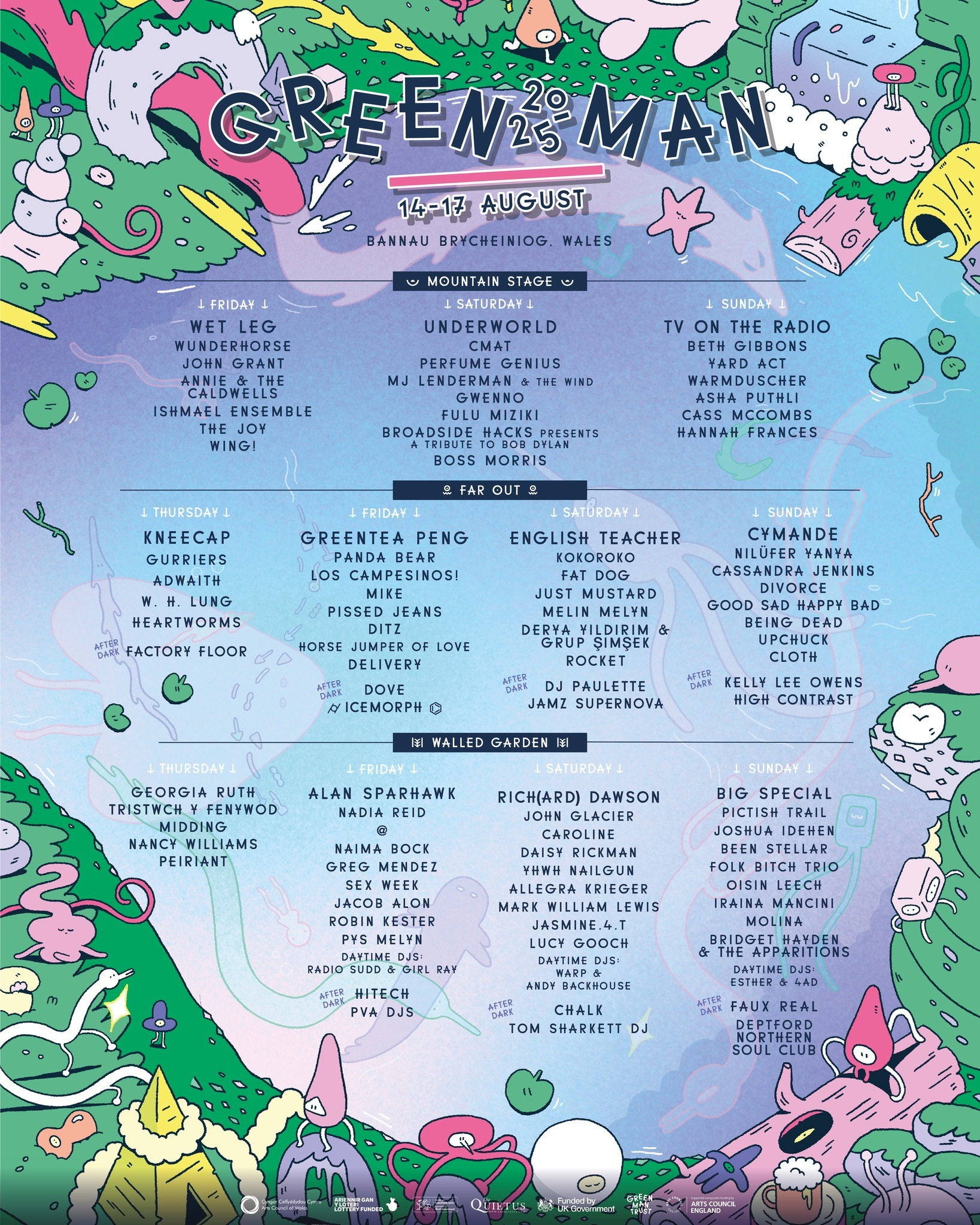
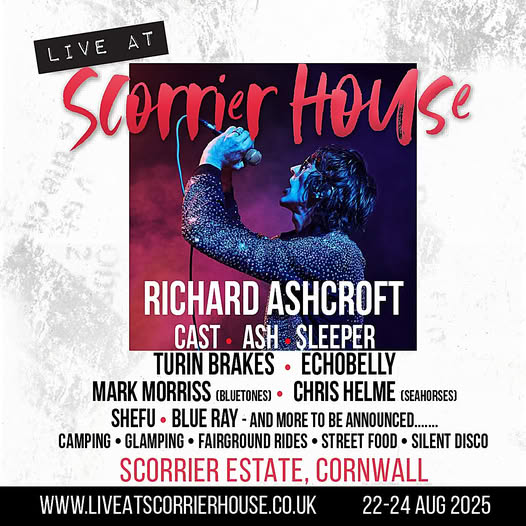
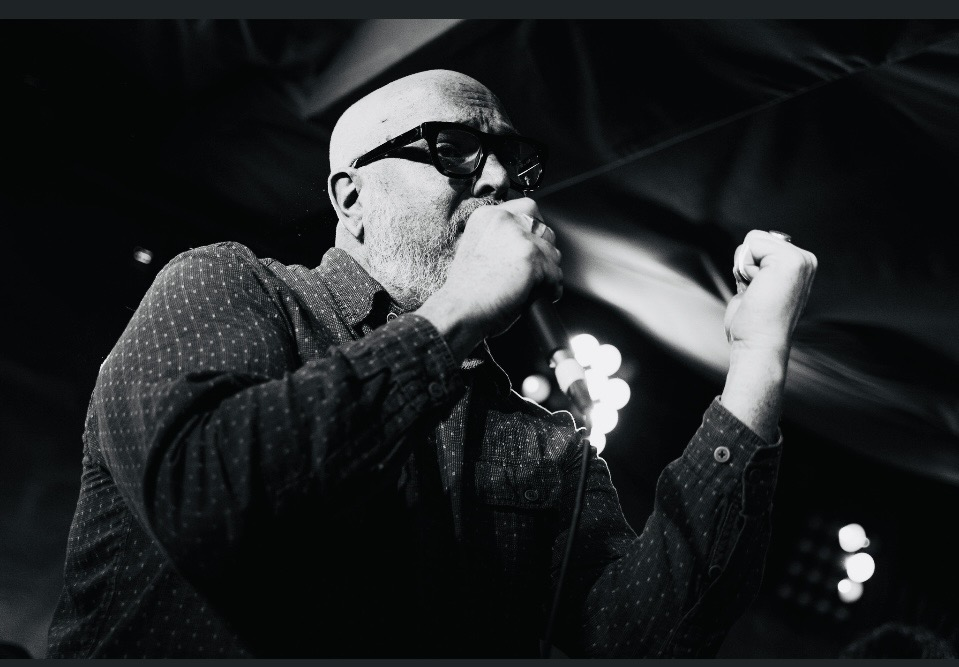
Well there it is, the new LP or comp, whatever. 4th of July exists now solely to celebrate the release of my record, sorry USA, you played yourself. USA people can order direct from the Fire USA store and get domestic shipping there, they aren’t set up for domestic USA shipping on bandcamp sadly. Oasis is back, Pulp is back, fascism is back, all of it. I am working on new music that is different and will alienate half of you but maybe interest some other people who have better taste and personal style.
The Reds, Pinks and Purples are a band that effortlessly captures the essence of indie rock’s golden era. With a sound that echoes the equally prolific and fellow British-Invasion-disciples Guided by Voices, they weave a tapestry of melodies that are both nostalgic and refreshingly original. Imagine the raw, lo-fi charm of GBV meeting the atmospheric melancholy of The Cure, all while channelling the storytelling of The Go-Betweens.
Having written more than 200 songs in the past six years San Francisco-based melodic DIY pop greats The Reds Pinks and Purples release an album of tracks previously unreleased on physical format. The band, which is the solo project of auteur Glenn Donaldson, has had a prolific run since the release of their debut album “Anxiety Art” in 2019 – an album that led to releases via legendary jangle pop label Slumberland Records – and this ninth studio album is the cherry on top of a very fine run of form. ‘Dead End Days’ chimes with the wistful unease and euphoric tenderness. ‘What’s In Your DNA’ sounds like a janglier Jarvis Cocker and ‘Citygardens’ is a shoegaze-y masterpiece, like how you imagine Spiritualized would sound if they were recording quietly in an apartment as opposed to a studio. Whilst technically an album of leftovers – misshapes that didn’t quite yet fit on an album – that the tracks are up there with the rest of Donaldson’s oeuvre and with the best jangly indie pop of the past forty years, is testament to Donaldson’s songwriting genius.
Joining the esteemed Fire Records, home to similar acts like The Bevis Frond, The Lemonheads, and The Chills, the band has finally landed where their music belongs.
An archival first-time on vinyl collection of rare tracks is set to be released in June, followed by their highly anticipated Fire Records debut in late 2025.
“Fire has one of the most iconic catalogues in indie music, I am humbled to be working with them. I count The Chills, Television Personalities, The Lemonheads, Spacemen 3 and more as formative.” Glenn Donaldson
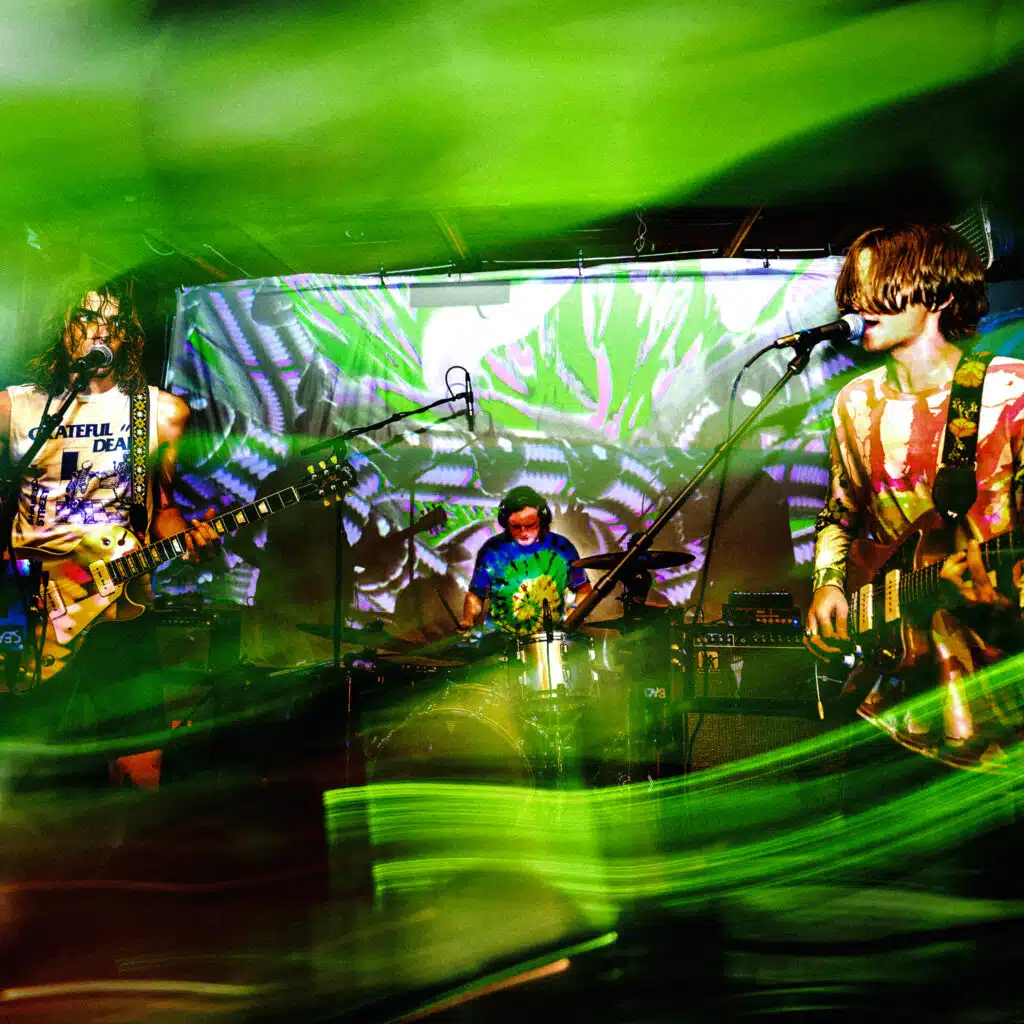
“Since our studio was destroyed by the hurricane Ida floods, our music has been heavily influenced by the nature of water. ‘Get Me High’ is about trying to grasp a breath after unexpectedly losing everything. Inspired by children’s cartoons, pipe systems, and fluid dynamics, we created Ding Ding, creatures who find themselves lost in a foreign psychedelic world.” – Acid Dad
Building on their previous single, “1993,” “Real Good Dream” dives deeper into the dream-pop soundscape. Blending classic ’80s synths with shoegaze-inspired guitar, Acid Dad has crafted a world you won’t want to wake up from.
If you didn’t already know—we’re back! Our new single, “Real Good Dream”, is finally out. It’s been two years since we released new music, so we wanted to come back with something special. This track had been sitting on a hard drive for a couple of years, but it wasn’t until @webbhunt came along with his video idea that it truly came to life.
A video like this is usually expensive and requires a full crew to produce. Instead, Webb put in hundreds of hours learning the skills needed to animate and produce it himself—bringing this dream to life. His dedication and hard work deserve a standing ovation.
While it may seem like a new direction at first, the psychedelic core of Acid Dad remains as strong as ever. -Song Written by Vaughn Hunt, Sean Fahey and Trevor Mustoe.

Frankie And The Witch Fingers lurch into new territory with “Trash Classic”, a warped evolution soaked in synth-punk squalor and disintegrating glamour. Unconcerned with polish, the LP thrives in corrosion, offering rickety rictuses and distortion-drenched gospel from bottom barrels. This is their most jagged, volatile work yet: buzzing with attitudinal attrition, spat-out hooks, and rhythms writhing like exposed wires neath acid rain. Made between the scorched industrial outskirts of Vernon, LA and finally shaped at Tiny Telephone Studio in Oakland with producer Maryam Qudus (La Luz, Spacemoth), this one owes its gnarled edges to both geographic grit and a willingness to unravel convention; late-night sugar binges, chaotic cartoon marathons, and freeform studio experiments fed its spastic jaunt.
“Trash Classic” marks a feral mutation for Frankie and the Witch Fingers — a record that snarls with proto-punk venom, angular melodies, and electronic textures that cough and sputter like dying neon lights under a poisoned sky. Every day of recording began with cartoons blaring at full volume—a Looney Tunes ritual that turned the madness of the recording process into something almost childlike. Late at night, sugar-fueled candy binges kept the energy spiking, pushing the sessions into a fever dream of jittery, spastic playfulness.
It’s also a digital detour for the band, since their many discog-jamming catalogue adds released through Greenway Records, which otherwise trod in an increasing doom-psych direction.
GILES GILES & FRIPP – ” A Selection From The Brondesbury Tapes ” (re-mastered)
Posted: July 6, 2025 in MUSIC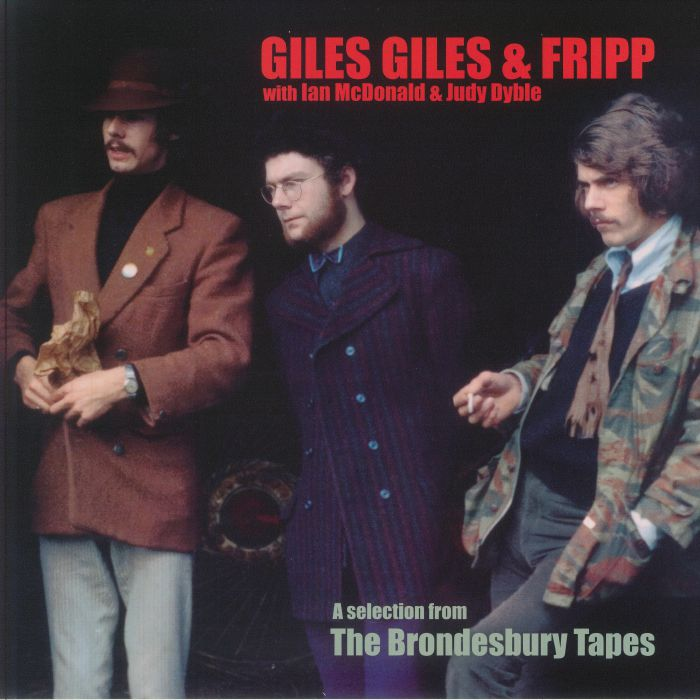
This remastered glimpse into the Brondesbury Road sessions captures a formative moment in British progressive music-when Robert Fripp, Peter Giles and Michael Giles were sketching out the vocabulary that would soon define King Crimson. Recorded in 1968 using a single Revox tape machine, the material is raw but revealing: two early takes of ‘I Talk To The Wind’ feature Peter Giles and Judy Dyble on vocals respectively, both casting the song in a more folk-inflected light. ‘Suite No.1’ foreshadows ‘Prelude: Song Of The Gulls’, while ‘Why Don’t You Just Drop In’ seeds lyrical ideas later reworked into ‘The Letters’. ‘Passages of Time’ stands out for its bolero pulse and melodic motifs that would resurface on “In the Wake of Poseidon“.
The fidelity may waver, but the historical value is undeniable-this is the sound of a blueprint forming in real time.
GILES GILES & FRIPP – ” The Cheerful Insanity of Giles, Giles & Fripp ” Reissue
Posted: July 6, 2025 in MUSIC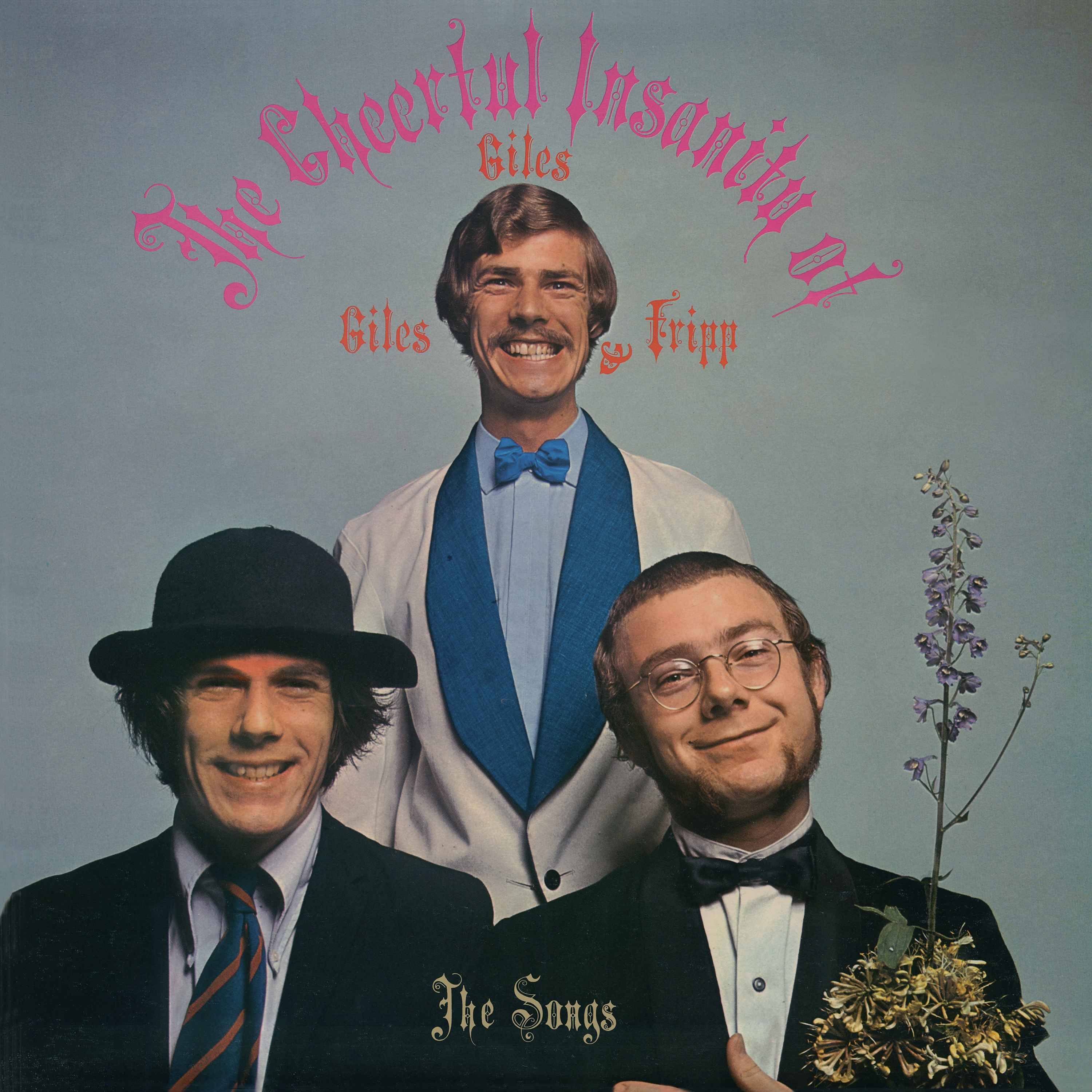
The first standalone release of the songs from Giles, Giles & Fripp’s 1968 debut album, now with spoken word sections removed. While 1967 is rightly remembered for an abundance of classic albums, there were also quieter debut LPs emerging, signalling popular music’s imminent changes to a more rock-oriented, musician-centred approach. It was also the year that Robert Fripp applied for a ‘singing organist’ role advertised by brothers Peter and Michael Giles, despite having no experience either as a singer or organist.
Experiencing a few challenges and disappointments on the way, the year was an exciting one for the trio, who recorded a series of demo tapes which eventually led to them being offered a record deal with Decca Records.
In 1968, “The Cheerful Insanity Of Giles, Giles & Fripp” album was released, bringing a mix of folk and psychedelic pop interspersed with Goon-ish humour, a slightly confusing cocktail of seriousness and comedy but nonetheless an album showing some beautiful harmonies and fine guitar playing.
“The Cheerful Insanity Of Giles, Giles And Fripp” might not have made waves when it landed in 1968, but it’s since become a cult curiosity for anyone tracking the tangled roots of King Crimson. The trio of Michael Giles, Peter Giles and Robert Fripp wove a quilt of psych, chamber folk, jazz daftness and classical eccentricity, within a spoken-word skit framing device (a la ‘The Saga Of Rodney Toady’, ‘Just George’). It’s less a precursor to “In The Court Of The Crimson King” than a sidelong step into the British art-pop twilight zone, with Fripp still years away from his feedback-drenched grandeur. Though it reportedly sold only 500 copies at first, reissues with bonus demos and singles have helped rescue it from obscurity, especially the 2001 Brondesbury Tapes, capturing home-recorded sketches that fill in the backstory.
For all its lack of commercial success, the album has been reissued on several occasions – though never in an edition that focuses purely on the songs. For this updated 2025 remaster, the somewhat dated spoken word/humourous interludes have been removed which has allowed for the songs to flow as an album revealing it as a charming, sometimes whimsical example of late British psychedelic music.
New 2025 remaster by David Singleton.
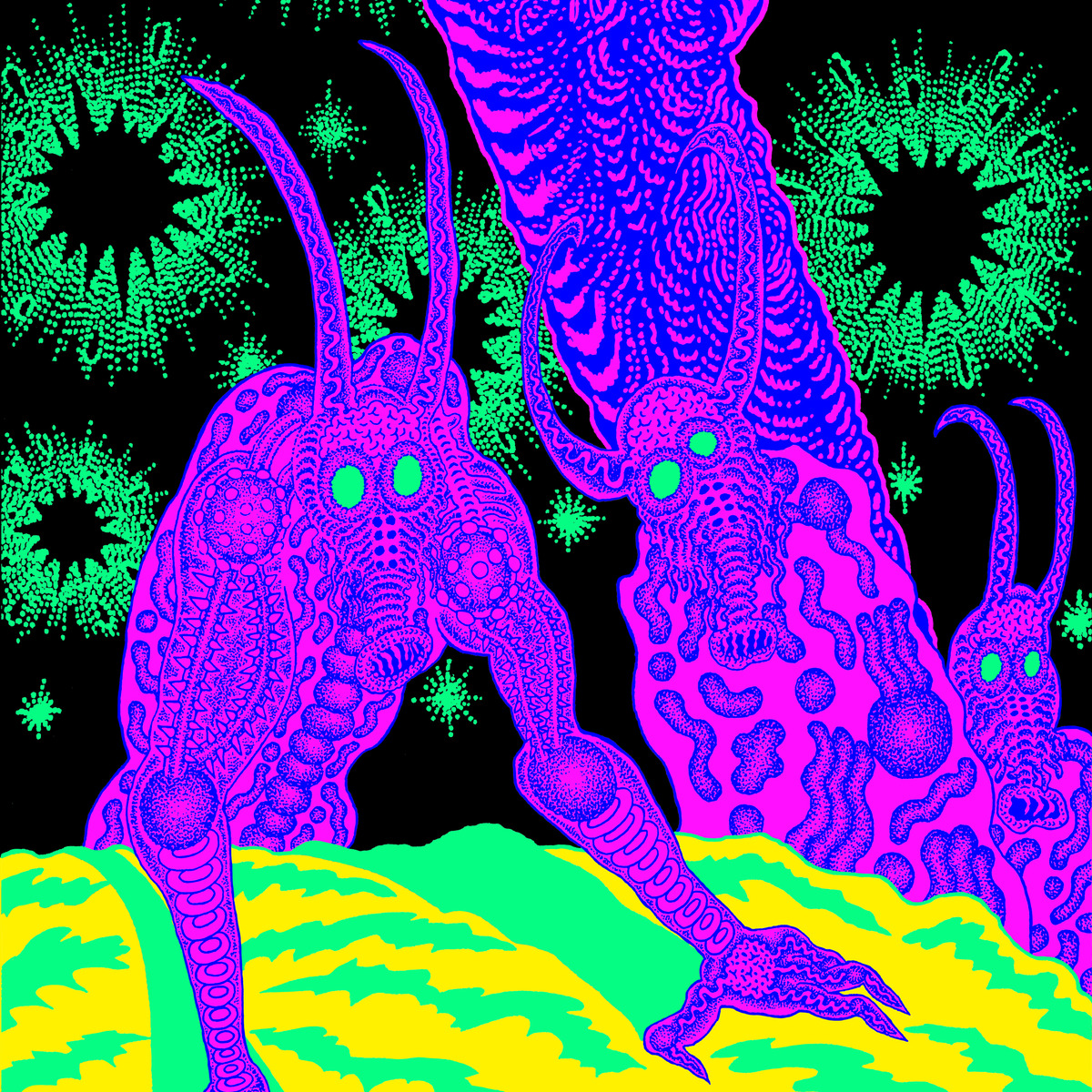
OSEES are John Dwyer (vocals/guitar/synths), Tom Dolas (guitar/samples/keys), Tim Hellman (bass), and Dan Rincon (drums).”
“It feels like its all lighting off. A lot of fodder in today’s world for an artist. Too easily humans forget their humanity. Forgiveness is a dead science. Empathy is viewed as a weakness by cretins. Easier to hate rather than love. Fear and greed have dug their bloody hands into everything. At least now we know who you are. We see you. We defy you. People are under duress. Recognize this abomination. Oppose the oppressor. FUCK the fascists and their enablers.
The 12 tracks on “Abomination..”. are a hypnotic, maniacal, and propulsive attack on the senses, a fitting reaction to a world suffering from genocide, environmental collapse, state sanctioned violence, progressing technocracy, and more. The album was recorded by Enrique Tena Padilla, Mario Ramirez & John Dwyer, mixed by Padilla and Dwyer, and mastered by JJ Golden
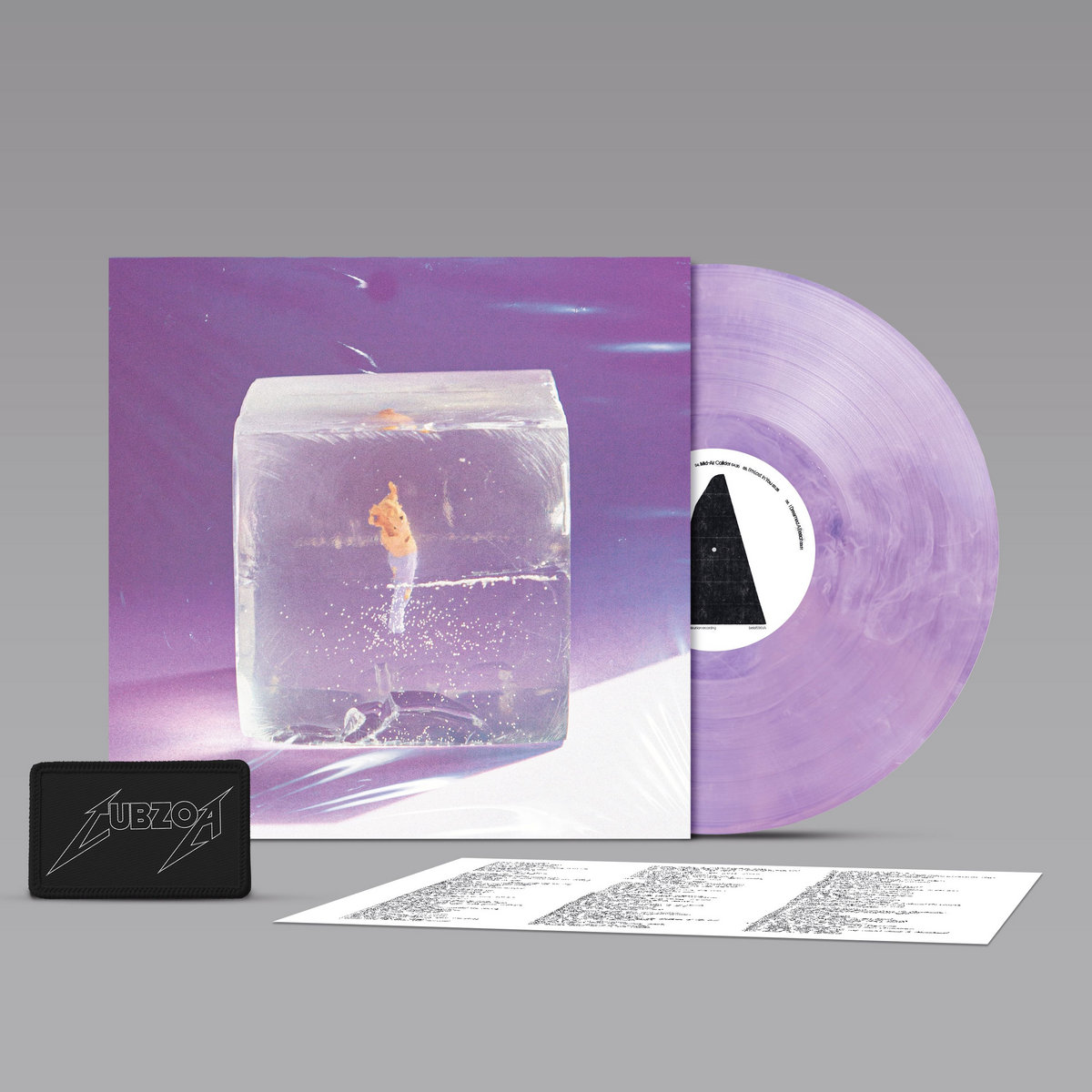
Cubzoa, the solo project of Penelope Isles‘ Jack Wolter, has announced his debut album. “Unfold in the Sky” is set for release on October 24th via Bella Union. It’s led by the sunny new single ‘Choke’, whose second verse is sung by Nanna Schannong of Lowly. A press release cites Tame Impala and Rival Consoles as reference points, but Youth Lagoon’s beautifully tender dream-pop also comes to mind.
“Choke” is about painting a picture in your own head, pretending that things are okay when they’re not,” Wolter explained in a press release. “The chorus lyrics brush the truth under the rug, whilst the verses pull it back, revealing the reality of unhealthy relationships with both substances and people.
Often, with prior songs, I’ve tended to hide behind blurry lyrics, as a way to mask true feelings both from myself and audiences. But in this chapter I strove for honesty. I found the whole process therapeutic and consequently, probably for the first time ever, allowed myself to reflect this in my writing.”
The album sees Jack fearlessly deep diving into a hook-lined, colour-saturated and sensation-soaked era. Imagine the one-man sonic universe of Tame Impala’s Kevin Parker, laden with the electronic textures of Rival Consoles, then throw yourself headfirst into the waves of England’s South Coast, and you’re somewhere along the right lines.
Taken from the album “Unfold In The Sky” by Cubzoa, released October 24th via Bella Union:

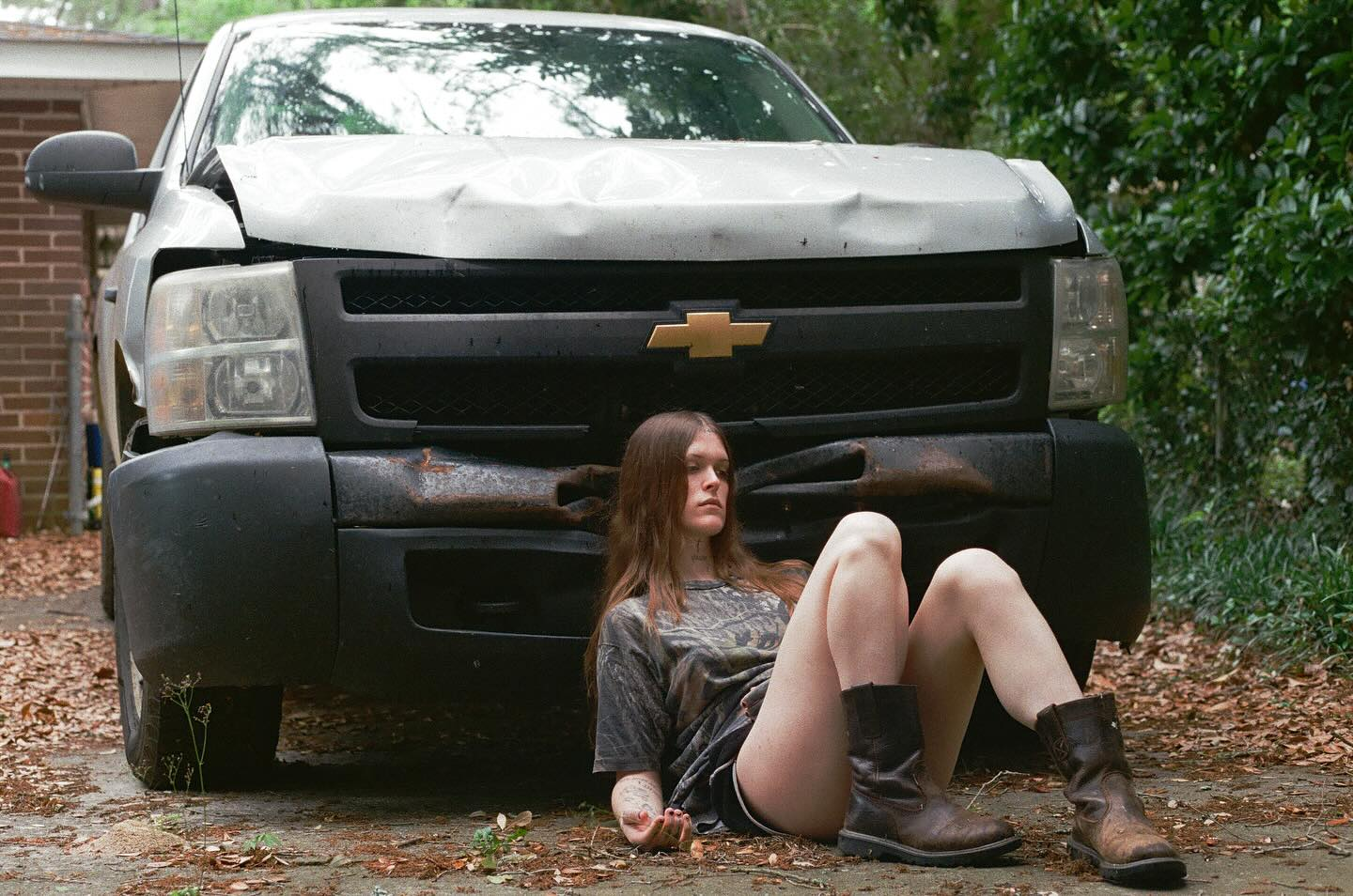
In what is technically the post-chorus of ‘Nettles’, Hayden Anhedonia delivers a devastating line: “Gardenias on the tile, where it makes no difference who held back from who.” Devastating as a postscript in the love story of Ethel Cain and Willoughby Tucker, whose wedding remains a distant dream because we’ve already learned of the latter’s death. We know Cain’s fate, too, through “Preacher’s Daughter”, but ‘Nettles’, being the first song she wrote in the house in Alabama where she finished that album, serves as a prequel. And it’s devastating, too, because though it passed through many iterations, the track’s vision of Americana stretches over eight minutes yet remains as sweet as can be, nestled by layers of fiddle, pedal steel, and banjo; a devotional that dares not be entirely mournful or anything less than idealistic.
The story of two teenagers “in a race to grow up” is a familiar one in the Ethel Cain universe, but what’s moving about ‘Nettles’ is how they’re forced into the slowness of adulthood through “the flicker of the hospital light,” and how the song itself honours and extends that slowness, clearly beyond the realm of realism. Where it makes no difference if it’s nettles or gardenias, suffering or love. Where it’s always.
Ethel Cain’s upcoming album “willoughby tucker, i’ll always love you”

