Sometimes we just want to be told that it’ll be alright. Sharon Van Etten understands this, and the past decade has been one of collaborative and electrified in-studio tinkering for her after years of indie rock songs steeped in solo-songwriter introspection. Van Etten is going all-in on jam sessions with her redressed band, the Attachment Theory, in 2025. During recent tour rehearsals, the musician found herself initiating extended jams with her long time band for the first time. The resulting 10-track album’s promo cycle kicked off with lead single and dark synth odyssey “Afterlife.” “Will you see me in the afterlife? / Will you tell me what you think it’s like?” Van Etten asks over the ’80s synth-rock squall.
Van Etten is trying on a new guise here and it’s refreshing to hear her revelry. “Afterlife” owns its longing through its drum pad beat, synth growls, and soaring melody that only the goth-rock and synth-pop genre favorites truly crystallized, all while Van Etten’s yearning for a lost loved one takes center stage. For so many of us, 2024 was full of scrambled signals and media distractions. “Afterlife” looks to human connection to unshackle our grief so we can wake up from the dream of modern life. A jam band can be a ridiculous endeavor without self-editing, but Van Etten and the Attachment Theory let their hair down and step out of the dream world with confidence.
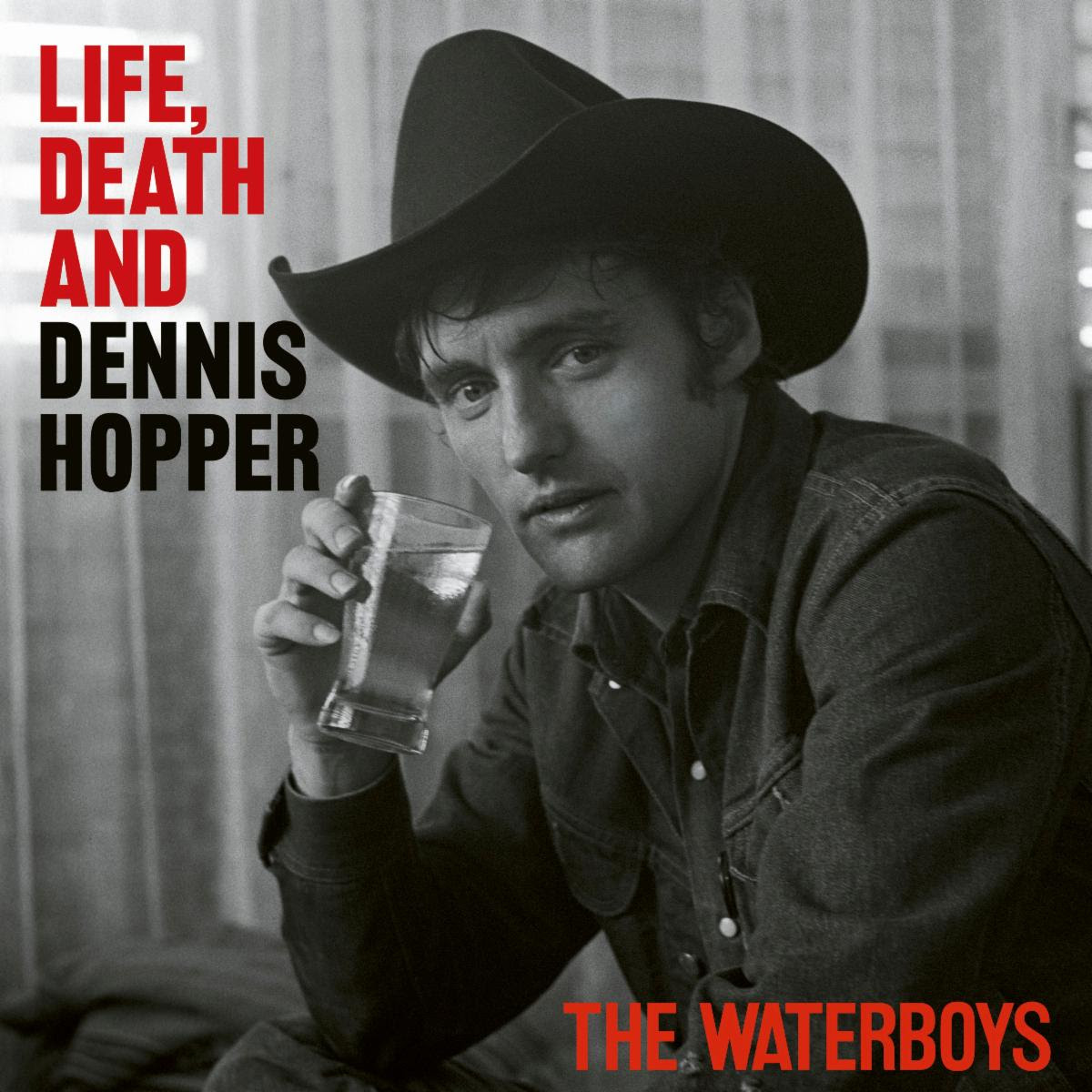
The Waterboys have announced their new album, “Life, Death And Dennis Hopper”, which will be out April 4th via Sun Records. The 25-song double LP is entirely about the counterculture icon and acclaimed actor and director, and features contributions from Bruce Springsteen, Fiona Apple, Steve Earle, and more.
“The arc of his life was the story of our times,” says Waterboys bandleader Mike Scott, “He was at the big bang of youth culture in “Rebel Without A Cause” with James Dean; and the beginnings of Pop Art with the young Andy Warhol. He was part of the counter-culture, hippie, civil rights and psychedelic scenes of the ’60s. In the ’70s and ’80s he went on a wild 10-year rip, almost died, came back, got straight and became a five-movies-a-year character actor without losing the sparkle in his eye or the sense of danger or unpredictability that always gathered around him.”
You may remember that one of the singles from The Waterboys’ 2020 album “Good Luck, Seeker” was “Dennis Hopper” so this is a subject that has been rumbling around Mike Scott’s head for a while. The first single from this new album is “Hopper’s On Top (Genius)” and will be released this Friday, January 10th.
“Life, Death And Dennis Hopper” is the first Waterboys album for the legendary Sun Records – ”Hey, we’re labelmates with Howlin’ Woif and young Elvis!” says Scott , the record also features contributions from Anana Kaye, Barny Fletcher, Sugarfoot, Taylor Goldsmith of Dawes, Kathy Valentine of The Go-Go’s, and Patti Palladin.
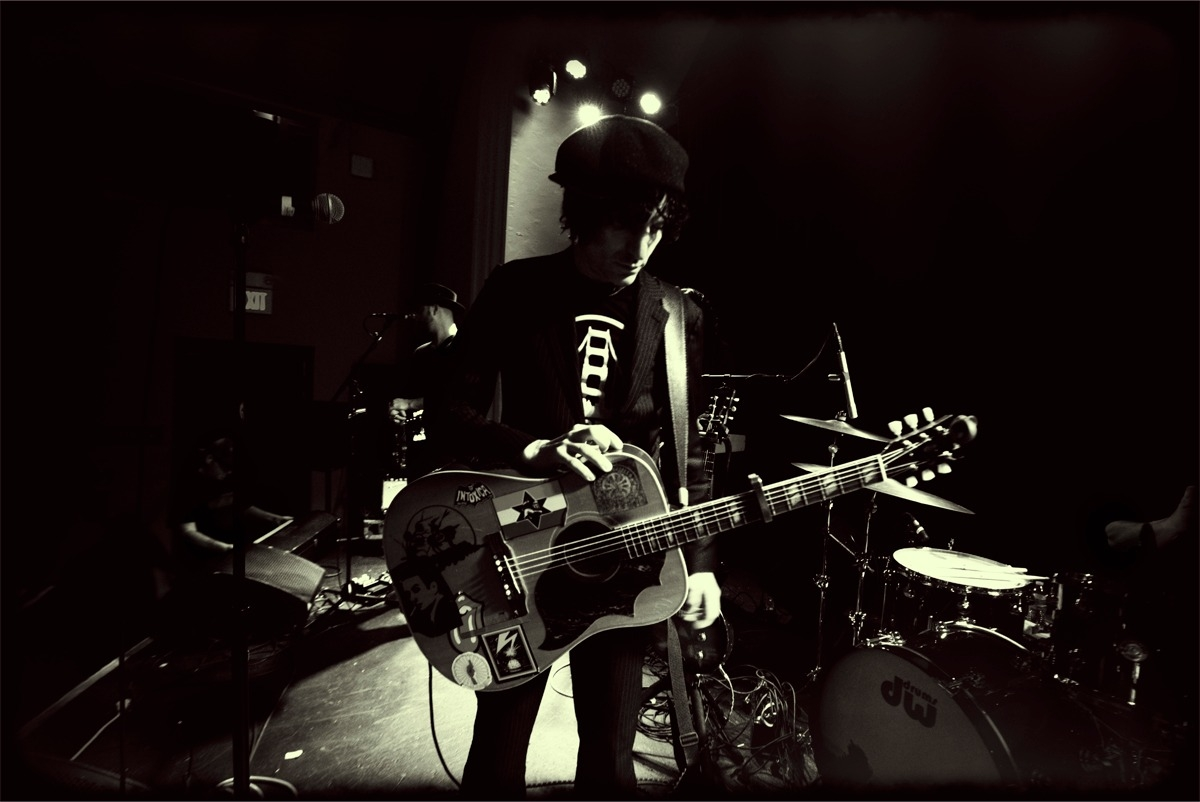
Some may know the story of Jesse Malin. The longtime cornerstone of New York’s East Village music scene suffered a traumatic spinal stroke in 2023, leaving him paralyzed from the waist down. The singer-songwriter, who has long preached “positive mental attitude”, persevered through months of medical treatments and physical therapy with the hope of returning to the stage. That goal was realized earlier this month at New York’s famed Beacon Theatre.
Just a few highlights from Malin’s two-night stand at the Beacon. We kick things off with one of the show’s more emotional moments – a seated Malin pulling himself up to stand in front of a mic and belting out his R&B gem “She Don’t Love Me Now”. From there we get Steve Van Zandt serving up an electrifying guitar solo on Malin’s “Turn Up the Mains”, Elvis Costello and Lucinda Williams covering the Rolling Stones’ “Wild Horses”, Butch Walker rocking out Malin’s “In the Modern World”, Dinosaur Jr.’s J Mascis letting his guitar wail on Malin’s “Brooklyn” and, at Jesse’s request, Adam Duritz and David Immerglück from Counting Crows performing their own “A Long December”. And how about the rousing close from night one – Malin leading all of the above, save Van Zandt, on a cover of the Clash’s “Rudy Can’t Fail”.
To support Malin’s recovery, many friends and fans – including Bruce Springsteen and Billy Joe Armstrong, to name just a few – banded together to record a tribute album Silver Patron Saints. You can also support Malin’s recovery via the Sweet Relief Foundation.
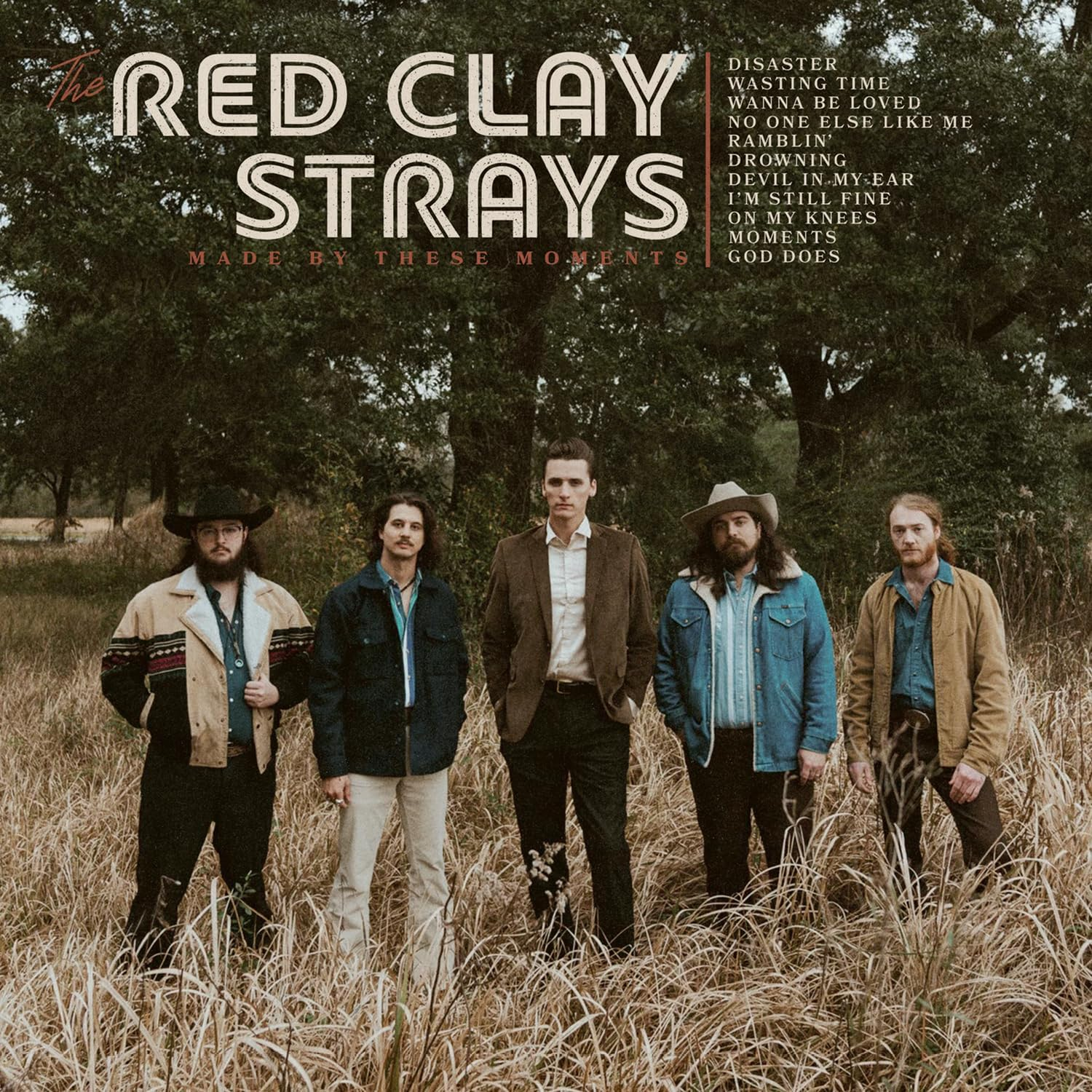
The album is a celebration of the band’s success and the moments that have defined it. The band’s lead singer, Brandon Coleman, says the album is about overcoming life’s challenges, such as loneliness, depression, and hopelessness. They certainly deliver these songs with an almost religious fervor that smashes the obstacles they have overcome.
The album was produced by Dave Cobb, and as he always seems to do, the production captures the band’s live magic. (This is especially evident since they also released a live album this year.) You will hear elements of Country, Soul and Gospel. However, they are first and foremost a Rock & Roll Band.
Their debut album has become a massive word-of-mouth success Stateside, driven by the breakout hit single ‘Wondering Why’. With their incendiary chemistry on stage and eclectic rock-n-roll sound they’re being hailed across the US as one of the most exciting bands to break through in 2024. Led by the hugely charismatic lead vocalist and guitarist Brandon Coleman, blessed with film-star good looks and the soulful vocals of a gospel confessional, he becomes possessed on stage with the power of a Southern fire-and-brimstone preacher.
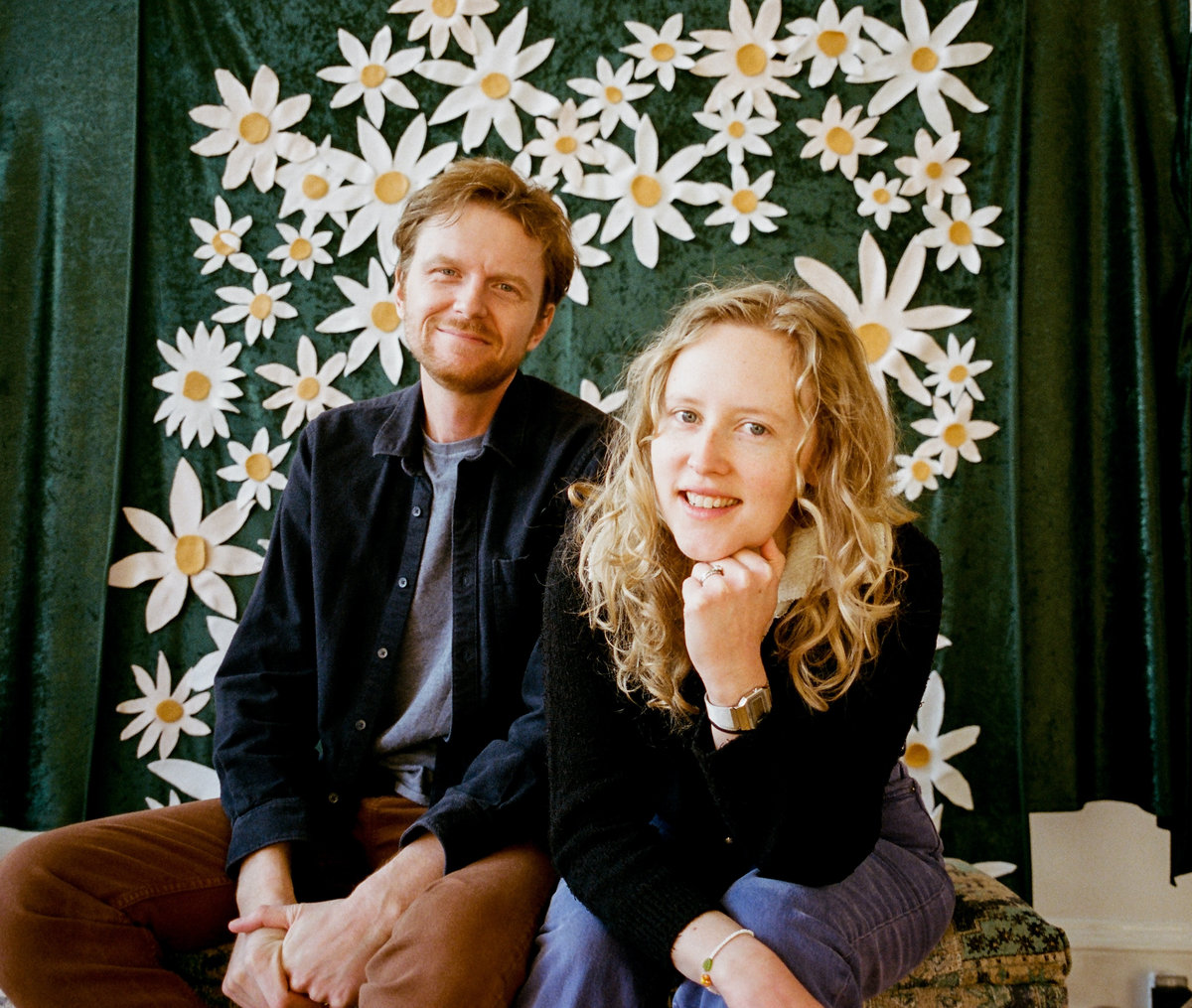
Bad Bad Hats is an indie rock band from Minneapolis, Minnesota. Kerry Alexander and Chris Hoge met in college and formed the band in 2012. In the 10 years of Bad Bad Hats , they have toured the country many times in their trusty minivan, sampling the best local cuisine along the way. Bad Bad Hats has toured with The Beths, Margaret Glaspy, The Front Bottoms, Hippo Campus, and Michelle Branch, among many others. 2024 has been an amazing year for music, but I keep going back to this album. No throwaways here–every track has something going for it.
The band’s music has been described as indie, pop-punk, folk, classic pop, influences by “90s rock simplicity and pop-punk frivolity.” Alexander’s lyrics have been described as relatable, sincere, subtle, honest, unpredictable, and powerful.
Bad Bad Hats describe their style has been described as “indie rock,” but have been described in Rolling Stone as likely to “break into Sixpence None the Richer’s “Kiss Me” at any moment” and going well with a latte at Starbucks. Their songs are described as expertly produced, with hooks and intriguing turns. Their sound is very pleasing, but some critics have called for more message, urgency, and purpose.
Their fourth album Bad Bad Hats released April 12th, 2024 on Don Giovanni Records.
After a stunning appearance on Jools’ Annual Hootenanny to usher in the new year, folk-bluegrass musical ensemble The Dead South will be heading out on tour in March 2025.
The Dead South have never been about constant reinvention, but about full commitment to their own singular way. With confidence in their sound and style and trust in each other, The Dead South arrive at the cusp of explosive global success in an enviable, and well-earned, position: total autonomy. It doesn’t really matter what you call their music – progressive bluegrass, alternative Americana, country, folk and western, what matters is that this is theirs, and people from all different backgrounds, beliefs, experiences, languages and ages love it.
The Dead South perform “A Little Devil / 20 Mile Jump” at Jools’ Annual Hootenanny 2024.
With her spellbinding voice and time-bending sensibilities, Sierra Ferrell makes music that’s as fantastically vagabond as the artist herself. Growing up in small-town West Virginia, the singer/songwriter/multi-instrumentalist left home in her early 20s to journey across the country with a troupe of nomadic musicians, playing everywhere from truck stops to alleyways to freight-train boxcars speeding down the railroad tracks. After years of living in her van and busking on the streets of New Orleans and Seattle, she moved to Nashville and soon landed a deal with Rounder Records on the strength of her magnetic live show. Now, on her highly anticipated label debut “Long Time Coming”, Ferrell shares a dozen songs beautifully unbound by genre or era, instantly transporting her audience to an infinitely more enchanted world.
Wishy’s latest single ‘Planet Popstar’ serves as an exciting bonus for fans still digesting their critically-acclaimed debut album, “Triple Seven”.
Building on the dreamy yet electrifying foundation that earned “Triple Seven” rave reviews, Wishy’s latest offering ‘Planet Popstar’ adds a fresh, introspective layer to the band’s growing catalogue of music. This track might not have made it onto the album, which was released earlier this year, but it still feels like an essential part of Wishy’s soundscape, rich with the signature soaring, earnest, and open-hearted melodies which have been praised within their music as of late. Here, Wishy seamlessly blends the genres of dream-pop and shoegaze with pop-punk influences, creating an alluring sonic experience that makes ‘Planet Popstar’ an instant standout of their discography thus far.
The single has been described by Kevin Krauter, Wishy’s frontman, as a reflection on longing and the feeling of yearning for something seemingly out of reach. Thematically, the song taps into universal emotions of distance and desire, which, paired with the lush, immersive instrumental, makes for an especially resonant experience for the listener. ‘Planet Popstar’ holds all of the emotive energy that defines the band’s music, with Krauter’s lyrics and vocals painting an evocative picture against a backdrop of fuzzed-out guitars and a catchy, hypnotic rhythm.
Wishy’s sound has previously been categorised as a blend of shoegaze, pop-punk, and ‘90s indie, but “Triple Seven” proved that the band’s music is more than an homage to the past; it’s a fresh reinvention of these influences, transforming them into something exciting and new. Their sound is adventurous yet grounded; a place where distortion and melody find a perfect balance, and ‘Planet Popstar’ continues this trajectory, with an energy that feels unrestrained yet deeply sincere.
He’s been called Miami Steve, Little Steven, and just plain Stevie (though he’s probably also known as Silvio from TheSopranos). He’s been a part of not one, not two, but three great bands (only one of which you probably know). With the E Street Band, he’s served as musical consigliere to Bruce Springsteen for most of his musical life. And although he stands next to the Boss onstage, guitar in hand.
Van Zandt has reached a stage of reflection in his career. Besides the Grammy-nominated HBO film, “Stevie Van Zandt: Disciple”, which came out in 2024, he recently wrote and published his autobiography, “Unrequited Infatuations”(2021), a rollicking read in which he pulls no punches and makes clear he still strives to do meaningful things in music and life.
The Disciples of Soul leader, E Street Band member, Asbury Jukes co-founder, Underground Garage impresario and disc jockey, social-justice activist, “Sopranos” and “Lilyhammer” actor, Rock and Roll Hall of Famer, New Jersey Hall of Famer, educational visionary, record company head, Broadway producer, feisty presence on social media and all-around musical and acting renaissance man . In the E Street Band, Van Zandt has participated in arguably the most incredible live group in rock ’n’ roll history. And don’t forget Southside Johnny and the Asbury Jukes or Little Steven and the Disciples of Soul. He created both the Underground Garage and Outlaw Country radio channels on Sirius/XM.
In the early 1970s, Steve Van Zandt essentially split his time between playing with Springsteen and Southside Johnny Lyon. Lyon and Van Zandt formed the Asbury Jukes in 1975, at roughly the same time that Van Zandt officially joined the E Street Band following the release of “Born to Run”. He played lead and rhythm guitar in the band, wrote the bulk of their songs, and produced their first three albums: “I Don’t Want to Go Home” (1976), “This Time It’s for Real” (1977), and “Hearts of Stone” (1978). He left the Jukes in 1980 to focus solely on his work with Springsteen, but those three albums are some of the best you’ll hear anywhere; his (and occasionally Springsteen’s) songwriting combined with Southside Johnny’s voice yields something quite amazing.
In his honour, here are 20 songs he wrote or co-wrote. I’m not necessarily declaring these are the “best,” but just sharing them as a way to celebrate someone who has accomplished so much over the years (and who may not be appreciated as much as a song-writer as he should be because he’s so good at so many other things).
The Asbury Jukes – “I Don’t Want to Go Home”
Arguably Van Zandt’s greatest song writing accomplishment is “I Don’t Want to Go Home,” the title track of Southside Johnny & the Asbury Jukes’ 1976 debut album and a much loved staple of their repertoire. Here, Van Zandt performs the song with The Jukes at the Capitol Theatre in Passaic in 1985.
There aren’t many examples out there of Steve actually singing those great songs he wrote for the Jukes, but let’s start off with one from the album that he played with Southside in 1985:
“This Time It’s for Real”
Here are the songs, in chronological order (by release date for studio tracks, performance date for concert clips): “This Time It’s forReal” also featured the masterful Springsteen/Van Zandt co-write, “Love on the Wrong Side of Town.”
“Hearts of Stone”
Many consider 1978’s “Hearts of Stone” to be the high point of the Van Zandt and the Jukes’ work together. Here’s “Trapped Again,” co-written by Van Zandt, Southside and Springsteen.
The Disciples of Soul – “Men Without Women”
Few artists will jump off a bullet train just as it’s leaving the station, but following the recording of “Born in the USA” in 1984, that’s exactly what Little Steven did next: he left the E Street Band to go solo with his band The Disciples of Soul (Nils Lofgren took over guitar duties from him with the E Street Band). Their first album, “Men Without Women”, was released in 1982 and was nothing short of brilliant, fusing that original Asbury Jukes sound with a much harder edge.
“Until the Good Is Gone” was one of the highlights of Van Zandt’s first Disciples of Soul album, Men Without Women (1982).
Van Zandt was the writer and producer of the all-star 1985 anti-apartheid anthem “Sun City,” whose incredible cast of contributors included Bruce Springsteen, Bob Dylan, Bono, Miles Davis, Run-DMC, George Clinton, Ringo Starr and countless others.
Around this time Van Zandt co-produced Lone Justice’s second album, in 1986 and co-wrote three of its songs, including the title track, “Shelter.” Van Zandt also co-produced Gary U.S. Bonds’ 1981 comeback album “Dedication” and also wrote the powerful ballad “Daddy’s Come Home.”
“Voice of America”
Proving that his timing was not always perfect, The Disciples of Soul released their second album, “Voice of America”, less than a month before Springsteen released Born in the USA; I don’t need to ask which one you remember. It was a solid album, though not as good as Men Without Women if only because Van Zandt had begun an extended foray into overtly political songs, and I mean overtly. Some of the song titles include “Checkpoint Charlie,” “Solidarity,” and “I am a Patriot (And the River Opensfor the Righteous).”
The album’s best track, “Out of the Darkness,” was more subtle; it could be taken as political or as a commentary on a relationship.
The more political songs may not have risen to the level of Barry McGuire’s “Eve of Destruction,” Creedence Clearwater Revival’s “Fortunate Son,” or Springsteen’s “Born in the USA.” as classic protest songs, but his activism did make a difference.
His stand against apartheid in South Africa, especially his refusal to play the Sun City resort and the campaign to get other artists to boycott the whites-only resort, significantly raised world awareness and helped play a part, however small, in the end of that horrific system.
Van Zandt has released a few albums since the late 1990s, but his time was more focused on his acting roles in TheSopranos and Lillyhammerand his excellent radio show, Little Steven’s Underground Garage.He briefly formed a band called Little Steven and the Lost Boys, and though they recorded one album, it was never released. We did, however, get to hear one of the songs during a Sopranos episode, and it remains one of my favorites of his.
“Born Again Savage“
With the E Street Band reuniting and “The Sopranos” debuting in 1999, that year’s “Born Again Savage” — which featured Van Zandt in a power trio format with bassist Adam Clayton (of U2) and drummer Jason Bonham — got lost in the shuffle. But it found him in good, snarling form, on “Camouflage of Righteousness” and other tracks.
Van Zandt re-teamed with Darlene Love in 2015, producing her“Introducing Darlene Love” album and writing two of its songs, including the fiery “Among the Believers.”
Van Zandt’s first single as a solo artist, “Forever,” was a minor hit in 1982 and has sounded great on his recent Disciples of Soul tours. The Disciples of Soul returned to recording, after 18 years, in 2017, with leadoff track “Soulfire” setting the perfect tone for the entire album of that name.
“Summer of Sorcery”,
Van Zandt’s 2019 album with the Disciples of Soul, “Summer of Sorcery”, was both stylistically adventurous and rooted in the garage-rock style he has come to be associated with.
Van Zandt has been a mainstay in the E Street Band since Springsteen reformed the group in 1999, and since the passing of Clarence Clemons in 2011 he has assumed the position of prominence onstage (after Bruce, of course). In 2021, he released a memoir titled “Unrequited Infatuations”.
Let me end this brief taste of the music of Little Steven with a song from the 1991 Southside Johnny album Better Days (another album for which Van Zandt wrote most of the songs). It brings together three iconic Asbury Park voices that have been together for more than five decades and will forever be linked.
Steven’s radio show on SiriusXM has gathered a cult following in recent years, as any average rock fan might appreciate listening to a good old-fashioned radio podcast now and then. “This ain’t just radio, baby,” exclaimed the guitarist, and pointed out that the show is worth every penny. Steven said, “This is Little Steven’s Motherf*cking Underground Garage! SXM is $1 for three months, then $5 a week for raising your quality of life by about 1000%. You can’t afford to not have us in your life.”
R.EM.’s “Document”It’s not a stretch to say that not only did this record change the trajectory of the band but also the “College Rock” landscape. R.E.M.’s “Document”, the Athens, Ga., quartet’s fifth studio release, was also their breakthrough album. Its first of three singles, “The One I Love,” the beneficiary of I.R.S.’s long game of career development for the band, And, of course, it was“Document” that catapultedthem from “indie darlings” to full-fledged pop stars. Sadly, especially for employees of indie I.R.S. Records who had invested hearts, souls and long hours into R.E.M.’s build, it was also the band’s final effort for the label, before moving on to the greener and more global pastures of Warner Bros. Records.
In 1987, R.E.M was still very much an indie rock darling. That would change with the release of “Document”, “The One I Love” we all learned to say “LEONARD BERSTEIN!” at just the right time on “It’s The End of the World.” The sound is ever more confident.
The album, released on August 31st, 1987, was co-produced by the band and engineer Scott Litt, whose combined engineer, producer and remix credits include the dB’s (he produced their standout album“Repercussion“), Nirvana (remixed “Heart Shaped Box” and “All Apologies”) and Patti Smith as well as producing some of R.E.M.’s initial Warner Bros. albums.
“Document” continued to capture R.E.M.s live energy on record, in the tradition of its two predecessors, “Lifes Rich Pageant” (1986) and“Fables of the Reconstruction” (1985). Michael Stipe’s vocals grew more assertive, and lyrics easy to make out (compared with the murmured phraseology of the band’s debut 1982 EP and 1983 LP).
“Welcome to the Occupation,” which flows out of the lead track, “Finest Worksong,” reportedly about occupation in Central America: “Disturbance in the Heron House” was described by Stipe in 2009: “The song was my take on Animal Farm, an uprising dismissed by the powers that be.”
The song strikes a commonality with R.E.M.’s prior work thanks to Peter Buck’s guitar jangling once again. No stranger to an odd and unexpected cover song every now and again was one of the more whimsical moments on R.E.M.’’s Lifes RIch Pageant), “Document” includes “Strange,” a cover song by post-punk band Wire’s debut album, “Pink Flag“. Stipe refers to himself in the first line (“Michael’s nervous” replacing Wire’s line “Joey’s nervous”).
One of the standouts on “Document“—the song that seemed most relevant at the time, and ever since—was the side one closer, “It’s the End of the World as We Know It (And I Feel Fine).” Based loosely around a then-unreleased song called “Bad Day (PSA),” the song seemed inspired by Bob Dylan’s “Subterranean Homesick Blues,” with its own apocalyptic take. In the course of its mile-a-minute lyrics, the band references several historical notables with the initials.
The waltz-tempoed “Fireplace” found thematic connection with the topical songs of side one with its repeated lyrics of “crazy crazy world, crazy crazy times.” Los Lobos member Steve Berlin’s saxophone added a new hue to R.E.M.’s repertoire,
“Document” has not one but two songs referencing birds, at least in the abstract. Side one’s “Disturbance at the Heron House” is bookended by side two’s “King of Birds.” It has been interpreted as the natural instinct of birds to sense earthquakes and other natural disasters. Conversely, the song, which features dulcimer by Buck, might have addressed Stipe’s reluctant but by now indelible rock stardom:
The album closes with one of its deepest tracks, a rocker titled “Oddfellows Local 151.” The song is not literally about the Oddfellows—a social organization not unlike the Moose or Elks—but, as Buck revealed in an interview, rather a group of homeless individuals living not far from Stipe, whom the lead singer likened to such an organization: “Document” was the work of a band spreading its aural and lyrical wings, at once more understandable word-for-word, while in spots as opaque as“Chronic Town“. Only R.E.M. could give us an ostensible love song that’s really a funeral for a relationship.







 The Fat Angel Sings