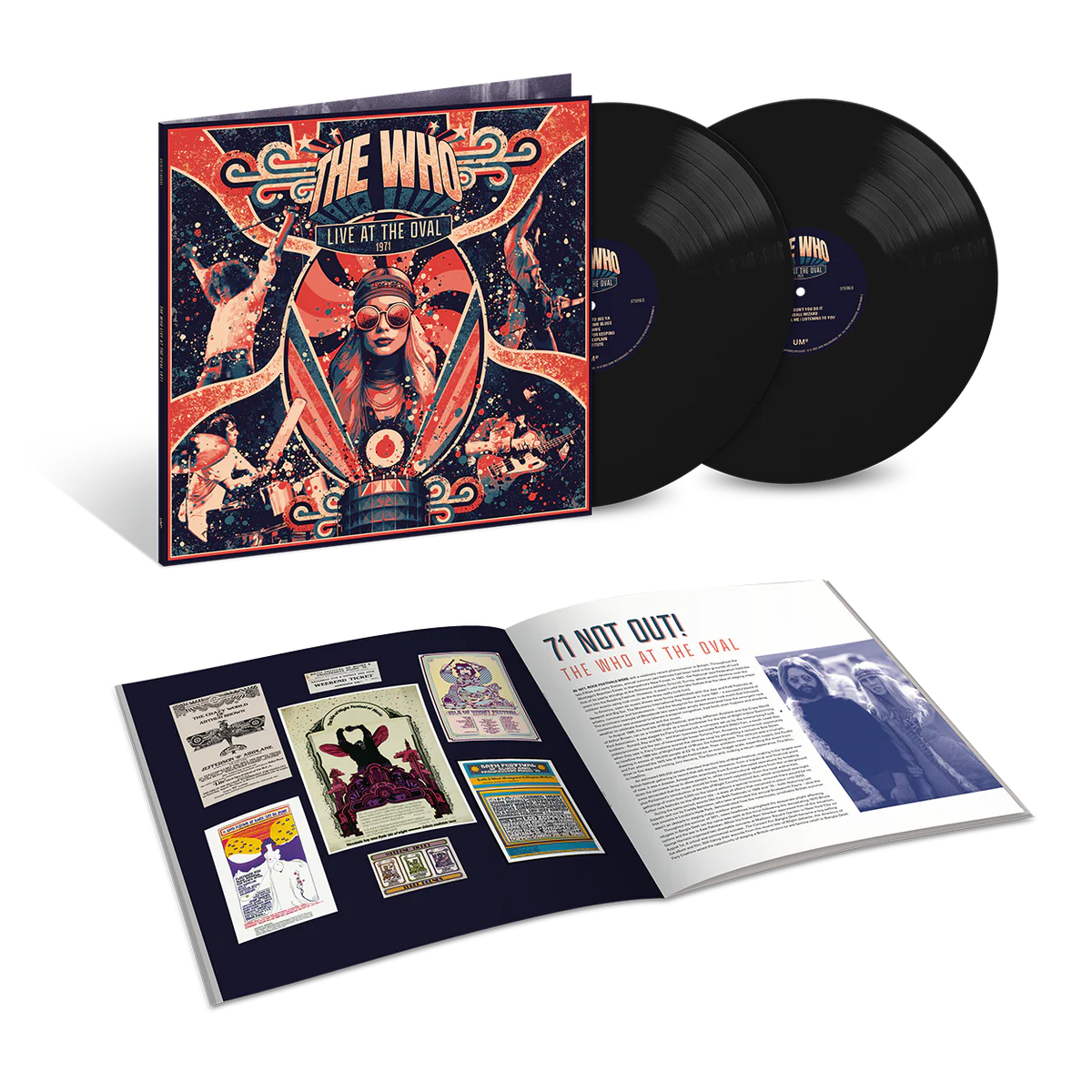
Previously only available as a poor-quality bootleg, this legendary show has never received an official release until now. With 35,000 in attendance, on September 18th, 1971 The Who headlined Goodbye Summer: A Rock Concert in aid of Famine Relief for the People of Bangladesh at The Oval cricket ground in Kennsington, south London. Newly mixed from the original 8-track analogue multi-track tapes, this concert shows The Who continuing their dominance as the top live rock band of the era. The outstanding performance culminates in Pete Townshend and Keith Moon destroying their equipment in a grand finale.
The Who headlined alongside performances by Faces, Mott the Hoople, America and others, bringing their signature, maximalist power to the famous cricket ground.
The band notably headlined The Oval cricket ground in Kennsington, South London on September 18th, 1971 for this benefit. During the show, the band—Roger Daltrey, Pete Townshend, John Entwistle, and Keith Moon—performed a 15-song setlist highlighted staples such as “Behind Blue Eyes,” “Won’t Get Fooled Again,” “Pinball Wizard” and more for an audience of 35,000-plus. Setting the scene, The Who had just released “Who’s Next” a month prior on August 2nd, 1971, and the band played five songs from the latter at The Oval. Renowned for their unpredictable and unforgettable performances, it’s been remixed from Glyn Johns‘ original eight-track analogue tape by Bob Pridden and Richard Whittaker, with John and Layla Astley mastering the discs. Richard Evans designs the package, including a new cover illustration by Townshend’s nephew Josh
The Who will release, “Live At The Oval 1971“, as part of the Whooligan Fan Club exclusively fans will receive early ticket access, exclusive Whooligan merchandise and a copy of Live At The Oval 1971!
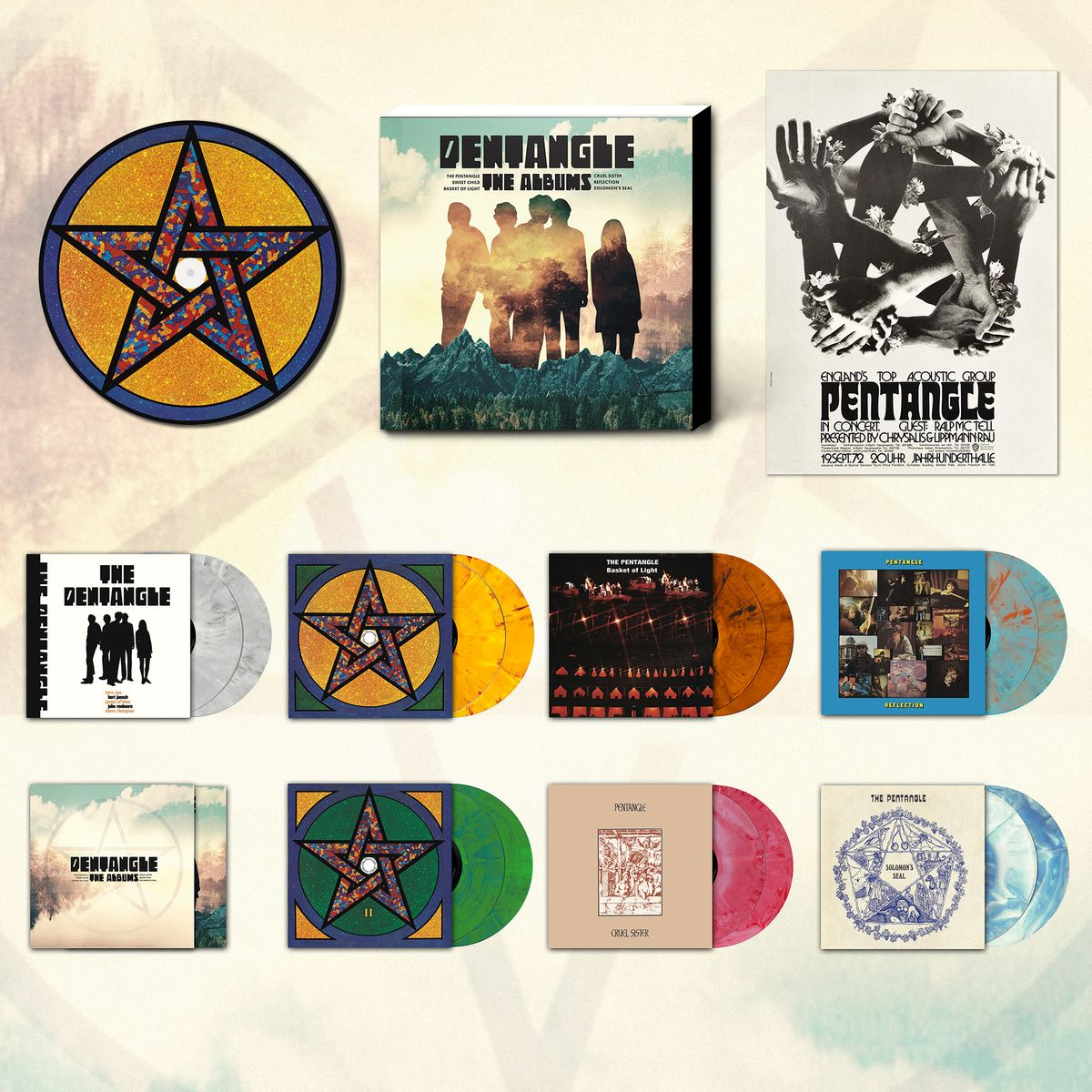
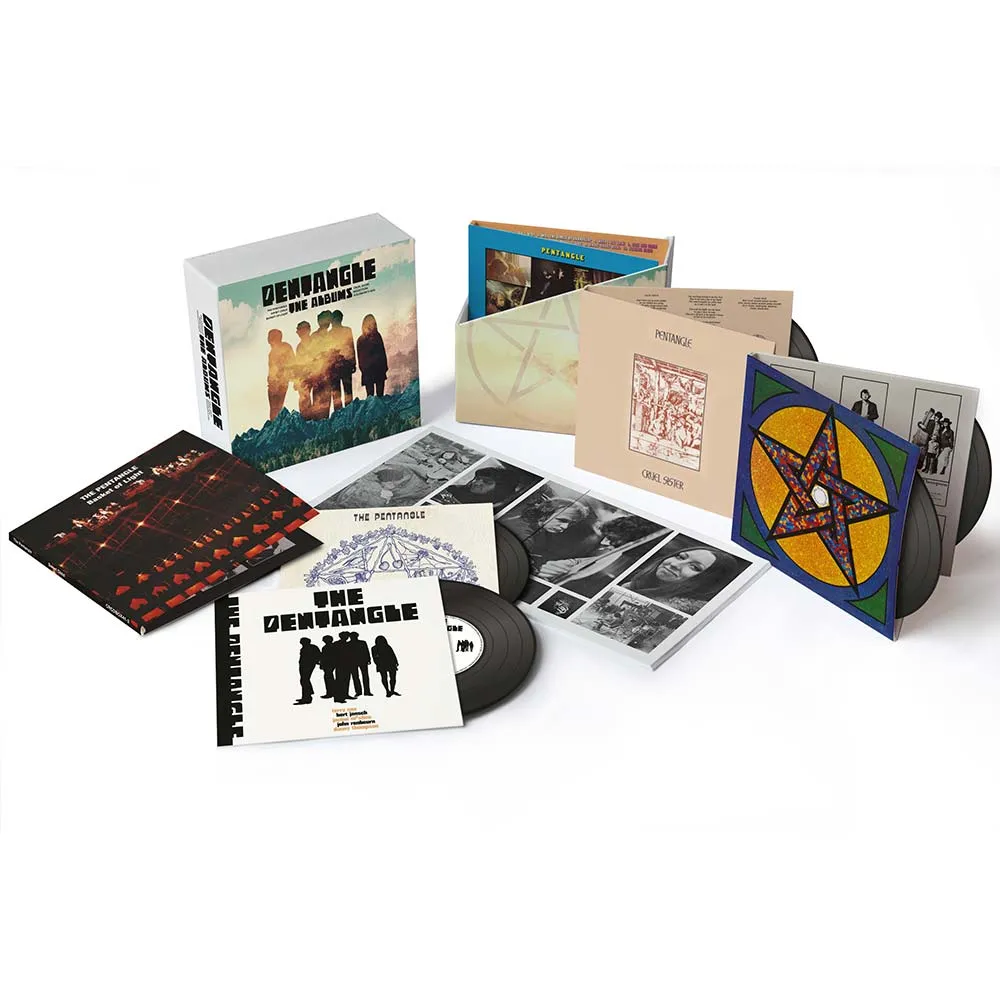
To describe this as an extensive Pentangle boxset is something of an understatement: across 14 LPs are the band’s first six studio albums, and a whole host of additional material.
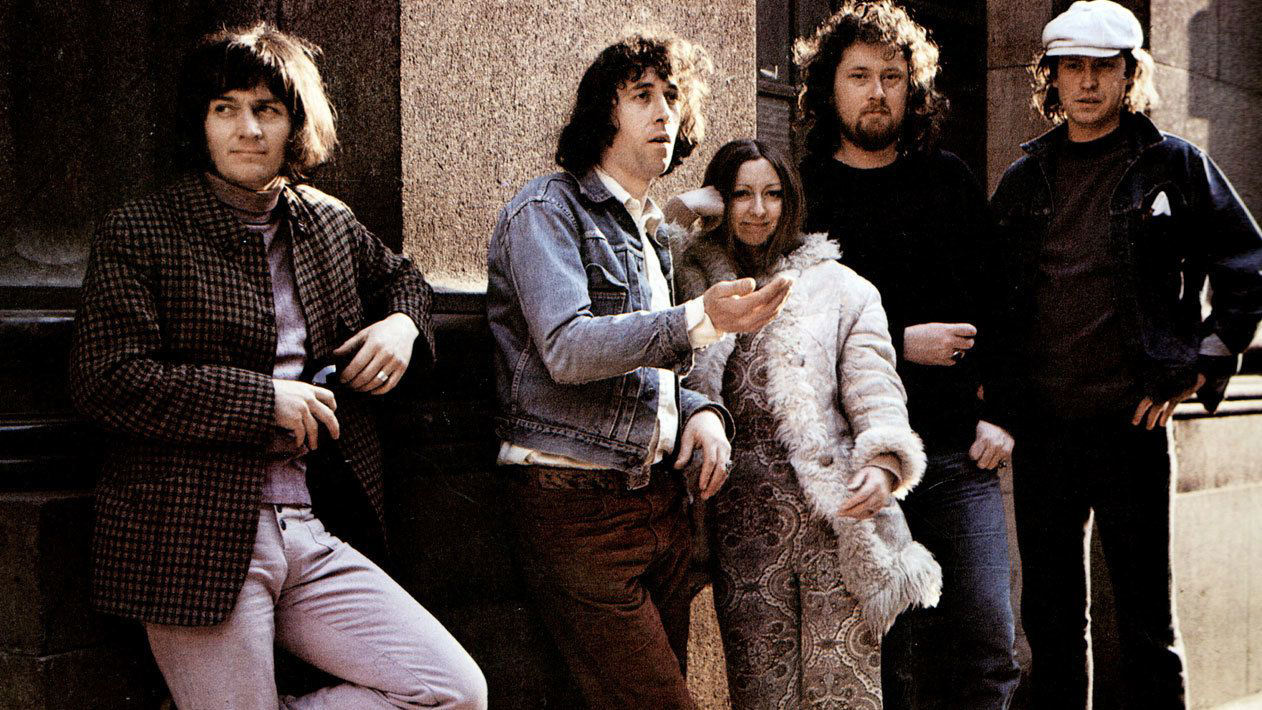
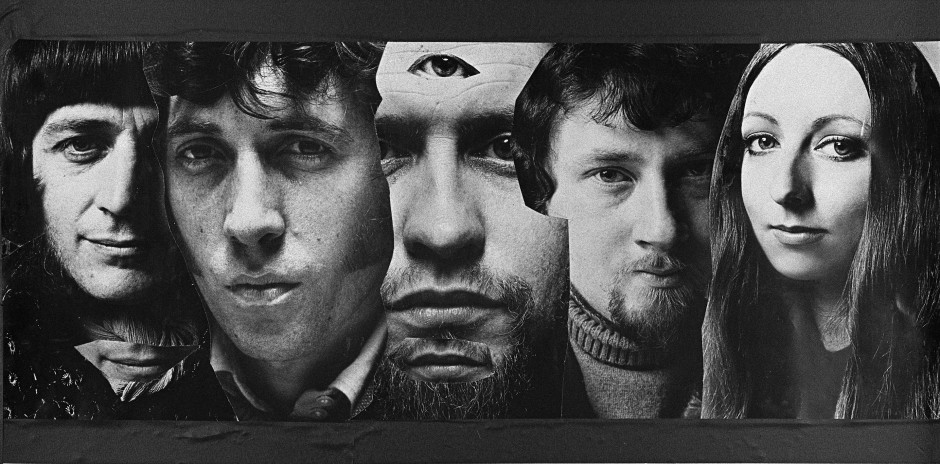
Pentangle were formed in London in 1967. The original band was active in the late 1960s and early 1970s, and a later version has been active since the early 1980s. The original line-up, which was unchanged throughout the band’s first incarnation (1967–1973), was Jacqui McShee (vocals); John Renbourn (vocals and guitar); Bert Jansch (vocals and guitar); Danny Thompson (double bass) and Terry Cox (drums). They have been described the first folk supergroup – both guitarists Renbourn and Jansch were already successful (if you haven’t checked out Jansch’s first solo album from 1965: please do so), while the rhythm section had played together in Alexis Korner‘s band. To top it off, they had the gorgeous vocals of McShee who was already well-known in folk clubs.
Of course, maybe to describe the band simply as a folk group is to understate things. Much like the likes of contemporary acts like Steeleye Span, Fairport Convention and the Incredible String Band they weren’t just drawing on old traditions simply to pickle in aspic but forging out something new. In Pentangle’s case, this included jazz, blues, pop and psychedelia to produce something truly distinguished and distinctive. It has been said that the light that burns twice as bright burns half as long – in this initial period, they released six albums, something that would be almost unthinkable in any genre today (at least, signed to a major label). It may have taken its toll, but the pleasure is certainly ours.
The first album opens with their sublime version of the traditional ‘Let No Man Steal Your Thyme.’ An excellent entry point for sure, but what’s also interesting in terms of explaining what might distinguish them from other acts of the period (see above) is the jazz influence on the next two tracks ‘Bells’ and ‘Hear My Call.’ Barely half an hour long, it set out their stall and if they had never made another record together, it would have ensured a place in musical history.
It might seem surprising that the band’s first concert was at the Royal Festival Hall; however, it makes more sense given that they had a fairly impressive reputation individually. Thus the band’s second album “Sweet Child” is made up partly of this concert and also of an even further-reaching explorations in the studio, taking in both Charlie Mingus and early music. Even their album covers made waves, with “Sweet Child” featuring artwork by the legendary Peter Blake (famous for designing The Beatles’ Sgt. Pepper).
But it was their third album “Basket Of Light“, which saw them reach the highest charting album of their career (no.5 if you’re counting). Highlights of this disc include ‘Once I Had a Sweetheart‘, the medieval-sounding ‘Lyke Wake Dirge’ and the epic ‘Hunting Song.’ I probably shouldn’t say this in the context of the review but…if you were only going to buy one Pentangle album (for shame!) it should be this one, which even saw them bother the lower regions of the UK singles chart twice.
Yet after this the band are perceived to have entered something of a decline – which must have been something to do with the public and not a reflection on these good, er, folk. “Cruel Sister” was considered something of a disaster after “Basket“, which seems insane, an entirely traditional album.
The second half of the album contains the epic 19-minute long ‘Jack Orion‘ which is a fantastic musical journey, and in the old days would have been considered worth the price of entry alone.
1971’s “Reflection” was recorded at a time of tension within the group, yet it holds up well, and on the opening track ‘Wedding Dress‘ mixing in country and celtic whilst reaching across the ocean with a fantastic bluegrass meets gospel version of ‘Will The Circle Be Unbroken?’
The final album was 1972’s “Solomon’s Seal” Supposedly something of a disappointment (if you read up on this online), a lovely version of ‘The Cherry Tree Carol‘ and a fine ‘Willie O’Winsbury’ prove that this was simply not the case.
Jacqui McShee herself reflected on the significance of this boxset: “Each song and album hold a special place in my heart, not only for the music itself but for the incredible memories and experiences that we shared as a band. I hope this release brings listeners, both old and new, the same joy and connection that we felt while creating this music together.”
At nearly £300 (if we can confront the elephant in the room), the reality is that this box set primarily appeal to those with not only the money but those who really love the band. The reality is that this should be more of you, because Pentangle are one of the acts who are as worthy of your time. Jacqui McShee’s voice is as impressive as Sandy Denny or Vashti Bunyan, while if you like the guitar work of John Martyn, Nick Drake and Richard Thompson, you should be paying attention, too. Assuming that you don’t simply want to pick up the six albums on their own, why pay for the extra stuff?
Well each album has been expanded with a wealth of bonus material featuring 22 recordings which are previously unreleased on LP. (While I must admit that a version of ‘She Moves Through The Fair‘ the double bass is distracting from the vocal and rather superfluous, it must have been electrifying to have witnessed in the flesh). Not to mention all the extra goodies that some in the box, interviews, press clippings and detailed chronology and recordings.
It’s been an absolute joy submerging myself in Pentangle to write this review. If you have the money to purchase this, I envy you. I’m off to have a conversation with my better half about seeing how we might afford it ourselves…
I am genuinely excited about this! If you’re a fan of timeless music that pushed boundaries and brought together folk, jazz, and pop with sublime musicianship, then the Pentangle: The Albums 1968-1972 vinyl box set is something you’ll want to explore. The set includes 22 Previously Unreleased Recordings:
64-Page Book: A beautifully designed book featuring rare photos, detailed sleeve notes, interviews, and essays by respected music journalists.
All Six Studio Albums: The Pentangle (1968), Sweet Child (1968), Basket of Light (1969), Cruel Sister (1970), Reflection (1971), and Solomon’s Seal (1972). Expanded Content: Each album includes bonus tracks from Bert Jansch and John Renbourn’s solo LPs, plus rare outtakes and live recordings.
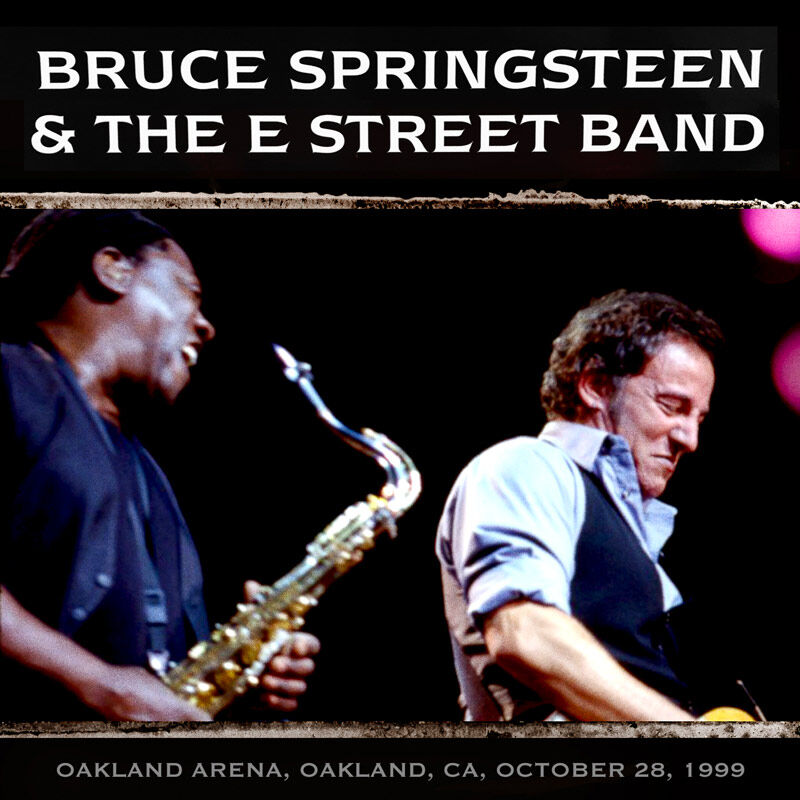
The final night of a three-show stand in Oakland finds Bruce Springsteen performing at his Reunion tour best. The 24-song set gets off to a bang-bang start with “Adam Raised a Cain” into “Prove It All Night,” and that energy carries on through “Atlantic City,” “Youngstown” and “Murder Incorporated.” Equally compelling is a stripped-down reading of “The Ghost of Tom Joad” and the only full-band performance ever of another Joad track, “Sinaloa Cowboys.” Southside Johnny makes a special guest appearance on “Hungry Heart” and the encore closes with a rare, romping rendition of “Blinded By The Light.”
If the modern era of Bruce Springsteen and the E Street Band is demarcated by the start of the Reunion tour, we’ve nearly reached the moment where it also represents the midpoint of their touring career spanning late 1972 to present day. Amazingly, that means less time passed between the “Born to Run” and Reunion tours than the Reunion tour and today. So does a 1999 show have more in common with what came before or what’s come since?
That’s probably best left hanging as a rhetorical question, but listening to Oakland 10/28/99, the last night of a three-show stand, this formidable performance harkens back to past championship seasons. Seventy-eight shows into the Reunion tour, the players on stage are fully match fit and committed to the cause: to do justice to Springsteen’s core catalogue and take the music in compelling new directions.
Mixing metaphors here, but who else would start a three-hour marathon with a five-song sprint? The evening commences with a rare opening slot for “Adam Raised a Cain” which sounds newly incensed. Springsteen sings it with age-defying conviction (listen to his falsetto on “from the dark heart of a dream”) and rips an angsty guitar solo. This shock to the system kicks straight into “Prove It All Night,” and again there’s no wavering in an excellent version sparked by back-and-forth vocal interplay between Springsteen and Stevie Van Zandt.
With nary a second to breathe, the pair join forces again on “Two Hearts,” which in turn cues up our third taste of “Darkness on the Edge of Town”, “The Promised Land.” The fifth powerhouse in this sequence, “Atlantic City,” appears in its staggering full-band arrangement. Jon Altschiller’s mix puts listeners in the perfect seat (but feel free to stand) and the separation of voices and instruments is sharp, like when Nils Lofgren and Van Zandt play off each other in the left and right speakers respectively during the song’s conclusion.
“Good evening,” Springsteen says after. “Thanks for coming out tonight.” The high energy expressed since the start of the show turns delicate. As it does on “Nebraska”, “Atlantic City” leads to “Mansion on the HIll” in its resplendent country-leaning arrangement with Lofgren on pedal steel, Van Zandt on acoustic guitar and Danny Federici on accordion. The players swirl around each other while Springsteen and Patti Scialfa lay down graceful vocals. The contrast from the barnstorming start of Oakland to this intimate section is stark.
More captivating counterpoints follow, as Clarence Clemons’ saxophone and Roy Bittan’s piano shine during a moving “Independence Day.” Performed only 15 times on Reunion (though it landed on other Archive releases), this reading might be first among equals. Even compared to the version played in Los Angeles just five days prior, the Oakland “Independence Day” glides on a slower tempo; the mix and arrangement (again featuring Lofgren on pedal steel) feel more “River”-like in spirit despite being so wistfully distinct from the original. What a stately ending.
Loud, soft, then loud again, with “Youngstown” firing up the furnaces. Logren’s showcase solo is more soaring and searing than pyrotechnical, which keeps it nicely inside the song, and Van Zandt’s mandolin playing is again a standout. “Murder Incorporated” plays tough — just like you want it to — and “Badlands” brings a flawless first half of the show to a figurative close.
The second half of Reunion shows can lose focus a bit, since long songs like “Tenth Avenue Freeze-Out” and “Light of Day” work great as live showstoppers but don’t always translate as well on playback.
But if you haven’t listened to either in a while, the Oakland versions hold up nicely. “Tenth” nods to “It’sAll Right” and “Take Me to the River” before Springsteen introduces Scialfa with a few lines of “Red Headed Woman” ahead of her sweet “Rumble Doll” showcase. “Boom Boom” infuses “Light of Day” with a welcome snatch of stomping blues.
Between those showstoppers, a lively “Working on the Highway” starts with a sweet guitar line from Lofgren and Max Weinberg’s big beat before Springsteen darkens the tone again for “The Ghost of TomJoad.” Though an every-nighter at this point in the tour, Bruce brings subtle, in-the-moment variations to his vocal. The mix showcases the purity of the arrangement, which begins with Bruce on solo acoustic, joined by Federici on accordion, then Garry Tallent on bass, Weinberg on brushes, and Lofgren back on pedal steel.
We stick with “Joad” for the only full-band performance ever of “Sinaloa Cowboys” which carries forth the instrumentation, augmented with Bittan’s gentle synthesizer and Springsteen’s fine, Mexican-tinged acoustic guitar picking. “Backstreets” rewards the patience of the Oakland audience, and like “Adam Raised a Cain” and “Prove It All Night” at the start, Bruce and the band turn back the clock and reconnect to the heart of the song.
Something amusing to kick off the encore as Southside Johnny takes the second verse and sings along on “Hungry Heart.” By way of thanks for the seemingly impromptu appearance, Springsteen affectionately calls Johnny “a walking chaos machine.” Clemons continues his thick baritone sax sound to fuel up “Ramod,” and goes back to tenor for satisfying takes of “Born to Run” and “Thunder Road.”
Though the tour’s traditional closers, “If I Should Fall Behind” and “Land of Hope and Dreams,” have brought the evening to rewarding finish, Bruce declares, “Ah fuck, one more!” ahead of a rare, all-verses-included “Blinded by the Light.” It’s a tricky song to get right, which may explain why it went uplayed after 1976 and was only attempted five times on Reunion; this is one of if not the best of the modern era.
Clocking in at 24 songs and just under three hours, Oakland 10/28/99 might read like an average show statistically. But don’t let the numbers deter you from revisiting a peak Reunion tour performance that shines in both its loudest and softest moments.
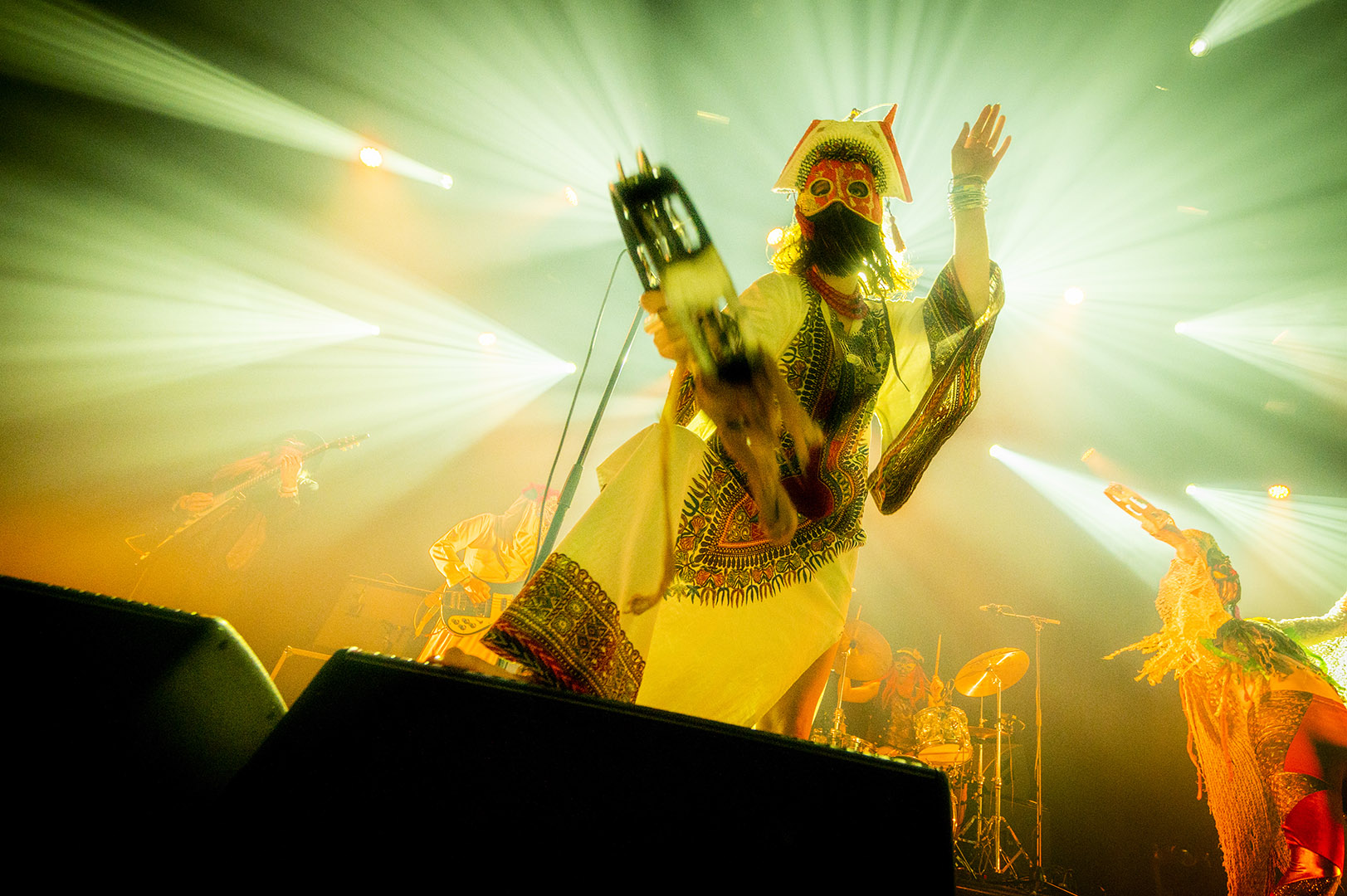
Swedish psych outfit Goat perform live at Le Guess Who? Festival 2022 following the release of their latest album ‘Oh Death’ via Rocket Recordings.
“Goat broke through ten years ago with World Music, a trippy record that was a solidified jam session, on which they spice up psych rock with, amongst others, rhythmic elements from Turkish rock and afrobeat. This performance became a greatest hits show, with seven-minute songs with proto metal riffs, long solos, and two female singers who jumped across the stage.
But the best part is how Goat is still catchy in the midst of all those complex ideas. With the lavish masks and robes, Goat is a thrill to watch. The energy peak of Saturday night”
Setlist: 00:00 Under No Nation 06:20 Gathering of Ancient Tribes 11:24 Do The Dance 14:45 Disco Fever 19:52 Goatman Captured at TivoliVredenburg’s Ronda on Saturday, 12 November during Le Guess Who? 2022.
Known for a sound which defined indie in the 2000s, The Kooks return with their new album “Never/Know” following their No. 1 UK Album “Konk“, additional 3 UK Top 10 Albums, 3 UK Top 10 Singles, 2 BRIT nominations and an MTV Best UK Act Award. Their 2006 debut album sold over 2 million copies, reaching quadruple platinum status in the UK.
Helmed by the two original members of the band – lead singer Luke Pritchard and guitarist Hugh Harris – the duo have never stopped evolving, transitioning from indie rock to synthpop and krautrock influences, growing their 3.5 Million global audience to what it is today.
The 11-track offering, self-produced by Pritchard, was born out of a mission to reconnect with The Kooks’ original creative drive. Speaking about the album’s impetus, Pritchard said “It’s not about going back to the first album’s sound, but to the roots of our influences and asking, ‘What is the identity of this band?”
The whole thing was to just forget that the past had happened,” he says. But to truly move forward, they had to reflect: “What kind of music do we want to make, and how do we make it feel natural?”
“Never/Know” puts on show some of Pritchard’s most simple, yet expressive lyrics to-date. The songs are filled with witty one-liners and endearing nicknames for his children and loved ones, which resonate on the surface, yet carry a deeper, more personal significance.
Sonically, an intoxicating cover of Paul McCartney and Wings’ ‘Arrow Through Me’ is the clearest indication of the band’s influence, while the album’s closer, the moody ‘Talk About It’ puts on show an appreciation for classic soul.
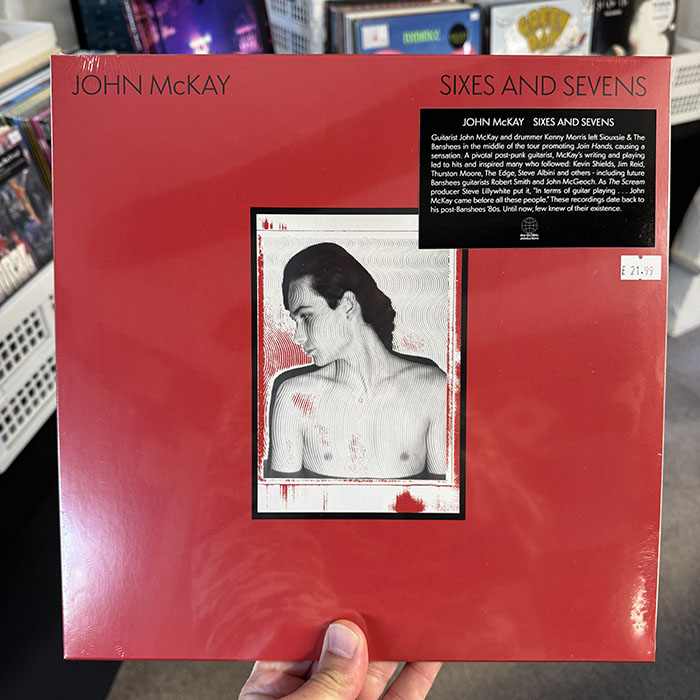
Siouxsie & The Banshees guitarist John McKay left the band in the middle of a tour back in ’79, after an in-store signing gone horribly wrong! John had been the primary composer for the band but pretty much disappeared from the public after the split. Now he’s back with a collection of unheard songs recorded just after he left the band . . . some with Banshees drummer Kenny Morris, who left with him, in fact!
It’s fab archival stuff no one’s heard before. “The Scream”, Siouxsie and the Banshees’ first album, was released late enough in the punk era to bear some claim as the first post-punk album, with only a minor traces of ‘punk’ (one lingering early song, “Carcass” comes to mind) and enough hints of what had come even earlier, Andy MacKay-like saxophone flourishes – to feel utterly new. Not to mention the effort producer Steve Lillywhite must have put into the album, his first fully-credited major label production.
Siouxsie was clearly the focus of the band, with her unique vocal style and lyrics, but the real star, we’ve always known, was John McKay, who wrote most of the album’s music (as well as singles like “Hong Kong Garden”), creating a wholly new guitar sound – harsh and brittle, yet melodically intoxicating . . . best articulated by a somewhat confounded Steve Albini years later “. . . only now people are trying to copy it, and even now nobody understands how that guitar player got all that pointless noise to stick together as songs”. McKay’s influence lives on; many of the most influential guitarists of the past four decades credit him as a major influence – Geordie from Killing Joke, Jim Reid of The Jesus And Mary Chain, U2’s The Edge, Thurston Moore, Johnny Marr and even the two guitarists – The Cure’s Robert Smith and Magazine’s John McGeoch – who followed him in The Banshees.
McKay’s burgeoning status as the anti-guitar hero was halted when he and Banshees drummer Kenny Morris – at odds with Siouxsie and bassist Steve Severin – fled the band just after the start of a tour supporting the group’s second album, “Join Hands”. It was a weekly music paper scandal, later the subject of a BBC documentary, and Siouxsie’s vitriol working its way into the lyrics of a later Banshees b-side, “Drop Dead / Celebration”. Aside from a solitary single on Marc Riley’s In Tape label nearly a decade later, no music was heard from McKay again. So it comes as a major surprise to learn of a pile of excellent recordings made in the years just after he left The Banshees, unheard by all but a very few, some of which feature drummer Kenny Morris, plus Mick Allen from Rema Rema, Matthew Seligman of the Soft Boys and longer-term collaborator Graham Dowdall and John’s wife Linda . . . the latter three of whom now all sadly deceased.
“Sixes And Sevens” is an historic lost album. Brazenly genius and bearing fair claim as the lost treasure of the post-punk era, the album collects eleven studio tracks, carefully mastered from original tapes. It’s a masterpiece which best speaks for itself. John McKay will be made available for a limited number of interviews . . . and yes, there are surprises in store.
This was the only one of the four albums reviewed here that I owned previously, and I’m very pleased how this new edition sounds and looks. A somewhat quiet album comprised of Mississippi John Hurt’s solo voice and guitar folk-blues recordings, originally released in 1966’s “Today!” It was his first for Vanguard, and among the first recordings issued after his 1963 rediscovery — I definitely appreciated this reissue’s dead-quiet noise floor, which allowed the music to jump out of my speakers more dramatically than my (likely) late- ’60s/early-’70s pressing. For this new edition, Craft Recordings went to the trouble of reproducing the orange Vanguard “Stereolab” label that was found on original pressings — a cool bit of detailing for collectors truly appreciate.
Some of my favorite songs here include “Candy Man” (Side One, Track 3), “Corrinna, Corrinna” (Side One, Track 6), and perhaps — most significantly — “Coffee Blues” (Side Two, Track 1), with its distinctive “my lovin’ spoonful” chorus. For those who may be wondering — yes, the legendary hit-making 1960s Greenwich Village, New York folk-rock band The Lovin’ Spoonful got their name from this song.
Original pressings of “Today!” are not super-rare, but the trick is finding one that isn’t what I call “well-loved” so this reissue is a lovely item to buy
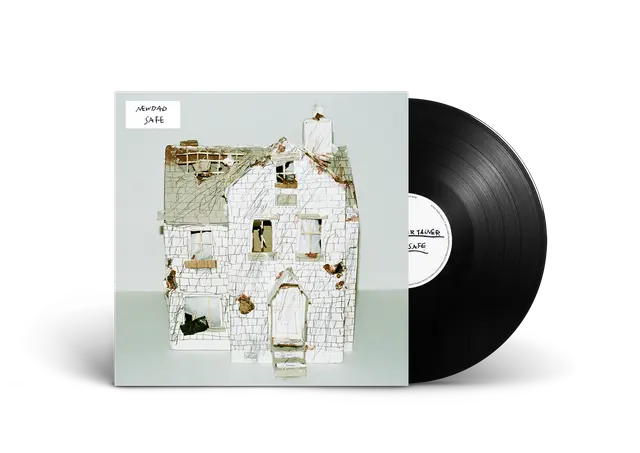
‘Safe’ is precisely what fans would want from their band: their core shoegaze/dream-pop sound elevated with a new self-confidence, a tight, masterly control of hooks, and broader touch points such as Pavement and Sonic Youth. In short: their ethereal elements feel more alluring than ever; the visceral moments are more selective and dynamic but hit just as hard; and their songs are simply a leap in sophistication beyond ‘Madra’.
Its first single, ‘Entertainer’, encapsulates their growth. Julie’s vocal glides like a conversation with an imaginary friend, while every touch – her slacker rock cadence, distorted stabs of guitars, foreboding synth flourishes and drums which flow from spacious to savage – embeds itself in your mind and refuses to let go. “The song is about entertaining other people’s idea of who you should be,” explains Julie. “I’m only learning now that I just need to shut out the noise and do what makes me feel comfortable.”
In fact, the entire EP rotates around similar introspective conflicts: being a people pleaser but standing up for yourself; realising that success brings a fresh wave of unexpected challenges, adapting to their new lives in an often overwhelming London. But musically it shows that NewDad should have no fears as whatever they can imagine they can thrillingly bring to life. It’s a trait present as the title track erupts into a fierce denouement. It’s there as Fiachra’s personal favourite, ‘Puzzle’, lurches into a seasick grunge waltz with lyrics inspired by Norman Mailer’s ‘The Executioner’s Song’. And it’s especially there with the affecting string arrangement on ‘Be Kind’ – something that Sean affirms that they would’ve have previously recreated using synths. Julie: “It was a thrill. We’re some random kids from Galway with no music education, and the most incredible musicians came in and played what we asked them to, and we’re really grateful for that.”
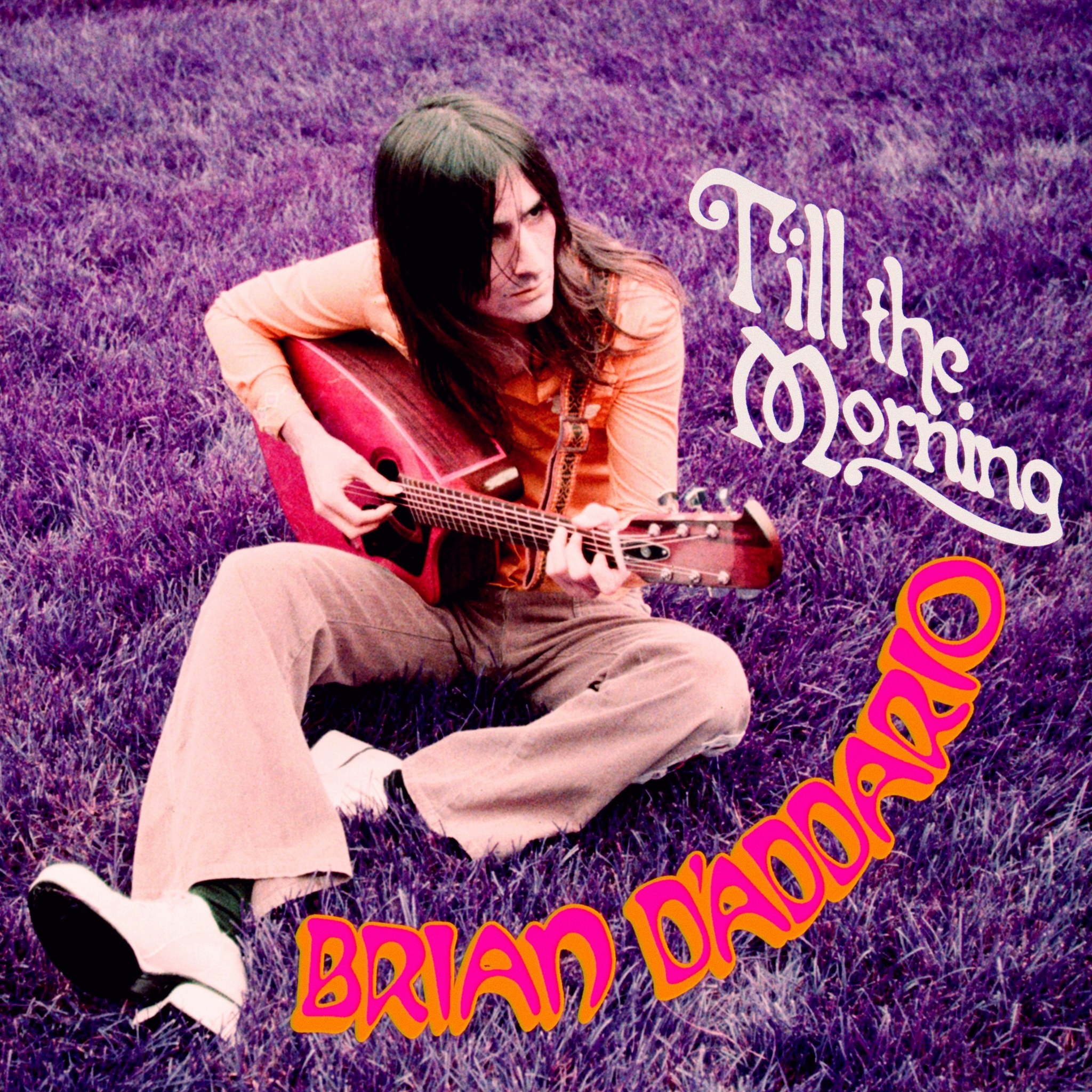
My debut single “Till the Morning” is out tomorrow on our own label, Headstack Records!
“Till the Morning” is the debut solo album by Brian D’Addario, the eldest of the two song writing brothers of The Lemon Twigs. Following the group’s critically acclaimed chamber pop of “Everything Harmony” in 2023 and its bubblegum follow up “A Dream Is All We Know” in 2024, “Till the Morning” is the latest studio production by the brothers and first independent release from their own label Headstack Records.
Unlike most solo records, “Till the Morning” wasn’t born out of any desire to break away from the group. Most of the songs were recorded alongside Brian’s brother Michael, with Michael co-producing the record, singing harmony, even co-singing lead on two of the songs.
Across its eleven, expertly crafted songs, “Till the Morning” features two collaborations with LA poet Stephen Kalinich. Kalinich is famous for his longstanding relationship with The Beach Boys. He cowrote “Little Bird” and “Be Still” with Dennis Wilson on their 1968 classic “Friends.”
The album was written and recorded in multiple studios and states, united by themes of spiritual longing, isolation, social responsibility, karma and loss.




 The Fat Angel Sings