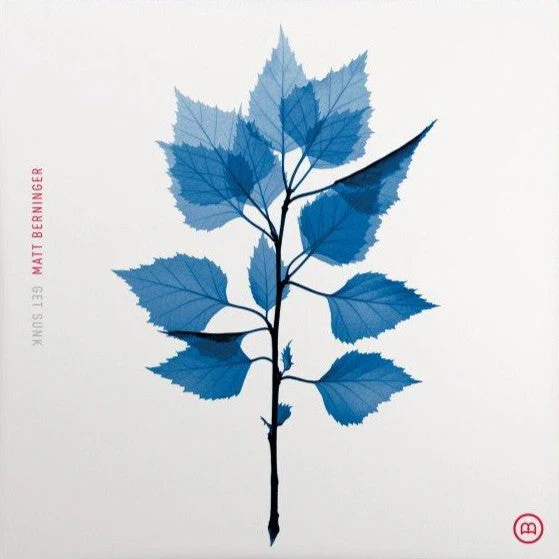
The National’s frontman collaborates with producer Sean O’Brien and various musicians on his second solo album, recorded in California. The National’s Matt Berninger is set to release his second solo album ‘Get Sunk’ through Book/Concord Records. The album was created in collaboration with Grammy Award-winning producer and engineer Sean O’Brien, who also served as co-writer on several tracks.
The project features contributions from numerous musicians, including Meg Duffy of Hand Habits, Julia Laws of Ronboy, Kyle Resnick, Garret Lang, Sterling Laws, Booker T Jones, Harrison Whitford, Mike Brewer, and The Walkmen’s Walter Martin and Paul Maroon. The recordings took place in a basement studio in Silver Lake, California.
Berninger shared the album’s first single, ‘Bonnet of Pins’. Speaking about the creative process behind the album, Berninger says, “Our hearts are like old wells filled with pennies and worms. I can’t resist going down to the bottom of mine to see what else is there. But sometimes you can get yourself stuck.”
The album follows his solo debut ‘Serpentine Prison’, which was produced by Booker T Jones. After experiencing writer’s block in 2020, Berninger found new inspiration in Connecticut, where he wrote lyrics and created art pieces in his barn. “I was able to get the blurry picture as close to just right for me,” he reflects.
Berninger will embark on a tour in support of ‘Get Sunk’, accompanied by the core band from the album’s recording sessions, with Ronboy opening the shows.
“Get Sunk” is an ode to the infinite. It brings brush-stroked, blurry memories to the surface, amassing in a heap of colours and connections that stretches beyond individuality and into an endless altering. Under water, everything moves in slow motion and for Matt Berninger, he saw his creative voice slipping away with the current.
But sometimes we have to drown to remember how to breathe. “Get Sunk” is the purgative inhale. It’s seeing the undulating reflection in the water and realizing that you are not yourself without a thousand others: parents, friends, siblings, spouses and exes, college roommates, childhood best friends, cousins and kids, strangers even––all of it––make up the spirit of “Get Sunk’s” narrator. Berninger wanted to figure out why he loves what he does and it’s in the album’s collaborative spirit and loose, unfurling attitude that Berninger looked up and felt the warmth on his face. When we sink into ourselves, we’ll often find that we are actually swimming with others.
The official audio for Matt Berninger’s from the new album, “Get Sunk” out May 30th, 2025
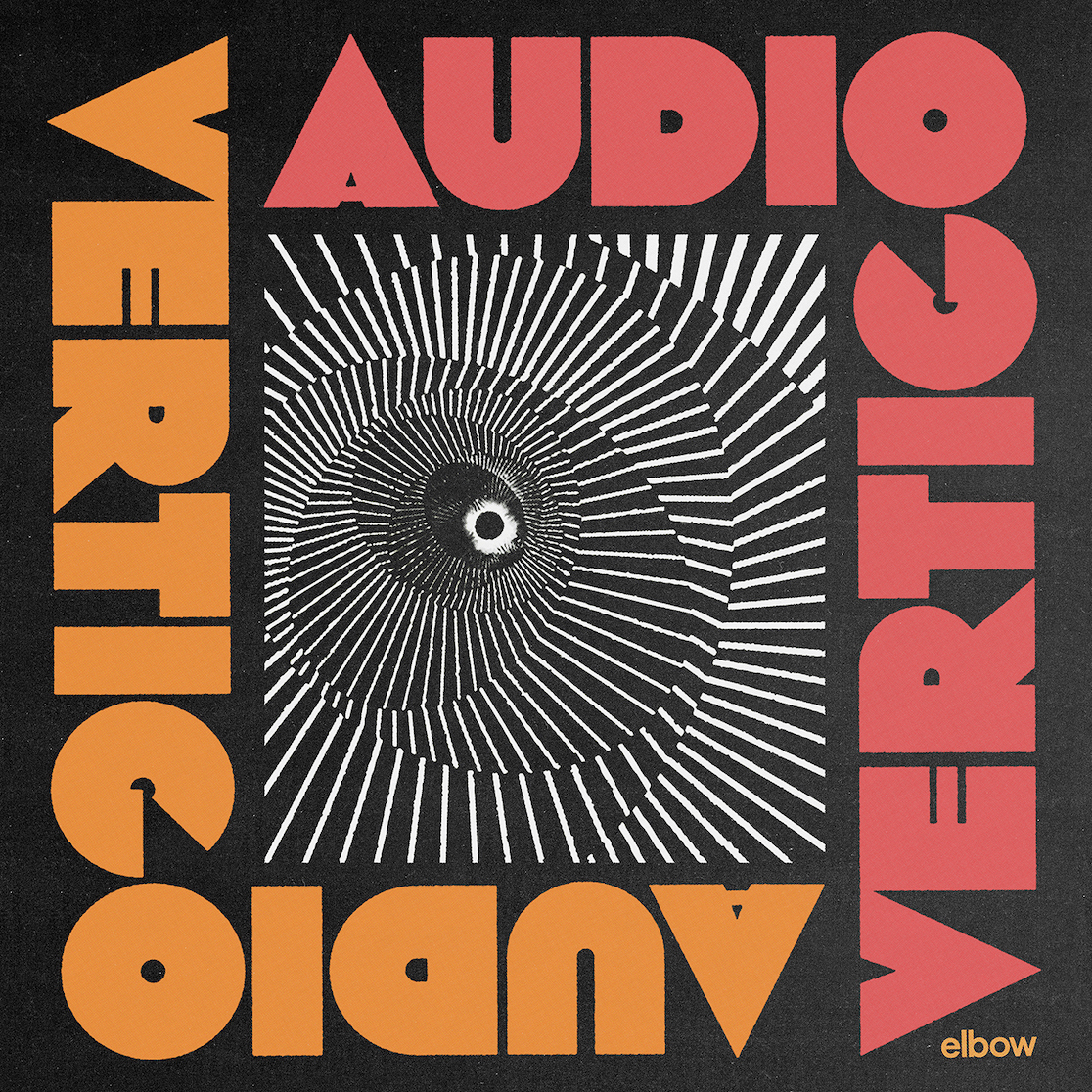
After nine albums, you’d think you’d know exactly what to expect from Elbow on their 10th: big, open-armed, open-hearted anthems perfectly suited for festival crowds. But “Audio Vertigo” doesn’t sound like any other Elbow album before it while somehow retaining all the things that make the band’s music so rewarding. The soaring melodies and the warm, inviting voice of frontman Guy Garvey are distinctly Elbow, but the way they get there — the arrangements, the instrumentation — feels new and exciting. It’s not often you get a band three decades into their career making music this bold, creative and fun.
Elbow announced a new EP, “Audio Vertigo ECHO elbow EP 5“, and shared a new song from it, “Sober.” The EP is due out June 6th via Polydor/Geffen and follows the British band’s 2024 album, “Audio Vertigo”.
Frontman Guy Garvey had this to say about the EP in a press release: “Finishing something for the band in lots of ways. We are having more fun in the studio than ever before. Craig’s on fire as a producer, Pete and Alex are the coolest rhythm section working and Pot’s unpredictable rhythm guitar has started working its way into such a soulful and accomplished place. The words are all stories from my past, sometimes joyful, often dark, but all of it exciting and mostly true. It feels like we’re having another go on the Waltzers after hours.”
“AUDIO VERTIGO”was the follow-up to 2021’s “Flying Dream 1” and in contrast to that more intimate sounding album, the new record embraced a more varied and rhythmically diverse musical landscape, or as Garvey puts it, “gnarly, seedy grooves created by us playing together in garagey rooms.”
This week, Fiona Apple shared a brand new song, “Pretrial (Let Her Go Home),” about how the cash-bail systemin America negatively affects women and girls, especially Black women.
Apple had this to say about the song in a press release: “I was a court watcher for over two years. In that time, I took notes on thousands of bond hearings. Time and time again, I listened as people were taken away and put in jail, for no other reason than that they couldn’t afford to buy their way free. It was particularly hard to hear mothers and caretakers get taken away from the people who depend on them. For the past five years, I have been volunteering with the Free Black Mamas DMV bailout, and I have been lucky to be able to witness the stories of women who fought for and won their freedom with the tireless and loving support of the leadership.
I hope that this song, and the images shared with me, can help to show what is at stake when someone is kept in pretrial detention. I give this song in friendship and respect to all who have experienced the pain of pretrial detention and to the women of the group’s leadership who have taught me so much and whom I truly love.”
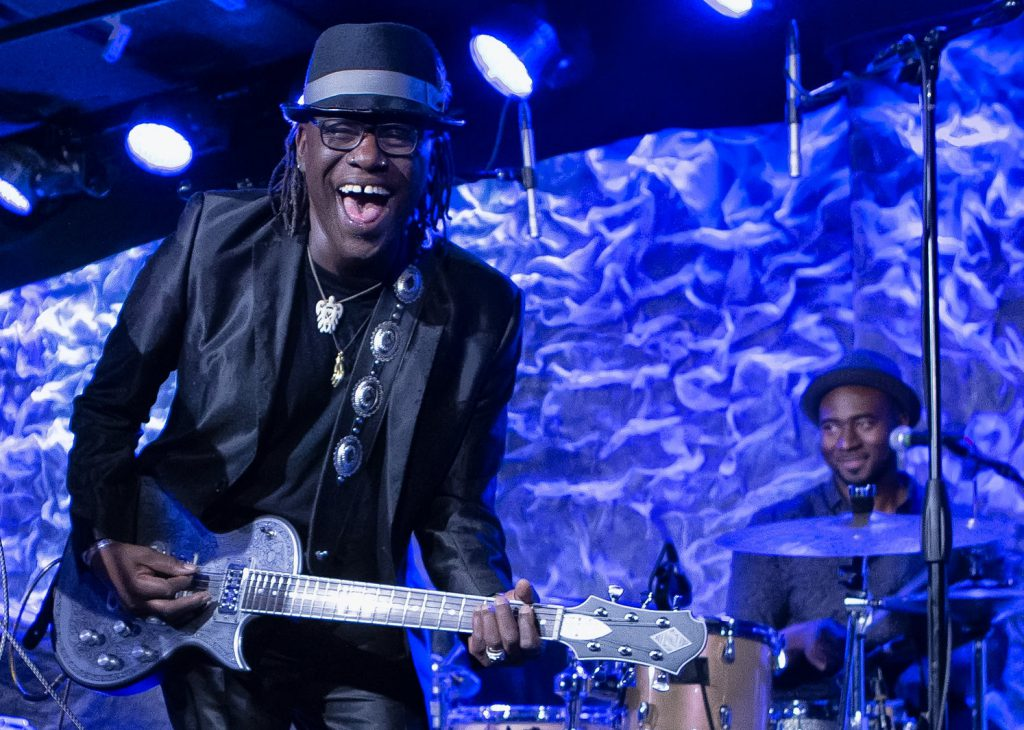
Joe Louis Walker was a remarkable singer, guitarist and songwriter, but above all he was a serious bluesman. If you were looking for a lively blues night out, Walker would not have been your best bet. From the first, he stood out as a composer of ingenious, intelligent songs, which he made sound blue regardless of their musical form. His allegiance was to the inner character of the blues rather than to its external structure.
The survival of the blues has always depended on its stock of known stories and familiar expressions. Walker, who has died aged 75, was deeply conscious of this tradition and drew on it with discrimination and skill, but often took the harder path of telling stories in freshly made language, his images drawn not from the ghost world of the blues’ past, but from life around him. “I swore I was gonna stay single – when I leave out and come back is up to me,” he sang in “Personal Baby”, “but I got to take a real good look at that Playboy philosophy.”
He grew up in San Francisco, where his parents had moved from Arkansas, bringing with them a profound love of the blues. “My father would come home from work in construction and have his dinner and he’d have his record player right here. He’d put on Amos Milburn, Rosco Gordon, Howlin’ Wolf. And then, when he wasn’t playin’ it, my mother was – BB King, always BB King.”
Hanging out with older teenagers who had bands, he picked up the elements of guitar. When he was about 20 he fell in with the guitarist Mike Bloomfield and some of his colleagues who had left Chicago for the west coast. He played with this band and that, and had the chance to open a concert for Fred McDowell and spend time absorbing the older man’s slide guitar playing. But the market for blues and R&B covers bands was overstocked, and in 1975 Walker jumped genre to play guitar for a gospel group, the Spiritual Corinthians.
A decade on, he landed a place in the Mississippi Delta Blues Band, a group thrown together for a European tour. Back home, he pitched an audition tape to all the blues companies he knew of, and was signed by the Oakland label HighTone. Working with the production team of Bruce Bromberg and Dennis Walker – who had recently launched the recording career of Robert Cray – he achieved an impressive debut with “Cold Is the Night” (1986), its mostly original songs energised by spiky guitar.
The album was voted the best blues recording of 1987 by the French Académie du Jazz, and its successors “The Gift” (1988) and “Blue Soul” (1989) helped Walker to winning contemporary artist of the year in the WC Handy blues awards three years running. Couched in more elaborate arrangements than its predecessors, “Blue Soul” set a standard by which his subsequent work would be measured.
And there was a lot of it. Between frequent tours of the UK and mainland Europe, he made six albums in seven years from 1993 for Verve, among them “Great Guitars”, a conclave of blues guitarists including Steve Cropper, Robert Lockwood Jr and Otis Rush, and Silvertone Blues, which found him turning his gaze backwards and drawing inspiration from blues duos such as Muddy Waters and Little Walter, not recreating but reshaping them.
That contract completed, he became a freelancing butterfly, flitting between labels including Telarc, Provogue and Stony Plain, but never, stylistically speaking, staying in one place long. He told me: “I don’t have this allegiance to Chicago blues – rah! rah! – or west coast blues – rah! rah! … Like my ex-ex-old lady said, I’m sort of all over the place … and it shows in my music.”
“Take Pasa Tiempo” (2001), with its covers of Van Morrison and Otis Redding songs, and Latin-tinged jazz instrumentals: clever music, if somewhat impersonal. But in the same year’s “Guitar Brothers”, the tension is sometimes so tight it is painful, as he stared bleakly at the collapse of a relationship: “Our bodies, they live together, but our hearts, they live apart.” A newcomer to Walker’s work, hearing those two records in succession, might not have guessed they were by the same man.
A bluesman so aware of the music’s history was obviously well suited to commemorative projects, and in the early 2000s Walker participated in tributes to Robert Johnson and Charley Patton, and contributed to albums celebrating the blues connections of the Beatles, the Rolling Stones and Bob Dylan. Then, in 2012, he was signed by Alligator, the leading blues indie label – 26 years after it had turned him down. Of his three albums for the company, the most surprising was “Journeys to the Heart of the Blues” (2018). Turning his back on every prevailing blues fashion, Walker assembled a setlist of blues from the 1930s, 40s and 50s and arranged them for an acoustic trio: himself on guitar, the keyboardist Bruce Katz and the English harmonica player Giles Robson. It was as if men like Big Bill Broonzy had been brought back to life and given quality studio time. Nobody was better equipped for such affectionate and accurate reanimation than Walker.
He is survived by his wife, Robin Poritzky-Walker, whom he married in 2009, two daughters from earlier relationships, Lena and Berniece, a sister, a brother, and two grandchildren. An earlier marriage ended in divorce.
Joe Louis (Louis Joseph) Walker, born 25th December 1949; died 30th April 2025
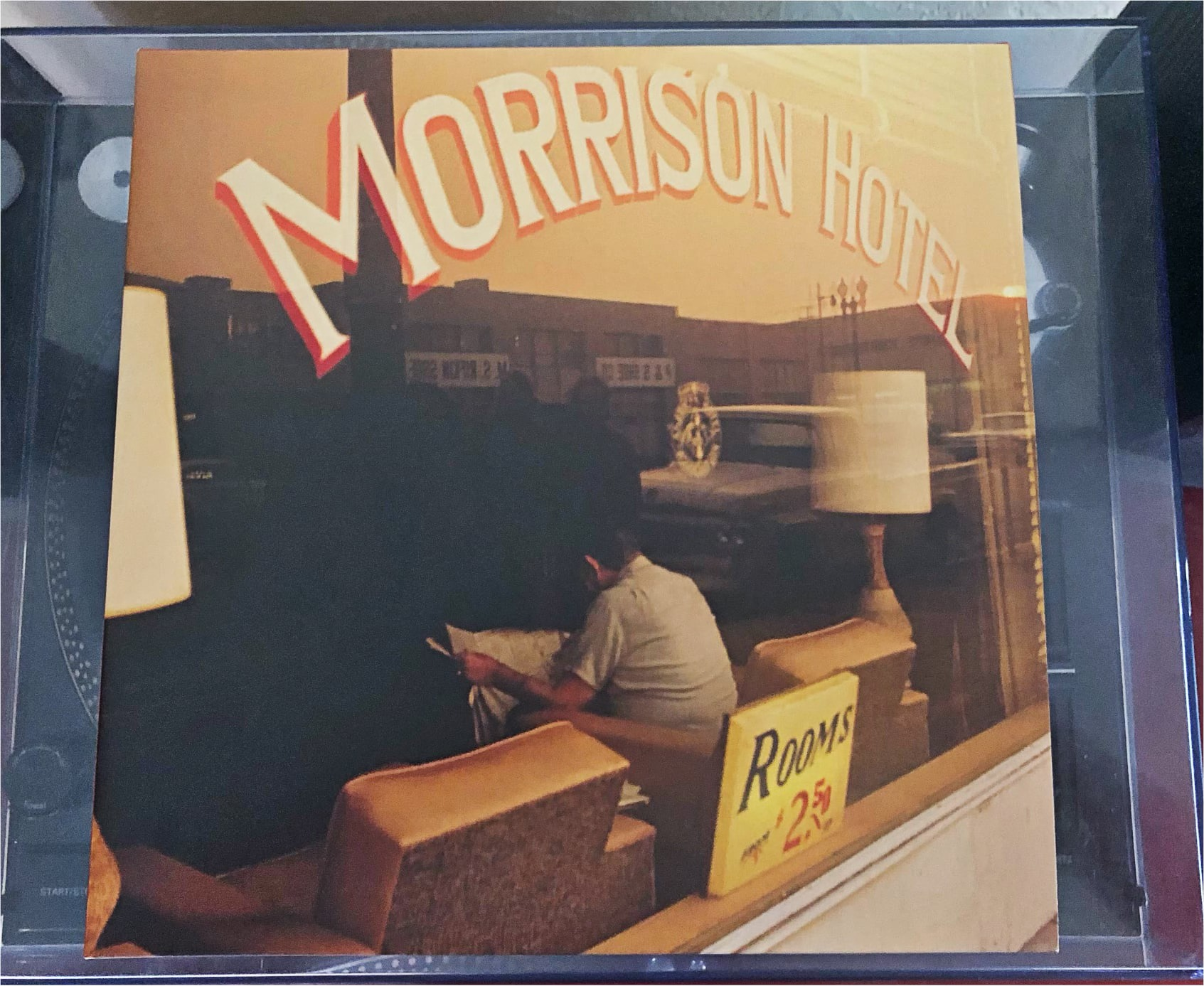
As you-are-there documents of album studio chatter and rough mixes go, “The Morrison Hotel Sessions” is one of the best. The recordings of song takes and false starts capture Jim Morrison in the studio in full command of his creative powers. There is no doubt he is the boss as you listen to his chatter with the band and producer Paul Rothchild. For instance, before a take of “Roadhouse Blues,” he gives the band instructions for how to get into the vibe of the song. He paints the picture of a road house in the South or Midwest somewhere. “We’re driving in a ’57 Chevy to an old road house,” he says. “Can you dig it? We’ve got a six pack of beer in the car, a few joints, and we’re just driving to the road house.” Before a take of “Blue Sunday,” he uses hand claps to convey the chord progression he wants from the band. At other times, he is relaxed and loose, playing with his bluesman persona as he jokes “Ladies and gentlemen, money beats soul every time” (a phrase that would become a song).
He shows flashes of self-awareness, as when he ad libs the lyric to “Roadhouse Blues” by singing, “I woke up this morning and I got myself a beer” and adding “You know me.” At one point, he instructs the Doors to warm up by playing some Jimmy Reed songs. When Paul Rothchild protests, Jim pushes back until he gets what he wants. One of my favourite moments: when Robby Krieger launches into a guitar solo on “Roadhouse Blues,” Jim, caught up in the excitement of the moment, shouts, “C’mon, Robby! Do it, yeah!” The Doors are his band. The studio is his house.
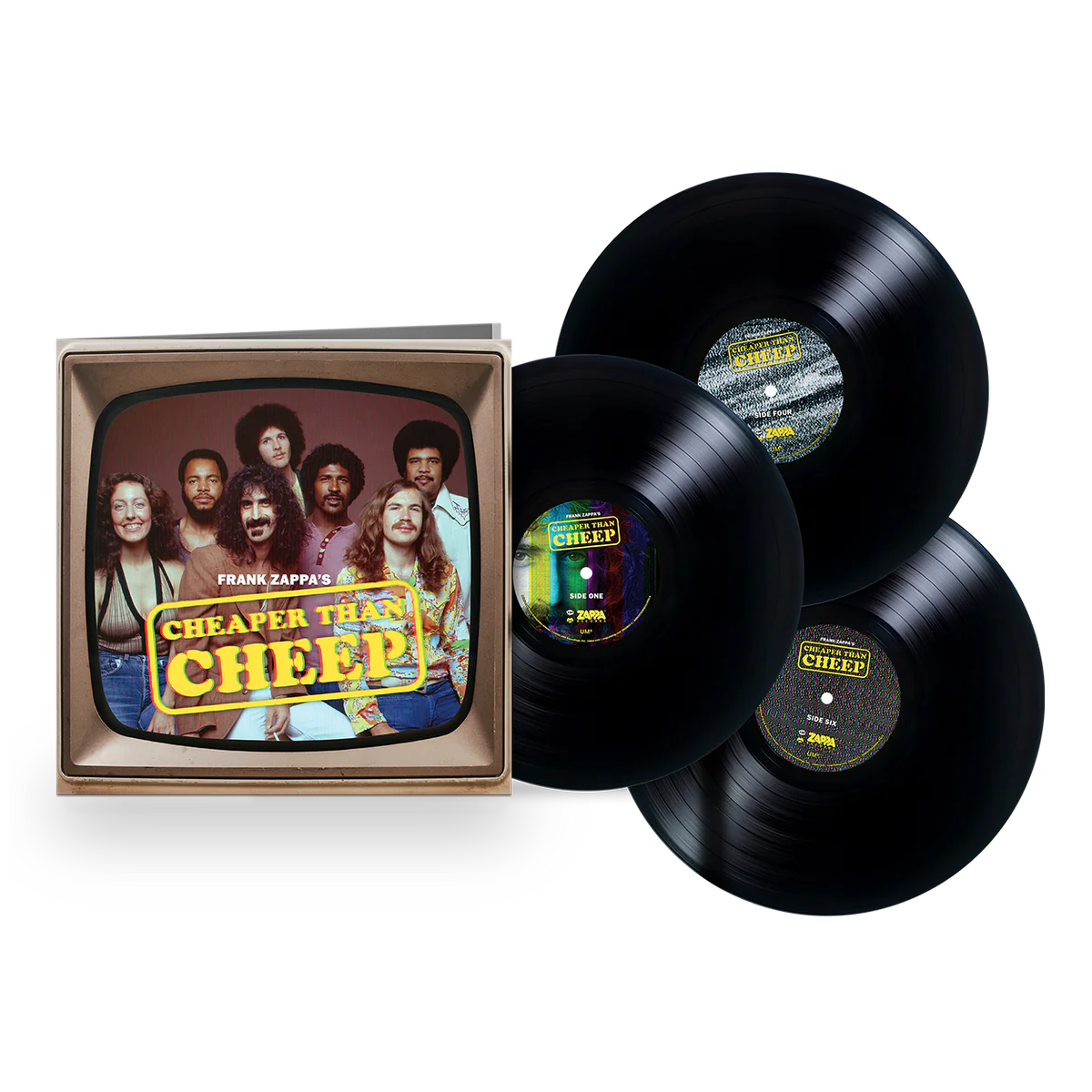
Showcasing the transformation of Zappa’s iconic (and so-called) Roxy-era band into an incredibly tighter, smaller, and ever-more-mobile touring unit, here we get to aurally witness Zappa’s realignment of this group into a super-powered music machine. I especially liked how they perform Zappa’s compositions from a number of his most influential and popular albums of the mid-’70s — as well as much unreleased material — at a remarkably ultra-steady pace, more akin to actual studio recordings than a staged concert. “Cheaper Than Cheep” The 1974 Unreleased Made-For-TV Concert Movie Recorded at The Mothers’ Private Rehearsal Hall in Dolby ATMOS + Soundtrack. In 1974, Frank Zappa recorded a TV concert movie in his private rehearsal hall, but there were tech issues that caused the video to be shelved in the Vault for 50 years.
Now with advanced post-production, we present “Cheaper Than Cheep” revealing the newly restored original vault audio masters. This stand-alone soundtrack configuration comes as 3-LP 180-gram black vinyl accompanied by an extensive booklet with rare, unseen images and liner notes from Ruth Underwood and Joe Travers.
Back in the early ‘70s, television was an integral tool for exposure of musical artists into the home. Completely decked out with his touring light show and stage setup in The Mothers’ private rehearsal hall, Frank Zappa attempted to commit to videotape material for his own TV production, ultimately with the intention to shop to major networks. Unfortunately, there were technical issues that ultimately contributed to the footage being shelved and stored in the Vault.
50 years later, with the advancements in post-production editorial tools, we present “Cheaper Than Cheep”. This never-before-heard-or-seen 2-hour concert program reveals the most intimate performance ever captured from the 1974 Mothers line-up, direct from the lovingly resurrected and restored original vault audio and videotape masters.
Official Zappa release #130 comes in a special, limited edition Super Deluxe featuring the remastered concert video with brand new Dolby Atmos, 5.1 surround and stereo mixes on a Blu-ray, the stereo soundtrack on 2-CDs and 3-LPs, an extensive booklet with rare, unseen images and liner notes from Ruth Underwood and Joe Travers – all housed in a telescoping slipcase. Zappa.com store exclusive includes the Super Deluxe with 4 bonus lithos and the 3-LPs as picture disc vinyl.
All had been quiet on the Frank Zappa front since the release last fall of the 50th anniversary super deluxe edition of his album “Apostrophe (‘)”. That lull ended today, though, with the announcement of a multi-format release filled with audio and video goodies. “Cheaper Than Cheep” arrives May 9th as an online exclusive release available at Zappa.com, uDiscoverMusic.com, and Sound of Vinyl, presenting audio and video from a long-lost television special that’s been housed in the Zappa archives for over five decades.
“Cheaper Than Cheep” was recorded on June 21st, 1974 at a rehearsal studio on Sunset Blvd. in Hollywood, where Zappa was joined by a Mothers of Invention line-up including Chester Thompson (drums), George Duke (keyboards, vocals), Jeff Simmons (guitar, vocals), Napoleon Murphy Brock (tenor sax, flute, vocals), Ruth Underwood (percussion), and Tom Fowler (bass). Zappa enlisted a film crew with multiple cameras to capture the intimate performance, while Wally Heider’s mobile truck outside handled the audio with Zappa associate Kerry McNabb engineering. The title is derived from Zappa’s crack at the beginning of the show that it was “cheaper than cheap” – a nod to the fact that he self-funded the concert on a tight budget. Ever the taskmaster, Zappa had rehearsed and sound-checked with the band earlier in the day, and despite exhaustion as well as the L.A. heat in a small, crowded space, the Mothers came through with a blazing performance that dug all the way back to “Freak Out!” and up to more recent compositions, some of which hadn’t yet been heard.
In this era where live music on television was in demand – think The Midnight Special and Don Kirshner’s Rock Concert in the U.S. or The Old Grey Whistle Test in the U.K. – Zappa planned on shopping the finished special to television networks. Sadly, he discovered that the audio and video weren’t properly synchronized, a similar problem to that which befell his intended 1973 Roxy concert film, recorded just months earlier. Due to the limitations of technology at the time, Zappa abandoned the film. In August, he and the band performed for the cameras at Los Angeles’ Public Television station KCET for the special A Token of His Extreme (with portions released later on video as The Dub Room Special).
Now, over fifty years later, Vaultmeister Joe Travers and director Ahmet Zappa have rescued the long-lost footage and restored “Cheaper Than Cheep” to its originally intended state, with over two hours of music from Zappa and The Mothers of Invention as well as segments with artist Cal Schenkel and animator Bruce Bickford. John Albarian, who previously worked on “Roxy: The Movie“, has newly edited the performance footage in synch with the audio. Jeremy Rhodes was enlisted for additional editing and sweetening, and the team of Erich Gobel and Karma Auger mixed the concert for Dolby Atmos as well as 5.1 and stereo.
The film and accompanying soundtrack will be available in a variety of formats, including:
Limited Super Deluxe Edition with the film on all-region Blu-ray (including Dolby Atmos, Dolby TrueHD 5.1 and PCM Stereo mixes); the soundtrack on 2 CDs; the soundtrack on 3 picture disc LPs; and four bonus lithographs;
Super Deluxe Edition (Standard) with the film on all-region Blu-ray (including Dolby Atmos, Dolby TrueHD 5.1 and PCM Stereo mixes); the soundtrack on 2 CDs; and the soundtrack on black vinyl LPs;
2CD/1BD edition with the film on all-region Blu-ray (including Dolby Atmos, Dolby TrueHD 5.1 and PCM Stereo mixes) and the soundtrack on 2 CDs; and
3LP edition with the soundtrack on three 180-gram black vinyl LPs.
The Blu-ray also offers special features including two extra performances, a blooper/outtake reel, and an excerpt from the rare stop-motion animation film The Amazing Mr. Bickford, a 1987 direct-to-video movie featuring Zappa’s orchestral music set to animation by Bruce Bickford. (The complete film has not yet been reissued on DVD or Blu-ray.) Liner notes for the sets include Travers’ essay plus a reminiscence from Ruth Komanoff Underwood.
Joe Travers is quoted in the liner notes recalling his discovery of the tapes marked, simply, with the concert date: “I had no idea what they were or what they were for. They remained a mystery for years. The digital transfers of the elements happened over a long period of time, mostly due to budget and priority. Some were done for identification purposes while Gail Zappa was alive during the 2000s. Imagine how exciting it was for us to finally discover what this stuff actually looked like for the first time. It was a gold mine waiting to be unearthed. Most of the masters were transferred during the ‘Save The Vault’ Kickstarter campaign by Alex Winter circa 2017 or so.”
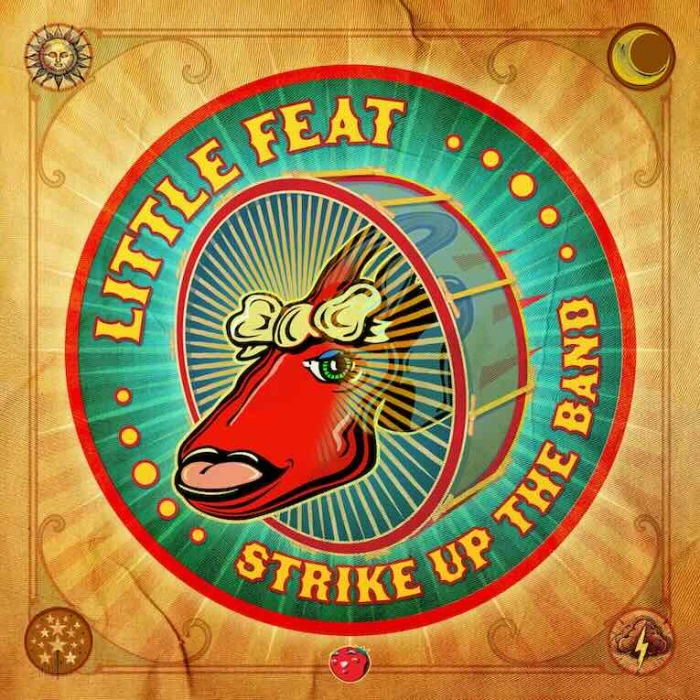
“Strike Up the Band” was recorded at Blackbird Studios in Nashville, Tennessee, and Studio One Two Seven in Harlem, NYC. It was produced by Vance Powell, Bill Payne, and Scott Sharrard, the latter of whom contributed to seven of the tracks. The album both celebrates the band’s legacy and takes a bold step forward, blending Little Feat’s signature grooves with fresh, collaborative energy that fuses lyrical depth and instrumental virtuosity.
“Strike Up The Band” is Little Feat’s triumph return to rock n roll with plenty of swampy southern soul with Bill Payne (keys/vocals, Scott Sharrard (guitar/ vocals), Tony Leone (drums/vocals), Fred Tackett (guitar), Kenny Gradney (bass), and Sam Clayton (percussion/vocals).
It’s their frst album of new material in over 13 years with songs written by Payne and Tacket as well as Feat’s newest members Sharrrard and Leone. The album was produced by the multi Grammy Award winner, Vance Powell (Phish, Chris Stapleton, Jack White) and Bill Payne.
The opening track, “4 Days of Heaven, 3 Days of Work,” was co-written by Payne, Sharrard, and TonyLeone. The song draws inspiration from a whirlwind writing session in which the trio penned three songs in just four days. It’s a driving tune with a mix of blaring horns, led by guitarist Fred Tackett, alongside Art Edmaiston on saxophone and Marc Franklin on trumpet, punctuated by Sharrard’s soaring guitar breaks and vocals singing: Rattlesnake shake in a calypso band, Dry cracked lips, spitting up sand.
“Bayou Mama,” co-authored by Blackberry Smoke’s Charlie Starr and Bill Payne, features Payne’s keyboard-driven vocals, complemented by Sharrard’s fluid guitar runs. “Shipwrecks,” a solo composition by Sharrard, serves as an allegory for life, comparing its journey to a ship on the ocean. Sharrard’s soaring voice delivers the line, “We’re all shipwrecks from across the ocean,” as the band gradually builds intensity, culminating in a crescendo of screaming guitar and Payne’s swirling keyboard runs.
“Midnight Flight” captures the longing to be back home with a loved one. Written by Sharrard, the track features his lead vocals and searing guitar solos, accompanied by Kristen Rogers on backup vocals and the full horn section.
The song “Bluegrass Pines” features special guest Molly Tuttle and Larry Campbell and Teresa Williams, and was written by Payne and the Grateful Dead lyricst Robert Hunter, and the title track features Larkin Poe on guest vocals.
Sister duo Larkin Poe joins Little Feat on the title track, “Strike Up the Band.” Written by Sharrard, the song was inspired by his early days with the band, with the title concept emerging in 2019. The track features Sharrard on lead vocals and guitar, with Larkin Poe providing backing harmonies.
“Too High to Cut My Hair,” an up-tempo number co-written by Tackett and Sharrard, is a playful, full-band excursion. It’s based on a humorous personal experience Tackett had when he asked his wife to cut his hair, only to find she was too high to manage the task. The track features the full horn section, providing a roaring backdrop for Tackett and Sharrard’s dueling guitar solos.
“When Hearts Fall,” co-written by Bill Payne and John Leventhal, is a reflective piece featuring Payne on lead vocals, supported by Kristen Rogers’ backing harmonies. Sharrard’s droning guitar lines provide a haunting counterpoint to Payne’s resonant vocals:
I tried in vain to move heaven and earth It’s times like these we find out what we’re worth
“Strike Up the Band” celebrates Little Feat’s enduring legacy, reaffirming their ability to strike the right chords in the modern musical landscape. From the blistering, horn-drenched energy of “4 Days of Heaven, 3 Days of Work” to the reflective beauty of “New Orleans Cries When She Sings,” the band continues to burn brightly, blending the talents of seasoned originals and newer members. It’s a welcome addition to their six-decade-long journey of recording and performing.
Sixty-four years on in the making of The Zombies who were formed in 1961 “Hung Up on a Dream: The Zombies” Documentary is finally here. Director Robert Schwartzman’s touch is delicate, leaving the stars to tell their own story.
The movie starts with a clicky screen search on “Zombies” resulting in a montage of DJs, musicians and other music fans extolling the virtues of their album “Odessey and Oracle”: some wearing headphones are grooving together to “Time of the Season,” one person is practicing the prowling bass line, and still another person exclaims “What? Is that the song about who’s your daddy?”
One of the most recognized that provocative exhale; with that galvanizing organ solo hit songs in America “Time of the Season” certainly is worth shouting about.
After that joyous fanfare “Hung Up on a Dream: The Zombies Documentary” unfolds with a hush: We find ourselves floating toward chief Zombies band members Rod Argent and Colin Blunstone who are under the sky-blue vaulted ceiling of Our Lady of Mount Carmel – Annunciation Church in Brooklyn, NY. They are in the organ loft. Blunstone is singing “The Way I Feel Inside” softly, a cappella. The church setting is appropriate. Blunstone sounds angelic. Risking enchantment, we hover closer and see Argent conducting the singing with his hand before gently joining in with music at the song’s ending, placing his wise fingers on the church’s multi-tiered pipe organ’s keys. This sublime moment is forever framed in Schwartzman’s lovingly made film.
Schwartzman is a Zombies fan and a member of the Coppola family. Tom Hanks served as one of the film’s executive producers. The title “Hung Up on a Dream” is taken from the gorgeous hippie reverie of the same title on The Zombies’ self-produced masterwork, “Odessey and Oracle”, which was recorded during the Summer of Love and released the following year.
The Zombies inspired legions of bands that came after them and they are together to this day creating fresh, distinctive music. It all began when the teenage Rod Argent determined he had to form a band after his cousin Jim Rodford turned him onto rock and roll by introducing him to Elvis Presley. Thank you, Jim. Rodford, bassman in both Argent and The Zombies, passed away in 2018.
The well-paced documentary which received shrieks and minutes-long standing ovations at several arts festivals including Austin’s South by Southwest(where The Zombies also won The Grulke Career Act Prize in 2023) — tells the band’s history in personal interviews, previously unseen photos and film clips, and music from their initial, pre-drinking age meeting outside the Blacksmiths Arms in St Albans, England, through the night of their induction into the Rock and Roll Hall of Fame in 2019 and beyond.
Among these treasures we see the band performing energetically at smoky social clubs, barely post-war ballrooms and anywhere else they were invited. We see Argent’s father playing piano, the teenage Zombies performing in a family parlour, Argent and Rodford playing football, and we hear a very early recording of the classic Zombies line-up trying on Elvis’s “(Let Me Be Your) Teddy Bear” for size.
We see The Zombies at the Murray the K Christmas 1964 extravaganza in New York’s Brooklyn Fox where they appeared at Christmastime launched by their first hit “She’s Not There.” Other artists on the bill included Chuck Jackson, Ben E. King, The Shangri-Las and Patti LaBelle and the Bluebells. Argent and Blunstone reminisce about the 1965 U.S. Dick Clark bus tour, where they won over several of their musical heroes (who were fellow travellers on the bus) by singing The Beatles’ “If I Fell” a cappella with harmonies. As Blunstone put it upon his first viewing of the documentary, “I left in awe at what Robert had achieved and also exhausted after reliving every heartbeat of The Zombies’ career.”
Underscoring the story are Zombies songs, at volumes no louder than a whisper, including the bewitching “I Remember When I Loved Her” and “Smoky Day.”
“Hung Up on a Dream” is told by surviving Zombies, Argent, Blunstone, drummer Hugh Grundy and bassist Chris White. Lucy Atkinson represents her father, Paul, whom Argent describes as “a very unusual guitarist. He really put his stamp on the band.” White remembers Atkinson’s father as being quite strict. While Lucy, whom Atkinson introduced to many kinds of music, notes, “My dad would have been considered a rebel back in the day. It took a lot of guts to do what he did.” Schwartzman integrates clips and memories of Atkinson so well into the documentary it is as if he were actually there with the rest of the band telling his story. Atkinson died in 2004 just a few weeks after joining the band on stage at the House of Blues Los Angeles, a bit of that appearance is glimpsed in the documentary.
The band’s near-disastrous visit to the Philippines in early 1967 is well-documented, with local stock footage interspliced illustrating this strange episode. We see the hulking Araneta Coliseum where The Zombies, second in popularity only to The Beatles in the Philippines, performed for ten evenings to 40,000 people each time. Sold down the river by management — and not for the first time — they were paid less than 100 British pounds for each night. However, they were well-guarded by the promoter who wanted to keep his investment safe. Another promoter who hoped to engage The Zombies on their nights off found his small nightclubs burnt down.
It was after their return from the Philippines that the band decided to take charge of their musical future and on a remarkably small budget recorded “Odessey and Oracle” with the assistance of their favourite control room crew: engineers Geoff Emerick and Peter Vince. “I really love the bass and tom-tom sound he got together. I really don’t know what he did, but it really sounded quite special,” says Argent about Emerick and the recording of “Time of the Season.”
Although it was a critical success, for reasons still unclear “Odessey and Oracle” did not sell at the time. The band broke up. Argent and White as songwriters, signed to honest publishers, were making enough money to remain in the music business. Their near-penniless fellow Zombies had to find employment elsewhere. One of Blunstone’s first job opportunities concerned selling ladies’ underwear to retail shops. Grundy sold cars for a while, and once back in the music industry discovered Queen only to have his bosses at CBS turn them down. Atkinson went into computers but was also drawn back to music and championed among others Mr. Mister, Judas Priest and pre-Eurovision ABBA, this last band dubbed Atkinson’s Folly by non-believers.
Visiting Abbey Road Studios in time present, we find Argent and White in a control room at a mixing board pushing the sliders and discussing the nuts and bolts of “Odessey and Oracle”. As they rediscover their old roles and joke around, we see how these lifelong friends still get each other. Many will grow astounded wondering why these two, the powerful drivers of Zombies’ music, are not still sitting together creating anew.
Back together with Blunstone and Grundy in the Studio Three live room, the four friends are taken with nostalgia and wonder what they would have created together after “Odessey and Oracle” had they not split up. Both Blunstone and Grundy in retrospect feel they could have been starving artists a little longer. “It’s one of the things you learn early on. It’s how to survive,” says Blunstone.
The film also visits artist Terry Quirk and his “best spelling mistake I ever made.” It is the impish Quirk’s design and his infamous substitution of the letter “e” for the letter “y” in “Odessey” that adds more mystique to “Odessey and Oracle”. (The artist would sometimes explain this away as the American spelling.) Quirk also painted the album cover for The Zombies’ 2015 “Still Got That Hunger”. It would have been wonderful to see more of his joyful artwork; much of it is Zombies-related. In fact, this Renaissance man’s diverse body of work is deserving of its own documentary. Quirk passed away in 2020. At the time of his death, Quirk was working with White and White’s wife, Vivienne Boucherat, on a musical about a chapter in the life of The Zombies. Boucherat is also a visual artist and her animated illustrations of “Odessey and Oracle” songs are sprinkled throughout the film.
In the second part of the 90-minute documentary, post break-up, we see the formation of the band Argent and the Lennon-McCartney-style songwriting agreement between Argent and White. The successful, first product of that song writing partnership was “Hold Your Head Up.”
Later, Al Kooper is seen at an event speaking about discovering “Odessey and Oracle”on a shopping trip to England and convincing Clive Davis to release “Time of the Season.”Further along, we are introduced to the Boise, Idaho, DJ whom Argent always noted during his in-concert introduction to “Time of the Season” as starting the “ripple effect,” which launched the song into the Cashbox and Billboard charts. The DJ remained unidentified for decades. In early 2019, I was determined to track down this mysterious Idaho DJ, who was so instrumental in changing the arc of The Zombies’ career. Joining forces with Art Gregory, founder and president of the History of Idaho Broadcasting Foundation, Inc., we found him — Dick Stott of KYME-FM.
Stott was so enamoured of “Time of the Season” that he played it almost non-stop on his show. He championed the song as it got picked up by radio stations across America and hit the Number One spot in Cashbox in March 1969. Stott, who passed away in 2022, is interviewed in the film. He was a humble man, but without his influence there may never have been a return of The Zombies, nor this documentary.
As “Time of the Season” climbed the Cashbox and Billboard charts in America, back in England phones began ringing at Blunstone’s stop-gap, burglary insurance office job. Asked to record — inexplicably under the name Neil McArthur — Blunstone made three singles. Fortunately, he was soon asked by White to return to the studio with himself and Argent. The two producers imagined a Bartok-influenced avant-garde sound with strings for this new project. The result was Blunstone’s timeless and beautiful first solo album “One Year”.
What is apparent in “Hung Up on a Dream” and what forever keeps The Zombies together is the love and appreciation they have for one another and their music. Argent and Blunstone who both turn 80 in June 2025. They were born ten days apart. Both men share the humour, skills, vision, friendship and love to create more Zombies’ music. Making that point, near the end of the film, Argent says, “We’ve only just finished recording an album [2023’s “Different Game“], but we’re thinking about how great it would be to record some more.” These are promising words to have on record!
While you cannot fit the entire saga of The Zombies into one movie, Schwartzman’s heartfelt documentary brings to the screen a captivating story, fresh information, music, love and magic.
Eric Clapton’s was still unbelievably popular in the 1980s .But he but got back in touch with the blues on “Unplugged” after the tragic loss of his son in 1992, which was the start of a critical reappraisal for him in a sense, winning him new fans and strengthening bonds with his existing ones. MTV has announced the release of “Eric Clapton Unplugged…Over 30 Years Later” from its Grammy® and Emmy® Award-winning global music franchise “MTV Unplugged”.
The 90-minute special has been available to stream on Paramount+ since February 12, 2025, in the U.S. and globally Considered one of the most iconic installments of the “MTV Unplugged” series, 18x GRAMMY® Award-winner Clapton originally recorded his hour-long performance of Eric Clapton Unplugged in 1992 at Bray Studios in Windsor, England.
In this all-new extended, remixed and remastered edition, “Eric Clapton Unplugged…Over 30 Years Later” will feature exclusive content of Clapton discussing the inspiration behind specific songs and performances with the crew just before he took the stage, seamlessly integrated with the performance footage.
During the intimate performance, Clapton reimagined his catalogue with first-time acoustic arrangements of hits including “Layla,” “Tears in Heaven,” and more.
He also paid homage to the blues music that influenced him, performing classics including “Before You Accuse Me,” originally recorded by Bo Diddley; “Nobody Knows You When You’re Down and Out,” originally recorded by Bessie Smith; and more.
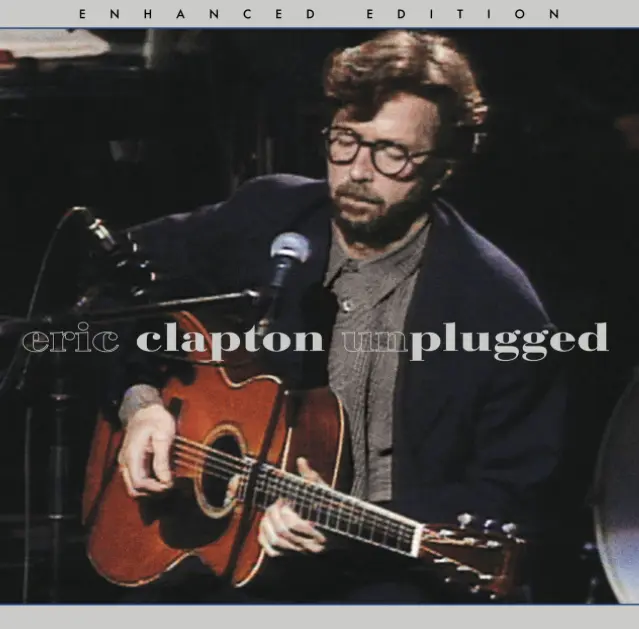
The subsequent live album “Unplugged“, “released in August 1992, became a monumental success selling over 26 million copies worldwide and dominating charts worldwide. “Unplugged” went on to become the best-selling live album of all time. To coincide with a newly-upgraded presentation of the original MTV Unplugged special (streaming on Paramount+), Surfdog is reissuing the original 1992 live album in an “enhanced” edition which boasts a slightly reorganized and expanded 2CD or 2LP sequence, a brand-new mix, and highlights from a never-before-heard audio interview with Clapton discussing the songs in his set shortly before playing them in that session. (All of the musical material was previously released in 2013 on Rhino’s expanded edition of the album;
2025 is a busy year for Slowhand, who turns 80 on March 30th. He’s announced plenty of concert dates and a new studio album, “Meanwhile”, which collects eight previously released singles (including ones with Jeff Beck and Van Morrison) plus six new songs.
An enhanced edition of the album, on 3-LPs or 2-CDs, is being released on May 9th.
Of course i love the original 2 and a half albums, and it took me years to even investigate the “Four Sail’ album and beyond. Arthur Lee had released a 1972 solo album “Vindicator” after his period at Blue Thumb Records as Love, which was a commercial disaster.
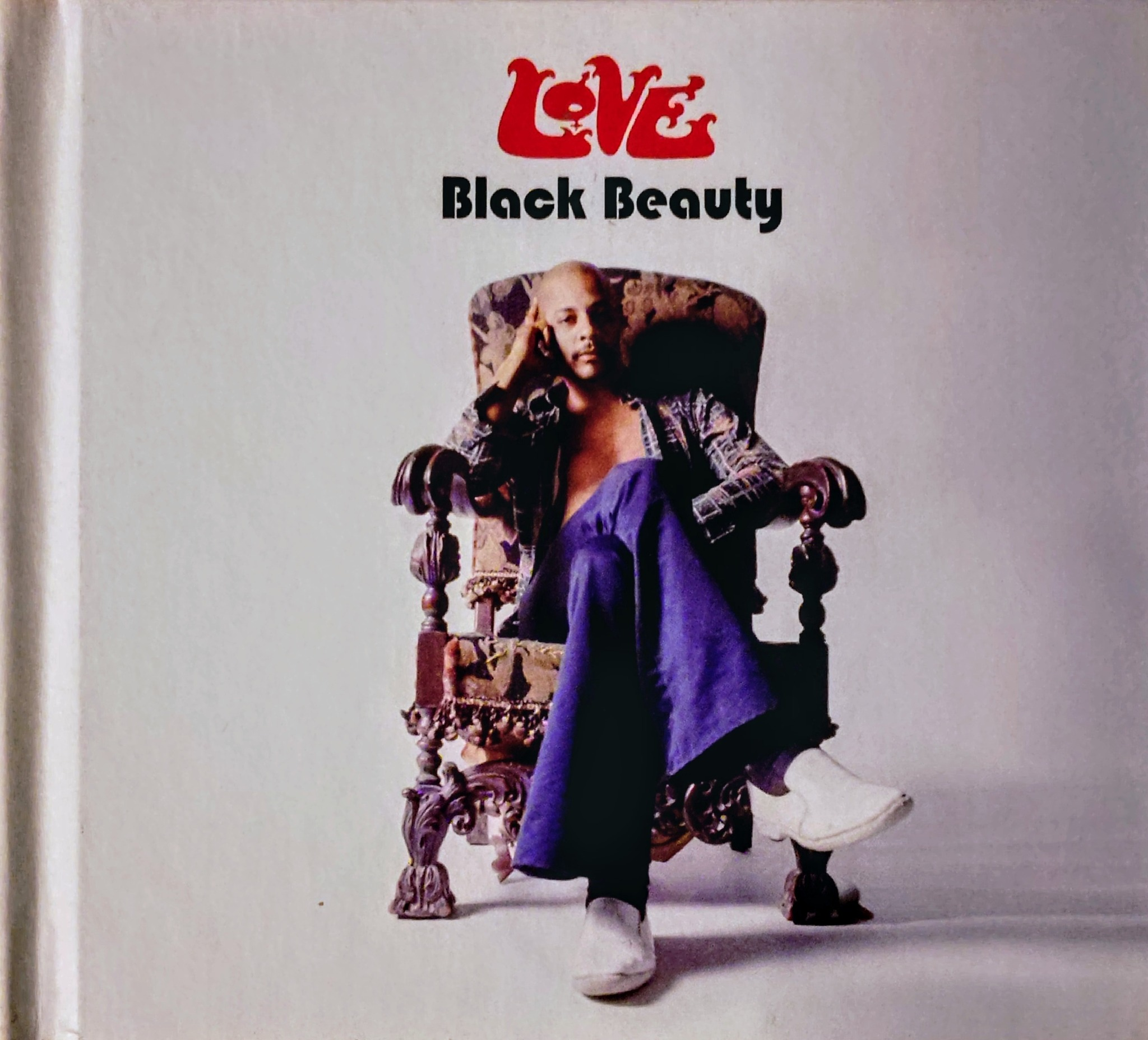
The “Black Beauty” album was recorded for a new company called Buffalo, with the sessions recorded through Spring and Summer of 1973, with an all black version of Love. This was a fantastic and exciting four piece outfit under the Love name that could have been huge, who also recorded the 1974 Love album “Reel To Real”.
Unfortunately Buffalo Records collapsed, so the recordings for “Black Beauty” were forgotten about for near 40 years with the tapes vanishing in that time, with an acetate of this unreleased album being used for the limited release on High Moon Records in 2011 after cleaning it up and given the best sound quality achievable.
This album is so bloody good to my ears, and for me preferable to much of the Blue Thumb albums, and the solo Arthur Lee album “Vindicator”. You can certainly hear a Jimi Hendrix influence to some of this, but this album is indeed a work of funky rock sounds, with some excellent riveting hard rocking numbers mixed with some mellower quieter moments with scorching guitar playing from Melvan Whittington, with the Arthur Lee vocals sounding in good form.
The recordings with various interpretations of Love after the original Love, and those fantastic original band albums usually pale in comparison, as in reality it’s a completely different time after umpteen different line ups that were in essence just backing musicians for Arthur Lee.
Though this 4 piece for “Black Beauty” seems to have clicked as a functioning group and it’s stated in the excellent liners that the band and indeed “Black Beauty” was among Arthur Lees own favourite releases.
I’m finding those 70s Love recordings as under rated, that deserve to be heard by more people, but their 60s legacy is so strong,one can’t help to compare, but in reality they should be taken and enjoyed for what they are!!





 The Fat Angel Sings