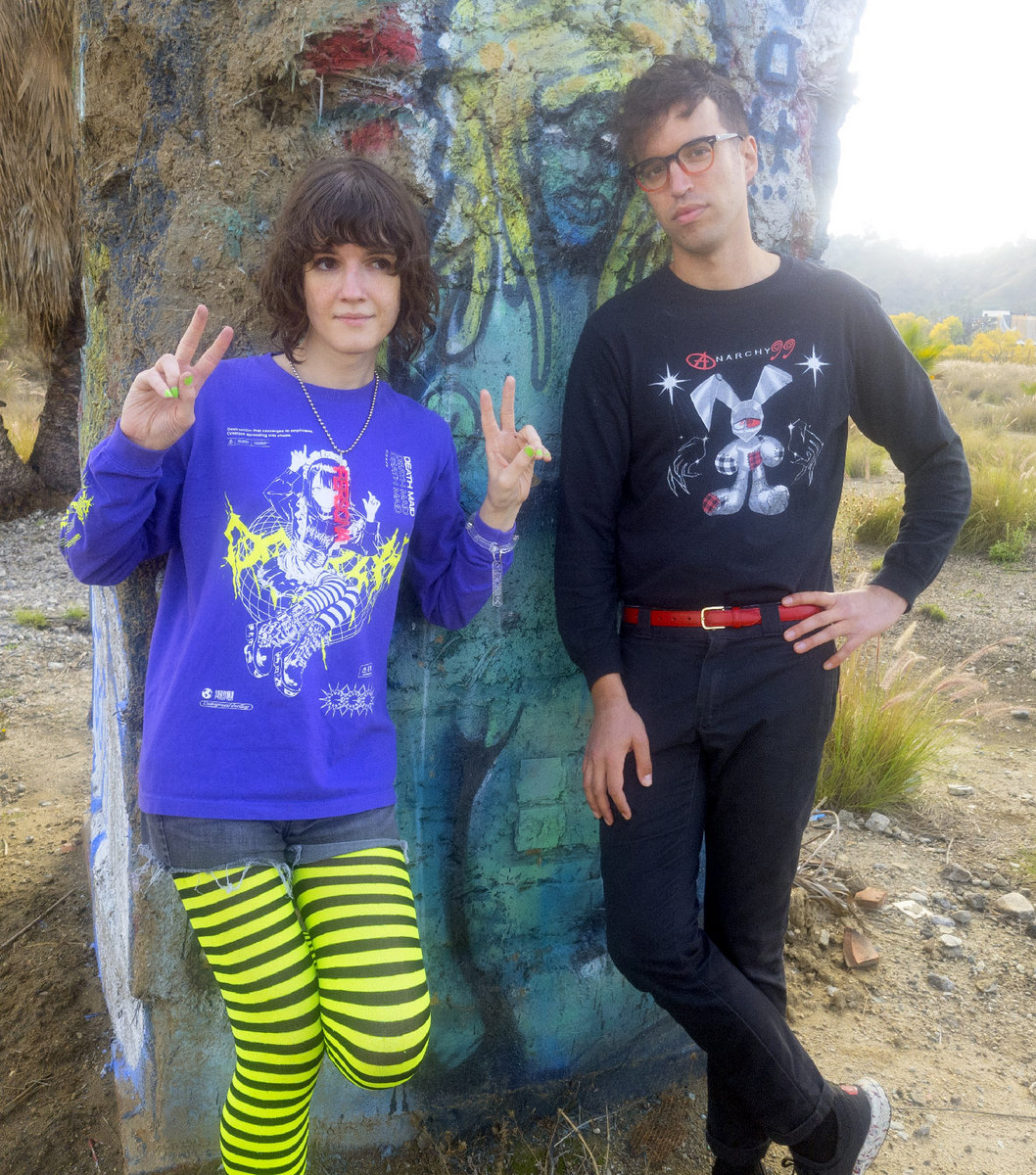
The new band Angel Electronics is the duo of Ada Rook and Ash Nerve, an LA-based musician and producer who’s a member of the Oracle, a production group that worked on Rook’s “2,020 Knives” album. In Angel Electronics, Ash Nerve is the lead singer, though both Nerve and Rook contribute vocals and production. But the real news with Angel Electronics’ debut album “Ultra Paradise” isn’t the names of the people involved; it’s the freaky and disorienting sound of the thing.
Talking to Bandcamp, the members of Angel Electronics describe their sound as “brutal euphoria wave.” Basically, they take a frantic, synthesized take on harsh, juddering metalcore, and they combine that with the sweetest, catchiest forms of bubblegum pop. Some moments on “Ultra Paradise” remind me of 100 gecs, and others remind me of Andrew WK. It’s sensory-overload music, music that captures a certain giddy confusion.
Absolutely epic, I can’t stop dancing thinking of the better days to come. Always such a wide reach of musical & vocal talent displayed by Ash & Rook.
released January 23rd, 2023
ASH NERVE – Lead vocals, lead songwriting, piano, drum programming ADA ROOK – Vocals, songwriting, guitar & bass, drum programming
The reimagined version of a track from last year’s “Planet” EP features guitar from MJ Lenderman. Last year, Chicago-based musician Ella Williams released a sometimes-spooky, sometimes-sublime EP called “Planet”, which included the shiver-worthy track “your love is a disaster.”
Before Squirrel Flower (aka Ella Williams) hits the stage for her first headline gig of the year next week at Sleeping Village in Chicago, she’s blessed us with “Your Love,” a full-band reimagination of last year’s “Planet” EP standout, “your love is a disaster.” Featuring overdriven guitar from MJ Lenderman, the new take is a stark contrast to the slower, stripped-down original
“This song is the big version of itself. I started playing it live with a full band last year and it was so fun I had to record it. Jake put down the incredible solo and voila the song was complete.“ – Ella Williams
Squirrel Flower has also announced a March solo co-headline tour with Horse Jumper of Love
“Your Love” is Squirrel Flower’s new digital single, out January 18th, 2023.
Kristin Hersh is the legendary front woman of Throwing Muses and 50FOOTWAVE. However, we think it is her accidental solo career where she really shines. Focusing on her subtle song writing and wryly melancholic lyrics, the work is universal and pretty wonderful. Her latest album, Wyatt at the Coyote Palace, was recently released
The co-founder of Throwing Muses and frontwoman of 50FOOTWAVE, with eight solo albums already to her name too, seems endlessly, tirelessly inventive, whether she s in rock bands or playing every instrument in the studio. So it s no small statement that this ninth release, Wyatt at the Coyote Palace, has the feeling of a masterpiece.
Kristin Hersh is one of music’s best lyricists. She writes incredibly vulnerable, personal songs, but with a pen borne by elusiveness and enigma. Her lyrics are full of allusion, metaphor, and highly specific references to her own life that may escape the listener (her records now come with books of essays and anecdotes, which helps), but above all, they are beautiful poetry. Hersh’s voice has always been gruff and raspy, and is perhaps more so now, and her guitar playing is intricate and fascinating.
She’s been at it since the ’80s, and her songwriting has only gotten sharper and more intriguing as time has gone on.
Songwriter, guitarist and singer, Kristin Hersh has released over 20 records solo, with Throwing Muses and 50FOOTWAVE. She’s also the author of an acclaimed memoir — based on her teenage diary — about a particularly eventful year, titled “Rat Girl” in the USA (published by Penguin), and titled “Paradoxical Undressing” in the UK
Aoife O’Donovan is a singer-songwriter living in Brooklyn. She is best known as the lead singer for the string band CrookedStill and she also co-founded the Grammy Award-winning female folk trio I’m with Her. She has released three critically acclaimed studio albums: “Fossils” (2013), “In the Magic Hour” (2016), and “Age of Apathy” (2022, Here she performs Lovely renditions of Bruce Springsteen’s album “Nebraska”. Well worth a listen. She has a beautiful voice. One of my favourite artists performing one of my all time favourite albums.
released September 3rd, 2021
Aoife plays “Nebraska” Recorded live in Brooklyn at Aoife’s home on May 9, 2020
Big Crown Records is proud to present the debut 45 from the newest band on the label, Les Imprimés. Based in Norway and led by producer and multi-instrumentalist Morten Martens, they blend a myriad of influences together to create their unique and soulful sound.
The A side “I’ll Never Leave” has a chugging Doo Wop feel to it but with a heavy duty thump that brings it into the present. The production is lush yet simple with tasteful arrangement that doesn’t waste a note. Martens sings to his muse of fidelity and romance with melodies that are sure to be stuck in your head long after the track finishes.
The B side “If I” leans into the slowie cannon. The track holds court with the best of the beat ballad B sides. But, when Martens starts singing, the charm of Les Imprimés comes front and center making it easy for a wide audience to love, but hard to put your finger on.
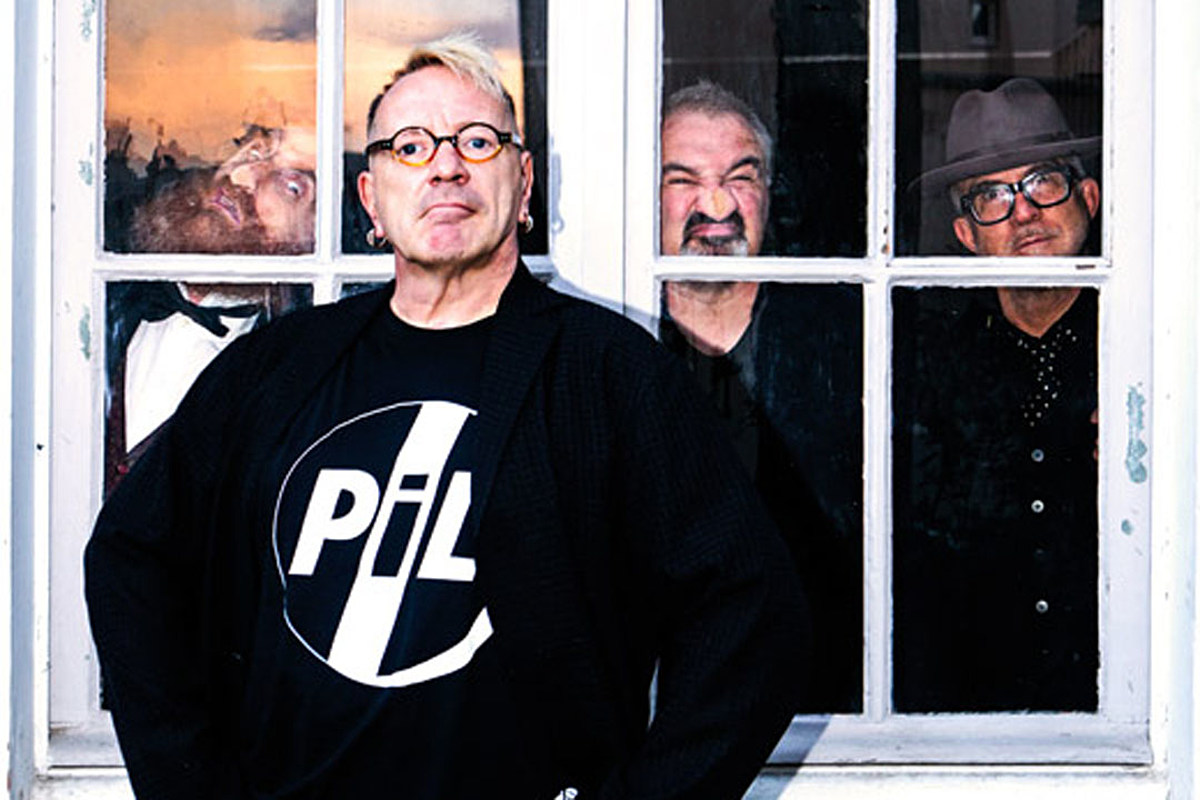
With the release of their career-spanning “The Public Image Is Rotten (Songs From The Heart”), we take a moment to look back over highlights of the band’s forty year recording history, from game-changing post-punk iconoclasts to early hip-hop collaborations and a controversial 21st century comeback.
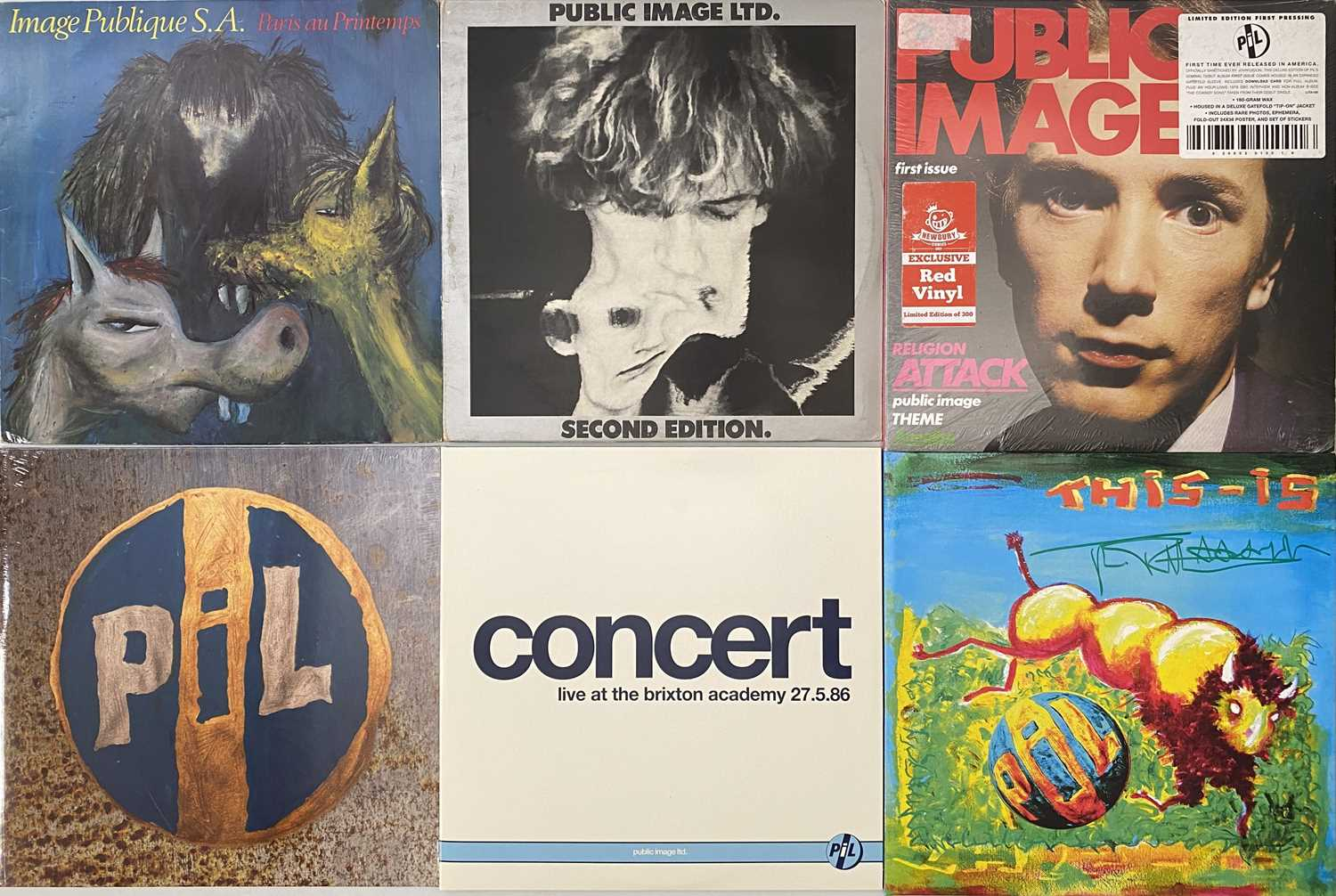
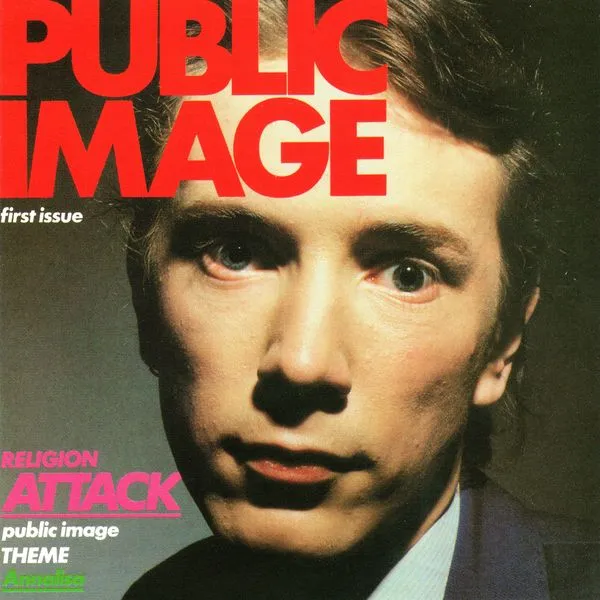
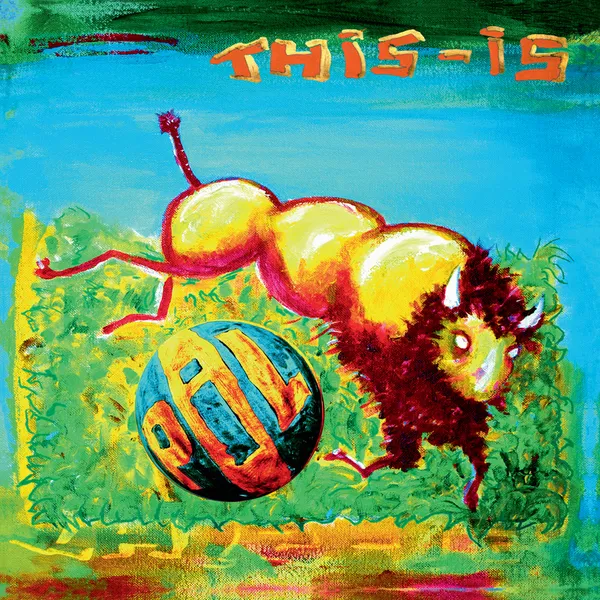
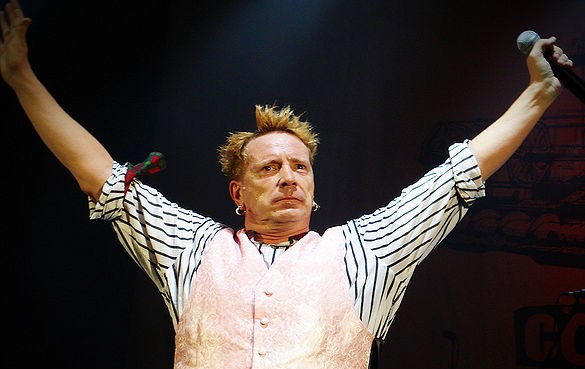
Who exactly is PiL? there is a recent album called “This Is PiL” that some might think answers the question, but on PiL’s first record, “First Issue”, released in 1978, PiL then was John Lydon, Keith Levene, Jah Wobble, and Jim Walker. They said they were a communications company not a band. They were interested in making movies, soundtracks, and breaking down the barriers between audience and performers at their live gigs. They wanted to communicate with as many different modes as possible, something that never really came to light (the band spoke a lot about it but never released anything beyond music).
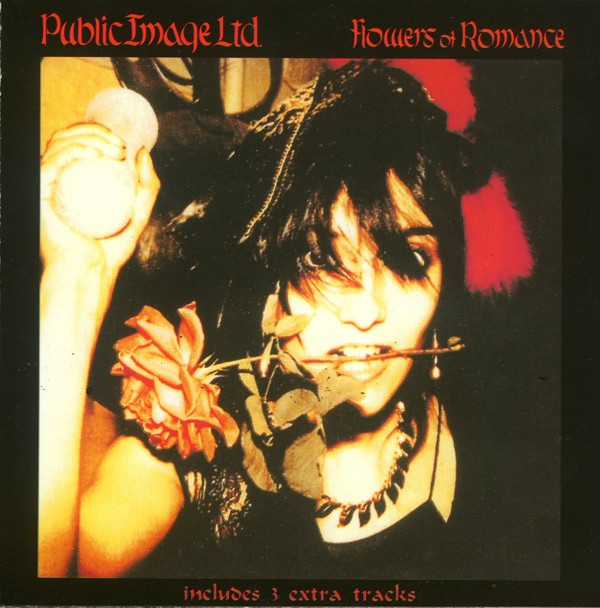
In fact the band included non-musical personnel like videographer/PR person Jeannette Lee (in 1987 she became a manager at Rough Trade Records and also managed Pulp and the Cranberries), who was photographed for the cover of “Flowers Of Romance”.
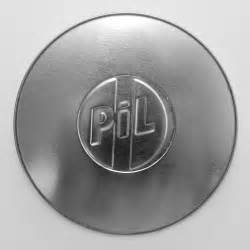
Photographer Dennis Morris (best known for his photos of the Sex Pistols and Bob Marley, who was also the art director at IslandRecords and a member of the group Basement 5) was also a member of PiL. He did all of the band’s photography until 1980, including the photos on “First Issue” and “Metal Box”; he also designed the PiL logo, and came up with the concept of the “Metal Box” film canister.
It was supposedly an equal creative divide between all group members (although when it came down to money, Lydon took something like 50% while the others split the rest).
Before the departure of every original member of PiL, aside from John Lydon, they were a band that wrote music together and created a concept that alienated everyone, from Sex Pistols fans to rock music fans in general — the idea that rock and roll was dead. They recorded most songs in one take, written through improvisation, which embraced dissonance, spontaneity, dub, and all-around weirdness. They were the antithesis of arena rock, maintaining their punk rock aesthetic but with the exclusion of power chords, and the omission of the verse-chorus-verse structure. but when it came time to finish an album, they’d get in the studio and bang out the tracks. They were drunk, high, and discontented, but the music was genius. In the words of Robert Christgau (from notes he took on an early show they did at NY’s Roseland Ballroom), “The band showed up.” In the case of “First Issue”, “Metal Box“, and “The Flowers Of Romance“, that seemed to be all they needed to do. Something was lost after that — namely the band.
After Levene left they started including “Anarchy In The UK” in their live shows (considering Lydon’s statements about rock and roll being dead and useless, history being worthless and the idea of leaving the past in the past and moving forward with PiL, this came as quite a surprise). For the next six albums the line-up went through constant changes and included studio musicians and guest spots from the likes of Steve Vai and Ginger Baker.
First Issue
A reissue of PiL’s first single, “Public Image,” was available on Record Store Day, Also a reissue of “First Issue”, the band’s first record, was reissued and will be the first time it’s officially released in the US.
PiL’s first single, and our introduction to the post-Sex Pistols John Lydon, starts with a few “hellos” and ends with a big “goodbye.” Lydon rips into everyone from the tabloid media to his Sex Pistols crowd of hanger-ons: “You only see me for the clothes that I wear.” His new band would wash away any idea that they were a Sex Pistols sequel right from the start. Wobble’s rumbling bass kicks it off and Levene’s double-tracked guitar kicks in with his fingers in constant motion, and not a power chord or blues lick to be found. Lydon sings through a space echo and the mix is very rough.
A nine-minute opening dirge (‘Theme’), an eight-minute piss-take closer (‘Fodderstompf’), a two-minute poem excoriating religious corruption (‘Religion I’): PiL’s first album made ‘Attack’ its watchword and laid waste to all it surveyed. Lydon had already developed a talent for writing with a target in mind and this whole album worked as writing therapy, responding to what had been a tumultuous few years. ‘Public Image’ is still one of music’s most vicious kiss-offs to a former band, manager and identity.
In its accompanying promo video, Lydon’s constricted, tightly-wound bodily jerks and tics suggest so much suppressed and contained violence. When he opens his mouth, it all emerges in howled, yet precise and detailed, venom. The heft and power of Jah Wobble’s bass playing is all the more remarkable for being the work of a relative novice. With Wobble occupying the low-end, Keith Levene’s taste for metal guitars pulls to the opposite pole of sound, leaving a lot of empty space and heightening the prominence of each. Only a year on from “Never Mind The Bollocks” and there was nary a chorus in sight – the straitjacket of pop was being discarded.
It’s rumored that Levene wanted Ted Nugent to produce PiL’s first record, and Virgin were on board, but that never happened. “Public Image” appeared on their very raw-sounding debut, “First Issue“, and was only released in the UK — it was apparently too rough-sounding to be released in the US. Don Letts would direct the promo video and the story of PiL would begin.
Metal Box (aka Second Edition)
It’s extraordinary to think that “Metal Box” makes the uncompromising “First Issue” sound like a band dipping its toes into the water. From start to finish, the album stretches and warps time in a way rarely seen on what was ostensibly still a ‘pop’ record. The ten minute opener, ‘Albatross’ shows the band’s debt to dub reggae, clearing away casual listeners and punks alike.
On the band’s second record, “Metal Box” (aka “Second Edition”), it was Lydon, Levene, Wobble, and a rotating cast of drummers which eventually led to Martin Atkins becoming PiL’s permanent drummer (he played on one song on “Metal Box”, “Bad Baby”).
The song served as Martin Atkin’s audition for the band and ended up on “Metal Box” (the recording being the actual audition). Wobble played a repetitive bass line while Levene’s synths pop in and out like random sirens on top of a disco beat. Lydon’s vocals are ghostly and the melody is a personal favorite of mine. Keith Levene would insist that the song was about him, explaining that “Bad Baby” was one of his many nicknames. “Ignore it and it’ll go away,” is the only doubled vocal on the track, maybe about Levene’s heroin addiction? Levene himself?
This is the song from which the Rapture stole the vocal melody for their own less impressive track “Echoes.” Anyway, “Careering” off of “Metal Box”, featured Jah Wobble on both bass and drums, giving them a consistent almost drum-machine like sound, while Keith Levene generated layers and layers of sound from a Prophet-5 synthesizer. There’s no distinct verse or chorus part and Lydon produces some of his best lyrical content to date: “A face is raining/ Across the border/ The pride of history/ The same as murder/ Is this living?/ He’s been careering.” It’s haunting and creepy and the synths sometimes sound like a swarm of locusts while the percussion emulates a nightmarish marching sound getting closer and closer throughout.
One of PiL’s darkest moments, “Death Disco” (also called “Swan Lake” on “Metal Box”) was a song Lydon wrote about his mother who was dying of cancer at the time. He apparently played her the track before she died and she loved it. The name “Death Disco” stems from the obvious subject and the drumbeat played by David Humphrey (who would only play on this and “Albatross”). The name “Swan Lake” came from the guitar melody Levene based his guitar part on, from the Tchaikovsky score of the same name (there were rumors that Levene was a classically trained musician, but he’s never addressed that).
The sleeve for the single was a painting by John Lydon and the video was a dark and creepy sequel to the “Public Image” promo. The single earned them a spot on Top Of The Pops, where Lydon would perform the song with his back to the audience and Wobble would play sitting down flaunting a huge grin with one of his teeth blacked out.
That early sound on their first two records with Levene and Wobble is just untouchable.
Flowers Of Romance
On the third album, “Flowers Of Romance”, founding member Wobble was out of the band, and Levene and Lydon provided most of the percussion, with Atkins contributing to only three songs, and Levene taking on the bass for the two songs that actually had bass on them.
The speed of PiL’s development is underappreciated. Album sessions in 1978, 1979 and 1980 yielded progressively more extreme interpolations of punk, pop, rock, and reggae, with “The Flowers Of Romance” representing the apotheosis of this growth spurt. The album is united by an introverted, housebound edge: “the walls are so thin the neighbours listen in”, “doom sits in gloom in his room”, “it came out of the wall, a single cadaver”, “personal Auschwitz fermenting in bed.” Lydon’s voice floats untethered through each song, utter disconnect taken to its conclusion with barely a thread tying it to the music.
Used more as effect than traditional drumbeat, the percussion serves as the record’s sonic glue – either stripped naked and left to repeat, or drenched in samples and the occasional intrusion of other instruments. The highlight remains the title track where every element seems about to explode out of the fragile frame of the song. With cockeyed violins and tense strings, Lydon’s caterwaul, the pop and pound of effect-laden drums, it’s a miracle that the end-result remains catchy. Elsewhere ‘Banging The Door’ and ‘Track 8’ are off-kilter and disquieting horror shows of electronic whirrs and gurgles,
This single, off the album of the same name, is a good representation of the album’s sound — strange, sparse, and beyond experimental. At this point Levene pretty much abandoned guitar for synth and tape loops, and Jah Wobble was out of the band. They bowed a bass like a cello and used heavy percussion for the backing tracks while Lydon riffed about dismissing romantic notions about the past and moving forward. “Flowers Of Romance” was also the name of the short-lived band started by KeithLevene and Sid Vicious before Vicious joined the Sex Pistols.
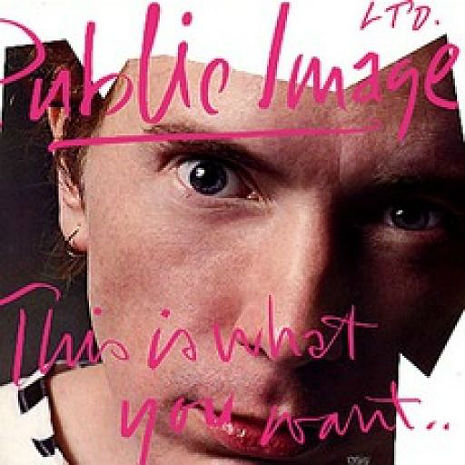
This Is What You Want … This Is What You Get
The next official record, “This Is What You Want … This Is What You Get”, saw the parting of Levene, and Atkins (who is the longest standing member of PiL besides Lydon, serving from 1979-1985 with a break between 1980-1982) getting more involved in writing, and drumming on more than a track or three. The new PiL sound was a huge departure from its avant-garde beginnings — much more commercial-sounding, with session musicians and some harsh ’80s production that plagued most of the material from then on.
PiL disintegrated with wayward guitar genius Keith Levene paying to have the unfinished album tapes released as 1983’s unofficial “Commercial Zone”. Lydon meanwhile put together another band, revised six of the songs and put together an official release in 1984 under the bratty title “This Is What You Want… This Is What You Get”. Which recording you prefer ultimately comes down to whether you rate John Carpenter over Jean-Michel Jarre. The songs themselves didn’t change significantly, it’s more a case of feel, and at its best, the murkiness of “Commercial Zone” worked in its favour by giving it a dystopian edge. On ‘The Slab’, Lydon’s vocals are a groaning rise and fall, complimenting the eerie bass tone that dominates the song. Officially released as ‘The Order Of Death’, the main lyric became an ad nauseam repeat of the album title with the synth/guitar tone pumped up into gleaming chrome dimensions.
The song that put the final nail in the Lydon/Levene collaborative coffin was also the highest-charting PiL single ever, reaching No. 5 and remaining in the charts for 10 weeks. The 7″ and 12″ releases would be the last to feature Levene on a PiL track, while Lydon would re-record it for “This Is What You Want … This Is What You Get“. The two had a huge argument about the direction of the mix and that was the end. Levene left. At the time Levene’s heroin use was really heavy, and Lydon’s ego apparently inflated.
The band was heading in a direction far from what Levene had envisioned, and he had to leave, “If things get too far from how I want them to be then fuck it, I’ll just walk away from it,” he said of leaving the band in Phil Strongman’s book “Metal Box: Stories From John Lydon’s Public Image Limited”. He said the band couldn’t go on the way it was, “…in PiL’s situation, it couldn’t have carried on because we had come to hate each others guts.” Lydon has said in interviews he would never work with Levene again. The song was written in response to a request from Virgin to make a hit; a love song was suggested. Lydon responded with a song about greed and money and a possible laugh at his own band’s newer, more commercial sound (which was a conscious decision). The video for the song is as good as the song itself.
The air of menace about ‘Blue Water’ is undermined by juvenile lyrics and aimlessness; ‘Lou Reed Pt.1’ and ‘Miller High Life’ are little more than sketches; ‘Bad Night’ is a perky, inconsequential rock song. There is the kernel of a great lost album, but it’s an unfulfilled hope. As for the official album, it says a lot that the most intriguing song, ‘1981’, was apparently an updated outtake from “The Flowers Of Romance” — something that shows in the layered samples and drum sounds as well as the tone of Lydon’s voice.
Originally intended to be on the soundtrack for the movie you never saw of the same name, starring John Lydon alongside Harvey Keitel (the movie was called The Order Of Death in the UK, Cop Killer in the rest of Europe, and Corrupt in the US), it was never used. It was first put out on the Keith Levene-released “Commercial Zone” where it was called “The Slab.” After Levene left PiL he took the original unfinished tapes for the album they were working on, mixed them, and released them on a label he called PiL Records Inc., without the rest of the band’s consent.
He was sent a cease-and-desist notice, and production of the record stopped after the initial 30,000 copies were pressed. It was rerecorded for the official PiL album “This Is What You Want … This Is What You Get” and given the new name “The Order Of Death.” It’s eerie with a memorable repetitive guitar line and features the phrase “This is what you want/ This is what you get,” over and over as the only vocal, aside from some echoing screams in the background. As it was intended for a soundtrack it was eventually used in the movies The Blair Witch Project and Hardware, in addition to an episode of Miami Vice titled “Little Miss Dangerous.” It sounds mildly Twin Peaks-ish.
This Is PiL
In 2009 John Lydon put a version of PiL back together with money he earned from doing a Country Life Butter commercial. This time he had his own record label, PiL Official, and answered to no one. Much to the disappointment of fans, neither Keith Levene nor Jah Wobble were invited to the party.
Something that seemed appropriate as it was the 30th anniversary of their classic album “Metal Box”. Instead he appointed ex-Damned guitarist Lu Edmunds (who also played in PiL from 1986-1988), drummer Bruce Smith (ex-Pop Group/Slits) who was in PiL from 1986-1990, and Scott Firth, who has played with Elvis Costello and, ahem, the Spice Girls. The album, “This Is PiL”, came out last year and was a welcome surprise with a few good songs that seemed to bring the early days of PiL to mind (to an extent).
The return of PiL in 2012 satisfied those who wanted to see the man making music again — and he delivered from the off. The title track and opener, thankfully, doesn’t outstay its welcome and leads to a fine first returning single, ‘One Drop’, with its heavy bassline, party-starting skank and paean to eternal youth and nature. ‘Deeper Water’ and ‘Terra-Gate’ continue the buoyant momentum. A sagging middle with a few overlong songs and a couple of bad ideas — ‘Lollipop Opera’ is a whimsical nonsense song, while ‘It Said That’ merely showcases Lydon’s liking for wordplay to no ultimate end. This doesn’t derail what is a satisfying listen, and a solid reason to have hope for what would come next.
A nice surprise from This Is PiL, “One Drop” returns to the dub sounds of early PiL with a guitar sound based on Levene’s unique style from the old days. Lydon sings about his teenage years in Finsbury Park yearningly, while pronouncing, “We are the ageless/ We are teenagers.” The only thing missing here is Wobble and Levene.
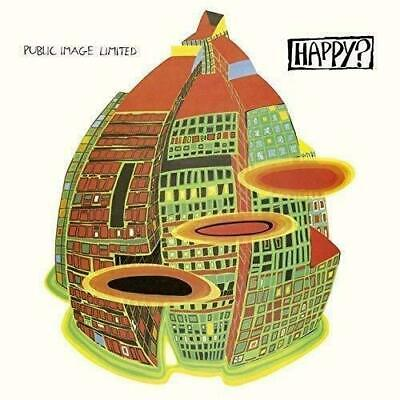
Happy
Apparently, from a stadium stage, only the bluntest sounds really carry. Certainly PiL’s reconstituted line-up from late 1986 onward seemed to be playing to an audience that had come to dance rather than pogo. Generic back-up singers on the choruses of songs like ‘Rules And Regulations’ and ‘The Body’ became the norm. Was this a valiant attempt to sneak deep themes into an anaesthetised mainstream? If so it didn’t go very well. Neither the album nor the singles would perform.
Likewise, sonically, little sticks out from the gloopy mid-tempo vibe. Lyrically, ‘Hard Times’ makes a certain light of Lydon’s gloomier moments, but it’s hard to ignite a revolution behind a perky take on darkness, delivered over bouncy indie-electro-rock clatter. It would have been shameful if the central figure of several of the most significant records in the history of modern music hadn’t received just reward, but it was becoming hard to refute the claim that comfortable (albeit never outrageous) finances had dulled Lydon’s edge. He sings of abortion on ‘The Body’ in the same tone reserved for the pro-education message buried in ‘Open And Revolving’. Only three of “Happy’s” songs would be deemed worthy of resurrection on 1999’s “Plastic Box” compilation, which seems more than fair. A band finding its feet meet an already shop-worn sound, and a singer seemingly lost for inspiration.
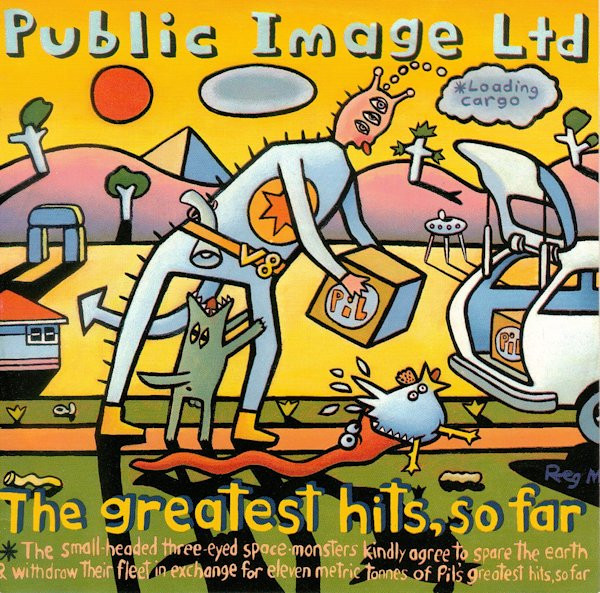
The Greatest Hits, So Far
In 1990 PiL put out the compilation “The Greatest Hits, So Far” and included one new song called “Don’t Ask Me.” The infectious dance-rock tune tackles environmental issues that are largely ignored and has Lydon lecturing about what the future might hold. I love this song in the same way I love Fred Schneider and the B-52’s — it’s catchy and hilarious. The lyrics and production are amazingly bad and it includes the hilarious line: “Swimming in the slurry/ Burning in the heat/ Wind blown is the weather/ I eat what you secrete.” I eat what you secrete.
Released 5 days after Lydon won a long, hard-fought court case against ex-Sex Pistols manager Malcolm McLaren, and featured on Album, “Rise” hit No. 11 on the UK charts and was one of PiL’s biggest hits. The song stems from a pamphlet Lydon had read about South African apartheid police interrogation techniques, and a lot of the lyrics are quotes from many of the actual victims. Full of catchy hooks, featuring the memorable refrain “anger is an energy” and some clichéd ’80s production, the song has a surprisingly positive feel to it while the subject matter is absolutely harrowing.
I could be wrong, I could be right but “Rise” was one of the best PIL efforts because Lydon and producer Bill Laswell didn’t care about rules and what should or should not be. It had been six years since John Lydon had escaped the wreckage of the Sex Pistols and formed Public Image Ltd.. Now another demonstration! Recorded during the sessions of the LP ‘Album’ assembled were Lydon and the bass-playing Laswell and an impressive cast of session musicians including drummers Ginger Baker and Tony Williams, guitarists Steve Vai and Nicky Skopelitis, Fairlight programmer Ryuichi Sakamoto and electric violin-player Shankar.
Lydon here is as brutally honest and frank as ever with hypocrites, liars and fools, all the while confessing he could be any of the three himself. Going to number 11 in the U.K. the hypnotic and heavy single ‘Rise’, features Lydon’s “anger is an energy” hook-line and the ever-so-catchy “may the road rise with you” chorus. After the success of “Rise” Lydon remarked “It proved to me that I could work with anyone, the best of them as well as the worst.”
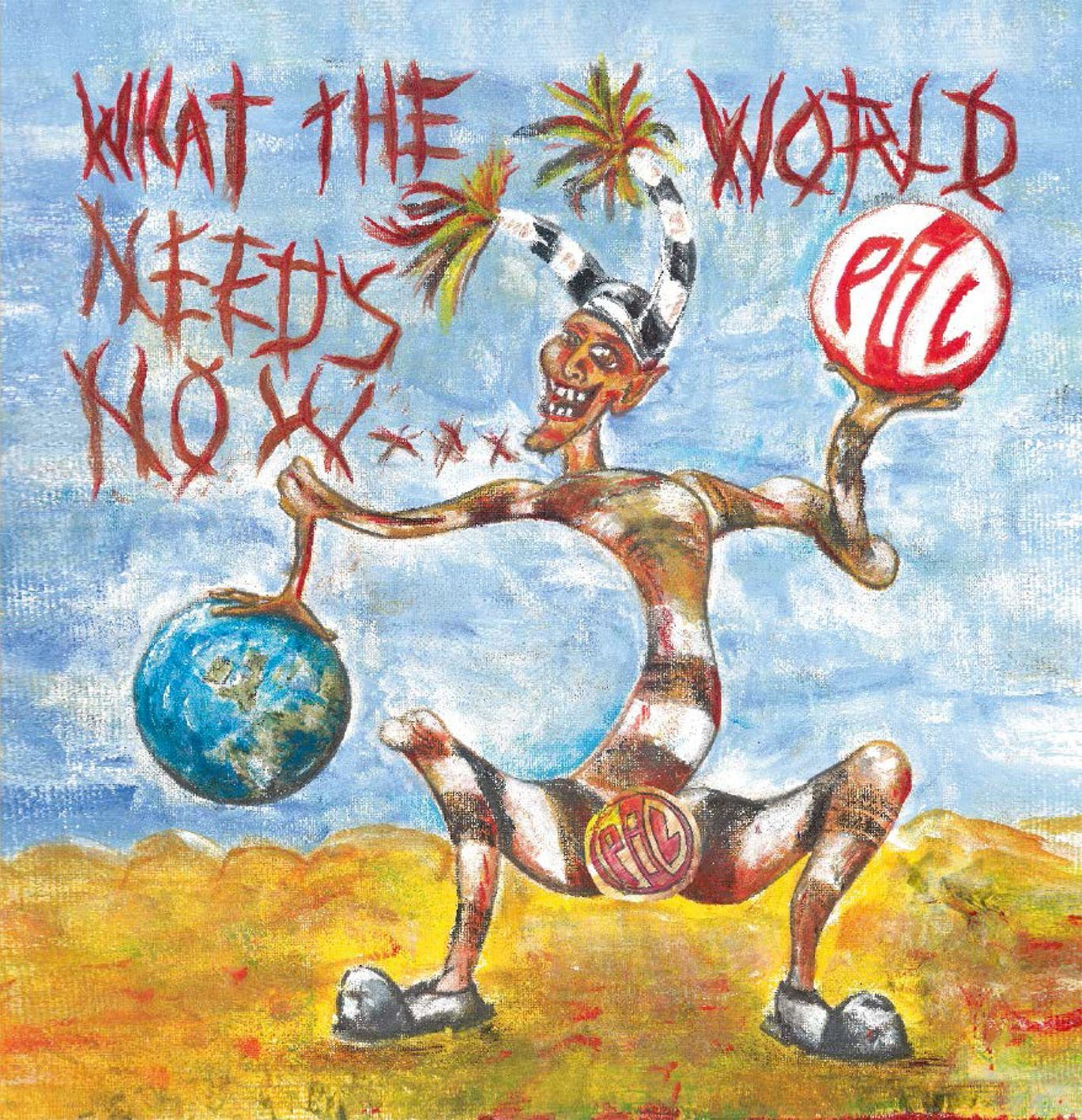
What The World Needs Now
Lydon’s renewal won fresh reasons for pride with the release of PiL’s latest album in 2015. The throat-clearing and limbering up of “This Is PiL” gave way to a record poised between the grandiose, the furious, the comical, and the beautiful. The music has an energy and immediacy that makes every song kick, while Lydon ping-pongs across every track in charming form. ‘Double Trouble’ doesn’t just sound funny, it actually is funny: a domestic row in musical form — a perfect outlet for cockney accents, a ripping guitar riff, with the great punchline: “and in the meantime…We’ll get a bucket.” At the other end of the spectrum (and the record), Lydon stretched out his arms on ‘Corporate’ to embrace humanity in its entirety over a whipped and twisted backing.
A strength of the album, and current PiL, is that Lydon’s voice stands out above the mix, providing the vocal point that sometimes went missing in the eighties fallow phase. Likewise, there’s a coherence to the record in terms of feel and sound which makes it feel more like a journey than a clutch of songs — and it does so without killing innovation or novelty. On closer ‘Shoom’, Lydon found a rallying cry for the 21st century that harkened back to the cleansing he had been a part of in the bloated and broken seventies: “what the world needs now, is another fuck off!”
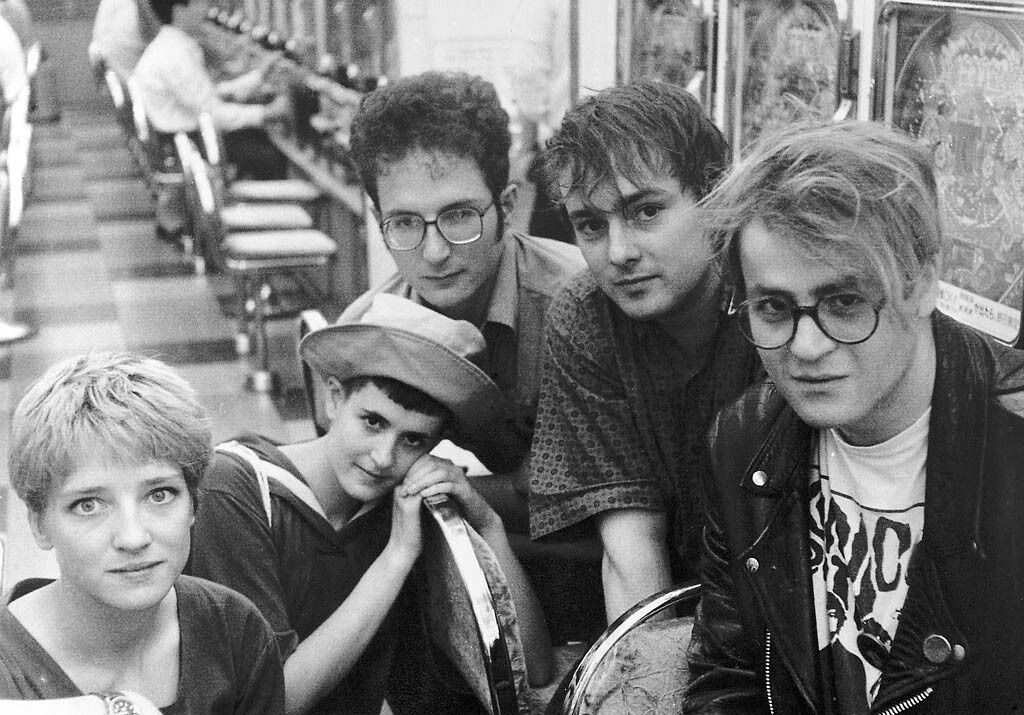
Heavenly were Amelia, Mathew, Peter, Cathy and Rob. Heavenly were an indie twee pop band, originally forming in Oxford, England in 1989. Amelia Fletcher (vocals/guitar), Mathew Fletcher (drums; Amelia’s brother), Peter Momtchiloff (guitar) and Robert Pursey (bass) had all been members of Talulah Gosh, a key member of the C86 scene.
In their heyday, they were considered part of the C86 scene (A term coined after music paper NME released a cassette-only of indie bands whose jangling guitars and melodic pop tendencies became a code name for Indie). The scene was praised and derided, but came to be pivotal as part of the Indie scene that had developed in the late 80s/early 90s.
Peel played some of Talulah Gosh’s tracks in the late 80’s and was aware of some of the members, including Amelia Fletcher, who collaborated with many of Peel’s favourites, including the Wedding Present. She later joined with Heavenly and the group got substantial airplay by Peel through the 90’s, including a couple of sessions, as well as an entry in the 1993 Festive Fifty.
They released four albums from 1991-96. All four will be re-released on vinyl over the next couple of years. Heavenly, as well as Marine Research and the earliest incarnation, Talulah Gosh were pivotal bands at the time. Referred to variously as Twee and Indie Pop they were a lot more serious than their breezy lyrics would suggest.
In 1996, shortly before the release of their last album, “Operation Heavenly”, Mathew Fletcher, the band’s drummer and Amelia’s brother, committed suicide. The remaining members announced that the band name Heavenly was to be retired, but that they would continue, using the name Marine Research, a moniker under which they released a single album, 1999’s “Sounds From The Gulf Stream”, on K Records. Afterwards, Marine Research dissolved.
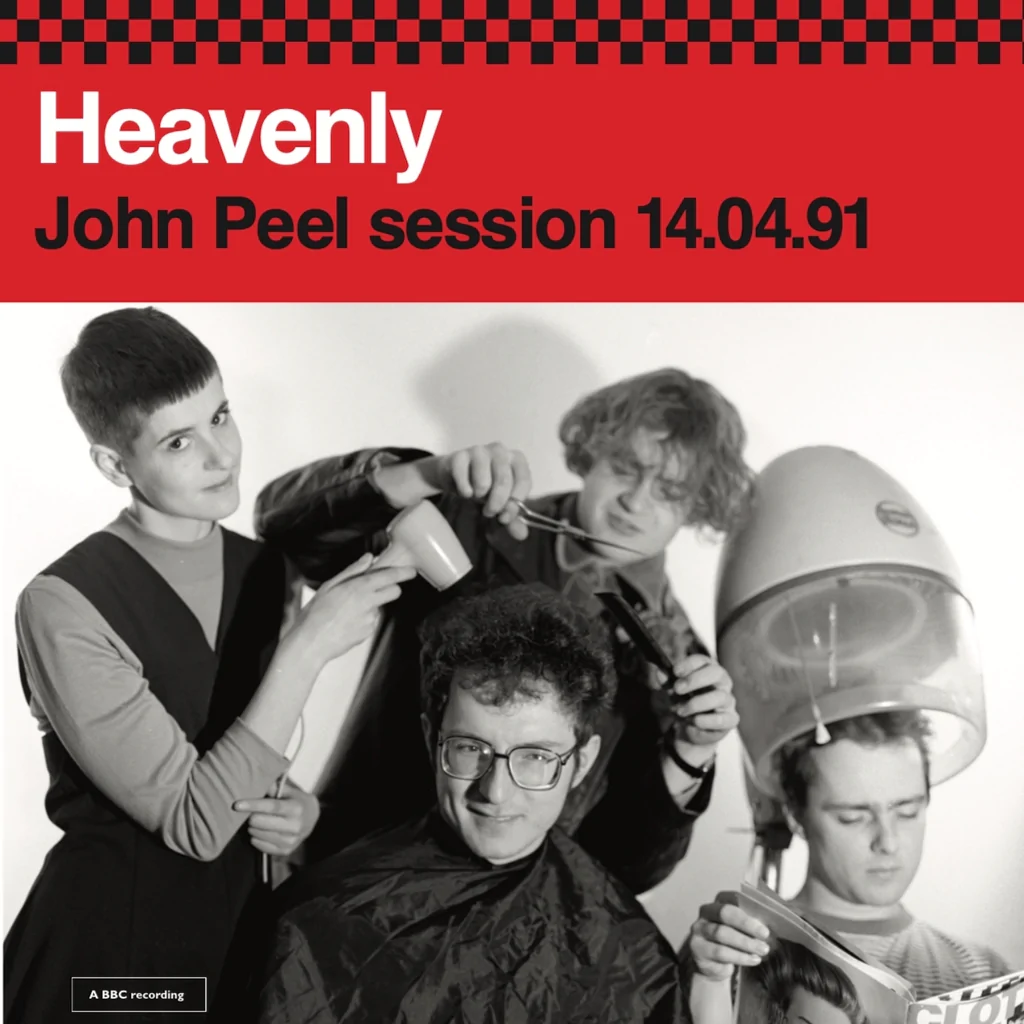
John Peel Session 14.04.91
Heavenly – characterized as a mix of Jangle/indie and Twee, the band came out of an earlier incarnation as Talulah Gosh, and were known for their light and innocent take on things – a breezy and carefree approach, coming just before Britpop hit.
Heavenly’s first BBC session for the John Peel show. This session, for John Peel, was recorded at the BBC on March 17th, 1991 and comes around the time of their debut album release, “Heavenly versus Satan”. Peel was a big fan and supporter of the group, whose sound was guitar-based and whose lyrics were mainly about innocent and unrequited love, much in the same vein as Talulah Gosh.
Although variously regarded as influential and trivial, Heavenly represented the new direction independent music was taking – and for the first time, being taken seriously.
Released on vinyl for the first time, this is Heavenly’s first three-song session for John Peel, dating from early in the group’s life when they were still a four-piece – vinyl also features a couple of gems from elsewhere, one of them a rare Beatles cover. Includes sleeve notes from Amelia and Rob – plus a set of postcards.
Songsheet: And The Birds Aren’t Singing So Little Deserve Escort Crash On Marston Street
plus rarities: She Says (Borobudur version) It Won’t Be Long (Revolution No.9 version)
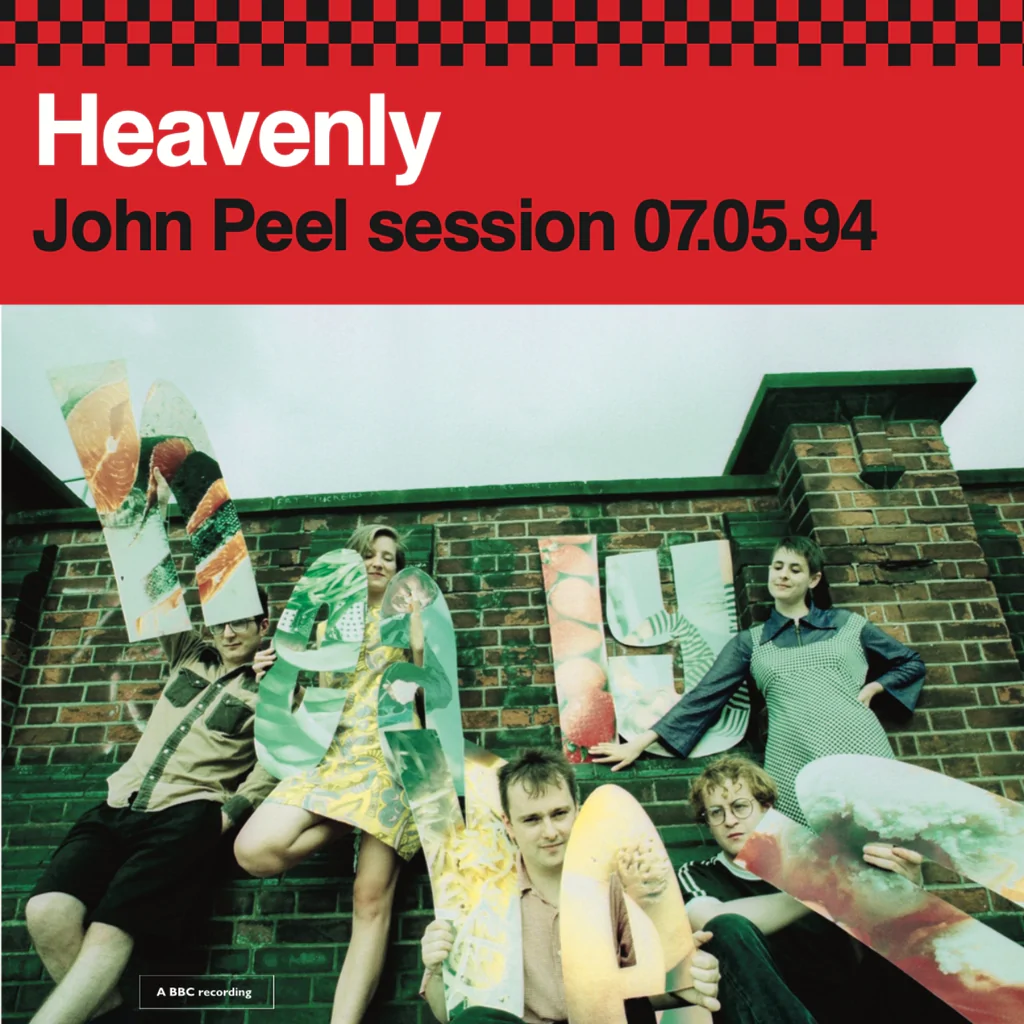
John Peel Session 07.05.94
Legendary Sarah band’s second session for John Peel, released on vinyl for the first time and featuring versions of some Heavenly favourites – among them “Dumpster”, set to become “Three Star Compartment on the Decline And Fall Of Heavenly” LP later in 1994. Includes free download of original BBC session recordings plus sleeve notes from Cathy and Peter and a set of postcards.
Songsheet: Itchy Chin Sacramento Sperm Meets Egg, So What? Dumpster
Marine Research – John Peel 18.05.99
Following in the Indie/jangly footsteps of their predecessors Heavenly and Talulah Gosh, Marine Research came about as the result of the sudden suicide of drummer Matthew Fisher. It was decided the band couldn’t continue on the way they had before, so they set out to find another name, and that’s where Marine Research comes in. The band issued two singles before calling it a day. Well received, but not enough to sustain things, Marine Research split up for good in 1999.
After the death of drummer Mathew Fletcher and the band changing their name to Marine Research, Peel continued supporting the new band with airplay and a couple of sessions, as well when the core members of the group reformed as Tender Trap in 2002.
Same line-up, but understandably without drummer Fisher, they were joined by drummer DJ Downfall and began anew.
This session comes just prior to the end – it is the first (and presumably) last session the band did for John Peel at BBC Radio 1. It was recorded on April 18th, 1999.
This is the only BBC session ever recorded by the wonderful Marine Research, the group formed by members of Sarah legends Heavenly following the death of Mathew Fletcher. Gatefold double 7” vinyl has four songs, among them the gorgeous ‘Angel InThe Snow’ and previously unreleased ‘Bad Dreams’, featuring David Gedge of the Wedding Present) plus ‘Capital L’, which would probably have been a single if the band hadn’t split up.
Package includes a set of postcards with previously unseen pics, download codes and informative sleeve notes from Amelia Fletcher. As an added extra freebie on the download, you also get a live show from BBC Sound City in Liverpool in October 1999 – introduced by Peel himself.
Songsheet: I Confess Angel In The Snow, Bad Dreams, Capital L
CVC (or Church Village Collective in full) hail from this sleepy village 10 miles north of Cardiff, nestling atop a hill in the Welsh valleys. CVC is comprised of singer Francesco Orsi, bassist Ben Thorne, drummer Tom Fry, keyboardist Daniel ‘Nanial’Jones and singing guitarists David Bassey and Elliott Bradfield.
It’s worth noting that the latter two, despite never having met them, are related to Welsh royalty Dame Shirley Bassey and Manic Street Preachers’ James Dean Bradfield.
Maybe owing to genetics, Bassey states “I don’t think I’d be able to not do this, I don’t actively choose to, I’m just drawn to it”. Their lush three-part harmonies echo the music they grew up on – contemporary pop’s building blocks: the Beatles, Neil Young and the Beach Boys – rich, melodic and pristine music that’s steeped in rock’s history.
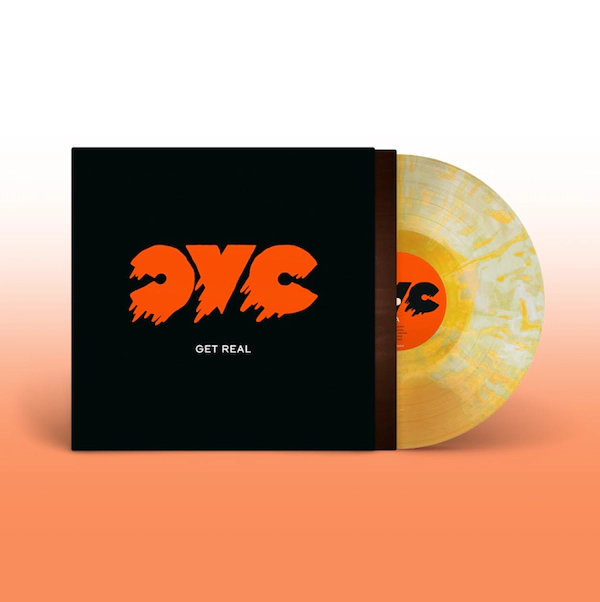
“Get Real”, CVC’s 11-track debut album finally appears and bring with it a touch of Laurel Canyon to the valleys. Made over four sun-baked weeks (once their time was up, Ross Orton (Arctic Monkeys) mixed the finished product) they kept it local by recording it in Bradfield’s’ living room
Ryley Walker never disappoints – this one is maybe a bit short but sweet from start to finish. You can hear a lot of his (also awesome) fellow musicians on this one and the mixture between jazz folk rock and experimental (tonal choices) stuff! Already looking for what comes next, All Analog from the recording session to the mastering to the lacquer cut. no digital anything involved. The metronome while tracking was analog for christs sake. And no digital guitar pedals. like this is pure old school production of a record! sounds incredible. We fucking went all out man. Grab onto one please and thanks! spins at 45rpm. classic EP!
4 brand new songs. recorded at electrical audio in Chicago IL.
released January 11th, 2022
Andrew Scott Young – Bass/Cello, Bill MacKay – Guitar, Quin Kirchner – Drums/Percussion, Ryley Walker – Vocals/Guitar