Archive for the ‘MUSIC’ Category

Craft Recordings will reissue two more R.E.M. albums on vinyl, in August and September.

 It was something of a return to what you might call the band’s ‘classic’ sound. Released in 2001, “Reveal” was co-produced with long-time collaborator Patrick McCarthy.

The album sees R.E.M. experiment with synthesized sound, but also make “a conscious return to their classic sound” . The record features hits “Imitation of Life” and “All the Way to Reno (You’re Gonna Be a Star). R.E.M. delivered “Reveal”, an album that feels like their stab at All That You Can’t Leave Behind — a conscious return to their classic sound.

Because “Reveal” is song-oriented, it initially plays more accessibly than “Up”, but these songs are cloaked in the same kind of deliberate studiocraft that made “Up” feel stilted. It’s not as overt, of course – the drum machines and loops have taken a backseat — but it’s still possible to hear the clipped Pro Tools effects on “Summer Turns to High,” for instance, and most tracks are a little fussy.

That prevents “Reveal” from being an album to wholeheartedly embrace, even if it attempts to be as rich as “Automatic” and even if it succeeds on occasion. There are some very good pop songs here — windswept and sun-bleached beauties like “Imitation of Life,” the dusty “All the Way to Reno (You’re Gonna Be a Star),” and “Beachball,” the one time their Beach Boys obsessions click. “Reveal” winds up sharing the same strangely distant feel of “Up”, even if it’s a tighter, better record. When R.E.M. weren’t trying as hard, when they weren’t meticulously crafting their sound, they made records that were as moody, evocative, and bracing as “Reveal” intended to be.

Since they’re fiercely protective of their anointed position of underground pioneers, they’re not content to sit still and spin their wheels, turning out a record that apes “Automatic for the People“. So, they return to the lushness of “Out of Time“, melding it with the song-oriented “Automatic” undercutting it all with the sober sonic trickery of Up and “New Adventures in Hi-Fi“.

Released in 2008, “Accelerate” The band’s penultimate studio album was intended as a departure from R.E.M.’s previous album, “Around the Sun”, and was lauded for the aggressive, purposeful sound of the songs. The album was described by Rolling Stone as “one of the best records R.E.M. has ever made.” It debuted at #2 on the Billboard 200 and stayed on the chart for 18 weeks. The LP contains fan favourite “Supernatural Superserious.” 

For years, R.E.M. promised that their next album would be a rocker, an oath to fans that perhaps made sense during the early ’90s, when they were exploring the pastoral fields of “Out of Time” and the gloomy folk of “Automatic for the People”, but in the years after Bill Berry’s 1997 departure, the desire of longtime fans for the group to rock again was merely a code word for the wish that R.E.M. would sound like a band again. Apart from a few fleeting moments “The Great Beyond,” their “Man in the Moon” re-write for the 1999 Andy Kaufman biopic, Man in the Moon; “Bad Day,” a mid-’80s outtake revived for a greatest-hits album R.E.M. not only didn’t sound like a band, but they seemed at odds with themselves and their very strengths, culminating in the amorphous, mummified “Around the Sun”, a record so polished and overworked it didn’t sound a bit like R.E.M., It was a situation so dire that the band recognized the need for corrective steering, so they stripped themselves down to bare-bones for 2008’s “Accelerate”.

In every way “Accelerate” is the opposite of “Around the Sun” at 36 minutes, it’s defiantly lean, it’s heavy on Peter Buck’s guitars and Mike Mills backing vocals, its songs don’t drift, they attack. Even the songs constructed on acoustics feel like they’re rockers, maybe because they hearken back to the eerie, ramshackle grace of “Swan Swan H” whose riff echoes through both “Houston” and “Until the Day Is Done.” This is not the only time that R.E.M. deliberately refers to the past on “Accelerate”, but reverential self-reference is the whole idea of this project: they’re embracing their past, building upon the legacy and the very sound of such underground rock landmarks as “Lifes Rich Pageant” and “Document”.

“Accelerate” benefits greatly from its concentrated blast of guitars, as the brevity of the album makes R.E.M. seem vital even as they’re dredging up the past. By no longer denying the jangle and pop that provided a foundation for the group’s success, they do sound like a band again.

“Accelerate” finds R.E.M. attempting to reconnect with their music, with what made them play rock & roll in the first place, instead of methodically resurrecting a faded myth. “Accelerate” is what makes it such a successful rebirth as R.E.M. no longer denies what they were or what they are, and, in doing so, they offer a glimpse of what they could be once again.

The previously announced vinyl reissues of “Collapse Into Now” and “Around the Sun” have gone back to 1st September, so they’ll come out in between these two newly announced titles!

No longer a traditional estate, Wasing is breaking the mould and offering a different narrative to the connection between people and the planet. The spectacular woodland venue hosts healing retreats enriched with nature immersion, wellbeing festivals, and restorative events.  

Wasing previously hosted the Glade dance music festival in the mid-late 2000’s, and currently hosts the Medicine Festival, a unique remedial festival experience which invites people to come together and envision a more enlightened, peaceful and sustainable world. 

The Jesus and Mary Chain’s 1984 debut single, “Upside Down,” turned the UK indie scene upside down with its then-novel approach of taking a Phil Spector-eque pop song and wrapping it in pummeling noise and feedback. It also put Creation Records on the map, paving the way for House of Love, My Bloody Valentine, Ride and many more of the label’s most famous groups. JAMC made the leap to Warner Bros immediately after this single but Creation founder Alan McGee stayed the band’s manager, and JAMC quickly became alt-rock stars. By the late-’90s, though, Jim and William Reid felt chewed up and spit out by the music industry and weren’t getting along with each other so well, either. If Warner had lost interest in the band after five albums, McGee had not, and welcomed the Reids back to Creation Records with open arms. Bookended by the supercatchy “I Love Rock N’ Roll” and tinnitus-inducing “I Hate Rock NRoll,” the sprawling, 17-track “Munki” plays like a career retrospective, including buzzsaw pop, semi-acoustic numbers, duets with Hope Sandoval, and dissonant noise jams. Munki served as a great final word on the JAMC...till they reformed and made a new album 19 years later.

The Jesus and Mary Chain’s Sub Pop label debut, “Munki”, is schizophrenic and impassioned, a record that both summarizes the band’s career to date and cleans the slate for their future. Virtually each of the 17 tracks here echoes a prior moment in the Chain’s existence, moving at breakneck pace from the volcanic noise of their earliest material to the bleak grace of “Darklands”, through to the sleek, supercharged pop of “Automatic” . In a sense, it’s an ideal primer to the Reid brothers’ mercurial world, flirting with both brilliance and mediocrity; even after well over a decade, the Jesus and Mary Chain continue to thrill, irritate, and confound — they’re a true love/hate obsession.

This and the “Stoned and Dethroned” editions sound fabulous in their Demon incarnations. Definitely adds depth to the wonderful album that is “Munki”. (But you should also pick up the deluxe CD version from 2011 – The B-Sides are excellent.)

Sweeping Promises dropped out of nowhere the summer of 2020 with “Hunger for a Way Out”, one of the best debuts of the year, a record that found Lira Mondal and Caufield Schnu fully formed, compressing decades of post-punk, punk, riot girl, alt-rock, etc into punchy pop diamonds. The songs were purposefully lo-fi, had no room for solos or jams, only hooks, with Mondal belting out memorable chorus after memorable chorus. “Hunger” played, and still does, like a greatest hits album. Three years later, having relocated from Boston to Lawrence, KS and signed to Sub Pop everywhere except North America (they’re currently still on Feel It here), the duo are back with their follow up.

Signing to a Big Indie doesn’t seem to have changed Sweeping Promises one bit. “Good Living Is Coming For You” — is that title a warning, like “the call is coming from inside the house!” — sounds like it was recorded on cassette and redubbed a few times, with a hissy compressed sound that is clearly a stylistic choice and doesn’t detract from another wonderful batch of razor-sharp earworms.

The density of the hooks on these 10 songs, most under three minutes, is staggering, with basslines worthy of early Cure, slash-and-burn riffage, bleating sax, weirdo keyboards, drums that wallop without being showy, and Mondal’s voice which just seems to have gotten better over the last three years. Across punky burners “Eraser,” “You Shatter”, nervy skronk “Connoisseur of Salt,” and dancy new wave pop “Throw the Dice,” “Walk in Place”, Sweeping Promises deliver the goods with confidence and swagger. “Petit Four” is the whole album in a song: funky, anxious, angry, and fun, with Mondal delivering guttural screams and heavenly harmonies over a tight rhythm section groove and wonderful little guitar parts.

New single ‘Eraser’ out now. New album ‘Good Living Is Coming For You’ out June 30th via Feel It Records (North America) and Sub-Pop (Rest of World).

The Sound were an English post-punk band that formed in South London in 1979. The band was formed by lead vocalist, guitarist, and songwriter Adrian Borland, drummer Mike Dudley, bassist Graham Bailey, and keyboardist Benita “Bi” Marshall. The Sound became known for their introspective lyrics and soaring melodies, and their debut album “Jeopardy” was highly influential in the post-punk movement. Despite critical acclaim, the band never reached the same commercial heights as their peers and disbanded in 1988 but their music has maintained a cult following and is revered by post-punk and alternative music fans.

Demon Records is proud to present “New Way of Life” a new collection featuring The Sound’s ‘lost’ demo recordings, on vinyl for the first time. These recordings capture urgent, high energy versions of tracks from the Statik Records era including “Counting The Days”, “Whirlpool”, and “Love Is Not A Ghost”. Featuring new artwork from acclaimed photographer and filmmaker Nigel Grierson. Grierson previously worked on artwork for The Sound’s “Head And Hearts” album as part of legendary design duo 23 Envelope with Vaughan Oliver. Previously only available on CD as part of the 2015 Edsel boxset, these demo recordings have been newly remastered for this release by Phil Kinrade at AIR Mastering. Pressed on 140g vinyl, cut by Barry Grint at AIR Mastering.

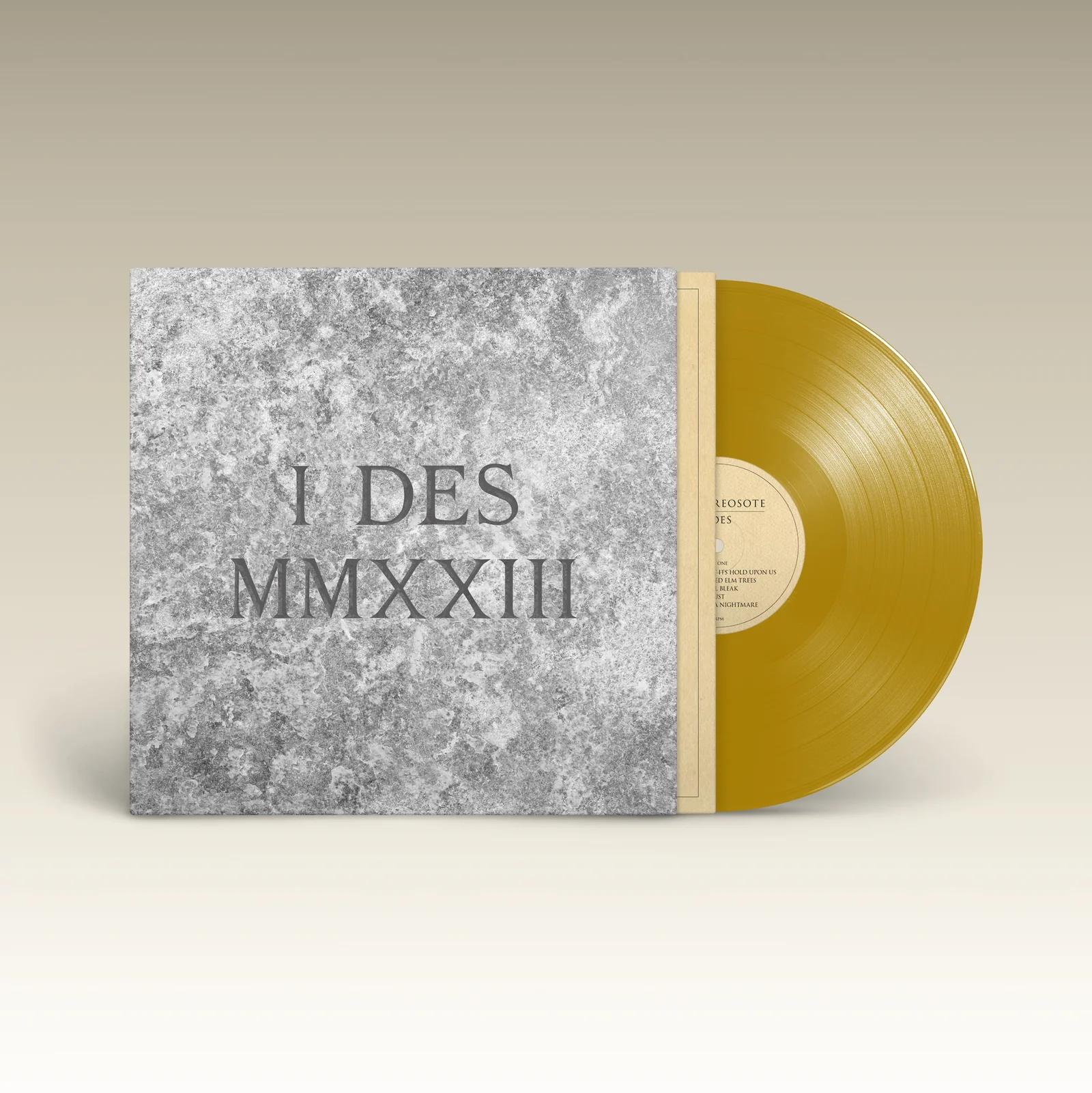
Bolstered by the pandemic-era additions of bassist Nikki “Pickle” Smith and drummer Nick Aguilar, Los Angeles-by-way-of-Indiana rock outfit Frankie and the Witch Fingers come storming back on their new album, “Data Doom”, which will be released September 1st through the Reverberation Appreciation Society and Greenway Records.

The nine-track project was recorded at the band’s L.A. practice space and is led by the single “Mild Davis,” a fusion of grit-encrusted guitars and icy synths set to an odd 7/4 time signature. “That song pretty much sums up the energy of the entire record,” Aguilar has said. “That’s why we felt it would be the most appropriate one to be the lead single.” Adds vocalist/guitarist Dylan Sizemore, “It’s very different from anything we’ve done in the past. We wanted the first statement from the album to be something new and fresh.”

Since Sizemore and guitarist Josh Menashe formed Frankie and the Witch Fingers as a house party band in Bloomington, Ind., in 2013, the quartet has gradually become a heavy hitter in underground rock, punk, and psychedelic circles. The Los Angeles psych-punk quartet Frankie and the Witch Fingers have returned with their seventh studio album “Data Doom”, the band has shared album highlight “Mild Davis” with a mind-bending animated music video. Inspired by Miles Davis’ early-70s electric work, the track’s dizzying 7/4 meter winds through chunky riffs, commanding vocals and proggy synths before crash-landing in a minefield of angular guitar harmonies.

“Art is always a backlash to itself,” Smith says when asked if perhaps younger listeners may be gravitating back to rock’n’roll at a time when pop music feels more sleek and clean than ever. “Everything always goes in cycles, but I feel like people who come see our shows are rowdy as hell. They’re happy to be there. They’re really engaged in what’s happening, so I don’t think rock’n’roll has gone anywhere.”

“Data Doom”, finds Frankie and the Witch Fingers incorporating everything from conga-flecked Afrobeat (“Doom Boom”) to horn-fueled rave-ups (“Burn Me Down,” “Weird Dog”) and propulsive, Devo-style synth-rock (“Futurephobic”). Sizemore credits this newly eclectic sound to the arrival of Smith and Aguilar, two fellow music nerds who came to Frankie and the Witch Fingers from the bands Death Valley Girls and Mike Watt, respectively.

“We’ve got these hidden talents within the band, and we don’t always get to explore them,” Sizemore says. “Because we had so much time in the studio and we had these things lying around, it was really easy to be, like, oh, we need a texture here. Maybe try that? Or, bring in the congas today. It all felt very spontaneous but at the same time, it’s inside everyone to be able to do that.”

The album arrives as The Hold Steady mark the 20th anniversary of their foundation bringing new ideas, sounds, and textures to a still-evolving canon of nine studio album releases that began with 2004’s ‘Almost Killed Me’.

The ninth album from the Hold Steady, according to Craig Finn, features “some of the most cinematic songs” in their discography. Bonny Light Horseman’s Josh Kaufman is the producer of the new record, which arrives in time for the band’s 20th anniversary.

“The Price of Progress” is The Hold Steady’s most musically adventurous collection of songs so far, pairing singer Craig Finn’s vivid storytelling with arrangements that go in some unexpected directions. That’s not to say that Tad Kubler has forsaken guitar riffs: the lead single, “Sideways Skull,” is full of guitars that thrum like a glasspack muffler at a stoplight, while opening track “Grand Junction” unfolds over a loping, guttural guitar line, with punctuation from horns.

Elsewhere, though, things are pretty different—two songs even feature congas, a first for the band. Perhaps the biggest departure is “Understudies,” which offers a call-and-response between Kubler’s guitar and Franz Nicolay’s piano near the beginning before sashaying along on a beat rooted in disco, the same way that Pink Floyd’s “Another Brick in the Wall, Pt. 2,” has a disco edge.

“The Price of Progress” pushes its thunderous brand of punk, blues, and rock further than ever. It pays off with irresistible curveballs like “Understudies,” a song about showbiz with a funky, “Miss You”-style groove by guitar heroes Steve Selvidge and Tad Kubler. It all rolls straight into the sky on the undulant “Distortions of Faith,” about a pop star who takes a paid gig in a dictatorship and tries not to think too hard about it on the flight back. Indeed, no one writes like Craig Finn.

The riddles of faith and fragility that permeate classic early albums like “Separation Sunday” and “Boys and Girls in America” have metastasized into middle-aged malaise, where the passage of time hovers like a cruel joke. Finn fixates on people engaged in “facsimiles of fun”: married life (“Perdido”), Adderall-fueled hookups (“Sixers”), and adult softball leagues (“Carlos Is Crying”). “New medication for the same old depression,” as he puts it on “Sideways Skull.” It’s the one song here where Finn’s characters find joy, or something close to it. As the pyro-rocker protagonist laments, “It’s hard to fully rock in a halfway house.”

Finn’s lyrics are as evocative as ever, and though the characters in these songs have problems, they aren’t all as desperate or druggy as some of the ne’er-do-wells on previous Hold Steady albums. That he keeps finding new ways to sing thoughtfully about people facing challenges is a testament to his skill as a storyteller, and to his empathy as a narrator. The fact that Finn fronts a group of musicians who are as keen as he is to rethink and refine what they do seems almost too good to be true, and yet each album reaches a little further than the one before. “The Price of Progress” is progress indeed.

The new album “Price of Progress” came out March 31st, 2023

Fans have reacted to Blossoms and Rick Astley‘s suprise set at Glastonbury consisting solely of covers from The Smiths‘ discography. The musicians’ supergroup covers band played an hour-long set at the Woodsies Stage today (June 24th). Blossoms, dressed up in all-black outfits consisting of frilly shirts, black bellbottoms and impeccable hair were joined by Astley who sported a sharp pale blue suit.

The gang opened the set with ‘This Charming Man’, ‘What Difference Does It Make’ and ‘Big Mouth Strikes Again’. Both fans who were in attendance as well as those tuned in via the festival’s livestream took to social media to share their reactions to the set.

“I can’t tell you how much I love doing this,” Astley told NME of the covers band. “I know it’s sacrilege and they should hang the lot of us on the line for doing it, but I also just don’t care. I’m 57. I’ve talked it over with the guys from Blossoms many times and said, ‘If at any moment any of you decide that you don’t want to do this, just holler’. They’re in the middle of their career, four albums in. I’ve got nothing to lose. You can hang me, you can do whatever you want. It doesn’t matter.”

He continued: “I’ve had an unbelievable time in music and I’m ever so grateful for it. I’m aware of how fickle it is, how you can be totally out in the desert and no one will pick up the phone or let you in the building. It’s a delicate thing playing those songs because they mean so much to people. 

Another fan shared: “Rick Astley & Blossoms are delivering a masterful set of Smiths songs. Phenomenal performance and the #Glastonbury crowd at Woodsies Stage are loving it.”

Setlist: Rick Astley with Blossoms, Glastonbury, UK — 6/24/23

1. “This Charming Man”
2. “What Difference Does It Make?”
3. “Bigmouth Strikes Again”
4. “Cemetry Gates”
5. “Ask”
6. “Hand in Glove”
7. “Some Girls Are Bigger Than Others”
8. “The Boy With the Thorn in His Side”
9. “Girlfriend in a Coma”
10. “Heaven Knows I’m Miserable Now”
11. “Panic”
12. “William, It Was Really Nothing”
13. “Barbarism Begins at Home”
14. “Please, Please, Please Let Me Get What I Want”
15. “How Soon Is Now?”
16. “There Is a Light That Never Goes Out”

Katherine Paul, who performs as Black Belt Eagle Scout, cements her place as one of the most exciting young indie voices on “The Land, The Water, The Sky”. She honours her Swinomish roots with a stunning portrait of her native ancestry, capturing both the trauma and beauty of her Canadian homeland and the nearby Skagit River. Lush guitars, strings, and mellotron evoke the clashing serenity and tension on songs such as “On the River” and “Sedna,” while the connection to home is driven further by the presence of her parents’ voices on the penultimate track “Spaces,” with her father’s booming chant closing the song.

This land runs through Katherine Paul’s blood. And it called to her. In dreams she saw the river, her ancestors, and her home. When the land calls, you listen. And KP found herself far from her ancestral lands during a time of collective trauma, when the world was wounded and in need of healing. In 2020 she made the journey from Portland back to the Skagit River, back to the cedartrees that stand tall and shrouded in fog, back to the tide flats and the mountains, back to Swinomish. 

It is a powerful thing to return to our ancestral lands and often times the journey is not easy. Like the salmon through the currents, like the tide as it crawls to shore this is a story of return. It is the call and response. It is the outstretched arms of the people who came before, welcoming her home. “The Land, The Water, The Sky” is a celebration of lineage and strength. Even in its deepest moments of loneliness and grief, of frustration over a world wrought with colonial violence and pain, the songs remind us that if we slow down, if we listen to the waves and the wind through the trees, we will remember to breathe. 

Frank Zappa the enigmatic composer released somewhere around 60 albums in his lifetime. His first, the game-changing avant-rock experiment “Freak Out!”, came out in 1966, when he was 25. Twenty-seven years later, he died from prostate cancer only at the age 52.

That means he averaged roughly two projects a year during his recording era—an absurd figure on its own. But that’s not including the mind-boggling amount of posthumous releases—expanded box sets; grainy-sounding, glorified bootlegs; odds-and-sods rarity patchworks—carefully excavated from his vast vault in the decades since.

All of this archival material is fascinating for Frank Zappa-heads, and some of it approaches the realm of revelatory. And that high bar of quality proves, despite Zappa’s antsy shapeshifting and intimidating prolificacy, that his “official” catalogue only teased a fraction of the wild ideas jumping around his brain. The latest proof of this is “Funky Nothingness”, a 3-CD (or 2-LP) set presenting an alternate-universe Zappa path—a missing link between the fiery, fusion-meets-blues-rock swirl of “Hot Rats” and the freewheeling musical buffet of “Chunga’s Revenge”.

The tracks, most previously unreleased, were recorded in early 1970 at L.A.’s Record Plant, utilizing a tight crew of players: multi-instrumentalist Ian Underwood, singer-violinist Don “Sugarcane” Harris, bassist Max Bennett, and recently recruited drum virtuoso Aynsley Dunbar. (The one deviation is notable: The title cut, a pleasant but inessential blues throwaway, was tracked during a 1967 session for what became “Uncle Meat”.)

The chemistry between that group was intense—even their longest, most meandering jams are worth savouring for one reason or another. There’s a raunchy, 12-minute edition of Lightnin’ Slim’s blues piece “I’m a Rollin’ Stone,” later reshaped into the backing track for 1974’s “Stink-Foot,” is full of exquisite detail, including a Zappa guitar solo that crests into a hammer-on tornado. Equally revealing is the nine-minute “Basement Version” of “Chunga’s Revenge,” a starker and more psychedelic approach than the jazzy, skronky shape it later took. With Underwood’s glimmering electric piano and Dunbar’s supple, subtle drum groove, it suggests Pink Floyd with R&B/funk chops.

Admittedly, it’s harder to recommend the looser-than-loose “Basement Jam,” which rarely exceeds the low expectations of its afterthought title. (Zappa tosses off solid, if sorta entry-level, versions of his signature guitar moves, and the rhythm section just kinda bangs around.) But even within all this stretching out and searching, there’s a graspable sense of purpose: The widely bootlegged “Twinkle Tits,” for example, morphs from a buttoned-up, classical-styled waltz into a blues-rock workout with an onslaught of smoking solos.

With so many legacy-artist posthumous sets, it’s hard to avoid a certain level of brain mush. The final stretches often feel like pointlessly processed outtakes of alternate takes of fake takes of imaginary takes. It’s like extracurricular archaeology, and it’s often not very fun. But even when you’re working up a sweat with your shovel, “Funky Nothingness” rewards the strain.

This release is basically the follow up to “The Hot Rats Sessions”. Frank Zappa used a very stripped-down combo featuring Don “Surgarcane” Harris on violin and vocals. The music concentrates heavily on instrumental and blues-oriented material. This album consists of many unreleased tracks that Frank Zappa bypassed but kept his eye on during his career. He just never got around to releasing them. Some of the tracks were almost included on “The Lost Episodes” album. 90 minutes of music will be mixed for the first time. The remaining music was mixed and edited by Frank Zappa. The vinyl will only contain the tracks FZ edited and mixed.