Archive for the ‘MUSIC’ Category

DEYARMOND EDISON – ” Epoch “

Posted: December 31, 2023 in MUSIC

DeYarmond Edison Epoch

“Epoch” begins with a dilemma. why the avant-Americana quartet DeYarmond Edison is worth remembering, this box set would have to start with the recordings they made closer to the end of their mayfly lifespan. But to tell the whole story, it would have to start with Mount Vernon, whose songs, as the accompanying book gently concedes, may grate on the adult sensibilities. That they appear at the beginning anyway shows just how hard “Epoch” comes down on the side of storytelling.

It’s a work of music journalism as much as a portfolio of songs, excavating how Justin Vernon, Joe Westerlund, and brothers Brad and Phil Cook grew up together in Wisconsin, rampantly evolved in North Carolina, and split off asymmetrically, with three of them earning modest acclaim as the band Megafaun as Bon Iver.

The box is divided into six chronological parts, beginning with “All of Us Free”, an LP that captures DeYarmond Edison taking shape in the late 1990s and early ’00s. The second LP, “Silent Signs”, reproduces their second album, which they recorded just before leaving Eau Claire. “That Was Then” consists of four CDs documenting the performances, these discs form the messy, brilliant heart of the box and the band. The LP “Epoch, Etc”. is the sound of them breaking apart under the stress, and “Hazeltons” is Vernon breaking out on his own. The set concludes with the LP “Where We Belong”, with an A-side of recrimination and a B-side of reconciliation.

DeYarmond Edison lasted only a year in Raleigh, but this is where they pushed their trusty roots rock to its limits and beyond—in public. Their sound took as its provenance all the Black and Southern and mountain music recorded by Alan Lomax, the electronic webs and tape delays of Steve Reich, the drone-country collage of Richard Buckner, the pastoral graces of Bill Frisell, the free energies of jazz, the cellular structure of procedural music, and the microtones of bowed cymbals, all of it spinning the chrysalis from which Bon Iver would emerge.

Vernon, a guitarist and singer, and Westerlund, a drummer, started playing together in middle school, but “Epoch” picks up in 1998, when they fused with bassist Brad Cook and pianist Phil Cook as Mount Vernon. Singer Sara Jensen is appealing on “We Can Look Up,” but Vernon is still figuring out whether he wants to be Adam Duritz or Lead Belly.

Vernon’s writing turned inward, his meanings shrouded in melancholy weather reports from real places that already lay half in childhood dreams. By 2004, when they released their debut album as DeYarmond Edison, Vernon was ripening into his husky voice. On the first LP here, you can hear their expanding horizons in a trumpeting electronic bauble from one of Vernon’s solo projects and “The Orient,” a mystic mountain of organ chords that ends disc 1.

The second disc reproduces “Silent Signs”, the album DeYarmond Edison made before leaving Eau Claire at the peak of their local fame. Now Dan was off to college, and Joe tagged back in. “Lift,” 97 seconds of gorgeously suspended gongs, horns, and soft feedback, tunes the listener’s antenna to the experimentation stirring in the sturdy songs to come. On the title track, the horns hang in graceful swags, the harmonica an almost strident drone. Vernon attenuates simple chord progressions into shards and curls, his songs unrolling in many pensive stages. Other highlights include the surprisingly good Tom Waits impression “Time to Know,” the salty-sweet Stevie Nicks homage “Dead Anchor,” and the whispering banjo-and-vibraphone mirage “Ragstock.”

The young Vernon is portrayed as being driven by jealous rivalry with area bands like Amateur Love, which was gaining steam in Eau Claire. Even worse, the Cook brothers were members. Vernon made them choose. The compromise, which probably made sense in their mid-twenties, was that they would go all in on DeYarmond Edison, but it would be a collaborative vessel for their new interests, and they would relocate to Raleigh, a city they knew as an alt-country hotbed in the ’90s, with a Southern halo thanks to “Wagon Wheel.”
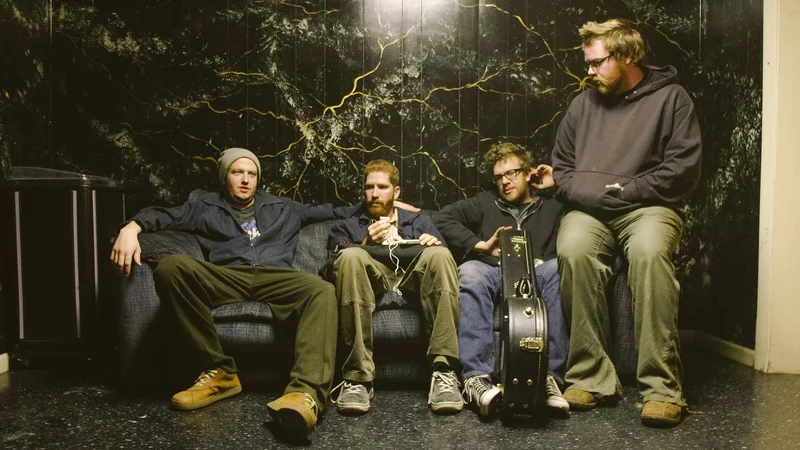
Vernon tasked his bandmates with singing leads instead of their customary harmonies. Westerlund brought in jazz tunes and experimental practices from Bennington. Brad Cook gave a crash course in 20th-century electronic composition. And Phil Cook led a deep dive into early, unamplified American music: Delta blues, spirituals, string and jug bands.

Filling the second two CDs of “That Was Then”, the concert mixes songs from their records with restrained versions of their discoveries at Bickett. It delivers an ideal version of “Silent Signs,” stretched and spectral like Sam Amidon, and the beautiful “Red Shoes,” which has the cloudy mixture of doubt and regret that marks Vernon’s best songs, and the darkly spun charmer “Song for a Lover (of Long Ago),” where the enigmatic repetition of the word “ring” is both a matured take on the circular prosody of “Bones” and a holographic step toward Bon Iver.

Lost in the studio, DeYarmond Edison dissolved mid-session, leaving 1,000 copies of a reissued “Silent Signs” to rot in a barn in Durham. Vernon returned to Wisconsin to make “For Emma, Forever Ago”, and the others went on without him as Megafaun. “We were like three framers and a contractor,” as Phil Cook put it. “Then the contractor left. And then we just built a bunch of fucking houses.”

Still, the final DeYarmond Edison recordings, collected on the “Epoch, Etc”. disc, were some of their best, with new versions that balanced graceful song writing and experimental taste. ard of local gospel music, Westerlund a well-circulated drummer and solo artist.
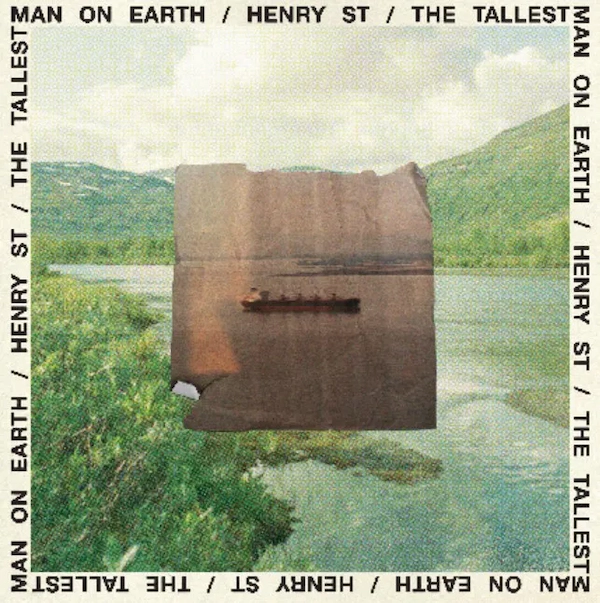
Kristian Matsson has never remained in one place for very long. Having spent much of the last decade touring around the world as The Tallest Man on Earth, Matsson has captivated audiences using, as The New York Times describes, every inch of his long guitar cord to roam the stage: darting around, crouching, stretching, hip-twitching, perching briefly and jittering away. Mr. Matsson is a guitar-slinger rooted in folk, and his songs are troubadour ballads at heart.

Now, Matsson returns as The Tallest Man on Earth with “Henry St.”, his sixth studio album following 2012’s “There’s No Leaving Now“, full of vivid imagery, clever turns-of-phrase, and devastating, world-weary observations and 2015’s “Dark Bird Is A Home”, his most personal record surreal and dreamlike (Pitchfork). “Henry St”. notably marks the first time he recorded an album in a band setting. My entire career Ive been a DIY person mostly fuelled by the feeling that I didn’t know what I was doing, so Id just do everything myself. But now, longing for the energy that’s only released when creating together with others, Matsson invited his friends to come and play. Nick Sanborn (of Sylvan Esso) produced “Henry St“., which includes contributions from Ryan Gustafson (of The Dead Tongues) on guitar, lap steel and ukulele, TJ Maiani on drums, CJ Camerieri (of Bon Iver) on trumpet and French horn, Phil Cook on piano and organ, Rob Moose (of Bon Iver, yMusic) on strings and Adam Schatz on saxophone.

Fruit Bats is an American indie rock band that was founded in 1997 in Chicago, Illinois. Originally starting as a four-track recording project by songwriter Eric D. Johnson, the band has evolved into a touring act with a constantly changing line-up. With their unique blend of indie folk and rock, Fruit Bats have become a staple in the music scene.

Since their inception, Fruit Bats have captivated audiences with their heartfelt lyrics and infectious melodies. Their music resonates with listeners, offering a refreshing take on indie rock. With each album release, they continue to push boundaries and explore new sonic territories.

Eric D. Johnson rarely lingers at one location too long. As a kid growing up in the Midwest, Johnson’s family moved around a lot, but it wasn’t until he became a touring musician years later that motion became a central part of his identity. That transient lifestyle stoked an enduring reverence for the world he watched pass by through a van window. A sense of place is a unifying theme he’s revisited with Fruit Bats throughout its many lives. From the project’s origins in the late ’90s as a vehicle for Johnson’s lo-fi tinkering to the more sonically ambitious work of recent years, Fruit Bats has often showcased love songs where people and locations meld into one. It’s a loose song structure that navigates what he calls “the geography of the heart.” “The songs exist in a world that you can sort of travel from one to another,” says Johnson. “There are roads and rivers between these songs.”

Those pathways extend straight through the newest Fruit Bats album, aptly titled “A River Running to Your Heart”. Self-produced by Johnson—a first for Fruit Bats—with Jeremy Harris at Panoramic House just north of San Francisco, it’s Fruit Bats’ tenth full-length release and one that finds the project in the middle of a creative resurgence. After two decades of making music, hard-earned emotional maturity has seeped into Johnson’s songs, resulting in a more complex sound that’s connected with audiences like no other previous version of Fruit Bats. “A River Running to Your Heart” represents the fullest realisation of that creative vision to date. It’s a sonically diverse effort that largely explores the importance of what it means to be home, both physically and spiritually. And while that might seem like a peculiar focus for an artist who’s constantly in motion, for Fruit Bats, home can take many forms—from the obvious to the obscure.

Lead single “Rushin’ River Valley” is a self-propelled love song written about Johnson’s wife that clings to the borrowed imagery of the place where she grew up in northern California. Then, there’s the gentle and unfussy acoustic ballad “We Used to Live Here,” which looks back to a time of youthful promise and cheap rent. But the wistful “It All Comes Back” is perhaps the most stunning and surprising track on the album, Johnson’s production skills on full display. Built upon intricate layers of synths, keyboards, and guitars, it’s a pitch-perfect blend of tone and lyricism that taps into our shared apprehensions and hopes for a post-pandemic life. “We lost some time / But we can make it back / 4 Let’s take it easy on ourselves, okay?” sings a world-weary but ultimately reassuring Johnson in the song’s opening lines. It’s the kind of performance that makes you hope Fruit Bats stays in this one place, at least for a little while longer…

Whether you’re a long-time fan or new to their sound, exploring the discography of Fruit Bats is sure to be an enriching experience. Don’t miss out on the opportunity to discover this incredible indie folk-rock act that has made waves in the industry for over two decades.

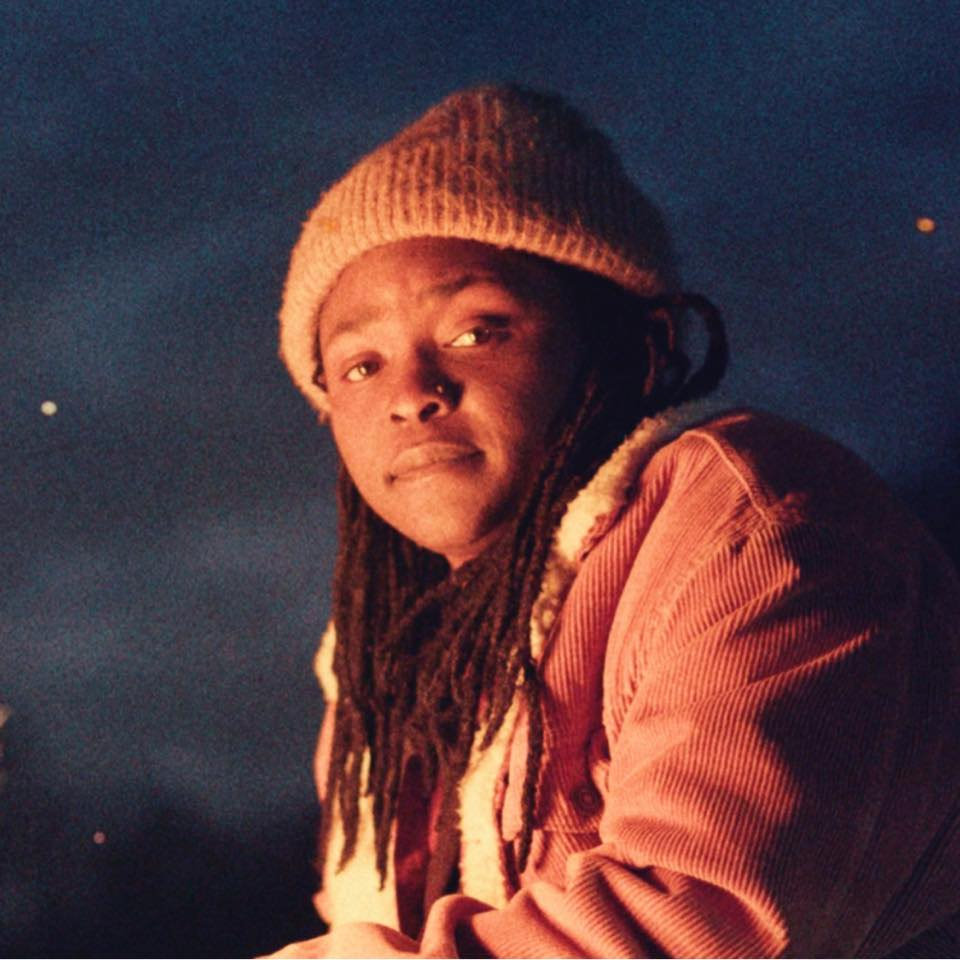
“Proof of Life” is the fourth studio album and second major label album by American singer-songwriter Joy Oladokun. It was released by Amigo Records, Verve Forecast Records, and Republic Records. The album has been supported by five singles released throughout 2022 and 2023. The album features guest appearances from Mt. Joy, Manchester Orchestra, Chris Stapleton, Maxo Kream, and Noah Kahan.

In a press release about the album, Oladokun said that she intended for the songs on “Proof of Life” to be “helpful anthems” and to resonate with “anybody who feels normal and needs a little musical boost to get through the day”

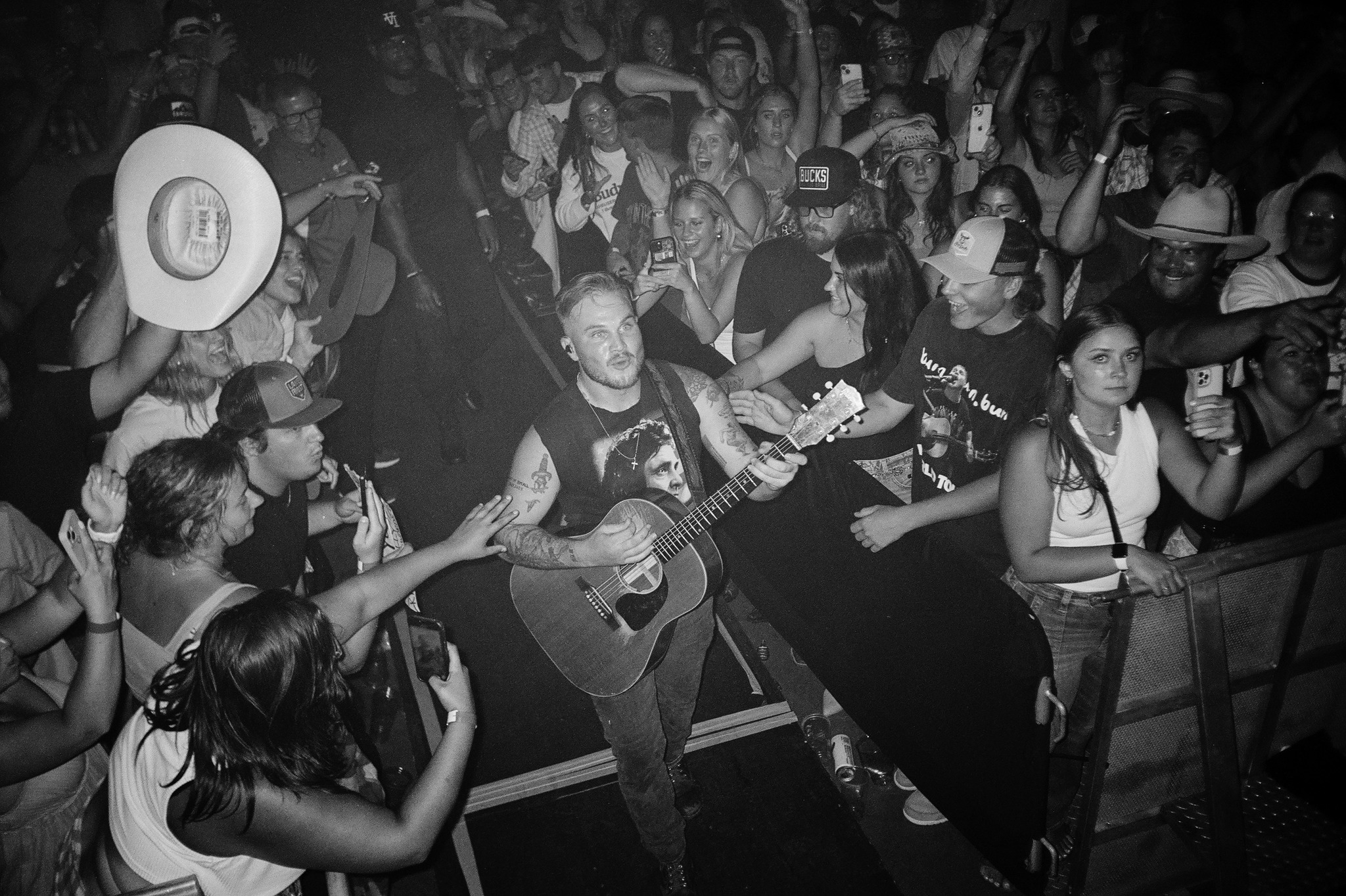
In music, very few people can really be loners. Crew, champions, influences, fans, peers: These connections lift strivers beyond their own bedroom dreams and create the context in which music becomes audible. Zach Bryan has risen rapidly in the roots/country/Americana realm, in part, by presenting himself as a relatively solitary self-made man: Standing alone in front of increasingly huge crowds, he sings his raw, red-dirt ballads in a voice that feels unfiltered. But his exercises in immediacy still reflect the work of others — including the powerful cohort of women singer-songwriters who’ve been refreshing the form using his favorite strategies: immediacy, vulnerability and maverick attitude.

That’s why it’s great to hear Bryan duet with Maggie Rogers, one of those daring women, on his new single “Dawns.” The addition of a woman’s voice allows the duo to play with perspective and, in doing so, refresh the template of Bryan’s laments. Again he stands on an ex’s front porch, somewhat angrily begging that she return his stuff and his dignity; that scenario expands to include a memory of a mother to whom he can’t run because “I lost her last July in a heart attack.” So far, affecting but standard masculine heartbreak. Bryan’s vocal, particularly rough-edged, amplifies the story’s howling pain.

But then Rogers enters the picture. Her verse flips the song’s angle and cleverly changes the meaning of its hook. In her words about missing “going out to bars, shooting stars and not worrying about what’s left of us,” Rogers reveals that one person’s ideal romance can be another’s cage. When he sings, “Give me my dawns back,” he’s longing for intimacy, but in her mouth the phrase signals the confinement she felt in those close quarters. There’s no reconciliation as the song ends, but their voices intertwine in the end — two loners not forgetting that the one they once turned to will always remain in the rear view.

SUN JUNE – ” John Prine “

Posted: December 31, 2023 in MUSIC

Indie band Sun June toe the line between nostalgia and reliance in their new single “John Prine.” Released in September, the reflective ballad relays an uncertain beauty described through band member Laura Colwell’s sweeping vocals. 

“‘John Prine’ is about appreciating something for the first time after it’s already over and struggling to let it go,” the band shares in a statement. “It’s also a shout-out to my father, who loves to say, ‘I’m not asleep, I’m just resting my eyes.’ The song was recorded in North Carolina by Alli Rogers and features Justin Morris (Sluice, Fust) on pedal steel. When Dan Duszynski mixed it, he morphed the pedal steel into something more haunting and more ghostly (and more sleepy). 

“We wanted the video to capture the feeling of coming down after a long night or a short visit with someone you miss, the kind of daze that’s a mix of longing and appreciation,” they add.

“John Prine” is one of two new singles from the Texas-based group’s record, “Bad Dream Jaguar”, released in October. The Texas band release another mysterious and engaging preview of their third studio album.

“John Prine” by Sun June, from the album ‘Bad Dream Jaguar’ out October 20th, 2023 via Run For Cover Records

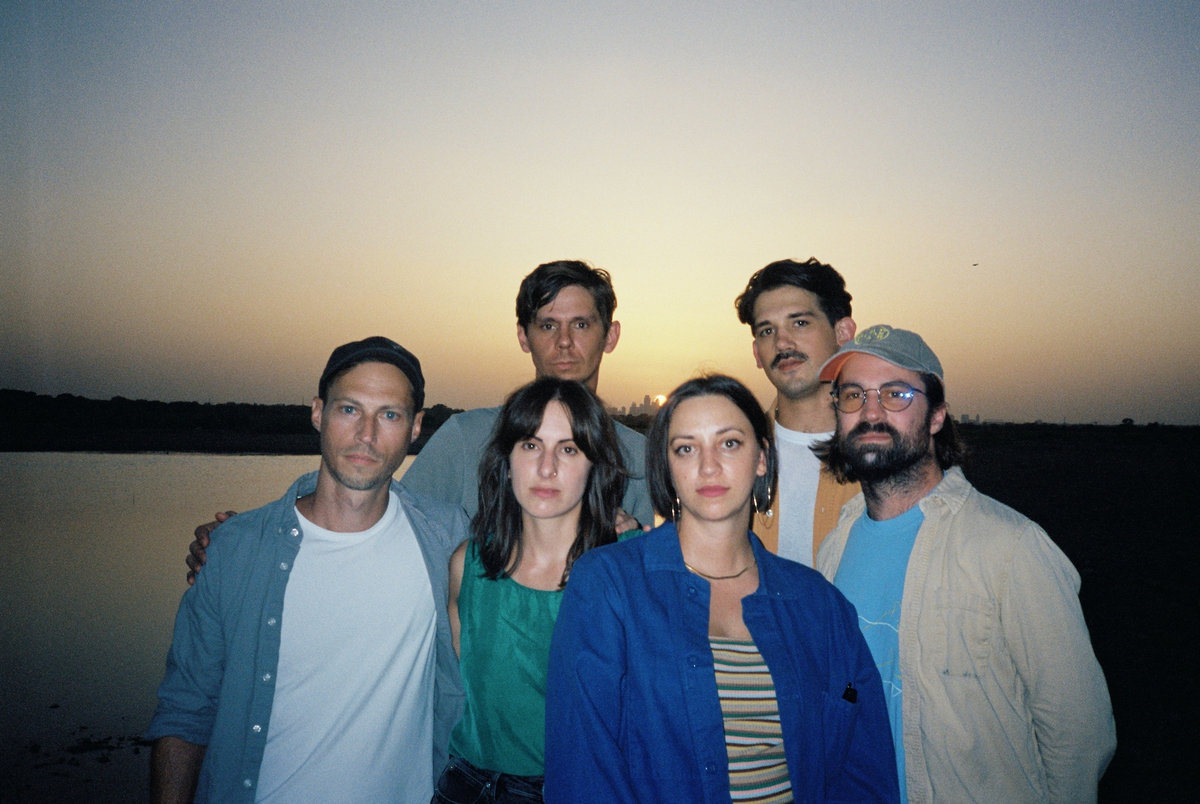
Indie sensations Adult Leisure, based in Bristol, unveil their eagerly awaited second EP titled “Present State of Joy and Grief”. Adult Leisure’s second studio EP, underwent a transformative journey under the expert hands of Ollie Searle at Humm Studios, with the finishing touch of masterful mastering by Grant Berry (known for his work with Boston Manor, Deaf Havana, and Lottery Winners). The four-track EP delves into the intricate realms of unhealthy relationships, heartbreak, loss, change, and self-reflection, showcasing Adult Leisure’s musical prowess and lyrical depth.

There’s something infectious about this band. With two EPs under their belt, “The Weekend Ritual” (2022) and “Present State of Joy and Grief” (2023), I feel that 2024 could possibly bring an album from the band. The foursome know how to craft hooky and catchy songs that are not only bangers but also booty moving. Plus their myriad of social activities feel as if they’re keeping the foot on the pedal from the moment of “Present State of Joy and Grief’s” release.

The band, consisting of Neil Scott (vocals), David Woolford (guitar, vocals), James Laing (bass), and Nathan Searle (drums), 

CHAPTERHOUSE – ” Mesmerise ” EP

Posted: December 31, 2023 in MUSIC

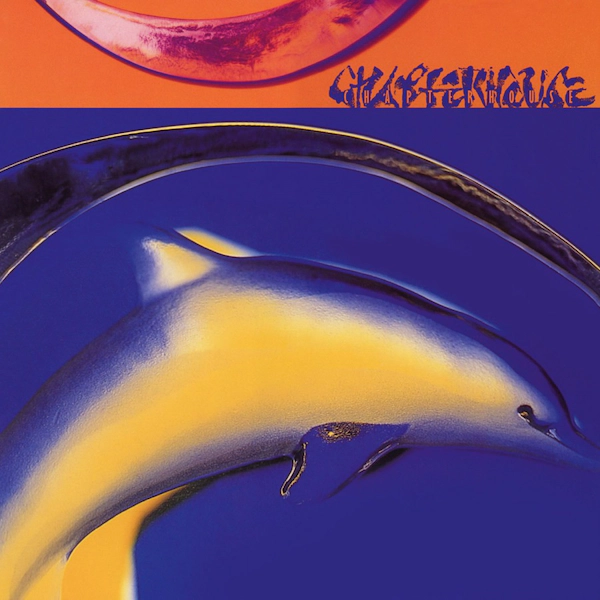
Formed in Reading in 1987, Chapterhouse took the unusual step of rehearsing and gigging for well over a year before recording even a demotape. Initially, the band got lumped in with the British acid rock scene of the time, a mistake hardly rectified by the band’s early performances supporting the rather laidback Spacemen 3. Chapterhouse eventually escaped from one genre only to find themselves amongst the infamous shoegaze groups of 1991 such as Lush, Moose and Slowdive.

In 1991, English shoegaze band Chapterhouse released the single “Mesmerise”, which was a non-album single. The track was cited by Robert Smith of The Cure as an influence on their 1992 album “Wish”. “Mesmerise” was released on the same-titled EP which came out simultaneously with the single and contained three more non-album tracks, “Precious One”, “Summer Chill” and “Then We’ll Rise”. Another ignored awesome track from these guys…. This version & the 12″ mix were both ace. Don’t get why this wasn’t a hit for them.

Tracklist : 1 Mesmerise, 2 Precious One, 3 Summer Chill, 4 Then We’ll Rise

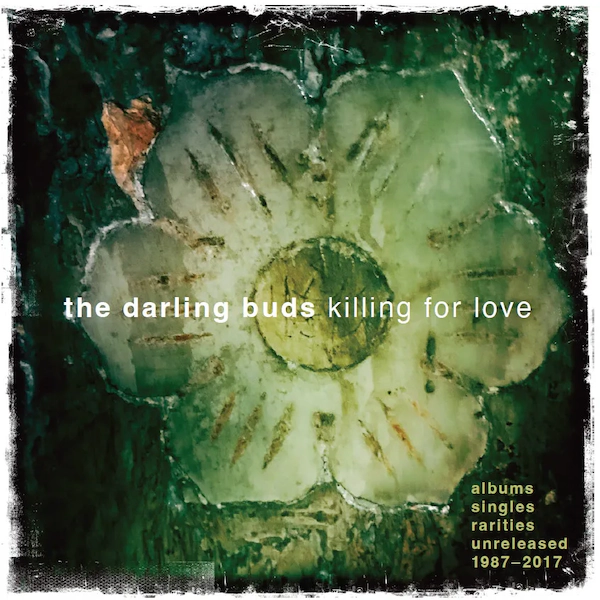
The Darling Buds debuted a year too late for C86 Formed in Caerleon, Wales, in 1986, The Darling Buds quickly found an enthusiastic hometown audience. Taking their cues from the C86 scene, The Beatles, ‘60s pop and the post-punk DIY scene, and released their last album just before the U.K. press threw down the Britpop gauntlet. In a way, the Welsh band helped build all but the joints connecting NME’s pivotal cassette compilation to the Union Jack-waving movement that took hold in opposition to stateside grunge. They were grouped instead with a few peers by a journalistic neologism so frivolous — based on the hair color shared by singer/songwriter Andrea Lewis and her fellow frontwomen — that it isn’t mentioned in the sleeve notes of “Killing for Love”.

As demonstrated by this five-disc box, the Darling Buds were simply among the sharpest guitar-pop bands of their time. From 1987 through 1992, they put forward a clutch of singles and three albums brimming with a wide variety of sweet and sour love songs performed with ebullience to spare and a bit of attitude. Contrary to their name and melodic sensibility, they weren’t lightweight. The guitars were sometimes as dirty and cutting as those of the Jesus and Mary Chain and many Seattle bands, and Lewis’ voice rang through them as clear as a bell. Moreover, Lewis could issue a stern ultimatum and was bold enough to sing poetically about onanistic pleasure on an album titled “Erotica”, released weeks before Madonna’s like-named LP.

“Killing for Love” is a comprehensive and neatly organized anthology. Its first disc is based around the Darling Buds’ self-released first 7″ and two subsequent singles for the Native label. This indie phase was highlighted by early support from BBC DJ John Peel, for whom the band would record three sessions (unfortunately not included) before and after “Shame on You” landed on his Festive Fifty for 1988.

The second, third, and fourth discs respectively present “Pop Said…, Crawdaddy“, and “Erotica“, the band’s Sony-distributed LPs, as expanded editions filled out with B-sides and alternate versions. Scattered across those three discs are seven charting U.K. singles including the super-charged Top 40 entry “Hit the Ground,” followed by identity-retaining crossover dance singles “Tiny Machine” and “Crystal Clear,” and the driving “Sure Thing.”

Most of the previously unreleased material that comprises the fifth disc (and part of the first) is intriguing. It goes all the way back to an early three-song demo recorded by Mekons Jon Langford and Robert Worby to post-“Erotica” demos produced by the E Street Band’s Roy Bittan. Finishing off the final disc is the whole of “Evergreen”, an inspired 2017 EP with Lewis backed by new Buds.

Packed with previously unheard recordings and photographs from the band’s own private archive; and accompanied by an insightful scene setting essay from Lewis Wilson, “Killing For Love” brings together thirty years of friendship and song writing.

On their debut and only album with band founder Nick Heyward, “Pelican West“, the group display all the skittery beats, deep-voiced crooning, plus pop smarts while adding more funk and saxophone. That Haircut One Hundred scored a bigger hit than Orange Juice the band they so clearly idolized but it’s clear from even one listen through “Pelican West” that Haircut One Hundred were more than just mere copycats. “Love Plus One” is that aforementioned megahit, and it deserved to be a timeless classic. Nick Heyward knew how to write pop hooks, and the band fills them in with brilliant subtlety.

There are siblings to that song scattered across the record: “Favourite Shirts (Boy Meets Girl),” “Marine Boy,” and the ecstatic “Fantastic Day” all have wonderfully snappy melodies and huge choruses; “Milk Film,” “Surprise Me Again,” and “Snow Girl” have a refined pop sound that skews a little less gleeful and a little more melancholy, but the bulk of the album is first-rate ’80s sophisti-pop. Though very much of their time. “Love’s Got Me in Triangles” and “Calling Captain Autumn” are both quite British, with a sort of awkward kind of funk that’s almost quaint in its un-funkiness. Heyward’s attempts at rapping on the latter achieve beat poet-meets-Captain Sensible levels of uncoolness that circle back around to coolness in the end somehow.

The entire record is a little like that. From their corny outfits to their lighter-than-air sound, Haircut One Hundred were never going to be dangerous or sexy. The best they could hope for was escapist but never mindless fun, and on “Pelican West”, they bury their arrows dead centre in the middle of that target. [Edsel’s 2023 reissue of the album does the 2016 release on Cherry Pop one or two better. It replicates the first two discs of that set, adding the same four bonus tracks on the first disc — single B-sides and the post-album release “Nobody’s Fool,” which pointed to a guitar-heavy, sax-solo-free future the group never saw — and a second disc made up of 12″ versions of album tracks, extended versions, and a live recording of “Fantastic Day.” What makes this reissue special is the full live set from 1982, where a clearly on-their-game band joyfully romp through their songbook, even doing “Love Plus One” twice.

The real find here, though, is the first official release of the songs that band recorded for their second album but never finished because Heyward left; some are unfinished instrumentals, some are fully mixed and ready to go. The former tracks point to what could have been a great record, as songs like “I Believe in Sundays,” “Sunny Boy, Sunny Girl,” and especially “Whistle Down the Wind” are leaps and bounds ahead — melodically and emotionally — from the songs on “Pelican West”. The instrumentals show the same amount of playful energy and, with the addition of vocals, could have wonderful. it’s a shame this version of the band imploded before they could deliver that second album, and good that their efforts to that end have finally seen the light of day. Their presence makes an already fine reissue close to perfect.

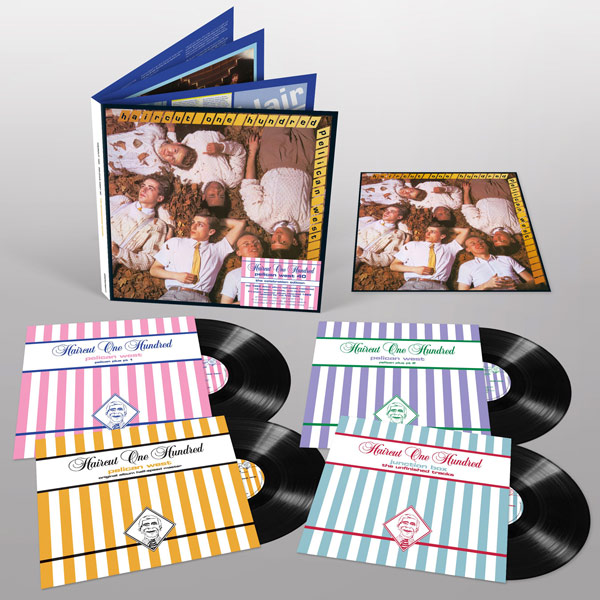
Haircut One Hundred’s 1982 album “Pelican West” will be reissued in February next year as multi-disc vinyl and CD box sets. The album featured three top ten UK singles in ‘Favourite Shirts (Boy Meets Girl)’, ‘Love Plus One’ and ‘Fantastic Day’ and reached #2 in the UK album charts  “Pelican West” would be the band’s only album with frontman Nick Heyward. He left in early 1983 and the band released one further LP without him (1984’s “Paint and Paint“), without success.

The album has been remastered and expanded for a 40th anniversary reissue and 4CD and 4LP vinyl box sets will be available, initially with prints signed by all members of the band (750 copies worldwide).

The large format 4CD set offers the remastered album, a disc of 12-inch mixes and B-sides, the demos for their unfinished second album with Heyward (which was given the provisional title “Blue Hat For A Blue Day“) and a live set from Hammersmith Odeon from the spring of 1982. 24 of these 54 tracks are previously unreleased, including early versions of later Nick Heyward solo hits ‘Whistle Down The Wind’, ‘Blue Hat For A Blue Day’ and ‘Sunny Boy, Sunny Girl’.

The 4LP vinyl box offers the same content across four records minus the Hammersmith Odeon show. This 38-track offering features the album half-speed mastered (this is also available separately). This is newly mastered by Phil Kinrade and cut by Barry Grint at AIR Mastering. Like the 4CD box set the 4LP vinyl package is also available with a signed print (750 copies worldwide).

The 4CD set features a 44-page booklet with a new 10,000-word sleeve note featuring an oral history of the time with all six members interviewed by the set’s curator, Daryl Easlea. The booklet also
includes memorabilia and exclusive photographs from the personal collection of Haircut guitarist Graham
Jones and bassist Les Nemes. The vinyl set also offers the notes.

“Pelican West” will be reissued on 24 February 2023 via Demon Music. The signed editions are currently only available via the official Haircut One Hundred shop.

To celebrate the 40th anniversary, Nick Heyward, Les Nemes, Graham Jones & Blair Cunningham will be performing a very special one-off show at London’s O2 Shepherds Bush Empire on 12 May 2023.