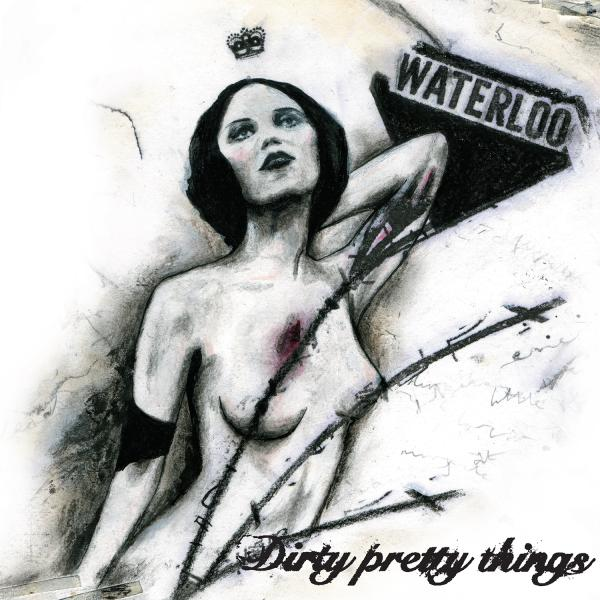
What do you do after being in the Libertines, one of the most notorious British bands of the early 21st Century? For Carl Barât, you form Dirty Pretty Things, something of an indie supergroup of their moment. Joining Barât was Libertines drummer Gary Powell, guitarist Anthony Rossomando, who’d stood in for Doherty, and former Cooper Temple Clause bassist, Didz Hammond.
Originally Released in 2006 after the messy disintegration of The Libertines, “Waterloo To Anywhere” was Carl Barât’s first solo statement.
Featuring the UK Top Five hit ‘Bang Bang You’re Dead’ and further singles ‘Deadwood’ and ‘Wondering’, it made no.3 in the albums chart and went gold.
Leading “Waterloo To Anywhere” was the infectious UK Top 5 hit “Bang Bang You’re Dead” (better known in recent years as live favourite for The Mighty Olafs), which set the tone for the fabulous collection of rock, punk and ska. Recorded in Los Angeles with producer Dave Sardy and then later in Glasgow with Tony Doogan, the album showed the strength of the group’s writing. Away from the standard high-octane indie of “Gin & Milk” and “You F*cking Love It”, “The Gentry Cove” was particularly captivating, marrying Barât’s fascinating wordplay with robust Clash reggae/sea shanty interludes.
Two years later, it was all over; Barât and Powell re-joined the Libertines (and Rossomando later going on to win an Oscar for co-writing “Shallow” from the film A Star Is Born).
“Waterloo To Anywhere” was the debut album from the short-lived, briefly adored Dirty Pretty Things – Originally released on Vertigo Records in May 2006, the album reached No 3 in the UK charts and spawned three Top 40 singles.
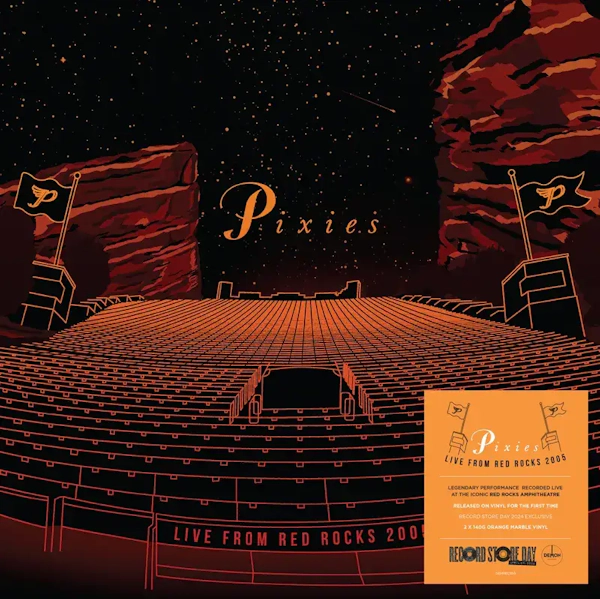
This recording features the Pixies in their fullest form with the original line-up present and correct (David Lovering on drums, Joey Santiago on guitar, bassist Kim Deal, and Charles Michael Kittridge, Frank “Black Francis” Thompson IV). This has never previously been available on vinyl and it’s now pressed on orange/red splatter 140g vinyl.
Just as they shed yet another bassist it’s time to remember Pixies as they were on their first comeback tour. 2005 was the year and we were still basking in the glory of their comeback single ‘Bam Thwok’. Kim Deal seemed happy, Charles Michael Kittridge “Frank Black Francis” Thompson IV seemed happy as presumably were the other two guys. It would all eventually go horribly wrong but not before they performed this twenty seven song extravaganza recorded live at Red Rocks in Denver
Demon Records are proud to present Pixies“Live from Red Rock Amphitheatre”. Recorded in 2005 at the legendary venue in Denver, an iconic venue where a number of legendary live recordings have taken place over the years from likes of U2, The Beatles, Jimi Hendrix, Depeche Mode, The Grateful Dead and Neil Young.
This recording features the Pixies in their fullest form with the original line-up present and correct (David Lovering on drums, Joey Santiago on guitar, bassist Kim Deal, and Charles Michael Kittridge “Frank Black Francis” Thompson IV). The epic 27-song set features all of the Pixies classic material including “Here Comes Your Man”, “Where Is My Mind?”, “Hey and Debaser”. This recording has never previously been available on vinyl and it’s now pressed on orange/red splatter 140g vinyl.
The fifth studio album from English singer-songwriter Lucy Rose, arriving nearly five years on from her last outing “No Words Left” back in 2019 and which includes the 2023 single ‘Could You Help Me’. Although written primarily on the piano, “This Ain’t The Way You Go Out” fits very neatly into Rose’s existing oeuvre, a jazz-pop fusion like its predecessor that tackles themes from new parenthood to gaslighting.
I was genuinely been blown away by the response to “Could You Help Me” – thanks for all the lovely comments and hello to the new people who have found their way here via the song. I’ve had some messages asking for the track stems to create your own remixes with, so if that’s something you’re interested in then head to the link here http://eepurl.com/iE0fDE and you’ll be able to grab the vocal and piano stems from the song. I’d love to hear anything you create so tag me in if you post them!
My fifth album ‘This Ain’t The Way You Go Out’ is out now. So much has happened since my last album, life is one hell of a ride, even though so much of this album is spawn from a really difficult time, when I think about the songs and the music, it fills me up with so much joy. Hope you enjoy it as much as I enjoyed making it. Lucy x
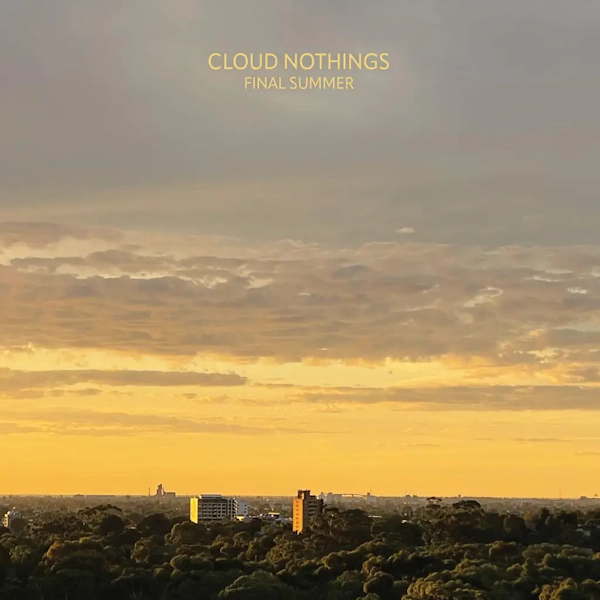
Cloud Nothings, a home-based solo project for its founder Dylan Baldi turned full-time working band, have become one of America’s most consistent and underrated outfits of the last couple of decades. “Final Summer“, released via the band’s new label Pure Noise Records, is their eighth album and finds Baldi and co. in reliably loud and compelling form, featuring the singles ‘Final Summer’ and ‘Running Through The Campus’.
Cloud Nothings Cleveland’s loudest export with their new album, “Final Summer” viaPure Noise Records. Over the past 15 years Cloud Nothings have become part of the fabric of modern indie rock with a steady run of reliably fantastic records, and this streak continues unabated with“Final Summer” – an album that’s so assured, so instantly satisfying, that it forces you to pause and realize you’re listening to one of the great American rock bands in their prime.
During the COVID-19 global pandemic, Cloud Nothings went back to basics in ways that brought out the best in their music. Since shows were off the table and their recording sessions were constrained by social distancing and file sharing, 2020’s “The Black Hole Understands” and 2021’s “The Shadow I Remember” concentrated on the thoughtful lyrics and hooky tunes at the heart of the band’s music, and quickly became standouts within their body of work. Even though Cloud Nothings were able to tour the world several times and return to the studio as usual in the years between those albums and “Final Summer”, their approach is similar. Packing these concise songs with surging emotions and melodies is still their first priority, and they still excel at it: The regret Dylan Baldi conjures when he sings “I was on the edge of another life” over a half-swaggering, half-staggering rhythm on “Daggers of Light” feels bottomless.
While “Final Summer” has its fair share of eloquent heartache, Baldi and company spend more time seeking out peace and contentment in a world that isn’t inclined to either of those things. In their hands, self-care is punk rock, whether it’s achieved by ending toxic relationships on the revved-up “Thank Me for Playing,” going for a head-clearing jog on “Running Through Campus,” or becoming shatterproof on the gloriously crunchy anthem-in-the-making “I’d Get Along.” Cloud Nothings bolster this resilient mood with “Final Summer’s” sound, which is both heavier and smoother than their pandemic-era output. Propelled by analogue synths and a turbocharged Motorik equally at home on the Autobahn and in the pit, the album’s title track turns Baldi’s simple statement of purpose (“I need to be happy with what I’ve got for me”) into a manifesto with cinematic flair.
The band may have recorded the album as a trio (with former guitarist Chris Brown taking over the low end for departed bassist TJ Duke), but you’d never guess they’re down a member based on the ’80s and ’90s college rock-worshiping din of “Mouse Policy” or the radiant ruckus they kick up on “Common Mistake” and “The Golden Halo.” Final Summer” is another strong album from a remarkably consistent band, but it’s the wisdom, maturity, and joy Cloud Nothings bring to it makes it an especially satisfying listen.
After forming in 2016, Pillow Queens released a series of singles, honing their craft and working towards their first album, “In Waiting” (2020). Along the way there has been acclaim from UK and American press, many sold-out gigs and an appearance on James Corden’s Late Late Show. After signing with Canada’s Royal Mountain Records, they released a follow-up album, “Leave the Light On” in 2022, touring the UK, US and Europe extensively, including shows at Austin’s SXSW and supporting Phoebe Bridgers in Glasgow.
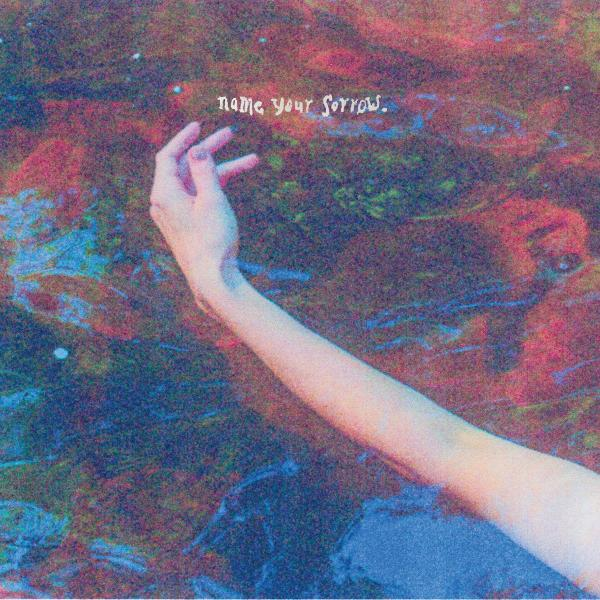
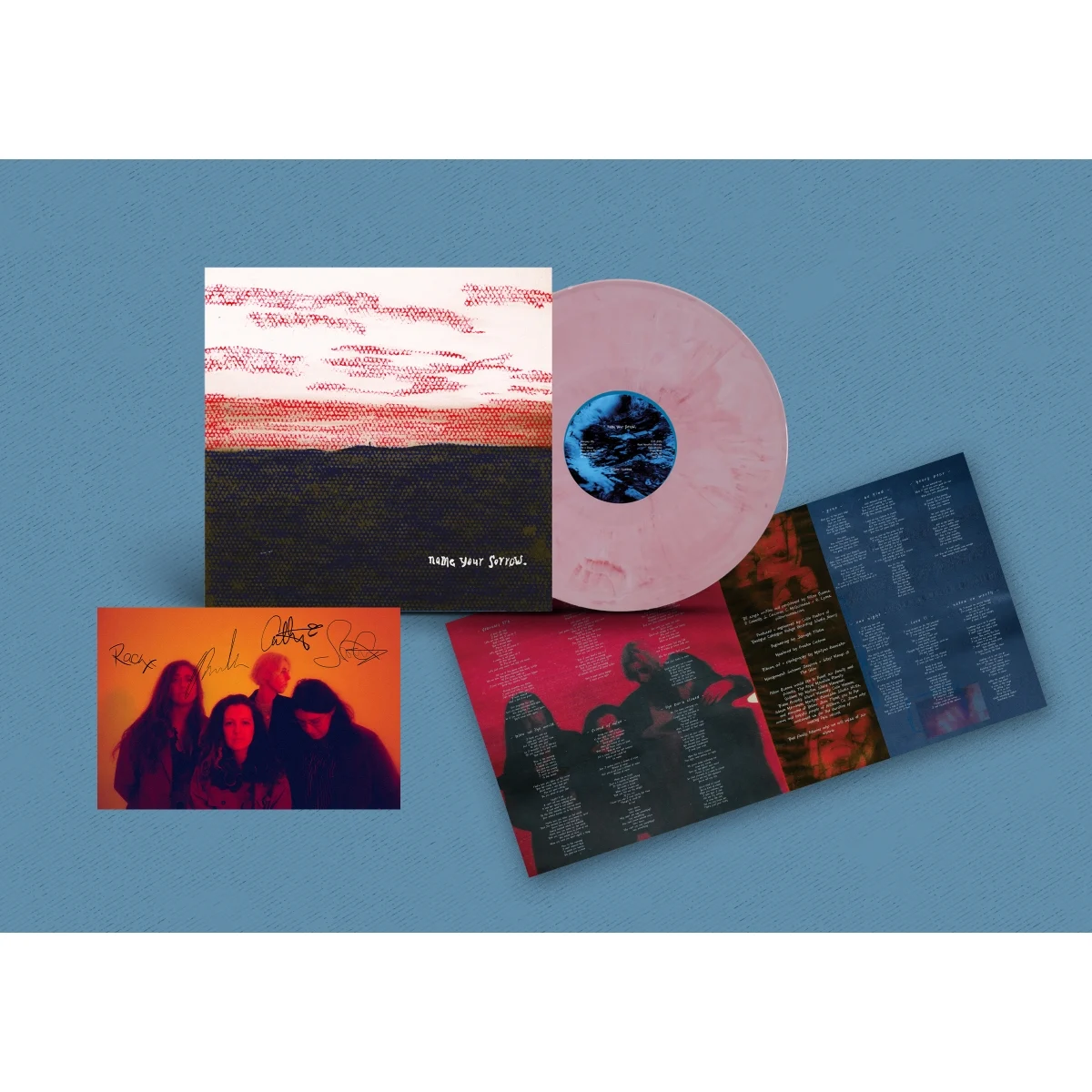
A third album in under four years from Dublin-based indie rock sensations Pillow Queens. Holing up in Northern Ireland to write, the quartet engaged in a bit of instrument swapping to aid creativity, and the band’s established strategy of quiet/loud Pixies-influenced alt-rock combined with heartfelt lyrics is perfected on “Name Your Sorrow”.
With their new album “Name Your Sorrow” they stuck to a strict schedule. They showed up every day from 9-5, in a windowless Dublin room to just play, swap instruments and experiment. From there, they decamped to a rural retreat in County Clare along the Atlantic coastline of Ireland, to immerse themselves further. “ The palpable shift in sound and tone is possibly the result of working with a new producer, Collin Pastore from Nashville, who has produced boygenius, Lucy Dacus and Illuminati Hotties. The band holed up for three weeks at Analogue Catalogue studio in Newry, and quickly noticed that the change of scene and personnel impacted on the record.
The result of combining new experimentation, heartfelt lyrics and a sound that pinballs from quiet and loud offers a kind of catharsis. Of picking through the shrapnel to find slivers of hope. Previously, the band have road-tested new tracks live, playing them to an audience and reworking them based on the crowd’s reaction. They haven’t done that this time, because the songs already feel fully formed. The band also had to unlearn the process of questioning whether a song sounded like “a Pillow Queens song”. There are definite links to the last two albums, but “Name Your Sorrow” feels like a triumphant step in another direction.
‘Name Your Sorrow’ out now on Royal Mountain Records.
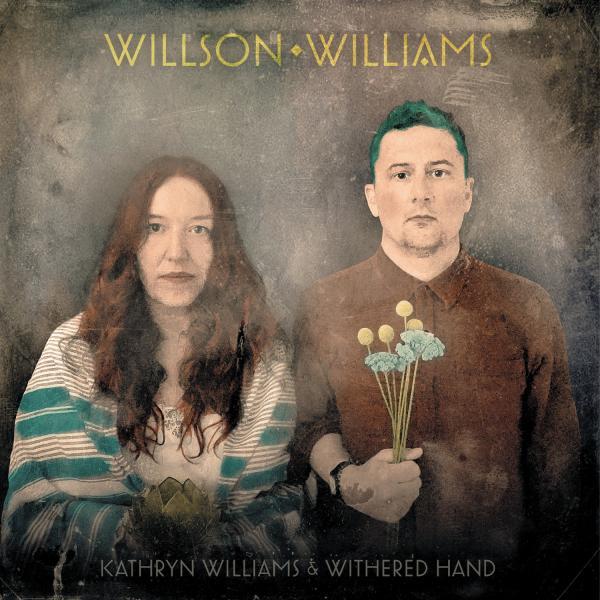
“Willson Williams” is a collaboration between two acclaimed British singer-songwriters, the former Mercury Prize nominee Kathryn Williams and Edinburgh-based indie rock artist Dan Willson (better known as Withered Hand). The two friends built a creative bridge through shared grief (Willson for Frightened Rabbit singer Scott Hutchison, Williams for her friend and comedian Jeremy Hardy) and they explore their emotions through sincere yet self-effacing song writing.
“Willson Williams” witnesses the meeting of two likeminded musicians who’ve built their successful, independent careers on inventive folk instrumentation, reflective and sincere lyricism, and not a small amount of self-deprecation. Their modest confessionals, written poetically and over nostalgic and atmospheric melodies, are as relatable as ever, and together they find new ways to unpack their feelings.
One overarching theme on the album is that of grief, when the writing process saw them both, tragically, in mourning for separate loved ones; Dan for his brother Karl and his friend Scott Hutchinson of Frightened Rabbit, and Kathryn for her friend, comedian and BBC Radio 4 presenter Jeremy Hardy. They explain that “the initial premise and starting point for us was discussions and open conversations on bereavement. We’d both recently lost friends who were also in the public eye, and we talked about the strange place between personal loss and the communal grieving of a public figure”.
Contrastingly, the music on “Willson Williams” is warm, heartfelt and even cheerful, an opposing nature that is completely in keeping with both their humour and candidness.
Prolific singer-songwriter Kathryn Williams and recently reinvigorated troubadour Dan Willson (aka Withered Hand) release a collaboration album,
In typical Neil Young fashion, virtually nothing was revealed about his 2024 U.S. tour before it kicked off Wednesday night at San Diego’s Cal Coast Credit Union Open Air Theatre, other than the fact he’d be backed by Crazy Horse, and that Micah Nelson would be taking over guitar duties from Nils Lofgren. Would he pull a “Greendale” and debut an entire rock opera nobody had ever heard? Would he focus the set around the three new studio albums he cut with Crazy Horse between 2019 and 2022? Might he repeat the concept of his 2023 solo tour by spotlighting obscure Eighties and Nineties album tracks and skipping most of his hits?
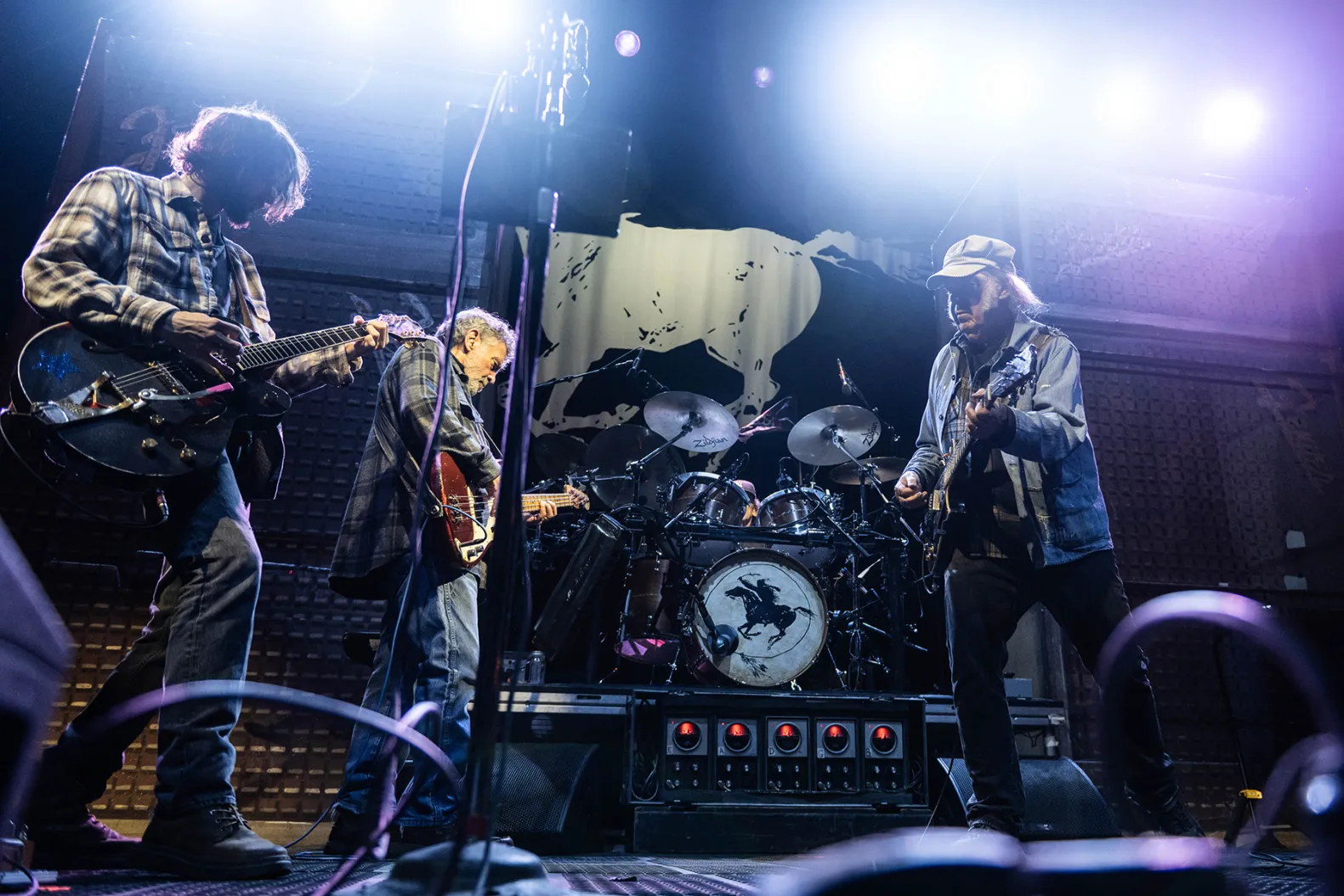
Anything felt possible when the curtain dropped after a high-energy opening set by Reverend Billy and the Stop Shopping Choir, revealing the iconic, oversized speaker cabinets and road cases from the 1978 Rust Never Sleeps tour. Young walked onto the stage alongside Nelson, drummer Ralph Molina, and bassist Billy Talbot, plugged in Old Black, and launched into an hypnotic “Cortez the Killer.”
They jammed for six minutes before Young sang the opening lines, igniting the crowd into a frenzy, but the big moment came near the end, when he began singing completely unfamiliar words. As he teased earlier this month, it was the legendary lost segment of the song that failed to record during the 1975 “Zuma” sessions because the console briefly lost power. Young recently found the lyric manuscript, and worked out where they originally fit in the song.
“I floated on the water,” Young sang. “I ate that ocean wave/Two weeks after the slaughter/I was living in a cave/They came too late to get me/But there’s no one here to set me free/From this rocky grave/To that snowed-out ocean wave.”
It was a remarkable moment to witness. After 49 years and over 540 live performances, the world finally got to hear the song as Young originally wrote it.
He followed it up with a powerful “Cinnamon Girl,” and a brief address to the audience. “We made a lot of records with a guy named David Briggs, a producer I knew from the first record on,” Young said. “He was truly great. When we play, we remember what it was like when we did it. This song here is one we did right after he went to the higher places.”
Young was talking about “Scattered (Let’s Think About Livin’),” from 1996’s “Broken Arrow”, which was the newest song they played all evening. The rest of the set was music recorded when Briggs was alive, largely between 1969 and 1979, beginning with “Don’t Cry No Tears.” He followed it up with a triple shot of “Everybody Knows This Is Nowhere”: “Down by the River,” “The Losing End,” and the title track. And it was a particularly mesmerizing “Down by the River” that stretched out for 16 blissful minutes.
This is a good moment to pause and reflect on Micah Nelson, Willie Nelson’s youngest son. He’s been playing with Young as an honorary member of Promise of the Real for the greater part of a decade, and he got the chance to perform with the Nils Lofgren version of Crazy Horse at three under-the-radar club shows late last year. But this was his first time playing as the sole additional guitarist beside Young on the stage, and it’s a fairly difficult task, since he had to replicate parts originated by Danny Whitten and Frank “Poncho” Sampedro. “I’m going to pay tribute and honour Danny and Poncho, and be true to the sound of Crazy Horse,” Nelson said in March. “I want to bring Poncho and Danny’s spirit into the space with us, through me, as much as I can.”
That’s exactly what he did all night long. He was given the opportunity because Lofgren has commitments to the E Street Band this year, but Young could not have found a better person for the job. Nelson even harmonized with Molina and Talbot on background vocals like this is something they’ve been doing for years. (Molina is 80 years old and basically looks and sounds like he did when he was 40. Teams of scientists need to study him and figure out how this is possible.)
After the “Everybody Knows This Is Nowhere” mini-set, the quartet (Crazy Horse 4.0?) kicked into one of the greatest renditions of “Powderfinger” I’ve ever heard, thanks to improvisational guitar work prior to each verse by Young and Nelson. What came next was a 16-minute “Love and Only Love,” the band walking offstage, and then Young strapping on an harmonica rack for solo acoustic renditions of “Comes a Time,” “Heart of Gold,” and “Human Highway” that had the entire amphitheater singing along.
The band returned to wrap up the night with “Don’t Be Denied,” an autobiographical tale that carries a lot more emotional weight when Young sings it at age 78 as opposed to 28, and a thrashed-out “Hey Hey, My My (Into the Black).”
Nobody walked into that amphitheater expecting a nostalgic night of Crazy Horse classics that completely neglected the 18 albums Young has released since the turn of the millennium. And nobody could possibly have expected him to perform at this level of intensity and passion at this point in his life. (We’ve already mentioned the miracle of his octogenarian rhythm section.)
He might duplicate this exact set when the tour continues the following night at the same venue. He might not repeat a single song. He may even perform a complete classic album, which is something he started doing late last year. The joy of seeing Neil Young is that you never have any idea what’s going to happen once the lights dim.
The show was the official debut of the new version of Crazy Horse with Micah Nelson on guitar, and a chance to revisit classics like “Down by the River,” “Powderfinger,” and “Cinnamon Girl”
Setlist: “Cortez the Killer”“Cinnamon Girl”“Scattered (Let’s Think About Livin’)”“Don’t Cry No Tears”“Down by the River”“The Losing End”“Everybody Knows This Is Nowhere”“Powderfinger”“Love and Only Love”“Comes a Time”“Heart of Gold”“Human Highway”“Don’t Be Denied”“Hey Hey, My My (Into the Black)”
John Grant began thinking about “The Art of The Lie” in the Autumn of 2022. Earlier that year, John had been introduced to Ivor Guest, producer and composer at Grace Jones’ Southbank show, the finale of her Meltdown Festival. They began talking about two records Guest had worked on, ‘Hurricane’ for Jones, ‘Prohibition’ for Brigitte Fontaine. “Grace and Brigitte are two very big artists for me,” says Grant. “I love the albums he did for them. ‘Hurricane’ is an indispensable piece of Grace’s catalogue.” An idea was sparked. “I said, I really think you should do this next record with me. He said, I think you’re right.”
A year and a half later, the result is John Grant’s most opulent, cinematic, luxurious album yet: “The Art ofThe Lie“. As the title suggests, the lyrical ingenuity counterweighted under all this considered musical largesse is as dark as its production is epic and bold. Ivor Guest and his cast-list of storied musicians have brought the drama, flecks of intrigue as beguiling as Laurie Anderson or The Art of Noise. John Grant has earthed it in deeply felt humanity and pitch-black realism. “The clothing that it’s dressed up in makes it more palatable,” he says. “It helps the bitter pill go down. Music and humour are how I’ve always dealt with the dark side of life. Come to think of it, it’s how I deal with the good side too.”
John Grant’s album “The Art Of The Lie” will be released 14th June 2024 via Bella Union
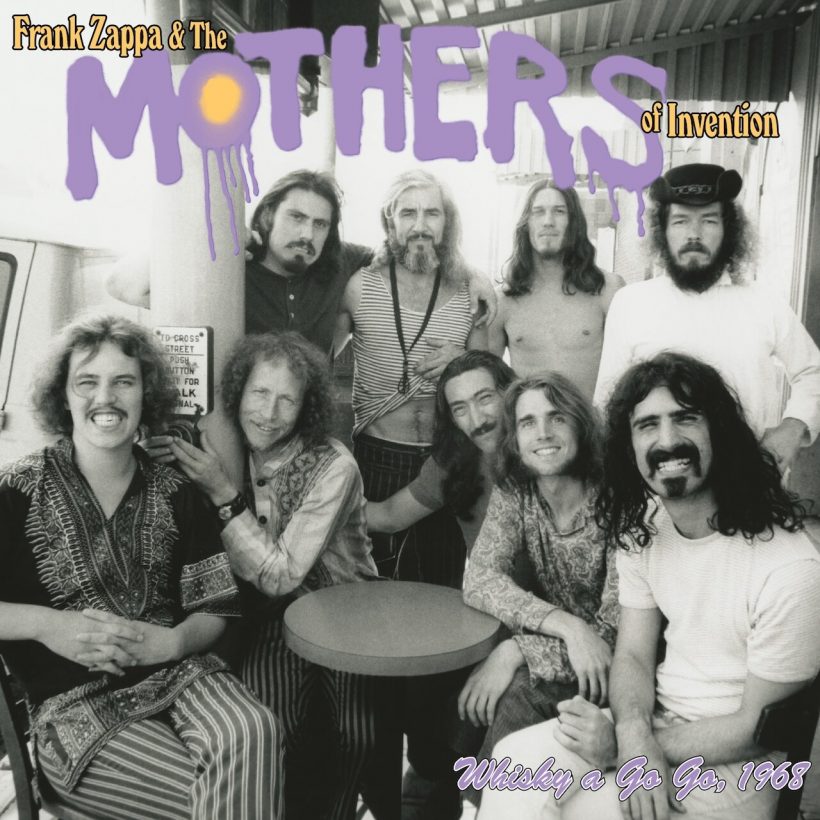
In 1968, an ad from Frank Zappa in the L.A. Free Press read: “The Mothers of Invention cordially invite you to join them on Tuesday, July 23rd, 1968 when they will be taking over the Whisky a Go Go for 5 full hours of unprecedented merriment, which will be secretly recorded for an upcoming record album. Dress optional. Starting sometime in the evening. R.S.V.D.T.” That album ultimately ended up remaining mostly unheard, until now. The live collection “Whisky a Go Go, 1968” is set to finally be released June 21st, 2024, via Zappa Records/UMe.
Ahead of the album’s release, fans can now listen to a previously unreleased version of “The Duke,” which at the time of the Whisky ’68 recording was a brand new composition. Zappa played the track twice that night, and both takes are included on the record.
Produced by Ahmet Zappa and Joe Travers, this extensive collection, 55-plus years in the making, compiles everything The Mothers of Invention played across their three sets that night. The album is complete and newly remixed in 2023 from hi-res 24-bit/96kHz digital transfers of the original 1” 8-track analogue tapes by Craig Parker Adams at Winslow CT Studios.
A Super Deluxe Edition box set will be released on both 5LP 180-gram black vinyl or 3CD, and feature a booklet with many unseen photos from the night’s events, along with copious liner notes by Vaultmeister Joe Travers, an essay by Pamela Des Barres of the Zappa-signed group The GTO’s who played that evening, and an interview by Ahmet Zappa with the legendary Alice Cooper, whose own band made a momentous splash at the Whisky that night as one of the featured acts.
The concert will be released on June 21st via Zappa Records/UMe.
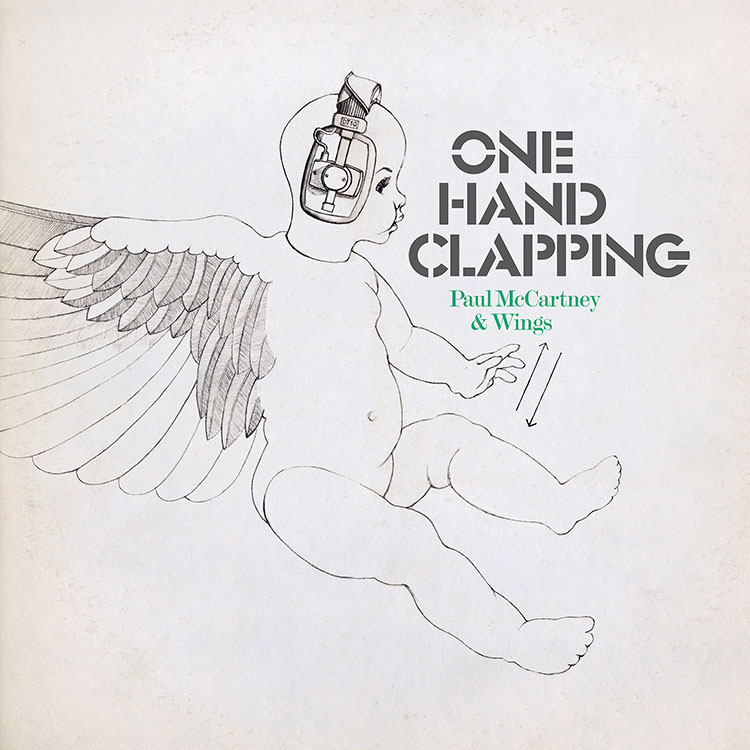
Paul McCartney loves a ‘project’ and in August 1974, while “Band on the Run” was enjoying a seven-week run at the top of the UK album charts, he and Wings headed to Abbey Road Studios for some filming and live-in-the-studio sessions, with a vague idea of turning it into something. A documentary film perhaps? Possibly a live studio album? Like some of Paul’s ideas it came to nothing, but these sessions did acquire a name: “One Hand Clapping”. So some 50 years after the event, they are being released for (almost) the first time, via three different audio formats.
David Litchfield had filmed and recorded (over four days) a new Wings line-up, which featured Paul, Linda, Denny Laine, guitarist Jimmy McCulloch and (short-lived) drummer Geoff Britton. Orchestral arranger Del Newman and saxophonist Howie Casey, were also present to contribute.
The sessions were a mixture of recent hits, such as ‘Live and Let Die’, ‘Band on the Run’, ‘Jet’, ‘Junior’s Farm’, ‘My Love’ and a bit of dipping back into the past for some Beatles classics ‘Let It Be’, ‘The Long and Winding Road’ and ‘Lady Madonna’. Denny Laine sings the Moody Blues’ ‘Go Now’ and Paul also revisits ‘Maybe I’m Amazed’ from 1970’s “McCartney”. There’s also some messing around as Paul tackles the Harry Akst/Benny Davis Tin Pan Alley classic ‘Baby Face’ and dabbles with ‘I’ll Give You A Ring’, a McCartney original that would not see the light of day until a re-recording appeared as the B-side to 1982 single ‘Take It Away’.
The reason this is almost the first release of this material is because tracks from it have surfaced, here and there, over the years. The “One Hand Clapping” performance of ‘Live and Let Die’ was issued over 20 years ago on the soundtrack to Andrew Fleming’s 2003 film The In-Laws. Also, when Paul started his Archive Collection series in 2010, with “Band on the Run”, “One Hand Clapping” was mined as a source of bonus material to help fill out the deluxe editions. For example, six performances were on the “Band on the Run” bonus CD (2010), one on the “McCartney” bonus CD (2011) and both DVDs with those packages included “One Hand Clapping” footage.
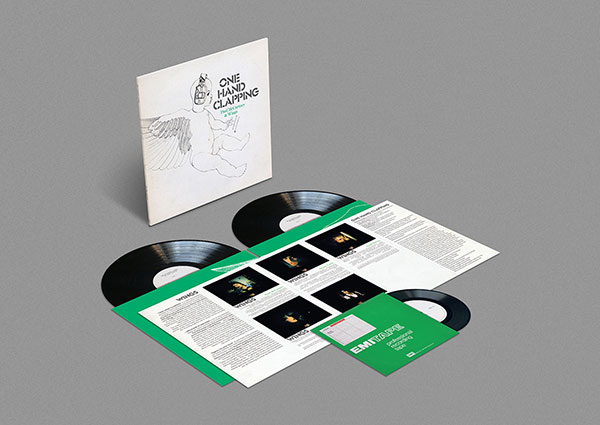
“One Hand Clapping” will be issued as a 2CD set and a 2LP vinylset, . A special 2LP+7″ version is only orderable via McCartney/Universal Music channels where the seven-inch single includes exclusive solo performances recorded on the final day of the sessions in the backyard of Abbey Road studios: These include the unreleased track ‘Blackpool’ (a version of which was lined up to be B-side to the cancelled 1983 single ‘The Man’), ‘Blackbird’ and cover versions of Eddie Cochran’s Twenty Flight Rock and Buddy Holly’s ‘Peggy Sue’ and ‘I’m Gonna Love You Too’.
The latter point begs the question, why do the formats for this reissue include no video at all? Very strange, considering a TV sales brochure for the unreleased film was created at the time!
“One Hand Clapping” will be released on 14th June 2024 via Capitol/UMe.