

Archive for the ‘MUSIC’ Category
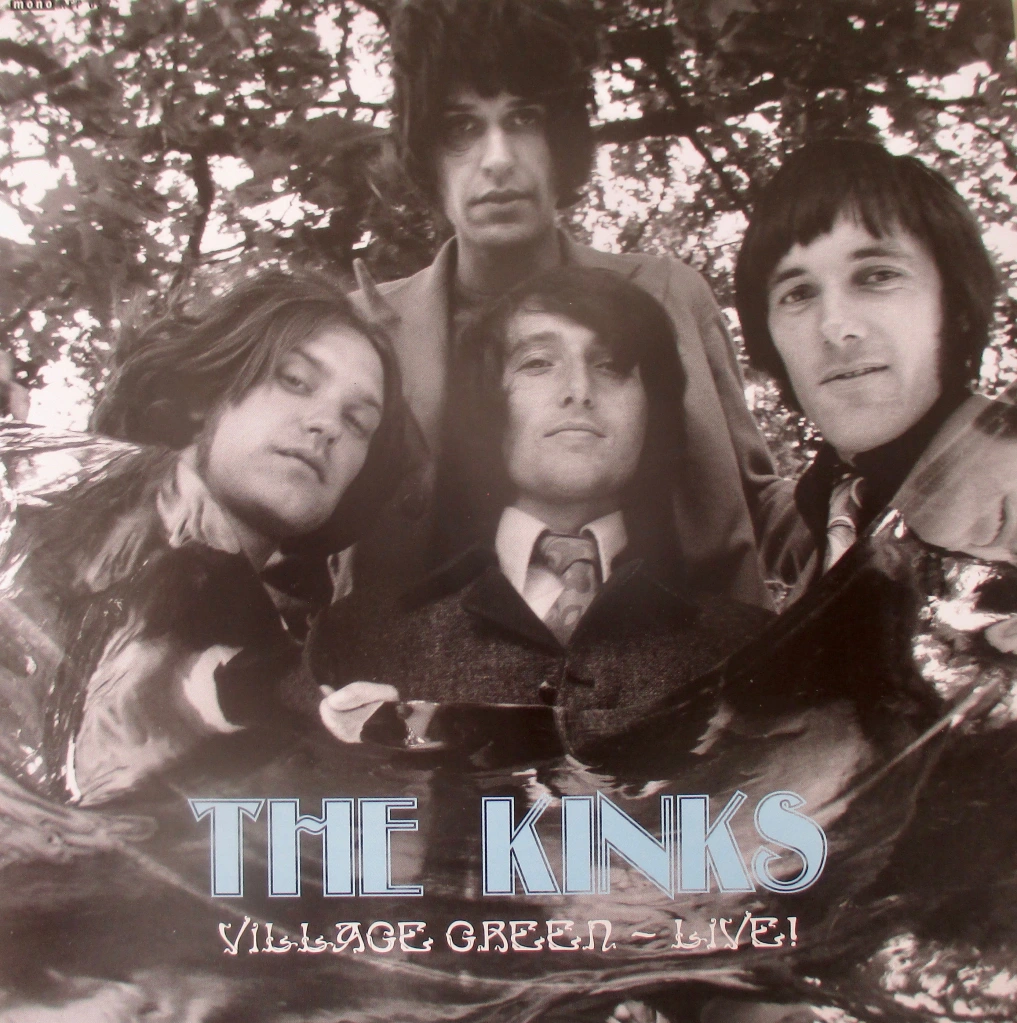
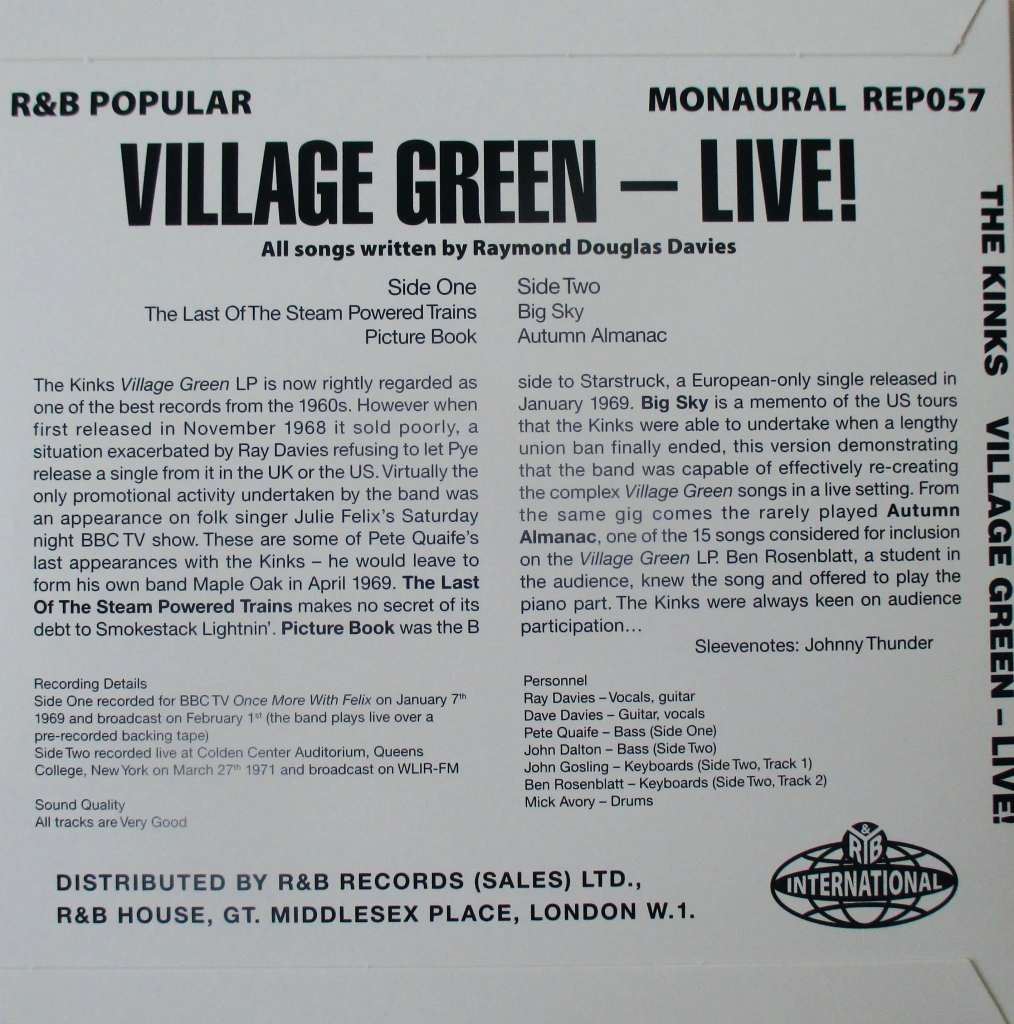
The Kinks “Village Green” LP is now rightly regarded as a great LP and one of the best records from the 1960s. However when first released in November 1968 it sold poorly, a situation exacerbated by Ray Davies refusing to let Pye Records release a single in the UK or the US. Virtually the only promotional activity undertaken by the band was an appearance on folk singer Julie Felix’s Saturday night BBC TV show. These are some of Pete Quaife’s last appearances with the Kinks – he would leave to form his own band Maple Oak in April 1969. “The Last Of The Steam Powered Trains” makes no secret of its debt to Smokestack Lightnin’. “Picture Book” was the B side to “Starstruck”, a European-only single released in January 1969. “Big Sky” is a memento of the US tours that the Kinks were able to undertake when a lengthy union ban finally ended, this version demonstrating that the band was capable of effectively re-creating the complex “Village Green” songs in a live setting.
From the same gig comes the rarely played “Autumn Almanac“, one of the 15 songs considered for inclusion on the “Village Green” LP. Ben Rosenblatt, a student in the audience, knew the song and offered to play the piano part. The Kinks were always keen on audience participation…
Side One recorded for BBC TV Once More With Felix on January 7th 1969 and broadcast on February 1st
Side Two recorded live at Colden Center Auditorium, Queens College, New York on March 27th 1971 and broadcast on WLIR-FM
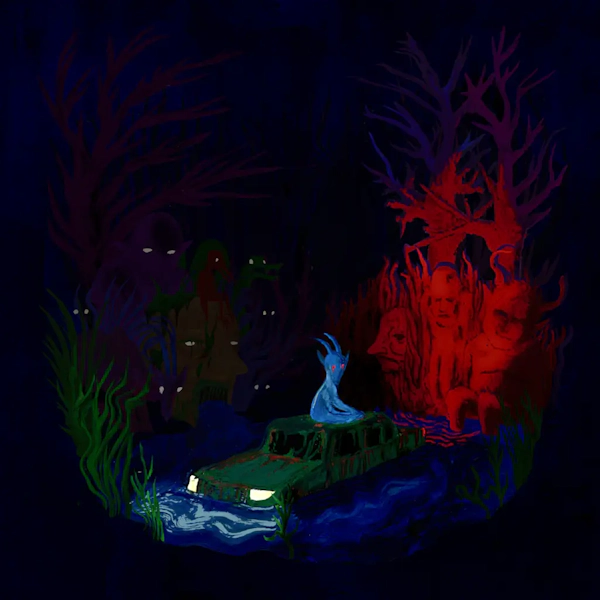
Goat Girl – Lottie Pendlebury , Rosy Jones and Holly Mullineaux release their third album “Below The Waste” released on Rough Trade Records. The album was co–produced by the band and John Spud Murphy (Lankum and black midi).
Pieced together like a collage over an extended period of time, the instrumentation was tracked mostly over a ten-day stint in Ireland at Hellfire Studios, in the shadow of the infamous Hellfire Club itself. They also used Damon Albans, Studio 13. Additional strings (Reuben Kyriakides and Nic Pendlebury), woodwind instruments (Alex McKenzie) and vocals (including a choir made up of family and friends) were added to this framework at a number of locations, from a barn in Essex to Goat Girl’s own studio in South London.
Singer Lottie on lead track: “I was listening to lots of music at the time by Phillip Glass and Deerhoof that plays with the relationship between tension and resolution which definitely influenced this song. I was yearning for honesty and authenticity in relationships I held with people, probably partly because at the time, like everyone, we were so isolated from one another. But it also felt deeper than that, like the conversations I dreamt of stripped away all of the etiquettes we desperately clung onto and went below the surface to where the most interesting parts of ourselves tend to be suppressed.”
With the release of the London art-punk trio’s third full-length is out now via Rough Trade. The three members of London’s Goat Girl have been through the wringer in the time since they released their breakout punk-blues debut in 2018—both in a collective sense, regarding line up changes, as well as in a personal sense, as established by the band members’ individual struggles with addiction referenced in passing through their new record “Below the Waste”. The Edenic world they sing about on the LP, then, has only become conceivable to them after passing through this rocky period, allowing them to envision a similar positive development on a societal level.
Meanwhile, the instrumentation found across “Below the Waste’s” sprawling 16 tracks emphasizes the “waste” part of the album title. While fairly upbeat, the innovative sounds ranging from twisted noise-rock to surrealist avant-folk conjure images of Lottie Pendlebury, Rosy Jones, and Holly Mullineaux making the most of some post-nuclear landscape, as if the toughening-up they underwent before global decimation hit prepped them for this new world. Aided by producer John “Spud” Murphy, the droning neo-folk flair he brought to recent LPs from Lankum and caroline feels ever-present, to say nothing of the utter unpredictability found on other projects he recently worked on, such as the gonzo prog of black midi. All of which lays the groundwork for Pendlebury’s slacker-rock lead vocals, often recalling the deadpan delivery of Miranda Winters.
With the record landing today via Rough Trade, Pendlebury (and, on one song, as noted, Mullineaux) took us track by track through the new LP, noting how each composition came together both instrumentally and lyrically.
1. “reprise”
This little vignette came about on a rainy day when I was playing through the chords from the chorus of“wasting”really slowly. I started singing “time” over and over, referencing from “wasting” yet taking this new lullaby canonical form. Taking this as an idea to Hellfire [Studios], we fleshed it out with some organ, and Spud found a crackly sample of a sound he’d noticed inside a tube station and had recorded on his phone.
2. “ride around”
Like so many songs on this record, “ride around” was born out of a newfound obsession I’d [Lottie] been having with my guitar over lockdown. I found a way of working with my instrument where I’d approach it quite visually, experimenting with different hand shapes and allowing myself to be led by intuition rather than familiarity. I came to a chord that really resonated and ended up being the opening phrase to the song, which had quite a dissonant minor feel to it that repeatedly resolves itself.
3. “words fell out”
This song came out of being stuck in a bit of a creative rut. I don’t know how to play piano, which is always where I like to start with a project that I have no preconceptions about, naturally gravitating towards my Casio keyboard that, in its limitations, free’s me up. I figured out the main riff that at first sat disjointedly amongst a Casio drumbeat, that began to make sense once I laid down some bass. The song talks of a time that felt really hard to find words for, in watching Rosy struggle with addiction and the helplessness we felt as friends in our attempts to nurture them.
4. “play it down”
This song was probably the one that went through the most iterations of itself on the album. An idea for a bass riff was what initially started it all. Trying it out with the band was what really allowed this idea to develop into a song, but not without its difficulties. After a few attempts of figuring out what direction we wanted to take it in, through stages of prog-rock, psychedelic solos to a sombre ballad, we landed back at what we originally liked about it which was the lo-fi electronic fuzziness. It started to become clear, lyrically, that I was depicting an internal suppression that in turn affected my relationships to nature, love, sexuality, and death.
5. “tcnc”
Initially written during lockdown, this song transformed from a bonkers instrumental I made while really drunk to a tale of recovery and strength. I’d just learnt how to use FL Studio, and my thing at that time was making tracks that went all over the place and nurtured the chaotic energy that I was feeling inside. The lyrics are reflecting upon a dark time in my life, when my struggles with alcoholism and addiction came to a head. “tcnc” means “Take care, not crack”—which is something my mum said to me (she loves to make abbreviations) at the end of an intervention after one of my binges.
6. “where’s ur <3”
During lockdown one of our favourite music venues, Sister Midnight, was under threat of closure, and so in an attempt to try and save it, a few friends came together to make a compilation tape of local artists to sell and raise money. “where’s ur <3”was a bare-bones track at that time with not much other than some drones and an electronic drumbeat. As a band, this was one of the early songs that we decided to work on together. Holly took the original pitch-shifted guitar riff and translated it onto the bass, while Rosy added weight and accentuation to their hits which embeds the track in heavy noise rock.
7. “prelude”
It was important for us to create moments that let the album breathe, and so early on we decided that we wanted short links between tracks that reference songs before and after. With “prelude,”I [Lottie] re-recorded the acoustic guitar from “tonight”through a 4-track tape machine. The idea was for this moment to feel kind of uncanny, and so Lottie decided to tape-bend the guitar to give it a wavering tuning, almost like a vinyl that’s been warped.
8. “tonight”
With this song it became more about how the instruments were played than what they were playing. Taking that as the important element, I had fun trying out different ways of sounding the guitar, settling on quite an erratic plucking of the chords that speed up and slow down. When writing the lyrics, I had a specific place in mind: a favourite pub of mine that always has a log fire going, and the idea of friends huddled around it telling each other stories covertly. This group is planning something disruptive that sees the song ending with them watching their city “going up in smoke.” Like the final scene of Fight Club, there’s a beautiful bittersweetness and romanticism to watching it all unfold.
9. “motorway”
“motorway” was born out of a desire to write a song where the focal point was the voice after listening to lots of music where the vocal line commanded all the attention through unexpected turns and developing melodies. Instrumentally, we naturally gravitated to a more electronic sound, which suited the pop-esque style of the track. As a band we have a shared love for pop music of the 2000s and would reference tracks like Kid Cudi’s “Pursuit of Happiness”or “Day ’n’ Nite”to try and reflect in the song. We really leaned into the epic-ness of this track and its pop sensibilities through Holly’s melodic sub bass synth that constantly weaves between the vocals, Rosy’s drum beats that in their space create heaviness, and the Juno-60 that chimes away throughout the chorus.
10. “s.m.o.g”
Spud’s Moment of Glory.
11. “take it away”
This is a song that almost wrote itself. I [Holly] was playing piano and this sad but uplifting melody seemed to tumble out. The lyrics followed almost instantly—just the one line, repeated over and over again. It really encapsulated the love and desperation I was feeling at the time in wanting to ease the pain that I could see Rosy going through in the face of addiction and feeling a little helpless at the same time.
12. “pretty faces”
Written about an old neighbor who used to live across the street from me growing up. Her and her husband would routinely drive around the neighbourhood in their little campervan that was stuffed full of trinkets and accumulated bits. As kids we’d make up stories about what went on in the house, letting our imaginations take hold. This song is a revisit to those tales, dark and light, and the world-building you naturally delve into when you’re young that as a creative adult I’m constantly trying to revert back to.
13. “perhaps”
“perhaps” was written over a long period of time stretching from 2020 up until before recording final vocal takes. I’d been reading a lot of Octavia E. Butler, which had a profound effect on me—in particular her novel Parable of the Sower. Butler’s writing massively guided the concept of this song, which talks about imagining a world where formalities and inherently oppressive designs are banished.
14. “jump sludge”
This started as an attempt to experiment with weird rhythms. I [Lottie] wanted each part to individually have a disorientating pattern that doesn’t really make sense until everything plays together as one. The point is to feel dizzy, something that I wanted to emphasize and develop on throughout the song with choir stabs and arpeggiated melodies. I really love how all the parts to this piece feel disparate, yet make total sense together—especially the main motif that constantly rises and falls on prepared piano and banjo that in its chaos sounds like something from a Yellow Magic Orchestra record.
15. “sleep talk”
“sleep talk”—f.k.a. “mellotron improv”—was a chunk taken out of an hour-long improvised session. I was messing around with sounds and came across a doubled accordion that I took down a few octaves, which gave it a really growly bass tone, which we ended up using in the final edit. The song talks about having been with someone for a long time and celebrates the joy within that while recognizing its complications. There are contradictions in this loving relationship, with the positivity of comfort alongside the potential for mundanity in routine as we subconsciously exist “sleep-talking down the phone.”
16. “wasting”
I [Lottie] started writing this song with a simple rising bass line that I had going through a whammy octave pedal. At the time, I was listening to lots of music that utilized space as a tool for heaviness. Arranging and mixing this song was a really important process in allowing all the parts to shine. In this period of writing, I’d often write down dreams as soon as I woke up, and an image that became a common theme was of a house that was slowly disappearing into a sinkhole. I wanted to express the aliveness that exists both in nature and the house here, and how they both sort of feed off one another in order to survive.
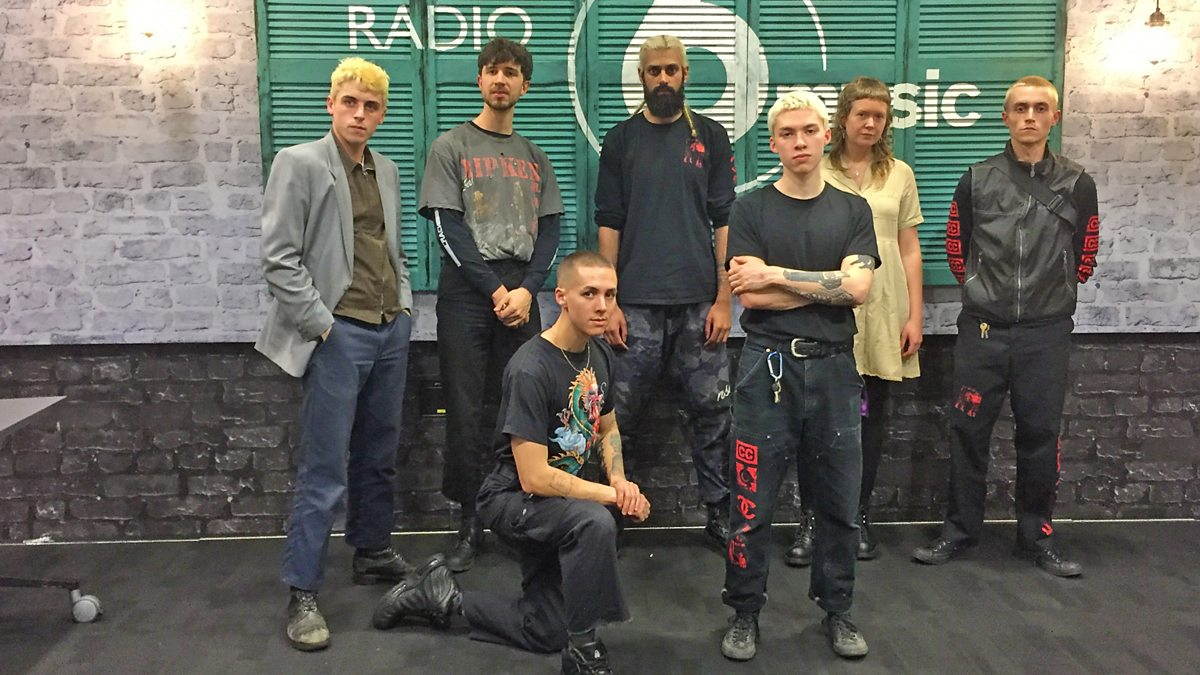
On paper, the Vancouver-via-Calgary ensemble Crack Cloud feel like a pandemic-era hallucination. The septet (and change) wafted into the picture in 2020 with a unique take on the Canadian tradition of art-rock projects with more band members than there is space on most stages, swapping the twee-accented indie-pop of Broken Social Scene and New Pornographers for something straddling the line of first-wave punk and its immediate aftermath. Following 2022’s sophomore release “Tough Baby”, they’re already back with their third LP “Red Mile”, which is set to arrive in July, and the project’s second single does plenty to sharpen both their punk and post-punk influences.
“The Medium” swerves from the lane of new wave the group explored on previous single “Blue Kite” and instead pairs Johnny Rotten–esque vocal snarls with an irreverently composed and polished bed of sound welcoming of cello, bells, and other baroque flourishes. As the bandmates take turns on lead vocals, the project feels like contemporary rock’s equivalent to Brockhampton, begging the question as to why Wu-Tang’s nebulous lineup never quite inspired guitar-based music.
“The Medium” by Crack Cloud from ‘Red Mile’, out July 26th on Jagjaguwar.

The Dublin band have released the second single from their album “Romance”, after ‘Starburster’ in April. ‘Favourite’ is a song that finds the band at their most Whipping Boy-esque with a sound that feels like a /throwback late 80s Irish indie rock and ’90s UK indie touchstones like early Stone Roses. It closes the record…the new Fontaines D.C. song called “Favourite” The new song features the band interpolating some Americana touchstones into their own brand of propulsive post-punk, giving some serious Springsteen and War on Drugs vibes to their venomous concoctions. When the chorus comes around, though, we get ourselves right back to OSFDC (old-school Fontaines D.C.) territory.
The song will be featured on the band’s upcoming fourth album, “Romance”, out August 23rd via XL Recordings, and it comes alongside a music video directed by the band and shot in Madrid. Cool city. I’ve been there.
The Irish band’s fourth record will arrive on August 23rd via XL Recordings.
CHAPMAN WHITNEY – ” Streetwalkers ” 50th Anniversary Remastered & Expanded Edition
Posted: June 21, 2024 in MUSIC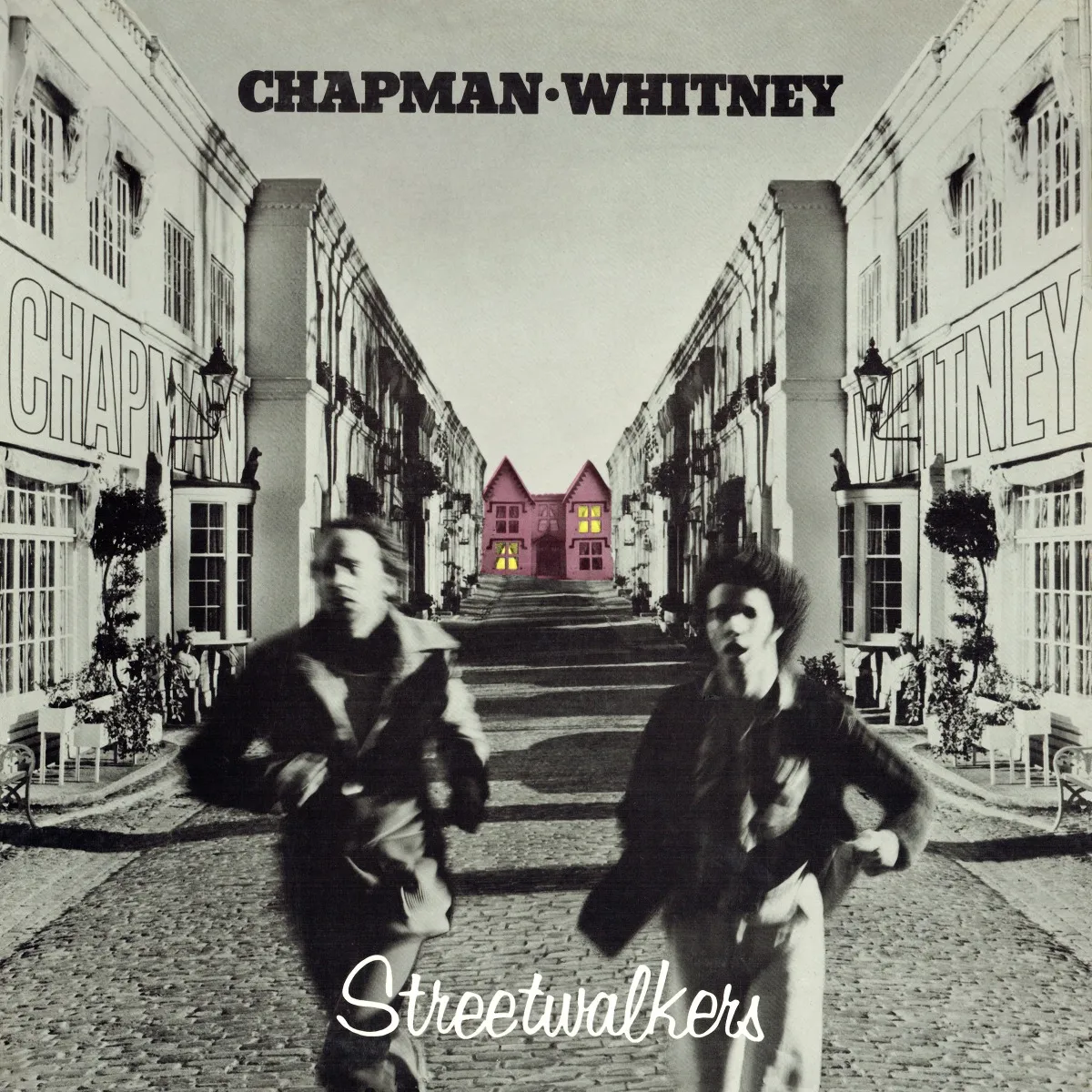
Released in May 1974 following the break-up of Family, the album was the first project by Chapman and Whitney in what would become the band Streetwalkers.
Joining vocalist Roger Chapman and guitarist Charlie Whitney in the sessions were such luminaries as bassists John Wetton, Ric Grech, drummers Mike Giles and Ian Wallace, keyboard player Max Middleton and saxophonist Mel Collins.
This new expanded 50th Anniversary edition of this classic album has been newly remastered from the master tapes and also includes seven bonus tracks comprising ‘The Crack’, a rare single B-side, a previously unreleased mix of ‘Call Ya’ and a complete BBC Radio 1 John Peel session from June 1974. This new expanded remastered release also features an illustrated booklet with a new essay.
“Released in 1974 after their band Family disbanded, the Chapman-Whitney album “Streetwalkers” was the first post-Family album by Roger Chapman and Charlie Whitney, following the late 1973 dissolution of that band.
Streetwalkers, the band, put out three consistent albums of funky booze rock in the mid- to late ’70s, but the origin of the band was not a mediocre affair. Roger Chapman and Charlie Whitney led their previous outfit, Family, through eight LPs of limited success, breaking up the band in late 1973. But their partnership continued and months later they set out to record a one-off album as a duo. A number of colleagues contributed to the project, including alumni of Family (John Wetton, Rick Grech, Poli Palmer, Jim Cregan) and King Crimson (John Wetton, Mike Giles, Boz Burrell, Ian Wallace, Mel Collins). The resulting LP, “Streetwalkers”, was released in May 1974. The mixture of rockers and ballads was not Family; yet there was added depth to the music, stemming from the evolved songwriting and from the involvement of so many musicians. “Roxianna” and “Showbiz Joe” were part New Orleans jazz, continuing the Americana feel of Family’s last album. “Systematic Stealth,” a lovely textured ballad, and the slinky “Creature Feature” demonstrate the range of Roger Chapman’s unusual voice, from gravelly crooning to just plain gravel. The album’s most stunning moments, “Parisienne High Heels” and “Hangman,” are brooding and hair-raising in their energy and dark themes. Chapman and Whitney kept drummer Ian Wallace and horn player Mel Collins to form a touring group, adding bassist Phil Chen and guitarist Bob Tench. Only Tench would stay for the full-fledged Streetwalkers band, which embraced funk and hard rock in a less subtle way than this first venture. Whitney’s biting lapsteel guitar would become a signature sound of the Streetwalkers, but the songwriting never matched what was accomplished on this album.

Very excited to announce Jack Bruce’s classic debut album ‘Songs For A Tailor’ is being reissued this July, 55 years since the original release. The iconic record will be available as part of an exclusive boxset featuring 32 bonus tracks drawn from new 5.1 surround sound mixes as well as the 1970 documentary ‘Rope Ladder To The Moon’ available on Blu-ray for the first time. A remastered vinyl edition is also available as well as official apparel
‘Songs For A Tailor’ was Jack Bruce’s first solo project to be released after the demise of Cream in November 1968. Eager to make his debut solo album distinctly diverse from the music he had recorded with Cream, it featured music which stylistically drew on jazz, folk, classical and rock influences.
Joining Jack and producer Felix Pappalardi for the recording sessions at London’s Morgan Studios were some of Britain’s best musicians such as Chris Spedding, Jon Hiseman, Dick Heckstall-Smith, John Marshall, Art Themen and Henry Lowther. One session was also notable for the presence of George Harrison. ‘Songs For A Tailor’ was a chart success in both the UK and the USA and is now rightly regarded as a masterpiece and one of Jack’s seminal works.
This boxed set edition features the original 1969 album mix (newly remastered from the original master tapes), along with wonderful new stereo and 5.1 Surround sound mixes of the album by Stephen W Tayler (from the original 8-track master tapes) and previously unreleased session out-takes and demos. The set also includes the marvellous 1970 documentary “Rope Ladder to the Moon” on Blu Ray video for the first time. Originally screened by the BBC, this film features live performances and an insight into Jack’s heritage, life and influences.
“Bass legend, composer and fiery virtuoso blessed with a powerfully expressive voice. On “Songs For A Tailor”, his debut solo album, after leaving Cream, he wove strong autobiographical elements, both musical and personal, intertwined with jazz, blues, folk and classical styles. Stephen W Tayler’s stereo and Surround Sound mixes enhance an already superbly crafted album.
“The extras on the two-CD/DVD are mainly session out-takes and demos, including early versions of two songs from follow-up “Harmony Row“. The 1970 film Rope Ladder To The Moon follows Bruce back to his Scottish roots, giving visual insight into an incredible talent.”
“Jack Bruce, probably the most musically gifted bass player
who’s ever been” – Roger Waters
“He was a great musician and composer, and a tremendous inspiration to me” – Eric Clapton

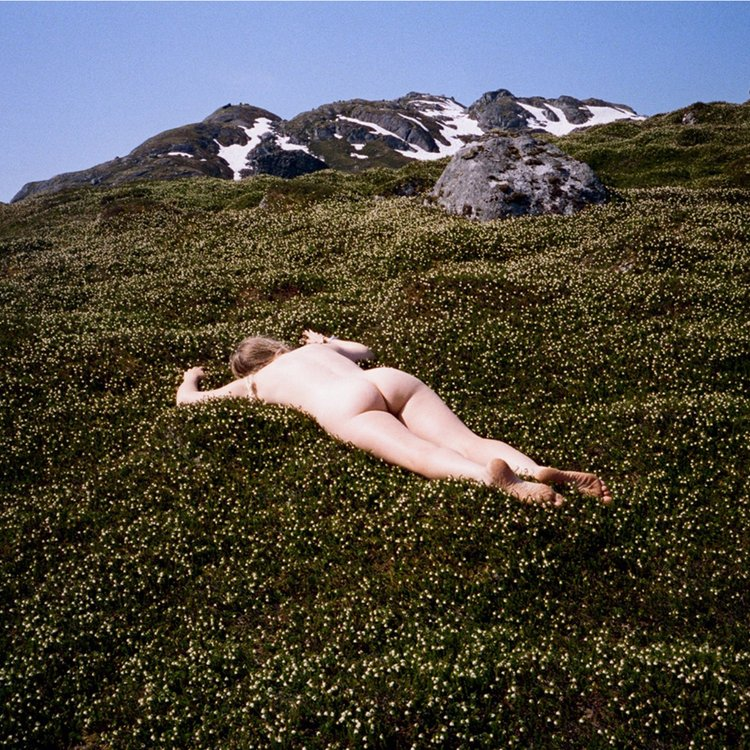
There are one million ways to approach love, one million ways to experience love, one million ways in which love shapes both the course of our lives and how we choose to navigate that course. On her second album, Bnny’s Jessica Viscius looks love square in its many eyes and describes, with self-awareness and humour, not only what she sees, but what it makes her feel.
Deep romantic love, breathy lust, generous self-love—and their opposites, self-loathing, resentment, disappointment—all make appearances. Like a sheet being draped over a clothesline, channeling Mazzy Star and mimicking the soft, gauzy, fresh feeling of realizing you’re able to begin it all again with a new person.
Recorded in Asheville at Drop of Sun and produced by Viscius alongside Alex Farrar (Wednesday, Indigo De Souza, Snail Mail), “One Million Love Songs” is Bnny’s revelatory second album.
released April 2024 on Fire Talk.

“Wish On The Bone’ is Why Bonnie’s sophomore LP and debut for Fire Talk. It’s untethered from any landscape or genre, propelled by this freedom and resulting in Why Bonnie’s most catchy, hopeful body of work to-date. Ranging from twangy country infused rock jams to more intimate and lo-fi arrangements, ‘Wish on the Bone’ is wide-eyed and waiting. It’s a coming of age film in which the protagonist rejects the forces that have tried, and failed, to shape her into something other than herself. It leaves you with a hard-fought sense of hope, which is among songwriter Blair Howerton’s greatest gifts. “You owe it to the people who are experiencing the worst to just keep pushing,” Howerton says. That’s the throughline of “Wish On The Bone”, a record that rewards with repeated listens.
‘Wish On The Bone’ coming out via Fire Talk on August 30th. So much heart went into this record and I can’t wait to share it with you all
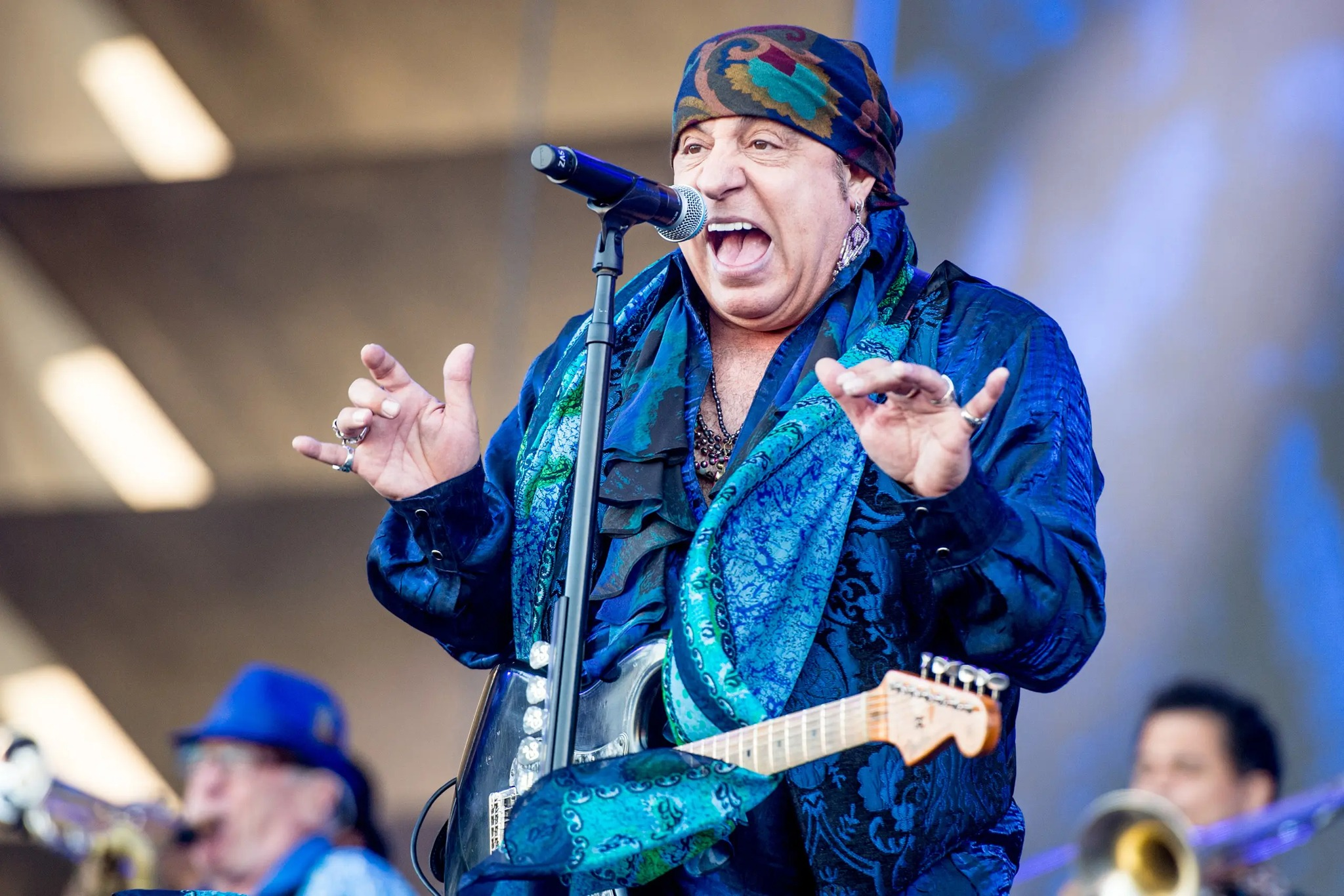
The first trailer for the Bill Teck-directed documentary showcases many of Steve Van Zandt’s musical peers who praise the guitarist in the film, featuring interviews with Paul McCartney, Eddie Vedder, Bill Wyman, Bono and, of course, Bruce Springsteen — premieres at Tribeca Film Festival before heading to HBO in June, The Stevie Van Zandt story is a rock ‘n’ roll epic like no other. One gets the sense that this single film could easily have been expanded into, say, a documentary series with eight hour-long episodes.
“He is a great performer, great songwriter, great producer,” Springsteen says in the trailer. “We were so close, I just wanted him near me. He just became my rock n’ roll brother, instantly.”
“Featuring a wealth of never-before-seen footage, the film traces Van Zandt’s career as a producer, musician, songwriter, activist, actor, and more, from the clubs of Asbury Park, N.J. to arenas and stadiums, to the Bada Bing Club and the Underground Garage,” the film’s synopsis states. In addition to some great concert performances, some behind-the-scenes recording studio footage, and some vintage interview footage with Van Zandt, Teck includes a few major “finds” that hardcore Van Zandt fans will love seeing, such as previously presumed-lost footage from Van Zandt’s wedding (where Springsteen was the best man, Little Richard officiated, and Percy Sledge sang “When a Man Loves a Woman”); a similarly unearthed clip of Van Zandt with Nelson Mandela; and excerpts from “Men Without Women,” a low-budget, black-and-white film Van Zandt made to accompany his 1982 album of that name, but never released widely.
And there was a point, when I was watching it, when I thought to myself, “Geez, we’re now about an hour and 45 minutes into it and we’re still only in the mid-’90s. There is still so much more to get through.” After all, the film had not yet explored “The Sopranos” and “Lilyhammer” … Van Zandt rejoining the E Street Band, and resurrecting his own Disciples of Soul band … his Underground Garage radio show and network … his TeachRock educational initiative.
Bruce Springsteen‘s behind-the-scenes tour preparation process will serve as the center of the forthcoming documentary Road Diary: Premiering on Hulu and Disney+ this October, the feature will follow the musician and his band as they get ready to embark on their first tour in six years, a run that started in February 2023 and will extend through November 2024.
Bruce Springsteen and the E Street Band’s tour was marred by illness and complications from its start. Within two weeks of kicking off, guitarist Steven Van Zandt and violinist/singer Soozie Tyrell tested positive for Covid, causing them to miss a number of shows and raising concerns about the size of their touring party. Their saxophonist Jake Clemons and half of the E Street’s backup singers missed subsequent dates, too.
It is about 2 ½ hours long.
In March 2023, once everyone seemed to be in the clear, a number of dates were suddenly postponed due to “illness.” A few months later, in September, the band’s remaining scheduled tour dates for the year were postponed as Springsteen underwent and recovered from treatment for peptic ulcer disease. The tour resumed in March 2024.

