Ahead of her debut album’s release next month, Rachel Chinouriri is prepared for people to have questions about its artwork. “Your first reaction, especially if you’re black seeing that, might be like, ‘What on Earth is she doing’?,” she tells BBC Newsbeat.
The singer’s talking about the England flag, which features prominently on the cover. Rachel includes herself among those people from minority backgrounds who have a complicated relationship with the St George’s Cross. Some would argue it has come to symbolise oppression or racism. But Rachel says she’s determined to reclaim it.
Born in London to Zimbabwean parents, the 25-year-old says her upbringing hasn’t been without its challenges. “I have had lots of things with racism and discrimination in the UK but I still feel like the UK is my home,” she says. “Even though there were points I felt really unwelcome.”
Rachel’s been releasing a steady stream of singles and EPs since 2018 and her upcoming debut album, “What A Devastating Turn of Events”, explores the idea of home.
Rose Hotel’s label debut “A Pawn Surrender” sees Atlanta-based singer, songwriter, and multi-instrumentalist Jordan Reynolds claiming her agency with a 10-song set of nuanced indie-rock songcraft that pulls from a palette of psychedelic shimmer and folk influence via her Southeastern roots. With a drive to pay homage to the legends of the art form, she uses the trappings of psychedelic rock not as source material, but as ornamentation, as she explores relationships, feminine rage, lust, temptation, blissful ignorance, frightening apathy, delusions, and illusions.
“A Pawn Surrender” is an album about relationships: with myself, with friends, with lovers, and with the world around me – It’s about learning how to play the game, what moves to make, figuring out who I’m up against (most often my toughest opponent is my own internal chaos), choosing when to fight for what you want, or when it’s time to surrender – I’m at the cusp of my thirties and very interested in understanding how to best utilize varying traits within myself to move through life with some sense of strategy and intention; to slow down, celebrate my strengths and ponder my weaknesses – I love the chess motif running throughout the album because chess is a game that requires patience, understanding, and acceptance — three virtues that I struggle to maintain but will always seek to embody
From Rose Hotel’s new album ‘A Pawn Surrender’ due out June 7 via Strolling Bones Records.
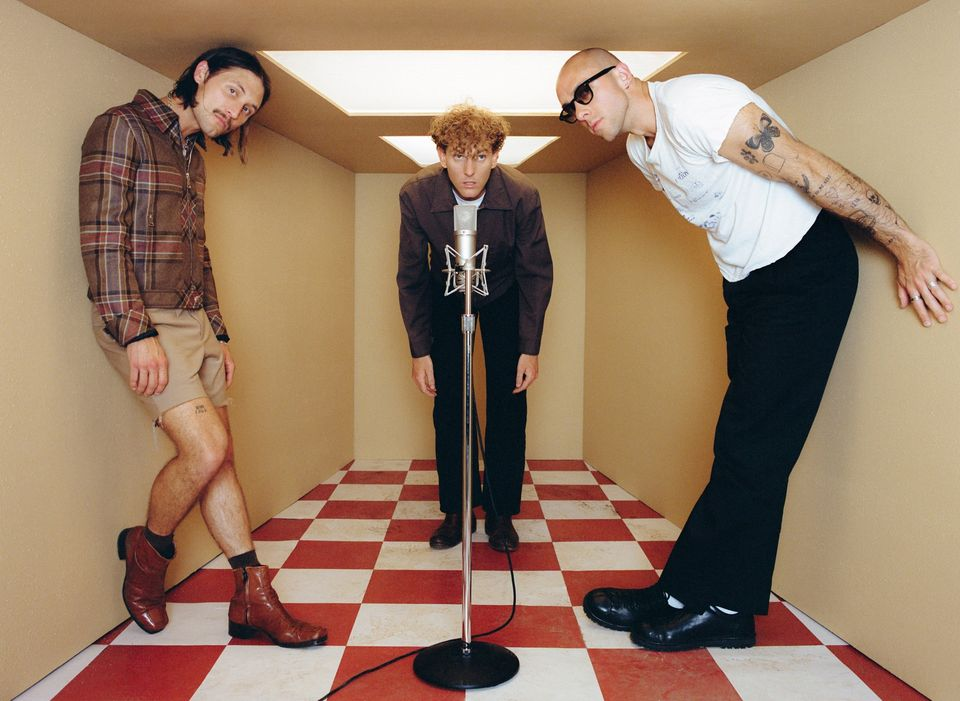
Vampire Weekend are released a new album, “Only God Was Above Us”, on April 5th via Columbia Records. Yesterday, they shared its third single, “Classical,” via a music video. The song features saxophonist Henry Solomon. Nick Harwood directed the video, which features a whole lot of green screen, and also features appearances by Ariel Rechtshaid, Ray Suen, and the band’s drum tech, Josh Goldsmith.
Previously the band shared its first two singles: “Capricorn” and “Gen-X Cops.”
Vampire Weekend’s tour will feature various support acts, depending on the date, including LA LOM, The English Beat, Voodoo Glow Skulls, Mike Gordon, Christone “Kingfish” Ingram, Ra Ra Riot, Princess featuring Maya Rudolph and Gretchen Lieberum, Cults, a DJ Set By Mark Ronson, Turnstiles (a Billy Joel tribute band), and The Brothers Macklovitch. In select cities they are doing evening shows on a Saturday night, followed by a matinee show the next day.
Previously Vampire Weekend had shared a trailer for the album, as well as its tracklist and cover artwork.
“Only God Was Above Us” is the band’s fifth album, their first new album in five years, and the follow-up to “Father of the Bride”. debuted at #1 on the Billboard 200 album chart with the largest first week sales for any rock album in 2019, It was also nominated for Album of the Year at the Grammys.
Vampire Weekend is Ezra Koenig, Chris Baio, and Chris Tomson. Koenig wrote most of the album’s lyrics in 2019 and 2020 and the band have been refining the album since then, recording in various cities around the world, including New York, Los Angeles, London, and Tokyo. Koenig produced the album with long time collaborator Ariel Rechtshaid and it was mixed by Dave Fridmann and mastered by Emily Lazar.
A press release promises that the album is “direct yet complex, showing the band at once at its grittiest, and also at its most beautiful and melodic.”
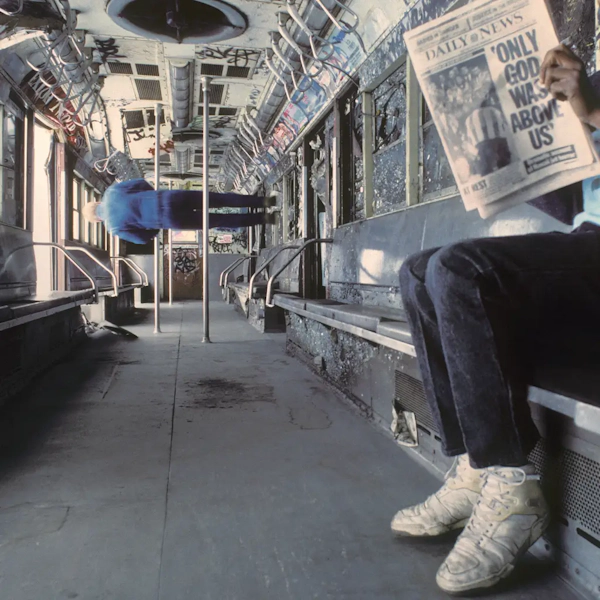
The album’s cover artwork also inspired its title. It is a photo taken in 1988 by Steven Siegel at a subway graveyard in New Jersey. In the photo is a man sitting in a turned over subway car, reading the May 1, 1988 edition of The New York Daily News. The cover of the newspaper details an airplane accident on Aloha Airlines flight 243, when an explosion tore the roof off. The headline of the newspaper quotes a survivor saying, “Only God was above us,” which is now the title of the new album.
In “A Little Longer” Samuels captivates with her signature tender melodies and observations of everyday truths so astute it makes the mundane, poetic and worthwhile. The lead single from her “First and the Last” EP reminds us of the excitement and curiosity that uncertainty can bring when we don’t focus on the fear. “A Little Longer” is a big light in the darkness.
Jordan Lehning has been a musician I’ve admired since I was a teenager so when he asked me if I wanted to make music together I jumped at the chance. I try to write everyday as an exercise and the songs for this came quite fluidly. The whole project came together in a short amount of time and was recorded at The Duck in Nashville, TN. In this past year I came into a new sense of fierceness within myself and I think the music is reflective of it in tone.
The recordings were also extremely joyful to create. There was a profound amount of laughing and hamming in the studio and I can only hope that comes thru to its listeners in this collection as well. I felt lucky to have my old friend and incredible drummer Dom Billet on the EP. I hope that these songs are interpreted with a sense of levity and joy as they explore the more nuanced elements of love and self.
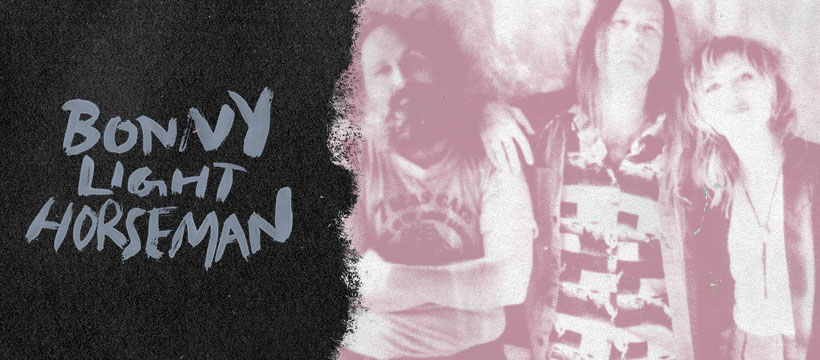
Bonny Light Horseman have given us another taste of their upcoming 20-song double album “Keep Me On Your Mind/See You Free”. It finds the folk trio at their most impactful, with some uplifting group harmonies to boot.
Bonny Light Horseman has accumulated many miles on the collective odometer of life. The band’s core trio – Anaïs Mitchell, Eric D. Johnson, and Josh Kaufman – has amassed an incomparable collected resume. Mitchell is a celebrated solo artist as well as the playwright and songwriter behind the hit Broadway musical Hadestown, which notched eight Tony Awards and a Grammy for Best Musical Theater Album. Johnson is best known as the mind behind beloved indie mainstays Fruit Bats, as a longtime collaborator with The Shins, and as a film score composer. And Kaufman is a multi-hyphenate extraordinaire: songwriter, producer, and position player, having recorded and performed with artists ranging from Bob Weir to The War on Drugs to Taylor Swift, Hiss Golden Messenger and The Hold Steady. As a group, Bonny Light Horseman’s debut album received a Grammy nomination for Best Folk Album, and the track “Deep in Love” was nominated for Best American Roots Performance.
More important than any of this, though, they’ve also lived a big ol’ messy and tangled up pile of life, and all that living permeates their music with the wisdom, humor, and depth that underlies the accolades. Theirs is the stuff that defines folk music as a genre: love and loss, hope and sorrow, community and family, change and time. The Big Stuff, with the stakes sky high.
At the centre of Bonny Light Horseman is, always, the singular combination of three powerful and tender artists, artists who expertly dodge superlatives but are quick to acknowledge that their bond makes each one better, braver and more vulnerable than they’d be on their own. Nowhere is this more apparent than in the force of their voices together, which work with complete trust in one another through the gentlest moments and the most ruthless wails.
Bonny Light Horseman’s new album, “Keep Me on Your Mind/See You Free”, is an ode to the blessed mess of our humanity. Confident and generous, it is an unvarnished offering that puts every feeling and supposed flaw out in the open. The themes are stacked high and staked even higher: love and loss, hope and sorrow, community and family, change and time all permeate Bonny Light Horseman’s most vulnerable and bounteous offering to date. Yet for all of its humanistic touchpoints, “Keep Me on Your Mind/See You Free” was forged from a kind of unexplainable magic.
Bonny Light Horseman from the upcoming album ‘Keep Me on Your Mind/See You Free’, out June 7th on Jagjaguwar Records.
Coin is an American indie pop band that has carved a niche for itself with infectious hooks and vibrant melodies. Formed in 2012 in Nashville, Tennessee, the band consists of Chase Lawrence (vocals and synthesizers), Joe Memmel (guitar and backing vocals), and Ryan Winnen (drums). Coin’s sound is a dynamic fusion of synth-pop, alternative rock, and irresistible pop sensibilities, making them a standout in the indie music scene.
Known for their energetic live performances and catchy anthems, Coin quickly gained a dedicated following. The band released their self-titled debut album in 2015, which included the hit single “Run.” Their sophomore effort, “How Will You Know If You Never Try”, arrived in 2017 with tracks like “Talk Too Much,” serving as a testament to their evolving sound and lyrical depth.
One example of their signature style is the single “Strawberry Jam.” This track encapsulates Coin’s knack for blending sunny melodies with introspective lyrics, showcasing their ability to create music that’s as thought-provoking as it is danceable. Coin has established themselves as a force to be reckoned with in the indie pop arena. Their music continues to evolve, pushing the boundaries of genre while remaining true to the vibrant spirit that first captured the hearts of fans worldwide.
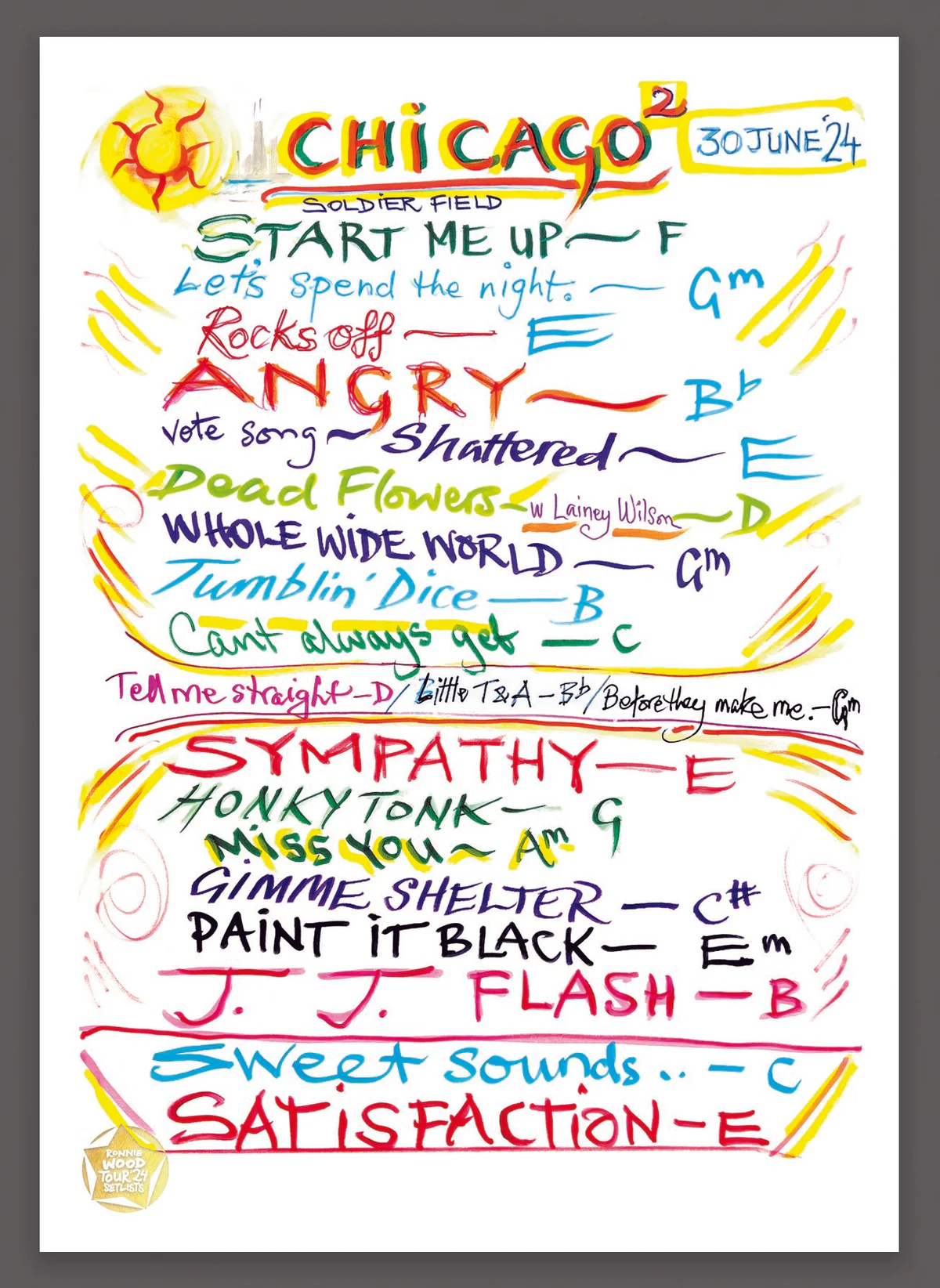
Ronnie’s artwork will revealed directly after the show each night and will then ship a few days after.
Random 750 orders will receive a show plectrum with their print (The earlier you order your setlist the greater the chance of getting a show pick.) ‘During rehearsals, I draw up set lists on big canvases, putting down the songs and the keys they’re in. We hang these set lists on the rehearsal room walls so we know where we’ve been and where we’re going.’
Ronnie Wood: ‘I illustrate the band’s set lists, sometimes Keith and Mick add little doodles, and they become works of art in their own right.’ – Ronnie Wood
Over the last two decades, the songs that the Rolling Stones have played in rehearsals, live shows and studio sessions have been recorded by Ronnie Wood in a series of hand-painted set lists. The result is a unique collection of canvases that document sell-out tours across the globe.
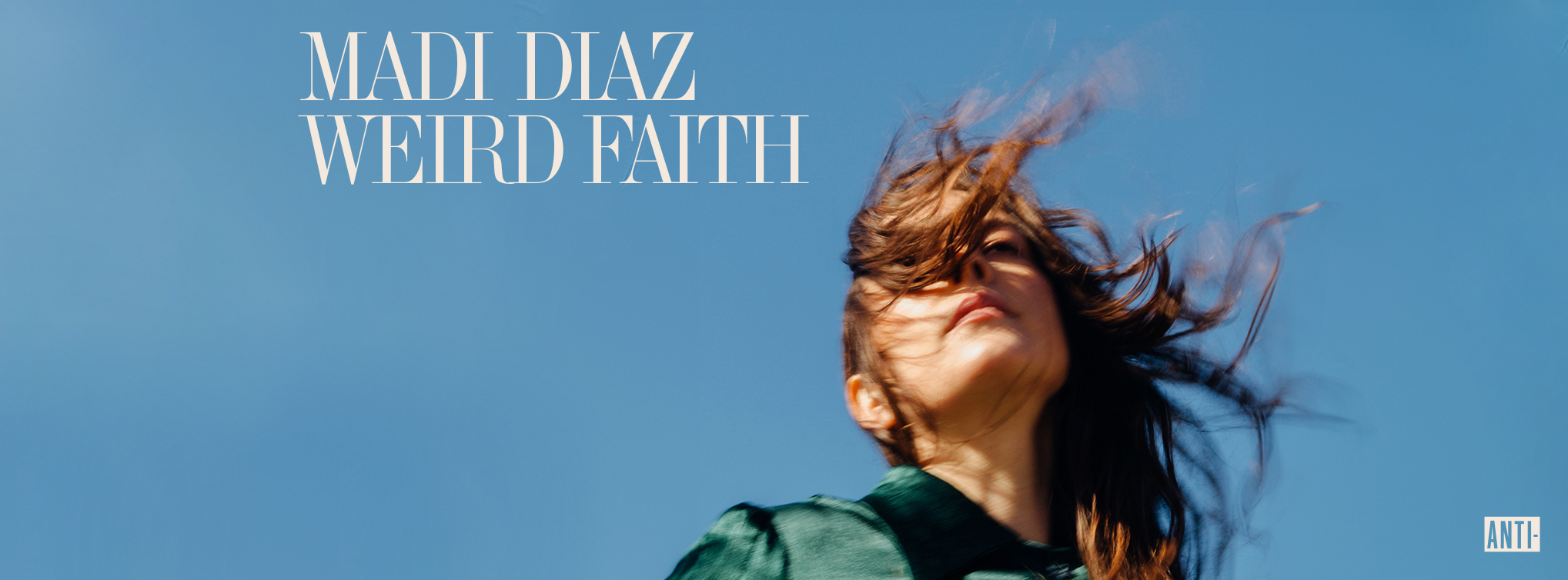
After completing her first solo tour since 2014, collaborating with Angel Olsen and Waxahatchee, and then opening for Harry Styles, Madi Diaz is back and stronger than ever. On “Weird Faith”, she explores her growth since her previous album, 2021’s “History of a Feeling“, wherein she wrestled with loneliness and heartache. She presents herself in a new relationship here, and despite this new phase of her life, she doesn’t just write love songs but more broadly focuses on specific thoughts and emotions that arise from being in love.
There’s so much simplicity to her tone, which juxtaposes perfectly with her brilliant aptitude for complex feelings and intricate storytelling. Even leading up to the album, she hooked the audience with early singles (including the Kacey Musgraves collaboration “Don’t Do Me Good”) as she sang about her anxieties and excitements swirling around a new relationship. Just because something feels incredible doesn’t mean it can’t also be scary.
A major standout on “Weird Faith” is “Girlfriend,” a ballad uniquely written to address her new boyfriend’s ex-girlfriend. She captures all the feelings that come up when interacting with your partner’s ex—that awkwardness and insecurity that comes with observing their most attractive qualities as you try to make your love more obvious to show them that your partner has moved on. “Yeah I know I wouldn’t want me to be my ex boyfriend’s new girlfriend,” she sings hauntingly, “So, sorry I’m your ex’s girlfriend.” That last line sums up the whole song: There’s guilt for the uncomfortable situation and there’s empathy for being a former partner—and there’s also a bit of sarcasm to express confidence.
Similarly, on “Get to Know Me” Diaz writes about what it feels like to expose yourself completely to your partner as she considers the fear it brings her to show all of her quirks and insecurities. “How well do you wanna get to know me?” she queries on the track in hopes of figuring out just how emotionally intimate she can be with her partner. In the same way, she sums up all of her anxiety on closer “ObsessiveThoughts,” where she takes you down her mental rabbit hole—all of her questions and insecurities come out, further exemplifying the complexity of her song writing.
“Weird Faith” is a wonderful album that picks up where “History of a Feeling” left off as Madi Diaz’s story continues. It’s not a concept album about breakups, nor is it a narrative about love in a more binary sense, where it’s wholly good or wholly bad. These emotions exist on a spectrum, and Diaz captures the duality of both positive and negative feelings that materialize even when things are at their best.
Her songs have long been about these internal reflections on her life and personal growth—on “Weird Faith”, they just happens to include a love story.
It takes real audacity to open one’s debut album with a 96-second orchestral overture. But on the gauntlet-throwing“Prelude to Ecstasy”, The Last Dinner Party have done just that. It’s a fitting introduction for these witchy-woman Brontë heroines, who in 2023 swash buckled their way onto the UK scene fully formed and festival-ready with their maximalist coquette-core, trailing vintage silks and velvets, pheromones and hormones in their wake.
The Last Dinner Party simply don’t do subtlety. London’s hottest Last Dinner Party has ev-er-y-thing: pomp, circumstance, guitar-goddess energy, Catholic guilt, feral desire, emotional violence, sing-along choruses about mindless [bleep]-ing, mandolins, keytars, liver…”
The Last Dinner Party perform a cover of “Dog Days Are Over” by Florence & The Machine live for BBC Radio 1’s Sound of 2024 Hopefully it’s the prelude to a long and iconoclastic career.
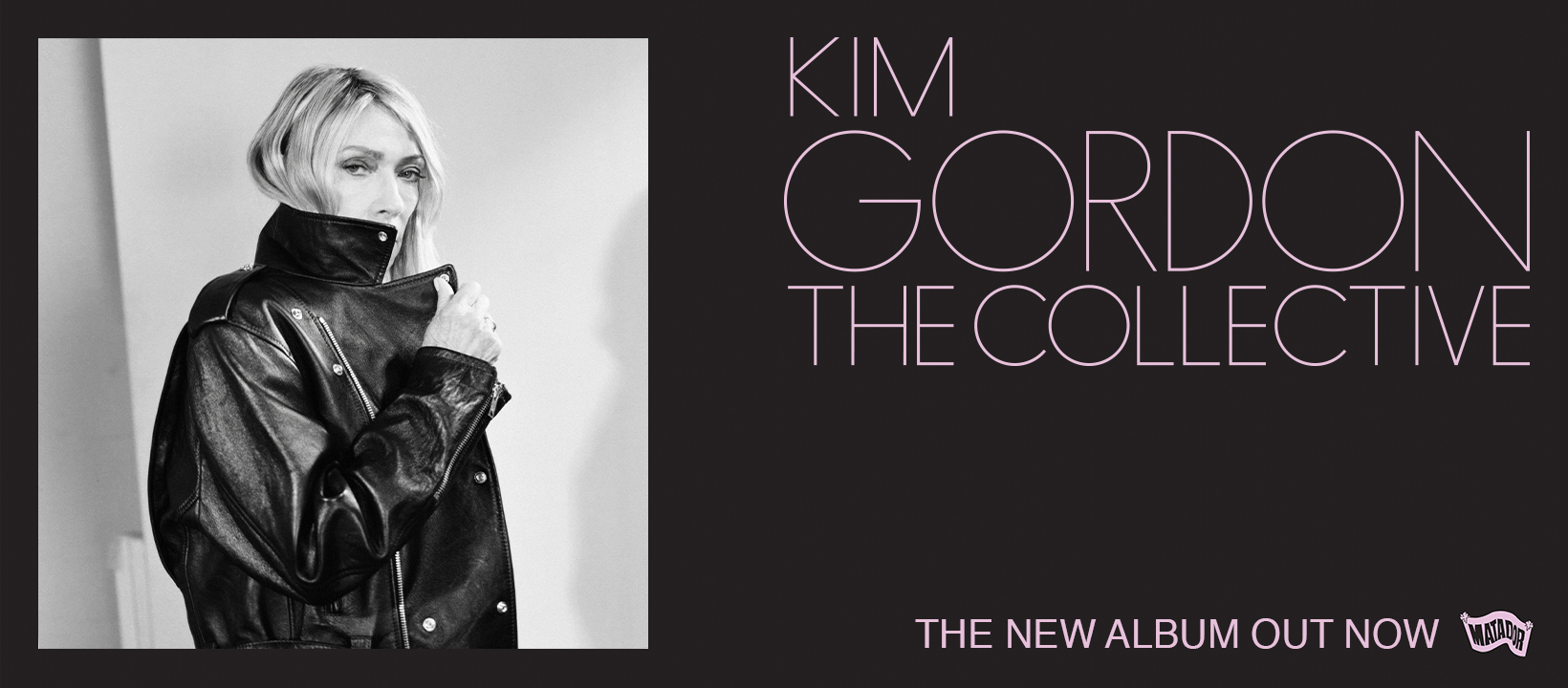
Since the end of her long time band Sonic Youth in 2011, Kim Gordon has pursued a path of unpredictability first through the improvisational drones of her experimental guitar outfit Body/Head, and then with the release of her avant-garde pop solo debut “No Home Record” way back in 2019. Yet even given her background as an iconoclast, I still think it’s safe to say none of us expected her to release something like “Bye Bye,” the first single from her sophomore album “The Collective“. A hybrid of noise rock and industrial trap, the track sets squealing guitar against an 808 pattern
Alos here’s her new video for “I’m a Man,” and a track that finds the singer/songwriter/musician/Sonic Youth icon at her most compelling: Previously, Gordon had shared a video for “BYE BYE” to preview the record. Just like “I’m a Man” this clip stars Coco Gordon Moore — Kim’s daughter with her Sonic Youth band mate Thurston Moore — and was directed by Clara Balzary, daughter of Red Hot Chili Peppers bassist Flea.
Building on the playful experimentation of her debut, Gordon goes darker and gets weirder while sharpening the song writing, turning out social commentary via menacing din on “I’m a Man,” industrial shoegaze on “Tree House,” and dangerous levels of bass on “The Believers.” Yet through the squalls and squeals, pulses and throbs, Gordon’s effortlessly oblique beat poetry remains at the centre, the adhesive keeping together the album’s myriad chaotic moments while branding it as a work wholly her own.
The new album follows Kim Gordon’s 2019 solo debut, “No Home Record”.
Kim Gordon released “The Collective”, her second solo album, on March 8th via Matador Records.