Archive for the ‘MUSIC’ Category

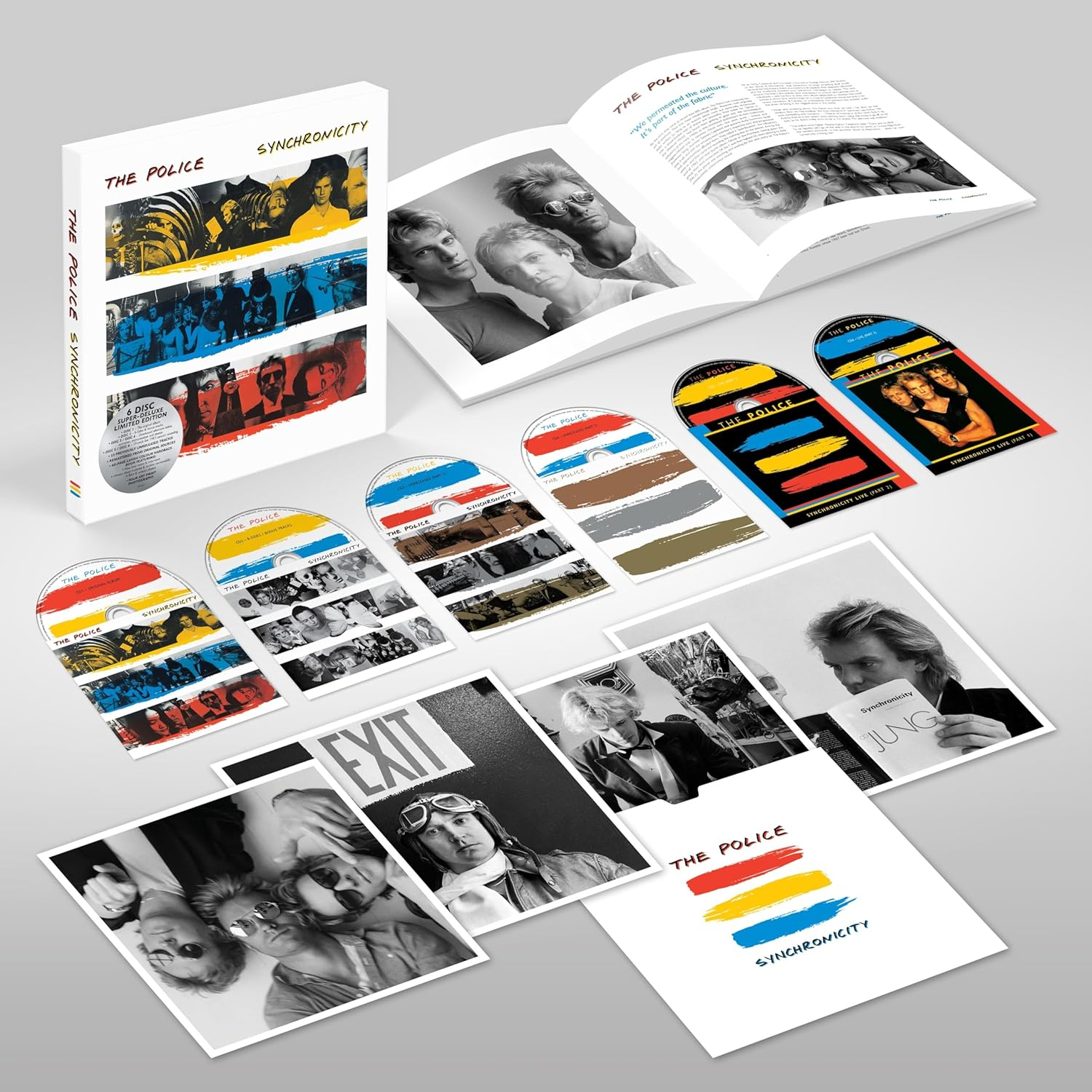
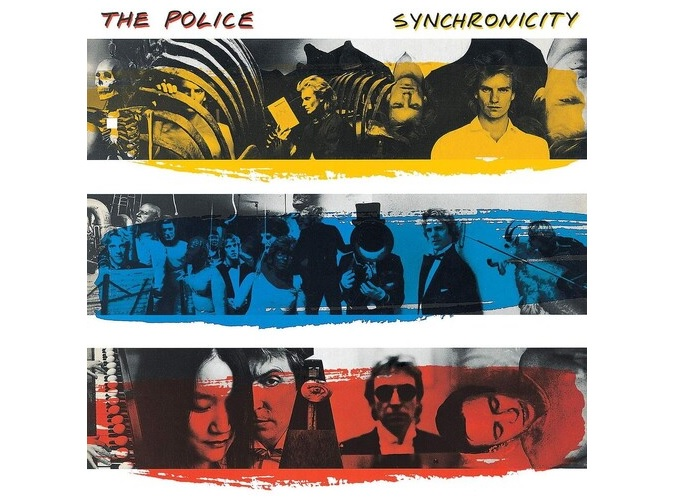
More than 40 years after the release of their final album, The Police offer a massive expansion of their fifth studio effort, 1983’s blockbuster Synchronicity.

Released July 26th, the set will be available in multiple formats, each showcasing a wealth of rare studio and live bonus content. The centerpiece of the campaign is a 6 CD limited edition box set featuring B-sides and four discs of unreleased material, including demos, alternate mixes and takes, instrumentals, never-before-heard songs and a live concert from the “Synchronicity” tour. A 4LP box set will offer most of the B-sides and studio material on its bonus discs, and a D2C-exclusive coloured vinyl set will include that set’s first two LPs. A 2CD set will include the remastered album and all B-sides from the bigger CD box, and a limited edition picture disc will offer the original album with an alternate running order.

The set is billed in the official press announcement as being three years in the making, and it would appear it’s worth the wait for hardcore Police fans and completists. The B-sides disc includes every original studio and live non-album track released on the singles “Every Breath You Take,” “King of Pain” and “Synchronicity II,” including a rare alternate slow recording of “Outlandos d’Amour” (1978) favourite “Truth Hits Everybody,” the moody, Andy Summers-sung “Someone to Talk To,” the dreamy, eerie Sting compositions “I Burn for You” and “Once Upon a Daydream,” and even “Every Bomb You Make,” a version of the album’s signature hit rewritten and sung by Sting for the British comedy series Spitting Image. Making their CD debuts are six tracks from the band’s live set at The Omni in Atlanta in the fall of 1983, captured on the video The Synchronicity Concert; the rest of the set was issued on the 1995 package “Live!” Two “derangements” – multi-track reimaginings by drummer Stewart Copeland – will close out the B-sides assortment.

On the two studio discs are a treasure trove for die-hards: at least one, but often more, version of every track on the original album (including B-side “Murder by Numbers,” included on CD copies) in alternate form: Sting’s lo-fi demos, different mixes, alternate studio versions and even instrumentals. If that weren’t enough, there are seven songs and versions that never made the album: an early version of Summers’ “Someone to Talk To” called “Goodbye Tomorrow,” a Copeland demo called “I’m Blind” that later was reworked into a cue from the drummer’s score to Francis Ford Coppola’s Rumble Fish, and even covers of Chuck Berry (“Rock and Roll Music”) and Eddie Cochran (“Three Steps to Heaven”).

A newly-presented live set closes out the box, taken from the group’s September 10th, 1983 set at the Oakland-Alameda County Coliseum in Oakland, CA (the penultimate gig of the first leg of the “Synchronicity” tour). As with other shows on this tour, the trio (as ever, Sting on bass and vocals, Summers on guitar and Copeland on drums) were augmented by backing vocalists Tessa Niles, Dolette MacDonald and Michelle Cobb, performing nearly every song from the album alongside most of their hits from the previous five years. The deluxe package is rounded out with a 62-page booklet featuring new liner notes from Jason Draper and unseen images and memorabilia.

The writing may have been on the wall for The Police when they decamped to AIR Studios in Montserrat for their fifth LP – the same studio they’d recorded penultimate album “Ghost in the Machine” (1981), with the same producer, Hugh Padgham. Tensions never ran low in the band, but felt higher than before, with the group recording parts in separate rooms and sticking mostly to Sting’s song writing and arrangements. (Summers got one track on the album, the demented “Mother,” and Copeland got the quirky “Miss Gradenko.”) Sting, exhausted from a painful divorce and a burgeoning acting career (he’d starred in the British thriller Brimstone and Treacle and featured his first solo recording on the soundtrack alongside several songs by The Police), turned out some of his most intensely psychological song writing, drawing from the writings of Carl Jung and Arther Koestler for some moody but exquisitely catchy tunes – far lighter on the group’s original reggae influences, but still fitting in the trio’s unique  post-punk and New Wave sound.

Beyond songs like the sequencer-driven “Synchronicity I,” full-throated rocker “Synchronicity II,” the driving “King of Pain” and contemplative fare like “Wrapped Around Your Finger” and “Tea in the Sahara,” “Synchronicity” featured The Police’s signature tune. “Every Breath You Take” was a deceptive number: lyrics of romantic pain and paranoia masquerading as sincerity under the same soulful chord progression that powered Ben E. King’s “Stand by Me” and a hypnotic guitar lead by Summers. In the summer of ’83, The Police were the biggest they’d ever been thanks to that song, When the dust had settled, “Every Breath You Take” won a Grammy for Song of the Year and earned Sting that year’s Ivor Novello award for British songwriters, eventually becoming recognized by music publisher BMI as the single most-played song in radio history.

“Synchronicity” sold more than 8 million copies in America, was promoted by stylized music videos (including Godley & Creme’s well-known short for “Every Breath”) and gave The Police one last juggernaut tour, including a symbolic sell-out show at Shea Stadium, the same place The Beatles played nearly three decades prior. The trio used that highest of highs to essentially fade away at the height of fame (band tensions aside); they only recorded one more song (a controversial re-do of “Don’t Stand So Close to Me” for a 1986 greatest hits album) and played a handful of gigs that same year for Amnesty International, symbolically passing their instruments to the members of U2 during the final performance. They stayed apart until a massive one-off reunion tour in 2007 and 2008, and Summers and Copeland have documented the band in memoirs, concert tours, retrospectives and documentaries. Sting maintained pop stardom for several decades since, but has made clear that, at 72 (Copeland in 71 and Summers is 81), the trio may never work together again, but maintain friendly terms with each other. That delicate, well-earned relationship informs the creation of this box, and hopefully will do so for additional releases from the band’s archives!
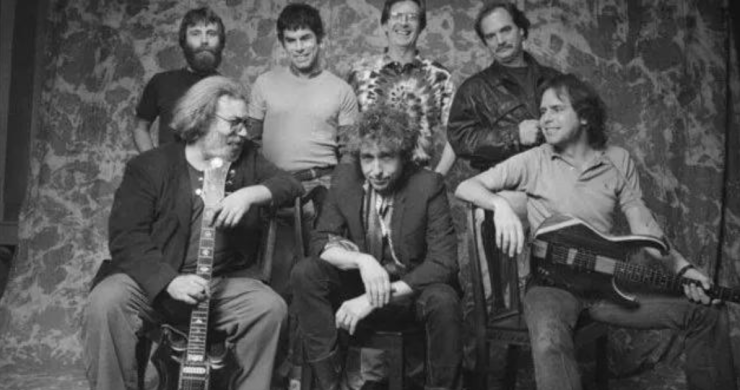
The Grateful Dead & Bob Dylan Performed Three Sets Together, On This Day In 1987, Back in 1987, Bob Dylan and the Grateful Dead teamed up for an unforgettable summer tour. Dylan had been coming off a series of unsuccessful releases, and first teamed up with Tom Petty & The Heartbreakers for a tour. Dylan and the Dead would perform in both 1986 and 1987, though the July 1987 series would ultimately make its way onto the “Dylan & the Dead” live album releases.

While the live album was written off as underwhelming, there’s still a lot to love about the show on July 24th, 1987 at the Oakland Alameda County Coliseum in Oakland, CA. After two great sets of the Grateful Dead to get things going, it was the third set that featured the full collaboration between Dylan and Dead members. Jerry Garcia works his magic in the Dylan catalogue, and the rest of the band members give their all for the performance.

It’s a true testament to their musicianship to be able to support Dylan and his unique style, but this show sees the Dead really pulling together for the cause.

Fortunately, we have some taped audio to reflect back on this great performance.

Setlist: Grateful Dead & Bob Dylan | Oakland-Alameda Coliseum | Oakland, CA | 7/24/87

Set One: Funiculì, Funiculà, Jack Straw -> Mississippi Half-Step Uptown Toodeloo, My Brother Esau, Friend Of The Devil, Me And My Uncle -> Big River, When Push Comes To Shove, Far From Me, Cassidy -> Deal
Set Two: Hell In A Bucket -> Scarlet Begonias, Playing In The Band -> Drums -> Space -> Uncle John’s Band -> Dear Mr. Fantasy -> I Need A Miracle -> Bertha -> Sugar Magnolia
Set Three: The Times They Are A-Changin’, Man Of Peace, Maggie’s Farm, I’ll Be Your Baby Tonight, I Want You, Highway Revisited, It’s All Over Now, Baby Blue, Stuck Inside Of Mobile With The Memphis Blues Again, Ballad Of A Thin Man, Shelter From The Storm, Slow Train, Knockin’ On Heaven’s Door
Encore: Touch Of Grey, All Along The Watchtower

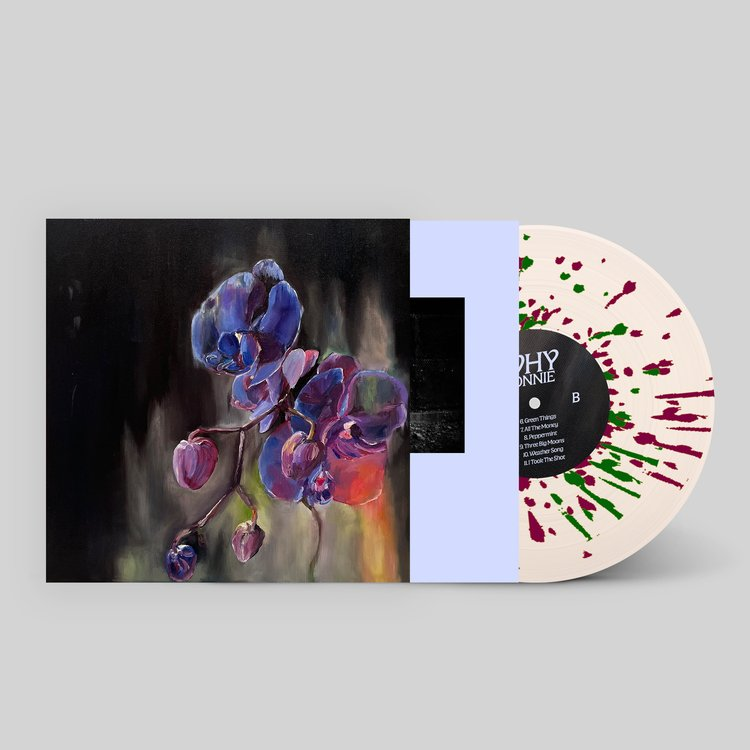
“Wish On The Bone’ is Why Bonnie’s sophomore LP and debut for Fire Talk. It’s untethered from any landscape or genre, propelled by this freedom and resulting in Why Bonnie’s most catchy, hopeful body of work to-date. Ranging from twangy country infused rock jams to more intimate and lo-fi arrangements, ‘Wish on the Bone’ is wide-eyed and waiting. It’s a coming of age film in which the protagonist rejects the forces that have tried, and failed, to shape her into something other than herself. It leaves you with a hard-fought sense of hope, which is among songwriter Blair Howerton’s greatest gifts. “You owe it to the people who are experiencing the worst to just keep pushing,” Howerton says. That’s the throughline of “Wish On The Bone”, a record that rewards with repeated listens.

Why Bonnie, the New York-based project of Blair Howerton, unveil the new single/visualizer “Rhyme or Reason” from their upcoming album “Wish on the Bone“, out August 30th on Fire Talk.

“Wish on the Bone”, out August 30th on Fire Talk

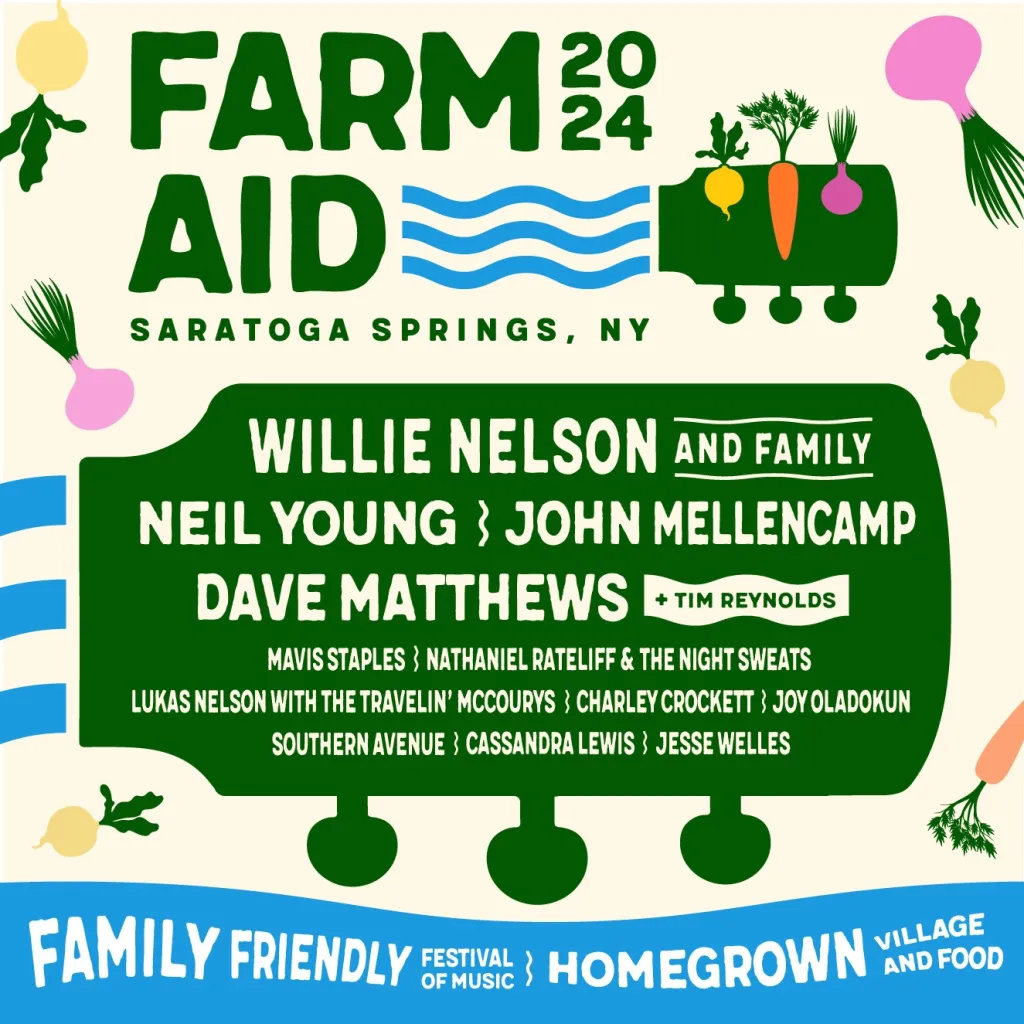
FARM AID Saratoga Springs NY 2024

Posted: July 25, 2024 in MUSIC

Neil Young, Willie Nelson, John Mellencamp, and Dave Matthews have announced the details of Farm Aid 2024. The annual charity concert will take place on Saturday, September 21st, 2024 at the Saratoga Performing Arts Center in Saratoga Springs, New York.

Young and Nelson, who both dealt will health issues in recent months, forcing the cancelation of tour dates, are slated to perform at Farm Aid 2024, as are fellow board members Mellencamp and Matthews.

The Farm Aid 2024 lineup also features Mavis Staples, Nathaniel Rateliff & The Night Sweats, Lukas Nelson with The Travelin’ McCourys, Charley Crockett, Joy Oladokun, Southern Avenue, Cassandra Lewis and Jesse Welles, with more artists to be announced. Last year’s edition of Farm Aid saw Bob Dylan play a surprise electric set with The Heartbreakers.

JOHN MAYALL – ” The Albums “

Posted: July 24, 2024 in MUSIC

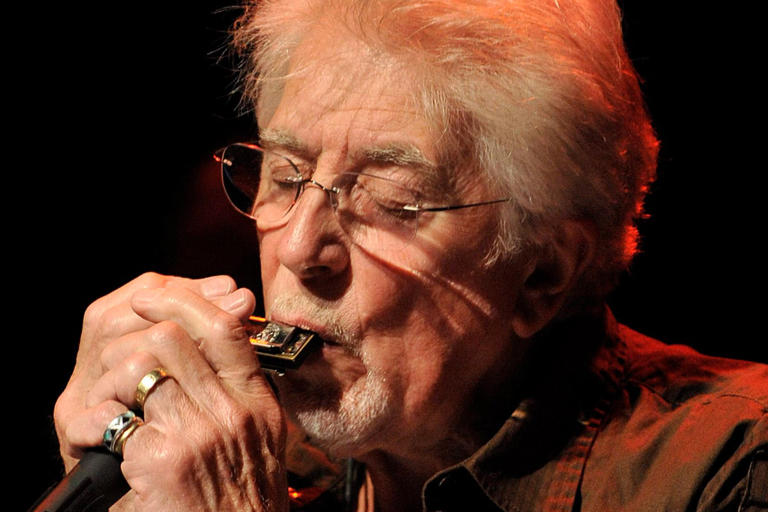
John Mayall, tireless and influential British blues pioneer, dies at 90, John Mayall  introduced Eric Clapton, Peter Green, Jack Bruce and Mick Taylor to the world, and has made 60 albums in nearly 60 years, Plenty of British bluesmen have sold more records, but few command as much respect as John Mayall OBE. With a back catalogue of close to 60 albums, and kick-starting the careers of countless stadium-filling galacticos, there’s a solid pub argument that nobody has done so much, for so long, to keep British blues afloat. No wonder they call him the Godfather. 

A statement on Mayall’s Instagram page announced his death Tuesday, saying the musician died Monday at his home in California. “Health issues that forced John to end his epic touring career have finally led to peace for one of this world’s greatest road warriors,” the post said

Mayall almost missed the boat. Born near Macclesfield in 1933, he grew up in thrall to his father’s imported collection of blues 78s, and taught himself piano, guitar, harmonica and ukulele during downtime at art school. But National Service knocked him off track, and he returned to 1950s Britain to find a monopoly of trad-jazz bands “all playing the same tunes”. 

At last, in 1962, he sensed revolution in the air, and the following year he hit London like a train. Even back then, pushing 30, the bandleader seemed like an elder statesman; a silverback among the cubs of the nascent British scene, whose gravitas, brittle wit and deep knowledge of the genre’s roots made him a big fish at Alexis Korner’s Ealing Club

“London was booming,” Mayall recalls. “I was just glad the music I’d played since I was a kid was now a viable thing.” With impeccable timing, Mayall launched The Bluesbreakers, and so began an imperious early run of albums that remain set-texts for anyone remotely serious about the blues. This was Mayall’s band (the turnover of hired/fired members backs up his former guitarist Walter Trout’s observation that he was a “benevolent dictator”). But alongside the prolific songwriting, stinging musicianship and tremulous vocals, his genius lay in the nabbing and nurturing of ‘next big things’. In the 60s especially, the talent on the payroll was staggering – Eric Clapton, Peter Green, Jack Bruce, Mick Taylor. And Mayall always let his charges off the leash. “Any person who joins my band,” he noted, “they’re all equal, whatever their age.” 

Mayall and Clapton shared a passion for Chicago blues, and the guitarist later remembered that Mayall had “the most incredible collection of records I had ever seen.”

The piano was his main instrument, though he also performed on guitar and harmonica, as well as singing in a distinctive, strained-sounding voice. Aided only by drummer Keef Hartley, Mayall played all the other instruments for his 1967 album, “Blues Alone.”

Mayall was often called the “father of British blues,” but when he moved to London in 1962 his aim was to soak up the nascent blues scene led by Alexis Korner and Cyril Davies. Mick Jagger, Keith Richards and Eric Burdon were among others drawn to the sound.

The Bluesbreakers drew on a fluid community of musicians who drifted in and out of various bands. Mayall’s biggest catch was Clapton, who had quit the Yardbirds and joined the Bluesbreakers in 1965 because he was unhappy with the Yardbirds’ commercial direction.

He is credited with helping develop the English take on urban, Chicago-style rhythm and blues that played an important role in the blues revival of the late 1960s. At various times, the Bluesbreakers included Eric Clapton and Bruce, later of Cream; Mick Fleetwood, John McVie and Peter Green of Fleetwood Mac; Mick Taylor, who played five years with the Rolling Stones; Harvey Mandel and Larry Taylor of Canned Heat; and Jon Mark and John Almond, who went on to form the Mark-Almond Band.

Mayall, now 90, retired from the road in 2021, but continues to make music that pleases the hardcore but make little dent in the mainstream (his last album, 2022’s “The Sun Is Shining Down“, was his 60th)And while it’s unlikely he’ll produce anything to shuffle the pecking-order laid out here, you can bet he’ll go down trying. 

“With music you can be any age,” he noted in 2012.  “What is the Best John Mayall album of all time?” or “What are the top John Mayall albums?”. John Mayall released a great deal of albums throughout his long and prolific career. John Mayall can easily be considered one of the best blues musicians. 

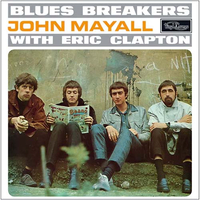
John Mayall And The Bluesbreakers - Blues Breakers With Eric Clapton (Decca, 1966)

John Mayall And The Bluesbreakers – Blues Breakers With Eric Clapton (Decca, 1966)

The inevitable first purchase, 1966’s so-called Beano album is the high-water mark of the 60s British blues boom, Mayall’s finest hour and Eric Clapton’s precocious launch pad. 

From the languid opening swoop of Otis Rush’s All Your Love, through the jet-fuelled Hideaway, to spring-heeled Mayall originals like Key To Love and Little Girl, this is amped-up blues rock that walks a tightrope between reverential and rip-it-up exciting. Nearly 50 years after it hit number six in the UK, there’s a case for saying that nobody involved has ever flown higher.

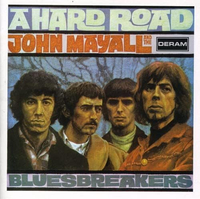
John Mayall And The Bluesbreakers - A Hard Road (Decca, 1967)

John Mayall And The Bluesbreakers – A Hard Road (Decca, 1967)

Producer Mike Vernon hit the roof when The Bluesbreakers rolled into Decca Studios without Eric Clapton. He needn’t have panicked. The canny Mayall’s new signing to his Bluesbreakers, 20-year-old nonentity Peter Green, was patently up to snuff, whether bleeding soul over his self-penned instrumental The Supernatural, detonating Freddie King’s The Stumble, or dovetailing with Mayall on top-drawer originals like the morose title track.

Green and bassist John McVie would split that same year for Fleetwood Mac, but their legacy is an album that snaps at The Bluesbreakers’ heels.

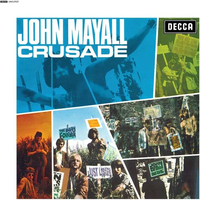
John Mayall And The Bluesbreakers - Crusade (Decca, 1967)

John Mayall And The Bluesbreakers – Crusade (Decca, 1967)

Mayall was outraged by the untrumpeted death of J.B. Lenoir, and Crusade was his attempt to force the blues down the throat of the mainstream (“I hope you’ll join forces with me,” he writes in the sleeve notes).

With Green gone, his eye had settled on a teenage Mick Taylor, who brings equal parts soul and swagger. Crusade took just seven hours to record and mix, which perhaps accounts for its wham-bam brilliance. The band tips its hat on The Death Of J.B. Lenoir, and Taylor arguably pips Clapton’s Hideaway with his jaw-dropping instrumental Snowy Wood.

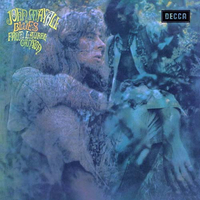
John Mayall - Blues From Laurel Canyon (Decca, 1968)

John Mayall – Blues From Laurel Canyon (Decca, 1968)

Mayall had spent the summer of 1968 crashing at Frank Zappa’s dissolute Laurel Canyon home. This loose concept album is his postcard, opening with the roar of an airliner touching down “Vacation”, then lurching through sticky accounts of musos “The Bear” and LA groupies the jazzy “Miss James”

The rhythm section of drummer Colin Allen and bassist Steve Thompson provide a taut backbone, but the star of the piece is a ridiculously precocious Mick Taylor, whose pugnacious, heart-in-fingers fretwork made his exit for the Stones the following year feel like a step down.

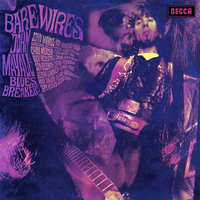
John Mayall’s Bluesbreakers - Bare Wires (Decca, 1968)

John Mayall’s Bluesbreakers – Bare Wires (Decca, 1968)

Bold moves all round, as Bare Wires binned the Crusade rhythm section, added brass and kicked off with a 23-minute title ‘suite’. Jazzier and lyrically introspective, the album rewarded open-minded listeners with a volley of cuts that still dazzle, from the rug-cutting funk of No Reply (Mick Taylor working the wah-wah pedal with Hendrix-worthy panache) to the parping slow-blues of I’m A Stranger

It tested the faith of his trad-blues fans, but the consensus was a thumbs-up: Bare Wires gave Mayall his highest UK chart placing (number three) and broke him in the States.

A small but enduring thing. Though Mayall never approached the fame of some of his illustrious alumni, he was still performing in his late 80s, pounding out his version of Chicago blues. The lack of recognition rankled a bit, and he wasn’t shy about saying so.

“I’ve never had a hit record, I never won a Grammy Award, and Rolling Stone has never done a piece about me,” he said in an interview with the Santa Barbara Independent in 2013. “I’m still an underground performer.”

Known for his blues harmonica and keyboard playing, Mayall has had a Grammy nomination, for “Wake Up Call” which featured guest artists Buddy Guy, Mavis Staples, Mick Taylor and Albert Collins. He received a second nomination in 2022 for his album “The Sun Is Shining Down.” He also won official recognition in Britain with the award of an OBE (Officer of the Order of the British Empire) in 2005.

Clapton, interviewed for a BBC documentary on Mayall in 2003, confessed that “to a certain extent I have used his hospitality, used his band and his reputation to launch my own career,” “I think he is a great musician. I just admire and respect his steadfastness,” Clapton added.

Mayall encouraged Clapton to sing and urged Green to develop his song-writing abilities.

Mick Taylor, who succeeded Green as a Bluesbreaker in the late 1960s, valued the wide latitude which Mayall allowed his soloists. “You’d have complete freedom to do whatever you wanted,” Taylor said in a 1979 interview with writer Jas Obrecht. “You could make as many mistakes as you wanted, too.”

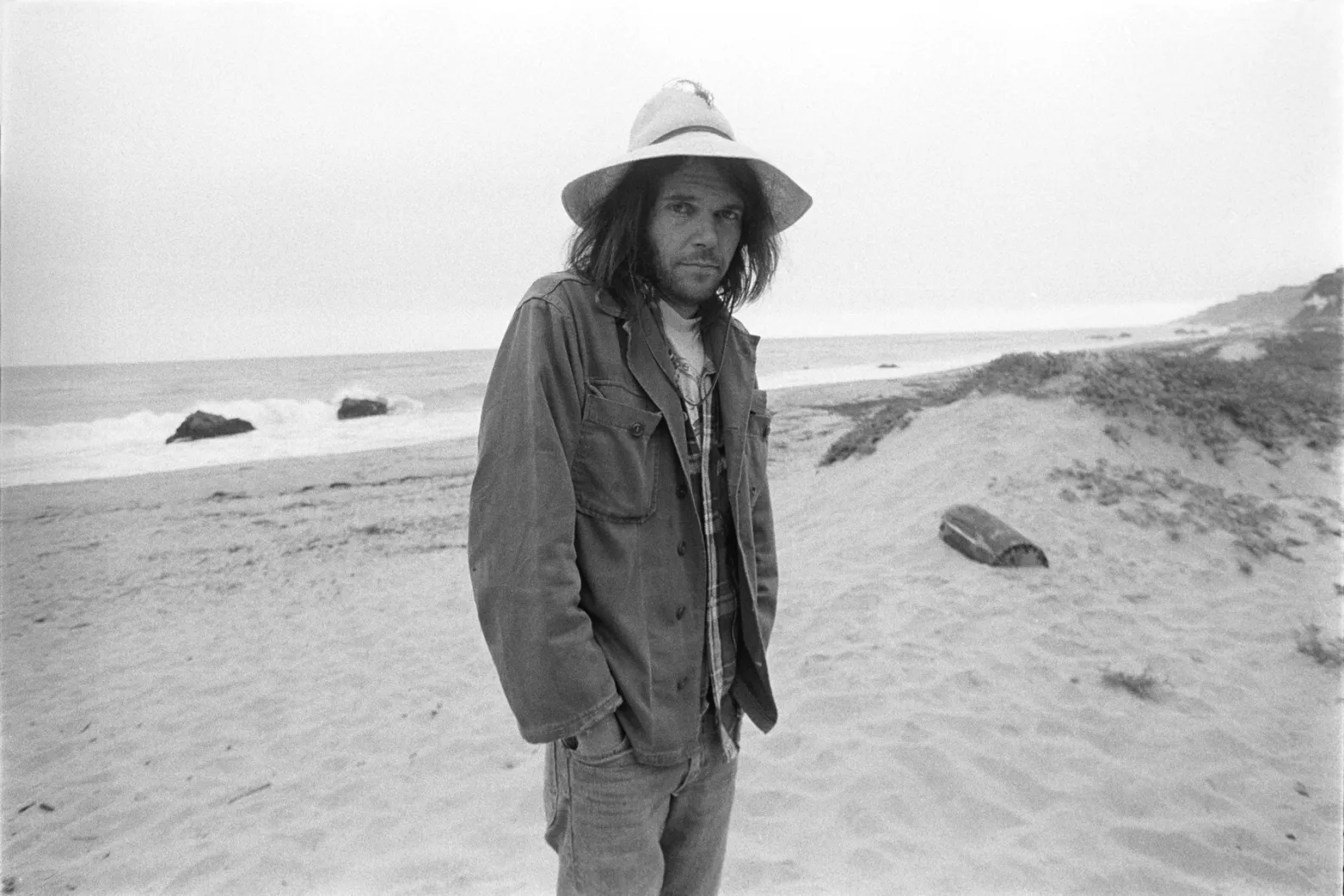
Neil Young’s “On the Beach“, an album that, to put it mildly, is not a very sunny one. Young himself called it one of the most depressing records he’s ever made — and that was after he wrote and recorded the famously funeral “Tonight’s the Night”. But that album could be joyful at times, like the groovy movie in “Speakin’ Out,” or the fried eggs and country ham in “Albuquerque.” You won’t find any breakfast delights on “On the Beach”, but you will find three songs with the word “blues” in the title.

Every hardcore Neil Young fan worships “On the Beach“, and not just because it became a cult rarity within a decade of its release. It stopped being pressed on vinyl in the early Eighties, effectively vanishing from view, and it wasn’t released on CD until 2003. You can hear “On the Beach” anytime now, as easily as you can hear After the Gold Rush or Zuma, but it’s lost none of its uniquely haunting beauty.

There’s simply nothing like it in his catalogue. We love “On the Beach because it’s the most raw and personal Shakey ever got, the moment he rooted himself in his melancholy, drank up the pain, and used it to push further than he ever had. He was incredibly bummed out — and very, very, very stoned. We wouldn’t have him any other way. 

You can thank the honey slides for that. The infamously potent concoction of fried weed and honey fuelled the recording sessions at Sunset Sound in Los Angeles, which is probably why the music feels like a frenzied high on the verge of becoming a very bad trip. (Neil told an audience that year that the secret ingredient was “poor-grade marijuana, worse than you get on the street. You take it and you get your old lady, if you got one, to cook it up on the stove.”) The peak of that honey-slide haze comes when he takes on a wild-eyed, Manson-esque persona in “Revolution Blues,” barreling around L.A. on a destructive spree. “Remember your guard dog?/Well, I’m afraid that he’s gone!” he sings, with a menacing grin you can hear through the speakers. He goes full Tex Watson in the final lines: “Well, I hear that Laurel Canyon is full of famous stars/But I hate them worse than lepers and I’ll kill them in their cars.” 

 “Heart of Gold Pt. 2,” it’s not. But even in this sweat-soaked nightmare, Young manages to toss in a glimmer of his real-life despair, admitting, “But I’m still not happy/I feel like there’s something wrong.” Looking back, he was absolutely correct about that.

His bleak mindset at the time was the result of several factors, mainly his crumbling relationship with actress Carrie Snodgress, the woman who had inspired him to write “A Man Needs a Maid” just a couple of years earlier. “Pretty dark, not really that happy,” he said in the definitive 2002 biography Shakey“I think it was a period of disillusionment about things turning out differently than I had anticipated. I think I was starting to realize what a fucked-up life I had chosen for myself with Carrie.”  

His career wasn’t bringing him much joy, either. Refusing to satisfy audiences who wanted another Harvest (“I can’t write the same book every time,” he told Rolling Stone in 1975), he made the movie soundtrack Journey Through the Past and the live album Time Fades Away, the latter recorded on his massive, miserable Harvest tour. Neither one came close to matching the gigantic commercial success he’d seen in 1972.  

Young wasted no time clapping back at the critics, kicking off “On the Beach” with the rollicking “Walk On.” The opening lines set the tone for the rest of the record. “I hear some people been talking me down/Bring up my name, pass it ’round.” The track, recorded with his right-hand man Ben Keith and the Crazy Horse rhythm section of Ralph Molina and Billy Talbot, sounds almost dementedly upbeat. The lesson: Do not piss off Neil Young.  

But that was just the start of his complaints. Like many people in the summer of 1974, he was feeling burned out by the Patty Hearst kidnapping, the Watergate scandal, and other lurid headlines. “I never knew a man who could tell so many lies,” he says of Nixon on “Ambulance Blues.” The disgraced president resigned two weeks later. If the hippie dream had ended with Altamont and the Manson murders in 1969, now it felt like the world was just rubbing everyone’s face in it. Nihilism was the mood of the day, and it struck a chord with Neil. 

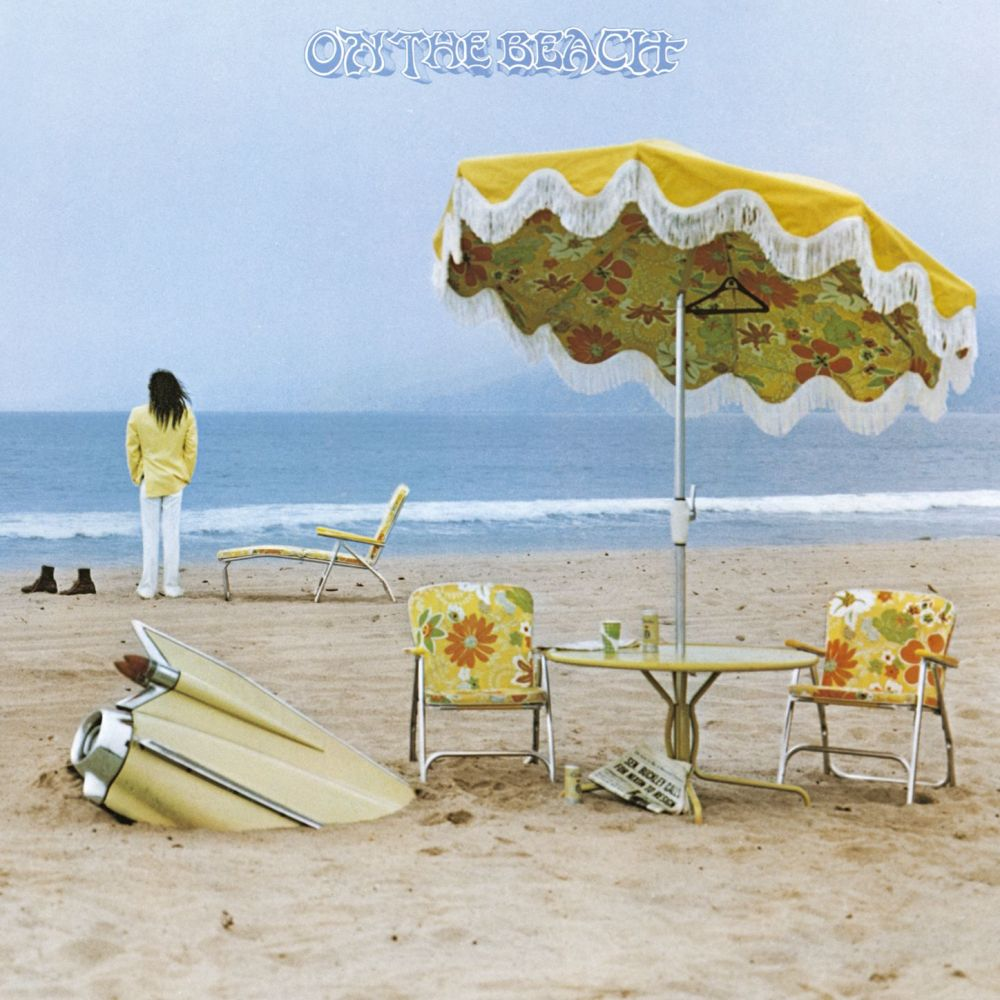
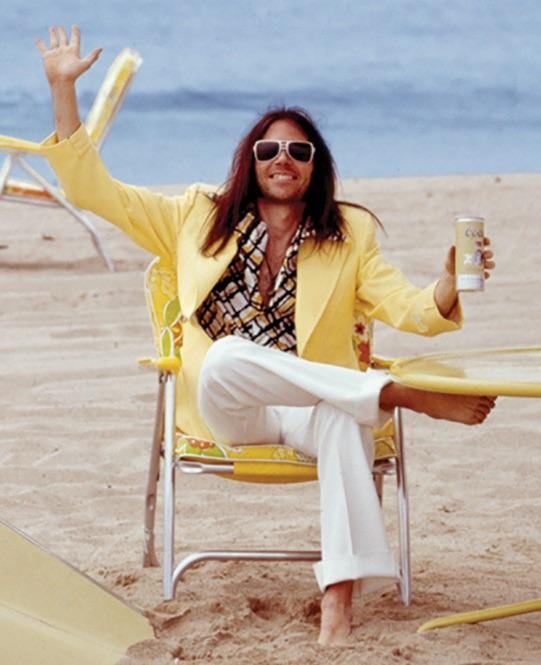
On the iconic album cover that he designed with Gary Burden, Neil stands on an overcast Santa Monica Beach in a cheap white-and-yellow polyester suit. Tacky floral patio furniture sits in the foreground, next to the taillight of a 1959 Cadillac sunken into the sand. (Another old dream dead and buried.) “SENATOR BUCKLEY CALLS FOR NIXON TO RESIGN,” reads the headline of a local paper. But Young isn’t paying attention to any of it. He’s turned away from the camera, hands in his pockets, looking out at the ocean. The sky is about to rain. 

“You go down to the beach and watch the same thing, just imagine every wave is a different set of emotions coming in,” he told Melody Maker in 1985. “Just keep coming. As long as you don’t ignore it, it’ll still be there. If you start shutting yourself off and not letting yourself live through the things that are coming through you, I think that’s when people start getting old really fast, that’s when they really age.”  

“On the Beach” has a seriously impressive list of personnel, from the Band’s Levon Helm and Rick Danko to his CSNY bandmates David Crosby and Graham Nash. That’s what being Neil Young in the early Seventies got you. But the most notable guest at this doomer shindig might be Cajun slide-guitar ace Rusty Kershaw. Not only did he cook and distribute those honey slides with his wife, Julie, and play some swampy fiddle to boot, he’s also responsible for shaping the sound of “On the Beach. Kershaw convinced the band to sit extremely close together in the studio, and made sure they didn’t rehearse prior to recording, creating an intimate, intuitive vibe. With a ginormous beard and overalls, he was a figure known for his joyful debauchery. Young wasn’t in the right headspace to be the life of the party. Kershaw did it for him.  

Few records have a more staggering Side Two than “On the Beach“, an emotional bulldozer of just three songs. “The whole B side of this album, you can just put it on and get lost,” Father John Misty once told us. “You can get stoned and go inside this little universe. And when the song ends, go back to the beginning.” It starts with the title track, a stormy, stunning glimpse into Young’s mind as a celebrity and perpetual outsider. He needs to be surrounded by others, but he can’t bear to socialize with them. He’s thinking he’ll get out of town, get out of town. The hand drums, played here by Keith, make this one spooky dirge. 

Young laments and processes his fallout with Snodgress in the devastating “Motion Pictures (For Carrie),” his most vulnerable moment on the record. “I’m deep inside myself, but I’ll get out somehow,” he promises. The song is so intense and personal that Young has only played it a single time, when he premiered “On the Beach material at a surprise show at New York City’s Bottom Line in May 1974. Catching it live is the ultimate holy grail for fans.  

The record culminates with “Ambulance Blues,” a nearly nine-minute masterpiece that is widely regarded as one of his very best songs, second only to “Powderfinger.” It starts with a wistful look back at his early career, playing in Toronto coffee houses like the Riverboat and living in an apartment at 88 Isabella Street. He’s so bummed out, he’s even mourning his old apartment building as if it were a tragic heroine: “Oh Isabella, proud Isabella/They tore you down and plowed you under.” 

That era was not even a full decade in the past, but Young was painfully nostalgic for it, yearning to go back to a simpler time. His voice sounds deeper, weathered, and a bit distant — which was intentional. “Robert De Niro gained fifty pounds for Raging Bull, Neil did the same thing for his music,” bassist Tim Drummond said. “He was smoking two packs a day to get a late-night, frog-in-his-throat voice.”  

Using his aching harmonica and a melody he later admitted he nicked from English folk master Bert Jansch, Young continues to reflect on everything that’s happened since those early days, including the dead-end state of CSN (“you’re all just pissing in the wind”) and the recent deaths of Crazy Horse guitarist Danny Whitten and roadie Bruce Berry. “An ambulance can only go so fast,” he says. “It’s easy to get buried in the past/When you try to make a good thing last.” He tells a surreal story about a kidnapping plot and gets some parting shots in at those ungrateful critics and President Tin Soldiers. Then the needle swings back and “On the Beach” ends. Fifty years later, it’s still echoing in our heads.

ONEIDA – ” Expensive Air “

Posted: July 22, 2024 in MUSIC

Experimental indie rock lifers Oneida came to their 17th album in circuitous fashion. Singer/guitarist Bobby Matador created templates for songs from his home in Boston, and then sent them to the rest of the band in NYC to finish. “We were working out the songs in New York without Bobby. We would start outriding the riffs, and then Shahin and Jane would add wild, out-of-tune licks,” says drummer Kid Millions.

“It seemed so perfect.” What started as straightforward, hooky songs in the same vein as Oneida’s 2022 album “Success” turned darker, looser and decidedly louder. “Expensive Air” rocks with defiant fists in the air, and with those ragged riffs (and Kid Millions’ heavy-on-the-fills style) they really rip it up. Bobby says if “Success” was “like laughing in a car gunning carelessly through an ice storm,” then “Expensive Air” is “how you laugh at yourself as the car spins into the ditch, or a tree. Same trip, but a little closer to the bone.” Buckle up.

A song is a song until it isn’t, until it’s pushed to its limits and beyond to become harder, faster and more dissonant. The music on Oneida’s 17th full-length album, “Expensive Air”, all started as tightly structured, melodic rock songs—very much in line with the non-stop bangers of “Success” from 2022—but along the way, they changed.

released July 19, 2024

Oneida is:
Kid Millions
Bobby Matador
Hanoi Jane
Barry London
Shahin Motia

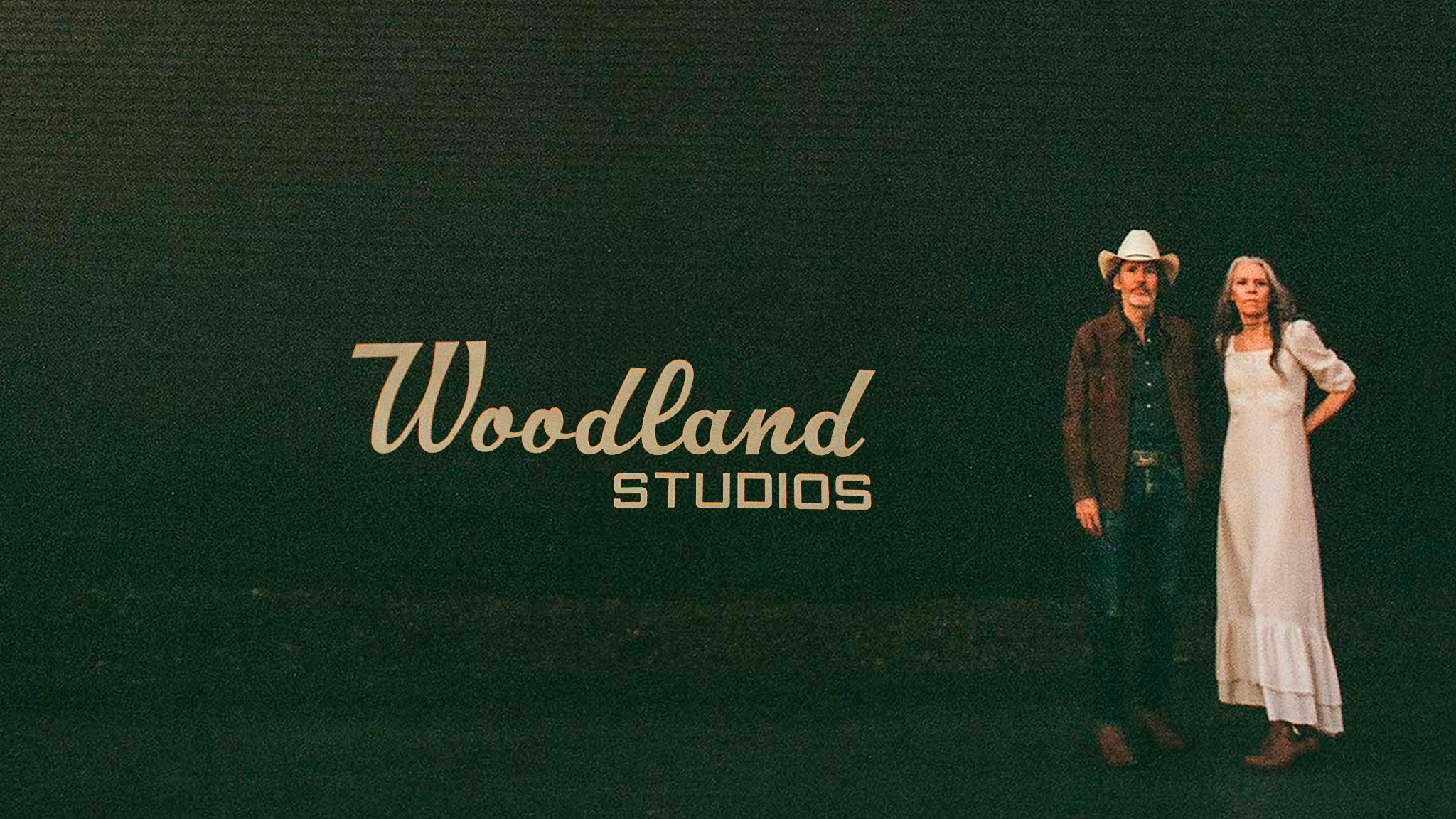
Gillian Welch & David Rawlings release their 10th album together, “Woodland”, on August 23rd. Here’s the first single.  Recorded in Nashville, Tennessee at Welch and Rawlings’ own Woodland Sound Studio. Produced by David Rawlings. “Woodland is at the heart of everything we do, and has been for the last twenty some years,” the duo say. “The past four years were spent almost entirely within its walls, bringing it back to life after the 2020 tornado and making this record. The music is (songs are) a swirl of contradictions, emptiness, fullness, joy, grief, destruction, permanence. Now.”

On their first original composition since 2011, Welch and Rawlings demonstrate their penchant for deeply personal song writing and compelling performance. A journey through their clear adoration of folk and country music, ‘Empty Trainload Of Sky’ is the perfect accompaniment to a summer’s evening, even if you don’t reside on a ranch in the rural United States.

Acony Records is proud to announce “Woodland“, the new album from Gillian Welch & David Rawlings. “Woodland” comes out on August 23rd,

Laura Jane Grace unleashed another new punk song with her new band The Mississippi Medicals, “Karma Too Close.” “How’s your Karma? Coming a little too close for comfort? Mine too,” she says. “Take heart, keep your focus, keep going and also don’t forget to kick back and listen to the rippin electric sitar solo that Mike Patton plays.”

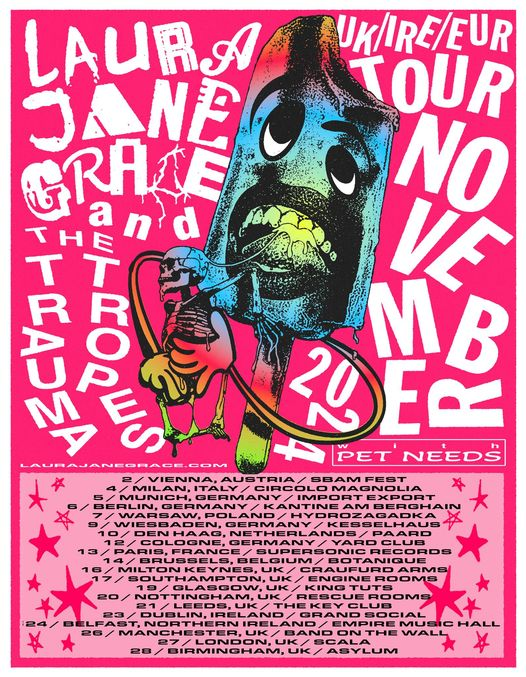
Europe! Uk! Ireland! You have asked and now here is the answer! I’ll be heading across the proverbial pond this November for a full month long run. Unfortunately some of the Mississippi Medicals have prior touring obligations but the good news is this will still be a full band tour. I’m bringing Paris Campbell Grace with me and we’ll be backed by Jacopo Fokas on bass & Ramirez O’Riley on drums and with that said I give to you “Laura Jane Grace & the Trauma Tropes”! We’ll also be joined on this run by Pet Needs opening the show… Oh, and John Gerhardt will be there holding the stage down too!