Archive for the ‘MUSIC’ Category

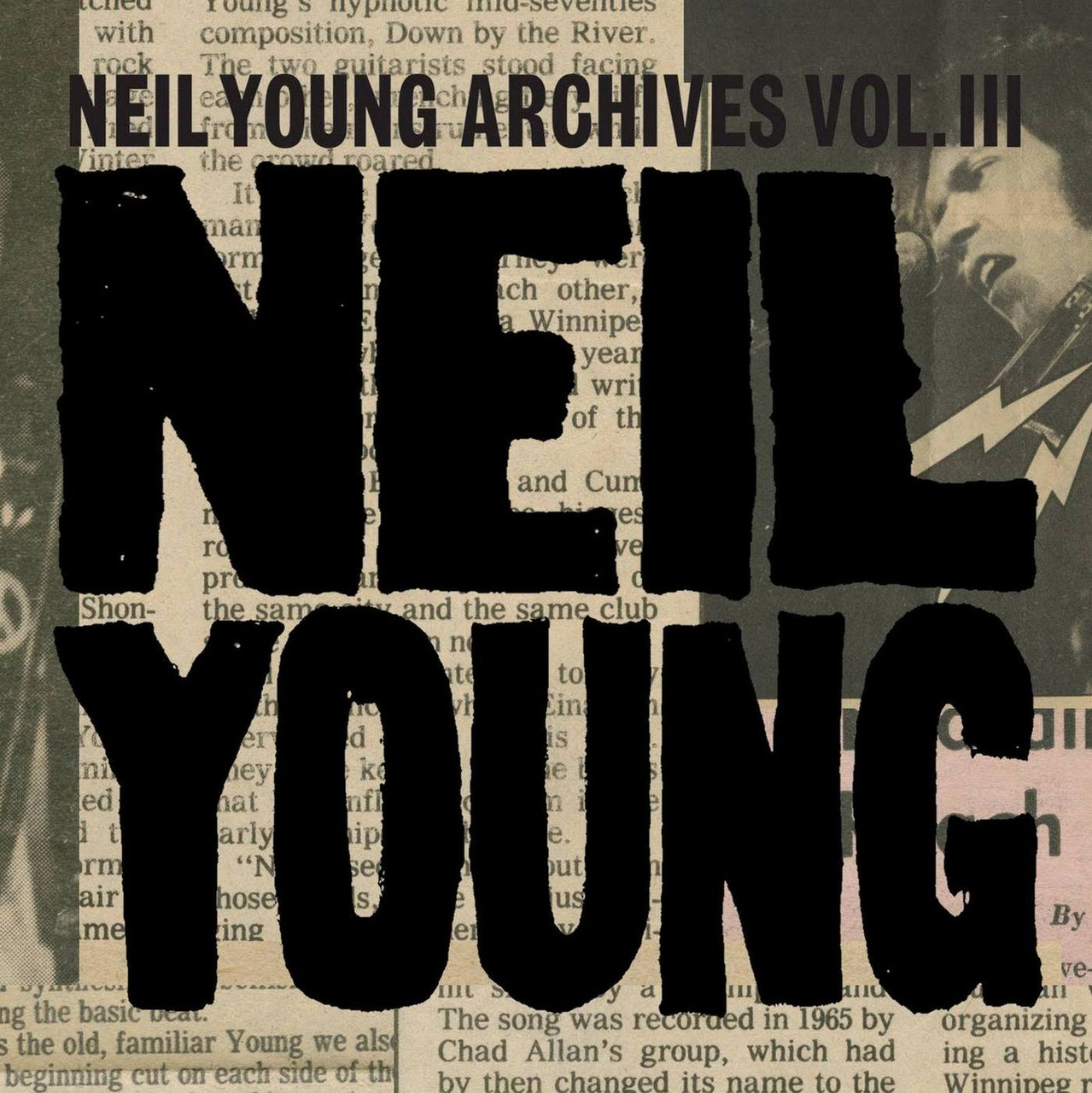
Neil Young is set to release a new box set “Archives Vol. III” covers the period from 1976 through 1987, an extremely productive and musically diverse period in Neil Young’s career that included the release of several classic albums including “Comes A Time”, “Rust Never Sleeps”, “Live Rust” and the electronic “Trans”Spanning 11 years, this Archives box set covers more years, and includes more music and video than the previous two volumes in the Archives series.

There are a total of 22 discs, with 17 CD’s in 11 soft-paks and 5 Blu-Rays in 3 soft-paks. There are 11 films on Blu-Ray, 4 previously unreleased. The 198 total musical tracks include 121 previously unreleased versions of live, studio, mixes, or edits, and 15 previously unreleased songs, available here for the first time ever. 62 tracks have been available on various recordings. The Blu-Rays include 128 tracks, over 14 hours of film. The box also includes a 176-page book and a poster. With over 28 hours of total content, listening the entire time.

The limited edition Deluxe Edition of “Archives Vol. III”, will be available on September 6th exclusively at NeilYoungArchives.com, The collection includes recordings and films together that show the unheralded sweep of Neil Young’s efforts from the 1976-1987 period of his journey.

The box set includes recordings and films together that show the unheralded sweep of Young’s efforts from the 1976-1987 period of his journey. It is one of the most extensive anthologies in his recorded history.

In addition, a double vinyl LP only set titled “Takes”will also be available on the same date. “Takes” is a 16 track compilation featuring one track from each of the 16 out of the 17 CD’s in the “Archives Vol. III” Box Set. This collection will include 3 unreleased songs and 12 previously unreleased versions and will be the only vinyl edition to feature these songs.

Released September 6th, Neil Young release’s the deluxe edition of “Archives Vol. III”. The set includes previously unheard recordings and films that capture the musician’s 1976-1987 efforts across 22 discs. Totalling 198 tracks, the set consists of 121 unreleased versions of live, studio, mixes, and edits, in addition to 15 debut songs. 

The Neil Young Archives series is a living music museum curated and carefully deliberated by Young and is considered one of the most complete artist anthologies in recorded history. The newly announced package implies said status with an exuberant offering of over 28 hours of music–as noted in the artist’s press release, Of the 198 songs included, 62 have been available on various recordings.

In addition to the sizeable margin of first-time releases, the Blu-Rays consist of 128 numbers, over 14 hours of film. Also included in the box set is a 176-page book and a poster. Also positioned for the September. 6th release date is a double vinyl LP-only set titled “Takes”, a 16-track compilation featuring one from each of the 16 of the 17 CDs from “Archives Vol. III”. This specific collection includes three unreleased songs and 12 previously unreleased versions and represents the only vinyl edition to feature these songs. 

For those who pre-order “Archives Vol. III”, they will receive a free 16-song bonus CD Sampler with the tracks from the “Takes” collection before the release of the vinyl edition, along with an exclusive NYA enamel pin.

Neil Young’s ‘Archives Vol. III Takes’ is a 16 track compilation featuring one track from 16 out of the 17 CD’s in the Archives Vol. III Box Set.
This collection will include 3 unreleased songs and 12 previously unreleased versions and will be the only vinyl edition to feature these songs.
The Neil Young Archives series has been something like a living musical museum that can be visited in a personal way, curated by the person who actually created all of the music and films.
It is ever-changing as it moves forward through the life of someone who does not stop, continually looking forward as he studies and shares a past that stays alive.


OUR GIRL – ” The Good Kind “

Posted: August 19, 2024 in MUSIC

The expression of hard-fought optimism encapsulates “The Good Kind”, an album exploring themes of sexuality, relationships, community, and illness. Our Girl’s trademark dynamics permeate the record, from heavy guitars and soaring lead lines to ear worm choruses and intimate vocal moments. Filled with warmth and honesty, “The Good Kind” is a celebration of determination – of choosing to recommit to what matters, against all opposition. “A lot of the songs are about taking setbacks and turning them into superpowers” says drummer Lauren Wilson.

We were lucky to have some wonderful collaborators on this song, including Stella Mozgawa who helped bring this song to life in its early stages – when it was just a baby demo before it came to be what it is now. Another one was Fern Ford who, in the final moment of working on the album, put the glorious cherry on top of the middle 8 of this song. The song was fully tracked, including the strings, but it felt like something was missing in the middle 8 – it wasn’t giving us the heightened swelling feeling we were after. Fern opened up the strings section and added these swoops that felt so perfect, they sounded like fireworks and it just tied everything together. It’s the best feeling to love something so instantly and to be able to tell someone that. Was a good way to finish the record!

We hope you like this song and thanks as always for being on our mailing list and supporting us, we appreciate you!

Our Girl x

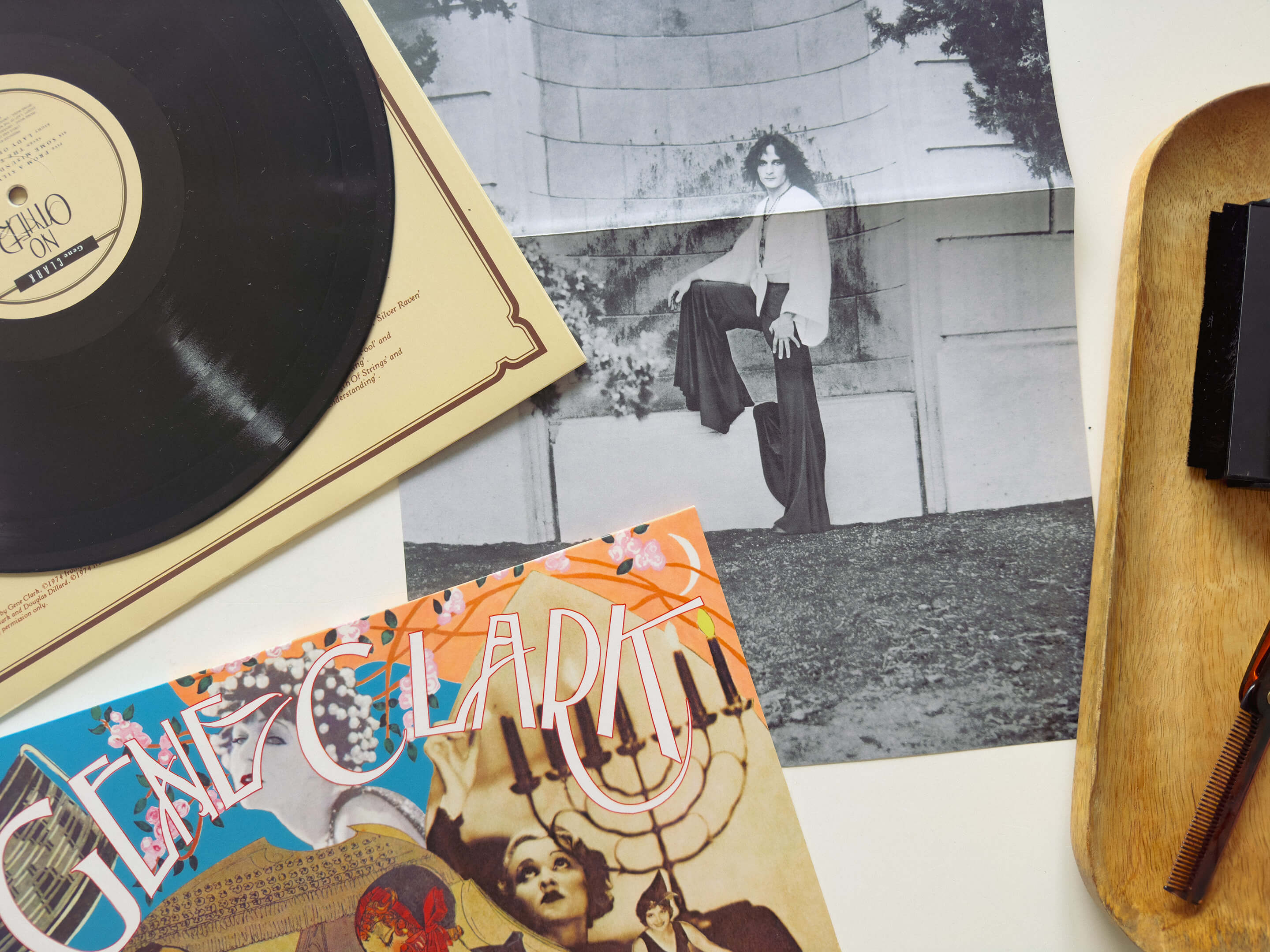
Gene Clark – (1944-1991) Gene Clark was a founding member of the seminal 1960s Rock group the Byrds and the principal songwriter for the band for its first three albums. He penned some of the most beautiful songs of the decade: “Here Without You,” “I Feel A Whole Lot Better,” “She Don’t Care About Time,” and “Set You Free This Time,” and the majestic “The World Turns All Around Her,” He also co-wrote the classic “Eight Miles High,” Clark departed the band in 1966 partly because of his deathly fear of flying and partly because McGuinn sang lead on the singles and Bob Dylan songs,

Also, there was the resentment of other band members that Clark was more highly paid because of his song writing credits. It was the group’s loss because they were never better than when he was in the band He was the heart and soul of the Byrds. Clark next signed as a solo artist with the Columbia label, releasing “Gene Clark and the Gosdin Brothers,” that also featured the Byrds Chris Hillman on bass. The album was a critical success, but because it was released at the same time as the Byrds “Younger Than Yesterday,” in 1967, it disappeared without a trace.

A short stint with the Byrds after David Crosby left ended after three weeks. In 1968, Clark hooked up with banjo player Doug Dillard, guitarist Bernie Leadon (later of The Flying Burrito Brothers and the Eagles), bassist David Jackson and mandolinist Don Beck – and for a short time Byrds drummer Michael Clarke joined the group, They delivered two albums, “The Fantastic Expedition of Dillard & Clark,” (1968) which was a landmark work of acoustic country rock, featuring a collaboration between Clark and Leadon on “Train Leaves This Morning,” (later covered by the Eagles), and “Through the Morning, Through the Night,” (1969) which leaned toward traditional bluegrass. Then Clark decided to move on. He continued to record quality solo albums such as “White Light,” (1971) which included perhaps Clark’s masterpiece “For a Spanish Guitar,” which Bob Dylan embraced. But Clark failed to promote the album, and it was a commercial failure except in the Netherlands. “Roadmaster,” was released in 1973 to the same fate. A reunion Byrds album in 1973 didn’t fare as well either.

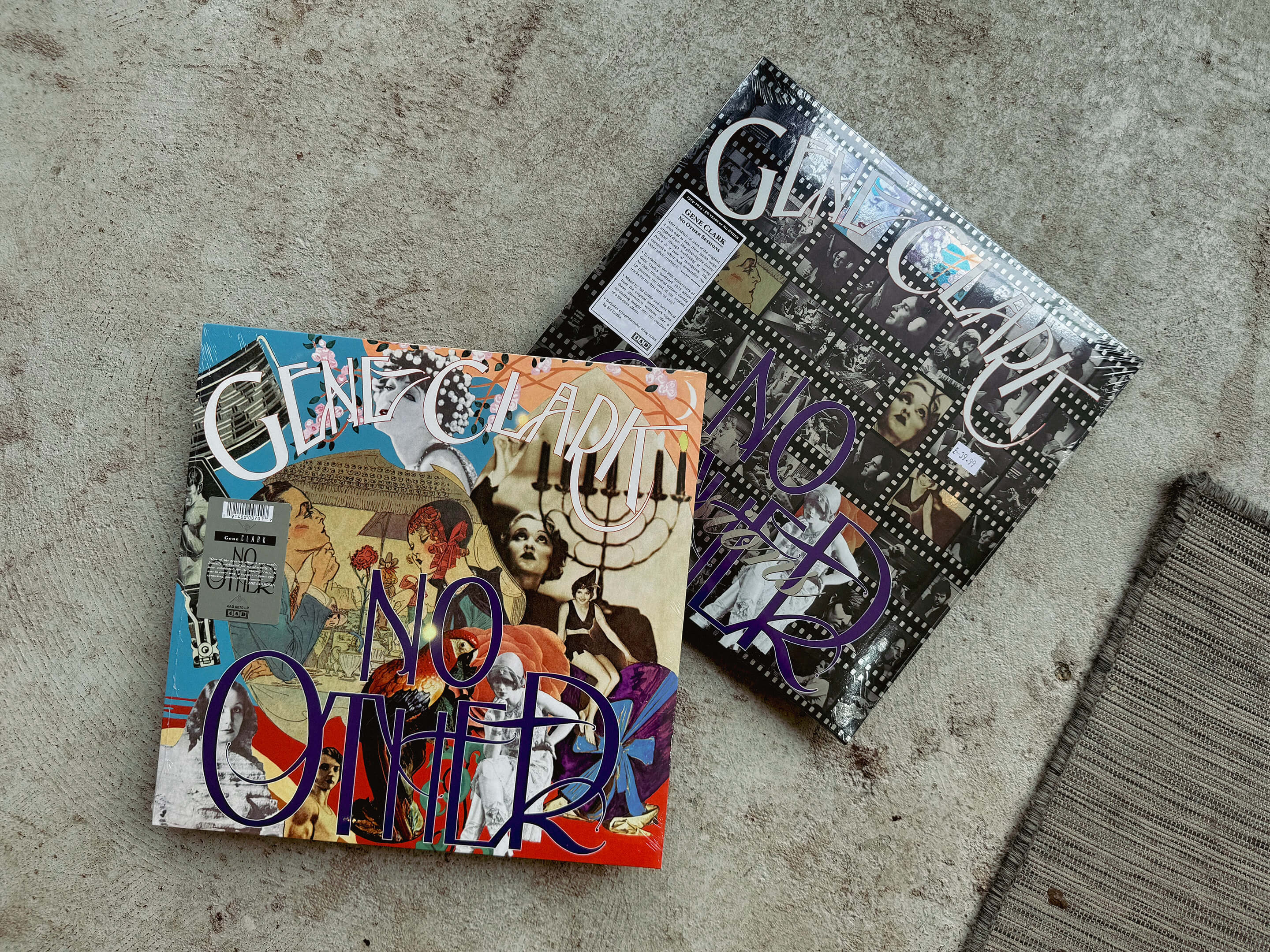
David Geffen signed Clark to his new label Asylum Records in 1974, and the ensuing album “No Other,” over $100K in production costs. It featured the Allman Brothers Band and a host of other session musicians. The music was overarching in its ambition with a blend of Country Rock, Folk, Gospel, Soul and Choral Music. Clark’s songwriting included some of his finest work including “Silver Raven,” “Some Misunderstanding, “Life’s Greatest Fool,” and “No Other.” Critics loved it but Geffen agitated by the cost failed to promote it properly, “Two Sides to Every Story,” followed in 1977 with tracks such as “Hear the Wind,” and “Sister Moon.” Clark considered it his best album, but it was yet another failure on the charts. He regrouped with McGuinn and Hillman on the album “McGuinn, Clark, and Hillman,” in 1979, and had better luck. He contributed four songs including “Backstage Pass.” The album, though slick, was a success, . Unfortunately, Clark’s substance abuse and dissatisfaction with the production resulted in his leaving the band. Later in the 1980s, Clark recorded a highly acclaimed duo album with Carla Olson called “So Rebellious a Lover,’ (1986) which for a time rejuvenated his career. But ulcers and alcohol had left him with serious health problems. The Byrds were inducted into the Rock and Roll Hall of Fame in 1991, and Clark performed together with the band for the last time. He died on May 24th, 1991 at age 46, another tragic casualty in the long line of Rock Stars succumbing to alcohol or heroin addiction.

Clark’s songwriting became revered after his death: his songs were covered by Tom Petty, Ian Matthews, Alison Krauss and Robert Plant – just a few of his fans. Clark was a hard-luck guy, who was unable to sustain a long career, but his songwriting craft has been rediscovered, and his Byrds’ compositions are timeless.

Originally released in September 1974, “No Other” is an absolutely extraordinary album of Country-steeped rock and roll balladeering from The Byrds founding member, Gene Clark. An LP of huge innovation and terrible luck.

By 1973, Gene Clark had ended his third stint with The Byrds, the hall of fame rock band he founded alongside Roger McGuinn, David Crosby, Michael Clarke and Chris Hillman. As amicable and volatile as they ever were, 1973 found the original members back together and recording, although the album was an all-out critical and commercial disaster. With a renewed inspiration and the opportunities afforded to him by Asylum, Clark began work on his magnum opus.

This is another album that demands to be listened to as a whole flowing between musical styles in an easy manner. The album feels like it was delivered from the heavens to us to soothe our souls. Reading about how it was made and the fact that it apparently only made number 144 on the Billboard album chart reminds me that sometimes it takes time to recognise genius. 

The album was reissued in 2019 with all of the bells and whistles including multiple versions of the tracks on the original.

Eight years and three solo albums after leaving the Byrds, Gene Clark released “No Other,” an album that truly lived up to its title. At the time, there was no other record like “No Other,” which cost more than $500,000 to produce and was seen as a masterpiece by Clark. However, the experimental use of overdubs and other effects were just a bit ahead of their time, leading to heavy criticism by the press, who called the effort bloated, pretentious and overproduced. (Fleetwood Mac used many of the same techniques just a year later to great success.) As a result, Asylum Records refused to promote the album and basically disowned it, damaging Clark’s career so badly that he would never recover. Sadly, it wasn’t until after the artist’s death in 1991 that “No Other” would see a reissue, re-evaluations by critics and the respect it (and Clark) rightfully deserved.

“No Other” is one of the most important albums of the 1970s. It has the Laurel Canyon vibe (although it was primarily written at his coastal home in Mendocino and recorded in downtown LA across various stints with producer Thomas Jefferson Kaye). It is also rich in Gospel stylings, with complex and full harmonies that would inspire many dozens of albums across the decade that followed. There are flashes of Country (the album includes a vast array of session musicians, including members of The Section and the Allman Brothers Band) and all bound to his wistful and spiritual songs. Although each of its nine tracks are different, they sit together beautifully and create the most vivid and coherent flow. Like all timeless albums, you can just keep flipping it over and bathing in the opulent world it creates.

But, like many classics, it was an album not of its time and failed to find an audience on release. It is tragic that this wonderful album’s renaissance would arrive after Clark had died, but it remains one of the most seminal albums of the period.

Misunderstood, mismanaged and one of the greatest ever fumbles (alongside Big Star’s #1 Record), “No Other” is a visionary work of such artistry. It is an album of dichotomy, both sonically and thematically focused on the balance between light and dark. Joyous and rousing, pensive and mournful, it really does cover the spectrum of emotions and there is not one wasted second.

A proper beauty then and a proper beauty now.

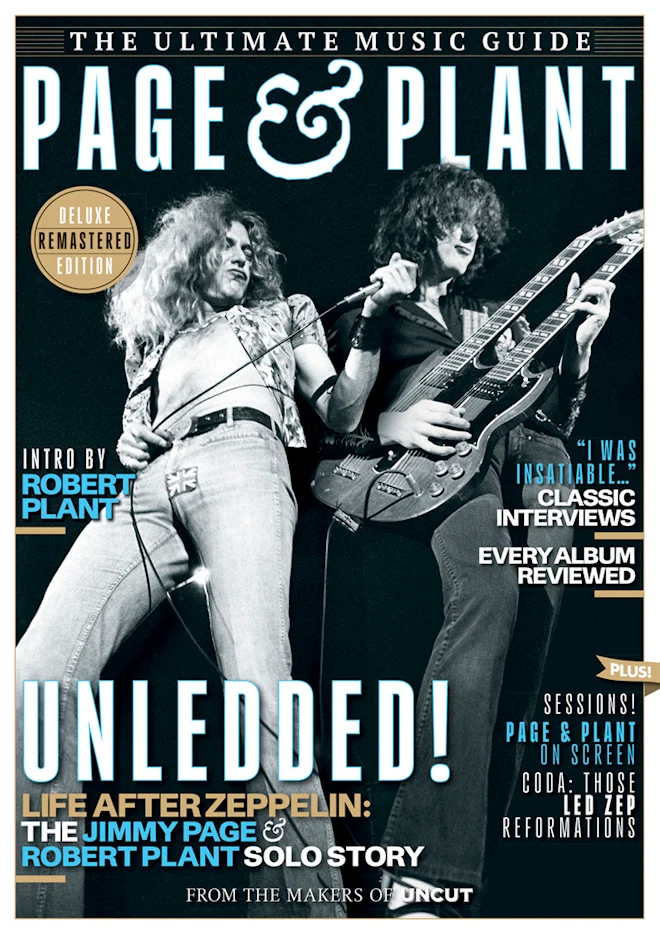
UNCUT GUIDE – PAGE & PLANT

Posted: August 18, 2024 in MUSIC

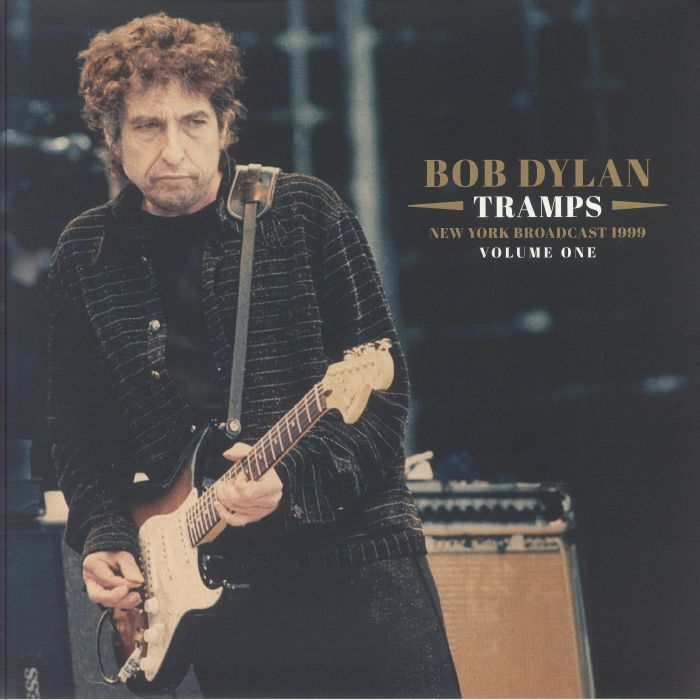
The story goes that in 1989, while recording “Oh Mercy”, Bob Dylan exclaimed to producer Lanois, ‘This is archaic music we’re making.’ In other words, Dylan realised he was no longer on the cutting edge of rock music, Listening to some of these recordings from 1999, I’m struck by how 1950s the sound is, or at least how obviously and deeply rooted in the origins of rock music Dylan’s music is. Call it primitive, call it primal, call it dance music, call it roots music, call it whatever,  Dylan determinedly evokes music from a previous age. Not just rock music but rock-and-roll, pre-rock. While the album “Time out of Mind” shows the influence of that ‘archaic music,’ more consciously and deliberately than “Oh Mercy”, his live performances tap directly into the music of a previous age.

listening to Dylan performing the song at Tramps, New York, ‘Not Fade Away’ is not an isolated example. ‘Alabama Getaway’ is a Robert Hunter song, released by the Grateful Dead in 1980, but it taps right into Chuck Berry and the more ‘primitive’ tradition of 1950s countrified blues. I imagine Dylan likes the song because it’s doing what he wants to do,  ‘Tombstone Blues’, for example, takes us right into the simple, jangling chords of old rock-and-roll, jump music. Dylan’s twin guitarists, Charlie Sexton and Larry Campbell, make all this possible with their happily expert, retro playing.

Bob Dylan was back in the game. After a decade of hit-or-miss releases; six years without releasing a new, original song; and a near-fatal heart infection, “Time Out of Mind” came out of nowhere with a sound that was both timeless and brand-new, and a resurgence of the language and form that characterized his greatest song writing. It won the Grammy for Album of the Year and marked an entirely unexpected creative explosion as Dylan neared sixty. The live shows were getting more consistent, too. For a co-headlining tour with Paul Simon, his band had settled into a line-up (Larry Campbell and Charlie Sexton on guitar, Tony Garnier on bass, David Kemper on drums) that would be his most formidable group since the mid-‘60s performances with The Band. Prior to two nights at Madison Square Garden, Dylan booked a last-minute date at a Chelsea nightclub that captured all of this new momentum. It was a magnificent set, leaning surprisingly hard on his ‘60s masterworks (including a miraculous ‘Visions of Johanna’), but also turning a forgotten song like ‘Seeing the Real You at Last’ into a thrilling highlight. With Elvis Costello joining in for a final take on ‘I Shall Be Released’, the full show remains something of a marvel and is now released on vinyl for the first time on this new two-instalment set.

 ‘Down Along the Cove’ comes as the second to last track on “John Wesley  Harding” (1967), but we had to wait until 1999 to get the first live performance. Bringing it forward at this point, nested among the “Time out of Mind” songs, and antique songs, is yet another indication of the influence of this retro music on Dylan’s own songs. It’s a Dylan song but could almost be someone else’s. It’s a straight no frills rock blues. A treat for the ears. 

 in ‘Highway 61 Revisited,’ another retro sounding song, although less obviously derived from the blues. Again the complexity of the lyrics is set against a simple, ‘primitive’ jump music structure. It’s a lot of irreverent fun. This Tramps performance really pushes it along, the wild lyrics flying by before we can get a hold of them. Taming Dylan’s lyrics to the page hardly does justice to the madcap, whirling effect this song creates.

Bob Dylan & His Band performing at Tramps, New York City on 26th July 1999 –

Complete [-1] set. 1. Oh Babe It Ain’t No Lie (Elizabeth Cotten) 2. The Times They Are A-Changin’ 3. Boots Of Spanish Leather 4. John Brown 5. Visions Of Johanna 6. Seeing The Real You At Last 7. Ballad Of A Thin Man 8. Most Likely You Go Your Way (And I’ll Go Mine) 9. Every Grain Of Sand 10. Tombstone Blues 11. Not Dark Yet 12. Highway 61 Revisited — [ 13. Love Sick – missing here, copyrighted, officially released ] — 14. Like A Rolling Stone 15. It Ain’t Me, Babe 16. Not Fade Away (Norman Petty/Charles Hardin) 17. Blowin’ In The Wind 18. Alabama Getaway (Robert Hunter/Jerry Garcia) 19. I Shall Be Released – [Elvis Costello is in town and joins Dylan & His Band on the last one] Line-up: Bob Dylan (vocal & guitar), Charlie Sexton (guitar), Larry Campbell (guitar, mandolin, pedal steel guitar & electric slide guitar), Tony Garnier (bass), David Kemper (drums & percussion), Guest – Elvis Costello – guitar & vocals on “I Shall be Released”

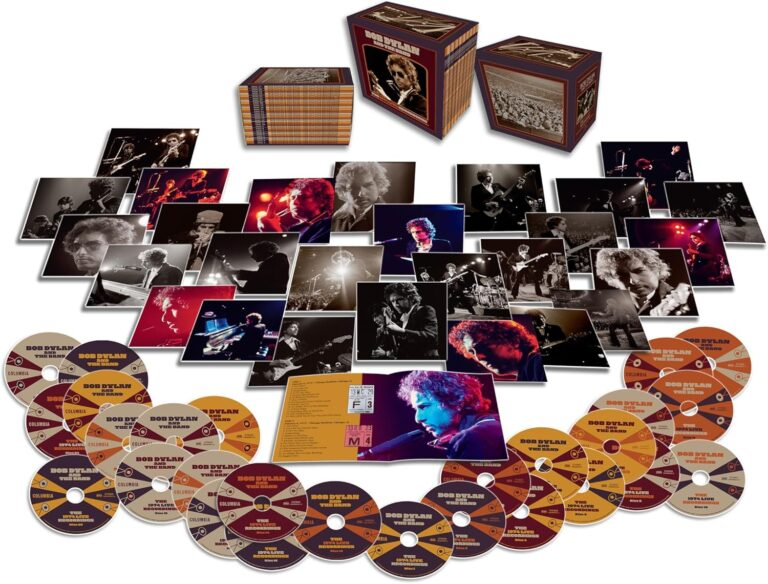
It had been more than seven years since Bob Dylan had toured, when he mounted his memorable return to the stage in 1974. Joining him were his friends and previous touring partners, The Band Robbie Robertson, Levon Helm, Rick Danko, Garth Hudson and Richard Manuel who had backed the Bard on the just-released album, “Planet Waves”. Though the arena tour lasted less than two months, from early January through mid February , it spanned 40 concerts in 21 cities, with many dates offering an afternoon show followed by an evening performance. The outing was documented later that year with a 2-LP set, “Before the Flood“. But now the legendary run is now being presented as a massive 27-CD box set, “Bob Dylan and the Band: The 1974 Live Recordings”.

The new set offers 431 live Dylan tracks, with 417 previously unreleased–including 133 recordings newly mixed from 16-track tape, and every single surviving soundboard recording–along with new liner notes by journalist and critic Elizabeth Nelson. It represents the first release from Dylan’s vast archives since 2023’s “The Complete Budokan 1978“. His last studio album was 2020’s acclaimed “Rough and Rowdy Ways”. 

“Bob Dylan and the Band: The 1974 Live Recordings” includes performances of such classic rock favourites as “Like a Rolling Stone,” “Mr. Tambourine Man,” “All Along the Watchtower,” “Rainy Day Women #12 & 35” and “Knockin’ on Heaven’s Door”. The massive collection, however, does not include The Band’s own sets during those concerts. Lets Hope that collection is to come later.

 “As the tour launched, Dylan and The Band road-tested their sets, tweaking song choices and sequences. By the time they reached L.A., only ‘Forever Young’ survived from “Planet Waves”.

Though they might not have known it at the time, Bob Dylan and The Band were at the vanguard of a new era. Tour ‘74 would help create the template for the major rock tour, and codify many of its shared experiences – from the sight of audiences holding up lighters en masse (as captured in the iconic cover image for “Before the Flood“), to the bright flash of the house lights during a show’s signal moment, in this case their performance of “Like a Rolling Stone.” Likewise many songs performed live for the first time on Tour ‘74–“All Along The Watchtower,” “Forever Young” and the show’s eventual opener-and-closer “Most Likely You Go Your Way (and I’ll Go Mine)”–would take on a life of their own.

At the outset, the 1974 Tour was captured on a stereo soundboard mix, on both 1⁄4” tape and cassette. By tour’s end, Asylum Records’ David Geffen had commissioned recordings on multitrack tape, the standard at the time, for eventual release on “Before the Flood”. “The 1974 Live Recordings” includes it all: the cassettes and 1⁄4” tapes, and the shows that were recorded on 16-track tape, newly-mixed for this collection.

Dylan, who turned 83, on May 24th, is currently co-headlining the 2024 edition of the Outlaw Music Festival with Willie Nelson. The collection, via Legacy Recordings, arrives September 20th, 2024. 

BERT JANSCH – ” Documentary “

Posted: August 16, 2024 in MUSIC

In this documentary, interviews and rare archive footage weave together performances from a landmark multi-artist concert at the Royal Festival Hall in London, celebrating the songs and artistry of the great folk-blues troubadour Bert Jansch. Ralph McTell, Robert Plant, Donovan, members of Pentangle, Bernard Butler, Martin Carthy, Martin Simpson, Lisa Knapp and more pay tribute to Jansch, who died in 2011.

Bert Jansch was one of the most important figures in British folk, both for his solo recordings and his work with seminal British folk group, The Pentangle.

Born in Scotland, he was steeped in American blues and jazz, North African music, and folk early in his career, and by the beginning of the ’60s he was playing the British folk clubs, extending his musical education. Artists like Martin Carthy and Anne Briggs turned him on to songs in the British folk tradition. By the mid-’60s Jansch had set up residence in London where he began and playing live shows, and by making the studio recordings that would come to influence a generation of songwriters, singers, and guitar players. Classic artists like Jimmy Page of Led Zeppelin, Neil Young, Paul Simon, Donovan, Elton John, and Nick Drake, all the way up to present artists like Fleet Foxes and Devendra Banhart, have acknowledged Jansch as a major influence and innovator of acoustic guitar playing.

His debut, Bert Jansch, sold a reported 150,000 copies after it came out in 1965 — pretty impressive for a new talent recording on a home tape machine, just him and his guitar and a voice that had a nasal quality perfectly suited to his songs.

By his second album, Jansch was collaborating with John Renbourn, another seminal British folk guitar giant. Together in 1967, they formed The Pentangle, one of the most important British folk groups of the ’60s. Bert Jansch is listed as one of Rolling Stone magazine’s “Top 100 Guitar Players Of All Time.”

His guitar playing could be both gentle and percussively ear-grabbing. A year after his debut, Jansch recorded a mostly instrumental disc with his then-flatmate, John Renbourn, that remains a favourite to this day. “Bert and John” is one of those records that just makes you smile. A super Bert Jansch solo album is “Avocet”, a collection of original compositions inspired by water birds. Jansch plays a variety of instruments on the album, from guitar to cittern even piano. 

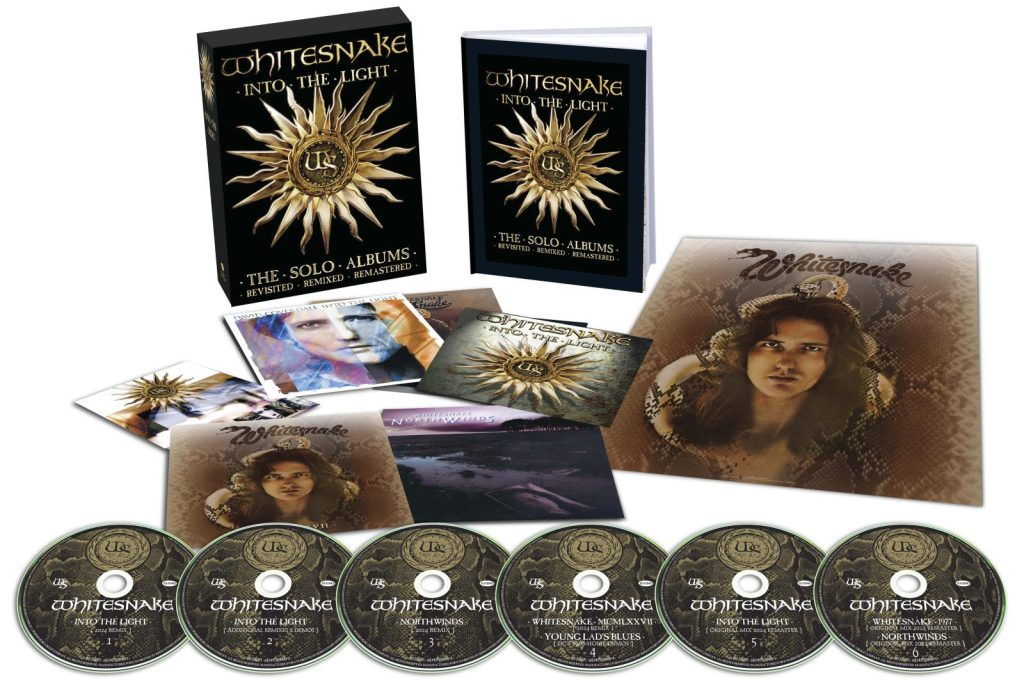
David Coverdale, the powerful voice behind Whitesnake and former Deep Purple frontman, sees his solo work shine brightly in a new collection featuring remixed, remastered, and revisited versions of his solo albums, Rediscovering the Roots of Whitesnake: David Coverdale’s “NorthWinds, Whitesnake, “Into The Light” All  Albums have been Remixed. As fans of rock history know, David Coverdale’s journey from Deep Purple to forming Whitesnake is legendary. But nestled between those two iconic chapters are two solo albums that played a pivotal role in shaping the sound and identity of what would become Whitesnake. With the release of the new boxed set “Into The Light: The Solo Albums“, these early works, Whitesnake (1977) and “NorthWinds” (1978), are getting the spotlight they deserve, alongside Coverdale’s later solo effort, “Into the Light” (2000).

When David Coverdale left Deep Purple in 1976, he was at a crossroads. Having spent years as the frontman of one of rock’s biggest bands, the question was, what next? The answer came in the form of his solo debut, Whitesnake—a title that would later become synonymous with the band that defined his career.

The collection also unearths several unreleased demos from Coverdale’s archives, including songs destined for future Whitesnake albums. “Lay Your Love On Me” would later appear as “Lay Down Your Love” on 2008’s “Good To Be Bad”, while “Crazy ’Bout Cha” evolved into “Whipping Boy Blues” on 2011’s Forevermore. The set even goes back to 1968 with demos Coverdale recorded as a teenager, including an early version of “Sunny Days,” a track that would appear on his solo debut, “WhiteSnake”.

Whitesnake was a bold step away from the heavy, blues-infused rock of Deep Purple. Instead, Coverdale explored a more soulful and introspective sound, blending rock with blues and even touches of R&B. The album featured tracks like “Lady” and “Blindman,” which hinted at the sound that would later characterize Whitesnake but with a more subdued, reflective tone.

Following Whitesnake, Coverdale released “NorthWinds” in 1978. This album continued his exploration of varied musical styles, with tracks like “Keep On Giving Me Love” and “Only My Soul” showcasing a more mature and confident songwriter. “NorthWinds” was where Coverdale began to embrace the fuller, more anthemic sound that would come to define Whitesnake in the years to come.

With “Into The Light: The Solo Albums”, both “Whitesnake” and “NorthWinds” have both been remixed and remastered, breathing new life into these classic records. Coverdale has used cutting-edge audio technology to revisit these tracks, addressing the “technical issues” that had bothered him for decades. The result is a more dynamic and polished sound that aligns these solo efforts within Whitesnake catalogue.

One of the most exciting aspects of this reissue is the use of advanced AI sound separation software, which has allowed for new arrangements and elements that were previously impossible. On “NorthWinds”, for example, the track “Time & Again” now features new string and piano arrangements that Coverdale had envisioned since the album’s original recording sessions.

The remixed versions of these albums aren’t just about polishing old tracks—they represent a reimagining of Coverdale’s early solo work, bringing it closer to the sound that would define the band Whitesnake. As Coverdale himself puts it, “They’re all Whitesnake albums to me…we’ve remixed them to stand proudly alongside any Whitesnake album.”

In addition to the remixed and remastered albums, “Into The Light: The Solo Albums” also includes previously unreleased demos and tracks from Coverdale’s own archives. These tracks provide a fascinating glimpse into Coverdale’s creative process during this formative period.

Into The Light: The Solo Albums” will be available from Rhino.com on October 25th as a 6-CD boxed set. It comes packaged in a hardcover box featuring a 60-page book with rare photos, detailed liner notes, and a new interview with Coverdale.

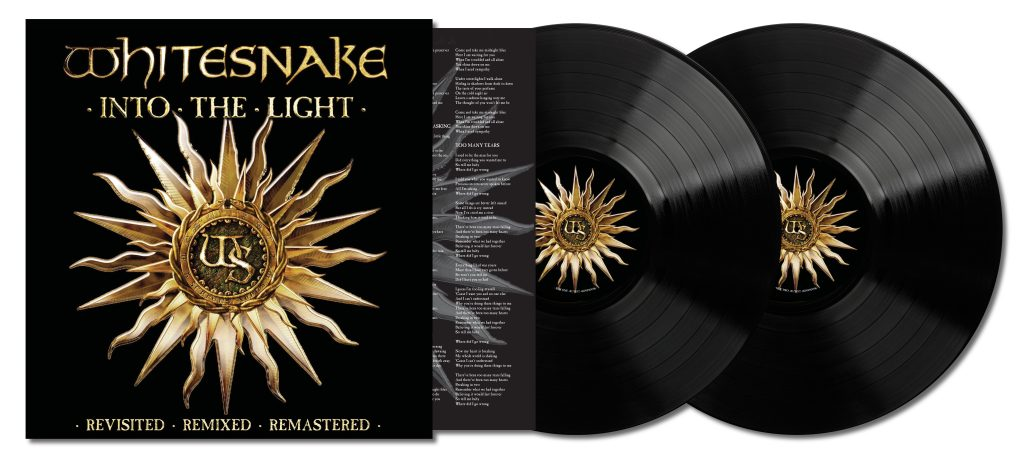
The newly remixed version of “Into the Light” will also be available separately as a double vinyl album presented in a gatefold sleeve. “Into the Light“, Coverdale’s third solo album, boasts an impressive musical lineup that includes guitarists Earl Slick (David Bowie) and Doug Bossi, bassist Marco Mendoza (who later joined Whitesnake), legendary drummer Denny Carmassi (Montrose, Whitesnake), and keyboardist Mike Finningan (Jimi Hendrix). The remixed version of the album expands the original with songs like “Let’s Talk It Over” and “All The Time In The World.” The collection also offers additional remixes, demos, and outtakes from the album, including “With All Of My Heart.” Coverdale wrote the song for his wife and considers it one of the best he’s ever written.

HONEYGLAZE – ” Pretty Girls “

Posted: August 16, 2024 in MUSIC

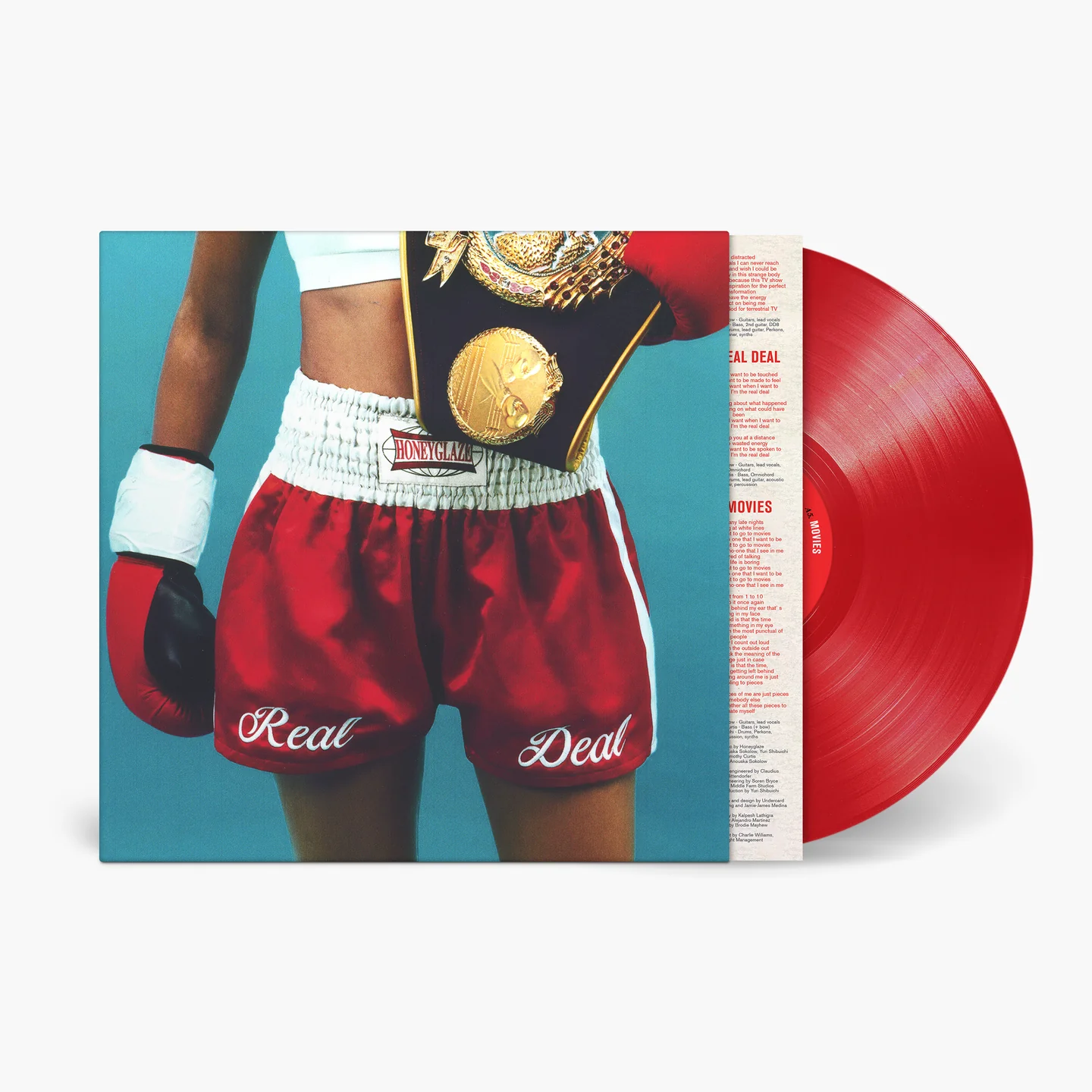
Honeyglaze’s second album, “Real Deal”, and their first for Fat Possum Records, feels like their coming of age moment. The band have taken the foundations laid on their debut and focused it into a mammoth record filled with crashing riffs, devastating vocal performances, and nuanced breakdowns, resulting in a mature, complex record grappling with negative relationships, the mundanity of adult life, and identity.

Honeyglaze’s new single, “Pretty Girls,” is out now, off of their upcoming album “Real Deal“, out on Fat Possum Records September 20th.

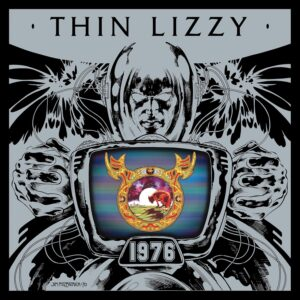
The Irish rock band Thin Lizzy are being celebrated with a box set that celebrates their breakthrough year. The band’s sixth and seventh albums, “Jailbreak” and “Johnny The Fox”, were both released in 1976 and are seen as their definitive studio albums with such memorable songs as “The Boys Are Back In Town,” “Jailbreak,” “Warriors,” and “Cowboy Song.” 1976, a collection on 5-CDs + Blu-ray, arrives September 27th, 2024, via Universal Music Group.

The “1976” box set contains two versions of both albums, the original form and a new stereo mix by Richard Whittaker as overseen by guitarist Scott Gorham and mastered by Andy Pearce. There is also a Blu-ray containing an Atmos mix of both albums.

Scott Gorham wasn’t a member of Thin Lizzy when they first came together in Dublin in 1969. He joined five years later, and was part of the breakthrough “Jailbreak” quartet that also included frontman Phil Lynott on bass, Brian Robertson playing the other guitar and Brian Downey on drums. “Jailbreak” was released in March 1976 and was the band’s breakthrough album in America.

The album’s “The Boys Are Back in Town” was a huge hit for the band,  “Johnny The Fox” was recorded in the same year and released in October 1976 to critical acclaim .

The new collection’s other discs contain unreleased mixes from the band’s vault, radio sessions, and a previously unreleased 1976 concert from Cleveland. The package, housed in a 10 x 10 box, features sleeve notes by Mojo’s Mark Blake and has a hard-backed booklet packed with rare photos and memorabilia, with contributions from long-time contributor Jim Fitzpatrick.

Thin Lizzy are being celebrated with a box set that celebrates their breakthrough year. The band’s sixth and seventh albums, “Jailbreak” and “Johnny The Fox”, were both released in 1976