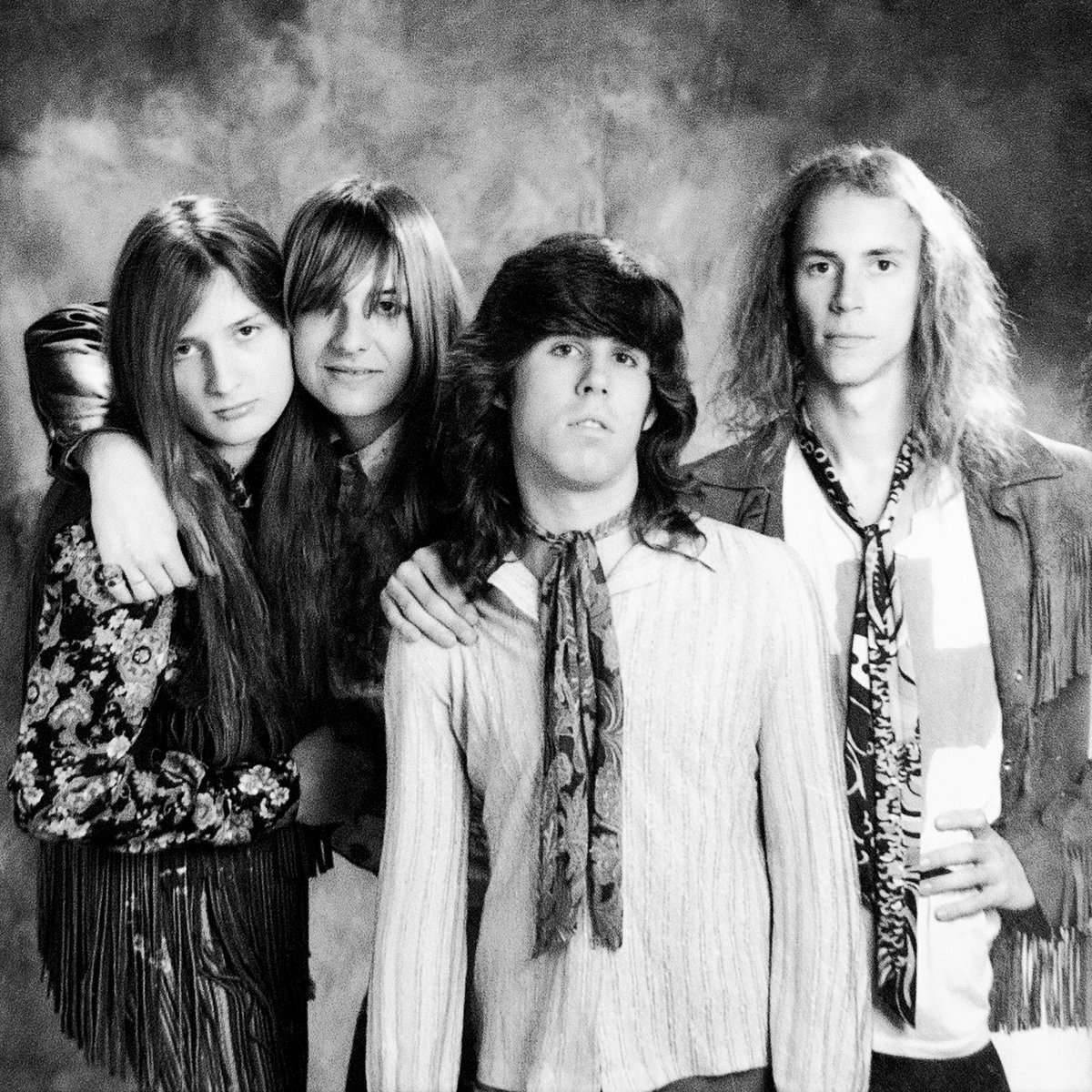
Do me a favor and name a band that has been good, for about 40 f’n years? Seems bloody unlikely, but Redd Kross are that band, and their 2024 album, simply and aptly titled “Redd Kross”, might just be the best thing they’ve ever done. Jeff and Steve McDonald (singer/guitarist and bassist/singer, respectively) helped put SoCal punk on the map in the late 1970’s as teenage miscreants. Need proof of their OG status? Redd Kross’s very first gig was opening for Black Flag. But what made Redd Kross so beloved—and so distinctive—was and still remains their eternally youthful, rainbow-streaked, Beatlesesque, Cheap Trick-influenced, 60’s-and-70’s-pop-culture-obsessed power-pop nuggets.
From their groovy 1987 touchstone “Neurotica” to their underappreciated 90’s-era output, then up through their 2012 comeback “Researching the Blues”, Redd Kross have trudged on—shredding through their debaucherous and glammed-out “bubble-grunge” without losing a bit of the fresh-faced euphoria they’re known for. While 2019’s “Beyond The Door” extended the hot streak started on “Researching the Blues”, the 18-song epic “Redd Kross” is on a whole other level of Technicolor goodness. The McDonalds—along with producer/multi-instrumentalist Josh Klinghoffer (the ex-Red Hot Chili Peppers guitarist and current Pearl Jam touring member) and guitarist Jason Shapiro—blow through one should-be hit after another in seemingly the blink of an eye. “Redd Kross” might be sprawling, but you won’t find even a flash of filler. Instead, it’s loaded with massive hooks, tingly-all-over melodies, singalong choruses, and sha-la-la harmonies.
The new album has all the wham-bam glam-meets-glitter punk thing they’ve always been aces at, then adds some well-earned nostalgia, some trenchant thoughts about modern life, plenty of rollicking humour, plus blazing anger too. The brothers McDonald came out of the pandemic ready to tear things up, and the release of “Redd Kross” is a bracing reminder that they are probably, most likely, definitely the best rock & roll band still daring to call themselves that.
Redd Kross “Redd Kross” (In The Red, 2024) The 9th studio album from this legendary California band lays down the power pop with a capital “P”! They have been making albums for 40+ years and sound like they’re still peaking.
Eighteen songs rip and rock through earworm melodies with overblown guitars in an irresistible blast of garage/punk energy. The McDonald brothers’ vocal harmonies feed off a reverence for the 60s and the pure exuberance of performing, while their guitars color the sound with feedback squalls and irresistible pop/punk chords. Bass and drums drive the rhythm with style and vigor. The songs call to every sense of rock ‘n’ roll immersion. Opener “Candy Coloured Catastrophe” sets the standard for this rollicking hour-long explosion of kick-ass melodic bliss. The following track, “Stunt Queen” rips into a punkier noise flair that shakes the speakers. This pattern of energy-driven songcraft permeates the album with one catchy tune after another. “Redd Kross” shimmers with the band’s trademark mix of hum-along hooks and high-spirited garage energy.
It’s a triumphant blast of electrified power pop that will charge your inputs with a revitalizing bolt of vibrant pop/rock musicianship. Like the wild-ass side of The Beatles, Guided By Voices, Sloan, The Nerves, The Wildhearts, Cheap Trick, Ash, Elf Power, Fountains Of Wayne, The Barraracudas, The Exploding Hearts, Joy Cleaner, The Rezillos, Painted Doll, The Boo Radleys.
Redd Kross have devoted their career to making subversive entertainment in a high pop celebrity style, reintroducing forbidden classic-rock tropes as melodies, harmonies, ripping musicianship, & primary colours-stuff that had (largely) been ditched in the underground rock’s post-punk, No Wave, hardcore, & sensitive-egghead scenes
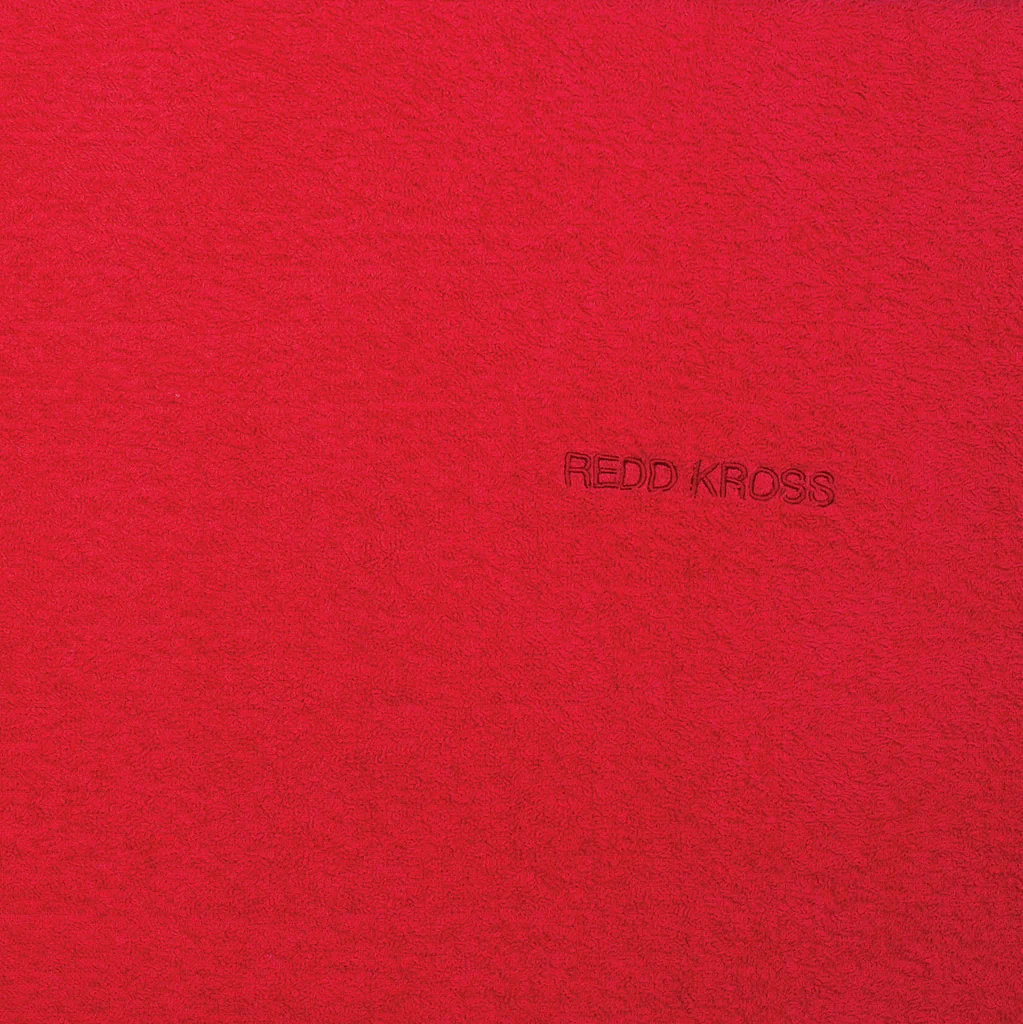
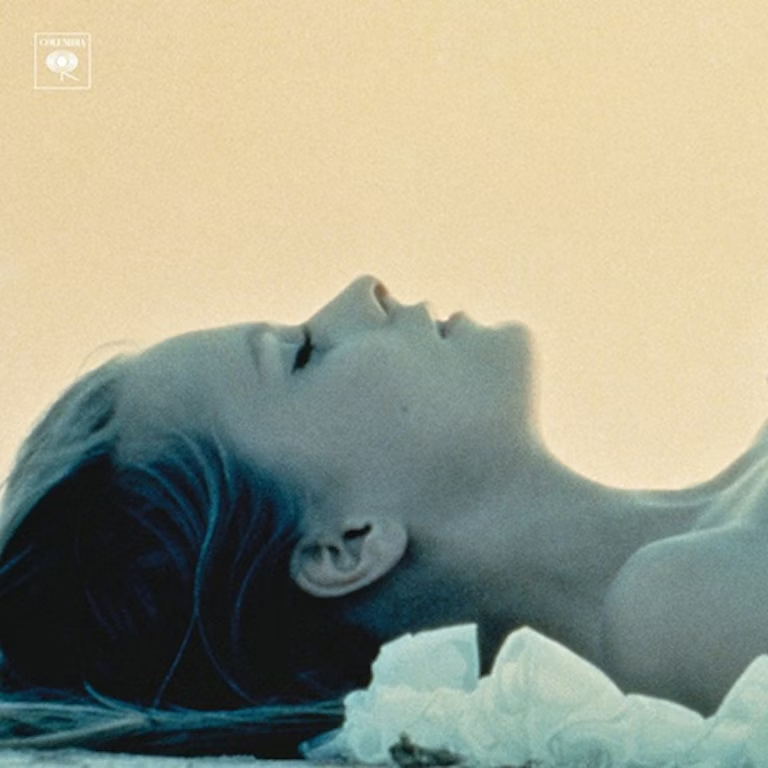
To say we are excited about this release would be a gross understatement. We are over the moon to announce that we’re releasing the new album by one of our all-time favourite bands – REDD KROSS. This self-titled double LP (with artwork that pays tribute to another self titled LP) is the band’s ninth studio full length and it’s a monster! Eighteen brand new original songs that show that the McDonald brothers are at the peak of their powers. Vinyl comes in a gatefold sleeve with limited edition red vinyl. The band will be doing a full US tour this summer, a memoir about them will be hitting book stores soon and an amazing documentary titled Born Innocent: The Redd Kross Story is hitting theaters – 2024 is the year of Redd Kross!
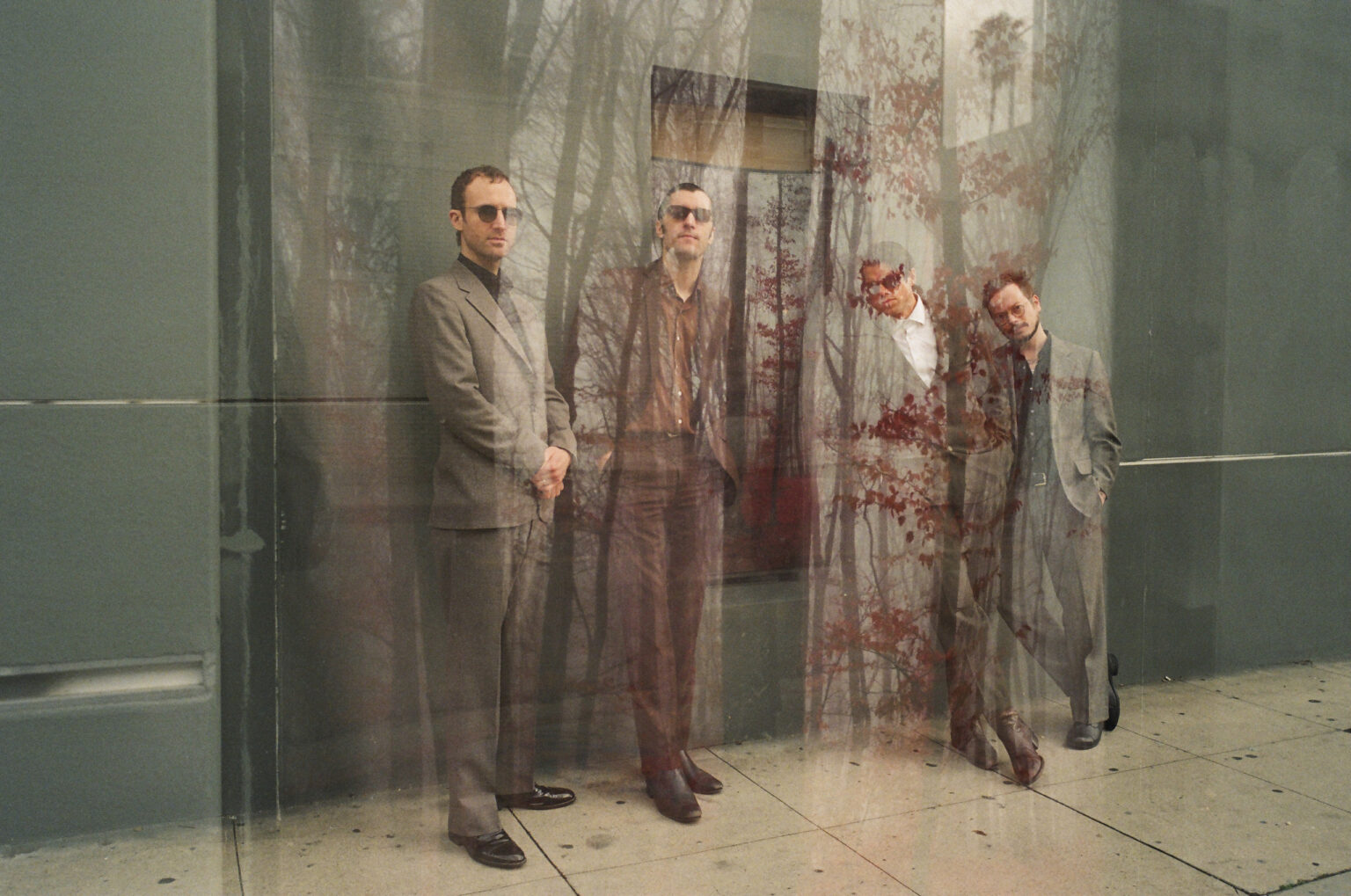
So, new-ish, in new ways anyway. But don’t . . . the new Wand’s built upon the exalted altars of old. There’s flashes of sentiment and tension, nudity and evasion, theatrical elevation, giant pieces chunked throughout alongside little bits of things. Since their 2014 debut, Ganglion Reef, the Los Angeles.-based Wand have braided garage, psych, and classic rock into a fuzzed-out whole that constantly swings between inspiration and tribute.
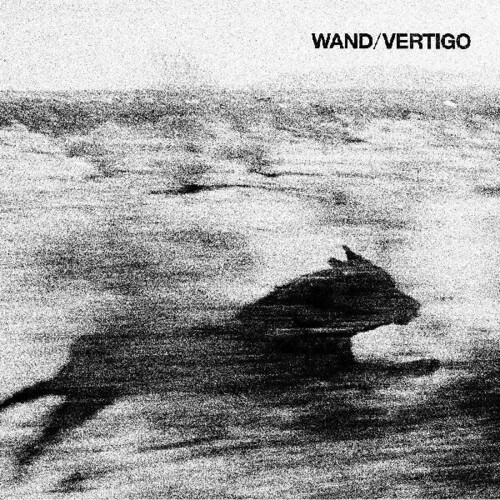
Sliding between the bodies in the street, cutting across the contrails that bisect our sky, Wand find melody and the anxiety beats as they hum the soundtrack for a new gravitational centre. Seeking connections against the plan of niche interest and anonymity, “Vertigo” is the sound of slippage, rocks of contradiction (in soft focus); feet lost, regained, lost again, a multi-chromatic swaying, more automatic, associative, directed, in time. “Vertigo” offers a lot of what makes Wand a moody delight, from the pulsating fuzzwave of “Hangman” to the dreamy horns and plinked keys of “Lifeboat.” It meanders with curiosity, having been semi-improvised in the writing process, and it’s rife with decades of comforting rock and folk landmarks.
For Corey Hanson lyrics are built around things he doesn’t want to do—things hidden, unsaid, and locked inside his brain. His high, smooth voice is a stark contrast to the nakedly hero-worshipping (or maybe oblivious channeling) of Pavement’s “Summer Babe” on “Smile,” which is practically a half-speed cover. Seventies Latin and soft-rock sounds soak the Santana-meets-Steely-Dan “Lifeboat,” and album closer “Seaweed Head” rolls like a Loaded outtake, a sun-faded poster for VU’s “I Found a Reason” hanging in their resin-stained practice room.
Wandies – and all conceivable others! Their new album release bonus offer for the hardcore among you: now, you can Turn On, Turn Off, and Tune Into the “Vertigo” Bundle – your choice of format on the new Wand record (LP-CD-or-CS), complete with Black Light Poster and Bumper Sticker!
Tom Pettyand The Heartbreakers‘ fifth studio album is getting a deluxe makeover. On October 18th, Geffen/UMe will revisit 1982’s oft-overlooked “Long After Dark”, originally released on Backstreet Records, in various formats including 1LP, 2LP, and 2CD+Blu-ray.
Petty was joined by Mike Campbell (lead guitar), Benmont Tench (keyboards), Stan Lynch (drums), and new recruit Howie Epstein (bass/backing vocals) as well as co-producer Jimmy Iovine for “Long AfterDark”. The third and final of Petty’s three LPs on MCA imprint Backstreet, it followed 1979’s landmark “Damn the Torpedoes” and 1981’s “Hard Promises“, the final album to feature the original Heartbreakers line-up.
Bolstered by “You Got Lucky” as well as the single “Change of Heart” and the third single “Straight into Darkness” failed to chart – “Long After Dark” was assessed by Petty in an interview with Paul Zollo, shared in the press release for this reissue. He called it “a good little rock and roll record” but also “a tough record because I never knew if we were making the right decisions about songs.” The non-LP B-side of “Change of Heart,” “Heartbreakers Beach Party,” didn’t appear on CD until the box set “Playback”.
In addition to a remastered version of the original album sourced from master tapes, the expanded “Long After Dark” features a dozen bonus tracks, including songs that were discarded as Petty struggled to hit upon the right direction for the album.
Among these is his version of “Never Be You,” a 1985 Country chart-topper for Rosanne Cash; the pop-flavoured “Don’t Make Me Walk the Line;” and an uptempo treatment of Petty and Campbell’s “Ways toBe Wicked,” covered by Lone Justice on the band’s 1985 debut LP.
An extended version “Heartbreakers Beach Party” has also been discovered, as well as a number of tracks originally recorded by the band for French television. The bonus tracks have been mixed by Petty’s long time associate Ryan Ulyate. The Blu-ray Disc in the 2CD/1BD package contains high-resolution stereo and new Dolby Atmos mixes of the original album and bonus tracks, also mixed by Ulyate.
The Deluxe Edition of “Long After Dark” has been designed by Jeri Heiden, with liner notes by rock journalist and Tom Petty Radio host David Fricke, commentary from Jimmy Iovine and Cameron Crowe; and rare archival photographs by Dennis Callahan, Neal Preston, and Aaron Rapoport.
In addition to the 3-disc (2CD/1BD) set and black vinyl versions of the 1LP (remastered album only) and 2LP sets, vinyl variants include a 2LP pressing on 180-gram red-with-black-splatter vinyl (with a numbered, foil tip-on jacket) exclusive to TomPetty.com and a 1LP 180-gram turquoise pressing with a double-sided lithograph of Blaze Brooks’ illustrations, exclusive to indie record stores.
The Petty Legacy archives have been opened to share newly remastered video and audio from 1982-1983 to coincide with this release. The French TV performance of “Straight Into Darkness,” directed by Alan Bibby, is streaming now. The video (which aired on French television) captures the band performing at The Record Plant.
Look for Long After Dark: Deluxe Edition on October 18 from Geffen/UMe.
The injustices in the music industry are numerous, extensive and outrageous. Budgie never became as big as ”the big three”; Black Sabbath, Deep Purple and Led Zeppelin. On the other hand, it’s only fair. Budgie didn’t belong on the pedestal among “the big three”, but they were better than most other contemporary bands around that time . Budgie stood beside the road and saw themselves being overtaken by less talented bands. Despite talent, dedication and hard work Budgie only achieved moderate success.
Budgie was formed in Cardiff in 1966 led by Burke Shelley (bass and vocals) and Brian Goddard (guitar). They soon found drummer Ray Phillips through an ad in the local paper. Tony Bourge (guitar) joined in 1967. They weren’t named “Budgie” from the beginning. In fact, they played a few gigs under the unglamorous name ”Hills Contemporary Grass” before changing their name to the more spectacular ”Six Ton Budgie”, then changed again to just “Budgie”. Often thought of as a cross between Black Sabbath and Rush, the underappreciated outfit has influenced countless acts, despite enduring countless line-up shifts throughout their history.
The story behind the band name is that they loved the idea of playing noisy, heavy rock and calling themselves after something diametrically opposed to that. Brian Goddard left the band early for family reasons. Since that time Budgie always were a three-piece line-up. The username Brocashelm really hit the head on the nail in a blog entry in The Metal Archives; “If you took Black Sabbath’s density, King Crimson’s peculiar song constructs, and added a dash of Rush’s overall style, you should get an idea of what’s going on here.” Budgie never really got the recognition they deserved. However, when Metallica, Iron Maiden and other bands later made covers of their songs they got a late but rightful redress.
Budgie suffered from bad press and lacked strong management of a Peter Grant-type (Led Zeppelin). Their record company MCA did nothing to promote them. At the same time, they were too abnormal. Quirky, humorous and playful lyrics, weird arrangements, banshee vocals, unexpected tempo changes and an unorthodox mix of hardness and softness. The most important reason for the lack of success was the absence of a big hit. “Breadfan”, “Crash Course In Brain Surgery” and “Zoom Club” came close.
Their first five albums; for MCA was their golden age.
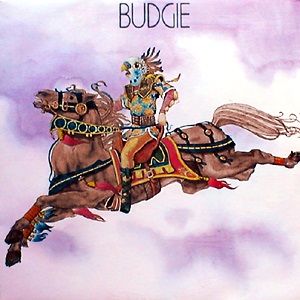
Budgie didn’t sell enough albums so that the members could retire to the countryside with a crawl distance from the local pub. First, there was a growing interest for early British heavy metal bands. Secondly the met a renowned producer, Rodger Bain (producer of Black Sabbath’s first three albums), who was on a talent spotting mission in Wales. Thirdly, they signed a contract with the big record company MCA Records. Their self-titled debut album is raw and brutal. The album was recorded at Rockfield Studios in Monmouth in South Wales in only four days on a eight track tape.
The album starts off with “Guts” which encompass their trademarks; nasal and high-pitched vocals, thick bass lines, proficient guitar riffs and pounding drums. Listening to “Guts” really highlights how underrated Budgie has been in the heavy metal scene. The song is characterized by its descending riffs, which perfectly complement the wonderfully twisted lyrics. Lyrically, “Guts” presents the perspective of a desperate soul who fails to recognize his own cruelty and arrogance toward the opposite gender. This depth in storytelling, combined with the band’s robust musical execution, showcases Budgie’s distinctive approach to heavy metal.
The second song “Everything In My Heart” is a delicate ballad and only one minute long. The heavy riffing is back again in the next song, “The Author”. Burke Shelley had a penchant for wordplay and pun. The fourth song is “Nude Disintegrating ParachutistWoman”. This song is a good example of their sound trademarks; weird arrangements, dynamic variations between hard and soft, shifts between mangling and sensitivity and last but not least unexpected tempo changes. The song is eight and a half minute long.
The first song on the flip side is “Rape of the Locks”, which bears many similarities with classic Black Sabbath. Second maybe to Toni Iommi, Tony Bourge was the riffmaster of early heavy metal. The next song is “All Night Petrol”, which is rather tiresome. The next to last song is a short ballad “You and I”, delivered in 1 minutes and 45 seconds. The album closing song is “Homicidal Suicidal”, a compact song to say the least. “Homicidal suicidal / Big time loser, big time boozer / Live and learn, let it burn / All time winner, you’re a sinner”.
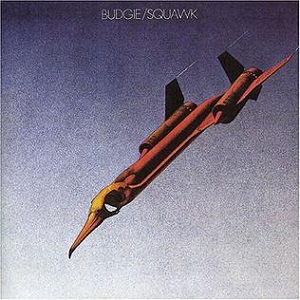
The self-titled debut album received moderately positive reviews at the time. It’s hard to believe today, but in the 1970s band’s would have an opportunity to grow and evolve through their albums and find its true shape and form. Even the big record companies had a certain element of patience. However, Budgie was bent and shaped from the very beginning. There was no difficult second album syndrome Budgie began to work on their second album called “Squawk” (a loud, harsh or discordant noise made by a bird or a person). Rodger Bain again got renewed trust as producer (co-producer is more correct). Budgie knew which song to place where. “Whiskey River” is a hard and driving opening song.
The second song “Rockin Man” got the guitar riffs, plink-plonk basslines and drums in the right places. In the third and extremely Beatles-inspired song “Rolling Home Again” it’s all clear that this album isn’t as focused as its predecessor. The fourth song “Make Me Happy” makes this fact even more clear. They were trying to combine different styles and made experiment. The order is restored in the next song “Hot As A Docker’s Armpit”, allegedly coined by Steve Marriott“Hot As a Docker’s Armpit,” This song distinguishes itself with its powerful, stomping, and stuttering riff, which is cleverly mirrored in the vocal melody. “Hot As a Docker’s Armpit” is a perfect introduction to Budgie’s heavy metal sound, drawing listeners in with its energetic progression that picks up pace halfway through the track. While you might momentarily think you’re hearing Geddy Lee from Rush, it’s actually Burke Shelley’s impressive vocals driving the song.
The song has the same song structure as many of Black Sabbath songs. The first song on the flip side is “Drugstore Woman”. This bluesy song is as simple as a shoe sole. The song seamlessly goes over into the instrumental “Bottled”. The next to last song on the album “Young Is A World” is one of the albums highlights. It begins as a meditative ballad and gets slightly harder. The song is a good example of the unexpected tempo changes. The closing song “Stranded” was inspired of a bass guitar riff from John Paul Jones (Led Zeppelin).
“Squawk” was recorded in two weeks in Rockfield Studios. The album isn’t as doom-sounding as the debut album. It’s more of heavy metal intermingled with acoustic interludes. However, the album meant that Budgie reached a larger audience and begin to tour extensively in UK and Europe. The album outshines the other MCA albums namely because of the album cover. It’s the work of legendary artist Roger Dean.
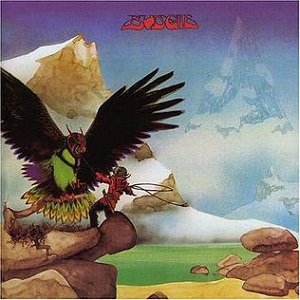
The third album “Never Turn Your Back On A Friend” is flawless. It veers more towards progressive rock than their previous two albums. Produced by Budgie and again recorded at Rockfield Studios. Album cover by Roger Dean. The opening song “Breadfan” which would later be covered by Metallica, further cementing Budgie’s influence in the metal genre. The song deals with the love of money (slang: bread) “Breadfan, open up your mind, open up your purse / Open up your bones, never, never gonna loseit.“ The song starts with one of best guitar riffs of early heavy metal. Speaking of unexpected tempo changes. In the middle of the song there’s a melodic interlude which goes over into the initial riff.
The next song is a cover of “Baby, Please Don’t Go”, a blues song popularized by Big Joe Williams in the 1930s. Budgie’s claim to fame in covering this classic song is the rolling basslines, rhythmic drums, catchy guitar and Shelley’s spectacular vocals.
The third song is a beautiful ballad “You Know I Always Love You”. The fourth song “You’re The Biggest Thing Since Powdered Milk” begins with a drum solo for nearly two minutes (it was the 1970s) before a guitar riff comes into play. This song has all the desirable attributes. This song title is a clever and romantic way to express feelings, infusing a bit of poetic flair and perhaps a sprinkle of exaggeration to capture someone’s attention. It’s possible that the humor and slight hyperbole in such phrases work wonders in making someone feel special and cherished. The idea that humor and heartfelt sincerity can combine to perfectly convey affection is what makes this song so charming. “You’re The Biggest Thing Since Powdered Milk” not only makes us smile with its unique title but also ushers in a vibe of playful and genuine adoration.
It’s gets even better in “In The Grip Of A Tyrefitter’s Hand”. captures this concept in a uniquely poetic way. The track explores the tough aspects of life through the metaphor of a tire fitter’s powerful grip. Just as a tire fitter’s hands are toughened by their demanding job, the song suggests that people, too, are shaped by the challenges they face, using this gripping imagery to delve into deeper themes of strength and perseverance in everyday life. This proves that Budgie were now a class act and also give a glimpse of what could have been. The next to last song is “Riding My Nightmare”, a ballad and maybe the weakest song on the album.
The closing song “Parents” still hits me with the same force after all these years. The music is mid-paced and acoustic. The lyrics are percipient. “When I was a little boy / They would say to me / Don’t go in the world and play / It’s bad company”. In just over ten minutes, Budgie delivered one of their most outstanding compositions ever with the song “Parents,” Described as an almost-perfect portrayal of romantic despair, “Parents” captivates with its poignant lyrics and emotive delivery. The song showcases the band at their best: Burke Shelley’s powerful vocals deeply resonate, while guitarist Tony Bourge impresses with a compelling single riff played to perfection. This track stands as a testament to Budgie’s ability to blend intricate musicianship with deeply affecting themes.
A standout track from this album, “You Know I’ll Always Love You,” surprised fans with its awe-inspiring lyrical themes and high-pitched vocals reminiscent of bands like Rush and Led Zeppelin. Discussing the soothing vocals on this song, it’s clear that Burke Shelley was an incredible asset to Budgie. His emotive performance in this beautiful track raises the question: Can heavy metal acts deliver such poignant expressions? Budgie answers this with a resounding yes, captivating listeners with a song that lasts just over two minutes.
A couple of verses later Shelley sings; “Wash your hands and up to bed / Mind your manners / Or you’re dead / Mind the cars cos you’ve got school on Monday”. Guitarist Tony Bourge makes his guitar sound like squeaking seagulls in the end of the song, maybe a nostalgic reference to the upbringing on the South Coast of Wales. Anyway, this is a groundbreaking album.
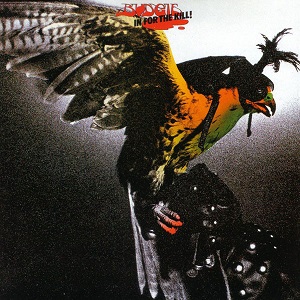
The fourth album “In For The Kill” is their masterwork. By this time drummer Ray Phillips had left the band and been replaced by Pete Boot. The album was produced by Budgie and recorded agian at Rockfield Studios and Lee Sound, Birmingham. Album cover by John Pasche Gull Graphics. The opening song “In For The Kill” is six and half minute of hard mangling with a thick bassline, a few but distinct guitar riffs and effective drumming. Next song is “Crash Course In Brain Surgery”. It was originally released in 1971 as a single. This is a catchy song with lyrics as weird as the title. The song “Crash Course in Brain Surgery” showcases the lyrical talents of Burke Shelley, Ray Phillips, and Tony Bourge, making it a standout track in Budgie’s discography. Its compelling lyrics and powerful delivery resonated well beyond its initial release, catching the attention of Metallica, who later covered the song, introducing it to a new generation of heavy metal fans.
The third song on the album is an acoustic song, “Wondering What Everyone Knows”. For once, Burke Shelley lowered the pace and sang in clear and beautiful way. The result is flabbergasting. Then is the suggestive “ZoomClub”. Almost eight minutes of droning heavy metal. Tony Bourge brings out his hardest riffs and solos. Distortion, echo and reverb – all at once. The bass and drums are exquisite. “Come on everyone of you g.I’s / You are the ones who can care / Speed on you wonderful dropouts / We’ll break the walls of this room in”. This grandiose song has stood the test of time. “In For The Kill” contains one of the best A-sides in early heavy metal.
The song encapsulates everything you’d expect from a quintessential heavy metal/hard rock release. Its powerful riffs and compelling lyrics perfectly align with the genre’s energy and intensity. The quality and impact of “In for The Kill” are so notable that it caught the attention of Van Halen, who added their cover of the track to their repertoire, further testament to its enduring appeal and influence in the rock music scene.
The flip side. The song “Hammer And Tongs” isn’t a nod to Led Zeppelin’s “Dazed And Confused”, it’s a deep bow. “Running From My Soul” is a straightforward rock’n’ roll song and doesn’t leave any mark in history. The closing song “Living On Your Own” is almost nine minutes long and wraps it all up.
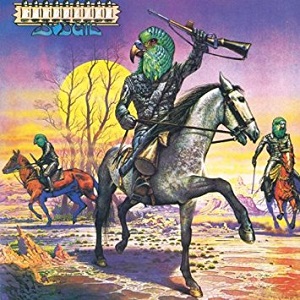
Nothing lasts forever. Even the longest, the most glittering reign must come to an end someday. The downfall of Budgie began with their fifth and last album for MCA, “Bandolier”. The album was produced by Budgie and recorded at Rockfield Studios and Mayfair Studios, London. The album illustration was made by Patrick Woodroffe. Drummer Pete Boot left the band and had been replaced by Steve Williams. The albums opens, as always, with a very strong song “Breaking All The House Rules”. But what happens next? The dreamy “Slipaway” is pure soul music and “Who Do You Want For Your Love” is a funky groove.
The order is restored on the flip side in “I Can’t See My Feelings”. The fierce guitar riffs, bass lines and pounding drums (including cowbells) are all there. The following song is a cover of Andy Fairweather Low’s “I Ain’t No Mountain” from his 1974 album “Spider Jiving”. Budgie ends the album in style with “Napoleon Bona-Part One” and “Napoleon Bona-Part Two”. Very witty and amusing song titles. “Bandolier” marks the end of the band’s golden age.
Since “Bandolier” they have released six further studio albums, four live albums and five compilation albums. Furthermore, they changed the line-up several times, disbanded and re-formed and since 2010 on a long-term hiatus. All resuscitation attempts were in vain after “Bandolier”.
Budgie has primarily been recognized as a hard rock and heavy metal band, yet their music also incorporates elements of progressive rock and funk, often infused with a sense of humour. The band’s unique sound has been described by many as a blend of Black Sabbath’s heavy riffs and Rush’s complex compositions. In particular, Burke Shelley’s high-pitched vocals have drawn comparisons to Rush’s Geddy Lee. Despite their relative obscurity in the early part of their career,
You probably know the story of the rise and fall of the brothers Gallagher at this point; from gate crashing an empty Glasgow King Tuts in front of Alan McGee (on this day in 1993) to two sold out nights at Knebworth within three years, Noel Gallagher establishing himself as rock’s finest song writing magpie whilst his brother Liam channelled John Lennon and Johnny Rotten simultaneously, the fights, the quips, the tabloid outrage, the onstage break ups, the backstage brawls… and a collection of some of the most perfect singles of any band in history.
The discography of the indie rock band Oasis consists of seven studio albums, two live albums, five compilation albums, six video albums, one extended play, twenty eight singles which includes one double single, Liam and Noel at least – have announced that next year they will reform for a string of stadium dates in the UK and Ireland. Whether another Oasis album will follow remains to be seen.
Following Oasis certainly had its ups and its downs; when they were great, good lord, were they untouchable, when it went bad, did they ever stink. But which of their albums shines the brightest?
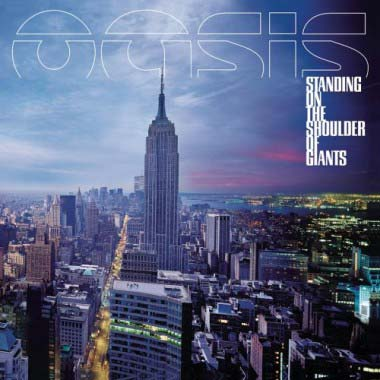
Standing On The Shoulder Of Giants (2000)
The lowest point of Oasis’ career by some distance, “Standing on the Shoulder of Giants” is a mightily bizarre album for a number of reasons. Firstly, it actually starts really well, with the opening instrumental “Fuckin’ in the Bushes” still used as Liam Gallagher’s intro music to this very day, and lead single “Go Let It Out” featuring a proper earworm chorus, but the crash after that is quite astonishing.
When it arrived three years after the perceived folly of “Be Here Now, Standing On The Shoulder Of Giants” was meant to herald a new creative dawn for Oasis – now without Bonehead and Guigsy. Beta Band-cribbing lead single “Go Let It Out” certainly suggested as much, After that though, Oasis’ fourth album quickly falls off a cliff. Liam’s first stab at song writing, the mawkish “Little James”, was widely derided, but not much else here fares any better (Noel’s“I can see a liar, sitting by the fire” on “I Can See A Liar” isn’t exactly Smokey Robinson, either). Strangely, ELO-soundalike closer “Roll It Over” was largely overlooked by the group on subsequent live outings despite being one of the best things here by some stretch.
Two sloppy, AOR plodders fronted by Noel back-to-back “Where Did It All Go Wrong” and “Sunday Morning Call” and the pedestrian glam of “I Can See a Liar “are bad, but nothing the band ever released comes close to the horror of Liam’s infamous, saccharine “Little James“. The inclusion of this terrible song alone cements SOTSOG’splace at the bottom of the pile here.
Dig Out Your Soul (2008)
It would soon all end with a smashed guitar and a dashed plum, but with hindsight does Oasis’ last (for now?) album sound like a band at the end of their road? . Hammering first single “The Shock Of The Lightening”, Liam’s Lennon-esque “I’m Outta Time” and “Falling Down“, later explored to mind-bending effect by Amorphous Androgynous, all suggest Oasis still had plenty of creative fire in their bellies, but elsewhere you can’t shake off the feeling of a group running out of both puff and ideas. Tellingly, by the time the band played their last show less than a year after the album’s release only three songs from “Dig Out Your Soul” were in the set list.
The final Oasis album, released only 10 months before an infamous backstage altercation between Noel and Liam in Paris that led to the split of the band, is a rather sad way for the band to go out. Like all of their albums, “Dig Out Your Soul” features a couple of decent singles, opening track “Bag It Up” sets the bar reasonably high.
But the most damning thing you can say about the album is that the majority of it just passes by unnoticed: for a band who were used to being a national obsession, that is nowhere near good enough.
Heathen Chemistry (2002)
It’s not massive praise to say that “Heathen Chemistry” marked a clear upgrade from the disastrous “Standing on the Shoulder of Giants“, and the album does have its fair share of problems, the most obvious ones being that the band should never, ever have been left to self-produce themselves, and tthat here are least two too many ballads here. There are some very decent songs, but as a whole, it lacks both consistency and sparkle to rank amongst the best.
Having booted out all three of Liam’s original bandmates from The Rain and supplanted them with handpicked indie-rock pros, for “Heathen Chemistry”, Noel opened the door to others writing songs. Gem Archer’s “Hung In A Bad Place” and, particularly, Liam’s “Songbird” – a breezy love letter to his then-fiancée Nicole Appleton – brought fresh energy, while Noel’s perennial England-out-of-the-World Cup weepie “Stop Crying Your Heart Out” topped off a promising new blend. Oasis Mk2 might not ever match the era-defining glories of their earlier incarnations, but “Heathen Chemistry” has aged remarkably well.
But, “Heathen Chemistry” scores high for a including a set of hugely anthemic singles; “Little by Little“, “Songbird” and the excellent “Stop Crying Your Heart Out” might all be a bit schmaltzy, but they manage to tug at the heartstrings in the intended manner, and the garage slink of The Hindu Times feels like Oasis by way of Black Rebel Motorcycle Club. Chuck in the enjoyable “Hung in a Bad Place” and “Better Man” and this is a decent album overall.
Familiar to Millions (2001)
The Gallagher brothers’ boundless, boorish, boasting bluster and blather only felt like brazen British working class moxie as long as they made great records that backed up their obnoxious arrogance. So when the songwriting fell off the last six years, on the bloated “Be Here Now” and “Standing on theShoulder of Giants“, it was like watching helium hiss out of an overstuffed blimp. After all the babble, and the posturing prattle, Oasis’s U.S. sales plummeted . So leave it to Oasis to resort to the biggest, emptiest rock gesture of all: the huge-stadium live LP! Their popularity remains unchanged in home England, which still worships the group uncritically .
So the brothers give us this document of Wembley stadium and its Canyonesque acoustics, with its cheering, singing throngs of 70,000 people. Just contemplating the 98-minute, double CD “Familiar to Millions“, because Oasis always deliver their material with conviction live, . And because they play a best-of set, going all the way back to their initial singles “Supersonic” and “Shakermaker,” and such enduring tunes as “Acquiesce,” “Roll With It,” and “Live Forever,” Familiar is a reminder of the substance they retain, even as they doggy-paddle along, stuck for bearings. Strong Noel-sung covers of Neil Young’s “Hey Hey, My My” and The Beatles’ “Helter Skelter” are also delivered in their hard-working, serve-the-song demeanor.
Most of all, the band plays well. New key member Andy Bell, late of early-’90s fantastic favourites Ride (let’s forget Hurricane #1) is twice the bassist Paul McGuigan was, so the loss of three-fifths of the original line-up has actually tightened them up. The band’s strengths-Noel’s hooks and Liam’s strong, gruff, accented vocals-come to the fore, while the weaknesses-inferior material-are weeded out like it they were never written. Hell, only five of these 18 songs are post-1995, one of which, “Gas Panic!” (which sounds like it’s sung by Bell, hurrah!), sounds vintage. It still would have been better to record at a rock theater or hall. This sounds a tad hollow, even though the guitars are so meaty-rare for a stadium tape. But if Oasis has been staggered here by a punch they invited (we’ll see if they get off the canvas or not, as the siblings keep snipping at each other), Familiar shows they went down fighting as a touring live band. And with the mainstream rock scene as dire as it is now, we could still use them.
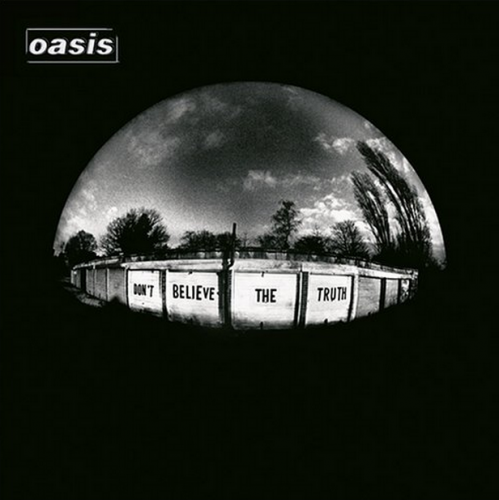
Don’t Believe The Truth (2005)
The best album by the non-classic line up of Oasis by some distance. “Don’t Believe the Truth” is the closest Noel and Liam ever came to putting out a record that gets close to the consistency of their earliest material. Lead single “Lyla“, a fantastic stomping, strutter of a tune, was a good place to start getting people back onside, but Noel going full Dylan on “Mucky Fingers“, the punky “The Meaning of Soul” and the dreamy pop of Andy Bell’s “Keep the Dream Alive” all back it up brilliantly.
Oasis now boasted four match-fit songwriters and a pool of 60 songs were whittled down to a punchy eleven, the likes of “Lyla”,“The Importance Of Being Idle” and Liam’s bolshy “The Meaning Of Soul” pivoting nimbly round around a mid-60s axis of The Beatles, Stones and The Kinks.
The sixth album that had some blood and thunder, with ‘Lyla’ shaking off the dust and ‘The Importance Of Being Idle’ relocating Noel’s mojo for the first time in years. It is not Oasis at their windmill swinging best, but it has songs that pack a punch and others that sit nicely in the corner quietly reflecting.
Then we also get The Importance of Being Idle,a song many have claimed is the band’s final great moment. It’s a great song, undeniably, and a good shout for being their last hurrah, but there are plenty of moments here that are its equal.
Be Here Now (1997)
Notorious for its length, its pomposity, its excess and its expense, “Be Here Now” has become the classic cautionary tale for any band who hit it big to keep their feet on the ground. It’s a fair message, as this is a record that is often laugh out loud hilarious in its OTT nature, but, listening back to it today, it’s actually aged rather well.
Oasis’ third album was the moment the Gallaghers irreparably George Bested it. An overblown, coke-addled folly that would prove to be Britpop’s Altamont. Yes, the album’s 72 minutes are frequently weighed down by lumpen bridges and middle eights, endless guitar overdubs and laboured arrangements “All Around The World” couldn’t be any longer if it tried – and that’s before it reappears in ‘reprise’ form), but strip back the production bluster (something Noel Gallagher largely puts down to mixing the record while high on cocaine) and some of the band’s finest songs of the era are hiding underneath the noise and confusion.
“D’ya Know What I Mean” is an absolutely, monumentally huge opening statement, the chorus to “Stand By Me” remains iconic, the likes of “My Big Mouth” and “I Hope, I Think, I Know” are fantastically underrated, careering rock and roll songs and, although they’d hate the comparison, Oasis sound like a larger fuelled Bon Jovi on Fade In-Fade Out.Which is a compliment by the way.
We still have no idea why the mad bastards made “All Around the World” nearly ten minutes long – actually, we do, it’s called cocaine – but it doesn’t detract from the fact that “Be Here Now” is much better than you remember.
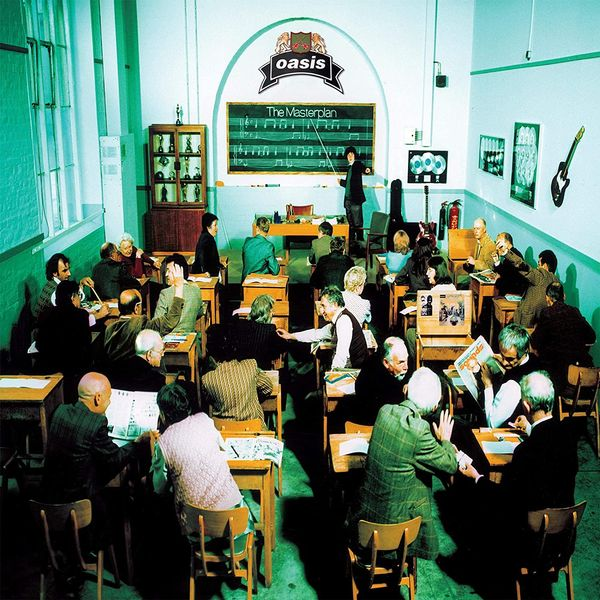
The Masterplan (1998)
Yes, yes, we know, “The Masterplan” is not an Oasis studio album, and usually B-sides and rarities collections would not be included for consideration on a list such as this. But such was the prolific nature of Noel Gallagher’s songwriting prowess in the band’s early years that it feels insane not to include a set of songs this good here. Sure, as those early singles swung in like wrecking balls, it seemed thrillingly cocksure to toss gems like ‘Acquiesce’, ‘Talk Tonight’ and ‘Fade Away’ away as flips, but by the time this compilation arrived in ’98, it came laced with forehead-slapping frustration that Noel didn’t hold them back for a great third album.
A central plank to Oasis’s mid-’90s dominance dictated that Noel’s songbook was so stuffed with classics, the extra tracks on singles packed more chart-topping potential than any other band’s A-sides. Here, as a stopgap after their 1996 Knebworth mega-gig and “Be Here Now“, they reinforced the point
Although technically a compilation album consisting of B-sides, you’d struggle to find many Oasis fans who don’t feel the record is worthy of the same regard as a studio release. These tracks are gilded pieces of rock-perfection that 45’ singles were invented for, and to relegate them onto the flip side of history is a sin that this isn’t able to permit.
The album serves as the perfect measure of the perfuse creative brilliance that the band coaxed up at this point. There isn’t a B-side on the album that couldn’t at least compete with its A-side counterpart.
Some might argue that they would have been better off holding back on these hits to bolster future records, but there is something in keeping with the Oasis ethos to fling them out as little brothers vying for a punch-up with the fellas on the heavy-hitters that sit opposite them.
The fact that the likes of Fade Away, Half the World Away, Talk Tonight and the title track are as well-known and beloved as pretty much any song in Oasis’ back catalogue says it all. Plus, it opens with the sublime “Acquiesce”,a song that not only might just be the finest of the band’s entire career, it feels like the perfect encapsulation of Liam and Noel’s individual strengths; the creative push and pull between the two brothers that was so key to the alchemy that made them essential, all surmised in four and a half stunning minutes.
(What’s The Story) Morning Glory (1995)
Naming the best two Oasis albums is something of a cliché at this point, but it’s a cliché for a reason, they really are, comfortably, leagues ahead of the rest of the band’s discography. … Morning Glory was an absolute smash when it arrived, breaking records for sales and chart positions in the UK and giving us a set of songs that have crossed over into the lexicon of British culture to the point where you can’t imagine meeting someone who doesn’t know all the words to Wonderwall.
It has got the jukebox friendly hits, the pint-fuelled energy and the swaggering originality that singled Oasis out as the group of a generation. The ultimate middle finger from the band is that with this record they etched every word into the mind of anyone who ever listened to it, and that includes the few contrarians that weren’t swept up in the Britpop storm.
To be fair, pretty much every track sounds like a single, and deeper cuts like Helloand Cast No Shadoware just as good as Don’t Look Back in Anger or Some Might Say.
It’s album closer ChampagneSupernovathat really is the superstar here though, a song with a breadth and ambition way beyond anything the band had attempted up until that point, they’d never get as close to it again either. Cultural monolith, sure, but this is a great album first and foremost.
Approach these 12 songs with virgin ears, and ‘Morning Glory’ is still a staggeringly good record. From the knockout one-two of ‘Wonderwall’ and ‘Don’t Look Back In Anger’, through the haunted strum of ‘Cast No Shadow’.
Definitely Maybe (1994)
So, what could come above one of the best-selling albums in UK chart history? Only one of the greatest debut albums in history. The debate between which is the superior of the first two Oasis albums has raged for decades, but in our opinion, this is something of a no brainer. Where … Morning Glory had a couple of songs that were good but not great, the weakest moment on Definitely Maybeis still a minimum 8/10, and the majority of it is 10/10 perfect. What they shared while growing up in suburban Burnage, south Manchester, was a passion for two rock idols, The Beatles and the Sex Pistols. After much in-studio huffing, puffing and pugilism, 1994’s Oasis debut, “Definitely Maybe”, delivered a confident amalgam of those two influences, and almost single-handedly reinstated home-grown rock in the British pop charts. For the next couple of albums, Noel Gallagher drew on a stockpile of anthems composed pre-fame, but the problems started thereafter, when he felt increasingly straitjacketed by the imperative to write for stadiums.
Seriously, can you name another album with a heavy hitting, bar setting opening trilogy of Rock ‘n’ RollStar, Shakermakerand Live Forever? That’s the first three songs on your first album and a pretty strong shout for the most staggering introduction in the history of rock. And that’s before we even get into Supersonic, Slide Away, Columbia, Up in the Sky, Cigarettes and Alcohol... There are bands who have had careers lasting multiple decades with greatest hits collections that look puny, irrelevant and full of filler when put next to these songs.
While most ’90s indie bands had a tacit agreement – “Let’s kick off with a shit debut, then we’ll get cracking…” Oasis burst out of the blocks fully formed, with attitude, chemistry, pull quotes, a Parka and a pocketful of perfect songs.
“Definitely Maybe” is a timeless, ageless classic album, comprised solely of huge rock and roll tunes, Godzilla-sized choruses and lyrics that make you feel like you’re the centre of the fucking universe. It turned its creators into the hottest band on the planet and it’s the best album Oasis have ever recorded.
‘Definitely Maybe’ is as good as rock ‘n’ roll gets.
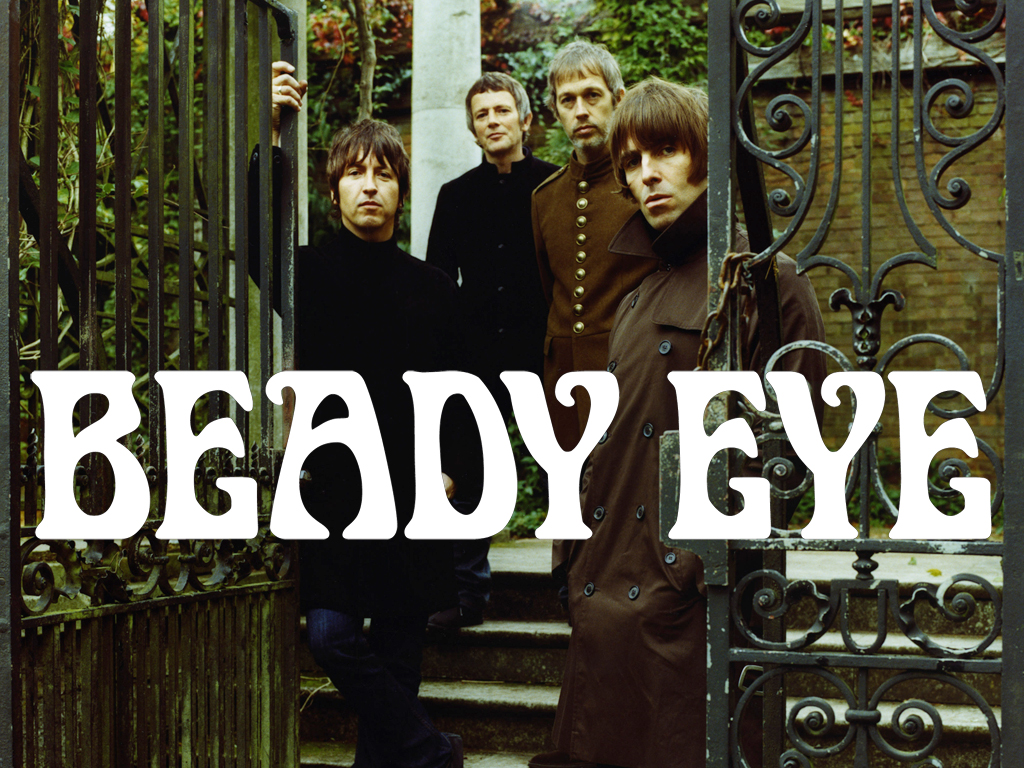
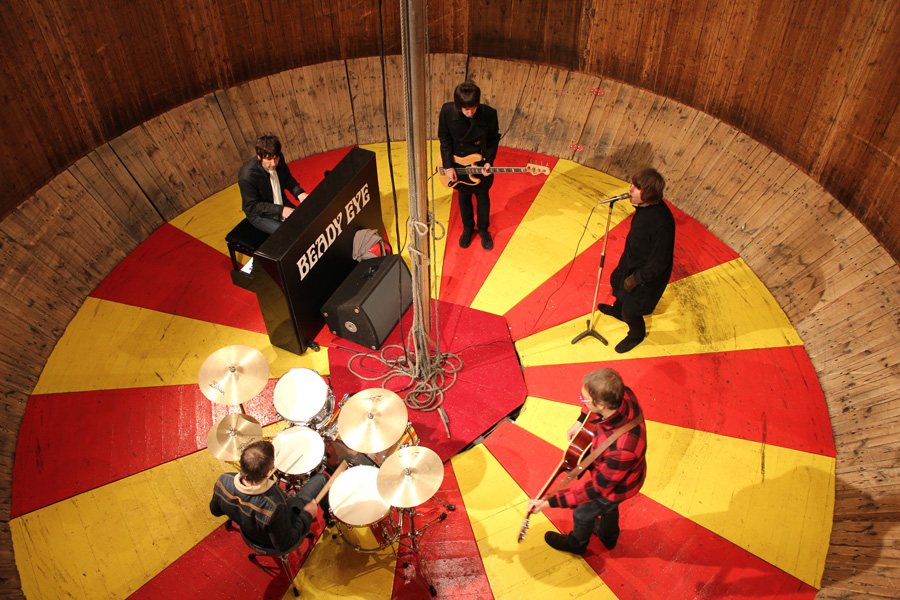
Beady Eye an English rock band formed in 2009 by lead vocalist Liam Gallagher, guitarists Gem Archer and Andy Bell, and drummer Chris Sharrock, all former members of Oasis. In 2013, former Kasabian guitarist Jay Mehler joined the band playing bass guitar on tour. Liam Gallagher announced that November he and former Oasis band members had written new material as part of a new project, and could be gigging as early as a couple of months, and stated that “Oasis are done; this is something new”.
The discography of Beady Eye consists of two studio albums, one extended play, eleven singles and ten music videos. On the 19th November 2009, Liam Gallagher announced that he would be recording an album with Gem Archer, Andy Bell, Chris Sharrock around Christmas time, with a possible release date in July 2010. The band’s origins lie in the break-up of Oasis, after chief songwriter, lyricist and lead guitarist Noel Gallagher quit acrimoniously in August 2009. Oasis split up while on tour in France in August with Noel Gallagher citing Liam’s behaviour for the reason behind his departure. On the subject of his relationship with his brother, Liam said: “I love him to bits but we just don’t get on.
The remaining members gathered on and decided that they would “not quit making music together” and so renamed themselves “Beady Eye”. He told MTV: “We’ve been demo-ing some songs that we’ve had for a bit. Just doing that, on the quiet, not making a big fuss about it. After Christmas we might go in the studio and record them and hopefully have an album out in July.” He later said that the band would “do it in a different kind of way now. I’ll try and reconnect with a new band, new songs, and I’m feeling confident about the songs.” He was reported to be “feeling a million per cent confident that they could be better than Oasis.
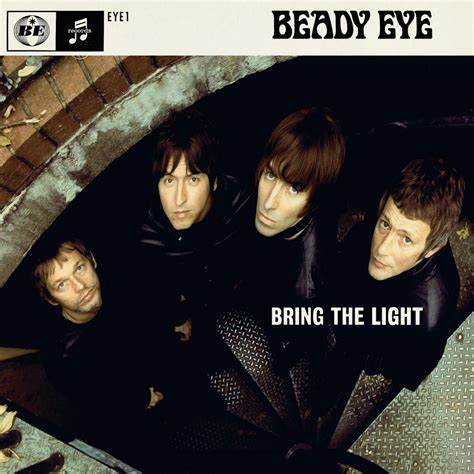
On 9th November 2010 Beady Eye released their first single “Bring the Light” as a free download, A limited physical release followed, and charted at number sixty-one on the UK Singles Chart, topping the Indie and Rock charts. A second promotional single, “Four Letter Word”, was released on 26th December 2010. “The Roller” was announced as the band’s first commercial single,#
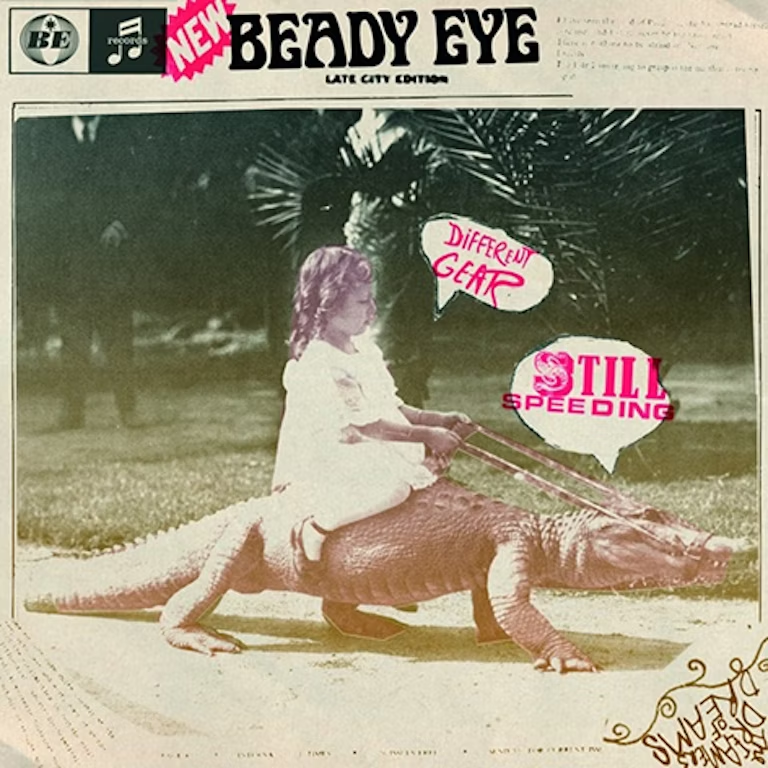
The band released two studio albums: “Different Gear, Still Speeding” (2011) The album was recorded in London at RAK studios in Autumn 2010 and produced by Steve Lillywhite. The band then undertook a short promotional tour of the UK and Europe in March 2011. A second single, “Millionaire”, Following a performance at Brixton Academy, they released a cover of “Across the Universe”, originally by The Beatles, as a download only single, The third single from their debut album, “The Beat Goes On”, was released on 18 July 2011 with a new B side, “In the Bubble with a Bullet”.
By the time “Different Gear…” emerged, its sense of ‘continuity Oasis’ felt mistimed – quite simply, the world wasn’t ready to welcome Oasis back yet, in any guise.
Despite the large Noel-shaped hole in the songwriting, Beady Eye’s debut had plenty in its favour, delivering flagrant Lennonisms “The Roller“, Who-esque thrills (titled Beatles And Stones, oddly), and piano-trashing rock’n’roll “Bring The Light” with a vitality that bespoke years of repression under the old regime.
“We could all have sat at home after Oasis split but what would have been the point of that,” Andy Bell said. “We had a couple of weeks off and then we were back in the studio demo-ing. We’re musicians, it’s what we do, it’s how we define ourselves.” Adds Gallagher, “We’re fired up, not because we thought we’d show everyone it could happen without you know who [Noel Gallagher], we’re fired up because we’re doing music.”
The album produced three additional singles: “Four Letter Word”, “Millionaire” and “The Beat Goes On”.
Beady Eye recorded the song “Blue Moon”, which is sung by Manchester City fans during matches, in support of Manchester City F.C.’s new 2011/12 kit. Liam Gallagher said “I’ve been a City fan since I was a kid, so to be involved with the launch of a new kit is colossal. Manchester City fans are known for having a lot of style and the new shirt looks mega. I love the soundwave idea and the Mod-inspired collar looks proper smart. “Blue Moon” is a top tune and has been City’s song for as long as I can remember. It’s been covered by loads of people but the only good one until now was the one Elvis did. I hope the fans buzz off our version and sing along to it at the stadium”.
The band toured UK, Europe and America from March to December 2011, initially shying from playing Oasis songs, because Liam Gallagher wanted the band to “become known for what it is”. Liam stated that Beady Eye would play Oasis songs. Beady Eye performed the Oasis classic “Wonderwall” at the London 2012 Olympics closing ceremony.
“BE” (2013) The album was produced by Dave Sitek who has previously produced records for Yeah Yeah Yeahs, TV on the Radio and Jane’s Addiction. The second Beady Eye album was recorded in London with super-producer Dave Sitek. ‘BE’ is retro as hell, but Sitek treats that (essential) aspect of the band’s identity with a wink, and in doing so, makes it feel oddly contemporary. Standout cuts are ‘Flick of the Finger’ which is like a fuzzy velvets with blaring trumpets, The four-minute song layers a horn section over a repetitive drumbeat and sees Liam adopt a stream-of-consciousness vocal style, as the track, which has no chorus, builds.‘Iz Rite’ comes across like the Beatles on ecstasy and ‘I’m Just Saying’ is super catchy but with that Sitek zing. The 11 track Standard CD and a 15 track Deluxe CD with four bonus tracks, housed in a Hard book sleeve and thick booklet. 14 track plus the Double vinyl in a Gatefold sleeve.
Released for Record Store Day, The box set includes three 7″ singles from “Different Gear, Still Speeding”:“Bring the Light”, “Four Letter Word” and “The Roller”. It also included three previously unreleased and exclusive live recordings of “The Beat Goes On”, “Three Ring Circus” and “Millionaire” Live session from KEXP radio as a digital download.
The album release was preceded by the release of the single “Second Bite of the Apple” was released in May. . The double A-side “Shine a Light” / “The World’s Not Set in Stone” . Their new double A-side “Iz Rite” / “Soul Love” was released on 25th November 2013.
Beady Eye’s debut single “The Roller” has been announced as the best selling vinyl single of 2011 in the UK. Follow up release “Millionaire” was the second best selling, and “The Beat Goes On” the fifth.
The documentary ‘Start Anew? A Film About Liam Gallagher and Beady Eye’ has won the People’s Choice Lovie Award.
After 2011’s “Different Gear, Still Speeding” showed the remaining members of Oasis could hold their own after the departure of their chief creative force, Liam, Gem Archer, Andy Bell and drummer ChrisSharrock could have quite easily stuck out another album of Oasis-lite. Instead, they hooked up with TV On The Radio’s Dave Sitek for what might be the most out-there sounding record any member of Oasis has been involved in. When it works – the Mexican standoff of opener “Flick Of The Finger”, “Face In TheCrowd’s” cinematic psych rock – the gamble pays off, but largely, for all its inventive sonic atmospherics, “BE” highlighted that Beady Eye simply didn’t have the songs.
Both the bands albums have reached the Top 5 in the UK Album Chart, but as of November 2013 they had only one UK Top 40 single, “The Roller”, However, Beady Eye received some acclaim for their music by Oasis fans, with Q claiming that their debut album is the best Liam has performed on since “What’s the Story) Morning Glory?”
On 25th October 2014, Liam Gallagher announced, via Twitter, that Beady Eye had disbanded. Gallagher would blame a lack of coverage for Beady Eye’s disbandment, as well as the diminishing size of crowds and venues, furthered by the second album’s failure to gain popularity in the United States resulting in the band not touring the US. Gallagher believes that if their third album had not been successful, “We’ll be playing pubs.
Off the back of his collaboration with Morrissey on the latter’s first post-Smiths album “Viva Hate“, the Mancunian guitar wizard Vini Reilly crafted what many fans hail as his definitive solo album as The Durutti Column in 1989. “Vini Reilly” includes some of his best-loved tracks like ‘People’s Pleasure Park’, ‘Otis’ and ‘Requiem Again’.
This thirty-fifth anniversary edition comes with a welter of bonus tracks, including the “Womad Live” EP from the same year, plus a DVD of a live show in Porto in 1988, and is presented in the famous ‘rejected sleeve’ from the then-influential London design company 8vo.
35th Anniversary edition of the seminal 1989 album ‘Vini Reilly’, Produced by Stephen Street (The Smiths, Blur, The Cranberries, New Order). Remastered and heavily expanded 5 disc version, featuring over 75 tracks: Expansive booklet includes new essay by Durutti Column / Factory Records expert James Nice, liner notes by band member Bruce Mitchell, liner notes from Anthony Wilson, interview extracts with Vini Reilly and restored images and outtake images.
“The Moon and the Melodies” is a singular record within the Cocteau Twins’ catalogue—unusually ethereal, even by their standards, and largely instrumental, guided by the free-form improvisations of Harold Budd, an ambient pioneer who had drifted into their orbit as if by divine intervention. Building on the atmospheric bliss of “Victorialand”, released earlier the same year, it signaled a possible future for the trio, yet it was a path the Cocteau Twins would never take again. Now, 38 years after it was first released, it has been reissued for the first time—remastered, from the original tapes, by Robin Guthrie himself.
The album was never actually meant to happen; no one can even recall exactly how it came about in the first place. As both Guthrie and Simon Raymonde remember it, the independent television station Channel 4 approached 4AD about a film project pairing musicians from different genres. In interviews in the 1980s, however, Budd, who passed away in 2020, believed that his music publisher had linked him with the Cocteaus after the group had expressed interest in covering one of his songs. In any case, the film never happened. “But we’d spoken to Harold, and we were all quite excited about it—in a very sort of downbeat Cocteau Twins way, where we were rarely excited about anything,” Raymonde recalls. “We’re like, well, let’s carry on and do it anyway—you’ve already booked your flight, let’s just hang out in the studio and see what happens.”
“There was a lot of hilarity,” Guthrie says. “It was strange to have an older man in our life, because Liz and I saw everybody around us—the contemporary bands, the people running record labels, the journalists—as grownups. We were literally kids. I thought, ‘Oh Christ, he’s going to be some pompous, you know, into his classical music,’ and he wasn’t. He was just a big man-child. We clicked in that respect.”
The Cocteau Twins had recently built their own recording studio in North Acton, in West London. It was the first time they’d had their own space, and they relished their newfound freedom. “We were in this lovely little bubble of making our own music,” Raymonde says. Budd fit right into their bubble world; all four musicians got on immediately. Over pints at the pub, they talked about everything but music, and in the studio, Raymonde and Budd both say that very little, if anything, was discussed, save perhaps for questions of tempo or key.
“Harold would sit down at the piano and start playing something, and then maybe I’d pick up a bass and start playing along with him,” Raymonde says. “They were very much noodles rather than songs. That was the way we tended to work anyway. Work out what kind of mood are we feeling, get a drum beat going, just a two-bar pattern; Guthrie would plug his guitar in, I would plug my bass in, and then we’d just jam for a few minutes and go, ‘Yeah, that was cool, let’s carry on doing that thing or that thing,’ really casually, and then all of a sudden we’d have a song. I know that sounds ludicrous, but that is how we did it, and with Harold it was exactly the same.”
Budd played a Yamaha CP-70 electric grand, and the group came armed with a growing arsenal of gear, like the Yamaha Rev7 multi-effects processor and Lexicon PCM60, perhaps an Ensoniq Mirage. Guthrie used an EBow on his guitars, along with a Gizmo, an electromechanical device invented by Godley and Creme. Guthrie remembers endless experiments in search of new sounds: “Lots of messing around, tuning the guitar strings all the same, getting droney sorts of things—really big, loud, sort of Metallica-like feedback sounds, but then put in the mix so quietly you can hardly hear them the first time you listen. All these psychoacoustic sort of tricks that I liked. It’s all in there, you know. Just being fearless—if it didn’t work out, it was never going to be a record anyway.”
The musicians’ contrasting approaches ended up shaping the album’s somewhat curious format—four instrumentals in Budd’s meandering style, more tone poems than actual songs, and four more structured pieces with verses, choruses, drum machine, and, of course, Elizabeth Fraser’s inimitable singing, as bold and inspired as anywhere in the band’s catalogue. There was no conscious decision to have Fraser only sing on four songs. “That’s just what came out of the sessions,” Guthrie says. “It was a lightweight atmosphere making it, because we didn’t actually feel that we were making a record at the time. We were trying out some stuff in the studio, and it just evolved into what it did. Which is, essentially, a recorded version of some people trying out some stuff in the studio.”
The sessions were over in two weeks, maybe three. “And that was already getting a bit long,” Guthrie says, “because some of our earlier records had taken just a couple of days.” They fleshed out the material, he adds, with one more song that the trio wrote in Budd’s absence, after they realized they didn’t have quite enough material for a full album. (“Was I that drunk?” Budd asked, upon hearing the final version of the album, which included a song he had no recollection of making.) As much as it may pain fans to hear it, there is no more extant material from the sessions—no outtakes, no rough drafts, no alternate versions. “For the 13 years I was in the band, we have no spare tracks at all,” Raymonde says. “If after an hour or two a track wasn’t coming together, we’d just get rid of it. If it wasn’t good now, our attitude was, it’ll never be any good. So we’d think, tomorrow’s another day—let’s go to the cinema and come back tomorrow, and see how it goes. Let’s go bowling.”
The other curious thing about the album—the fact that it was credited to all four players under their individual names—followed the same intuitive logic as everything else that went into the record. “It’s because it wasn’t a Cocteau Twins album,” Guthrie says. Raymonde concurs: “It was simple. All four of us have gone into the studio and done something, but it isn’t a Cocteau Twins album.” But perhaps the passage of time has changed matters. These days, on streaming services, you’ll find the album filed chronologically alongside the rest of the band’s work. “What’s interesting,” Guthrie adds, “is that I got the tape boxes from the studio, and guess what it says on it? ‘Cocteau Twins plus Harold Budd.’” Perhaps, he seems to suggest, the group got hung up on a detail that never really mattered. In any case, Raymonde says, “The more credit that Harold gets for the work he did, the more people that find his music because it’s in the Cocteau environment, the better.”
Despite all its quirks, The Moon and the Melodies has attracted a passionate fan base over the years. Its most atmospheric tracks routinely turn up in ambient DJ sets. “Sea, Swallow Me” is one of the Cocteau Twins’ most streamed songs on Spotify, second only to “Heaven or Las Vegas’“Cherry-coloured Funk”; it has also found new life on TikTok, where it serves as the soundtrack to innumerable expressions of hard-to-express melancholy. For such a low-key affair, the album casts a long shadow—but Raymonde believes the record’s uniqueness stems directly from its humble, unpremeditated origins. “It’s always about making something that’s pleasurable,” he says, “capturing a moment in time between friends that are enjoying making music together. Really, that’s the essence of it—the music was just a reflection of how nice a time we were having in the studio.”
U2 – “ZOO TV: Live In Dublin 1993” [12″ EP] Limited Edition / Available on vinyl for the first time, this limited edition 12″ EP is pressed on neon yellow vinyl and features five tracks from one of U2’s two legendary open-air performances at the RDS Arena, Dublin in August 1993 – the hometown stop on their worldwide industry-defining ZOO TV Tour.
While much sought-after bootlegged copies of the RDS show audio have been in circulation for years, this marks the first official release, making it a highly covetable collectible for fans and collectors alike.
Mostly, the tracks were taken from 1991 album “Achtung Baby“, produced by Brian Eno.
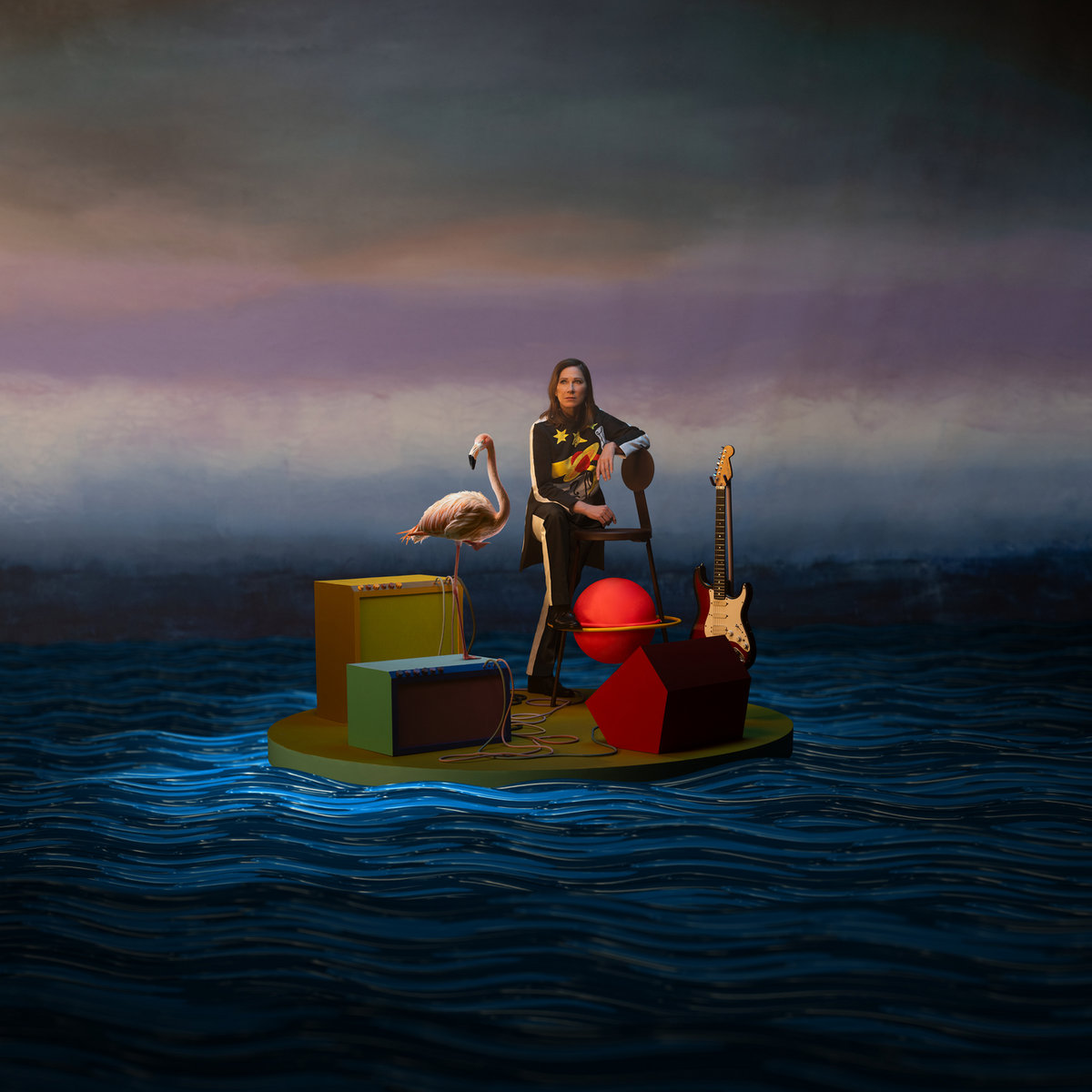
Kim Deal of The Breeders and Pixies has announced that she will be releasing her first solo album. It is called “Nobody Loves You More” and will be out on November 22nd via 4AD Records. She has also released a video for her new song “Crystal Breath” which was directed by Alex Da Corte.
“Nobody Loves You More” is Kim Deal’s debut solo album, although it’s technically not her first release under her own name – she self-released a 5-part, 10-song 7” vinyl series in 2013, and beyond that, she’s earned her stripes as early as the late 80s with bands Pixies and The Breeders. The long-awaited record’s creation began with its oldest songs, “Are You Mine?” and “Wish I Was,” which were written and originally recorded in 2011 and included in said vinyl series, shortly after Deal concluded Pixies’ ‘Lost Cities Tour’ and relocated to L.A.
In the years since, the record took shape in pieces, coming to light with a variety of collaborators, including Breeders past and present (Mando Lopez, Kelley Deal, Jim Macpherson, and Britt Walford), as well as new friends like Jack Lawrence (The Greenhorns) and Savages’ Fay Milton and Ayse Hassan.
Tracked over the last several years, the record’s last recording was helmed by iconic engineer and Deal’s close friend Steve Albini, tracking “A Good Time Pushed” with Jim and Kelley in November 2022.
Sonically versatile and propulsively infectious, the resulting record is a celebration of Deal’s unmatched artistry, nodding not only to her career highlights with celebrated bands across the alternative landscape, but also to her immovable cultural weight.












 The Fat Angel Sings