“The Scream”, Siouxsie & the Banshees’ first album, was released late enough in the punk era to bear some claim as the first post-punk album, with only minor traces of ‘punk’ lingering) and enough hints of what had come even earlier to be, paradoxically, new.
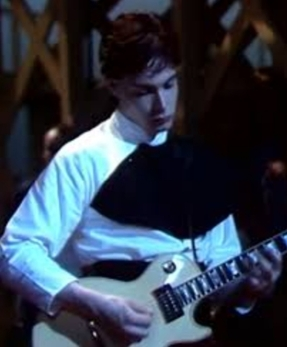
Siouxsie was clearly the focus of the band, with her unique vocal style and lyrics, but the real star, we’ve always known, was John McKay he was the first studio guitarist of Siouxsie and the Banshees. He was a member of the group from July 1977 until September 1979., who wrote most of the album’s music (as well as singles like “Hong Kong Garden”), He recorded two studio albums with the band, their debut album “The Scream” in 1978 and “Join Hand”s in 1979.creating a wholly new guitar sound – harsh and brittle, yet melodically intoxicating . . . best articulated by a somewhat confounded Steve Albini years later “. . . only now people are trying to copy it, and even now nobody understands how that guitar player got all that pointless noise to stick together as songs”.
McKay’s influence lives on; many of the most influential guitarists of the past four decades credit him as a major influence – Geordie from Killing Joke, Jim Reid of The Jesus And Mary Chain, U2’s The Edge, Thurston Moore, Johnny Marr and even the two guitarists – The Cure’s Robert Smith and Magazine’s John McGeoch – who followed him in The Banshees.
McKay’s burgeoning status as the anti-guitar hero was halted when he and Banshees drummer Kenny Morris – at odds with Siouxsie and bassist Steve Severin – fled the band just after the start of a tour supporting the group’s second album, “Join Hands”. It was a weekly music paper scandal, later the subject of a BBC documentary, and Siouxsie’s vitriol working its way into the lyrics of a later Banshees b-side, “Drop Dead / Celebration”. Aside from a solitary single on Marc Riley’s In Tape label nearly a decade later, no music was heard from McKay again.
So it comes as a major surprise to learn of a pile of excellent recordings made in the years just after he left The Banshees, unheard by all but a very few, some of which feature drummer Kenny Morris, plus Mick Allen from Rema Rema, Matthew Seligman of the Soft Boys and longer-term collaborator GrahamDowdall and John’s wife Linda . . . the latter three of whom are now sadly deceased.
“Sixes And Sevens” is an historic lost album. Brazenly genius and bearing fair claim as the lost treasure of the post-punk era, the album collects eleven studio tracks, carefully mastered from original tapes.
the line-up for Beautiful Days 2025. Proudly independent and without advertising, we have already sold well over 50% of our tickets – thank you to everyone who has bought already. Ticket prices have been held since last year. We’ve got entertainment across 6 stages plus The Magic Teapot, Site Art, a huge Children’s Area, Kanga Wellbeing, Walkabout Theatre, family camping, real ale bars from Otter Brewery, Folk Sessions and a vast selection of carefully chosen food & craft stalls. Here is more info about today’s announcement…..
Headlining the Main Stage on Friday is Frank Turner & The Sleeping Souls – Frank is one of the UK’s most successful artist and since his first solo gig in 2004 has played nearly 3,000 shows including Wembley Arena. He released his tenth studio album ‘Undefeated’ in May 2024 which debuted at Number 3 in the Official Album Chart. With over a million albums sold worldwide, he has three gold-certified albums and one silver status. The festival’s Saturday headliner is one of the most influential rock bands of all time Sex Pistols featuring Frank Carter. Steve Jones, Paul Cook and Glen Matlock with modern-day punk icon Carter created a sonic onslaught and mayhem reminiscent of 1976 when they came together in Summer last year to perform the Sex Pistols’ iconic 1977 album Never Mind The Bollocks in full. Carter fitted like a glove, perfectly recreating the songs that changed the world including Pretty Vacant and Anarchy in the UK. Festival founders Levellers will headline the Main Stage on the Sunday to close the weekend followed by the festival’s traditional firework finale. The band will also open the event with a Levellers Collective acoustic set in The Big Top.
Also announced for the Main Stage are beloved rock band Shed Seven who celebrated two number one albums within a single year in 2024. Their previous Top 10 albums feature fan-favourites songs including Going For Gold and Chasing Rainbows. Rabble-rousing Irish ballad group The Mary Wallopers, space rockers Spiritualized led by J Spaceman and Kula Shaker, known from the heady days of Britpop and multi-platinum selling album ‘K’. Legendary Northern Irish rockers Therapy? who celebrated the 30th anniversary of career-defining album Troublegum in 2024. Bradford’s Terrorvision who scored their first Top 30 album in over 20 years in 2024. Sleeper who are back on the road performing live after hibernating for twenty years and, now entering their 50th year, legendary roots reggae band Misty in Roots.
Also featuring on the Main Stage bill are Hasting’s punk band Kid Kapichi, back from a hiatus are West London maestros The Bluetones, Cardiff-based punk quartet Panic Shack, quintet The Barstool Preachers and folk rock & bluegrass from Devon’s Mad Dog Mcrea. Completing the Main Stage line-up are Essex punk duo The Meffs, the ferocious and joyous punk band Millie Manders and The Shutup, the raggle-taggle footstompin’ ensemble that are Old Time Sailors, British indie rock brothers Henry and Thomas aka Young Knives, alternative pop band Girlband!, up and coming 4 piece The Kairos, raw rock’n’roll from Heavy Lungs and the unapologetically frantic Grandma’s House.
Friday’s headline act for The Big Top is still to be announced. Topping the bill on Saturday on the festival’s second stage is Mercury Rev. Since forming in 1989 in Buffalo, New York they have made a career of boldly exploring the fringes of artistic perception. The Guardian hailed the group as “a band who have continually evolved their sound, borrowing from jazz, funk, doo-wop, techno, folk and more along the way”. Sunday’s headline artist is 3 x Grammy Award winner Fantastic Negrito who released new album Son of a Broken Man in October 2024. Born Xavier Amin Dphrepaulezz, Fantastic Negrito’s remarkable life story is a testament to resilience and the transformative power of music.
Also in The Big Top is American singer, musician, and songwriter John Grant whose profile has risen over the years through a series of rapturously received and chart-bothering albums. If Grant’s records are beautiful cut jewels, perhaps his star shines even brighter on stage where this endearing character’s deeply personal sagas trigger an immediate response from his loyal following. Often hailed as the ‘First Lady of Folk’ Kate Rusby has earned numerous accolades solidifying her status as a beloved figure in contemporary folk music. Scottish singer and multi-instrumentalist Julie Fowlis (perhaps best known for her work with the Disney Pixar movie Brave) is widely heralded for championing traditional Gaelic. Her music is deeply influenced by the Hebridean islands where she grew up. The Spell Songs is a listening experience that intersects music, literature, language and art with an ensemble featuring the collaborative genius of Karine Polwart, Julie Fowlis, Seckou Keita, Kris Drever, Rachel Newton, Beth Porter and Jim Molyneux—all renowned musicians in their own right. John Bramwell has been on a never-ending rolling adventure since his workings away from the cherished, Mercury Prize nominated Mancunian band, I Am Kloot. Performing with his band, Bramwell’s songs are surprisingly uplifting and have been igniting crowds all over the UK.
The Big Top also features Penguin Cafe founded in 2009 by Arthur Jeffes after bringing together a group of musicians to perform his late father Simon Jeffes’ legacy of world-renowned Penguin Cafe Orchestra music. Westcountry singer-songwriter Seth Lakeman who releases new album The Granite Way in February 2025. Award-winning indie folk band Elephant Sessions from the Highlands of Scotland also play, as does the multi-talented traditional folk artist Jon Boden with his band The Remnant Kings which features the talents of his Bellowhead band-mate Sam Sweeney and Leveret’s Rob Harbron amongst others. Also announced are Gigspanner Big Band whose high-energy, virtuosic performances appeal equally to traditionalists and to those looking for something more experimental, plus Australian country artist Fanny Lumsden, the UK and Moroccan collaboration Justin Adams & Mohamed Errebbaa and folk singer & guitarist Nick Harper.
The Big Top line-up is completed by country-tinged solo artist Rianne Downey who has been touring recently with Paul Heaton, plus folk-inspired songwriter Amelia Coburn, Stockport-born accordionist, clog dancer and composer Heather Ferrier, indie quartet The Autumn Saints, Welsh singer-songwriter Ruby Kelly, the now traditional Sunday Service with The Bar Steward Sons Of Val Doonicans plus special guests and Levellers Collective who open The Big Top on the Friday afternoon playing acoustic reworkings of songs from their back catalogue.
The Little Big Top plays host to acts and DJs including FISH56OCTAGON, Henge, Beans On Toast, Youth, Girls Next Door, A. Skillz, Omega Nebula, Reach Up Disco Wonderland and DJ Chris Tofu OBE plus Silent Disco and family rave with Big Fish Little Fish. First shows announced for the seated Theatre Tent are Cabaret Extreme Present Circus Unleashed, favourites Le Navet Bete and Entertainingly Different, Charlie Bicknell & Louise Innes present Cabaret With Claws, Professor Slug’s House Of Bugs, poetry from Brian Bilson & Henry Normal, Fiery Jack’s Family Album and brand new Webber! The Musical. The line-up for The Bimble Inn and The Rebel Tent are still to be come. Our 2025 theme is still to be announced!
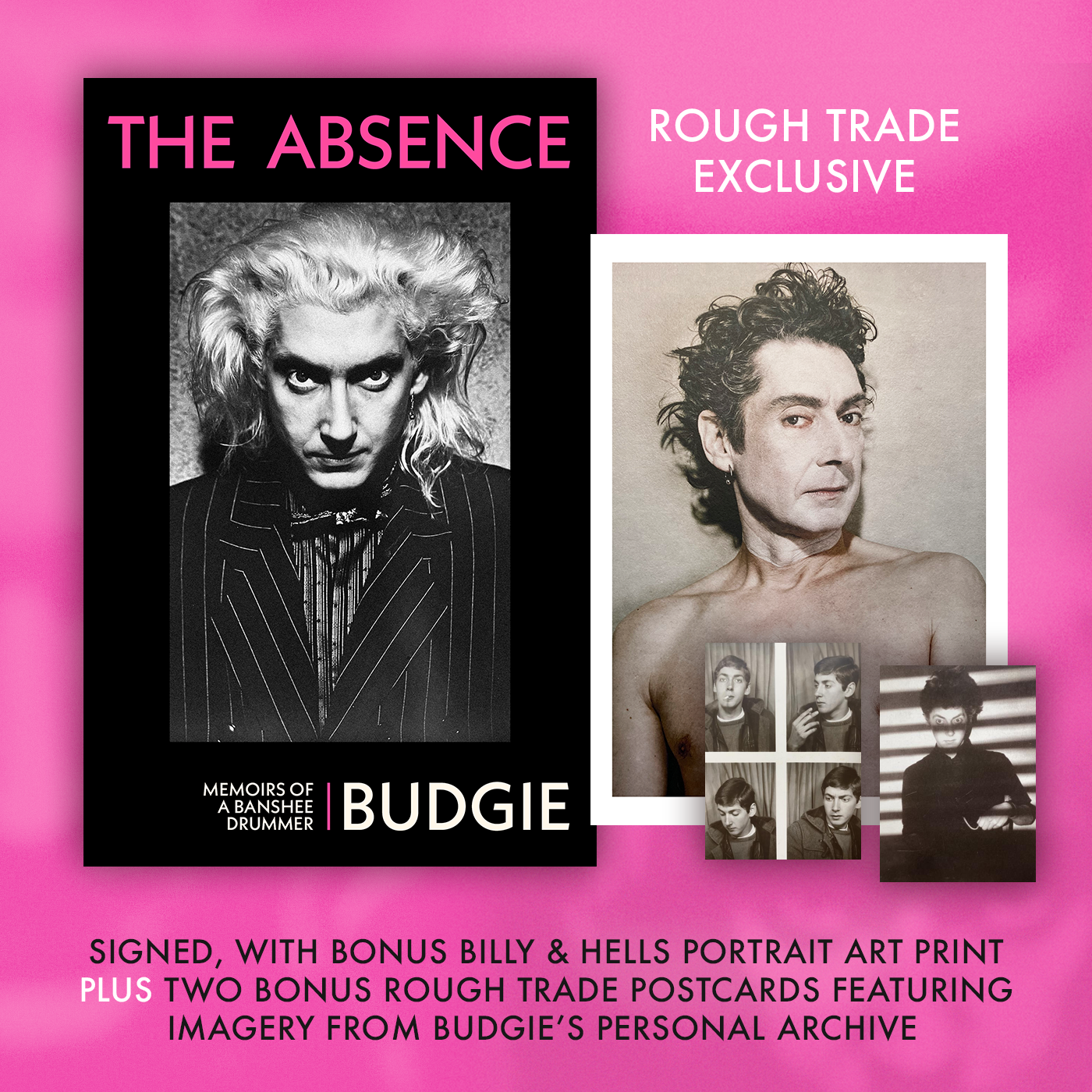
Drumroll please! From Big in Japan and The Slits to Siouxsie and The Banshees and The Creatures, Budgie crafts a captivating memoir that traces his singular style, which came to define the rhythm section of post-punk and goth pop.
Hardback+ signed by Budgie with Billy and the Hells art print plus two bonus postcards from Budgie’s personal archive.
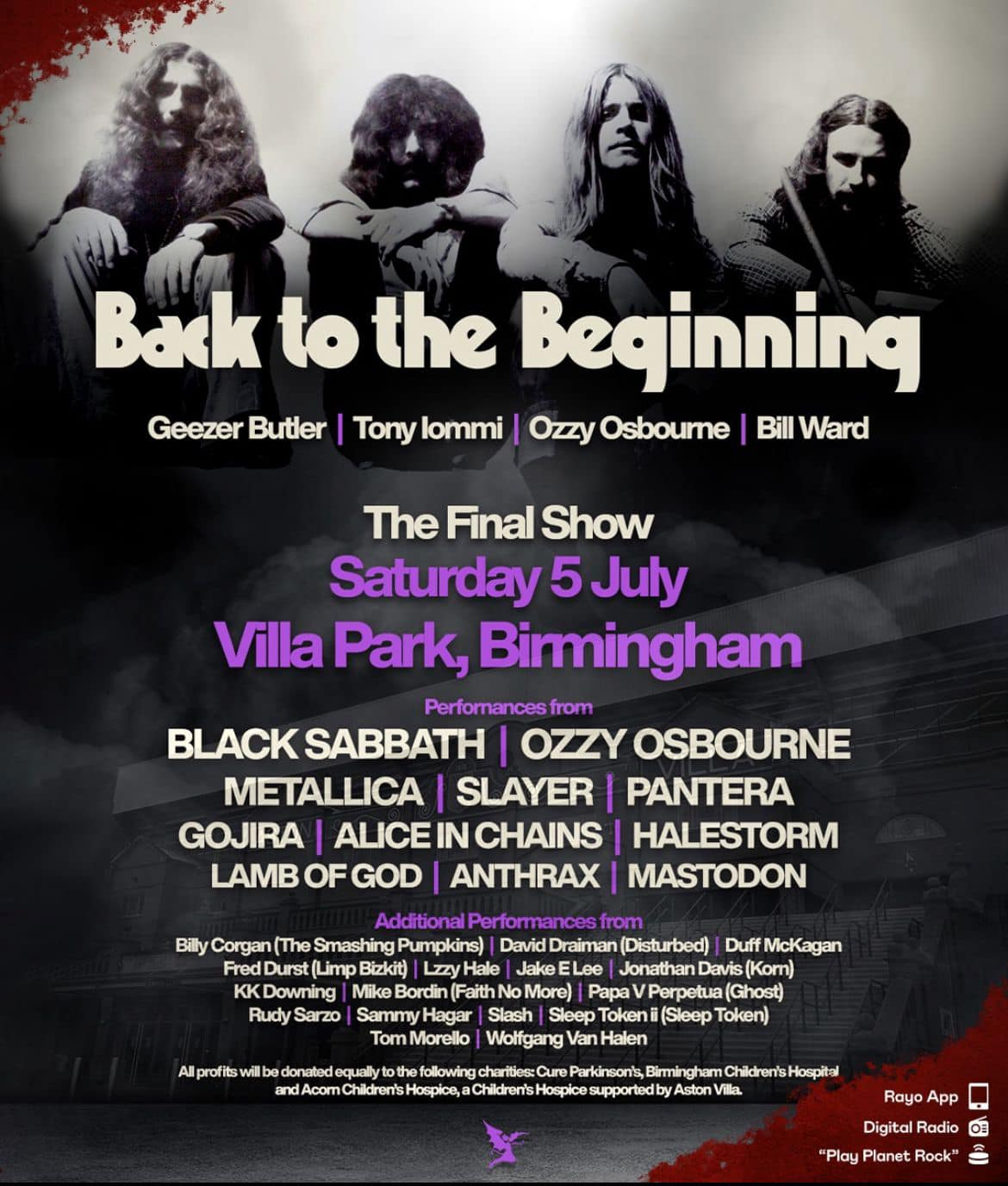
Coming up fast is Back to the Beginning, the anticipated farewell concert event for Black Sabbath and Ozzy Osbourne scheduled for Saturday, July 5th.
An eye-popping assortment of bands will help send off Black Sabbath and its original line up Osbourne, Tony Iommi, Geezer Butler and Bill Ward — at Villa Park in Sabbath’s hometown of Birmingham, U.K.
The build-up to the show has now included a brand-new photo of Black Sabbath, taken by trusty photographer Ross Halfin.
This coming Saturday, July 5th, the world will bid farewell to Black Sabbath and Ozzy Osbourne with the Back to the Beginning concert event in Birmingham, U.K. Not able to participate in the send-off due to prior obligations is Judas Priest — but Sabbath’s heavy metal brethren saw fit to honour the band nonetheless. Debuted by Priest this week is a studio version of their cover of “War Pigs,” the Black Sabbath classic that Rob Halford and his colleagues play every night over the PA at their concerts.
We are honoured to show our love for Ozzy and Black Sabbath with our homage to ‘War Pigs’ – A song we play at every show around the world that fans sing along to – reinforcing their love as well for the legendary Prince of Darkness….!! The show will have an accompanying global live stream, ensuring fans all across the world can tune in to watch what promises to be an unforgettable show.
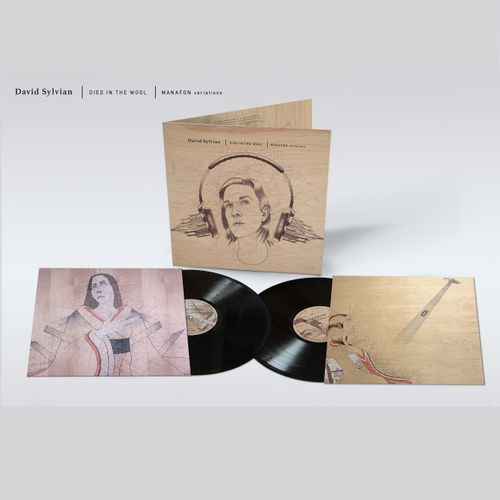
“Manafon” by David Sylvian of Japan fame is an underrated gem. The electroacoustic improvisation, complete lack of drums, coupled with Sylvian’s voice right at the front of the mix, makes for an ambient, freeform and highly experimental sound. The art-pop sonics that saw him gain success in the 70s and 80s is left firmly in the past and he’s doing exactly the music he wants hear – not what’s expected of him commercially. Now, on vinyl for the first time, comes remixes by classical contemporary genius Dai Fujikura – he wrote the string parts – of six songs from said album.
There’s also new songs, heavily influenced by Fujikura and an 18-minute piece (‘When We Return You Won’t Recognise Us’) culled from a much longer sound installation that Fukikura and Sylvain created together for the 2008-09 Biennial of Canaries in Gran Canaria.
How music this sublime hasn’t been on vinyl from the start is beyond us. Thankfully, that’s now rectified.
This 12 song remix companion to David’s 2009 album, ‘Manafon’, plus the non-album track “When We Return You Won’t Recognise Us” Features remixes by David Sylvian, Dai Fujikura, Jan Bang & Erik Honoré.
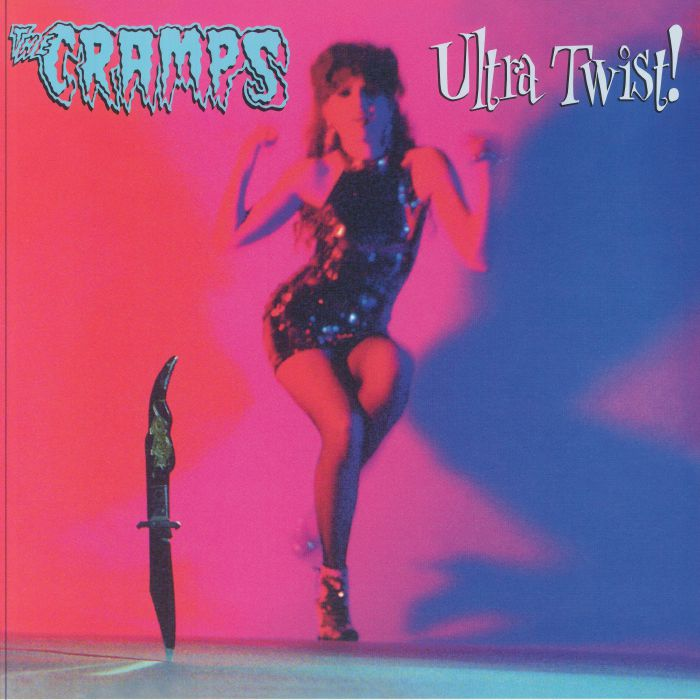
You know what to expect from The Cramps – punk, rockabilly and garage rock colliding in a gloriously sleazy pile up of distorted twang and deviant attitude. The A-side is a trademark take on those late 50s/early 60s tunes dedicated to the twist dance craze, enough said. It comes backed with the garage-powered ‘Confessions of a Psycho Cat’ and the more pscyhobilly-slanted, thoroughly howling ‘No Club Lone Wolf’.
Capturing a raw energy that channels the rebellious spirit of classic rock & roll with gritty guitar riffs, infectious rhythms and an undeniable sense of fun, this is a standout late-career highlight.
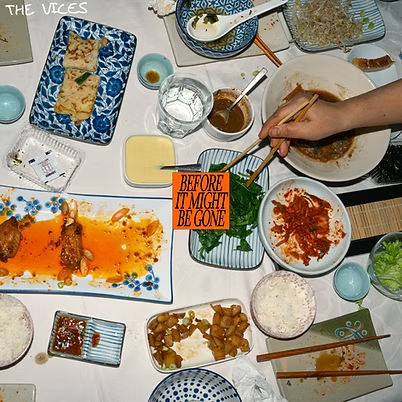
“The Vices blend Britpop, indie, psychedelic blues and surf rock, evoking The Strokes and Cage the Elephant with the live energy of early Red Hot Chili Peppers. Known for their childlike playfulness and serious riffs, they deliver explosive performances and danceable tunes. After sold-out Dutch tours, major festivals like Pinkpop and Sziget, and a European tour with Nothing But Thieves, The Vices shine through their unique friendship and diverse influences, showcased in the genre-spanning “Before It Might Be Gone”. Their different backgrounds inspire and motivate each other.
You can hear that in the sound of “Before It Might Be Gone“. Nothing is too crazy for them.”
“Before It Might Be Gone” is the title single from The Vices’ upcoming album
Squid’s new album “Cowards” is about evil. Nine stories whose protagonists reckon with cults, charisma and apathy. Real and imagined characters wading into the dark ocean between right and wrong. “Cowards” is Squid’s most courageous album: simultaneously growing in scope and returning to basics. The band recorded “Cowards” at Church Studios in Crouch End with Mercury prize winning producers Marta Salogni and Grace Banks. On additional production is longtime shifu and collaborator Dan Carey, who recorded the band’s first two albums. The Nine stories whose protagonists reckon with cults, charisma and apathy. Real and imagined characters wading into the dark ocean between right and wrong.
The record was mixed in Seattle by John McEntire, before being compressed by the rich analogue chain of Heba Kadry’s mastering in Brooklyn, New York. Squid have come a long way since forming in 2016 as an instrumental jazz band for a monthly night in Brighton. Their debut album “Bright Green Field” (2021) arrived as the world was starting to open up after the pandemic and they broke into the top 5 in the UK chart. In 2023 they released their sophomore album, the brooding “O Monolith“, which took the band all over the world and broke new ground that hardly seemed possible years prior.
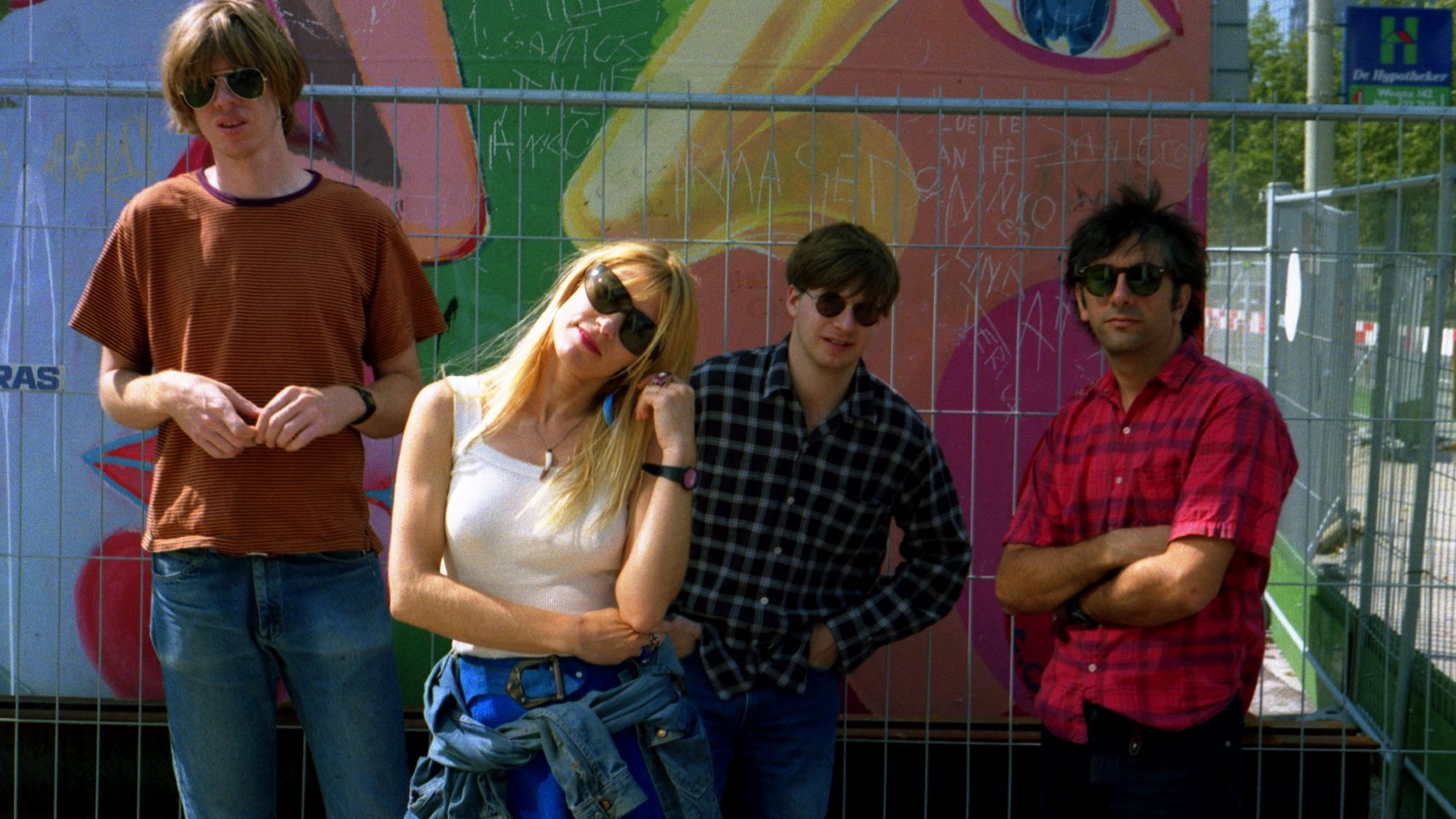
“In October 1987, four months after the release of their critically acclaimed “Sister” LP, Sonic Youth showcased their latest work in a blistering set at Cabaret Metro in Chicago. The concert was introduced by Big Black’s Steve Albini (who at the time was banned from the venue) and subsequently released as a semi-official bootleg under the title “Hold That Tiger” on writer/provocateur Byron Coley’s impishly Geffen-baiting label Goofin’ (years later the band would use this nom de guerre for their own imprint). “Hold That Tiger’s” sterling reputation among the Sonic Youth faithful is well deserved. In fact, it isn’t a stretch to suggest that the album is to the first handful of SY releases what “It’s Alive” is to the first three Ramones LPs — a feral and liberatory public snapshot of a band’s blossoming imperial phase. Indeed, “Hold That Tiger” is the sound of a group at the peak of their powers, presenting new songs alongside a handful of older ones with the kind of wild, cathartic enthusiasm common to rock ’n’ roll’s most revered live albums.”
“Hold That Tiger’s” encore – four songs by the band’s beloved Ramones, which Thurston would later astutely compare to “the perfect pudding after a hearty meal” – serves as a reminder that, like any true punks, Sonic Youth never could resist a good, rousing anthem to send the kids home with their ears ringing, their hearts hot-wired.
This first-time reissue comes with gatefold jacket. Mastered by Bob Weston from the orginal tapes. Recorded by Aadam Jacobs. Audio repair/editing by Aaron Mullan.
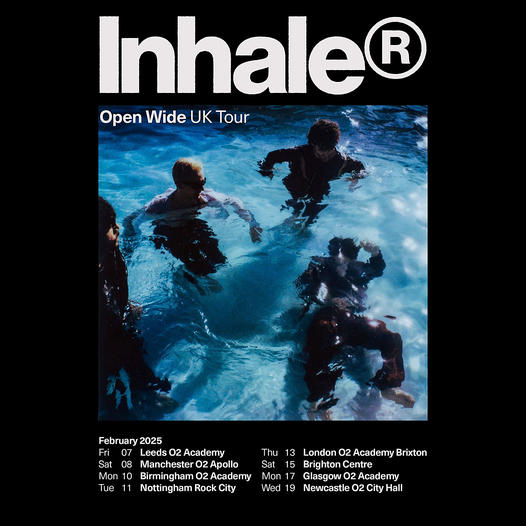
“Open Wide” marks a giant leap forward for Irish four piece Inhaler. The album, recorded with producer Kid Harpoon is the sound of a band stepping out of their comfort zone. Including the lead single “Your House”, “Open Wide” is 13 songs that feels unique—a guitar-driven pop album unlike any other, solidifying their status as one of the most exciting young bands today.
Recorded at RAK Studios in London and produced by Grammy and Brit Award-winning Kid Harpoon, Inhaler’s new album “Open Wide” reinforces their status as the ultimate modern guitar band, a group for whom jubilant pop melodies, intricate grooves and rock ’n’ roll dynamism are kindred spirits rather than strangers.
Featuring 13 songs, it hones the sweeping, euphoric singalongs of their first two albums “It Won’t Always Be Like This” and “Cuts & Bruises”, into something more fully formed, a record you can lose yourself in and one where every track feels like it could be a big single. Sonically, it’s an album where the band’s love of T. Rex, early MGMT, Prince, Depeche Mode and more nestles alongside the indie and garage-rock influences of their teens, and is a majestic celebration of who Inhaler are and everything they’ve done to get to this point.