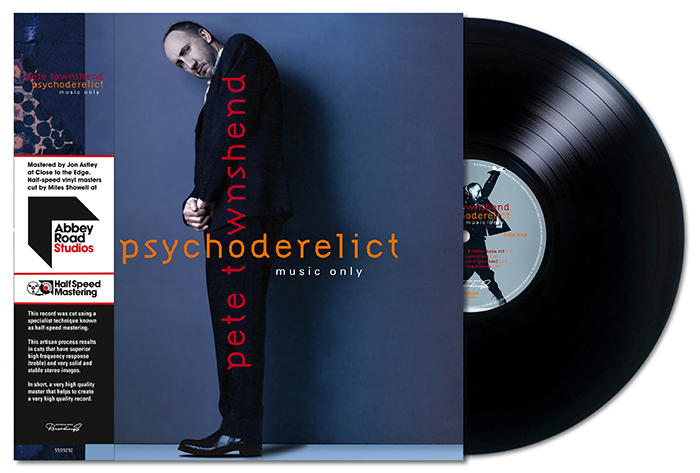
’Psychoderelict’ is Pete Townshend’s sixth studio album, and is his most recent album to date. Originally released on CD back in 1993, it is now being released without dialogue and only vinyl for the first time ever. The storyline draws on elements and ideas from ‘Lifehouse’, and features character ‘Ray High’, a washed up rock star who has lived as a recluse for a couple of years dreaming about a musical project that he abandoned years before called Gridlife.
“Psychoderelict” is a concept album written, originally produced and engineered by Pete Townshend. Some characters and issues presented in this work were continued in Townshend’s later opus The BoyWho Heard Music, first presented on the Who’s eleventh studio album “Endless Wire” (2006) and then adapted as a rock musical. The follow-up to “The Iron Man” (1989), but despite having recorded several demos, a bicycle accident in September 1991 forced him to delay work on the album until his wrist was able to heal properly. It is structured more like a radio play than the more “traditional” rock operas Townshend had recorded in the past.
Reissued on black vinyl, and without the spoken word, experience the album for the first time ever in this new half-speed master format. Pre-order for release on 18th October.
I might be the only person in London who is excited that we’ve woken up to a rainy September morning. In 1991, this was the backdrop to which I fell in love with “Astronauts” by The Lilac Time. The opening steal from Joni Mitchell’s Free Man In Paris sets the scene for a vignette of ecstasy and passion in the West London locale of the title North Kensington navigates Stephen’s narrative gaze through a fug of unreliable memoir, a syncopated psychogeography of plans hatched in the height of passion and mislaid in the cold sobriety of morning.
In a break from previous albums, accordions, banjos and mandolins are suddenly out; jazz guitar is in. The filigree work of guitarist Sagat Guirey on the outro of “A Taste for Honey” acts as a sublime parting shot to a lyric which acts as a wiser, wistful companion piece to Stephen’s 1985 hit “Kiss Me“. Like the camera retreating to reveal the years elapsed between the time depicted and the present day. Sagat’s presence is no less revelatory on “Sunshine’s Daughter“. Alongside fellow “Astronauts” highlights “The Darkness OfHer Eyes and Hats Off Here Comes The Gir”l, it’s a song about a dream of a girl; a chimeric vessel of desire and idealism, elusive enough to keep its creator writing more and more songs in the hope of making her real: ‘The more materialistic the world becomes/More angels I will paint for her/I’ve rechristened the Statue of Liberty/I’m calling her sunshine’s daughter.’
“Astronauts” is a transitional album – almost certainly more so than Stephen could have possibly realised. Having recently turned thirty, he experienced something we all encounter as we leave our third decade behind. We start to take stock and attempt to understand why we became who we became. “Grey Skies And Work Things” aches with exquisite yearning, recalling as it does the cruelty with which the week thwarts the sweet stolen adventures of young love.
Here and on “Finistere”, Cara Tivey’s inspired piano playing works alongside Sagat’s guitar to confer an incandescent fluidity upon the finished recording. The distance between the carefree youth of pop stardom and the first intimations of mortality can be measured between the first and second verses of the quietly devastating “Madresfield“; from the depiction of the deserted cricket pavilion obscured by fresh snowfall to the sudden shift in perspective from subject to protagonist: ‘No one ever told me/That killing time is harmful/For time cannot recover/What soon the ground will offer.’
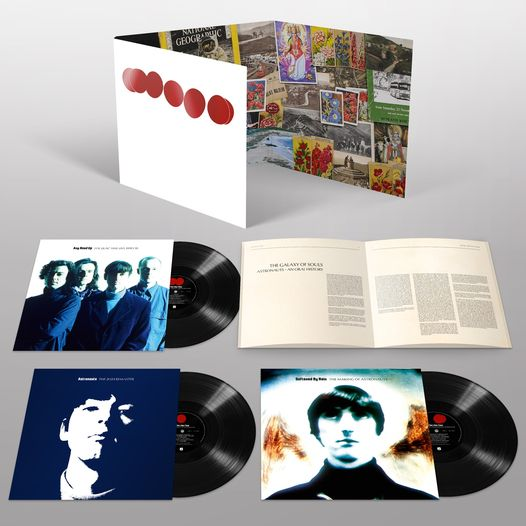
And so Stephen and all of us at Needle Mythology are indescribably proud to announce that we will be releasing a super deluxe remastered three-album edition of “Astronauts“. For this release, Stephen has mined his personal archive. The resulting haul yielded enough music to fill two extra albums. “Any RoadUp” is an album of live recordings taken from The Lilac Time’s final shows with Sagat Guirey, revealing the full extent of the group’s evolution with the new guitarist. “Softened By Rain” is an album of demos which highlights the profligate creativity that resulted in what would be The Lilac Time’s final album before 1999’s return “Looking For A Day In The Night”. Featured on “Softened By Rain” are two newly unearthed, previously unheard songs. In keeping with the special place “Astronauts” holds in fans’ affections, this triple album edition also comes with an extensive 11,000 word oral history of “Astronauts”, lyrics and liner notes. All three discs have been mastered for vinyl by Miles Showell at Abbey Road and will be housed in a triple gatefold sleeve with a colour inner sleeve and new artwork for each disc, especially created by designer Mike Storey. The main sleeve for “Astronauts” itself will replicate the original artwork but with the four distinctive orbs rendered in a red “foil” texture.
Only 1000 of these will be created. There will be no further pressings. There will also be a triple CD release of “Astronauts“, again with no further pressings.
Finally, a word about the price. This is a triple gatefold record in which every album has its own distinctive artwork, using premium materials, and the best mastering, design and manufacture options available to us. The retail price at which this release has been set will be enough to cover our costs, with Stephen generously insisting that he forfeit a royalty until enough records have been sold to cover those costs. Our intention with this release of “Astronauts” was to create an artefact that you will want to keep close to you for the rest of your days. We think we’ve succeeded. We hope you do too. Pre-sale starts tomorrow (Friday Sep 6): at https://needlemythology.bandcamp.com from 8.00 am BST.
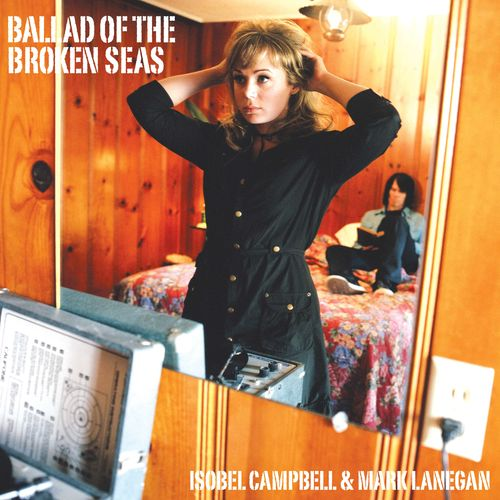
Following her acclaimed new solo album, “Bow To Love”, Isobel Campbell announces the reissue of “Ballad Of The Broken Seas”, the debut album by Isobel Campbell & Mark Lanegan, via Cooking Vinyl.
The album garnered widespread acclaim, with the duo being hailed as a modern day Nancy & Lee, and went on to be shortlisted for the Mercury Prize. From the brooding opener “Deus Ibi Est” to the melancholic “The False Husband” and the poignant title track, “Ballad Of The Broken Seas” resonates as powerfully today as it did upon its initial release.
Commenting on this reissue, Isobel Campbell says: “I have such fond and special memories of writing and producing this album – ‘Ballad of The Broken Seas’ is so very dear to my heart and Mark is very much missed”.
Originally released in 2006, ‘Ballad of The Broken Seas’ has remained a touchstone for fans of folk and Americana, revered for its haunting melodies, rich storytelling, and the captivating interplay between Campbell’s ethereal vocals and Lanegan’s gravelly baritone. The album was the first in a celebrated trilogy of albums that Isobel Campbell & Mark Lanegan recorded together, being followed by “Sunday at Devil Dirt” in 2008 and “Hawk” in 2010.
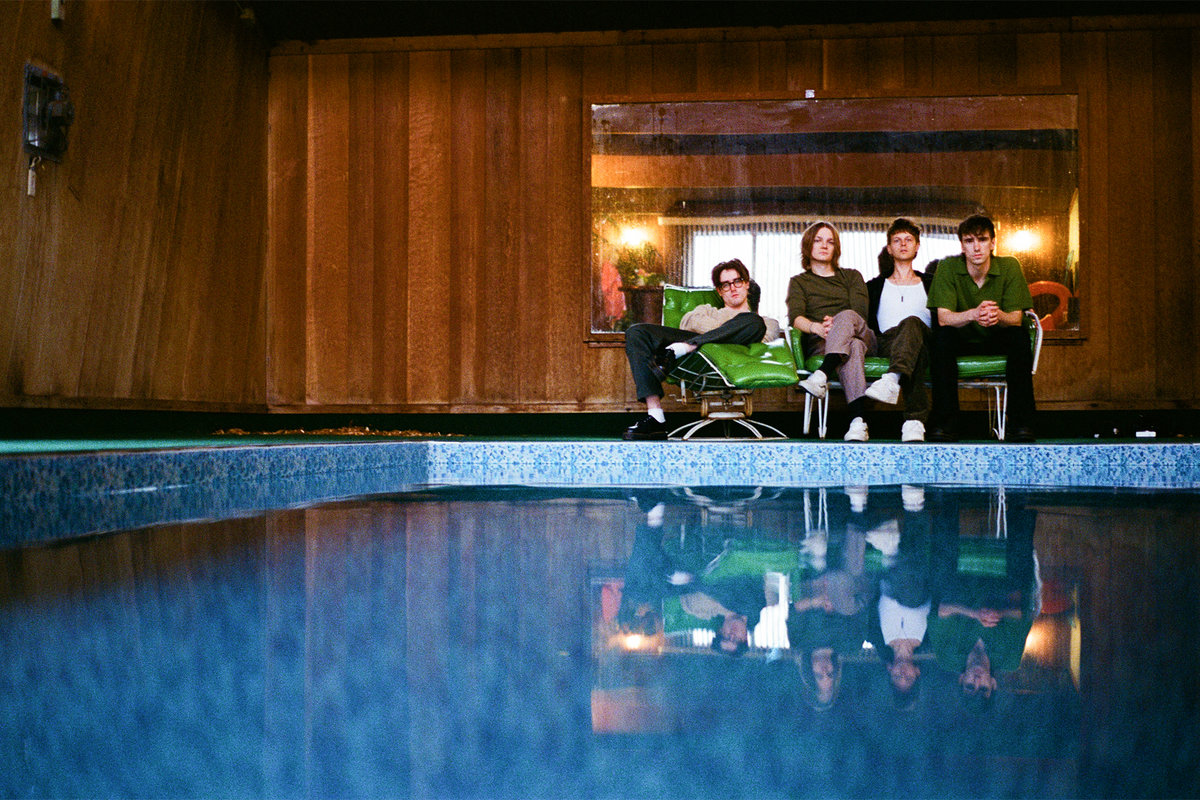
Hippo Campus were sitting in the green room of a sold-out amphitheater show at the start of the Summer of 2023 when they realized they had a major problem. Their fourth LP simply wasn’t good enough. Singer Jake Luppen had been listening to the band’s work as they rolled around the country, trying to tease out how much work remained. All of it, he soon decided. The soul wasn’t there, obfuscated by the need to sound sophisticated and the overwhelming ambition to make the best Hippo Campus LP ever, a deeper and more profound record that reflected how their lives were changing.
They’d committed to that vow with long time producer and collaborator Caleb Wright a little more than a year earlier, soon after a party where they celebrated the release of LP3. That very night, the call came that a long time friend had unexpectedly died. They started this band as kids and enjoyed quick momentum, their thrill-a-minute live shows and charismatically experimental pop albums creating almost-instant, avid attention. But this was Hippo Campus’ first close brush with death; as adulthood encroached, the actual call of mortality reminded them of the stakes of art, friendship, and life.
So they committed to doing something major, even if it meant taking five years to do it. They took the task seriously, too: getting sober for an entirely improvisational session at North Carolina’s Drop of Sun months later, regularly attending therapy as a full band, writing more than 100 songs in only a year. That was all well and good, until Luppen and, really, all of Hippo Campus decided they didn’t actually like what they were making. Life and work had been dark in their orbit for a second—death and dejection, addiction and anxiety. This uneasy epiphany wasn’t helping.
So that night, in the dressing room, they called an audible. They were going to start over. Three months later, the four-member core of Hippo Campus rendezvoused with Wright and producer Brad Cook at Sonic Ranch, a playground-like studio complex on the Texas border. They gave themselves 10 days to cut the tracks they liked best, to make something to which they could commit at last. And Cook, in turn, gave them an edict of no second guessing or listening back, only forward momentum. Less than two weeks later, they emerged with what they’d given themselves half a decade to make—“Flood”, or the best album Hippo Campus has ever made.
You can immediately hear as much in a pair of wondrous songs toward the end, when the love-lost-and-found sing-along “Forget It” fades into the bittersweet and beautiful ache of “Closer,” a gem about trying and maybe failing to surrender your trust to someone else. This is a band that has learned to grow up by learning to let go. When Hippo Campus finally stopped trying to force the issue of making a masterpiece, they tapped intersecting veins of vulnerability and urgency, walking away with 13 tracks that reckon with their uncanny lives through at least that many totally absorbing hooks.
During the last several years, Hippo Campus has had to navigate the tougher wages of success. They are, of course, grateful that a pop band they named on the lark of some psychology lesson blew up, but it certainly eliminated the segue from adolescence to adulthood that most of us enjoy in relative privacy. How could they survive inside and alongside this thing they had created and had outgrown them? And what’s more, how could they endure the vagaries of the music industry, so that they didn’t let a disappointing tour or disspiriting release demoralize them? Or, to ask the cumulative question, how do four people connected so intimately for so long grow as individuals while preserving the bond that makes what they do so special? Or is that actually too much to ask?
For a minute there, the answer seemed possibly like yes. But soon after that improvisational session, the band returned to its own Minneapolis studio and dug in.
They stumbled upon “Everything at Once,” with Nathan Stocker’s tricky little guitar lope becoming the basis for the slowly rising rhythm of drummer Whistler Allen and bassist Zach Sutton. Stepping outside for some space, Luppen quickly penned a thesis of self-criticism and self-forgiveness. Being less than the expectations of an industry, a family, or a faith are totally normal, he suggests in an anthem of empowerment that is almost casual. He gives himself the grace of being human: “You gotta lay down sometimes, be patient sometimes,” Luppen sings, layers of lean vocals crisscrossing one another like light beams. “And feel everything at once.”
That is precisely what Hippo Campus do best on “Flood” feel everything and transmute it all into songs that are inescapable. Take “Brand New,” three minutes of brilliantly coiled pop, its spring-loaded rhythm lifting a guitar line built from pin pricks skyward. It’s about being ruined by the letdown of a failed relationship and then finding a way forward, toward something so good you haven’t even imagined it yet. It sounds that way, too.
There’s the completely compulsive “Tooth Fairy,” a quick-moving meditation on the confusion of interpersonal dynamics. Hippo Campus smear bits of gentle psychedelia around a rhythm, riff, and hook that have the sleek lines of a sports car; the result is a dynamic wonder, a song that feels emphatic at the start but reaches full triumph by the end. Inspired by staring down cycles of addiction too long without taking steps to break them, “Corduroy” finds the space between a bummer country blues and a sweetly devotional waltz. Its vows of love, trust, and doubt are buoyed and also undercut by its slow rises and falls, a musical portrait of trying to take that difficult next step.
The sentiments on “Flood” are raw, real, and unguarded, a testament to Hippo Campus dropping preconceptions of how they had to sound after so many failed attempts to re-record these songs. They wiped the slate clean, starting over without beliefs about what Hippo Campus or this record needed to be. Still, sophistication lurks in subtle key and tempo changes, in the almost innate shifts that a band of long time best friends can tap after so much time spent helping to shape one another’s musical language. Flood doesn’t need to tell you it’s important or interesting; it simply is, just by virtue of how it’s written, built, and rendered, a map of what it’s like to feel everything at once. This rebirth is accompanied by a crucial career shift for Hippo Campus, too, as they exit the traditional label system to issue LP4 via Psychic Hotline, a truly independent imprint run by peers and pals. If you’re working to let go of expectations, why not jettison them all? There’s a bravery to that, and you can hear its revivifying spirit in every second of LP4.
Early into the endlessly propulsive “Paranoid,” where stunted acoustic strums undergird an inescapable jangle, Luppen asks an existential question: “Is there something waiting out there for us at the finish line?” For the next three minutes, the band cycles with him through his woes, from the title’s overwhelming worry to notions of dislocation and loneliness.
(Also, is there any other refrain ever that manages to make the phrase “so god-damned fucking” sound so catchy and natural?) But in the final verse, with his voice breaking through a scrim of distortion, he stumbles upon a new credo: “Wait, I wanna give this life all that I have in me.” That is precisely what Hippo Campus have done with “Flood” after realizing it doesn’t take a lifetime—or, well, five years—to do just that.
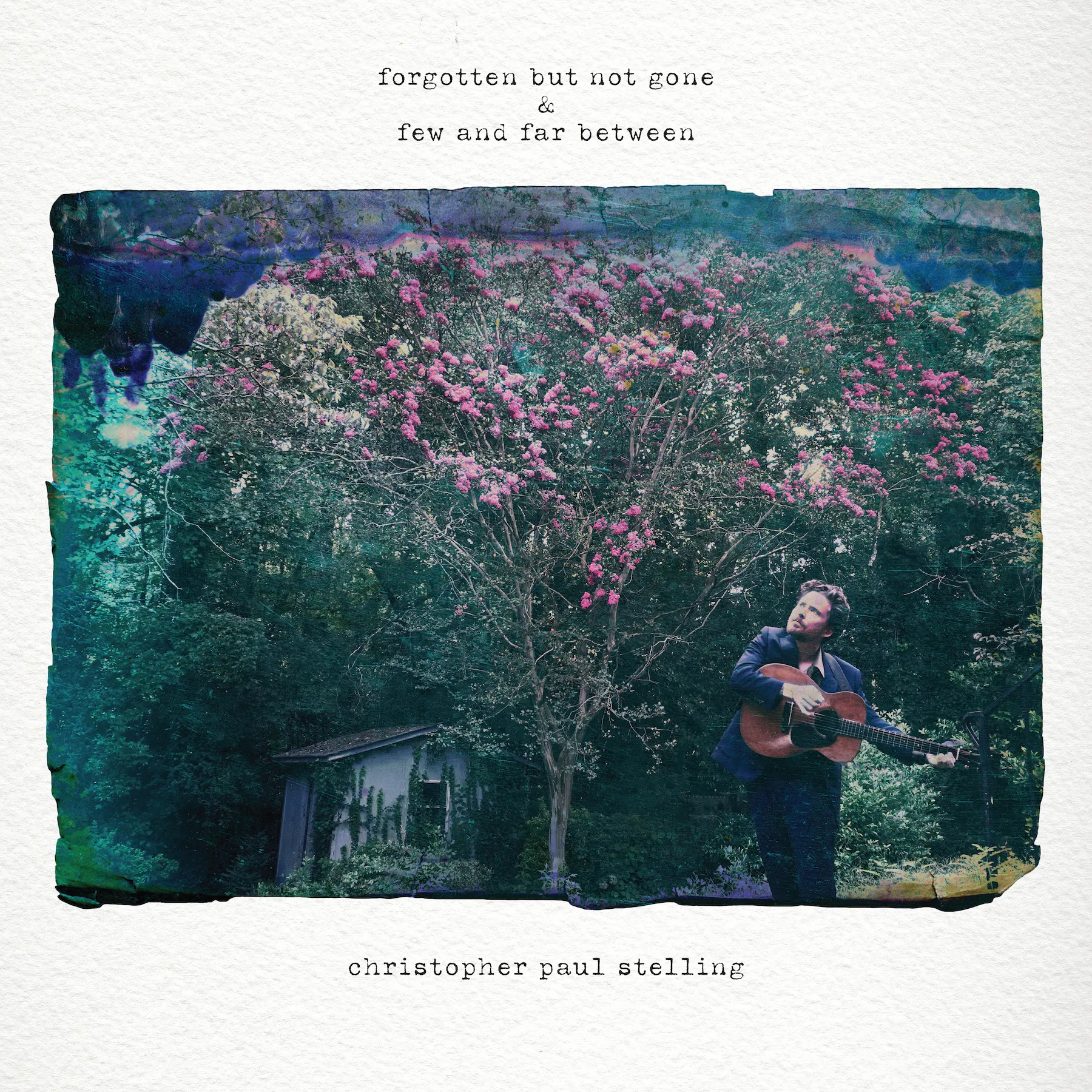
Christopher Paul Stelling’s latest album, “Forgotten But Not Gone & Few and Far Between,” released in 2024, has been well-received for its emotional depth and raw storytelling. This double LP was written and self-produced by the singer songwriter Stelling at home, following a painful divorce from his partner of 13 years The album is described as a life-raft, capturing the essence of his personal struggles and growth
The album spans a variety of genres, including folk, blues, and indie rock, showcasing Stelling’s versatility as a musician Tracks like “Better Days” and “Fire On The Moon” highlight his poignant lyrics and intricate guitar work. Critics have praised the album for its authenticity and emotional resonance, making it a standout in Stelling’s discography
Live Performance of “Lay By Your Side” by Christopher Paul Stelling from the Double LP “Forgotten But Not Gone & Few and Far Between“. Shot in the artists living room in Atlanta Georgia by filmmaker Ethan Payne.
Forgotten but Not Gone & Few and Far Between released March 22nd, 2024
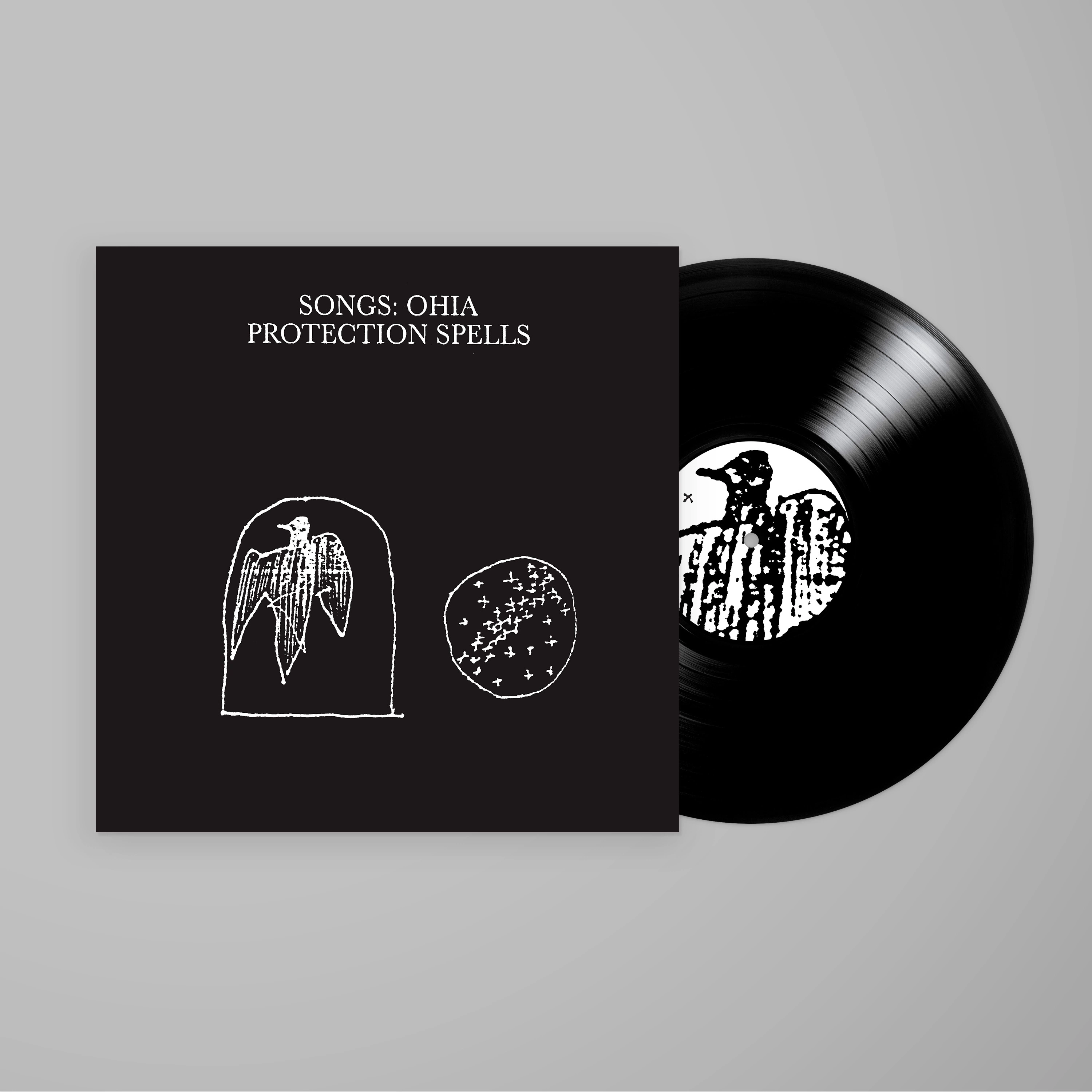
On October 25th, Songs: Ohia’s album originally released in 2000 “Protection Spells” will see a vinyl release from Secretly Canadian for the first time ever, after years being out of print in other formats. Featuring nine entirely improvised pieces, the album is considered a fan favourite for many and an irreplaceable part of the Jason Molina back catalogue.
Of “Protection Spells” album, Molina had this to say: “The Protection Spells” is a collection of songs recorded over a period of several Songs: Ohia tours. Presented here are nine entirely improvised pieces. The approach to these songs involved no rehearsals, no second takes, no additions and no going back. What you have here are songs that just happened in real time. The many musicians on these recordings were friends, bandmates, and, at times, total strangers. I have long hoped to offer the listener a chance to have some of these great accidents on record. It is a direct look at my songwriting process, only a little more risky, and nobody has any idea what direction we are going until we all start working on it together. I think that the years of improvised music I played in the past helped to strengthen the risk-taking with these songs.
Here the goal was to still have basic songs without falling into long freak-out noise experiments, saving that kind of exploration for live settings. You will notice the appearances and disappearances of ideas that could never be recreated, not that they are all brilliant, but they are certainly not forced. The seemingly arbitrary moments of strange repetition the lyrics, the clear lack of a preconceived system of established song parts, all are the marks of improvised songwriting. Since even the singing had no idea what the floorplan of the song was to be, there were some unanticipated troubles and some shy steps taken, but I have preserved these mappings of the dangerous musical byroads that Songs: Ohia has always depended on. I hope you enjoy this.” — Jason Molina, July 10th, 2000
Secretly Canadian is proud to reissue a limited run of Songs: Ohia’s “Protection Spells“, a collection of some of the most precious time capsules in the greater Molina Vaults.
“Protection Spells” has a spotty release history, with long periods out of print and limited formats. It returns to print now for the first time in over a decade (possibly two) and for the first time ever on vinyl.
How often do we hear from the outsider’s perspective? For rising new artist Gia Ford, those figures on the fringes of society are by far the most fascinating. Her songs tell the stories of the downtrodden to the down right dangerous. And through them, we begin to hear familiar, uncomfortable truths about ourselves.
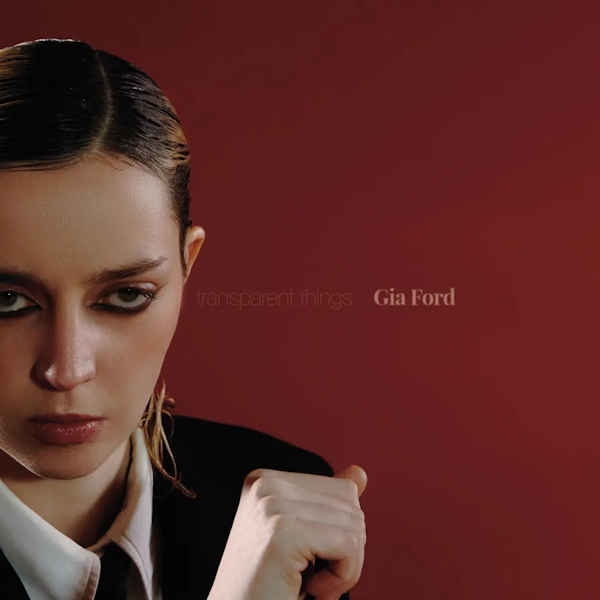
“Transparent Things” is Gia Ford’s debut album, and first album release with Chrysalis Records. Produced by Tony Berg (Phoebe Bridgers) at Sound City Studios in LA. Since the release of her first single at the end of 2023, Gia has been championed by a number of taste maskers, including being chosen in The Independent’s Ones To Watch for 2024.
“Transparent Things” is about alienation. “Most of the characters in these songs are outcasts, all with unique ways of feeling on the periphery, somehow,” Ford says. “I’ve discovered, through the grouping of these songs, that I’m drawn to this sort of story.” While each song operates in its own realm, their subject matters create a throughline of eccentricity that turns “Transparent Things” into a kind of odyssey of outcasts.
“Transparent Things” isn’t a concept album, but I think I have always been drawn to darker subject matters,” she says. “We’ve all gone through a period of not understanding why we feel a certain way, or having the sense that something is missing in our lives. We’ve all felt like outsiders.” – Gia Ford
The Newport Folk Festival was never strictly limited to folk music, but the 2008 festival expanded the musical diversity more than ever before. Perhaps taking a cue from the massive success of younger festivals like Bonnaroo, the 2008 roster included bigger ticket artists like The Black Crowes right along with the folk, bluegrass and blues troubadours that usually topped the bill. Despite some weather issues, this approach turned out to be a resounding success and all of the headlining acts turned in memorable performances that often conveyed the influence of the traditional styles that originally launched the festival.
One of the most surprising and highly anticipated groups to appear was The Black Crowes, who closed out the Saturday schedule, following a torrential downpour that significantly reduced the size of the festival audience. When they hit the main Fort Stage shortly after 5:00 PM, those that remained were treated to what many considered the highlight set of the festival. The performance was tempered in a way that paid tribute to the festival and its history, while still featuring plenty of the group’s trademark guitar driven rock, heavily influenced by groups like The Stones, The Faces and The Allman Brothers Band, which the Robinson brothers had grown up on.
At this time The Black Crowes were 18-year veterans of the road with thousands of concerts behind them, and a true force in modern rock music. The band had weathered internal struggles in the preceding years and had just completed their seventh album, “Warpaint”, their strongest in over a decade. Just prior to the sessions, two personnel changes had taken place, with the addition of keyboard player AdamMacDougall and former North Mississippi Allstars guitarist Luther Dickinson being brought on board.
The “Warpaint” album revealed a more seasoned band with a newfound sense of solidarity. Without changing their basic sound and dynamics, “Warpaint” conveyed a more original and distinctive band, while still drawing on the influences that initially drew listeners in.
The Black Crowes’ set began during a vibrant sunset, just as the storm had cleared. Well aware that much of their music would easily plow over most acoustic troubadours, the Robinson brothers initially hit the stage alone, armed with acoustic guitars.
Paying tribute to the stripped down folk music that initially launched the festival, they begin with a rendition of Bob Dylan’s “Girl From The North Country.” Following this, Luther Dickinson joins the brothers on stage, adding mandolin embellishments to “He Was A Friend Of Mine,” the 1960s anthem that conveyed the sense of loss following the assassination of President Kennedy. Both of these numbers are extremely well received and convey a sense of respect for the festival and its history.
With MacDougall (whose birthday it was) and the rhythm section joining the other members onstage, the first number off the new album, “Whoa Mule,” is next. A bluesy number that begins a capella and then builds its intensity gradually, this song has a thrust that cannot be denied. With Dickinson contributing slide and a striking vocal from Robinson, this conveys a band more comfortable and confident than ever before. Two well-chosen covers surface next, first in the form of “Polly,” a country flavoured obscurity written by ex-Byrd Gene Clark, recorded for the second (and more obscure) Dillard & Clark album in 1969.
However, it is the medley of Delaney & Bonnie songs that follows that is one of the true highlights of this performance. Rich Robinson starts it out with some strident acoustic rhythm as they kick into a wonderful rendition of “Poor Elijah.” This cooks from the get-go and quickly builds into a soulful romp with Dickinson seemingly channelling Duane Allman (who played on the original). Like the Delaney & Bonnie recording, it then gets even bluesier, with Robinson belting out the “Tribute To Johnson” section, but rather than concluding there, they toss in a bit of “Things Get Better” before wrapping it up. This is a superb performance that rivals the originals.
With MacDougall organ swells serving as a segue, they next ease into a confident reading of “Wiser Time,” the single from the 1994 album, “Amorica”. Dickinson’s slide work and MacDougall’s electric piano underpinnings are both notable here. As this progresses over twelve minutes, longtime listeners will recognize a newfound chemistry emerging between these musicians. The Crowes could always jam, but here there are no aimless improvisations. Instead, there is focused soloing and a collective sound that can only occur when musicians are carefully listening to each other. Two fine new songs from “Warpaint”, “Movin’ On Down The Line” and “Goodbye Daughters Of The Revolution,” are prime examples of this chemistry. Even on “Jealous Again,” the hit that first brought the band recognition, Dickinson and MacDougall’s contributions add freshness, while losing none of the Faces-influenced flavour that made it so fun in the first place.
The final 25 minutes of the set is a two-song tour de force beginning with the “Warpaint” ballad “Oh Josephine,” which gradually ratchets up the intensity level over the course of 8 minutes. One of the band’s most compelling songs, this is a slow-rolling burn that builds to a blazing close. A spacey organ interlude from MacDougall follows, before the band segues into the opening of “Thorn In My Pride.” Expanded well beyond its original incarnation, this is engaging from the start and doesn’t let go for its 15-minute duration. Within a few minutes, the band is deeply engaged with Rich Robinson’s overdriven guitar cutting through like a knife. Just when they’ve reached a major crescendo (at exactly the six-minute mark), everyone drops out, leaving Chris Robinson to begin a blues harp solo. With Robinson leading the way, the band builds into a menacing jam that is quite inspired. At times this bears a striking resemblance to the snaky grooves of “Midnight Rambler” and is every bit as intense as The Stones in their 1969 prime. Under tight time restrictions as the final act of the day, no encore was possible, but by the time “Thorn In My Pride” winds to its soulful conclusion, the audience erupts with applause having witnessed one of the hardest hitting Newport Folk Festival performances ever.
They were sensational – and each on-stage album from CSN&Y feels sensational too. Not that there were too many of those releases capturing David Crosby, Graham Nash, Stephen Stills and Neil Young in their prime: only 1971’s “4 Way Street” would count as such, with “CSNY 1974” from 2014 documenting the quarter’s second coming, with a few moments in the “Woodstock” and “Journey Through The Past” soundtracks rounding off the foursome’s officially available early-era concert recordings.
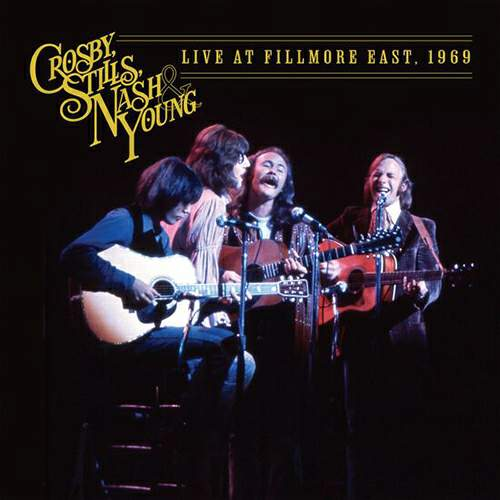
Here’s why “Live At Fillmore East, 1969” which will be out on October 25th is a historic thing.
The platter that Neil Young hinted at as early as in April of this year and that he and Stephen Stills mixed from the original eight-track is much more interesting than its predecessors not only because it comes from a single venue and a single date, September 20th – although there were two shows performed there but also because it leans on the players’ solo material to a lesser extent.
Comprised of two sets, acoustic and electric, the band’s repertoire on the night included “Our House” and “4 + 20” which would surface on “Déjà Vu” in 1970 – the former addressing Joni Mitchell, who inspired the song and was in the Fillmore to hear Graham Nash serenading her – and “Find The Cost Of Freedom” which would appear later as a B-side of the “Ohio” single. Factor in Buffalo Springfield’s “I’ve Loved Her So Long” and pieces from the ensemble’s debut LP, and the significance of the forthcoming release becomes impossible to overestimate.
After famously playing their second show at Woodstock in August 1969, David Crosby, Stephen Stills, Graham Nash, and Neil Young spent the rest of the year touring and writing songs for what would become Crosby, Stills, Nash & Young’s 1970 debut, ‘Déjà Vu’. A newly discovered multi-track recording of the band’s September 20th, 1969, concert at the historic Fillmore East in New York City captures an early moment from that first tour. The setlist spotlights soon-to-be classics from CSN’s self-titled debut and Young’s Everybody Knows This Is Nowhere with “Suite: Judy Blue Eyes,” “Helplessly Hoping,” and “Down By The River.” 2xLP and CD are out everywhere on October 25th.
“Live at Fillmore East, 1969” contains an acoustic portion—featuring performances of “Helplessly Hoping,” the Beatles’ “Blackbird,” Buffalo Springfield’s “On the Way Home ” and “Broken Arrow,” Déjà Vu’s “4 + 20,” and more—and a shorter electric portion featuring “Sea of Madness,” “Down by the River,” and more.
In a statement, Graham Nash said, “Hearing the music again after all these years, I can tell how much we loved each other and loved the music that we were creating. We were four people revelling in the different sounds we were producing, quietly singing together on the one hand, then rocking like fuck for the rest of the concert.”


 The Fat Angel Sings