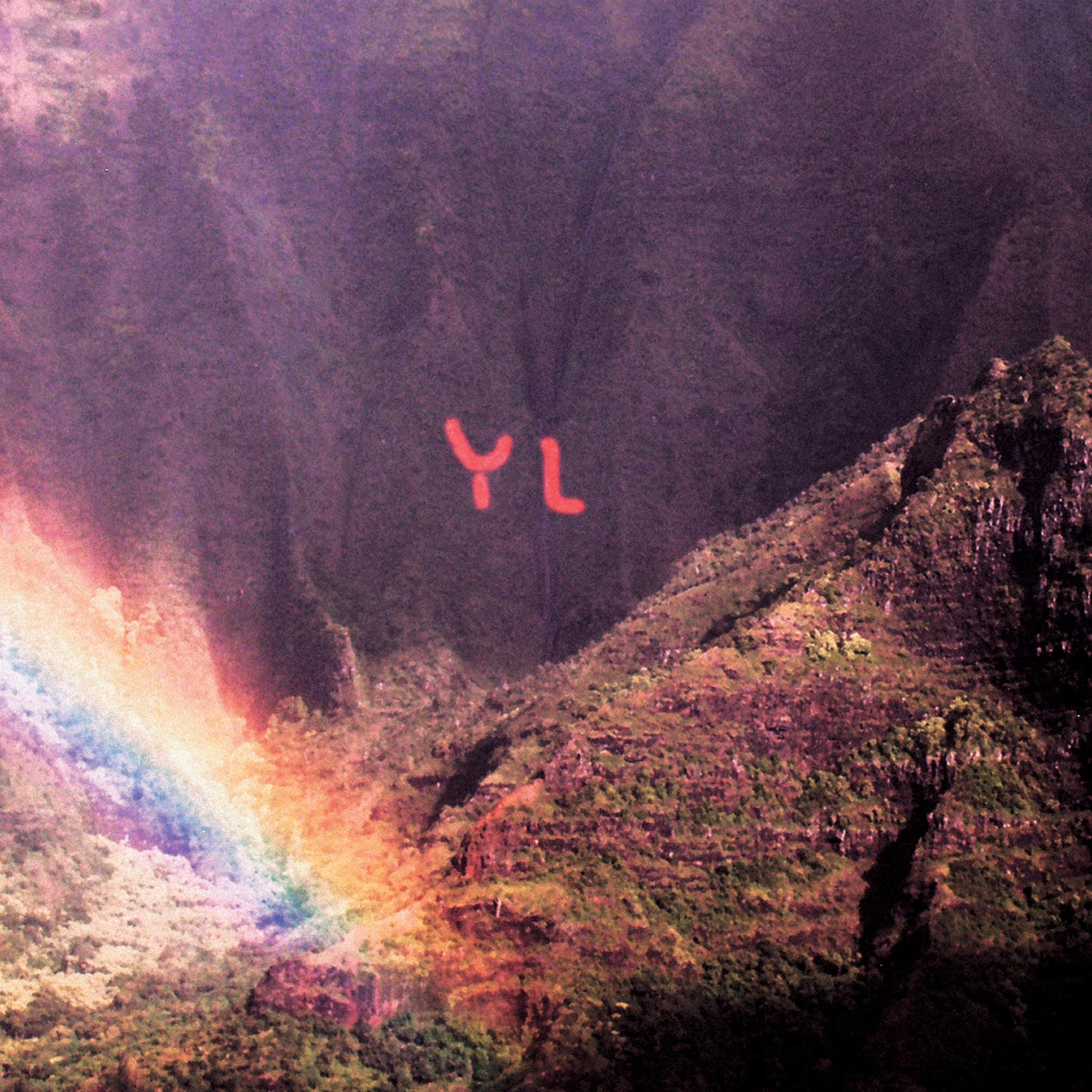
This year, Fat Possum Records celebrates the 10th anniversary of Youth Lagoon’s debut album “The Year of Hibernation”. 45rpm Double Cream Colour Vinyl includes the album as well as 3 bonus songs. The artwork is expanded into a gatefold vinyl with updated artwork and printed inner sleeves by Collin Fletcher.
‘The Year of Hibernation’ turns 13 years old today. When I recorded it, I was going to Boise State University — skipping classes to use the school’s pianos to write these songs cuz I knew that was more important. I took out a student loan to pay for recording. People made fun of my voice. I didn’t listen. I just worked. They said I was delusional. I was. I did everything everyone told me not to. Trust the inner world at all costs. That is life itself.
To celebrate the 10th anniversary, “Traces” has been completely remixed and remastered by our producer and engineer, Paul van Zeeland, and also prepared for it’s first ever release on deluxe Limited Edition vinyl. The remix sounds spectacular and provides a fresh view on the original mix while retaining the spirit and feel of the original album.
Stunning new album artwork was created by Antonio Seijas especially for this 10th Anniversary edition.
A new Advance Base song signals the changing of the seasons. Maybe that’s because of the extraordinary wealth of Christmas music Owen Ashworth has released under the moniker over the past twenty-plus years, his snow-globe keyboard and bitter-cold realism capturing the season’s bleakness. A new album, “Horrible Occurrences”, is out December 6th — all adds up — and “The Year I Lived in Richmond” is its opening track.
A twinkling murder ballad, it is plainspoken but vivid, delivered in Ashworth’s effortless drawl, cut up by tiny falsetto howls. However chilly the story, Ashworth never loses his warmth.
“Horrible Occurrences” is the title of Owen Ashworth’s new album as Advance Base, and there is truth in advertising. In these songs—all centered around a fictional town called Richmond and featuring an interlinked cast of characters—you will hear stories of death and disappearance, climactic confrontations and unsolved mysteries. “Richmond is just this place where all the bad memories live,” Ashworth says with a laugh, and nearly 30 years into his song-writing career, none of his records have packed quite the emotional intensity of this one. And yet something alchemical happens in the telling of these tales. Like a masterful short story collection, “Horrible Occurrences” is inspiring and alive, idiosyncratic and electric, pulling you closer with each word.
U2 are reissuing ‘How to Dismantle an Atomic Bomb’, their 2004 album featuring “Vertigo,” for its 20th anniversary. The new release, dubbed the ‘Re-Assemble Edition’, is out November 22nd via Interscope. It includes a remastered version of the original album, along with a handful of previously unreleased songs. Two of those tracks, “Country Mile” & “Picture of You (X+W),” are out now.
“How To Dismantle An Atomic Bomb” (remastered to celebrate the 20th Anniversary, with bonus track ‘Fast Cars’) & How To Re-Assemble An Atomic Bomb (the shadow album – a collection of ten tracks including new, unreleased songs recently rediscovered in the archive of the original album sessions, now released for the first time), out November 22nd.
“The sessions for ‘How to Dismantle an Atomic Bomb’ were such a creative period for the band, we were exploring so many song ideas in the studio,” the Edge said in a statement. “We were inspired to revisit our early music influences, and it was a time of deep personal introspection for Bono who was attempting to process—dismantle—the death of his father.”
He continued, “For this anniversary edition, I went into my personal archive to see if there were any unreleased gems and I hit the jackpot. We chose 10 that really spoke to us. Although at the time we left these songs to one side, with the benefit of hindsight we recognize that our initial instincts about them being contenders for the album were right, we were onto something…”
The band’s eleventh studio album was a massive success, with two of its singles, ‘Vertigo’ and ‘Sometimes You Can’t Make It On Your Own’, reaching No 1 in the UK charts, and the other two (‘All Because of You’ and ‘City of Blinding Lights’) both going top five. The album went to number one virtually everywhere and won eight Grammy Awards, including ‘Album of the Year’.
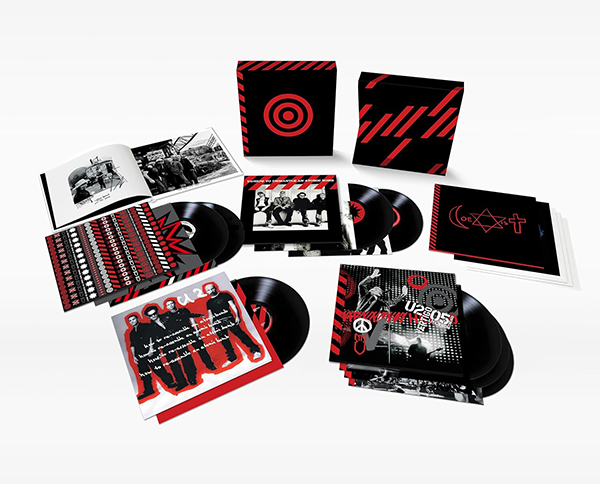
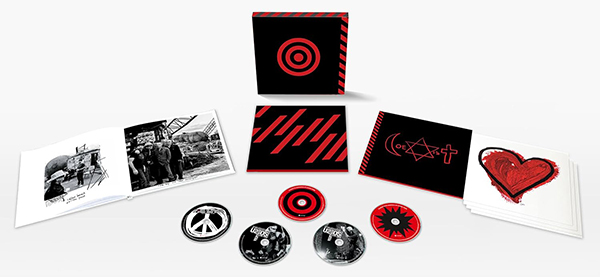
This reissue campaign, offers two big box sets: a 5CD super deluxe or an 8LP vinyl super deluxe, that offer the same audio content, The box sets come with hardback photo books by Anton Corbijn featuring handwritten notes by the photographer and “never-before-seen” photos and 8 prints in a folio sleeve.
“How To Dismantle An Atomic Bomb” is re-released on 22nd November 2024, via UMR.
Longing. Heartbreak. Levity. Joy. Being filled with love for all things. All of these sensations flow at once through Canadian singer-songwriter Tess Parks’ new album, “Pomegranate”. Re-establishing Parks as the consummate artist-observer against a swirling nouveau-delic backdrop, her third solo album arrives via Fuzz ClubRecords and was produced by multi-instrumentalist and close collaborator Ruari Meehan, who shared mixing duties with Grammy-nominated engineer Mikko Gordon (The Smile, Gaz Coombes, Arcade Fire). On the underlying message behind ‘California’s Dreaming’, Parks says: “I believe people are innately good and everything that happens and everyone that comes into your life is a great teacher. EVERYBODY LOVE EVERYBODY.”
Though Tess Parks first became widely known for her string of collaborations with Brian Jonestown Massacre mastermind Anton Newcombe, her 2022 solo offering “And Those Who Were Seen Dancing” left an unforgettable impression with its signature blend of weight, whimsy, and open-heartedness. The New York Times would praise its “confident, enchanting presence”, whilst Exclaim! proclaimed it as a record that “demands to be heard and felt”. Where “Dancing” retained a fair measure of bedroom-demo charm, this time the canvas is bigger, with Meehan’s arrangements stretching all the way to the horizon. This is the most ambitious and cinematic Parks’ music has ever sounded. Drawing on psychedelic elements in a way that sounds decidedly fresh, the dreamlike atmospheres feel oddly nostalgic and modern at the same time.
The pair are backed on most tracks by band members Francesco ‘Pearz’ Perini – whose piano and organs shine through gloriously on ‘Koalas’ and ‘California’s Dreaming’ respectively – and Marco Ninni, who provides the solid backbone throughout on drums. From a vocal perspective, it feels like Parks pushes her voice to new heights on this album too. Her lyrics are sharp, ever-present, and imbued with strength, depth, and poetic purpose, which shine particularly bright on tracks like ‘Koalas’ and ‘Charlie Potato’. They weave through her flurries of beautiful melodic hooks, featuring sublime choruses and complex, multi-layered harmonic structures, as showcased on ‘Crown Shy’ and ‘Bagpipe Blues’ especially.
On “Pomegranate” there are also plenty of new experiments and guests introduced. ‘Koalas’, for example, features the spellbinding whistling of Molly Lewis, lending a bittersweet Morricone-esque charm. ‘Crown Shy’ features soaring strings (arranged by Ninni and played by Joe Butler), and ‘Bagpipe Blues’ and ‘Charlie Potato’ are elevated by Kira Krempova’s ethereal flute playing – the latter also accompanied with Wurlitzer piano played by Oscar ‘SHOLTO’ Robertson. The euphoric ‘Running Home To Sing’ and album-closer ‘Surround’ centre the synthesiser for the first time, whilst the piano features more prominently across many of the tracks.
The third and final single to be lifted from incoming album ‘Pomegranate’, out Oct 25th
Tess Parks’ new album, ‘Pomegranate’, released October 25th 2024 via Fuzz Club and Hand Drawn Dracula
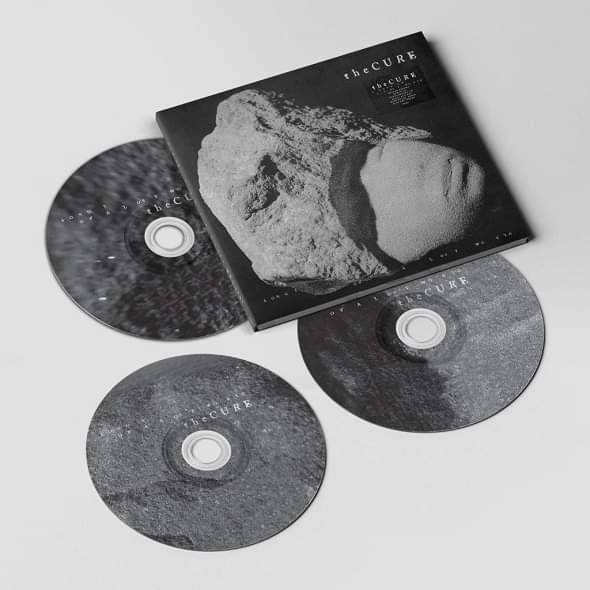
The Cure have announced their first new song in 16 years, entitled “Alone” The Symphonic ballad is ahead of new album “Songs of a Lost World” which awaits an official announcement, A post on the band’s social media contains a snippet of the song: a symphonic ballad with heavy drums and lurching electric guitar, with frontman Robert Smith singing: “This is the end of every song that we sing / the fire burned out to ash, the stars grow dim with tears.”
The song’s premiere will be on Mary Anne Hobbs’s BBC Radio 6 Music show, airing at noon in the UK. It brings to an end one of the longest-awaited returns in rock, one that the Cure have been teasing for a number of years.
The band’s last music was 2008’s “4:13 Dream“, described at the time as “admirably taut and vibrant, though nothing here scales classic heights”. Smith said a sister record, entitled “4:14 Scream“, would be released in 2014 but it was later scrapped. In 2018, he told : “I’ve hardly written any words since then. I think there’s only so many times you can sing certain emotions. I have tried to write songs about something other than how I felt but they’re dry, they’re intellectual, and that’s not me.”
But in the same interview, partly inspired by the Meltdown festival he curated, he said that the band was committed to going back to the studio. Subsequent sessions in 2019 produced a huge amount of music, according to Smith: “The songs are like 10 minutes, 12 minutes long. We recorded 19 songs,” he told Rolling Stone. “We just played music for three weeks. And it’s great. I know everyone says that. But it really is fucking great. It’s so dark. It’s incredibly intense.”
Details went quiet until 2022, when Smith announced the album had an intended title, “Songs of a Lost World. The album, probably containing “Alone”, hasn’t been officially announced, but that title looks to be unchanged.
Every Cure fan knows, the band’s albums exist somewhere on a sliding scale between two extremes. At one end lurk the albums on which Robert Smith gives free rein to his natural facility for pop songwriting: “The Head on the Door”, “Wish”, the oft-reviled “Wild Mood Swings”. At the other are the albums on which one imagines Smith thinks his legacy really rests: pitch-black explorations of existential despair on which songs sprawl lengthily and radio-friendly melodies are in short supply, 1982’s notorious “Pornography” and 2000’s “Bloodflowers” among them. In a world where the actual singles chart no longer really matters to a band like the Cure – their period as reliable, if idiosyncratic hitmakers drew to a close in the mid-90s, a change in status that had no effect whatsoever on their capacity to fill stadiums and arenas – their first new single in 16 years suggests their forthcoming album “Songs of a Lost World” tends towards the second category.
“Alone” is the best part of seven minutes long, and more than half of that time is consumed by a lengthy instrumental introduction: the first track on the forthcoming album, its structure brings to mind “Plainsong“, the opener from 1989’s career highpoint “Disintegration“. There’s something deliberately disjointed about its sound: Simon Gallup’s bass doesn’t drive the song so much as decorate it with distorted retorts; the glacial synth and a very Cure-esque guitar line come and go, and there are moments when the whole enterprise feels on the verge of falling apart. It has a beautiful, rather majestic-sounding chord sequence – even at their bleakest, the Cure were almost never tuneless – but it is funereally paced and somehow sounds even slower still because the rhythm track features no hi-hats, just the pounding of a bass drum and snare and the occasional cathartic cymbal crash. If you’re after a comparison from the Cure’s past for that aspect of its sound, you could do worse than think of the similarly brutal and austere drums that underpin “Pornography”, most specifically “Cold”.
When Smith’s voice finally appears, it’s singing lyrics that seem to be based on Dregs, an 1899 work by the Decadent poet Ernest Dowson. Dowson’s poetry has inspired songs before – it was him that came up with the phrase “days of wine and roses” (and, for that matter, “gone with the wind”), and both Cole Porter and Morrissey paraphrased his famous line about being “faithful to you … in my fashion”. But Dregs is something else entirely: written shortly before his death, it is filled with ghosts, hopelessness and morbidity. And so is “Alone”. In among the images it borrows from Dowson, it throws in some intimations of mortality of Smith’s own devising: birds fall from the sky, broken voices call us home, youthful dreams are dashed against the transience of life. At 65, Smith sounds horrified by the idea of life ending: “Where did it go? Where did it go?” he pleads at one affecting juncture. His voice hasn’t changed much over the years, but the singer of “Alone” sounds very different indeed from the twentysomething who opened “One Hundred Years” with a nihilistic shrug of “it doesn’t matter if we all die”.
Smith clearly has personal reasons for fixating on mortality – he’s talked about how losing both his parents and his older brother during the lengthy process of making “Songs for a Lost World” shaped the material, and we’ll clearly find out just how much in the fullness of time. But as an opening salvo, a teaser for what’s to come, the overall message of “Alone” to his audience seems to be: abandon hope all ye who think the Cure’s best song is “The Lovecats” or “Friday I’m in Love“. But for those who ultimately prefer the Cure when they’re wreathed in misery and despair – as you suspect Smith does – “Alone” is quite the appetiser. impressive.
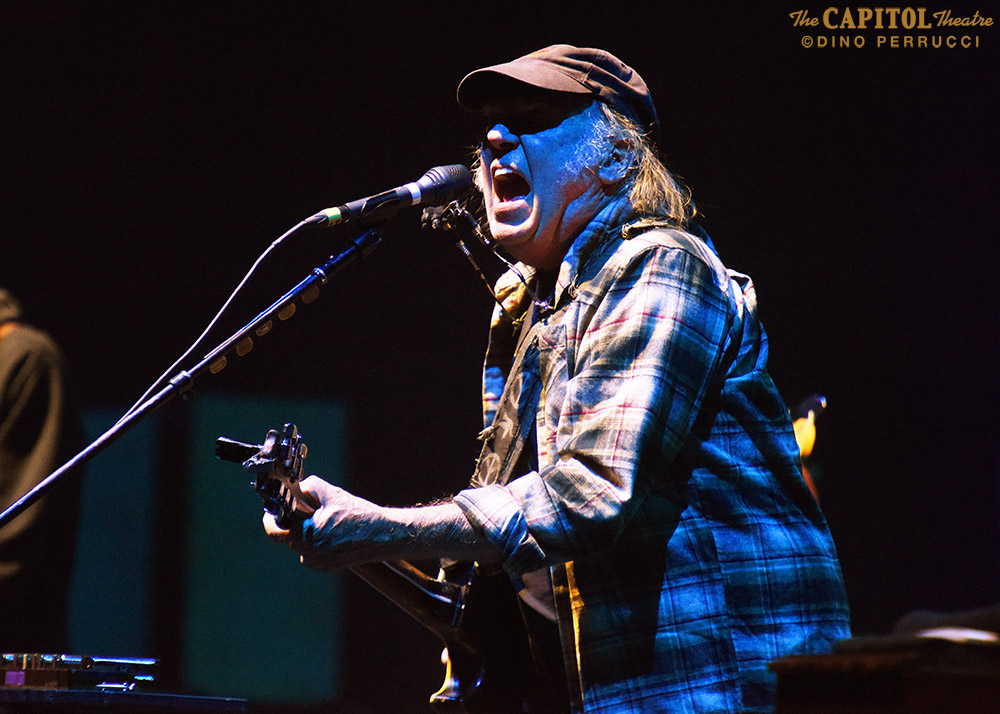
On Monday evening, September 23rd, Neil Young returned to The Capitol Theatre in Port Chester, N.Y., for the first time in nearly six years. The performance arrived after Young and his new band participated in the 39th annual Farm Aid events in Saratoga, N.Y., on Saturday, Sept. 21st. The artist’s follow-up represented his first billed appearance with his new band, The Chrome Hearts; guitarist Micah Nelson, organist Spooner Oldham, drummer Anthony LoGerfo and bassist Corey McCormick. During the night, the bandleader interspersed classic acoustic compositions beside raging rock epics from the Crazy Horse ether, finding balance as he worked through 14 selected arrangements.
Beginning on a high note, Young and The Chrome Hearts performed an electric take on “I’m the Ocean,” in line with 1995’s “Mirror Ball” cut, instead of delving into acoustics akin to his 2023 “Before and After” rendition. Next, the artist and his accompaniment dusted off a classic, “Everybody Knows This is Nowhere.”
From electric to acoustic, Young and company tapped into a classic take on “Comes A Time” with its signature harmonica interludes. Keeping the aforementioned tone, the ensemble arrived at “From Hank to Hendrix,” before adding “Harvest Moon,” and “Unknown Legend.” The lead turned his attention from guitar to piano with the arrival of “Journey Through the Past.” Young remained behind the keys while reverberating his love and respect for the natural environment with the aptly titled “Love Earth,” from the birds in the sky/ to the fishes deep in the sea.
Back cradling his acoustic guitar, Young took the audience through “Homegrown” and “Big Time” before a soft and subtle take on “One of These Days,” which represented a dust-off, last played live in 2019. For the final songs of the night’s main frame, it was an all-electric affair, beginning with a rousing delivery of “Powderfinger” and the night’s highlight, a 13min-rendition of “Down by the River” with extensive instrumental back and forth between Young and Nelson.
After band introductions, the group picked up their final offering of night one in Port Chester, delivering a fittingly placed “Roll Another Number (For the Road)” as their encore.
Set: I’m The Ocean, Everybody Knows This is Nowhere, Comes a Time, From Hank to Hendrix, Harvest Moon, Unknown Legend, Journey Through the Past, Love Earth+, Homegrown, Big Time, One of These Days, Powderfinger, Down by the River Enc.: Roll Another Number (For the Road)
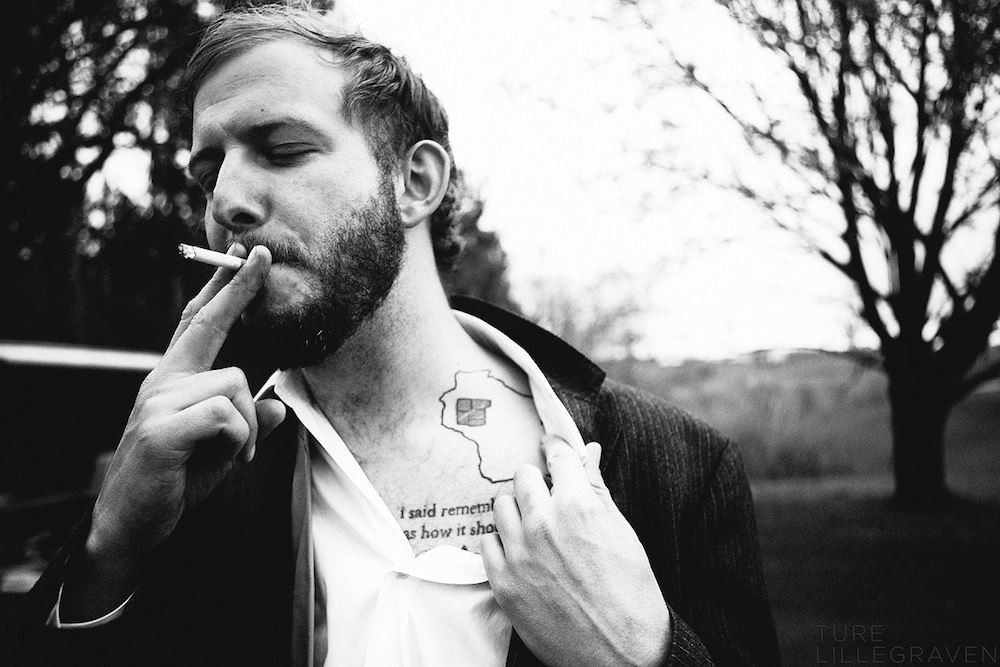
Justin Vernon has announced a new Bon Iver EP, “Sable”, which finds him stripping back down to his solo acoustic roots. The three songs that comprise Bon Iver’s new record “Sable”, emerged from a long-gestating breakdown. Think about the journey Justin Vernon has been on across the past two decades: “For Emma Forever Ago”, high profile collaborations on records by artists like Kanye West and Taylor Swift, throwing music festivals in his city, and the increasingly layered and elaborate touring and recording machine that Bon Iver became.
An electricity began to swell in Vernon’s chest. Being Bon Iver meant playing a part, and intentionally leaning into that role meant frequently pressing hard on a metaphorical bruise. He developed literal physical symptoms from deep anxiety and constant pressure. At the end of his rope, maybe done with music, and thinking increasingly about the process of healing, he finally found the time to unpack years of built-up darkness just as the lockdown began.
While there are the usual collaborators on this record providing pedal steel (Greg Leisz), fiddle (RobMoose), saxophone (Michael Lewis), and trumpet (Trever Hagen), “Sable”, is largely defined by Vernon’s voice and guitar. The dense layers of i,i are nowhere to be found, as Vernon bears the weight of these songs largely on his own. It’s a retreat and reset. Stripped back to the primary elements that the project was founded on, the intimacy of “Sable”, is perhaps most prominent on “S P E Y S I D E,” recorded in such a way that individual guitar strings resonate in individual speakers. It’s a song that spilled out of him as an apology to a couple of people he loved and hurt, written in 2021 during a moment of reflection and clarity while decamped in Key West. Listening from the guts of his guitar, his lyrics are autobiographical and direct; gone is the veil of maximalist mystery from albums’ past. He can’t make good, can’t go back, can’t undo what he’s done. “I really damn been on such a violent spree,” he admits.
Recorded in the April Base compound in Wisconsin, these songs were each written at different periods of processing. “Things Behind Things Behind Things” came first in 2020, born of the restless anxiety and facing up to everything that leads to it. Written almost as a surprise while he was unsure of his future as an artist—a meditation on the process of unpacking the contexts that inform his contexts—it stares down the long road of putting oneself back together. “Awards Season” is the most recent. He wrote entire stanzas on long walks around Lake of the Isles in Minneapolis last year. It’s a song that takes stock of a major and wrenching change.
These songs are reflections of unfinished business, of guilt and anguish. “I’m a sable/ and honey, us the fable,” he sings in the record’s closing track. Some of Vernon’s best songs are the saddest ones, and there’s a kind of unintentional toxic reinforcement that comes when everyone praises your most depressed instincts. “Sable”, is named for near-blackness, the record an externalized projection of his turmoil. This trio of songs represents an unburdening from one of the most trying eras in Vernon’s life. There was a time not long ago where Vernon intentionally hid his face. Here, the blinds are open.
Bon Iver from the ‘Sable,’ EP out 10/18 on Jagjaguwar.
Sarah Jarosz has released a deluxe edition of her 2024 album “Polaroid Lovers“, which includes the bonus track “Just Like Paradise.” On her seventh studio album,“Polaroid Lovers” Sarah Jarosz captures little portraits of life and love. Like a good photographer, she knows how to capture the shadows and light of a scene, bringing sometimes-hidden features into relief and focusing on life at the edges and at the centre.
Cascading piano notes create a sonic undercurrent on the album opener, “Jealous Moon,” a propulsive folk rock ode to regret about misunderstandings in relationships as well as a defiant celebration of the acceptance of the future. The song’s a snapshot of the insights to which we are often blind in the moment and the sure-sightedness we gain through hindsight. The cantering rhythms of “When the Lights Go Out” transport lovers as they discover where the edges of their own identities end and the points at which they “fade into each other.” Lines from the first verse provide the album’s title—“In a dream we were Polaroid lovers/In the deep where the edges don’t lie”—as the singer wonders aloud whether her lover’s identity remains constant, or inconstant, when he doesn’t need to put on a display for her (“Who are you when the lights go out”).
“I wrote ‘Just Like Paradise’ with Daniel Tashian in the same few days as “Columbus & 89th” and “Days CanTurn Around,” she says. “We were overlooking the Gulf of Mexico and taking in the cool ocean breeze. The way the sunlight was sparkling on the water led us to imagine a place where you never have to be cold or worried or lonesome and you can let go of all your darkness and fears.”







 The Fat Angel Sings