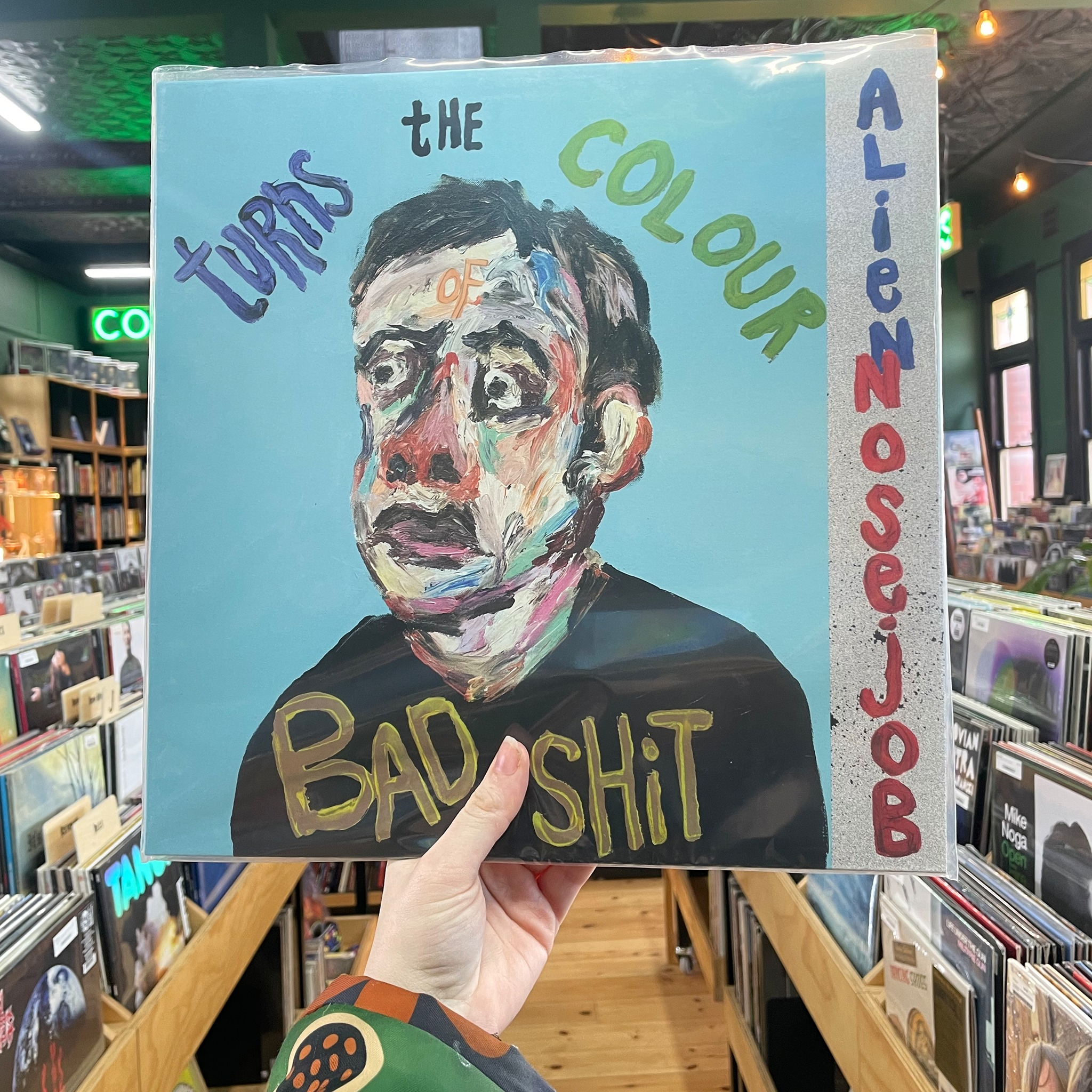
Just 10 months after The Derivative Sounds of…Or… A Dog Always Returns to its Vomit (Goner/Anti Fade), Alien Nosejob returns with their latest sonic assault: “Turns the Colour of Bad Shit”, The modern age has given rise to a variety of DIY artists capable of pumping out multiple albums per year. Hailing from Australia, Alien Nosejob is just one example of these prolific and tireless artists, and his latest record.
As a member of multiple DIY bands in Victoria, namely Hierophants, Leather Towel, Modal Melodies, Smarts, The Frowning Clouds, and, most notably, Ausmuteants, you would be forgiven for thinking that Jake Robertson’s thirst for song writing and performance has been well and truly quenched. However, Robertson spends his downtime writing and recording music for his side project, Alien Nosejob, under which he has released a total of seven albums thus far. “Turns the Colour of Bad Shit” is the most recent instalment in his solo discography, and it might just be his most infectious release yet.
Expect 24 minutes of late 70’s punk energy with a twist! From the haunting saxophone in ‘Bird Strike’ to the fiery ‘Medical Treatment’ finale, this record is raw, punchy, and totally unpredictable.
Awash with fuzzy guitar tones, innovative recording and production techniques, as well as a staunch DIY ethos, Robertson’s latest record is an absolute triumph for garage punk. At this point in time, the garage punk genre is incredibly oversaturated, and so it can often be difficult to find new angles and themes to explore without sounding derivative or generic. In contrast, Alien Nosejob is effective in breathing new life into the scene, tackling a variety of different topics ranging from authority to nepotism over the course of a ten-track record. Each track is delivered with unwavering energy, power, and passion, which makes the album very difficult to dislike.
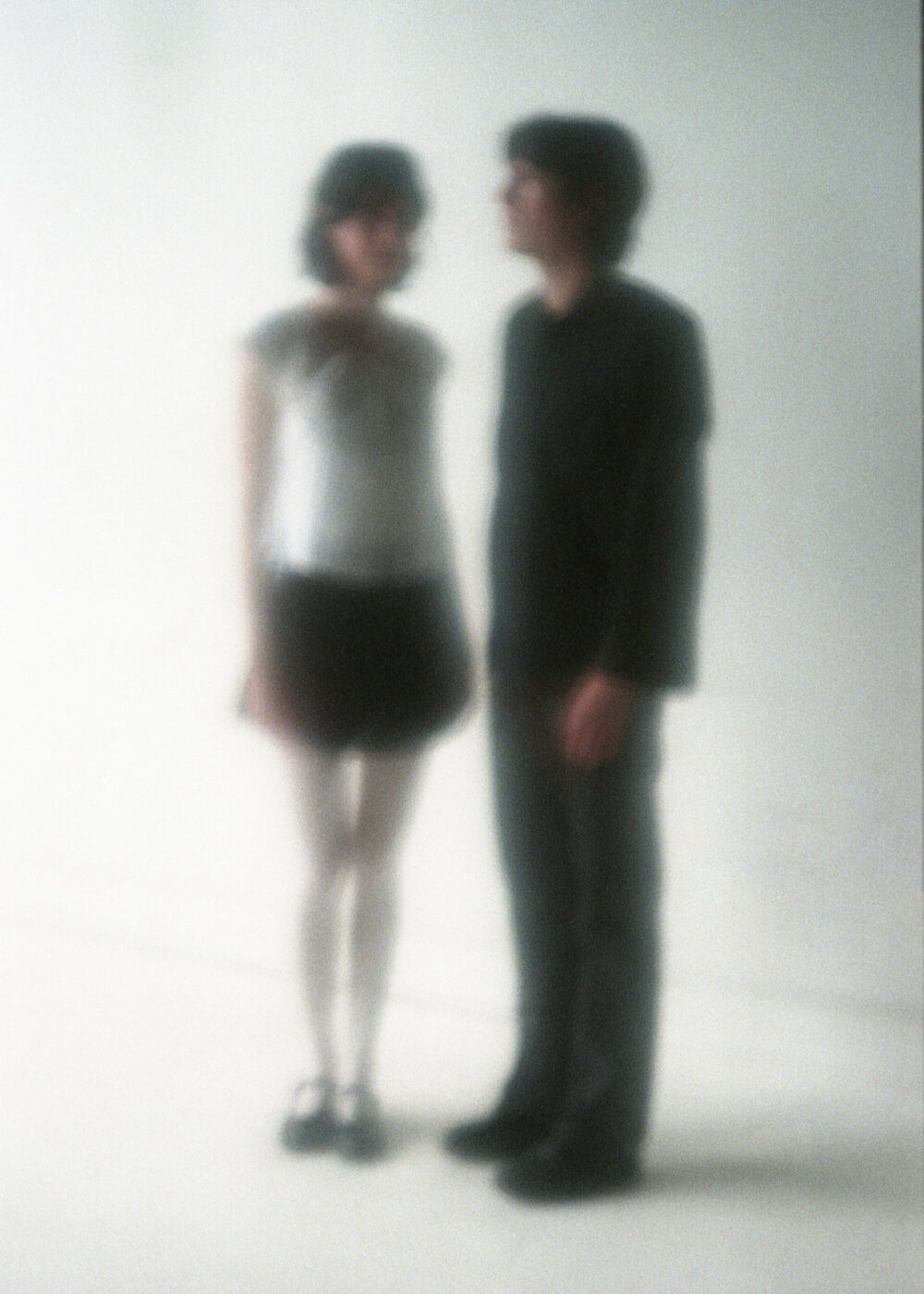
It is officially no longer summer at least in the northern hemisphere. As the days get colder and gloomier, it’s only appropriate to match the weather with an atmospheric soundtrack, and Clinic Stars have the perfect album to offer. “Only Hinting”,their debut LP, is a gorgeous, texture-laden slowcore dream, offering up fuzzy landscapes for listeners to simply dissolve into. The full-length debut by Detroit duo Giovanna Lenski and Christian Molik both refines and redefines their pitch-perfect fusion of downer-pop balladry and featherweight shoegaze: “Only Hinting”.
When listening to “Only Hinting”, you gain a sense of clarity. Despite the longing, the desire for escape, and the pain that life brings, if it can all be made to sound this beautiful and haunting, surely we’ll all make it through? The album is best heard played in full from start to finish, allowing each song to blend into the next as blankets of sound lay on top of each other.
This is arguably one of the best debuts of the year, comprising eight songs of pure beauty. On ‘She Won’t Be’, a thick layer of sound undercuts tender guitar notes that create a feeling of intense melancholy, while ‘I Am The Dancer’ begins with a heavier fuzz, emulating the sound of despair or calmness, depending on how you interpret it.
Recorded and produced at the band’s home studio, the album was crafted across 2022 and 2023, patiently layering FX and spatial depths to give each song a swirling, subconscious undertow. The gated reverb of “Remain” to the greyscale guitar reverie of “Isn’t It,” the record aches as much as moves, daydreaming of escape and transcendence.
The group cite a desire to leave their “industrial environment” as muse, although the songs also revel in the romance of longing itself, in the beauty of hearts grown distant.
The duo’s previous EPs, “10,000 Dreams” (2021) and “April’s Past” (2022), captured a similarly swooning slowcore palette, but “Only Hinting” hits different. Here haze is as much instrument as texture, gauze and melody married as one, traced in elegant arcs across cities streaked in shadow.
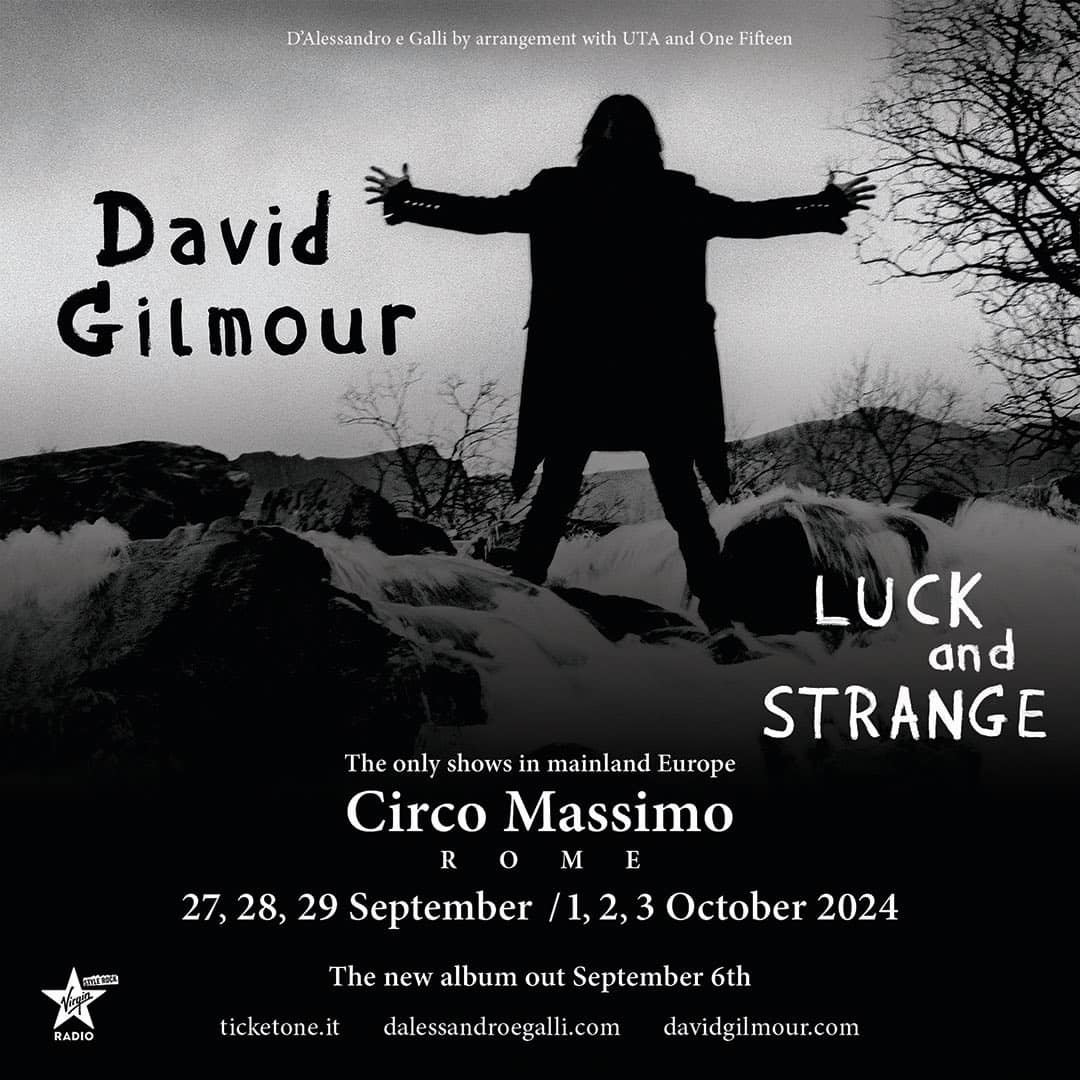
David Gilmour kicked off his ‘Luck & Strange’ world tour Friday night (September 27th) at Circo Massimo in Rome, Italy. The set featured six songs from the new album, multiple guest appearances by Gilmour’s daughter Romany, three tunes from 2015’s ‘Rattle That Lock’, & 12 Pink Floyd classics.
Prior to the tour, Gilmour generated headlines all across the world by saying he had an “unwillingness to revisit the Pink Floyd of the ’70s,” & would instead play only songs from his era fronting the band in the ’80s & early-’90s. But as the months ticked by & opening night drew closer, he had a change of heart.
“One has to wake up to reality once in a while,” he told Rolling Stone in August. “I think I will be doing one or two things from that time, but it just seems so long ago. I know people love them, & I love playing them. I’ll be doing ‘Wish You Were Here,’ of course I will. And some of the things that started with me anyway.”
He played not only “Wish You Were Here” on opening night, but also “Breathe (In The Air),” “Time,” “Breathe (Reprise),” “Fat Old Sun,” “The Great Gig in the Sky,” and “Comfortably Numb.” He also did four songs (“Marooned,” “High Hopes,” “A Great Day for Freedom,” “Coming Back to Life”) from 1994’s ‘The Division Bell’, & one selection (“Sorrow”) from 1987’s ‘A Momentary Lapse of Reason’.
The show was also the official unveiling of his new backing group following a couple of off-the-radar warmup shows in Brighton, England. It includes drummer Adam Betts, guitarist Ben Worsley, keyboardists Rob Gentry and Greg Phillinganes, longtime bassist Guy Pratt, & backup singers Louise Marshall, Charlie Webb & Hattie Webb.
Romany Gilmour came out to join her father on “The Piper’s Call,” and a cover of the Montgolfier Brothers 1999 song “Between Two Points.” It’s unclear exactly how long she’ll remain on the tour. “I haven’t really worked out quite which [shows] she’ll be able to do,” the elder Gilmour told Rolling Stone. “She’s at university studying in London, and so I don’t know that she’ll be able to do it all.”
Much like just every David Gilmour solo concert in history, stretching all the way back to his first run outside the band in 1984, the evening wrapped up with a soaring “Comfortably Numb.”
Gilmour has another five shows booked in Rome before he heads over to London for six gigs at the Royal Albert Hall. The U.S. leg begins Oct. 25 in Los Angels at the Intuit Dome. He then heads across town for three shows at the Hollywood Bowl. It wraps up with five evenings at New York’s Madison Square Garden in early Nov., including one show that will begin just as results start coming in for the presidential election…
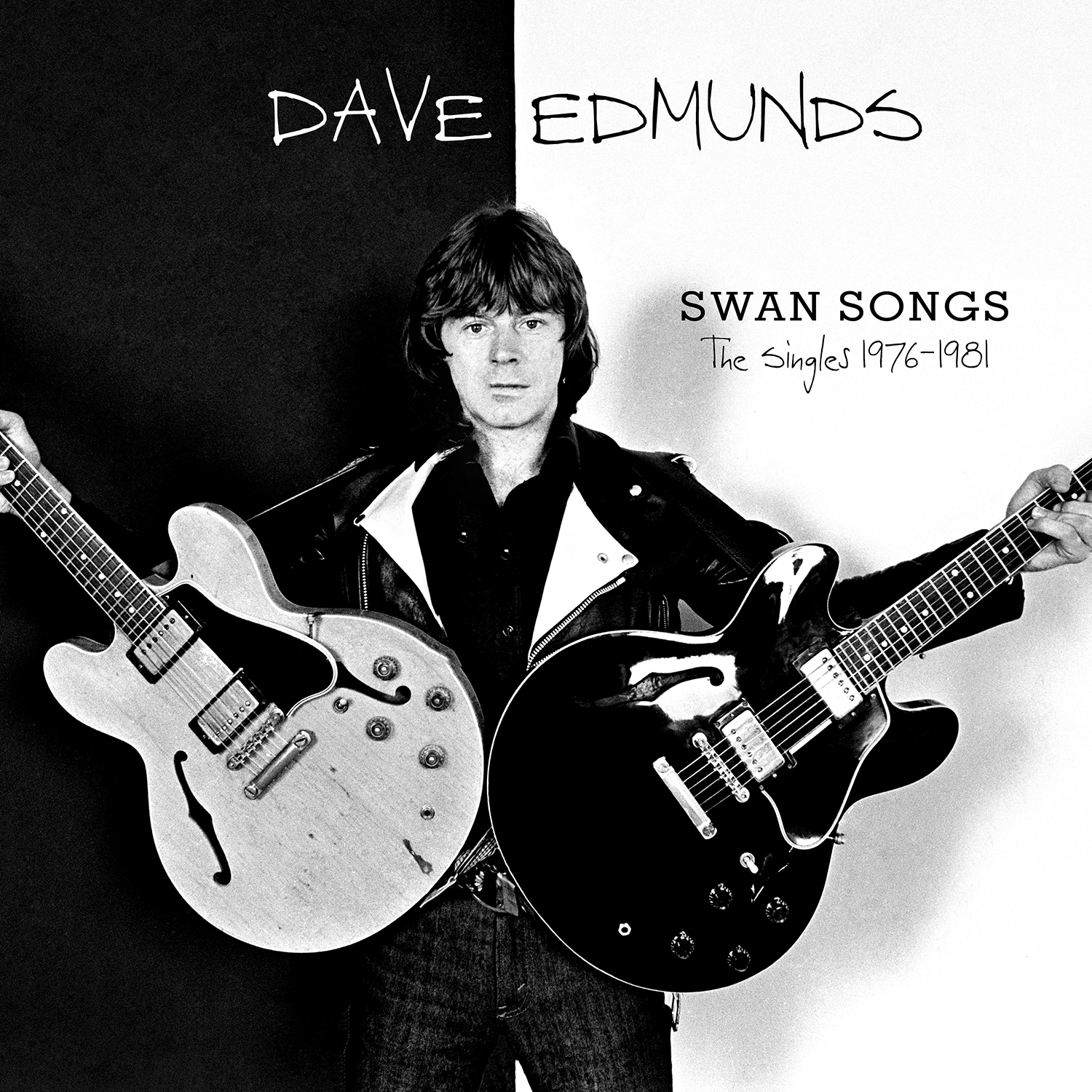
Dave Edmunds has a new collection, “Swan Songs: The Singles 1976–1981“, a 39-track set released on September 27th, 2024, through Omnivore Recordings. The compilation, featuring such favourites as “Almost Saturday Night,” “I Knew the Bride,” “Queen of Hearts,” and “Crawling From the Wreckage,” is available on 2-CDs and 2-LPs. The acclaimed musician, born in Wales in April 1944, turned 80 this year.
He retired from performing on July 22, 2017. Edmunds first came to prominence worldwide with his 1970 single, “I Hear You Knocking,” which pre-dates this collection. The song reached No1 in the U.K., and was top 5 in numerous other countries. Though he continued to score in the U.K. (with several of the songs on this collection), With just a handful of singles featuring his distinctive voice stalling midway up the chart.
After hitting the charts in 1968, Edmunds began a spectacular career as a writer, performer, and producer. Signing with Swan Song Records, all of the pieces of the puzzle would fit into place. Beginning with “Here Comes The Weekend” (co-written with Nick Lowe), Edmunds began a stellar run, showcasing his propensity for, and ability to bring a classic sound back to the airwaves, and to remember where all of those sounds came from.
“Swan Songs: The Singles 1976–1981” reveals the magic of the 7″ single in a way that has yet to be explored. 39 tracks, covering every A- and B-side from that period, guide the listener through that pivotal time when listeners heard what they liked and liked what they heard.
From covers of contemporaries Graham Parker, Elvis Costello, and beyond, these Swan Songs all meld into Chuck Berry, Rodgers & Hart, and more. Huey Lewis & The News had a hit with “Bad Is Bad,” but Edmunds released it in 1979. Same with Hank DeVito’s “Queen Of Hearts,” with Juice Newton took onto the U.S. airwaves years later. Bob Seger’s “Get Out Of Denver,” John Fogerty’s “Almost Saturday Night”—classics and stunning originals, this was the time where music ruled, and it is collected here.
With new mastering and restoration from multiple Grammy-winner Michael Graves, the packaging of this double-CD and double-LP features a look at picture sleeves that 7″ collectors cherish, as well as detailed liner notes from Joe Marchese (from The Second Disc) which outline Edmunds’ roots and trajectory from performer and band leader, to producer (including his work with Stray Cats, as featured on their version of “The Race Is On”).
Over four decades after its debut, a deluxe edition of Tom Petty & The Heartbreakers’ groundbreaking but often overlooked 1982 album, “Long After Dark”, will be released via Geffen/UMe on October 18th, 2024. The set, will be available on 2-CDs + 1-Blu-ray or on 2-LPs, The set features the newly remastered version of the original album taken from the original analogue master tapes, plus 12 rediscovered bonus tracks newly mixed by Petty’s longtime engineer Ryan Ulyate.
Despite it being a golden era of The Heartbreakers playing at the height of their powers, it is widely known as the band’s most misunderstood and underrated success. The album features an edgy collection of rock ballads and guitar anthems backed by the unmistakable sound of The Heartbreakers, including founding members Mike Campbell (lead guitar), Benmont Tench (keyboards), Stan Lynch (drums), plus the new addition of Howie Epstein on bass and backing vocals.
“Long After Dark (Deluxe Edition)” will feature the songs that were lost in the debate over the album’s original direction. Notable highlights include finding Petty’s version of “Never Be You”—which was a #1 country hit for Rosanne Cash—pop anomaly “Don’t Make Me Walk the Line,” and an up-tempo version of “Ways To Be Wicked,” which was previously covered by Lone Justice, recorded at Applewood Studios in Denver, Colorado.
Many of the additional tracks are taken from the French TV sessions, including acoustic gems, “Turning Point” and the Everly Brothers influenced “Keeping Me Alive.”
“Long After Dark” was a smash by the usual standards it spawned three fan favourites, “You Got Lucky,” “Change of Heart” and “Straight Into Darkness.” In the “making of” clip for the “You Got Lucky” video, Petty explains that he always wanted it to have “this Ennio Morricone – Clint Eastwood western feel. So when we went to write the movie, I really just wanted an excuse to go play around in the desert.”
“Long After Dark” remains an unsung gem amongst its predecessors, “Damn the Torpedoes” and “Hard Promises“. “It’s a good little rock & roll record” but also “a tough record because I never knew if we were making the right decisions about songs,
The Petty Legacy archives is sharing previously unseen newly remastered film and audio from 1982 to 1983 this year, beginning with a pair of new videos that were originally filmed for French TV.
First a version of “Straight Into Darkness” featuring footage of the band performing at the Record Plant by award-winning director Alan Bibby and the track “Between Two Worlds,” . “There was some music recorded for “Long After Dark” that didn’t quite get on the record, that I thought would’ve made it a better album. I left off…four things that I liked quite a bit. And probably a few more written that never even got in the door.”
Looking back on their third and final album together, legendary rock music producer Jimmy Iovine reflects, “Long After Dark”, we thought we had it. Sounded like ‘Positively Fourth Street,’ sounded like one of those records, you know. By the way, I think it is!”
The most successful and influential rock band to emerge from San Francisco during the 1960s, JeffersonAirplane created the sound of a generation. Their hits “Somebody to Love” and “White Rabbit” virtually invented the era’s signature pulsating psychedelic music and, during one of the most tumultuous times in American history, came to personify the decade’s radical counterculture. In this groundbreaking biography of the band, veteran music writer and historian Jeff Tamarkin produces a portrait of the band like none that has come before it. Having worked closely with Jefferson Airplane for more than a decade, Tamarkin had unprecedented access to the band members, their families, friends, lovers, crew members, fellow musicians, cultural luminaries, even the highest-ranking politicians of the time. More than just a definitive history, “Got a Revolution!” is a rock legend unto itself. Jann Wenner, editor-in-chief and publisher of Rolling Stone, wrote, “The classic [Jefferson] Airplane line-up were both architects and messengers of a psychedelic age, a liberation of mind and body that profoundly changed American art, politics, and spirituality. It was a renaissance that could only have been born in San Francisco, and the Airplane, more than any other band in town, spread the good news nationwide.
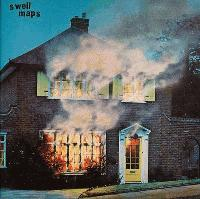
Swell Maps were one of the key post-punk bands. The much-loved outfit swerved from lo-fi glam anthems to noise collage and were never ever dull and packed full of thrilling ideas. Through crackling, jarring scuzz and fuzz, Swell Maps’ two LPs – 1979’s “A Trip to Marineville” and “Jane from Occupied Europe” a year later – cut through krautrock, post punk, art punk and ambient noise in their short-lived existence.
Born out of suburban boredom, teenage brothers Nikki Sudden and Epic Soundtracks founded Swell Maps in Solihull in 1972, but only properly formed after the 1977 release of their juddering debut single ‘Read About Seymour’. Embodying the DIY spirit of the age, the track is messy, disjointed and chaotic, the guitar lines fall over one another in tandem with the tuneless vocals that provided a statement of intent from the brothers and their new bandmates, one that would follow into their full-length LPs.
Their next standout single, ‘Lets Build a Car’ more directly channels their contemporaries; straightforward riffs echoing the Ramones, instrumentation akin to Germs’ ‘Lexicon Devil’, and gargled lyrics provide a punk staple. With these singles in their arsenal, Swell Maps buried them within their two sprawling masterpieces, plunged into a dense and brilliant context, amongst rock ballad, jangling art-punk and sparse industrial pieces.
The group, also featuring the late Nikki Sudden and Nikki’s brother, the late Epic Soundtracks, along with Phones Sportsman, John Cockrill, and Richard Earl emerged in the late 1970s, and are now known as legendary pioneers of what is now referred to as “alternative rock” or “post-punk” with their blend of punk rock mixed with experimental and psychedelic sounds. Both albums standing at 22 tracks and a run time of an hour, Swell Maps’ two albums envelop the listener in a soundscape previously unheard, fusing experimental instrumentals filled with harsh piano chords and feedback, with surf rock tracks seemingly found in the gutter.
Together they released four 7” singles, the first in 1977 on their own Rather Records and two critically acclaimed albums in a brief but dramatic career, that led to them topping the UK independent charts, and influencing bands such as Sonic Youth, Nirvana, and Blur.
The sounds within the songs are in a constant battle with one another, melody is hidden beneath the grit of grating guitar, choruses appear from the depths of abrasive noise, before disappearing again as the tracks become looser and freer. Nikki Sudden’s guitar slices through the dirty, low-fi feedback, alongside the constantly pushing drums; their music is relentlessly inventive, without losing focus.
The debut, “A Trip to Marineville” is a white knuckle, violent introduction to Swell Maps. They do not waste any time, the opener of ‘H.S. Art’ boasts driving punk rock, staccato keys and an almost catchy chorus, whilst the brilliant ‘Full Moon in my Pocket’ shows the band wearing their influences on their sleeve, placing surreal lyrics onto a Can backbone. In stark contrast, the album contains the haunting ‘Gunboats’, which slowly builds to a crescendo of improvisational sound over its eight minutes, along with ‘Adventure into Basketry’ – an experimental opus acting as the centrepiece of the album.
Months later, the band released “Jane from Occupied Europe”, a less exhilarating listen than its predecessor, but still retaining an industrial menace, showing Swell Maps subtract from their music without losing impact. The album includes ‘Lets Buy a Bridge’, alongside the constant groove of ‘SecretIsland’, which slowly unravels as the record moves on, after the restricted surf drums of ‘Robot Factory’. The echoing keys and indistinguishable noises that recur maintain the tone of a truly original project.
Shortly after the release of “Jane from Occupied Europe“, the band split during a tour of Italy, assigning Swell Maps to history, and leaving a legacy of consistent moments of ahead-of-its-time. After Swell Maps broke up in 1980, Jowe joined the Television Personalities. Ten years with the TVPs saw Jowe making more influential records, touring Europe regularly, and playing in Japan and the USA.
Swell Maps created great songs that pushed the boundary of what albums could sound like, leaving an immeasurable impact on the future of western guitar music. These albums provided a wealth of material for future innovation among post punk bands such as Sonic Youth, Pavement, Nirvana and Stereolab, even reaching the contemporary stylings of Parquet Courts. Swell Maps took the abrasive genius of Can, harnessed the pent-up aggression that comes with living in Solihull, and utilised punk ethic to create music far beyond their time. They demand a re-listen, some tracks last less than a minute and others creep closer to 10, every note and noise is disquietingly perfect.
“Secret Island” by Swell Maps, taken from the Peel Session recorded on 18 March 1980
Since the deaths of Soundtracks in 1997 and Sudden in 2006, Head has become the band’s archivist. “It’s difficult and sometimes even uncomfortable and slightly painful because two of my ex-comrades are no longer with us,” he says. “Nikki and Epic were very important members of the band. Well, we all had an important part to play. There were no passengers, we were all very vocal, all very creative.”
Today he still regularly releases recordings, solo and with multiple groups, and is the steward of the Swell Maps legacy. In his 155-page biography of the band, Jowe takes us to each members’ formative years and reveals what made them experiment with challenging music and eventually come together to form Swell Maps.
The First-ever official biography of Swell Maps, “Swell Maps 1972-1980” penned by band member and co-founder Jowe Head. Swell Maps were formed in Jowe’s home town of Solihull,West Midlands with various school friends in 1972.
Through his own recollections and utilizing interviews with former members, he explores the early days of the band, and details stories that bring the reader into the inner workings of the band as they travelled through the late 70s cultural scene in Europe. The last section of the book updates the whereabouts of all the key players.
The book includes dozens of full-colour images of band memorabilia from the author’s personal collection, including photos, posters, flyers, artwork, original lyrics, and more. Additionally, a 7” vinyl single is included that features tracks never before released anywhere.
“The first Swell Maps single I bought still to this day gives me a soul scorched buzz’n’rush….The Swell Maps had a lot to do with my upbringing.”—Thurston Moore
“Jowe Head spent time in two of the UK’s coolest underground bands: Swell Maps and Television Personalities…a lovably skewed indie-pop tunesmith.” —Time Out New York
·Contains 7” with six exclusive never-before-released tracks culled from the band and solo member archives.
Tracklisting: 1. *Securicore 2. *Come Upstairs and See My Chemistry Set 3. *Harmony In Your Bathroom 4. **Double Dose 5. ***Elegia part 1 6. ****Votive Offering
*These 3 tracks were edited from a 1977 demo session. Two of the songs have never been released before in any form. **Double Dose – is a 1979 radio jingle, the master tape recently rediscovered ***Elegiapart 1 – is an out-take from “Jane From Occupied Europe ” studio sessions. ****Votive Offering – is an experimental home-recording
·Packed with full colour photos and images of posters, flyers, album art, and other assorted band ephemera. ·Detailed appendix contains a discography, notes on selected songs, concert dates, and set lists among other items.
·First comprehensive biography to focus on Swell Maps.
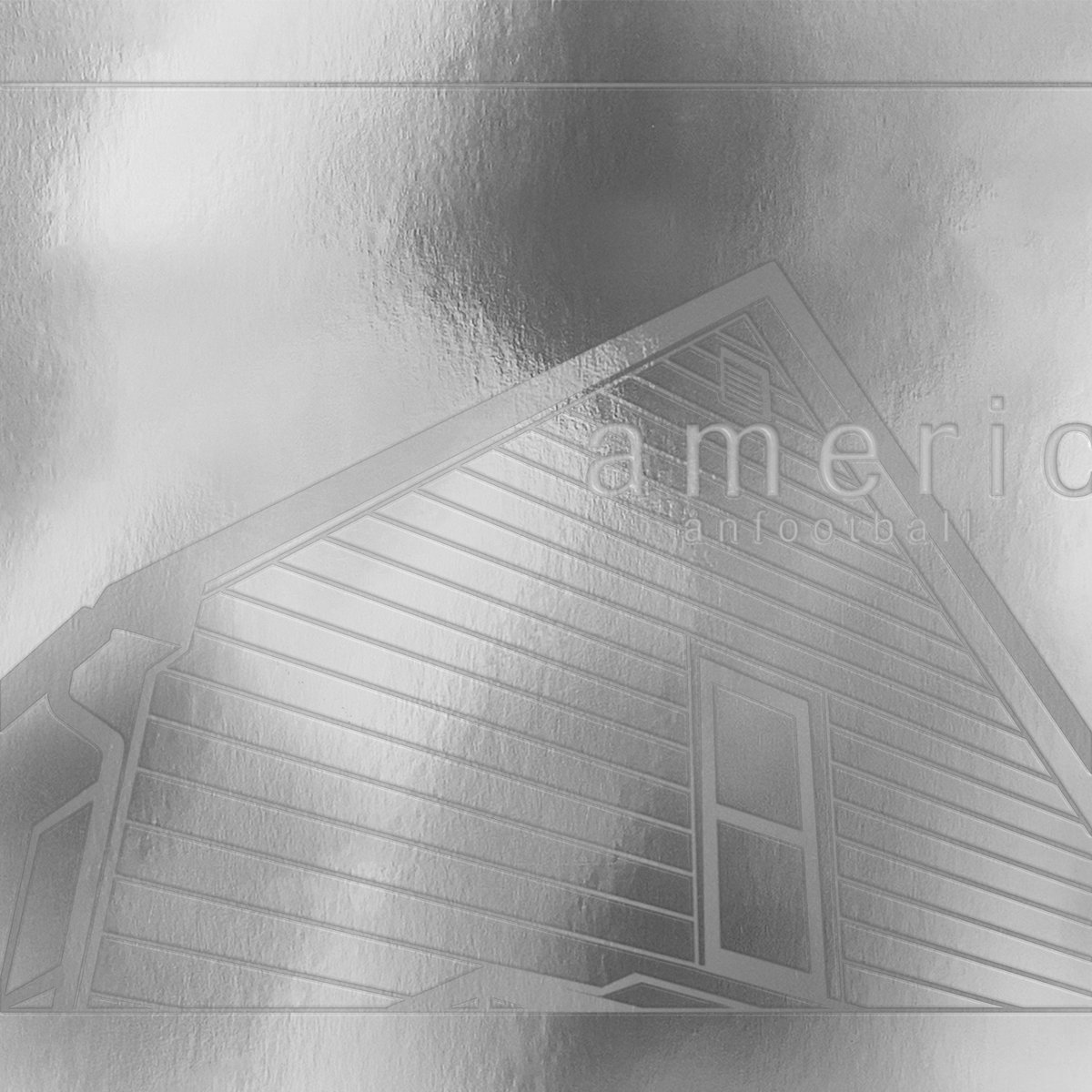
Alongside and in celebration of American Football (25th Anniversary Edition) arrives American Football (Covers), an ingeniously programmed set that highlights not only the way American Football fuelled an eventual “emo revival,” but also and perhaps more important how their songs and sounds infiltrated and inspired so many corners of music. From string-swept and imaginative folk to idiosyncratic international pop, from intricate instrumental splendour to open-road shoegaze wonder, “(Covers)” traces—or at least teases—the endless ways the source material has cut across borders of generation, genre, and geography. It affirms just how important the nine songs three college kids cut in four days remain.
Kinsella’s lyrics on “American Football” were specific in detail but vague in situation. What we knew was that a relationship was collapsing with less animosity than regret, a sense of future nostalgia shaping words that asked how an ex-couple might feel as the summer passed and they maybe saw each other again. This framework, then, is a perfect invitation for different singers to climb inside and find their own interpretation.
There is, for instance, a sweet sense of hope to Iron & Wine’s opening rendition of “NeverMeant,” Sam Beam’s singular falsetto pealing like an apology, hoping to pull his lover back toward a relationship’s center. Ethel Cain, meanwhile, lingers and wallows in the uncertainty of the paradoxically titled “For Sure.” Above long, soft drones and guitars that twinkle like stars being extinguished forever, she settles into this song about never really knowing what’s happening. Doom is a foregone conclusion. It is beautiful and tragic, every scene of being together rendered as a pure hypothetical.
In one of the most faithful interpretations here, M.A.G.S. borrows the bitterness and conviction of “I’ll See You When We’re Both Not So Emotional,” less a break-up song than a reckoning with the breaks reality sometimes requires. His keyboard-traced and drum-driven version is sweet but sharp, a reminder that a stop can be an act of self-care. Blondshell slinks into a similar realization during “The Summer Ends,” taking shelter beneath a haze of multi-tracked harmonies and circular guitars to wonder what it’s going to take to move toward happiness—for herself and her partner, either together or apart. “Both been so unhappy,” she sings faintly after a fever breaks. “So let’s just see what happens/when summer ends.” Appropriate for a band who could never have predicted what the future held for these songs, American Football is about not knowing what’s up ahead. Each band here sings that eternal plight in their own tone and tongue.
When American Football wrote and recorded these nine songs in 1999, they were also punk kids who were becoming interested in jazz and modern classical. The touchstones that always appear are Miles Davis, Steve Reich, and The Sea and Cake, but the bigger lesson is their interest in engaging other textures and approaches than distortion and drive. That’s clear in the sparkling guitars and shifting rhythms, in the traces of trumpet and whiffs of keys. And it is obvious on (Covers) in the assorted shapes these songs take.
Though never forsaking the tune itself, Manchester Orchestra imbue “Stay Home” with Reich’s pulsing repetition and Electric Miles’ opalescent glow. They find a way to reconnect the song to its burgeoning references. Yvette Young, of Covet, uses webs of guitar, layers of granular synthesis, and lines of mercurial strings to turn the once-skeletal “You Know I Should Be Leaving Soon” into a lush world. And there at the end, John McEntire, busy back in 1999 scheming Tortoise’s Standards and The Sea and Cake’s Oui, routes “The One With the Wurlitzer” into a Motorik anthem. It feels as emotionally unsure as all of American Football, the beat pushing forever forward while the bittersweet keys seem to turn backward, staring off at what might have been.
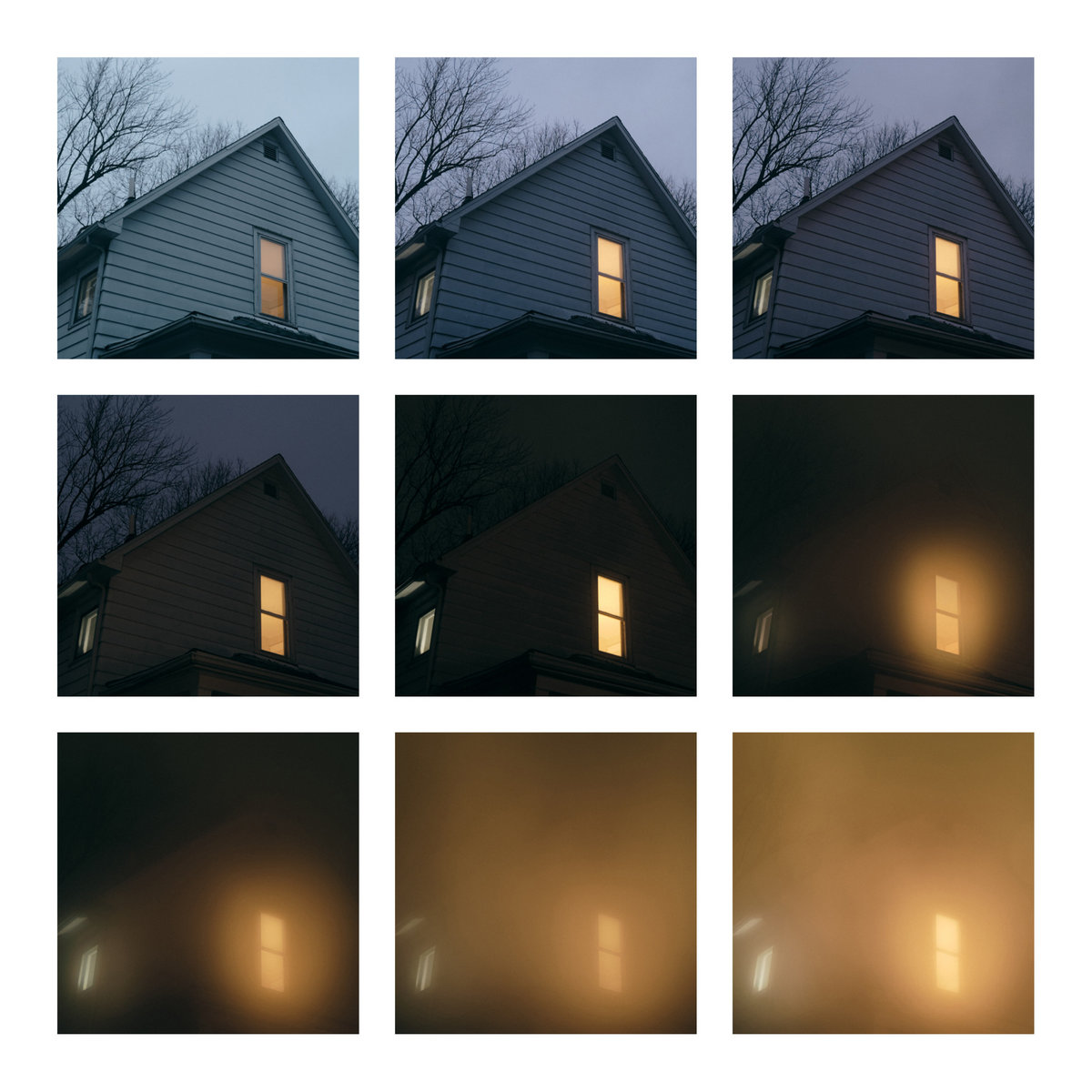
On the sidewalk outside of the famous house on the cover of American Football, several lines mark where Chris Strong likely stood when he snapped the photo. They are invitations to capture the scene, just as Strong did in 1999. But on the cover of (Covers), nine different images show the home during subsequent phases of the night, the glow from the upstairs window eventually overrunning the frame. That’s more fun than a mere replication, the same lesson that this compilation holds: Eschewing mimics for acts that took a little bit of American Football and made their own way, (Covers) is a testament to the imagination not only of the original but to those who continue to find it twenty-five years after the band assumed they were done.
American Football exploded onto the emo scene in the late 90s, releasing a self-titled record which quickly elevated them to cult band status before splitting in 2000. They would reform in 2014 due to popular demand, going on to release a further two critically acclaimed eponymous albums as they enjoyed their now widespread fame.
American Football cut its first—and, for a long time, only—LP in four days, as the spring of 1999 slid into summer. Steve Holmes, Steve Lamos, and Mike Kinsella were college kids who knew that as soon as their album of spacious and tenderly sad songs was done they likely would be, too. Aside from a few shows, they would break up at the end of the school year and perhaps go on to other bands, jobs, and lives. And for a long while, of course, that is exactly what happened: American Football’s sole album was a twinkling and circuitous entry in the annals of Midwest emo, remarkable for its musical tenderness and lyrical ellipses but largely unremarked upon, too.
But what happened over the next two decades is an inspiring saga of wonderful work slowly finding its audience. American Football went from cult classic to emo linchpin, its reputation and sales accreting like sand piling up in some endless hourglass. The little white house on its cover, a physical manifestation of the Anywhere, U.S.A. melancholy of its songs, became a musical landmark. Reunions, reissues, and two new albums followed, American Football finally climbing atop its own steady growth curve and staring out to the massive and enchanted crowd it had created, to the scene it had helped foster. Made at the end of the last century, American Football, or “LP1“, unequivocally stands as one of this century’s most influential rock records.
This September sees American Football arrive in the UK to play a handful of headline shows. Set an event reminder right now as tickets are expected to sell out – fast!
When Polyvinyl released “American Football” in 1999, it was still an upstart label, an outgrowth of a fanzine with a simple business model and a pure passion for releasing the music co-founders Matt and Darcie Lunsford loved. They didn’t gripe much, then, when their new trio splintered into other acts.
Both label and band have grown in the quarter-century since in ways neither would have predicted. After a years-long hunt for the original Digital Audio Tapes and a subsequent quest for a machine that would render them properly, American Football has been lovingly remastered by original mastering engineer Jonathan Pines in Urbana’s Private Studios, where it was recorded. The intertwined guitars have more sparkle, the drums more bounce and flash, the occasional bass more depth. This is the definite version.
Steve Holmes – guitars, wurlitzer Steve Lamos – drums, percussion, trumpet Mike Kinsella – vocals, guitars, bass
The Fleetwood Mac Stevie Nicks has returned with a hard-hitting protest anthem for women’s rights.
The track, titled“The Lighthouse”, sees Nicks offer a guiding hand to the women of America, and tackles issues such as the overturning of Roe v. Wade, which ended the constitutional right to have an abortion. Co-written with Magnus Birgersson and Vincent Villuis, the track arrives with a stunning music video, featuring Nicks performing at the top of a lighthouse, surrounded by gothic candelabras and doves, the latter an iconic Nicks motif.
It’s also her first new music since the release of her Buffalo Springfield “For What It’s Worth” cover in 2022. “The Lighthouse” begins with a hushed piano melody and the crashing of waves, as the dictionary definition of the track’s title appears on screen: ‘a guide for weary travellers through stormy seas / a beacon of light providing a sense of direction, safety and hope / a powerful beam that illuminates a path from darkness and uncertainty toward light’.
With muted vocals, Nicks croons ‘I have my scars, you have yours…don’t let them take your power’. For the chorus, the percussion smacks like thunder and hypnotic guitar riffs rumble, as the melody takes an intense, stormy turn. Meanwhile, the video displays powerful footage of protests from around America.
“I wrote this song a few months after Roe v. Wade was overturned,” Nicks says in a statement. “It seemed like overnight, people were saying ‘What can we, as a collective force, do about this?’ For me, it was to write a song.
“It took a while because I was on the road. Then early one morning, I was watching the news on TV and a certain newscaster said something that felt like she was talking to me — explaining what the loss of Roe v. Wade would come to mean. I wrote the song the next morning and recorded it that night.”
She continues, “That was September 6th, 2022. I have been working on it ever since. I have often said to myself, ‘This may be the most important thing I ever do.’ To stand up for the women of the United States and their daughters and granddaughters — and the men that love them. This is an anthem.”
On October 12th, Stevie Nicks will feature as the musical guest on comedy-sketch show Saturday NightLive, her first time on the programme since 1983.








 The Fat Angel Sings