Sleater-Kinney have released a new three-song EP called “Frayed Rope Sessions”. As the title suggests, it features alternate versions of tracks from “Little Rope”. Check it out, along with a mini-documentary featuring Carrie Brownstein and Corin Tucker,
Brownstein and Tucker recorded the “Frayed Rope Sessions” EP with producer John Goodmanson at the same studio where they made the “Little Rope”, album Flora Recording & Playback in Portland, Oregon. Proceeds from the Bandcamp sales of the EP will benefit Noise for Now.
Our “Frayed Rope Sessions” EP is out now on all streaming platforms, and the mini doc with each performance and song breakdown is up on our YouTube channel now. Check out the renditions of “Say It Like You Mean It,” “Hunt You Down,” and “Untidy Creature”: https://i.sleater-kinney.com/FRSessions
We wanted to step back into these songs, reimagine and revisit them, both for ourselves and for the listener. The different arrangements expose the songs anew, getting at their core or the outer edges. Frayed Rope was a way for us to travel through the songs and perhaps arrive at a different destination.
Following the previously released single ‘Ruined,’ ‘Sadness As A Gift’ sees Lenker at her most familiar and warm, a track that is both utterly timeless, yet sounding new and surprising on every listen. The aliveness of Adrianne’s voice keeps her poetry aloft. She sings in a circle completed by guitar, piano, violin, and all voices. “The seasons go so fast // Thinking that this one was going to last // Maybe the question was too much to ask.”
On “Bright Future”, Adrianne Lenker, a songwriter known for turns of phrase and currents of rhyme, says it plainly, “You have my heart // I want it back.” Documented with analogue precision, what began as an experiment in collaboration, became proof Adrianne’s heart did return, full to the brim, daring her into the unknown.
During the high vibrance of autumn 2022, the Big Thief band member got lucky. Everyone could come. Three musical friends, “Some of my favourite people,” had space in their busy touring schedules to join her at the forest-hidden, analogue studio, Double Infinity. The musicians – Hakim, Davidson, and Runsteen – were known to Adrianne but newer to each other. “I had no idea what the outcome would be,” she recalls. The result? “It was magical,” she says. Adrianne’s musical risk became “Bright Future”, the studio’s first album, a 12-track telling of a journeyed heart.
“Bright Future’s” co-producer and engineer, Philip Weinrobe, prepared the studio. He has been Adrianne’s partner on previous solo albums, but this was something new. Adrianne did not intend to make an album. They would instead explore the songs with no expectations. Even with an open outcome, from the start, Phil wanted to capture the sessions with the purest, technical honesty. He rolled onto Double Infinity’s old cherry wood floors an Otari 1/2 inch 8-Track and Studer console. To fill the air of the 150 year-old main room, Adrianne wanted piano, guitar, and violin. Mat Davidson plays them all. “I’ve known Mat a long time,” she says, “It doesn’t matter what instrument, his spirit just pours through.” At 17, Adrianne met Nick Hakim. She trusted her friend of 15 years to bring his sensitivity to the piano. “The way Nick would hold my songs, he would put every ounce of love.” Adrianne first met Josefin Runsteen in an Italian castle, and sought the classically trained violinist and percussionist’s “magnetic and contagious” energy. “She has such fire.” In addition to instrumentation, they made a chorus, adding carefully measured vocal harmonies. The sessions impressed and enchanted Adrianne. “I think the thing these people have in common, they are some of the best listeners I know musically. They have extreme presence.”
The shelter and ease of the woodland Double Infinity studio is an element of the recordings. “It felt like everyone’s nervous systems released,” she says. “Once we were IN the song, somehow we just knew. No one stopped a take. We didn’t listen back. I only listened after everybody else left.” As a result, “Bright Future” has the best qualities of thoughtful engineering with the spontaneous swim of a field recording. There are details to savour, fingertips on strings, felt pads nodding in the piano, the harmonies a few steps back, all smoothly laid to tape. It comes together to allow Adrianne’s songs to be as they are, unarmoured and light-footed.
Admirers of Adrianne’s solo music and Big Thief will find on “Bright Future” her reliable talent captured in stunning, magnetic clarity. In the company of parlour instruments, Adrianne’s modern melodic and lyrical inventions create new traditions. Her vocal flights at times outwit gravity, then land, guiding along an earthly path. The wholeness of the un-spliced recordings preserves a time of musical friendship during a golden season. The album also features the original recording of the now-beloved Big Thief song ‘Vampire Empire.’ Although they recorded for only some days, in Adrianne’s recollection, “It felt like we were together forever.”
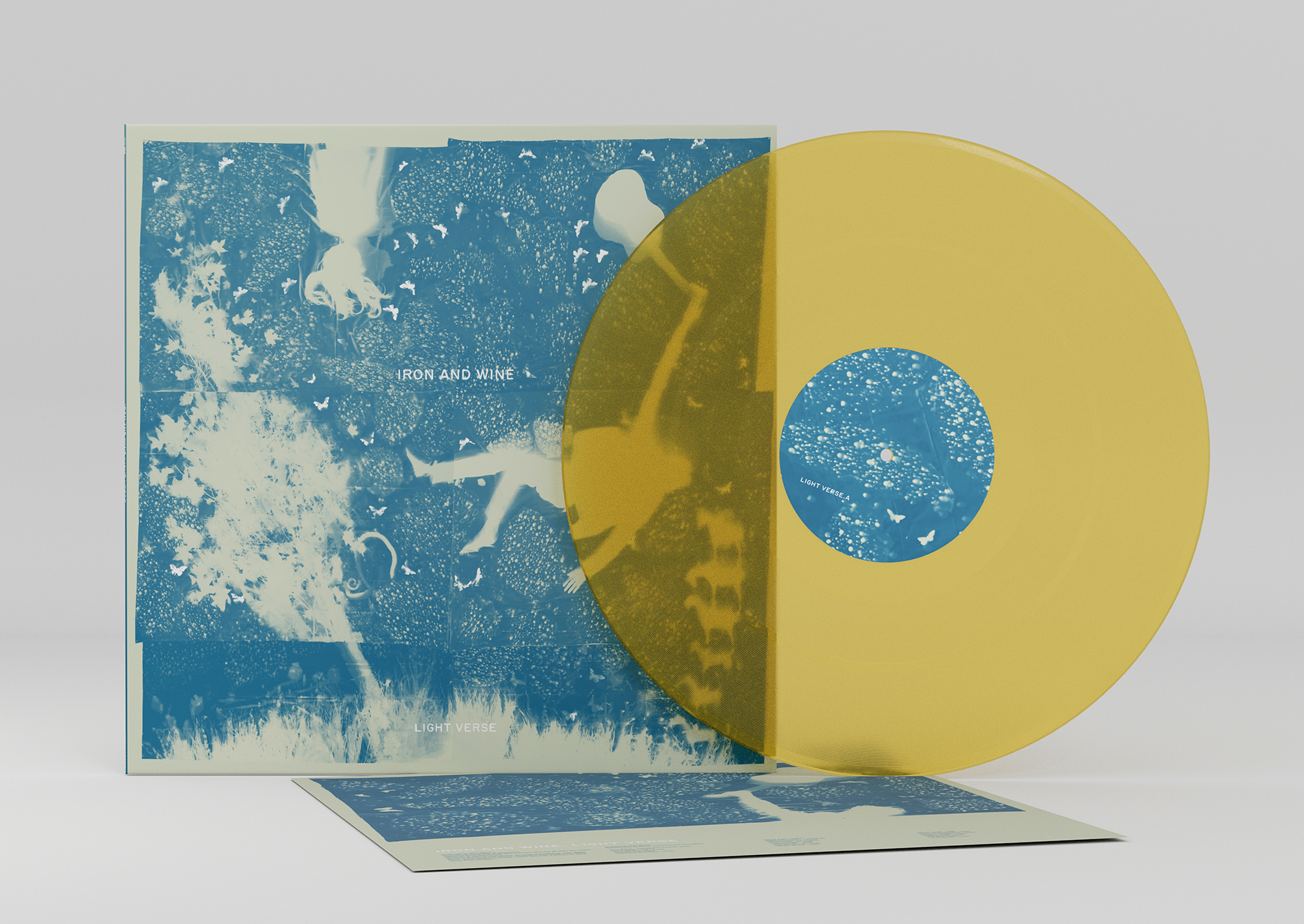
When the pandemic began, and the world shut down, so did the process of creating for Iron & Wine’sSam Beam. In its place was a domesticity that the singer hadn’t felt in a long time, and although it was filled with many rewards, making music was not one of them. Reflecting on that time;
Beam notes: “I feel blessed and grateful that I and most of my friends and family made it through the pandemic relatively unscathed compared to so many others, but it completely paralyzed the songwriter in me. The last thing I wanted to write about was COVID, and yet every moment I sat with my pen, it lingered around the edges and wouldn’t leave. This lasted for over two years.” The journey back began with a recording session in Memphis to record a handful of Lori McKenna tracks for the EP Lori with friend and producer Matt Ross-Spang.
The cathartic experience reconnected Beam with his love for making music, and soon enough the paralysis had passed, and he was finishing lyrics and booking studio time for what would become “LightVerse”.
“Light Verse” was recorded with engineer and mixer Dave Way at his studio Waystation high up in Laurel Canyon (with an additional session at Silent Zoo Studio with a 24-piece orchestra), with a host of talented musicians joining Beam: Tyler Chester, Sebastian Steinberg, David Garza, Griffin Goldsmith,Beth Goodfellow, Kyle Crane, and Paul Cartwright. And, Fiona Apple joined Beam on vocals for the duet “All In Good Time.” Beam lyrically once again takes focus on a series of both fictional and personal insights, filled with desperate characters and wide-eyed optimists, offering promise and a dose of heartache, tears and laughter, life and love. Taking stock in the album’s title, he jokes, “Light Verse” is a form of poetry about playful themes that often uses nonsense and wordplay, and it’s my first official Iron & Wine comedy album!…. Just kidding….”
While true this may be Iron & Wine’s most playful record, Beam says the title mostly reflects the way the songs were born with joy after the heaviness and anxiety of the pandemic. Where recent records like “Beast Epic” or “Weed Garden” gave air to the disquiet of middle-aged frailty and brokenness, these songs trade that for the focus acceptance can bring. Moment by moment, they delight in being pointed or silly (or both) and attempt beauty over prettiness.
“Light Verse” arrives April 26th, and it’s Iron & Wine’s seventh full-length overall and fifth for Sub Pop Records. Fashioned as an album that should be taken as a whole, it sounds lovingly handmade and self-assured as a secret handshake. Track by track, its equal parts elegy, kaleidoscope, truth, and dare.
La Luz have a new album, out via Sub Pop Records on May 24th, 2024!, Available on CD, band exclusive “black ice” with white splatter vinyl limited to 500 copies, and “Luzer Edition” on limited orange vinyl!
All preorders include limited edition newspaper, featuring side-splitting comics, plant facts, a crossword puzzle, horoscopes, coupons, space madness, and more!, “I was in a dream, but now I can see that change is the only law.”
With a credo adapted from science fiction author Octavia E. Butler, an album title from a collection of metaphysical poetry, and an expansion in consciousness brought on by personal crisis, guitarist and songwriter Shana Cleveland learns to embrace a changing world with unconditional love on “News of the Universe“, the new full-length from California rock band La Luz.
“News of the Universe” is a record born of calamity, a work of dark, beautiful psychedelia reflecting Cleveland’s experience of having her world blown apart by a breast cancer diagnosis just two years after the birth of her son. It’s also a portrait of a band in flux, marking the first appearance for drummer Audrey Johnson and the final ones from long time members bassist Lena Simon and keyboardist Alice Sandahl, whose contributions add a bittersweet edge to a record that is both elegy for an old world and cosmic road map to a strange new one.
Unashamedly vulnerable, unabashedly feminine, and undeniably triumphant, “News of the Universe” is another knockout record from a band so reliably great that it has perhaps led people to overlook how pioneering La Luz really are: women of colour in indie music forging their own path by following their own artistic star into galaxies beyond current musical trends, always led by an earnest belief in the cosmic power of love and a great riff. Never is that more true than on “News of the Universe”, which might be La Luz’s most brutal record to date but also their most blissful. After everything, how could it not?
La Luz – the band led by Shana Cleveland – has announced the May 24 release of their new album, The LP marks their first for Sub Pop. La Luz shares “Strange World,” the first single off of “News of the Universe”. “It’s been a strange and difficult few years, and at moments, I have found myself rushing to move forward in time, to leave the present and escape to whatever is next,” says Cleveland. “The best advice a friend gave me during a time when I was feeling particularly overwhelmed and battling consecutive panic attacks was to go outside, take my shoes off, and sit with my feet on the earth. This seemed to slow the universe down in a way that made it feel easier to handle. So this chorus is something of a mantra to myself ‘we’ll be fine, just take your time.’” The video was shot by Vanessa Pla and features Cleveland on a bike delivering the La Luz Observer newspaper whose headline reads “News of the Universe” .
La Luz will be touring North America, Europe, and the UK in support of “News of the Universe”, and the first run of dates will kick off May 23 in Barcelona.
Sonically, the record is all urgency. Songs trip over themselves as if trying to outrun the apocalypse: the breathless pitter-pattering of toms on “Strange World,” the title track’s finger-tangling opening riff drenched in murky distortion. An atmosphere of doom hovers hazily over the Sgt. Pepper-esque baroque pop song “Poppies,” on which Cleveland sings of a wavering orange idyll about to be set ablaze by the late summer sun. On the similarly kaleidoscopic “Dandelions,” she figures the yellow flowers for unsuspecting “little suns” soon to be “turning into moons” as the season marches on. The synthesized sounds used on the band’s last record, 2021’s La Luz, to mimic the languid buzz and crackle of a summer’s day in the countryside have been cut adrift in space—now they are silvery comet tails, dapplings of space dust, showers of stars.
But for every moment of fear, there is one of pure ecstasy. Shimmery chamber pop song “Blue Moth Cloud Shadow” puddles into a twinkly organ-driven reverie; “I’ll Go With You” starts out with the record’s sludgiest riff before turning into its prettiest song. “Always in Love” is a real power-of-love ballad that serves as the record’s centerpiece and is capped off by a fiery and jubilant guitar solo, Cleveland’s own “November Rain” moment.
A documentary on the life and music of Phil Lynott, “Songs For While I’m Away” tells the story of how a young black boy from working class 1950’s Dublin became Ireland’s Greatest Rock Star. As lead singer of Thin Lizzy, Phil Lynott was a songwriter, a poet, a dreamer, a wild man. Told extensively through the words of Phil himself and focusing on some of his iconic songs, the film gets to the heart of Philip, the father, the husband, the friend, the son, the rock icon, the poet, the dreamer.
Thin Lizzy rocks Australia outside the famed Sydney Opera House in this October 1978 performance. The line-up, consisting of Phil Lynott, Scott Gorham, Gary Moore & Mark Nauseef, performs an array of fan favourites including “Jailbreak”, “The Boys Are Back In Town”, “Bad Reputation” & more. Featuring remixed audio and cleaned up picture, this show captures Thin Lizzy at the top of their game.
Utilizing numerous songs from both the Thin Lizzy and Phil Lynott solo catalogue, along with interviews with Lynott (archival), friends & family, “Songs For While I’m Away” traces Lynott’s life from growing up in 1950’s Dublin to becoming Ireland’s premiere rock star, while also gaining insight into his family life.
“Songs For While I’m Away” features interviews with his wife Caroline, daughters Sarah & Cathleen and Thin Lizzy bandmates Scott Gorham, Darren Wharton, Eric Bell & Midge Ure. Additional interviews come from James Hetfield (Metallica), Huey Lewis, Adam Clayton (U2), Suzi Quatro & more.
The concert has previously been released in a variety of forms over the years on VHS, Laserdisc and DVD. This version features cleaned up video and remixed audio from multi tracks, presenting the show in the highest quality that has been made available. Key to this version is the discovery of 5 additional performances from the concert that have never been officially available. Because there are noticeable quality differences in the visual of the original concert and the ‘lost’ tracks, they are available to view separately on the disc and also available to view in sequence with the main concert. The CD features the show in its performance order.
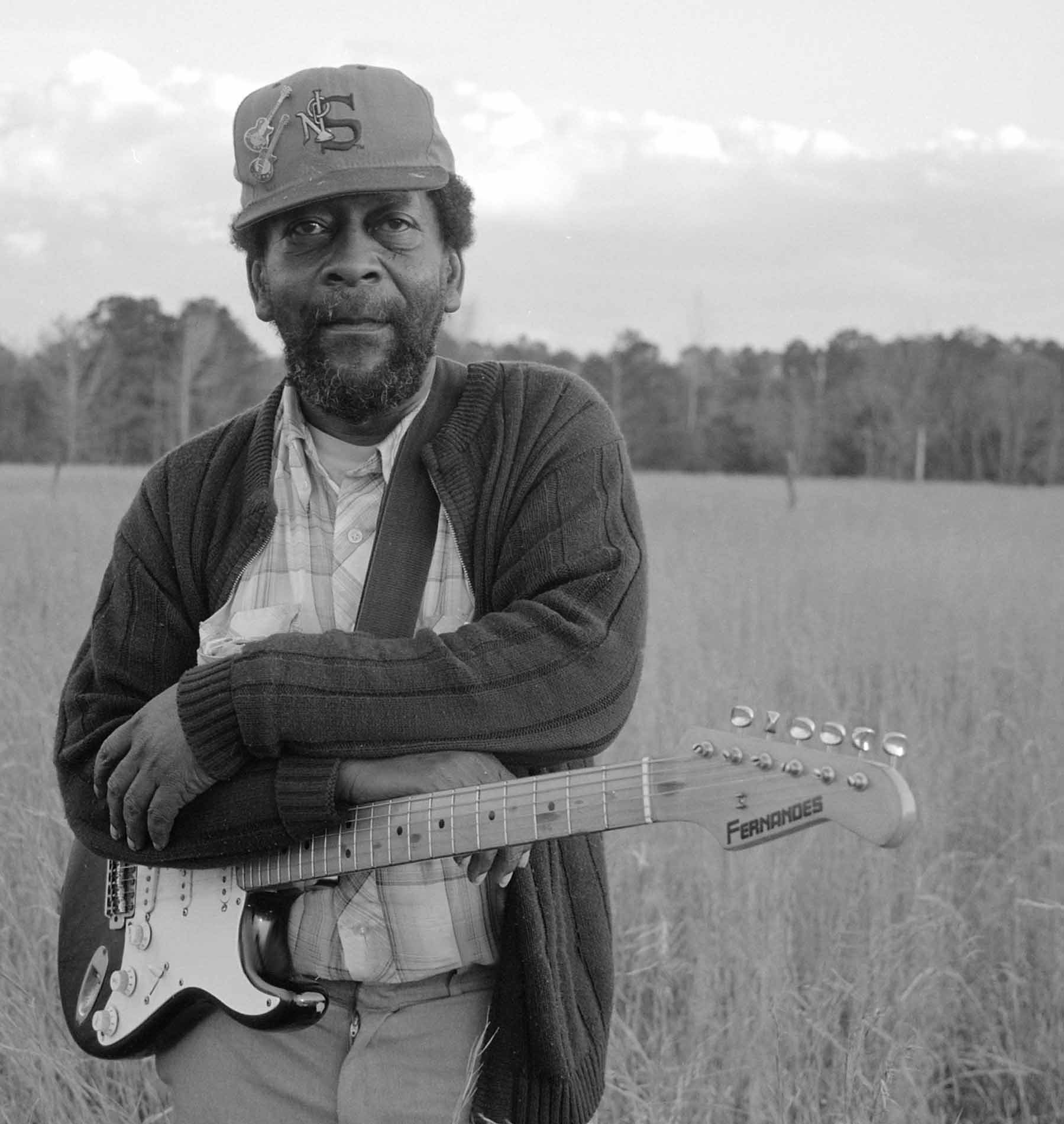
Left us on this day (March. 08) in 2009: contemporary Mississippi blues musician Willie King (heart attack, age 65); he reluctantly began his music career late in life, having first worked as a sharecropper, moonshiner & traveling salesman; he became active with the civil rights movement, which inspired him to write socially conscious blues songs – he described his music as “struggling blues” because of its focus on the “injustices in life in the rural South”; it wasn’t until 1999 that he started recording – Born on a cotton plantation in Prairie Point, Mississippi in 1943 the son of poor sharecroppers, Willie was drawn to the blues at an early age. He made his first guitar out of bailing wire when he was seven and has been playing ever since. Cotton picker, moon shiner, juke joint owner, civil rights activist and social worker,
His 2000 releases ‘Freedom Creek’ & ‘I Am The Blues’, were the first of six albums; he largely shunned fame, preferring to keep his performances close to home at Bettie’s Juke Joint in Mississippi; Willie was the primary subject of the film ‘Down in the Woods’ & also one of the artists profiled in Martin Scorsese’s ‘The Blues: Feels Like Going Home’ documentary…
“Down in the Woods” is a DVD about the life and music of Alabama bluesman Willie King. The film takes viewers on a journey into the world of Willie King, a backwood, juke-joint musician who lives and breathes the blues every moment of his life. The DVD is a fascinating collage of Willie King’s life and many activities, illuminated with searing live performances and encounters with his family, friends, fellow musicians like T-Model Ford and music experts such as Peter Guralnick. It enables the viewer to experience what it is like to be a bluesman living in the Alabama Black Belt, “down in the woods.”
Willie now is one of the most popular blues musicians around. He played big stages and festivals but always returned to his beloved Old Memphis, a small and mostly African-American community in rural Alabama where he lives in an old trailer and preaches the blues at house parties and in ramshackle juke joints. Willie spent much of his time supporting his local community and teaching young people the traditional culture and survival skills passed on to him from his people’s share cropping and slave ancestors. Willie King is one of the true innovators of the blues in the tradition of Howlin’ Wolf and John Lee Hooker. His music is powerful, an exciting, danceable mix of rural blues, soul and boogie, all in his own distinctive style. King’s lyrics are often political, fighting racism and a voice for poor blacks in the South. He preaches a message of peace, togetherness and social justice for all people around the world.
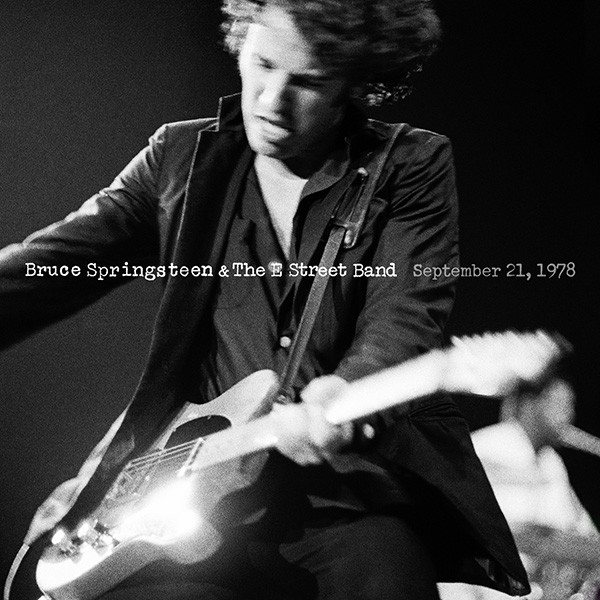
It’s with that framing we welcome another “Darkness” tour show to the Live Archive series and complete the Capitol Theatre trifecta with the release of Passaic 21/9/78. It’s the final show of a three-night stand that would be the last small-theatre residency Bruce Springsteen and the E Street Band would ever play in the Northeast. Let’s not forget these shows were something of an anomaly at the time, coming after a trio of gigs at the Palladium and the statement-making, three-night stand at iconic Madison Square Garden in New York City, both just a New Jersey Transit ride away.
Bruce was already many times bigger than the Capitol Theatre capacity, but his home state of New Jersey lacked an arena-sized venue until Brendan Byrne opened in 1981. The Passaic shows were a gift to those who lived across the Hudson River and especially fans on the Shore. When Bruce asks during the 21st show how many folks in the house are from Asbury Park, the roar is considerable.
The first night of the Passaic run was the legendary September 19th radio broadcast which spiked sales of blank tape in the tri-state area . That show and the more relaxed second night on September 20th, are both essential titles in the Live Archive series. Now, the equally enthralling final concert joins them.
Night three strikes an appealing balance of intensity and looseness, some of which can be attributed to its proximity to Springsteen’s 29th birthday, which would take place in two days’ time. The fans want to celebrate it and Springsteen lets them: he plays to the crowd and the crowd gives it right back in what might be the most interactive Darkness tour performance to be professionally recorded.
Amidst all the hand-wringing about setlist variations in recent times, the Darkness tour largely stuck to its core set and didn’t offer a great number of changes from show to show. That ignores the fact that when there were multi-night stands like Passaic, Bruce not only made surprise additions (usually covers, ), but in the days leading up he prepped special material for the run. At the Capitol Theatre this included the return of deep cuts like “Meeting Across The River,” “Incident on 57th Street,” “Kitty’s Back,” and even “The Fever.”
Those older songs were clearly a nod to long time fans from the area, but the key setlist-change feature of the Darkness tour was its rock ‘n’ roll jukebox covers: the exceptionally capable E Street Band regularly performed foundational rock songs like “Rave On,” “Heartbreak Hotel,” and “Summertime Blues.” With rollicking reverence, it’s obvious how much pleasure Springsteen got from taking each golden nugget for a ride.
September 21st, 1978 was a hot day in New Jersey and the Capitol Theatre was surely warm and sticky when Springsteen kicked off the evening with Jerry Lee Lewis’ “High School Confidential.” This is one of nine performances of the song that year, and marks its first appearance in the Live Archive series.
Later in the first set, we get another Archive series debut cover, Chuck Berry’s “Sweet Little Sixteen,” featuring great baritone saxophone from Clarence Clemons and a spirited vocal from Springsteen that includes the fitting lyrical rewrite, “deep in the heart of Passaic.”
Those are but two highlights in a sterling opening set that also includes the work-in-progress “Independence Day” and an interesting “Prove It All Night.” Max Weinberg drops the beat at the 1:07 mark, and in Jon Altschiller’s detailed mix we hear just how important Clemons’ triangle playing is to the rhythm and tone of the song’s enchanting prelude. Mix inspectors will also likely be pleased with the placement of Danny Federici’s fader throughout the show compared to other ’78 releases.
Set one ends with the perfect pairing of “Meeting Across the River” into “Jungleland.” If we needed further confirmation of Springsteen’s commitment to his performance, we get it in two signature, heightened “Jungleland” vocal lines, as he reaches to his upper range to punctuate “dress in the latest rage” and “desperate as the night moves on.”
Given how well it worked the night before, the second set opens with a very early “Santa Claus is Coming to Town,” again complete with fake snowfall and Springsteen doing his best Darlene Love imitation at the end. Clemons’ fine percussion playing and some impressive flying cymbal work from Weinberg mark an excellent “Because the Night,” one of five unreleased original songs featured in the 21st set along with the aforementioned “Independence Day,” “Fire,” “Point Blank” (in a version with great glockenspiel from Federici and piano from Roy Bittan) and “The Fever.” While our familiarity with those songs means we take their inclusion for granted in a 1978 show, if five unreleased originals were to appear in 2024 sets, we’d be soiling ourselves with glee.
The second set features epics, too, including a long “Kitty’s Back,” in which Bittan turns in a solo that’s among his modern-jazziest ever, accented by more cymbal shimmering from Weinberg. Bruce eventually presents the audience with a choice between “The Fever” and “Incident on 57th Street,” but lucky them, he then plays both.
“The Fever” brings another memorable vocal moment, when Springsteen goes on an epic, Van Morrisonesque run through “But I, I, I, I, I, I, I, I, I, I, I, I, I, I, I, I, I, I, I, I, I, I, I, I, I, I, I, I, I, I — I’M GONNA BE ALRIGHT” at 6:15. Brilliant. As nature intended, “Incident” flows directly into “Rosalita,” and after vamping on the Village People’s “Macho Man” following the introduction of The Big Man, this deeply satisfying second set comes to a close.
The encore is a victory lap and maintains the energy of the main set with more vocal gems like Springsteen putting an exclamation point on his first utterance of “Baby we were BORN TO RUH-UH-UH-UN.” He elects to close the three-show homecoming with the night’s fourth cover, perhaps the most beloved encore song yet to be played in Passaic, Gary U.S. Bonds’ “Quarter To Three.” Led by Clemons’ wailing saxophone, the version runs some ten minutes before Springsteen and the band finally wave goodbye.
After they leave the stage, someone (promoter John Scher perhaps?) takes to the microphone to say, “It’s been a wonderful three nights. A great way to help Bruce celebrate his birthday.” True, but the real gift of Passaic is the recordings the Record Plant Mobile Truck made of all three nights.
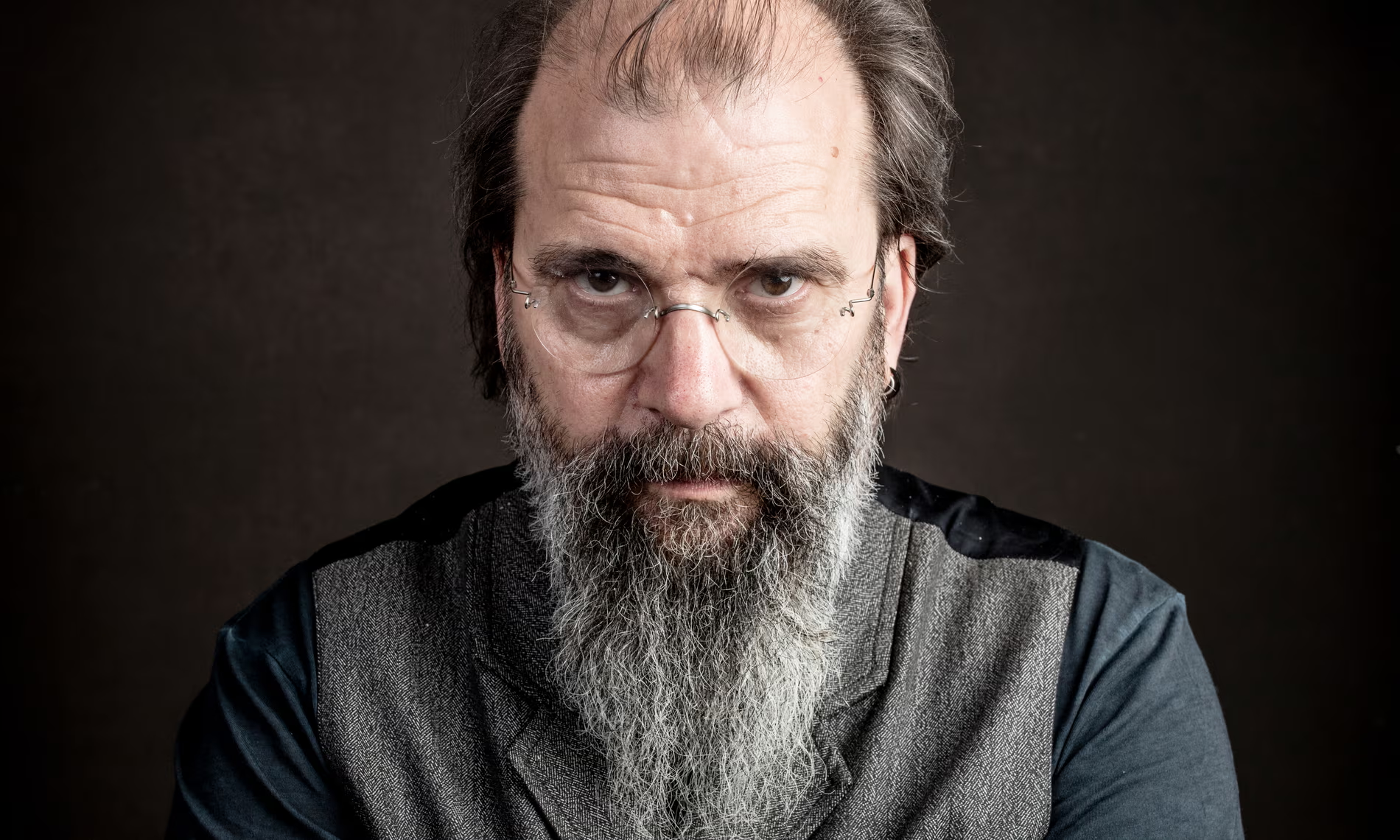
Stephen Fain Earle the American country, rock and folk singer-songwriter. He began his career as a songwriter in Nashville and released his first EP in 1982. Later Steve Earle announced his arrival in our lives with his debut album in 1986. Since then, he has racked up almost thirty studio and live albums under his own name or in collaboration with others. I have, as far as I’m aware, every one of those albums. After seven marriages and a near fatal heroin habit, the great singer-songwriter is now single, sober and interested only in caring for his autistic son. I’ve probably seen Steve Earle live more times than most.
It is astonishing that Earle is still alive, never mind producing such great music. In the early 90s he looked as if he was on his way out. After the success of early albums such as “Guitar Town” and “CopperheadRoad” in the late 1980s, he did not write a song for four years. During that time, he lost virtually everything. Bikes, cars, guitars, jewellery – they all went to feed his habit. “I sold them to buy heroin. I lost everything but my house. The house in Tennessee I still own, though I don’t know how. I guess it’s because I couldn’t figure out how to put it in the car and take it to the pawn shop.” But the house had no electricity and was uninhabitable. “I was homeless essentially for two years, living on the street.”
He was spending between $500 and $1,000 a day on drugs.
I’ve seen him with the different line-ups of his own band, in other bands, on his own and with members of his family. I consider him to be one of the finest songwriters America has ever produced and an outstanding musician and performer. I don’t think Steve Earle has made a bad album.
Earle is one of the great singer-songwriters of the past four decades. He is a master of country, rock and country-rock. His voice is both gruff and tender (Tom Waits meets Hank Williams), his tunes gorgeous (impossible to know where to start, The only thing that makes sense, to me, is to list the ten albums I go back to more than any of the others.
“El Corazon” (1997)
The problems start already. This was a difficult decision between this and “Train a Comin”, Train was the “comeback” album after his time in prison and kicking his heroin addiction and I’ve always loved its raw, stripped-down sound and the fact that he came back with such a great record – but “El Corazon” has to shade it because it has the superb ‘Fort Worth Blues’, Earle’s tribute to his friend and early inspiration, Townes Van Zandt, written to mark Van Zandt’s passing. It’s such a good song that, alone, it justifies the importance of this record but the album also includes tracks like ‘Taneytown’, a clever narrative song featuring Emmylou Harris on backing vocal, his beautiful duet with Siobhan Kennedy, ‘Poison Lovers’, the politically astute ‘Christmas in Washington’…so many great tracks.
To me, this was a turning point in his writing – it had always been good but, with this album, his songs started to become great. The strutting wannabe rock star was stepping back and a serious, thoughtful songwriter was starting to emerge. Fittingly,“El Corazon” is songs from the heart.
“So You Wanna Be An Outlaw” (2017)
This was Earle’s album acknowledging the debt he owed to the Outlaw movement in general and Waylon Jennings in particular. It’s fair to say that Jennings was the musician who did the most to make Steve Earle, the musician, possible. Jennings took on the country establishment, as exemplified at the time by Nashville, Chet Atkins and the “Countrypolitan” sound, and won. He took artistic control back from the labels that wanted Country music to be smooth and sophisticated and returned it to the musicians who understood the true roots of the music. In doing that, he made it possible for younger singer/songwriters, like Earle, to tap into the lives of the rural working man and the blue collar stories that make such good songs.
This was Earle’s return to more familiar ground following his previous blues album, “Terraplane”, and probably the truest country music he has made since his first couple of albums. The title track features a duet with that other main man of outlaw country, Willie Nelson, and on tracks like ‘If Mamma Coulda Seen Me’ he’s referencing both Waylon Jennings and Merle Haggard in the same song – “If my mama coulda seen me in this prison she’d’a cried but she cain’t.” Pure country all the way. You also get the excellent duet with Miranda Lambert on their co-write, ‘This is How it Ends’ and, the cherry on the cake, Earle’s eulogy to his other major influence, Guy Clark, with the beautiful ‘Goodbye Michelangelo’.
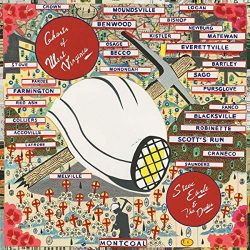
“Ghosts of West Virginia” (2020)
This album is a tour de force of narrative songwriting and shows just how far Earle has come as a master of his craft. Inspired by the events that took place in a West Virginia coal mine in 2010, when an explosion killed 29 miners, Earle explored the story when he agreed to write music for a planned Theatre Production called Coal Country. It’s almost impossible to single out individual tracks because it stands best as a whole album, but his revisionist take on the old country folk standard ‘John Henry Was a Steel Drivin’ Man’ is worthy of mention as is his song about the curse of the mining man, pneumoconiosis, or ‘Black Lung’ – “Black lung, never gets better, every breath a little bit harder to draw. Shotgun, loaded in the corner. Reckon I’m a lie here and die of black lung”. A bleak prospect that many miners faced.
This album draws on every aspect of Earle’s career as a musician combining all the threads of Americana to produce a real roots music classic. You can hear folk, country, blues, bluegrass and rock weaving their ways throughout the album. Critically acclaimed on its release and rightly so.
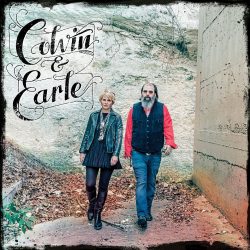
“Colvin & Earle” (2016)
What I love about this album is that it sounds like exactly what it is; two old friends making an album together because their voices suit each other, and having a whole lot of fun while they do it. I’ve always enjoyed Shawn Colvin’s work since I first saw her (and I think her voice works well alongside Steve Earle’s; she has a sweet, melodic voice, though not without edge, and it counterpoints Earle’s gruff tenor perfectly. As they also collaborated on the writing of the original songs on the album, as well as getting to play some covers that they probably wouldn’t have picked in a solo capacity, it’s a very different album to what I would expect from either of them individually and that’s something that I always appreciate about Steve Earle as an artist – he likes to mix it up and it keeps him from getting stale and predictable.
Produced by Buddy Miller and, allegedly, recorded at his home, the album has a distinct folk/rock feel to it. This album was recorded between Earle’s blues album (“Terraplane”) and his return to country music on “So You Wanna Be an Outlaw” and, for me, is an interesting diversion from his “day job”. I love their cover of ‘Tobacco Road’ and, of the originals, ‘Tell Moses’ is a great take on a Pete Seeger style re-invention of a traditional song, though it’s all original, and ‘You’re Right (I’m Wrong)’ just oozes attitude. Probably not one for the purists but I love it.
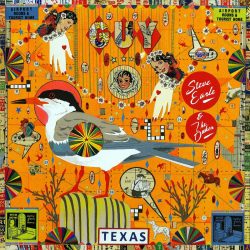
“Guy” (2019)
This is Earle’s tribute to one of the biggest influences in his life, perhaps the biggest in many ways. Earle has described Clark as the person who taught him how to write songs, which is quite an accolade given the writer Earle has become. When Earle went to Nashville, intent on becoming a singer/songwriter, it was fellow Texan Clark who took him under his wing, giving him a job as the bass player in his band and inviting him to sing back-up on his debut album, “Old No.1”. Though Earle has never made any bones about the fact that Townes Van Zandt was his big musical hero and the reason he wanted to get into music, he’s also reported as saying, “I knew when Guy died that I’d have to make a record, because I don’t want to run into that motherfucker on the other side having made Townes’s record and not made his,”! You can hear Clark’s influence in Earle’s songs, especially the narrative ones that deal with tales of ordinary folk and their day-to-day lives. Clark was a master of that type of storytelling in a song and you can see how he passed it on to Earle.
On this album, Earle opts for pretty straightforward covers of Clark’s songs and that seems to me a wise move. Clark’s songs are deceptively simple in that they sound easy to do but it’s easy to stray from the path and ruin them. I quite like The Highwaymen, but their cover of Clark’s ‘Desperadoes Waiting for a Train’ is overproduced and sounds pompous; it loses the simple connection between the young boy and the old man he has bonded with. By staying true to Clark’s vision of his own songs Earle does them full justice on this album.
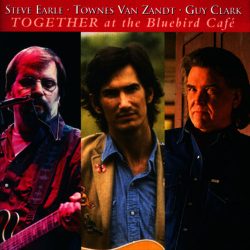
“Together at the Bluebird Café” (2001)
I consider the holy trilogy of Texan Singer/Songwriters to be Van Zandt, Clark and Earle so this album was clearly made for me! Obviously, there are a lot of other good songwriters in Texas, it’s a particularly prolific State in that respect (Willie Nelson, Butch Hancock, Lyle Lovett, Kimmie Rhodes, Robert Earl Keen, Joe Ely….I could go on and on), but these three have always stood out for me. Earle has never hidden his regard for Van Zandt and Clark and has always acknowledged their importance to his own work, but this sees him performing alongside them as an equal and shows how well his songs stand up to some of the best from his two mentors.
Recorded on the 3rd September 1995, just fifteen months before the death of Van Zandt, at the infamous Bluebird Café in Nashville, the gig was a fundraiser organised by Clark’s wife, Susanna, for a local charity she supported. It’s rare to hear Earle play in this sort of stripped-down, acoustic style, at least on record, and it’s a significant recording for that reason alone, but to have these three performing together in this way and interacting in a performance setting like this is something quite special. Earle and Clark singing together on Earle’s ‘Mercenary Song’ is particularly notable.
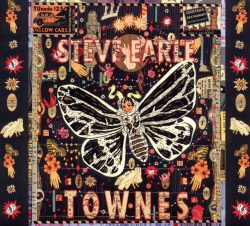
“Townes” (2009)
Now I know what this looks like. ‘Guy’ at number six, ‘Townes’ at four and the Bluebird Café album sandwiched between them but I didn’t think about that when I drew up the list. Perhaps it was something subliminal that made me group them in this way but this is how I see them. I think Earle’s tribute to Townes Van Zandt works just that little bit better than his one to Guy Clark. It seems a little more personal and Earle himself seems more involved in it. Some of these songs, like ‘Pancho & Lefty’ and ‘Lungs’ had long been in Earle’s repertoire but some were learned especially for the album because they were songs Earle had always admired.
Earle also makes it a family affair, with then-wife Allison Moorer singing with him on two tracks, ‘Loretta’ and album closer ‘To Live is to Fly’ and, perhaps most significantly, Earle’s son, JustinTownes Earle (as we all know, named for Townes) swapping verses with his father on the excellent ‘Mr. Mudd & Mr. Gold’. Sadly, Earle would be recording a eulogy album of his son’s songs just twelve short years later (an album I’m still processing, for those that wonder why it’s not included here). This album isn’t so much a tribute as a celebration,
Townes Van Zandt was a wonderful songwriter and that’s what Steve Earle is putting front and centre here. It’s an album that goes a long way to support a quote that has haunted Steve Earle for much of his life – “Townes Van Zandt is the best songwriter in the whole world,
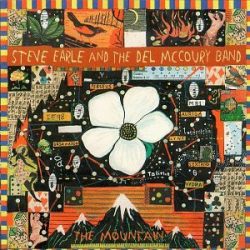
“The Mountain” (1999)
Another tribute album in that Earle has said he wrote the album as a tribute to Bill Monroe, who had died three years earlier. He said he wanted to write something “as timeless as ‘Uncle Pen’” and he certainly proved he could write classic bluegrass songs, ‘Carrie Brown’ and ‘Connemara Breakdown’ being two outstanding tracks but the whole album is a solid offering; every track is written by Earle and stands against the best Bluegrass has to offer. Of course, it helps to make a great bluegrass album if you team up with one of the best Bluegrass outfits around and, in uniting with the Del McCoury Band, that’s exactly what Steve Earle did.
The band had been going in one form or the other since the late 60s, when they were known as Del McCoury and The Dixie Pals, so had 30 years experience of making great Bluegrass music under their belts when Earle teamed up with them. It did make for an outstanding combination but to add icing to the cake the album is dripping with top drawer talent – Iris Dement, Jerry Douglas, Emmylou Harris, Sam Bush, Marty Stuart, Gillian Welch…the list just goes on; it seems like this was The album to be on. It could’ve been the start of a great long-term collaboration, but it was not to be.
Things were fine until they started to tour and then everything went steadily downhill. The story is that they fell out because Earle “cursed too much on stage”, according to McCoury. His view was that “There’s no room for vulgarity in bluegrass” – a line that Steve Earle would then steal for the song ‘Until the Day I Die’ on “Transcendental Blues”! It was good while it lasted.
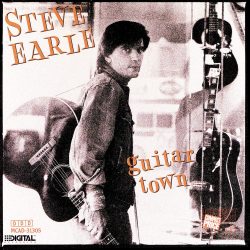
“Guitar Town” (1986)
The album that started it all. Steve Earle’s debut offering in 1986. It topped the Billboard Country Albums chart and yielded a hit single with the title track. It’s the album that pinned a lot of people’s ears back and said there was a new gunslinger in town – and he looks like trouble! It was a new kind of Country/Rock, that little bit edgier, that little bit harder. Where the Country/Rock of the 70s had been more country than rock, Steve Earle’s version reversed that ratio – these were country songs but played with a rock and roll attitude. And they were great songs. In addition to the title track, there’s ‘Hillbilly Highway’, the hard-hitting, small town lament of ‘Someday’, and the simply brilliant ‘My Old Friend The Blues’ – ten tracks in total and not a bad one amongst them. We also met his band The Dukes and, in particular, Bucky Baxter, who would be his right-hand man for the next three studio albums and would lead the first incarnation of the band.
Few debut albums have been this outstanding – that he has continued to prove, throughout his career, that it was no flash in the pan shows what a good artist he was then and what a great one he has become.
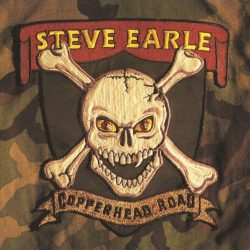
“Copperhead Road” (1988)
This is the big one for me. This is the Steve Earle album I still play more than any other. It’s worth it for the title track alone, which is a glorious tale of backwoods moonshine production and the eternal battle with the Revenue Man but it also sports such timeless gems as the gun savvy‘Devil’s Right Hand’, the rousing ‘Johnny Come Lately’, complete with backing from The Pogues, and the rather lovely ‘Nothing But A Child’. It has been called his first Rock album but it’s really just a move away from traditional country production into a more rock-oriented way of doing things. Significantly, Earle himself co-produces for the first time; he’s finally in a position to say “this is what I want and this is how we’re going to do it” and the album really is a triumph in every respect. It was his last album of the 1980s and his last before he lost his way a little but, for me, it remains his best release to date – though several have pushed it close.
So there you have it. The Top Ten Steve Earle albums you should have, . Whether you agree with the list or the order of it, I would argue that these are all essential albums and should be in the collection of every discerning Americana fan.
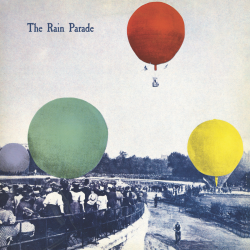
Rain Parade has announced a deluxe 2xLP reissue of their classic 1983 debut album, ‘Emergency Third Rail Power Trip’ on Label 51 with a release date of 26th April. The band was part of the late 70s early 80s Los Angeles scene, sometimes labelled the ‘Paisley Underground’, along with the likes of Los Lobos, The Bangles and Green On Red.
Rain Parade’s music showed the influence of Californian psychedelic rock bands as well as those from the UK but, as with their contemporaries, filtered through the punk/DIY lens. ‘Emergency Third Rail Power Trip’ was internationally recognised as a unique psychedelic album upon its original release, with seven of its ten songs sung by band mainstays Matt Piucci and Steven Roback.
‘Emergency Third Rail Power Trip’ as well as the subsequent EP ‘Explosions In The Glass Palace’ (not to mention the striking cover art) had quite an impact with music lovers this side of the Atlantic. Rain Parade went on to influence many of the best-known guitar-based UK acts of the 1980s and 1990s. Andy Bell of Ride recalls that “Rain Parade was the one that changed me like an explosion in my mind. I saw them perform on TV and it was like, “Here is something I can fully get behind.’ It’s just incredible, and I have to say would have been pretty influential on the early Ride sound for sure.”
The band’s reputation has continued to grow ever since, while their songs have been covered by the likes of The Bluetones, Buffalo Tom, This Mortal Coil and The Bangles. This deluxe edition features the original classic ten song album on LP1 plus a bonus LP of demos and live recordings.





 The Fat Angel Sings