

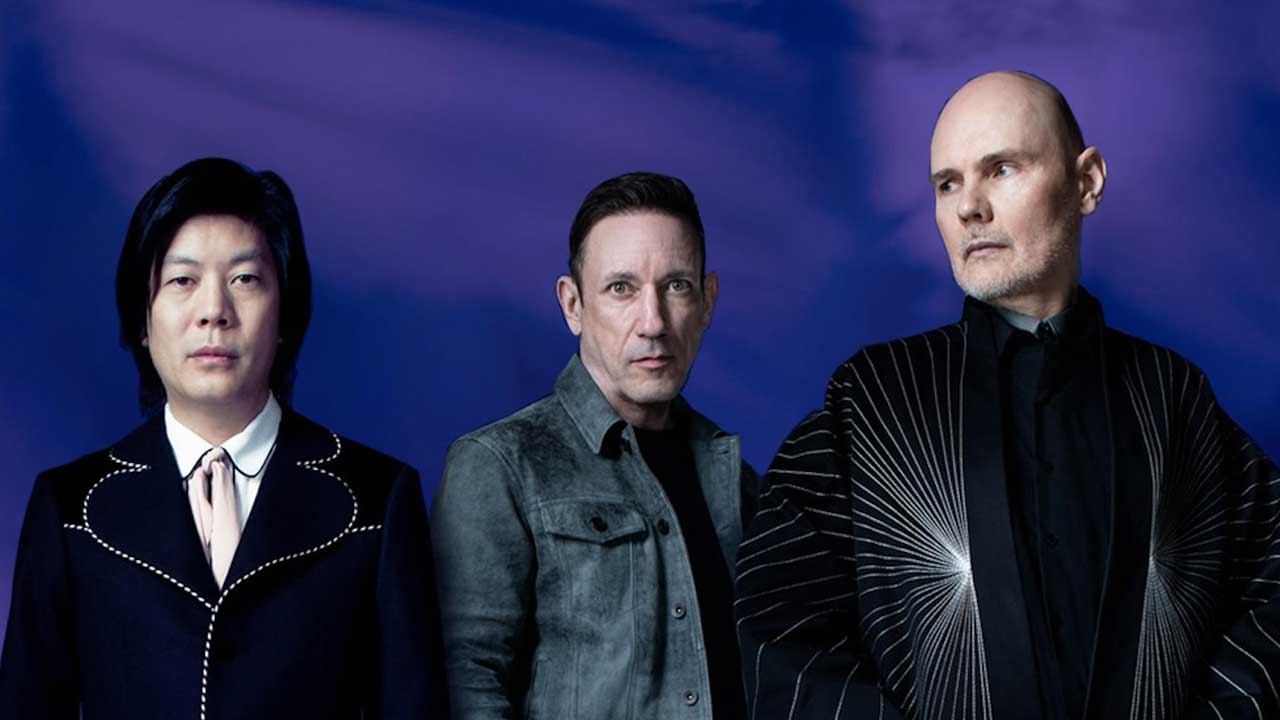
Rising from the underground music scene in Chicago, The Smashing Pumpkins emerged in 1988 with a sound that blended alternative rock, dream pop, and heavy metal influences. Founded by frontman Billy Corgan, the band initially started as a duo with guitarist James Iha, using a drum machine in their earliest performances. A pivotal moment came when bassist D’arcy Wretzky joined the line-up, bringing a new dimension to their sound. The final piece was drummer Jimmy Chamberlin, whose jazz-infused playing style transformed the band’s rhythm section. With this line-up solidified, The Smashing Pumpkins began performing around Chicago, steadily gaining attention for their dense, layered guitar work and emotionally charged compositions.
Formed in his native Chicago after a teenage stint in Florida with goth rockers The Marked and Deep Blue Dream (also featuring future Static-X frontman Wayne Static), Smashing Pumpkins were lumped in with the burgeoning grunge scene following the release of their 1991 debut album “Gish”. The artier cousins of their Seattle contemporaries, Corgan’s band – completed by bassist D’Arcy Wretzky, guitarist James Iha and drummer Jimmy Chamberlin – proudly wore many influences on their sleeve: goth, psychedelia, shoegaze, metal and, later, electronica.
After three decades, The Smashing Pumpkins leader Billy Corgan still has a message for music fans who insist on labelling the four-piece a grunge band. On the band’s TikTok account, a post read: “A fact that people can’t accept? Smashing Pumpkins sound is not grünge, has never been grunge, not against grunge, but SP ain’t it.”

Gish (1991)
Their debut album, “Gish“, arrived in 1991, produced by Butch Vig, who would later gain widespread recognition for his work with Nirvana. The album was a critical success, blending psychedelic and hard rock elements with a polished production that set it apart from the lo-fi aesthetics of many alternative rock contemporaries. While “Gish” garnered underground acclaim
Arriving several months before Nirvana’s “Nevermind”, the Smashing Pumpkins’ debut album, It was the first shot of the alternative revolution that transformed the rock & roll landscape of the ’90s. while Nirvana was a punk band, the Smashing Pumpkins and guitarist/vocalist Billy Corgan are arena-rockers, co-opting their metallic riffs and epic art-rock song structures with self-absorbed lyrical confessions. though Corgan’s lyrics fall apart upon close analysis, there’s no denying his gift for arrangements. like Brian May and Jimmy Page, he knows how to layer guitars for maximum effect, whether it’s on the pounding, sub-Sabbath rush of ‘i am one’ or the shimmering, psychedelic dream-pop surfaces of ‘rhinoceros.’ such musical moments like these, as well as the rushing ‘siva’ and the folky ‘daydream,’ which features D’arcy on lead vocals, demonstrate the Smashing Pumpkins’ potential.

Siamese Dream (1993)
It was their next album, “Siamese Dream” (1993), that catapulted them into the mainstream. Despite internal tensions and Corgan’s obsessive perfectionism in the studio, the album became a landmark of the era, featuring hits like “Today,” “Cherub Rock,” and “Disarm.” Featuring iconic singles “Rocket,” the album’s lush production, emotional lyrics, and layered guitars earned critical acclaim, cementing its place as one of the greatest rock albums of all time.
When ‘Siamese Dream’ was initially released in the summer of 1993 it was hailed as alternative rock’s first great post-nevermind hope. and while it has gone on to become an overwhelming commercial success, it has also helped further re-draw the artistic borders of ‘alternative’ music. by combining neo-psychedelic AOR guitars (band-members proudly claim boston as an influence) with “Pumpkin auteur Billy Corgan’s ‘outsider’ lyrical stance, ‘Siamese Dream’ creates a rebel image; but one with a wandering eye towards mainstream acceptance as well.
Consequently, Smashing Pumpkins are equally successful relating to young lollapaloozers and to classic rock radio. the album’s immediate attraction is plain to see. Corgan and co-producer Butch Vig have sculpted a sonic wall of guitars – in some cases, using up to 32 separate guitar tracks on a single song – that is electrifying in its sheer scope and power. along with Jimmy Chamberlin’s powerhouse drumming, guitarists Corgan and James Iha’s thick sound endows ‘Siamese Dream’ with a fresh feel that holds up even on repeated listens – and how many other ‘top ten’ albums can you say that about?
Fronting a band dogged by rumours of in-fighting and drug addictions, Corgan earned the reputation of being a benevolent dictator – one who doesn’t mince his words, at that – after it emerged that he overdubbed the majority of Wretzky and Iha’s takes on “Gish” and breakthrough follow-up “Siamese Dream”.
“You know, I gave them a year and a half to prepare for this record,” Corgan told Spin in 1993. “I’m surrounded by these people who I care about very much, yet they continue to keep failing me.”
After writing “Today“, one of the most beautiful songs ever written about suicidal ideations, Corgan eventually tapped in to a rich seam of creativity. His pursuit of perfection came at a personal cost – he overdubbed most of his bandmates’ parts – and later revealed that his work ethic ruined relationships and his mental health. That said, “Siamese Dream” is a genuinely perfect album,
Producer Butch Vig later confirmed that the frontman re-recorded “ninety per cent” of the album himself.

Mellon Collie And The Infinite Sadness (1995)
By 1995, The Smashing Pumpkins had reached new creative heights with “Mellon Collie and the Infinite Sadness”, an ambitious double album that showcased their versatility and grand artistic vision. Songs like “1979,” “Bullet with Butterfly Wings,” and “Tonight, Tonight” became defining tracks of the decade, propelling the album to multi-platinum status. The album debuted at number one on the Billboard 200 and received seven Grammy nominations, ultimately winning Best Hard Rock Performance for “Bullet with Butterfly Wings.” The success of “Mellon Collie” was followed by a gruelling world tour, solidifying the band’s reputation as one of the defining acts of the 1990s.
Produced by Billy Corgan, Flood, and Alan Moulder, the ambitious double album spans 28 tracks across two discs, blending art rock, grunge, and alternative metal. Propelled by hits like “Bullet with Butterfly Wings,” “1979,” earned diamond certification in the U.S. Acclaimed for its emotional depth and scope, the album received seven Grammy nominations and remains a defining work of 1990s rock music.
“Siamese Dream” and the ambitious “Mellon Collie And The Infinite Sadness” made the band alt.rock superstars, but a string of unfortunate events – a drug overdose, death and divorce – shaped the electronica-influenced album “Adore” and marked a downturn in the band’s popularity.
Adore (1998)
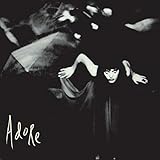
The latter half of the decade brought turmoil. In 1996, touring keyboardist Jonathan Melvoin died from a heroin overdose, leading to the firing of Jimmy Chamberlin. The band’s next album, “Adore” (1998), was a drastic departure from their guitar-driven sound, incorporating electronic and gothic influences. While critically well-received and earning a Grammy nomination, it failed to match the commercial success of its predecessor.
The album reflected a period of personal and creative turmoil within the band. Although it received mixed commercial success, “Adore” earned critical acclaim for its emotional depth, mature song writing, and experimental production. The album later gained cult status and was reissued in 2014 with remastered tracks and rare material.
Corgan was consumed by grief after the loss of his mother and the end of his marriage, and “Adore” is an interesting meditation on loss. At turns glowering and sombre, tender and beautiful, it leans heavily into electronica territory and divided fans who were expecting a sequel to “Mellon Collie“.
While they would never again scale the heights of their mid-90s peak, Corgan – who was at one time the sole original member of the band before a partial reunion (minus Wretzky) in 2018 – has continued to evolve his music idea and band’s sound across 12 often disparate studio albums.

Machina – The Machines of God (2000) (2000)
These songs – or at least the majority of them – were supposed to feature on the original Machina/The Machines Of God. In a deliciously petty move, Corgan had 25 copies pressed on vinyl and sent out, with instructions to distribute it for free on the internet.
Chamberlin rejoined for the recording of “Machina/The Machines of God” (2000), but internal conflicts led to bassist D’arcy Wretzky’s departure before its release. The album’s experimental nature divided fans, and after a farewell tour, the band disbanded later that year.
Conceived as a concept album by frontman Billy Corgan, it marked the return of drummer Jimmy Chamberlin and was intended as the band’s final project before their 2000 breakup. Blending heavy guitar rock with electronic and industrial elements, the album explores themes of love, faith, and identity through the fictional story of “Glass and the Machines of God.” Despite mixed reviews and modest sales, “Machina” remains a cult favourite, celebrated for its ambitious concept and emotional depth.
With songs pitched somewhere between “Mellon Collie..“. and “Adore“, the album is one of light and shade. Snarling opener “The Everlasting Gaze” and the uplifting “Stand Inside Your Love” remain among SP’s career highlights.

Machina II/The Friends & Enemies of Modern Music (2000)
“Machina II / The Friends & Enemies of Modern Music” was the sixth studio album by rock band The Smashing Pumpkins, released for free online on September 2000. Issued through Billy Corgan’s Constantinople Records, only 25 vinyl copies were pressed and distributed to fans for digital sharing. The double LP, accompanied by three EPs, continues the conceptual story from “Machina/The Machines of God“. Combining dream-pop, synth-goth, and heavy rock influences, the album earned critical praise for its creativity. Remastered and expanded, both “Machina” albums were reissued together as Machina: Aranea Alba Editio .

Zeitgeist (2007)
Billy Corgan revived The Smashing Pumpkins in 2006 with drummer Jimmy Chamberlin, releasing the album “Zeitgeist” in 2007. There are some decent moments – single “Doomsday Clock” boasts a strong riff, while “Tarantula” has psychedelic touches that echo the bluster of the band’s earlier records – but taken overall it’s the one Smashing Pumpkins album you really don’t need in your collection.
Released on July 2007, through Martha’s Music and Reprise Records. Marking the band’s reunion after seven years, it features founding members with production by Roy Thomas Baker and Terry Date. The album blends heavy guitar riffs and political themes, highlighted by the lead single “Tarantula.”
Debuting at number two on the US Billboard 200, it was later certified Gold by the RIAA. Though receiving mixed reviews, “Zeitgeist” stands as a bold and energetic comeback showcasing the band’s signature alternative rock sound.
Corgan had added the guitarist Schroeder who said all those songs are amazing to play, but the first single, “Tarantula,” is especially fun. The riff is an homage to “Dark Lady” by the Scorpions. You can hear it’s the same opening if you listen to both. We’re all huge Scorpions fans—especially the Uli Jon Roth era—so that always sticks out.

Oceania (2012)
The album is part of the ambitious Teargarden by Kaleidyscope project. Featuring guitarist Jeff Schroeder, bassist Nicole Fiorentino, and drummer Mike Byrne, “Oceania” blends classic Pumpkins energy with modern, atmospheric sounds. The album debuted at number four on the Billboard 200 and received widespread critical acclaim for its emotional depth and strong song writing. Tracks like “The Celestials” and “My Love Is Winter” highlight its themes of love, alienation, and rediscovery.
Described by Corgan as an “album within an album”, and using a sizeable chunk of the abandoned Teargarden project, “Oceania” is the only Pumpkins album with bassist Nicole Fiorentino and drummer Mike Byrne,
This was really the first record Jeff Schroeder was a big part of as a guitar player. I recorded some singles and things before that, but this was my first proper album. And by this time, Jimmy Iha had left again, so we basically had a whole new line-up. But “Oceania” is a great album, and the title track is a beautiful song I love playing live. And I remember when this album came out, we played the whole thing live from beginning to end, which was challenging for us and the audience. But from a musical standpoint, it was tough because there’s a lot of movements and guitar parts.
It’s a shame this line-up was fleeting, as there’s a familiar chemistry which recalls the energy that propelled “Siamese Dream“. Highlights include the heavy clatter of opening tracks “Quasar” and “Panopticon“, the dreamlike “Pinwheels” and the Queen-esque pageantry of “The Chimera”. After 2007’s disappointing “Zeitgeist”, “Oceania” was a return to form.

Monuments To An Elegy (2014)
Over the next decade, the band’s line-up shifted frequently, with Corgan remaining the sole consistent member. Albums like “Oceania” (2012) and “Monuments to an Elegy” (2014) explored new sonic territories, but it was the return of original guitarist James Iha and drummer Jimmy Chamberlin in 2018 that sparked renewed excitement among fans.
This album is part of the ambitious Teargarden by Kaleidyscope project. Featuring Mötley Crüe’s Tommy Lee on drums, the record blends melodic rock with synth-pop influences. Songs like “Being Beige,” “One and All,” and “Drum + Fife” showcase a more direct and polished sound. Though it received generally positive reviews for its concise and emotional tone, “Monuments” is a surprisingly uplifting collection of lean pop-rock gems informed by a synth-rock bent. Album highlights include the guitar heavy single “One And All (We Are)”, “Drum + Fife”; was apparently given some post-production pep by Lee and reminded Corgan of “early U2 or Big Country”.
After years spent perpetrating what the Lassie Foundation called “pink noise pop,” Schroeder was given the chance of a lifetime when Billy Corgan tabbed him as James Iha’s replacement in a revamped Smashing Pumpkins line-up alongside Ginger Pooley, Jimmy Chamberlin, and Corgan in 2007.
Corgan added guitarist Schroeder who hit the ground running with the Pumpkins, embarking on massive world tours and playing an integral role alongside Corgan’s revolving troop of musicians en route to albums like “Teargaden by Kaleidyscope” (2009-2014), “Oceania” (2012), and “Monuments to an Elegy” (2014), before original guitarist James Iha returned in 2018, forming a triple-guitar attack.
Clocking in a just 32 minutes, Smashing Pumpkins’ ninth studio album is one of their shorter offerings. In fact, its follow-up “Shiny and Oh So Bright, Vol. 1 / LP: No Past. No Future. No Sun”. is about 50 seconds shorter. “Monuments To An Elegy” was originally supposed to be part of the ambitious “Teargarden by Kaleidyscope” project until it was quietly shelved in favour of its constituent parts being released in regular album formats. In summary: short and very sweet.

Shiny And Oh So Bright, Vol.1 (2018)
In June of 2018, The Smashing Pumpkins released their new single “Solara” ahead of their monumental Shiny And Oh So Bright Tour. The track was the first song in over 18 years to feature founding members Billy Corgan, James Iha, and Jimmy Chamberlin, alongside guitarist Jeff Schroeder and offered the first glimpse of music from the newly reformed line-up. Now the band release their 10th studio album, “Shiny And Oh So Bright, Vol. 1 / LP: No Past. No Future. No Sun“, recorded at Shangri La Studios with legendary producer Rick Rubin.
Marking the long-awaited reunion of founding members the eight-track album delivers a blend of classic alternative rock and modern energy. Featuring singles “Silvery Sometimes (Ghosts),” and “Knights of Malta,” it showcases Billy Corgan’s introspective songwriting and rich instrumentation. The album received generally positive reviews for its melodic depth and nostalgic yet fresh sound.
Guitarist Schroeder stuck around for three more records in “Shiny and Oh So Bright, Vol. 1/LP: No Past. No Future. No Sun“. (2018), “Cyr” (2020), and “Atum: A Rock Opera in Three Acts” (2023), and additional mega tours before announcing his departure from the Pumpkins in the fall of 2023 for personal reasons and to pursue his own music.
But the album drags in places, too (hang your head in shame, Travels). The main criticism, however, is that at 31 minutes or so the album is frustratingly short.

Cyr (2020)
“Cyr” (2020), which leaned heavily into synthesizers and electronic textures. Where “Shiny And Oh So Bright” was something of a snack, “Cyr” offers repeated visits to the buffet table. With 20 songs and a running time of 72-minutes, this self-produced collection, Smashing Pumpkins’ eleventh full-length album, allowed Corgan to stretch out and explore new ground.
Working with Logic music software, he leans heavily on a synth-pop sound on the 80s-flavoured title track, Anno Satana, Ramona and the sinister pop of Wyttch. The lack of alt.rock riffs on the record will surprise – or alarm – the casual Pumpkins fan, but diehards have long accepted that Corgan is not the sort to dwell on one idea for too long.
Featuring 20 tracks, including singles like “Cyr” and “The Colour of Love,” the album explores modernity and reinvention. Accompanied by a five-part animated series titled In Ashes, “Cyr” highlights Corgan’s vision of creating contemporary music while maintaining The Smashing Pumpkins’ emotional depth and experimental edge.

Atum: A Rock Opera in Three Acts (2023)
“Atum: A Rock Opera in Three Acts” (2023), continued Billy Corgan’s penchant for ambitious storytelling, presenting a sprawling conceptual work spanning multiple albums. While their sound has evolved significantly over the years, The Smashing Pumpkins’ ability to reinvent themselves has kept them relevant in an ever-changing musical landscape. Their impact on alternative rock remains profound, with their catalogue continuing to influence new generations of musicians.
The Smashing Pumpkins presents “ATUM“, a rock opera in three acts. The album tells an epic interplanetary story set in the not-too-distant future. Each song stands on its own in the Pumpkins pantheon. This album is the final installment in a concept album trilogy that started with 1995’s “Mellon Collie and the Infinite Sadness” and continued with 2000’s “Machina/The Machines of God”.
The line-up includes original band members William Corgan, James Iha, and Jimmy Chamberlin, along with guitarist Jeff Schroeder.
William Corgan had been working on the rock opera concept for years. The pandemic provided him with the time off the road to meticulously complete it in the grandiose way he had always intended.
A favorite to play is definitely “Beguiled.” We’ve released a couple more singles since this song, but this was the first from the newest album. It’s just this simple riff, but it’s one of those songs where it’s kinda like Zeppelin’s “Whole Lotta Love,” where it’s a couple of notes that are in the right place. When we get into that groove live, this is such a fun song to play.
A story set among the stars, “Atum” is meticulously crafted and draws on the diversity of styles which have informed their previous releases. There’s pop synth washes in “Hooligan” and “The Culling“, classic Pumpkins riffs in the likes of “Beguiled” and “The Good in Goodbye”, while the labyrinthine closing act has sublime moments that wouldn’t be out of place on a John Carpenter soundtrack.
The 33-track concept album serves as a sequel to “Mellon Collie and the Infinite Sadness” and “Machina/The Machines of God”. Blending alternative, progressive, and synth rock, it follows the story of Shiny, formerly Zero and Glass, exploring themes of legacy and redemption. Featuring singles “Spellbinding,” and “Empires,” the album received generally favourable reviews and charted globally, marking Jeff Schroeder’s final appearance with the band.
The sheer size and scope of this ambitious release may make some recoil, but for Corgan fanatics, there’s a vast, multi-layered story to be explored

Aghori Mhori Mei (2024)
A bruising and shadowy return to form from original Smashing Pumpkins members Jimmy Chamberlin, James Iha, and Billy Corgan. Written and produced by Billy Corgan, the album marks a return to the band’s signature rock sound, blending progressive rock, heavy metal, and alternative rock influences. Praised for its powerful guitar-driven energy reminiscent of “Siamese Dream” and “Mellon Collie and the Infinite Sadness”, the album received positive reviews from fans and critics alike, highlighting its nostalgic yet revitalized approach to modern rock.
Recorded in the immediate aftermath of their 33-song concept album, “Atum, Aghori Mhori Mei” harkens back to the band’s early 90’s canon; where guitars, bass, drums, and spiking vocals ruled.

Machina (Aranea Alba Editio) (2025)
The final album by the original/classic line-up, it kicks off with the brash, snotty one-two of “Glass” and “Cash Car Star” and the thunderous Dross. Elsewhere, the pace lessens on the chiming “Let Me Give the World To You” and the dreamlike fuzz-pop of “Go”.
Announced on the 31st of March, 2025 the long-awaited reissue of “Machina/The Machines of God” and “Machina II/The Friends & Enemies of Modern Music“—for the first time united in a completely remixed and remastered box set—was released October 2025. It contains a re-sequenced 48-track “Machina” and 32 bonus tracks containing demos, outtakes, and live performances. This marks the first time the two records have been officially united and comes after over a decade of fans’ anticipation.
Currently available as an 8-LP vinyl set exclusively through Billy & Chloe Corgan’s tea shop Madame ZuZu’s, CD and digital editions are expected to follow.
“Machina II” almost betters its predecessor. Almost.
Their legacy endures not only through their groundbreaking music but also through their fearless artistic evolution. From their earliest club performances in Chicago to headlining arenas worldwide, The Smashing Pumpkins remain one of the most influential rock bands of their generation, with a discography that continues to captivate listeners decades after their debut.
The discography of the Smashing Pumpkins consists of thirteen studio albums, four live albums, one digital live album series, nine compilation albums (including box sets and promotional releases), seven extended plays (including promotional releases), 66 singles (including promotional releases), five video albums, 37 music videos, and contributions to five soundtrack albums.
The Smashing Pumpkins discography is by turns sublime and challenging, but never, ever boring. And as one of rock’s more prolific songwriters, Corgan shows no sign of slowing down.
 The Fat Angel Sings