

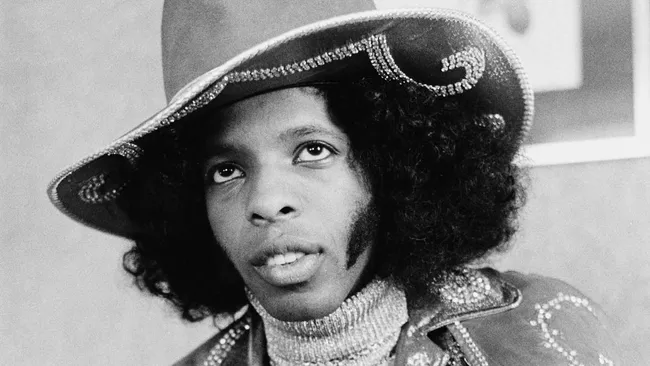
Sly Stone, who has sadly passed away aged 82, The creation of his second masterpiece was still a couple of years away when, in 1969, Sly Stone launched into the pivotal year of his career, the 12 months in which his great leap forward gestated. Led by the mercurial Sly Stone, Sly & The Family Stone were a highlight at Woodstock and Monterrey Pop and an influence on generations of musicians
“After a prolonged battle with COPD [chronic obstructive pulmonary disease] and other underlying health issues, Sly passed away peacefully, surrounded by his three children, his closest friend and his extended family,” the statement reads. “While we mourn his absence, we take solace in knowing that his extraordinary musical legacy will continue to resonate and inspire for generations to come.
Born in Denton, Texas, in 1943, Stone formed Sly & The Family Stone in 1966. Arguably the first truly interracial major rock group, they mixed rock, gospel, funk, pop, jazz and psychedelia into a heavy-duty mix that was as influential as it was innovative.
“Sly was a monumental figure, a groundbreaking innovator, and a true pioneer who redefined the landscape of pop, funk, and rock music. His iconic songs have left an indelible mark on the world, and his influence remains undeniable. In a testament to his enduring creative spirit, Sly recently completed the screenplay for his life story, a project we are eager to share with the world in due course, which follows a memoir published in 2024.”
During those 12 months he released his fourth studio album, and first masterpiece, “Stand!” That five-star summation of the multiracial, male-female Family Stone’s style mixed celebrations of life with songs whose sociopolitical thrust came in soul, R&B, rock, pop and jazz arrangements and the funk he’d given a hipped West Coast twist. It all seemed a glorious affirmation of the hopes held out by the decade just closing.
Sly topped that in August when the Family Stone’s set was one of the high points at the Woodstock Festival. Yet by December his sound-shifting, shape-changing single “Thank You (Falettinme Be Mice Elf Agin)” had intuited the darker days to come. Sly had discovered the Maestro Rhythm King drum machine which gave him greater control of the Family Stone sound and would gradually nudge the musicians to the peripheries, stoking up resentments and paranoia as the band slowly fragmented.
Thereafter, the exuberance of the late-’60s music would give way to a muddier sound, and the lyrics were less open and inclusive. Moreover, his live appearances became persistently and provocatively unreliable as drugs sapped his creative juices. While he was making great records, he could just about get away with the contempt he seemed to be showing to paying customers; but when the recorded music lost its moxie, the audiences at his concerts slowly came to comprise eternal optimists and car-crash chasers.
It was a tragic, protracted coda to a decade-long imperial phase of dazzling brilliance. But when he shone, Sly Stone shone brighter than almost anyone. Formerly Sylvester Stewart, raised on gospel, fed a diet of doo wop, jazz, blues and R&B, as a DJ, songwriter, producer, singer and multi-instrumentalist, Sly’s unmatched grasp of soul, funk, pop and rock created a revolutionary cross pollination of sounds, drawing in both black and white audiences in a way that no other performer at the time managed. His seismic impact can be felt reverberating through funk, disco, house, R&B, hip hop, rock and pop to this day.
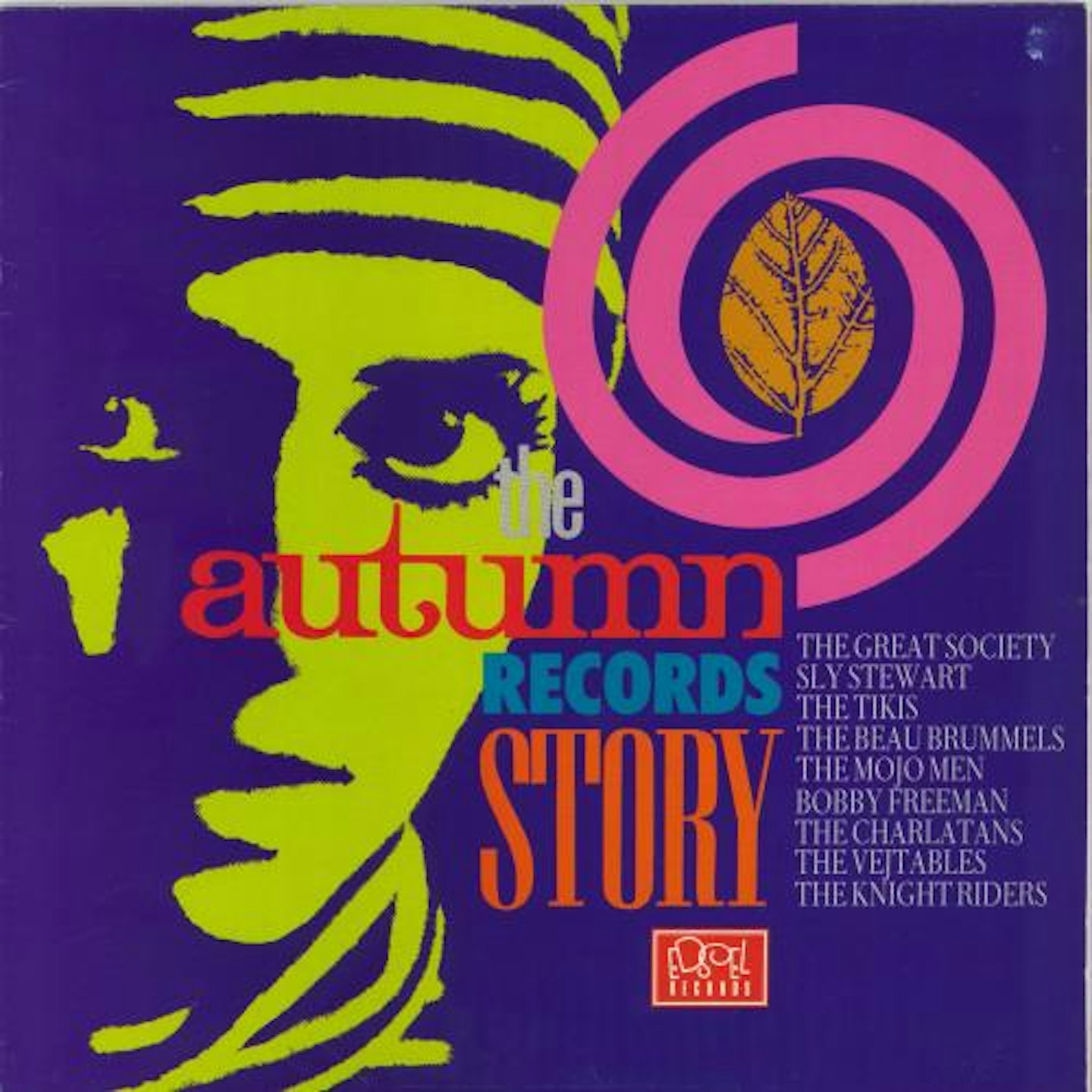
Various Artists – The Autumn Records Story (Edsel, 1986)
Included on this compilation of tracks from a San Francisco label, owned by local DJ Tom Donahue, are several mid-’60s productions by Sly Stewart, aka Sylvester Stewart, who was also a Frisco DJ back then. The tracks that announce his arrival capture the energy of the era and range from The Mojo Men’s raucous, garagey She’s My Baby to Bobby Freeman’s Cmon And Swim (Part 1) and S-W-I-M. Although only dance-craze cash-ins, Sly finds the best in Freeman’s tone – a little like the twistin’ Sam Cooke, in fact. Elsewhere, Sly makes an appearance as an artist, again under the Sly Stewart moniker, “Buttermilk”, an organ-led instrumental with a strong bass line and mouth-harp solo, being the best.
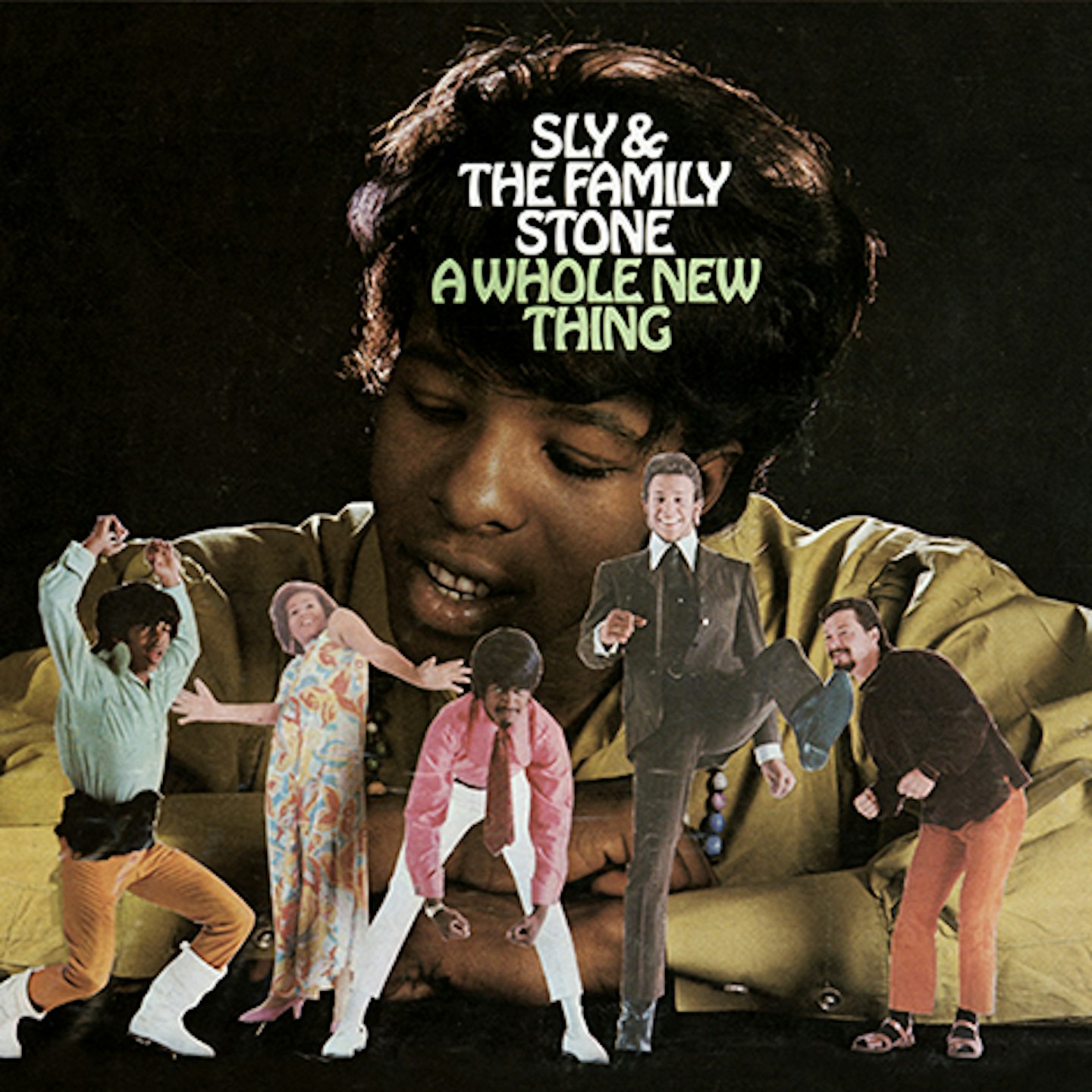
Sly And The Family Stone – A Whole New Thing (Epic, 1967)
It’s doubtful if Epic realised quite what they were unleashing on this debut “A Whole New Thing”. Even now, the Family Stone sounds an impressively tight and well-drilled unit, standing at the crossroads of funk, rock and soul, ready to head off in all musical directions at once. From the war dance drums-and-horns riff of “If This Room Could Talk” to the pop catchiness of “Run, Run, Run” and the frantic soul revue tribute of “Turn Me Loose“, there are constant changes of tone and tempo – Larry Graham’s bass, and bass vocal, anchors the ballad “Let Me Hear It From You” and less successful hard hitter “Bad Risk. Advice” is good, but the weirdness and paranoia of later is apparent in “I Hate To Love Her, Bad Risk and “Dog”
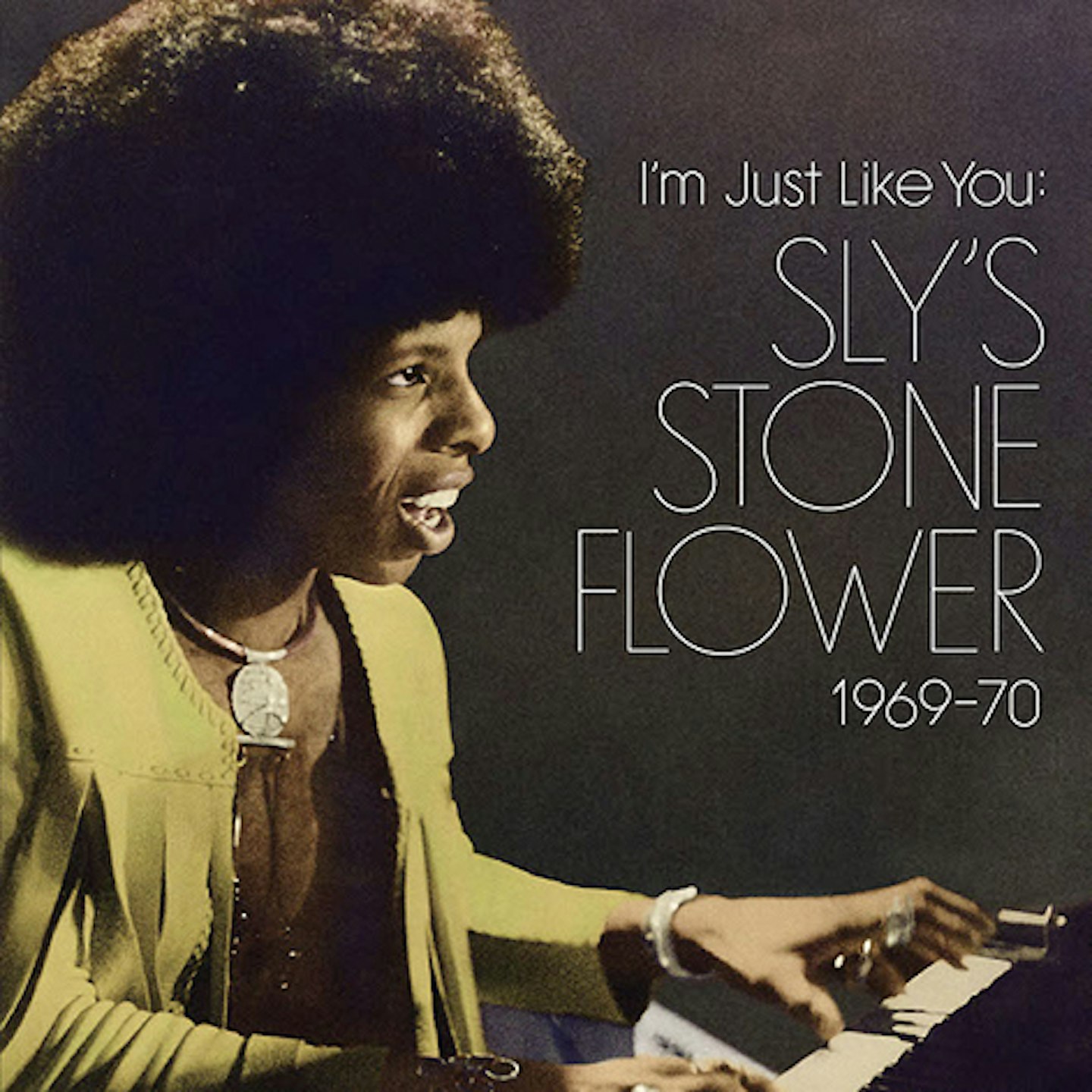
I’m Just Like You: Sly’s Stone Flower – (Light In The Attic, 2014)
A rare plant that bloomed for just two years, Stone Flower Records launched in 1969 and grew out of the production company Sly and his manager David Kapralik had set up two years earlier. It featured four singles, all here, by three acts – Little Sister, including his sibling Vaetta, the strong soul singer Joe Hicks and multi-racial sextet 6ix – to which this CD adds 10 previously unreleased tracks. Sly’s fingerprints are all over the music – Little Sister B-side “Stanga” hits the groove; 6ix sound looser on “You Can, We Can; Hicks’s Life & Death In G & A finds him in “There’s A Riot…” territory and Sly’s stoned funk, pop and soul productions here clearly parallel his concurrent work on that album.
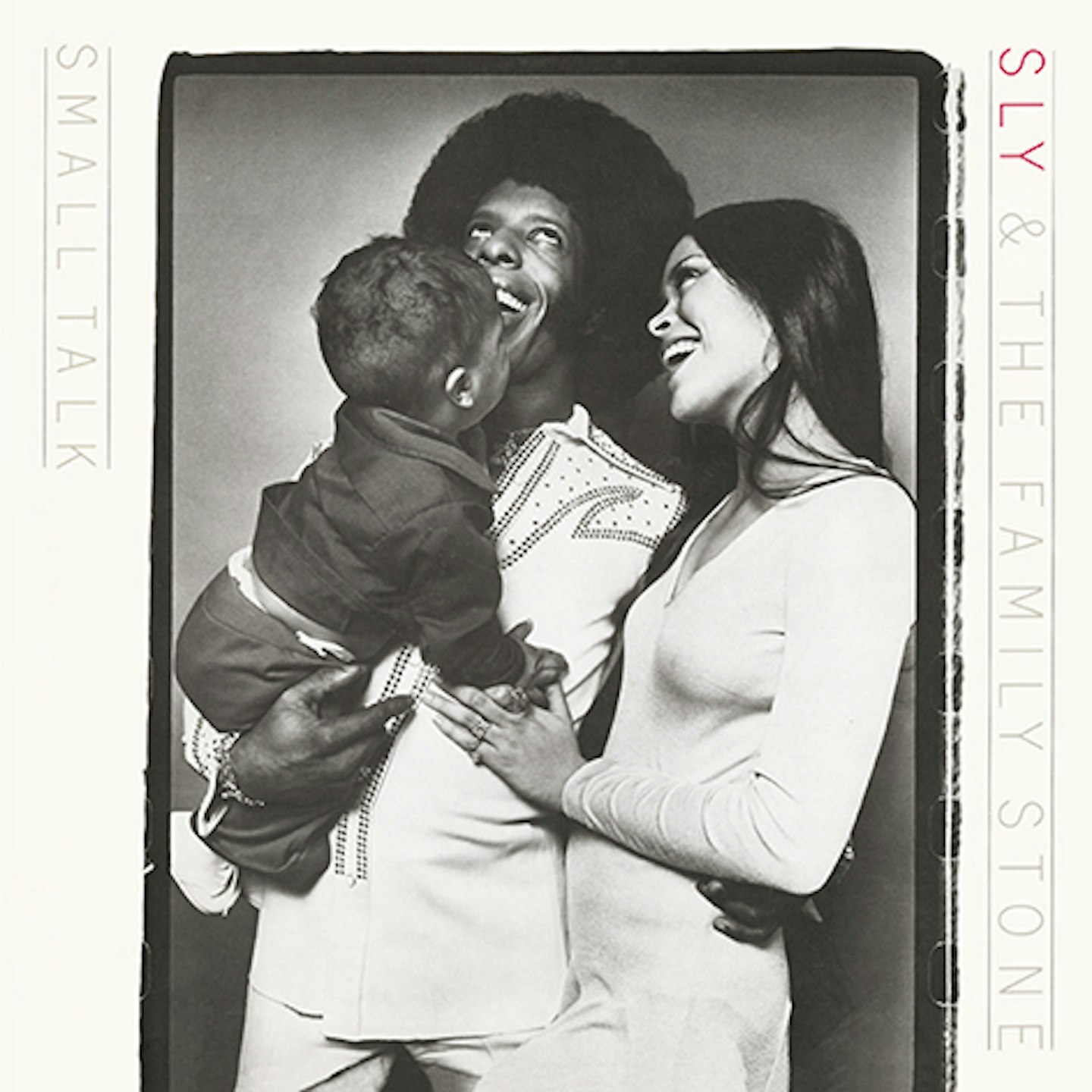
Sly And The Family Stone – Small Talk (Epic, 1974)
Kathleen Silva, briefly Sly’s wife, and son Sylvester Jr, are pictured on the sleeve of an LP that mixes ruminations on family (title tracks, “Mother Beautiful“) with superior tracks of Stone power – notably the driving start to side two, in old vinyl money, “Loose Booty” and “Holdin’ On”, and a later, frantic, “Livin’ While I’m Livin’. But gentler vibes are the norm “Wishful Thinkin’; a lovely doo wop closer “This Is Love“. “Time for changin’, rearrangin’,” Sly sings in his final US Top 40 hit single “Time For Livin’. Sadly, there is no new direction. A track like “Can’t Strain My Brain”, despite its jauntiness, suggests the artistic lassitude that would, after 1975’s so-so solo album “High On You“, consume the next 40 years.
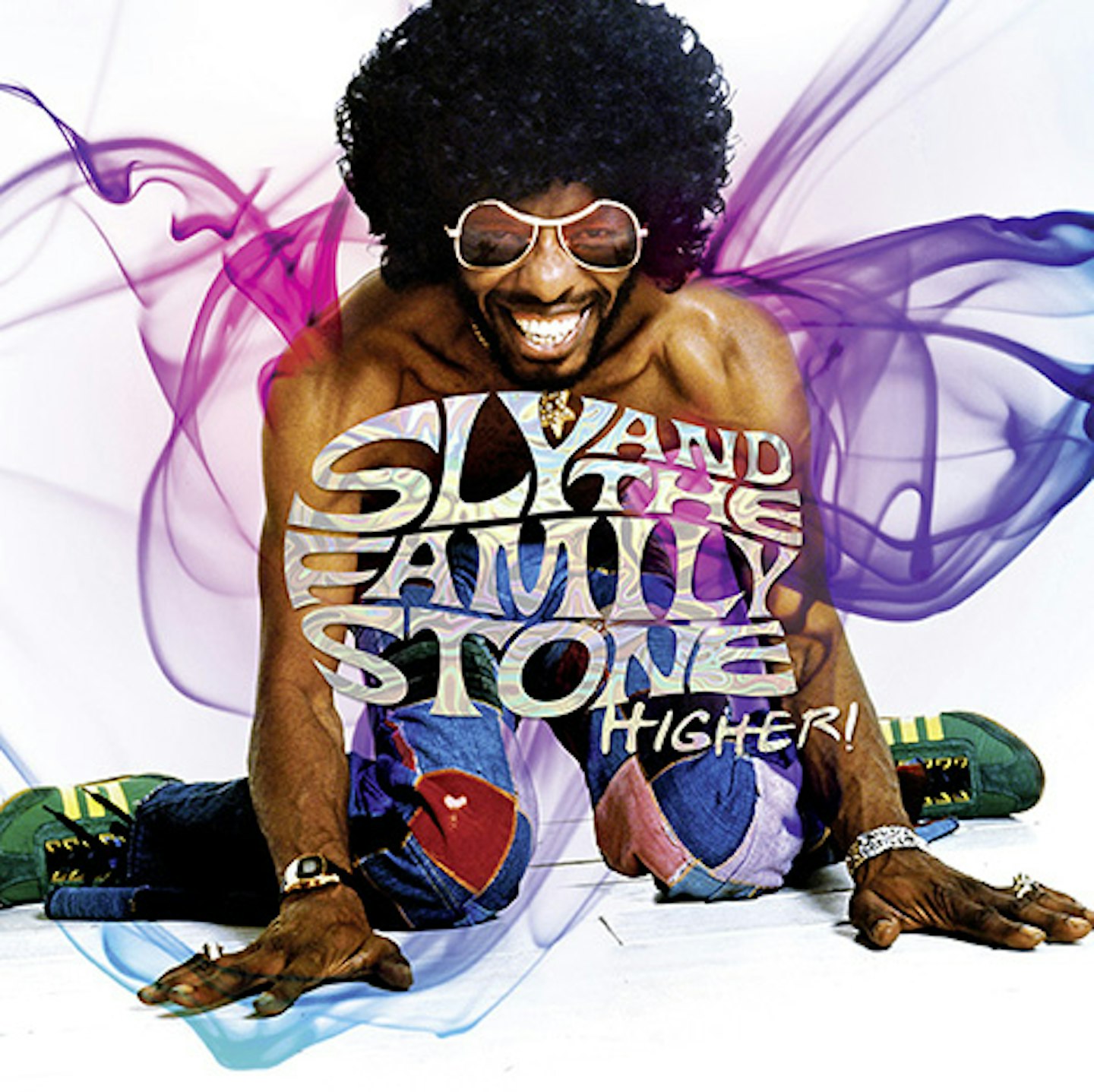
Sly And The Family Stone – Higher! (Sony/Legacy, 2013)
Of several available ‘best ofs’, “Higher!” is the classiest and comes in two sizes. First, a 17-track digest with three unreleased songs “What’s That Got To Do With Me”, “I Remember”, and “You’re The One“, taped live on Don Kirshner’s Rock Show), plus singles edits, mono mixes and another live track from the Isle Of Wight (1971). If that merely whets your appetite rather than satisfying it, there’s a fascinating 77-track 4-CD/8-LP box with 13 more previously unreleased songs, plus more of the other type extras. You’ll be reminded why you dug Sly in the first place and, indeed, taken higher. Of other comps, “Spaced Cowboy” (2009, 2 discs) and “Dynamite!”, (2011, 22 songs) are Sony/Camden budget CDs.
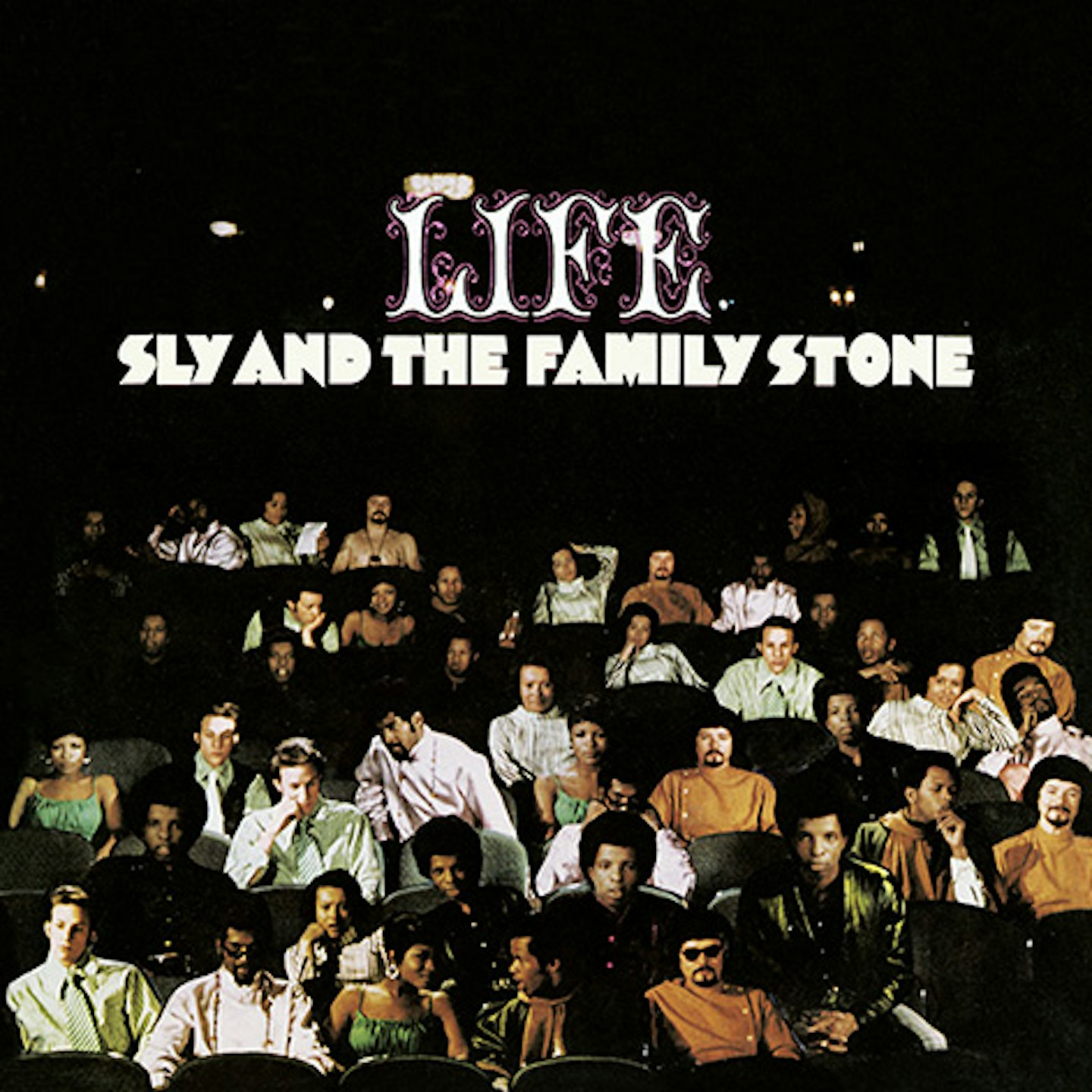
Sly And The Family Stone – Life (Epic, 1968)
Released in the slipstream of “Dance To The Music”, the Family Stone’s third album is often overlooked in the story but has plenty of surprises and is a strong stepping stone (no pun etc) to “Stand!” Sure, opening track “Dynamite!” quotes from Dance and Plastic Jim reworks Eleanor Rigby’s “all the lonely people” refrain rather baldly, but “Chicken” clucks and pecks its funk around the yard, while the contrasting grooves of “Fun” (fast) and “Into My Own Thing” (midtempo) show off the band’s tight interplay. An exuberant “M’Lady” and title track, the album’s two US Top 100 hits, are solid pathways from “Dance To The Music” to “I Want To Take You Higher”; “Jane Is A Groupee” is the caustic, cautionary closer.
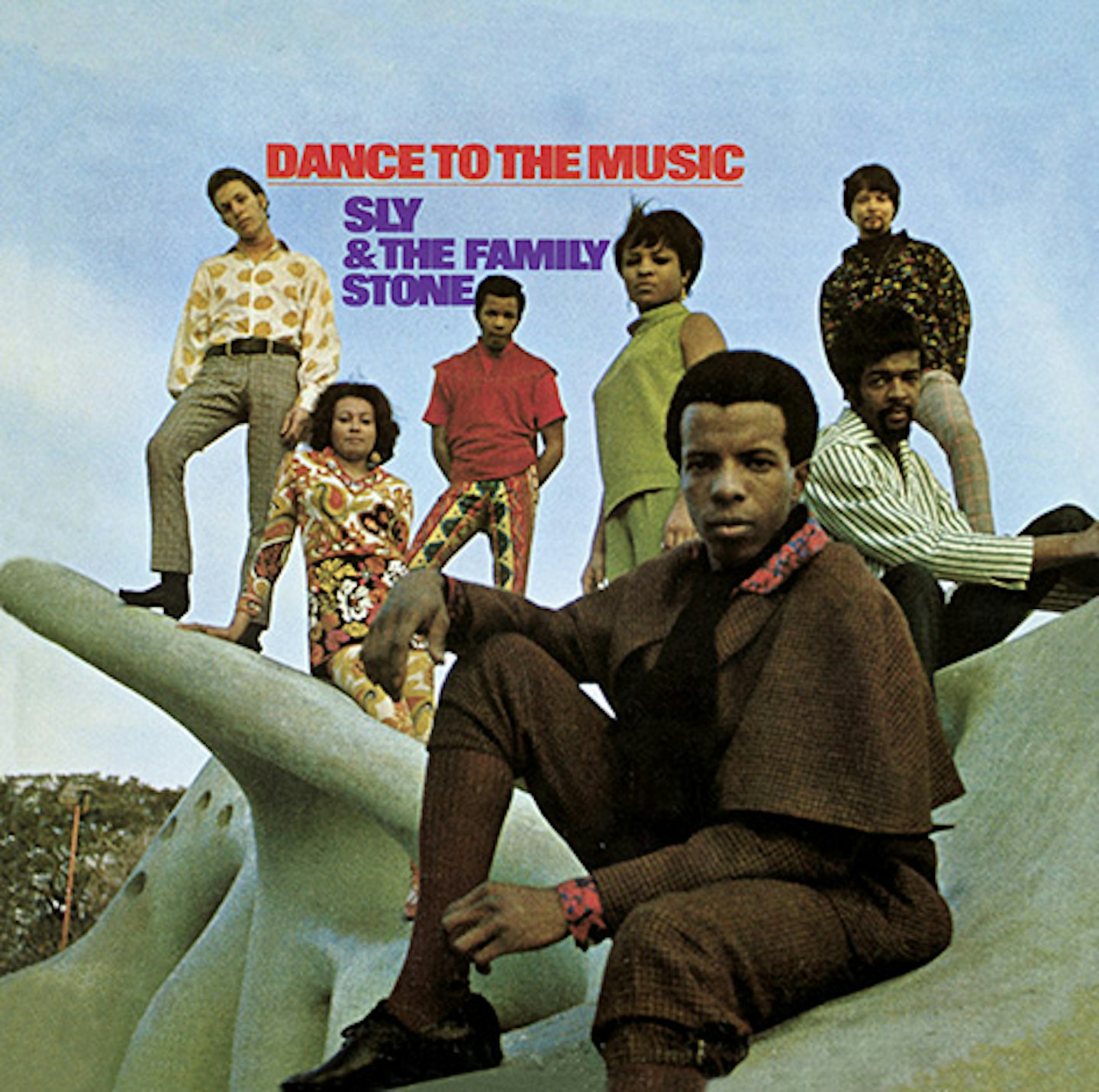
Sly And The Family Stone – Dance To The Music (Epic, 1968)
As a DJ in San Francisco, Sly knew how to programme a radio show and responded to Epic’s request for a more commercial record for the second Family Stone album with this first classic in the catalogue. “All the squares go home!” the title track shouts, a theme expanded on in the 12-minute three-part “Dance To The Medley”, full of multi-instrumental dexterity, vocal variety from doo wop and scat to James Brown get-down riffing. The track “Higher” has the prototype of the chorus to “I Want To Take You Higher; Music Lover,” part three of the Medley, sends the “Higher” idea into outer space; strong ensemble playing throughout.Sly And The Family Stone – Fresh (Epic, 1973)
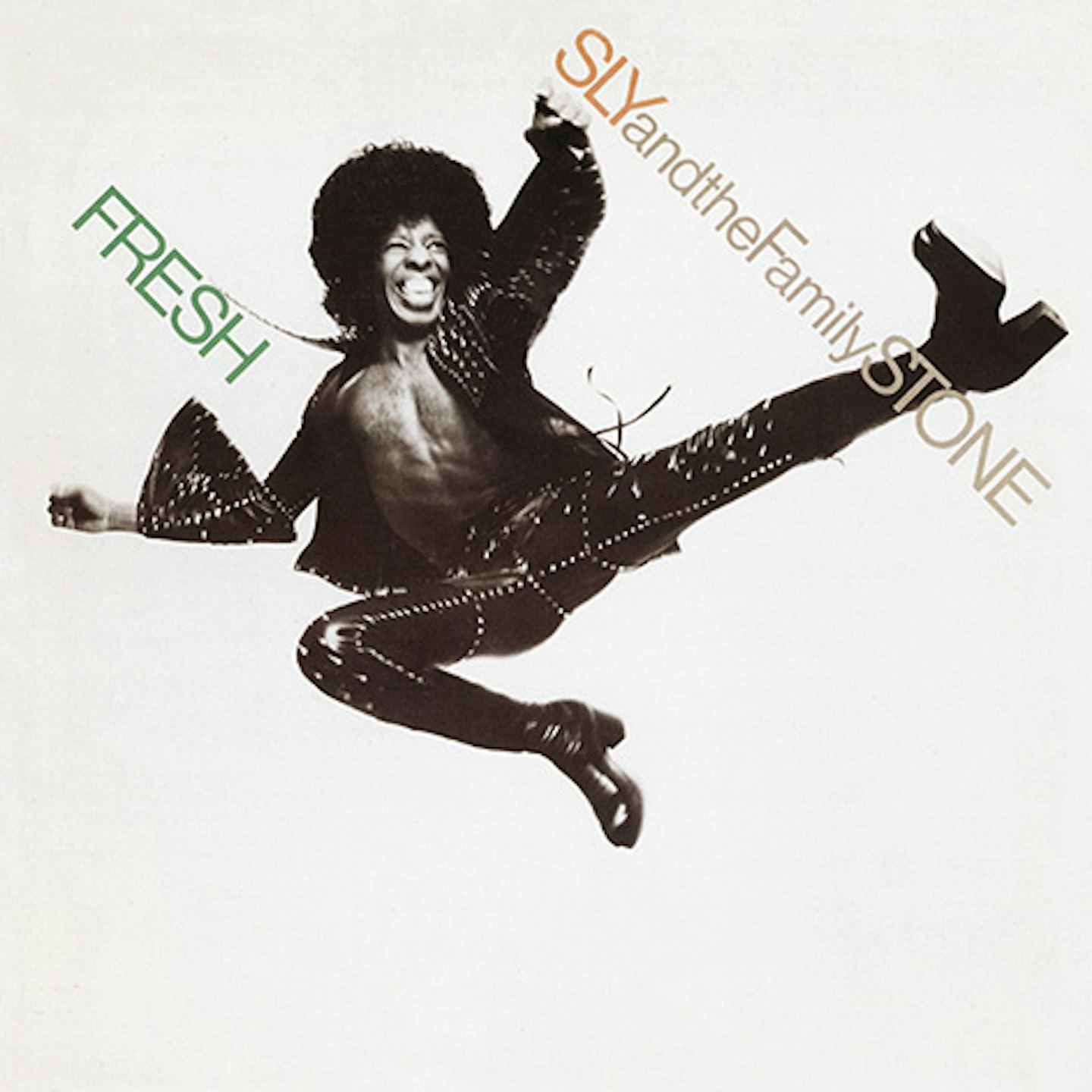
Sly And The Family Stone – Fresh (Epic, 1973)
The Larry Graham/Greg Errico rhythm section had left in the fall-out from the heavy drug scene coalescing around Sly, and this broadly self-referential set of songs that followed is an honest portrait of the state he’s in. “Put a little tickle on the jones’s head/Turn off the light and go to bed,” he sings in “Frisky”. There may be hope in “Thankful ’N’ Thoughtful”, but a Doris Day cover, “Que Sera, Sera (Whatever Will Be, Will Be)“, and “If You Want Me To Say” suggest Sylvester Stewart had his hat and coat on and was ready to turn off the studio lights after making this final essential LP. Richard Avedon’s cover shot of Sly’s energetic ‘leap’ is misleading. He was actually prone, laying down flat on a glass table. All the signs were there.
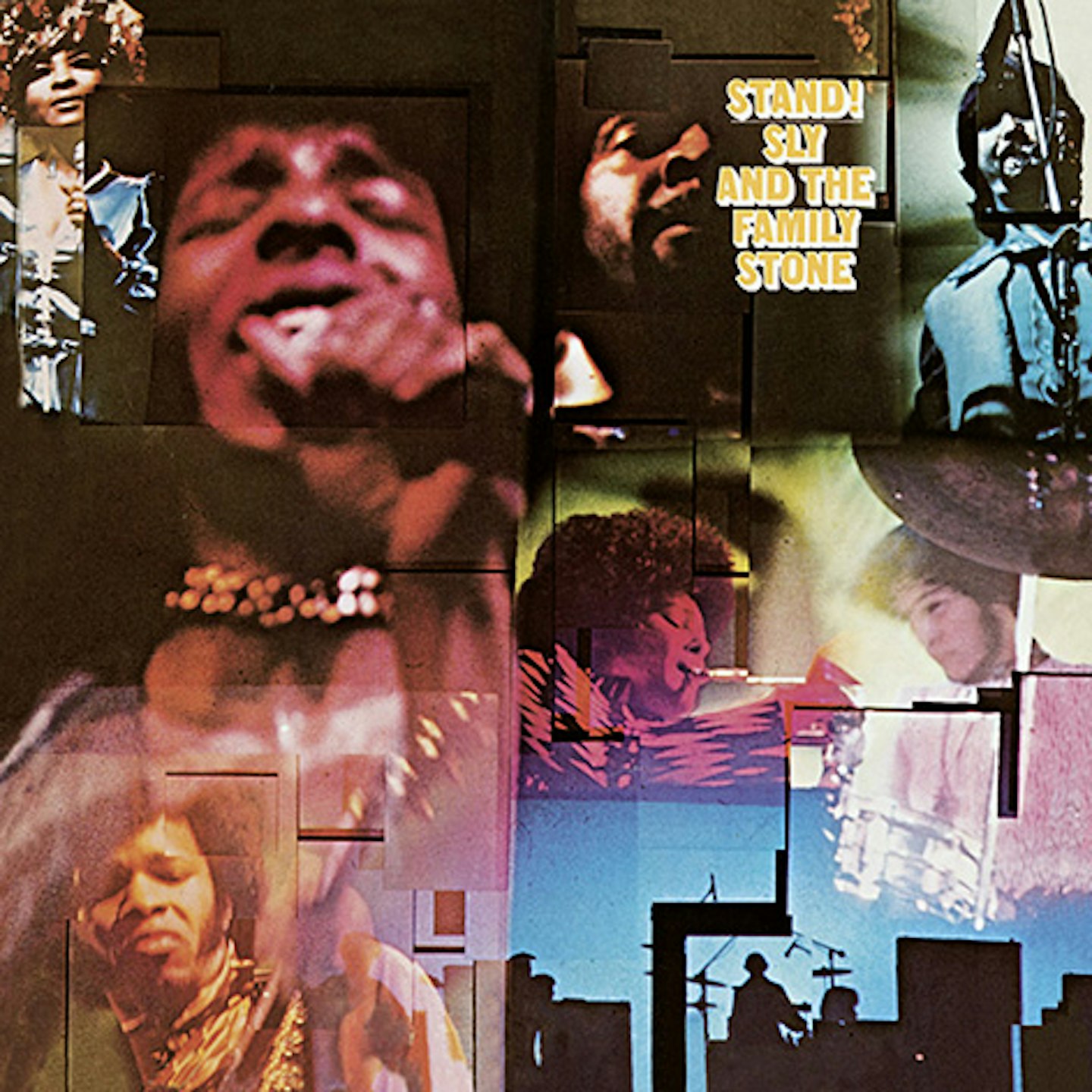
Sly And The Family Stone – Stand! (Epic, 1969)
The first five-star album in Sly’s briefly productive, starkly parabolic career. Highlighted by its anthemic hits which emphasise the multiracial, men-women nature of the band – the drive of “I Want To Take You Higher”, the Number 1 hit “Everyday People, Sing A Simple Song” and the uprightly defiant title track – “Stand!” also boasted successful experimental tracks, notably two which lean on treated vocals – “Don’t Call Me Nigger, Whitey”, a fine funk workout, and the 13-minute “Sex Machine”, essentially a band instrumental.
On stage, the band were phenomenal, with appearances at both Woodstock and Monterey Pop giving them instant credibility, but by the mid-70s a litany of cancelled shows, disrupted tours and terminal drug abuse had rendered the band all but unemployable, with an erratic Stone battling both addiction and mental health issues.
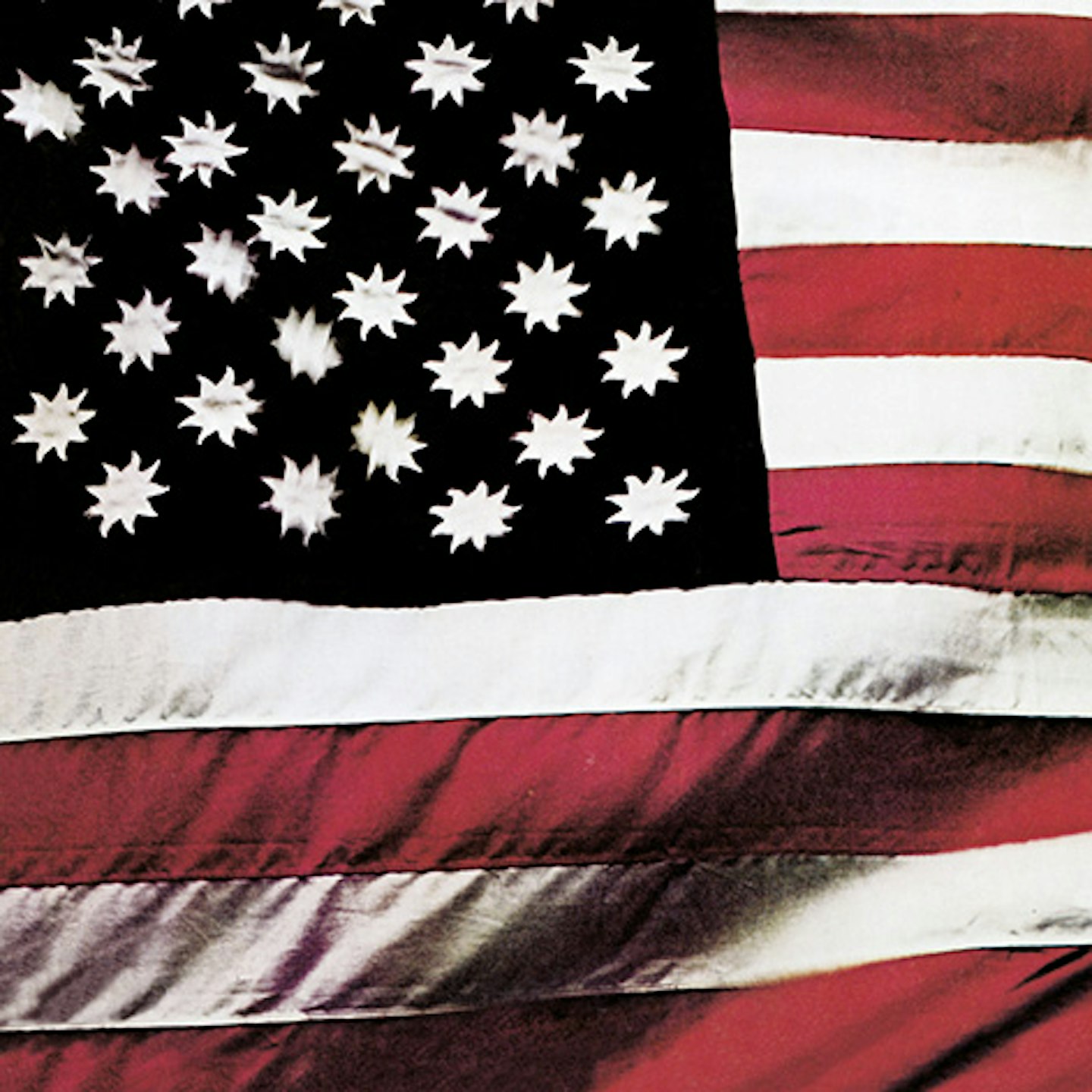
Sly And The Family Stone – There’s A Riot Goin’ On (Epic, 1971)
Where have all the good times gone? Recorded during reclusive, obsessive and drug-fuelled sessions in a Bel Air mansion, Sly’s riposte to his own hi-energy successes, “Stand!”, Woodstock triumph, Number 1 hit “Thank You (Falettinme Be Mice Elf)” – was this masterpiece. It has some of his catchiest melodies “Family Affair”, “Just Like A Baby”, “Runnin’ Away”, but muddier, grittier rhythm tracks bubble on a mesh of guitar-bass-keyboards-synths under which lurks muted anger “Africa Talks To You”, defiance “Brave & Strong” and drug paranoia “You Caught Me) Smilin”. ”I’m a songwriter, a poet,” he sings in “Poet”, not a spokesman for a nation’s generation despite a Stars And Stripes cover.
The last interview Stone gave was in 2007, although he surprised many by publishing a memoir, Thank You (Falettinme Be Mice Elf Agin), in 2023. And this year, Sly Lives! (aka The Burden of Black Genius), a movie directed by the Roots drummer and Tonight Show bandleader Questlove, was released to great acclaim. It was a film he deserved.
 The Fat Angel Sings