


For most of the first decade of her career, which began as a lo-fi rising star on the famed New York indie label Matador Records, Cat Power’s mental health struggles had been reported on ad nauseam, often with a judgmental strain typical of the 1990s. She regularly suffered from stage fright as a performer and had a tendency to go off script a tad, sometimes mumbling through lyrics with her back to the crowd or just walking off without warning. Her fans, though, were unusually understanding and supportive for the most part, probably because Chan Marshall’s music was the type that cuts deeper with the empathetic, the introspective, and the vulnerable.
Yes, Marshall has always been a complicated artist best suited for deliberate, reverberating, minor chord confessionals, but she’s also funny, playful, and unashamed (or unaware) of her own coolness. Cat Power was originally the name of her first band, but has become her stage name as a solo artist. The constant evolution of Cat Power’s sound, with a mix of punk, folk and blues on her earliest albums, and elements of soul and other genres more prevalent in her later material.
After opening for Liz Phair in 1993, she worked with Steve Shelley of Sonic Youth and Tim Foljahn of Two Dollar Guitar, with whom she recorded her first two albums, A total of 20 songs were recorded in a single day by the trio, all of which were split into two records, making up “Dear Sir “(1995) and “Myra Lee” (1996), on the same day in 1994.
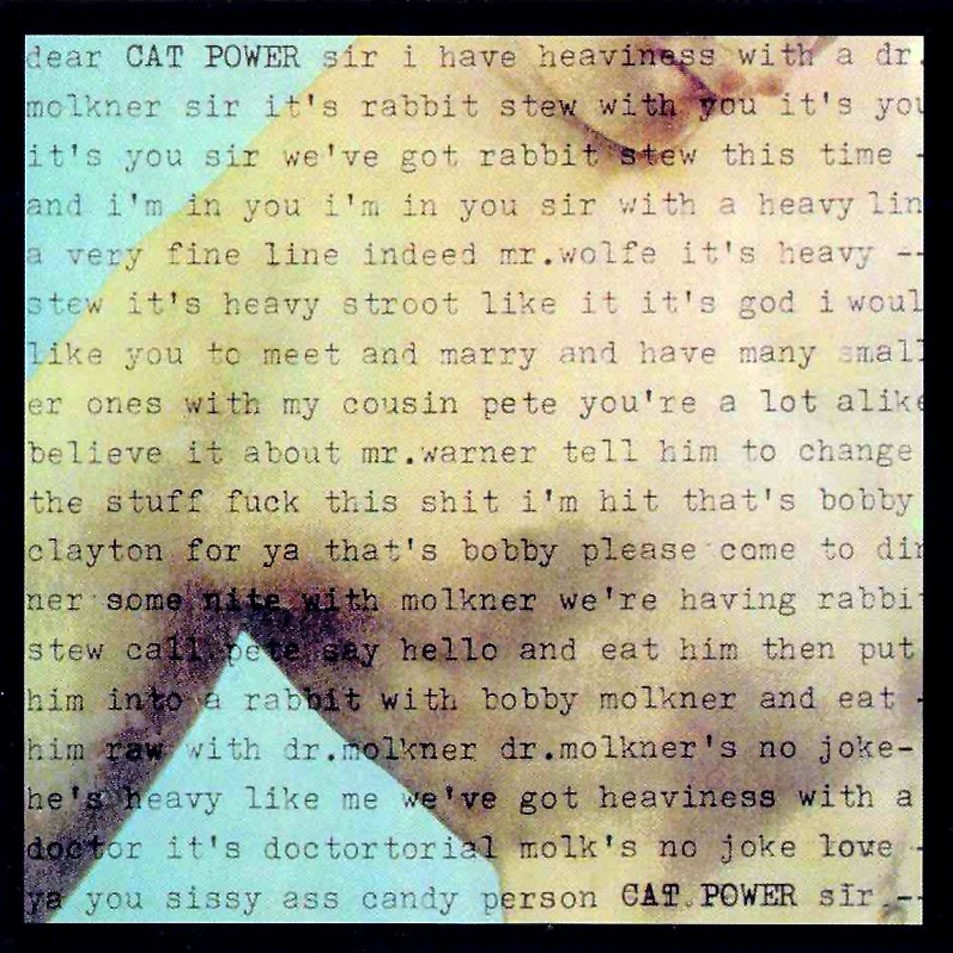
Although “Dear Sir” is considered Marshall’s debut album, it is more the length of an EP. Cat Power’s first full-length release, “Dear Sir”, spotlights Chan Marshall’s demanding but rewarding song writing. Her distinctive blend of blues, country, folk and punk creates songs like the dark, noisy “Itchyhead” and “Rockets,” which mixes tension and hope, and tops it with Marshall’s earnest, expressive vocals. Though the album needs the listener’s complete attention, “Dear Sir” more than keeps it with nine of Marshall’s searching meditations on life.
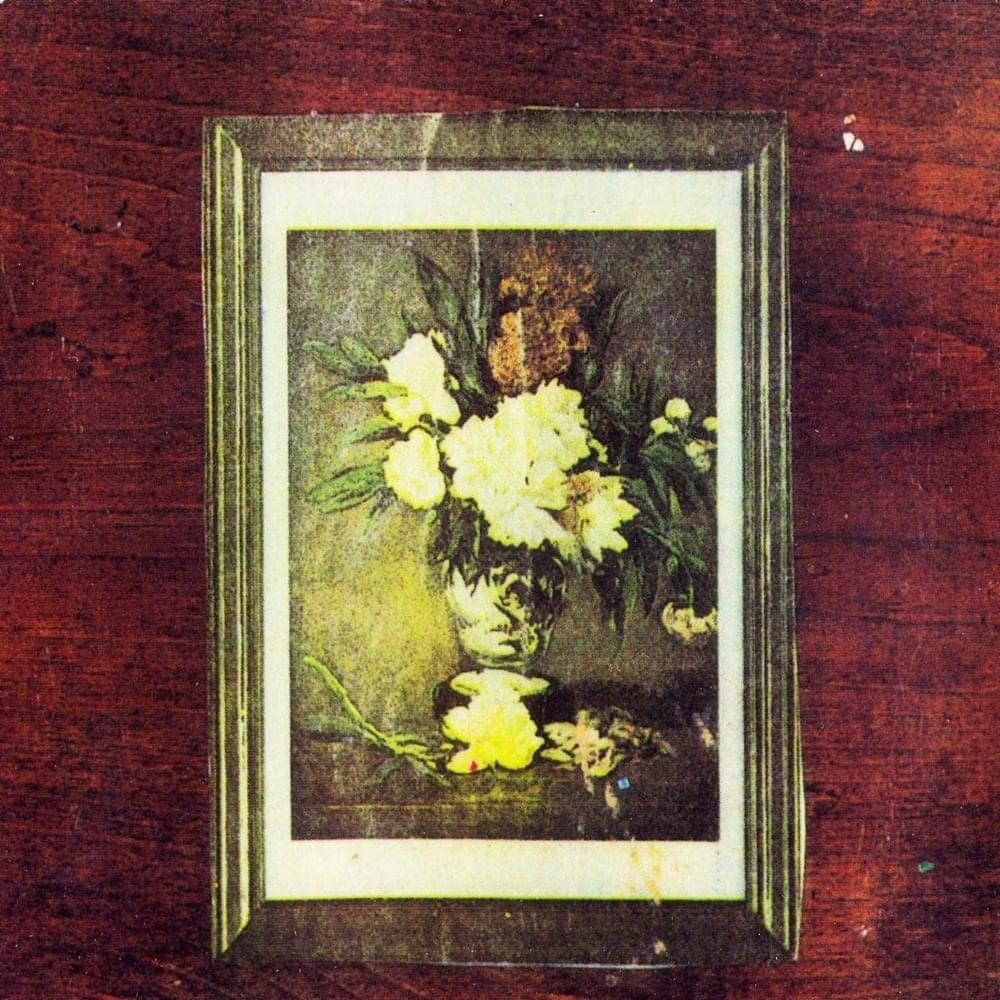
The 1996 album “Myra Lee” presents a more diverse and fully developed version of Cat Power’s music, ranging from the winding, acoustic menace of “Enough” to the sinewy rock of “We All Die.” Introspective epics like “Great Expectations,” “Faces,” and “Wealthy Man” use churning tempos and spiralling guitars to convey Chan Marshall’s melancholy musical vision, but gentler songs like the trembling cover of Hank Williams’ “Still in Love” and originals like “Top Expert” and “Ice Water” are parts of the picture as well, adding warmth and roundness to the album. As always, Marshall’s yearning voice lends extra emotion to her songs, whether it’s her clear, soaring vocals on the new version of “Rockets” or her distant, half-heard moans on the final track, “Not What You Want,” which sounds genuine to the point of eavesdropping. This raw, overheard sound infuses “Myra Lee” with a sonic honesty that matches the album’s heartfelt song writing.

After she signed with Matador Records, and released a third album of new material with Shelley and Foljahn, “What Would the Community Think”. The album was produced by Shelley and again featured Shelley and Foljahn as backing musicians, and spawned a single and music video, “Nude as the News” about the abortion she had at the age of 20.
‘Nude as the News’ For many people, this was the entry point into the Chan Marshall experience. It’s from the 1996 album “What Would the Community Think”, which is actually the third Cat Power studio album, but one that came hot on the heels of her first two releases, “Dear Sir” and “Myra Lee”. This was the best song she’d written up to this point and fit very snuggly among the other Matador Records heroes of the moment, including the aforementioned Phair (before her venture into pure pop), as well as Pavement and Guided By Voices.
As for the fiery lyrics: “Jackson, Jesse, I’ve got a son in me / And he’s related to you / He’s related to you / He is waiting to meet you.” For a long time, it wasn’t clear what metaphor vs reality was here and whether it mattered. But Marshall did eventually reveal that the song was inspired by an abortion she’d had at the age of 20, and thus, the reality did matter quite a bit.
Unlike some of her “cool” Matador label-mates, who were content to leave every lyrical choice open to interpretation, Cat Power seemed compelled to tear down any barriers of artifice in what she was doing. As a result, her fans usually connected with her songs on a much more personal level.
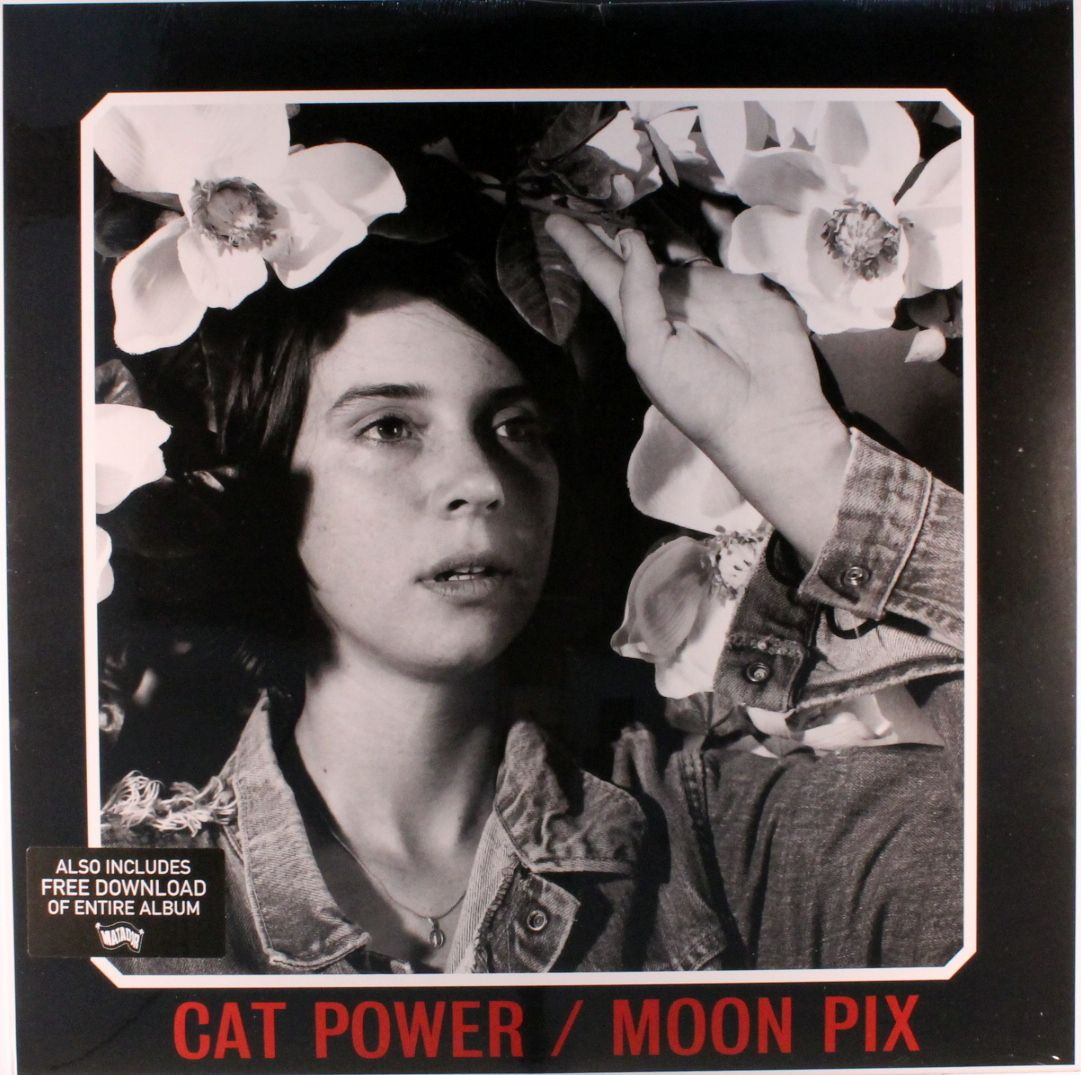
Where her previous works were an urgent, aching mix of punk, folk, and blues, “Moon Pix” is truly soul(ful) music: warm, reflective, complex, and cohesive. For this album, Marshall moved the recording sessions for the album to Australia
Marshall had relocated with her then-boyfriend, musician Bill Callahan, to a rural farmhouse in Prosperity, South Carolina. After experiencing a hypnogogic nightmare while alone in the farmhouse, Marshall wrote six new songs that would go on to make up the bulk of her following album, The critically acclaimed “Moon Pix” released in 1998, Her voice, of course, is the singularity, even as it has evolved from the whispery, yearning mystery of the early records to the wiser, smokier confidence of the later ones. “Moon Pix” was well received by critics, and along with an accompanying music video for the song “Cross Bones Style”, helped her gain further recognition.
‘Cross Bones Style’ The visuals from the music video, directed by Brett Vapnek, are hard to separate from the tune at this point, but it doesn’t hurt that no one has ever looked cooler on film than Chan does on here, sort of casually head-bobbing her way through the whole thing like the girl at the party that is DJing later and does not suffer fools (the video was supposedly inspired by Madonna’s ‘Lucky Star’ video from 1983… but it kind of feels more like a post-apocalyptic parody of it).
Marshall has said that ‘Cross Bones Style’ was written after she met two children in Africa who were forced to sleep in trees at night after their parents, involved in the diamond mining trade, had been murdered. Then again, the song has also been grouped in with several others from “Moon Pix” that Chan reportedly wrote in the immediate aftermath of a fever dream she had one night at a farmhouse in South Carolina. Whatever the inspiration, the song is certainly dreamlike and hypnotic, with a haunting chorus that hints at mighty Cat Power feats still to come.
From the backwards drum loop on “American Flag” (borrowed from the Beastie Boys’ “Paul Revere”) to the fluttering, smoky flutes on “He Turns Down” to the double-tracked vocals and crashing thunderstorms of “Say,” “Moon Pix’s” expressive arrangements mirror the songs’ fine emotional shadings. Marshall is sunny on the quietly hopeful “You May Know Him,”
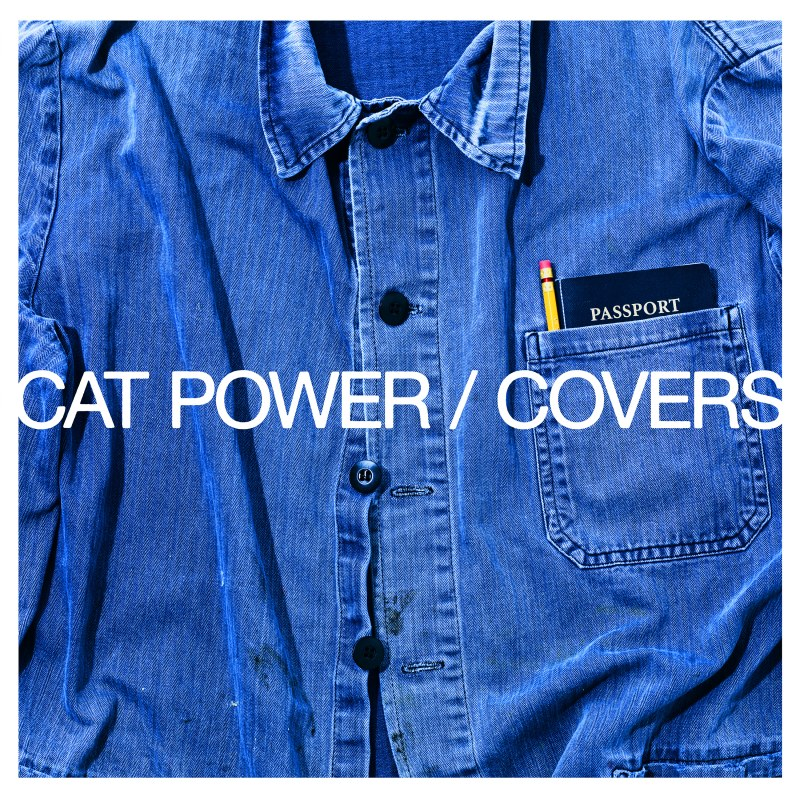
It’s why she’s spent half her career as a covers artist, “The Covers Record” (2000), a collection of sparsely arranged cover songs recorded with members of Dirty Three, On the “The Covers” Record, Chan Marshall continues her evolution into a remarkably expressive interpreter of songs; her earlier covers of Pavement’s “We Dance” and Smog’s “Bathysphere” are among her most distinctive performances. This collection includes songs originally by Bob Dylan, the Rolling Stones, the Velvet Underground, Moby Grape, Michael Hurley, and Anonymous. Marshall’s sparest album yet, “The Covers” Record uses guitar and piano as the only foils for her malleable, emotional voice. These tools are more than enough to turn the Stones’ anthem “(I Can’t Get No) Satisfaction” into a bluesy, slinky version emphasizing the song’s tension and frustration as much as its jaded sexiness, and “Kingston Town” from a reggae standard into a hymnal reflection. Marshall’s gentle version of Hurley’s “Sweedeedee” and plaintive reading of the Velvets’ “I Found a Reason” recall the quietest, most spiritual moments from “Moon Pix”.
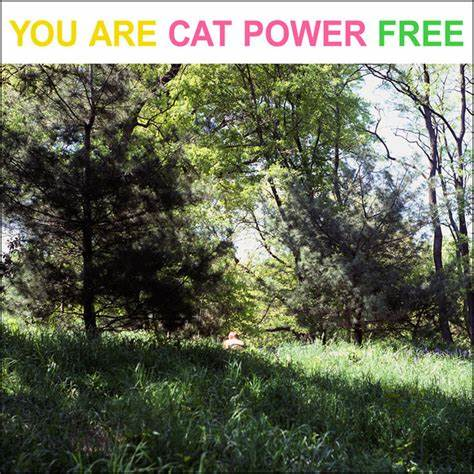
The track ‘He War’ “I’m not that hot new chick / And if you won’t let me run with it / We’re on to your same old trick.” Appearing on 2003’s “You Are Free” album, ‘He War’ is a bitter breakup song with a 1993 Liz Phair-ish guitar lick but a very 2000s vocal style. The cadence of the quoted bit above, in particular, reveals Chan’s longtime love of a good hip-hop couplet, delivered with the appropriate F-U attitude of a Missy Elliott chorus.
The music video for ‘He War’, directed by Brett Vapneck, makes some interesting choices, too, showing the demise of the singer’s relationship not through the usual miming of fights or tears but through a beach holiday spent an arm’s reach apart.
“You Are Free” (2003), her first album of original material in five years featuring guest musicians Dave Grohl and Eddie Vedder, Additionally, she performed eleven covers during a Peel session broadcast on June 18th, 2000, that included own interpretations of Bob Dylan’s “Hard Times in New York Town” and Oasis’s “Wonderwall”.
Cat Power can be pretty funny and light-hearted, To explain how serious ‘Maybe Not’ sounds, consider that The National took a shot at covering the song in 2017, and even they didn’t have the gravitas to get it quite right.
The standout track on “You Are Free”, ‘Maybe Not’ is a worshipless hymn—a meaning-of-life duet sung by duelling angels (Chan harmonising with herself), seemingly pleading with another lost soul to turn toward something more hopeful, even if they have to create a new path from scratch: “Listen to me, don’t walk that street / There’s always an end to it.”
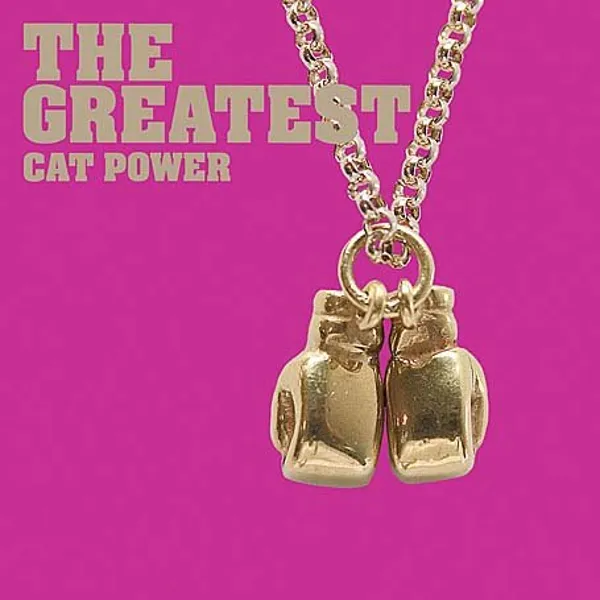
It was followed then by the soul-influenced “The Greatest” (2006), recorded with numerous Memphis studio musicians. Unlike her previous releases, which featured sparse guitar and piano arrangements, “The Greatest” was described by Marshall biographer Sarah Goodman as her first “full-blown studio record with sophisticated production.
‘Lived In Bars’ I considered selecting the title track from 2006’s “The Greatest“, but pretty as it is (and popular; it has by far the most streams of any other song on the record), ‘The Greatest’ is sort of a grand reconfiguration of ‘Moon River’, and a bit less interesting than this song, which starts out as a typical sort of slow, sad Chan ballad before left-turning into one of the warmest tunes in her entire catalogue, greatly aided by the presence of the Memphis Rhythm Band.
‘Living Proof’ A favourite song from “The Greatest” There was the feeling that you were seeing Cat Power as something entirely new, the latest exciting signing to the Stax label circa 1966. ‘Living Proof’ is a perfect soul anthem and probably the most feel-good song Marshall has yet written.
And yet, at the same time, it’s also defiant, strong-willed, not taking shit. Where once a younger Cat Power might have been asking for living proof and leaving it at that, she is now providing the response to her own call. “You’re supposed to have the answer / You’re supposed to have living proof / Well I am your answer, I am living.”
Matador released the DVD film “Speaking for Trees“, which featured a continuous, nearly two-hour static shot of Marshall performing with her guitar in a woodland. The set was accompanied by an audio CD containing the 18-minute song “Willie Deadwilder”, featuring M. Ward also on guitar
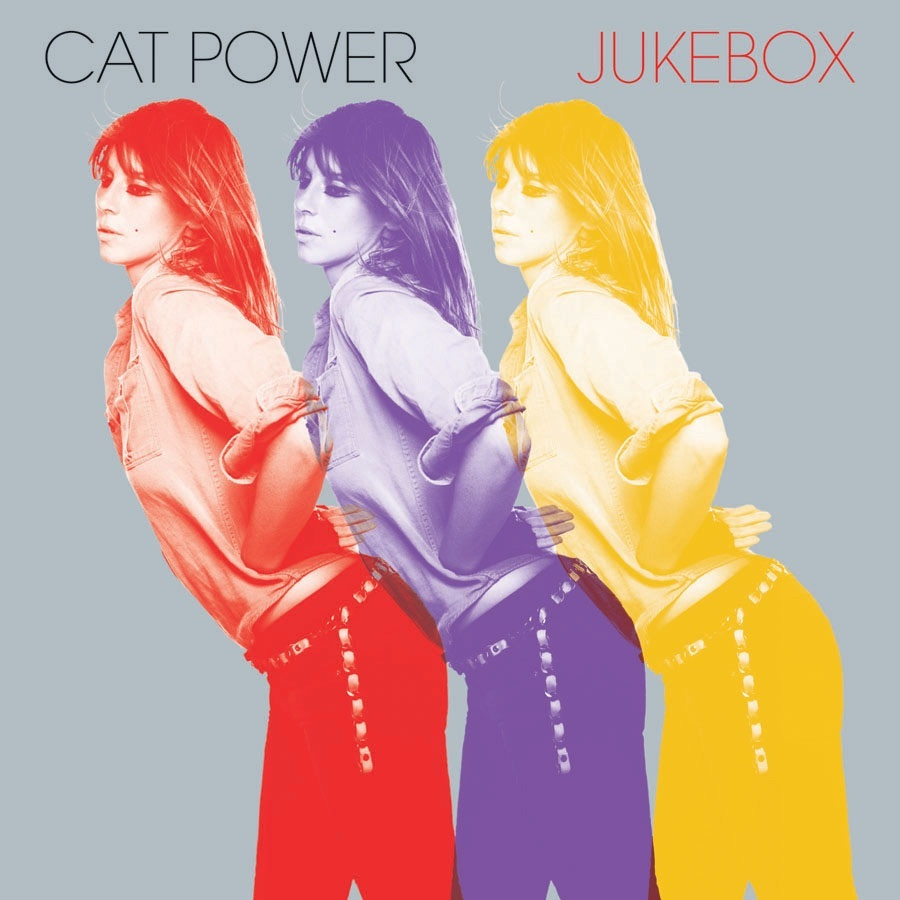
A second album of cover tracks, “Jukebox”, was released in 2008. Recorded with her recently assembled “Dirty Delta Blues Band”, which consisted of Judah Bauer from the Blues Explosion, Gregg Foreman of The Delta 72, Erik Paparazzi of Lizard Music and Jim White of Dirty Three, the album featured the original song “Song to Bobby”, Marshall’s tribute to Bob Dylan, and a reworking of the “Moon Pix” song “Metal Heart”.
‘Metal Heart’ is an enduring fan favourite among the Cat Power lifers, ‘Metal Heart’ is fairly unique in that it’s been recorded by both the green and seasoned versions of Chan Marshall, first on her 1998 record “Moon Pix” and then ten years later on “Jukebox”. The original scattershot guitar version is among the sadder songs of the entire 1990s, a trusted mixtape closer for a soon-to-be ex: “How selfish of you / To believe in the meaning of all the bad dreaming.”
The 2008 self-cover is no less sad but decidedly less resigned to staying in that state perpetually. Marshall sounds a bit more pissed off than crushed, and the accompaniment is now driven by confident piano chords and some more refined electric guitar embellishments. When she sings, “I once was lost, but now I’m found / Was blind, but now I see you,” the older, wiser Cat Power is slamming a door and walking away, not collapsing into a heap. Hearing the two versions back to back is really more powerful than hearing either on its own.
There’s a reason every Cat Power fan finally decided to try introducing their parents to her music through this album. It’s mature, it’s melodic, it’s palatable, but it’s not remotely a sell-out attempt or a reach beyond her comfort zone. It’s just sad to think that this album was recorded during a difficult period in Marshall’s life, considering what a wonderful, life-affirming listen it remains almost 20 years later.
Chan also released “Dark End of the Street”, an EP consisting of songs left over from the Jukebox sessions.

In 2012 she released Marshall’s ninth studio album the self-produced “Sun”, The album features prominent electronica elements and arrangements, which Marshall incorporated into the “really slow guitar-based songs” she had originally written Consequence of Sound, “Sun” was praised as a unique album and received a four-star rating.
‘Manhattan’ This 2012 track isn’t your typical New York City anthem, although it does evoke the sense of a city that’s still humming a bit at 3am. The rhythm, punctuated by just a few recurring notes on the piano, is not energised but definitely mesmerising, as Marshall repeats that “you’ll never be, never be, never be “Manhattan” probably because you can’t afford to live there anymore.
“There’s this beautiful Langston Hughes poem about the Statue of Liberty—or that mentions the Statue of Liberty,” Cat Power explained “I’d had this song in my head for a long time.” The piece is a tribute to both the legendary poet and her own ideas of what the word “liberty” means in the modern hyper-capitalist context.
“Ruin” The lead single from “Sun”, released in 2012, ‘Ruin’ is the only track on this album to feature a backing band (the Dirty Blues Band), as Marshall opted to play all the instruments on the other songs, not feeling like the full band sessions had clicked.
If the rest of the Dirty Blues Band recordings sounded remotely as good as ‘Ruin’, it’s hard to imagine why they were scrapped, but alas, we were all wise enough by this point to trust in Cat Power’s better instincts. And she did at least recognise that this song deserves its place on “Sun”, serving as a nice companion piece to ‘Manhattan’.
Where the latter is locked into the mythology of one specific place, ‘Ruin’ is a travelling song, name-checking a dozen destinations over a skittery, slightly unnerving piano line; you imagine Marshall looking out the window of a tour bus in Soweto or Calcutta and reflecting back on that apartment back in Manhattan; the trivial annoyances of the young American urban professional: “Bitching, complaining and some people ain’t got shit to eat.”
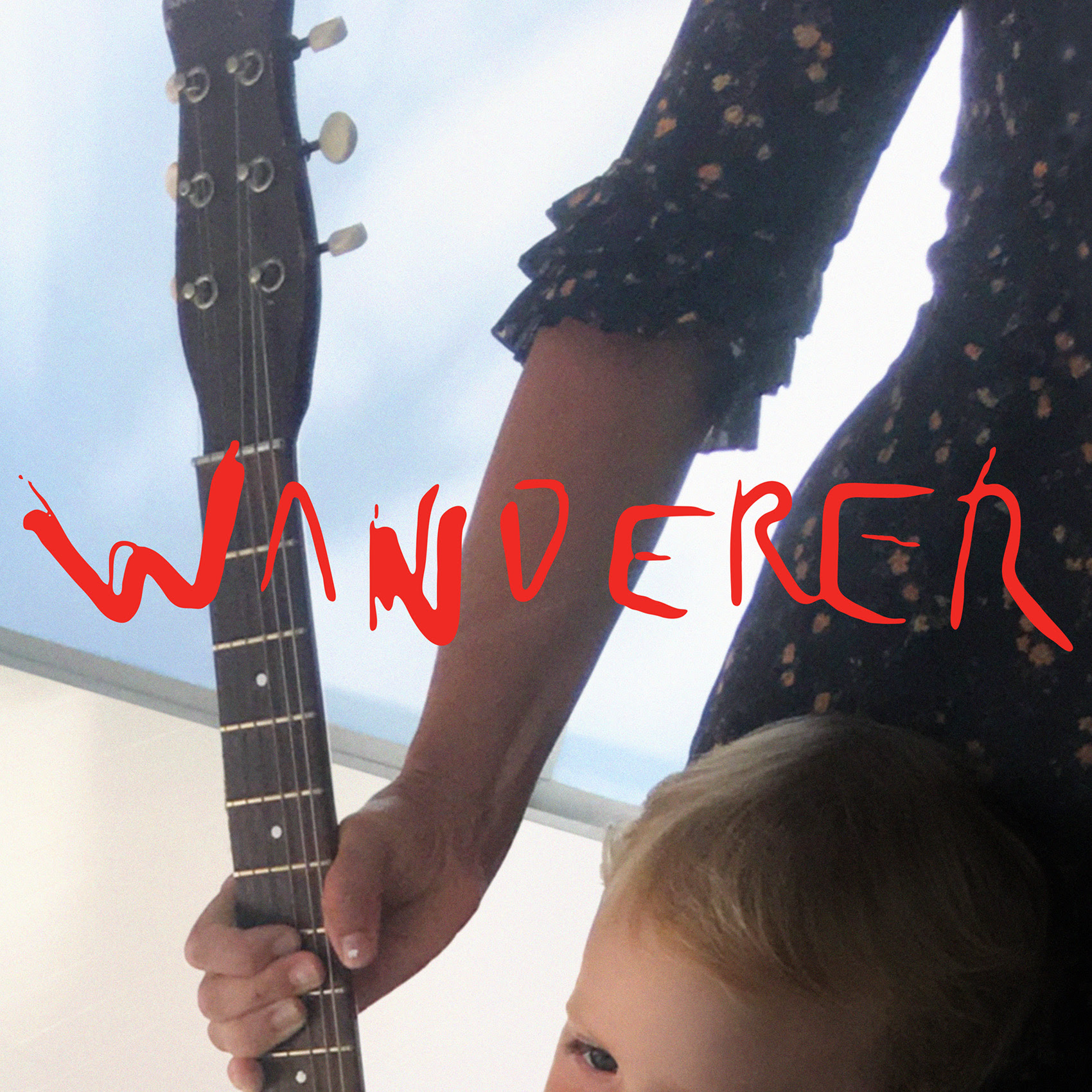
After twenty-two years with Matador, Cat Power left them and signed with Domino records a year later for her 10th studio album, “Wanderer”, It was her first to not be released on Matador Records since 1996. According to Marshall, Matador were not happy with the recordings for “Wanderer”, they wanted her to re-record it and make it sound more commercial.
Cat Power’s Chan Marshall releases albums so infrequently that when they arrive, they’re an event — and the six years between “Sun” and “Wanderer” were certainly eventful for her. Creative differences with her longtime label Matador led her to release “Wanderer” on Domino Records. These are the kind of life-changing events that, with any luck, make a person stronger. If “Wanderer” is anything to go by, Marshall must be unstoppable.
“Black” Our lone selection from 2018’s very good “Wanderer” album. This one has all the earmarks of an overlooked gem with a long shelf life ahead of it. “Wanderer” generated most of its press from Chan’s angry break with Matador Records, her overdue collaboration with Lana Del Rey (‘Woman’), and a cover of ‘Stay’—a song that always sounded like Rihanna was covering a Cat Power song to begin with.
‘Black’, though, is just a wonderful haunting folk number about death, plain and simple, starting right out of the gate with Marshall summoning the image of “La grande faucheuse”, the angel of death in French mythology. The lyrics revisit those dark days from her past and the people who helped her through, some of whom then couldn’t save themselves: “How was I to know “Black” would have turned from me to you?”

Marshall released her first live album in November 2023, With the project, “Cat Power Sings Dylan: The 1966 Royal Albert Hall Concert”. Chan’s recreation of the Bob Dylan 1966 concert at Manchester Free Trade Hall, although early bootlegs mislabelled the concert as being recorded at the Royal Albert Hall.
“Cat Power Sings Dylan: The 1966 Royal Albert Hall Concert,” on which she looks back at the beginning of the “revolution” sparked by the man she calls “God Dylan.”
“Bob [Dylan]’s lyrics taught me how to have critical thinking, because I was always trying to figure out what he was talking about,” says Chan Marshall, a.k.a. Cat Power.
Recorded last November at London’s Royal Albert Hall, “Cat Power Sings Dylan” documents Marshall’s song-by-song re-creation of a storied gig Bob Dylan played at age 24 on May 17th, 1966 — the performance where he so scandalized an audience of British folk purists that one of them called him Judas for having committed the sin of going electric.
“It’s one of the great moments in rock ’n’ roll history,” which actually took place at the Manchester Free Trade Hall but became known as the Royal Albert Hall concert due to a mislabelled bootleg. “And not just in the heads of Dylan freaks. This was really a time when something shifted in the culture.”
Dylan — then touring Europe with the Hawks (later known as the Band) between the release of “Highway 61 Revisited” and “Blonde on Blonde” — met the “vehemence of the left-wing folkies” with his own righteous indignation. “I don’t believe you,” Dylan famously replied to the cry of “Judas,” adding, “You’re a liar,” before turning to his band and telling the musicians, “Play it f—ing loud!” Those songs are what Marshall, who’d been booked at the historic London venue, wanted to showcase by replicating the legendary concert, which divided 15 now-classic Dylan tunes — including “Visions of Johanna,” “Mr. Tambourine Man,” “Like a Rolling Stone” and all 10 verses of “Desolation Row” — into halves: the first acoustic folk, the second electric rock. That she’d be doing it in the location where the original happened only in myth provided an appropriately Dylanesque layer of obfuscation.
“Bob’s lyrics taught me how to have critical thinking, because I was always trying to figure out what the f— he was talking about,” says Marshall, we’re going to keep the focus on Chan Marshall, plucking a selection of her original tracks spanning the past 30 years.
The albums:
- Dear Sir (1995)
- Myra Lee (1996)
- What Would the Community Think (1996)
- Moon Pix (1998)
- The Covers Record (2000)
- You Are Free (2003)
- The Greatest (2006)
- Jukebox (2008)
- Sun (2012)
- Wanderer (2018)
- Covers (2022)
- Cat Power Sings Dylan: The 1966 Royal Albert Hall Concert (2023)
‘Living Proof’ A favourite song from “The Greatest” There was the feeling that you were seeing Cat Power as something entirely new, the latest exciting signing to the Stax label circa 1966. ‘Living Proof’ is a perfect soul anthem and probably the most feel-good song Marshall has yet written.
And yet, at the same time, it’s also defiant, strong-willed, not taking shit. Where once a younger Cat Power might have been asking for living proof and leaving it at that, she is now providing the response to her own call. “You’re supposed to have the answer / You’re supposed to have living proof / Well I am your answer, I am living.”
 The Fat Angel Sings