

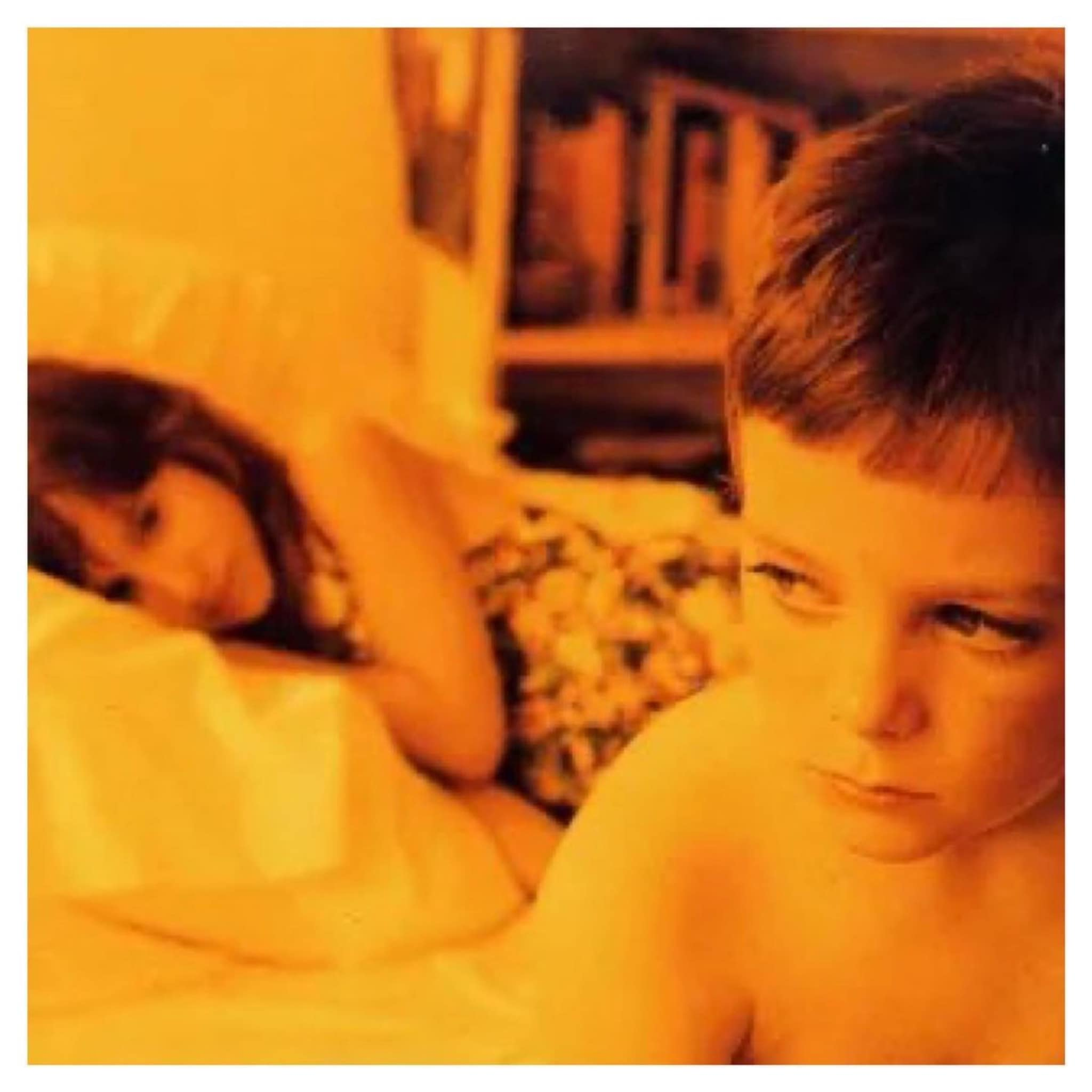
“What should I tell her? She’s going to ask…” These words, are murmured by frontman Greg Dulli over a slithering, tendril guitar line like a snare tightening around its prey, open “Gentlemen”, the bands third album by the Afghan Whigs. Part-confessional, part-boast, part-catharsis, the album is as bleak and unforgiving an examination of love, lust, addiction and oblivion as the 1990s ever delivered.
What, then, does Dulli tell “her”, and also us? Only everything. Only every little black morsel of his heart, soul and groin. Only every little trick his brain knows to sell his ass to you, and how it feels the next morning, when he finds himself lying next to the latest victim of his narcotic charm, the harsh light of day leaving no scrap of cover for his shame and remorse. Context isn’t everything, but sometimes it’s important. In 1993, the year of “Gentlemen’s” birth, the grunge wave was peaking. Two years earlier, Nirvana’s “Nevermind” had crashed into the mainstream,
We initially finished recording “Gentlemen” in May of 1993 but after I went back to Memphis that June to remix “What Jail Is Like” and “Debonair”, the release was pushed back a month to October. We all loved the record and were excited to go out and play it live. We toured it for a year straight and life was never the same. From the clattering introduction as John and I drove across the Roebling suspension bridge to the sun shining through the trees at the end of Brother Woodrow, we delivered on the promise of “Congregation” with the best record we knew how to make.
Afghan Whigs were different. Though previously signed to grunge’s signature imprint, Sub Pop, they hailed from Cincinnati. Dulli might occasionally have sprouted a hideous, ‘stache-less chin-beard as the era dictated, but he and his Whigs dressed sharp: shirts with collars, shoes you couldn’t wear on a basketball court, and the general ambience they might have stepped out of the frame of a Tarantino movie. And while their guitars often stirred much angst, like an infernal tornado of turbulence, their frame of reference was crucially adrift from their labelmates.
The Whigs: with their final Sub Pop release, 1992 covers EP “Uptown Avondale”, essayed tunes by Al Green and Percy Sledge, along with an acrid version of Freda Payne’s Band Of Gold, and a take on The Supremes’ ‘Come See About Me’. This EP wasn’t a one-off; included among the bonuses on the deluxe reissue of “Gentlemen” is a former B-Side, a live medley of The Supremes’ ‘My World Is Empty Without You’ and ‘I Hear A Symphony’ that correctly identifies the songbook of Motown bards Holland/Dozier/Holland as some of the heaviest, darkest, most emotional tuneage in music.
“Gentlemen’s” lyric sheet also set the Whigs far apart from others of their era. Dulli’s tales were blunter, darker, more adult. “Gentlemen” is an album about sex, and sometimes love; about the tangle, the aftermath, the gratification and then the recrimination. Romance, at least in any corny sense, is absent.
“Love” in the world of “Gentlemen” is a twisted and complex and contradictory thing, and sometimes Dulli’s purposefully evading it, in search of baser and more immediate pleasures. “Be Sweet” could be a signature song, of sorts. It’s the calling card of some kind of pick-up artist, back before celebrity creep.
Afghan Whigs would follow “Gentlemen” three years later with a more ambitious but less satisfying opus, “Black Love”, and 1998’s “1965”, their most accessible album yet, which nevertheless prefigured their split. Recently they reformed, delivering a comeback album, last year’s “Do To The Beast“, which in no way dishonoured that which had come before. In the interim, Dulli formed a new outfit, The Twilight Singers, though their subject matter, and their soulful, dark music, was strongly familiar.
The love that folks had and still have for it will never cease to make me smile. Happy 30th anniversary, old friend. I’ll never forget any of it. –Greg Dulli
 The Fat Angel Sings
Beautiful write up of a magnificent, human and messy album. Delicious.