

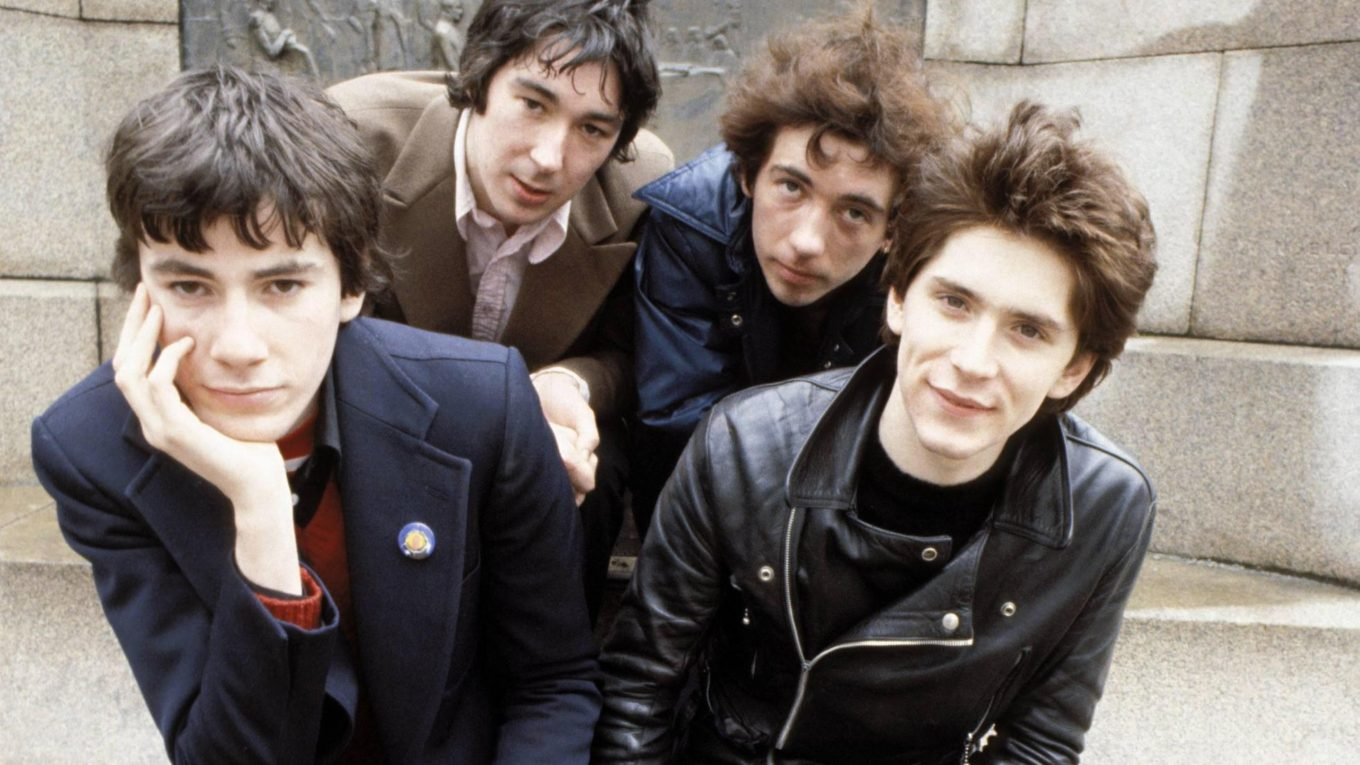
Buzzcocks are an English punk rock band formed in Bolton, England in 1976 by singer-songwriter-guitarist Pete Shelley and singer-songwriter Howard Devoto. Read on Why Buzzcocks are the best first-wave punk band, Arguably the most boundary-pushing act of the first wave of British punk, from their music to setting up one of the first independent record labels, and even their instrumental role in bringing the Sex Pistols to Manchester – a night credited with kicking off the city’s musical boom – many aspects bolster this argument. Without Buzzcocks, punk and broader alternative music today, would lack some defining factors. This indicates just how important Buzzcocks were.
Buzzcocks were officially formed in February 1976 by college friends Howard Devoto and Pete Shelley. This pair travelled down to London to see the buzziest band of the day, Sex Pistols, and organise for them to play at Manchester’s Lesser Free Trade Hall in June 1976, one of the most consequential nights in modern British culture. They also intended to perform at this show, but Devoto and Shelley’s bandmates dropped out.
The band eventually got their wishes, and after recruiting bassist Steve Diggle and drummer John Maher, they made their debut performance opening for Sex Pistols when they returned to Manchester for their second show in the city in July. Things moved quickly, and Buzzcocks were now vital to a burgeoning movement.
By the end of 1976, Buzzcocks had found their rhythm, and they recorded the four-track EP “Spiral Scratch”, which arrived in January the following year. Produced by future Factory Records alumnus Martin Hannett, it arrived on Buzzcocks’ New Hormones label, meaning they were one of the first punk groups to establish an independent record label, second only to The Saints and Fatal Records, created to release ‘(I’m) Stranded’.
There is not much to say about ‘Breakdown’, a track taken from the “Spiral Scratch” EP. It features Howard Devoto on vocals and Shelley on guitar. It is plainly a brilliant punk song, fast, but melodic. It is an all-encompassing romp that spans under two minutes.
Retrospectively, it serves as a blueprint for the burgeoning punk scene, featuring Devoto’s quick, sardonic lyrics, and with its punchy BPM, it really paved the way for the more visceral, angular styles of punk that exist today.
This also saw the group insert themselves further into the story of punk, with the song ‘Boredom’ coherently explaining the movement’s rebellion against the man. Additionally, the band demonstrated their genuinely artistic edge on the record, with the minimalism of the two-note solo in ‘Boredom’ the pinnacle of this, averting the established tradition of this guitar part.
‘Boredom’ is one of Buzzcocks’ most influential songs, and is the most well-known of the “Spiral Scratch” EP. The song is genius in the way it explains the punk movement’s boredom with the pomposity of ’70s rock, and Buzzcocks own boredom with the punk scene: “You know the scene is very humdrum, I’m already a has-been!”
They are regarded as a seminal influence on the Manchester music scene, the independent record label movement, punk rock, power pop, and pop-punk. They achieved commercial success with singles that fused pop craftsmanship with rapid-fire punk energy. These singles were collected on “Singles Going Steady”, described as a “punk masterpiece”. Devoto and Shelley chose the name “Buzzcocks” after reading the headline, “It’s the Buzz, Cock!”, in a review of the TV series Rock Follies in Time Out magazine. The “buzz” is the excitement of playing on stage; “cock” is northern English slang meaning “friend”. They thought it captured the excitement of the nascent punk scene, as well as having humorous sexual connotations following Peter Shelley’s time working in a Bolton adult shop. Per the band, there is no “the” in Buzzcocks. Devoto left the band in 1977, after which Pete Shelley became the principal singer-songwriter. Shelley died on 6th December 2018, but the band has remained active with guitarist and co-founding member Steve Diggle assuming lead vocal duties. They are currently performing with guitarist Mani Perazzoli.
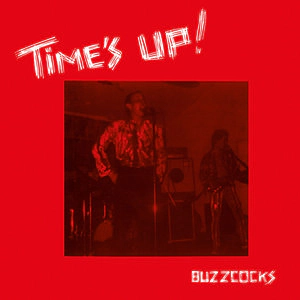
Time’s Up
‘It’s the Buzz, Cock’. Howard Devoto read this headline from a January 1976 Time Out review of ‘Rock Follies’, the 1970s TV musical drama following the ups and downs of the fictional female rock group, ‘Little Ladies’. Adapting and appropriating it as the name for his new band that he had just formed with Pete Shelley having realised what a Sex Pistol was before anyone else. Buzzcocks formed having witnessed firsthand the white-heat of the early Sex Pistols. Howard and Pete went about organising the now infamous 1976 Lesser Free Trade Hall gigs that brought punk to the provinces and galvanized the new Manchester music revolution. The plan was to simply play support to the Pistols and then see what happened next…Featuring the original line-up of Howard Devoto (vocals and songwriter), Pete Shelley (guitar and songwriter), Steve Diggle (bass guitar) and John Maher (drums), “Time’s Up” was recorded at Revolution Studios, Bramhall Lane Stockport on the 18th of October 1976. The session, recording Buzzcocks’ live set at the time, cost £45 and was engineered by Andy MacPherson.
Another Music In A Different Kitchen
Devoto leaving Buzzcocks also proved to be a significant moment for the band. It saw a sea change occur, after which they would enter a more distinctive and essential area, pushing the confines of punk to the absolute limit. Pete Shelley took on the vocal duties,
The first album by Buzzcocks, released in 1978 after the departure of HowardDdevoto, is one of the truly essential punk rock albums. it sounds fast and aggressive, raw and witty, but the band also had pop hooks to spare and incorporated influences such as kraut rock to their sound, which added to the brilliant songwriting means these songs remain as emotionally intense today as when they came out.
With Shelley taking over vocals and continuing to play guitar, Diggle switched over to the six-string from the bass, with Garth Davies, the original bassist rejoining. Steve Garvey eventually replaced him the following year, a four-string hero who would give the quartet the busy undercurrent needed for their increasingly dynamic sound. Arguably, it was more in line with what their heroes, The Stooges and The Velvet Underground had done,
“Fast Cars” The opening track from the debut album “Another Music in a Different Kitchen” is classic Buzzcocks. It pulls you in with that repetitive high pitched note, slows down into that cutting bassline, and then catapults you forward with the main chord progression. Clocking in at two-and-a-half minutes, it is quintessential punk.
Funnily enough, the song is said to be about a car crash guitarist Steve Diggle endured as a child, hence, “I hate fast cars”.
Showing the lyrical density of Buzzcocks, it is the only punk song in existence to reference American attorney Ralph Nader. Nader was an activist campaigning for the reform of safety standards in the auto industry.
“Forget about lofty (and quite often pitifully naive) proclamations about the state of the world; what Pete Shelley and Steve Diggle wrote about were very personal issues; i.e. why doesn’t that girl (or guy; the “you” Shelley often sings to is rarely gender specific) like me? Why can’t I have what everyone else seems to get? Why are my hormones ruling my life? Lines like “I don’t know if I’m an actor or ham, a shaman or sham” make clear that the Buzzcocks were not interested in wrestling with issues beyond those that every human being faces deep inside. And that’s why this music is timeless. The identity/sex drive/relationship issues that dominate their work are relevant today and always will be.”
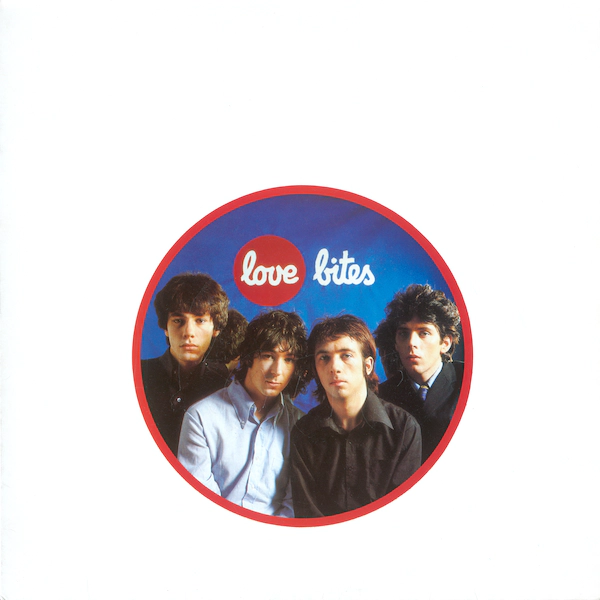
Love Bites
More musically accomplished, more obsessively self-questioning, and with equally energetic yet sometimes gloomy performances, “Love Bites” from 1978 finds Buzzcocks coming into their own. With Howard Devoto and his influence now fully worked out of the band’s system, Pete Shelley is the clearly predominant voice, with the exception of Steve Diggle’s first lead vocal on an album track, the semi-acoustic, perversely sprightly “Love is Lies”. Though the song received even further acclaim on “Singles Going Steady”, “Ever Fallen in Love”, for many the band’s signature song, appears here. with its note-perfect blend of romance gone wrong; a weirdly catchy, treated lead guitar line; and Shelley’s wounded singing, it deserves its instant classic status, but it’s only one of many highlights. The opening “Real World” is one of the band’s strongest: a chunky, forceful, yet crisp band performance leads into a strong Shelley lyric about unrequited love and life. Lovingly restored and re-mastered from the original ¼” tapes for the first time and come packaged in the original Malcolm Garrett designed sleeves with a booklet containing unseen images and extensive liner notes by famed writer, broadcaster, music journalist and cultural commentator Jon Savage.
The songs on “Love Bites” run the gamut from acoustic numbers to their trademark 60’s pop influenced punk rock, even throwing in a few instrumental jams to round everything out. This is one of those albums I could listen to all the way through without skipping a single track. That being said, my personal favorites would be the wonderfully emotional romp of “Sixteen Again”, the wistful “Nostalgia”, the exuberant “Just Lust”, the creative and highly melodic “ESP”, and of course, the hit single “Ever Fallen In Love”.
Without a doubt Buzzcock’s biggest hit, Musically, the composition would be one of the main influences for pop-punk, power-punk and anything in between. It also perfectly blends pop melodies with darker, more naked lyrics, exploring Shelley’s bisexuality.
This was unlike anything other punk bands were doing at the time, showing that punk could be personally reflective whilst still maintaining its ethos. The emotional core was dominated by minor chords, and the double tom hits on the drums punctuate the honest nature of the verses.
The idea for this classic was formed pre-gig in Edinburgh, where the band were half-watching the Marlon Brando musical Guys and Dolls. Shelley recalled: “We were in the Blenheim Guest House with pints of beer, sitting in the TV room half-watching Guys and Dolls. One of the characters, Adelaide, is saying to Marlon Brando’s character, ‘Wait till you fall in love with someone you shouldn’t have.’ I thought, ‘fallen in love with someone you shouldn’t have?’ Hmm, that’s good.”
Allegedly, Shelley wrote the lyrics the following day in the van outside a post office, and the music came shortly after. Shelley also maintained the song was about a man named Francis Cookson, a lover of his he’d lived with for seven years – making the opening lyrics as sad as they are shocking, invoking heartbreak and emotional abuse: “You spurn my natural emotions, you make me feel like dirt and I’m hurt, and if I start a commotion, I run the risk of losing you and that’s worse.”
Furthermore, and a massive decider on why it is so legendary, is the way it utilised gender non-specific pronouns such as “you” or “me” – breathtakingly progressive for the time. Shelley later added: “I tried to be as gender neutral as possible in writing songs, because for me I could use the same song for either sex.”
The genius also lies in the way the song relates to anyone, of any age, subculture or background, as we have all been affected by the idiosyncrasies of love and relationships.
This unparalleled pop-punk gem is so progressive in its composition and nature, there is no doubt it is Shelley – and Buzzcocks’ – greatest triumph. Thematically speaking, not much has changed from AMIADK. They are still writing songs about unrequited love, personal relationships, and introspective musings.”
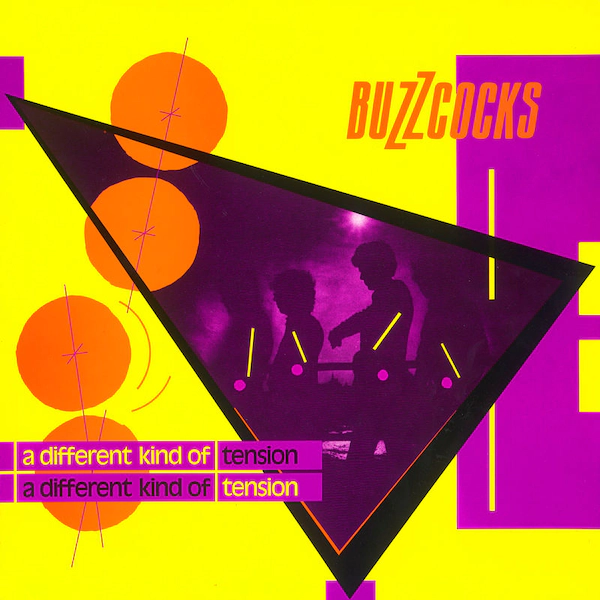
A Different Kind of Tension
A Different Kind Of Tension was the Buzzcocks‘ third studio album, recorded at Eden Studio in West London and originally released in September 1979. Re-mastered from the original tapes and with the artwork restored under the supervision of Malcolm Garrett (designer of the original sleeves) along with the addition of essays penned by Jon Savage and Clinton Heylin, the packaging is a wonder to behold.
It’s conceivable that internal friction helped inspire the title of the third Buzzcocks longplayer, “A Different Kind of Tension” the group would splinter shortly after the album’s 1979 release. But they went out with a bang, marshalling one of their most diverse and exciting sets of songs under the guidance of producer Martin Rushent.
Harmony In My Head Written and sung by Diggle, the most adventurous of the band’s Top 40 hits is a skull-pounding modernist montage of fragmentary street scenes inspired by James Joyce’s stream-of-consciousness literary style, all wrapped in a fantastic swooping chorus.
The breakneck pace of their first recordings is well represented by such tracks as opener “Paradise”, though by the closing sound collage “Radio Nine”, chief songwriter Pete Shelley has managed to indulge his more experimental side as well – without ever abandoning the trademark Buzzcocks wit and emphasis on melody.
‘I Believe’ is an example of Buzzcocks augmenting their songwriting with the production of legendary producer Martin Rushent on their third studio album. This track features fuller production and marks a slightly darker turn for the punk icons. Shelley talks of backing himself. Backing his personal beliefs, and sarcastically explaining his belief in “original sin” and sarcastically “the final solution”, adding to his pain at the hands of the contemporary world.
The song is magnificently ballasted by the main vocal refrain: “There is no love in this world anymore,” encapsulating Shelley’s sentiment perfectly. He had repeatedly expressed frustration at the assumption that he could only write three-minute, three-chord fuelled punk. Of course, there is plenty of evidence to the contrary, and this angular, seven-minute piece is one of the strongest supporters of this.
The song is highly existential, and was reportedly influenced by a night spent high on LSD – a drug not often associated with the punk scene.
This is my favourite album from the Buzzcocks. Songs like “I Believe” and “Why can’t I Touch it” prove that punk rock songs can last more than 2 minutes. CD 1 is the original release plus 4 associated singles, and on CD 2 you will find more singles, demo tracks and a few Peel recordings. The demo tracks tend to be just that, demo tracks and while some of them are OK, they don’t contribute to the overall listening experience. It was interested to hear the demo tracks though, as it gives you a sense as to how a song starts off and is developed by the artist into the final album version.
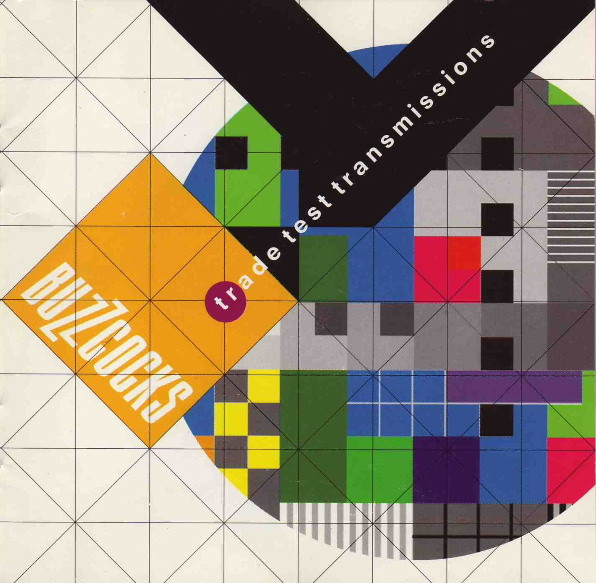
Trade Test Transmissions
The Buzzcocks are no nostalgia act. This is, by any standards, a great album of accomplished punk-fuelled pop, by a band most had written off as a casualty of the early-80s meltdown that vaporized the Clash, the Jam and the Sex Pistols. Great songwriting by both acknowledged maestro Pete Shelley and a startlingly mature and soulful Steve Diggle makes “Trade Test Transmissions” an utter joy from start to finish. New members Tony Barber (bass) and Phil Barker (drums) add a propulsive groove to the Buzzcocks’ punk drive, picking up right where former counterparts Steve Garvey and John Maher left off. Looking forward to a lot more from the four talented individuals who make up this truly important and exciting band.”
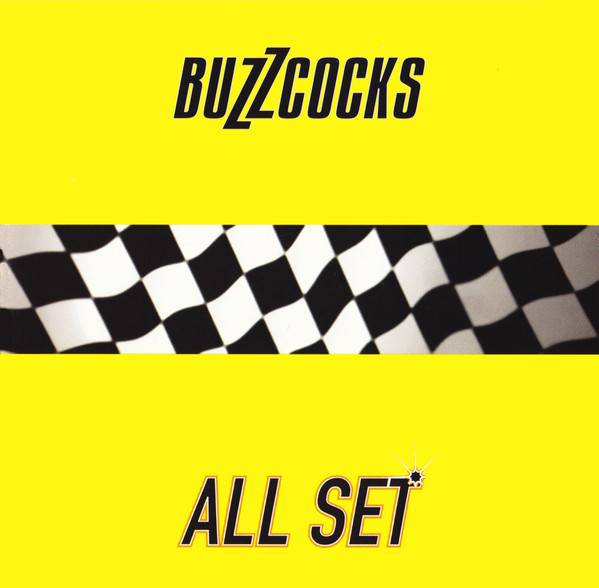
All Set
“Buzzcocks? hard snotty sex pistols like a band? no, and far from it. You’d think that buzzcocks would be the exact opposite of what they really are, a melodic band. While this might not be there most melodic cd it is one of the best. Almost every song is a great song, even the ones that aren’t so melodic. Hold me close is a true classic if feels so heartfelt and captivates the listener. A must buy cd.”
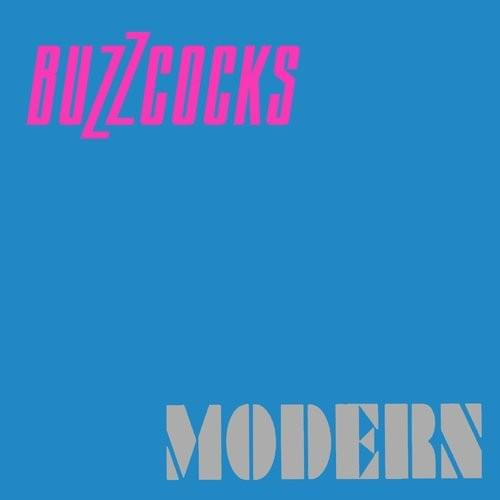
Modern
“This is an underrated album that is pretty much full of clever pop songs. Steve Diggle in particular is in good writing form on this album.”
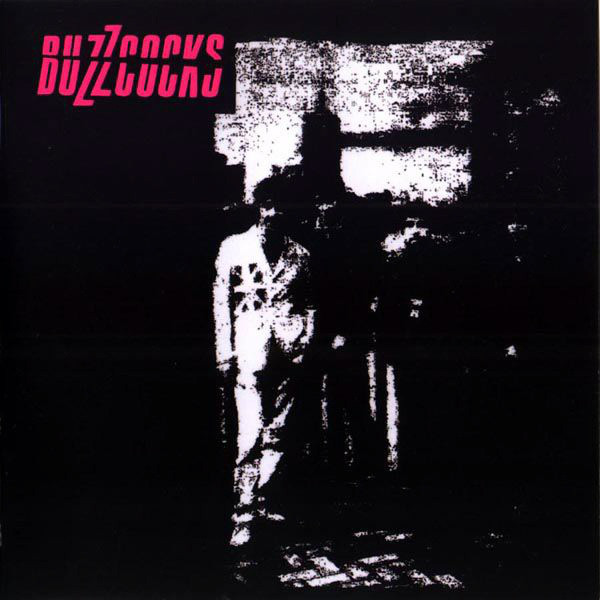
Buzzcocks
“In my opinion this is the best album they made since they reformed, and will go head to head with any of their classics. Not a bad song in the bunch. Usually “veteran” (meaning aging, like me) punkers either produce juvenile-sounding stuff that sounds contrived or they make a poor attempt at former glory but not the case here. Check out “Lester Sands” from Devoto days or “Stars” from a Shelley/Devoto collaboration for an example of the punch they still have. Diggle’s contributions are equally fine. Just my opinion here: If you are a long-term fan of Buzzcocks I don’t see anyone being disappointed in this fine blast of energetic guitar crunch from some very seasoned veterans that know how to do it.”
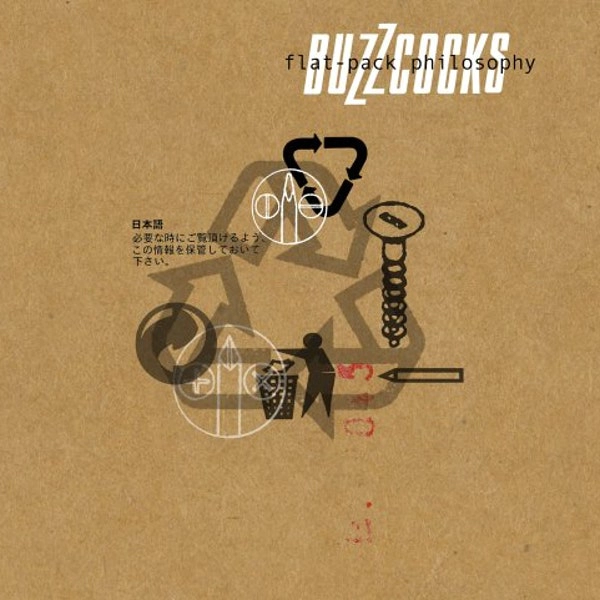
Flat-Pack Philosophy
“Flat-Pack Philosophy” is the eighth studio album by Buzzcocks. It was originally released on 7th March 2006 by record label Cooking Vinyl.
In true punk rock fashion, and with superlative production by bassist Tony Barber, the album packs 14 songs into 36 minutes. Taking an urban guerilla stance against the evils of the modern world, from Tesco self-service tills to the cult of Ikea, “Flat-Pack Philosophy” proves that when you put the right creative personalities together, the magic manifests. This double LP set adds B-Sides from the time, live tracks and extras.
“Between Heaven And Hell” From 2006’s underrated eighth album. Diggle wrote and sings this portrait of midlife confusion: ‘Everything you thought you knew is different from before.’
“It’s a great album. Pete’s voice has dropped an octave or two since his younger days, but he is still in fine voice and still sounds deleriously camp!”
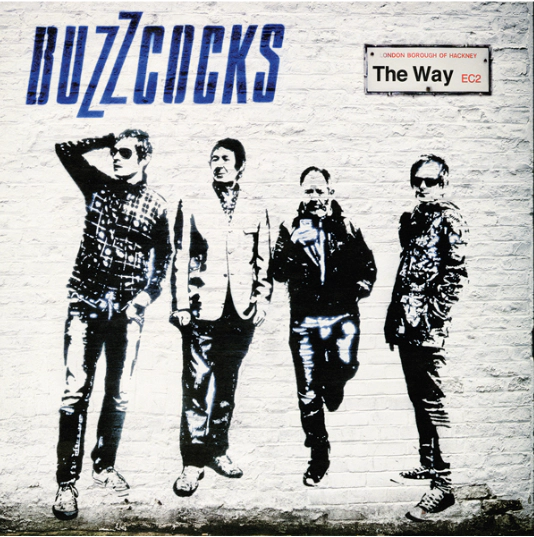
The Way
“The Way” was the follow up to 2006’s “Flat-Pack Philosophy” long player and is the band’s ninth album since their formation in Manchester in 1976. Recorded in London, the album was self produced together with Dave M Allen [best known for his production work with The Cure, Depeche Mode and Neneh Cherry) and features ten tracks including the single ‘It’s Not You’. Shelley revisits the signature lovesick speed-pop style of his early Buzzcocks singles, but with the emotional wallop of middle-aged despair, plus some gnarly, Nirvana-ish bass guitar action.
“The Way” is a bit of a U-turn in many ways. It’s slightly inward-looking and dysthymic and the Banksy-inspired cover art is indicative of the grime and sweat of modern city living that informs it. People tend to remember the original line-up as primarily a singles band (and what a run of singles!) but “A Different Kind Of Tension” and to a lesser degree “Love Bites” were filled with experimental and artfully odd pieces of music and “The Way” treads a similar path. ‘In The Back’, for example, starts of in typical Buzzcocks style but ends up more like ‘Operators Manual’ than ‘Ever Fallen In Love’.
Diggle’s stand-out contribution to the new album is a muscular mix of combustible garage-rock riffs with snarly, syncopated, new wave-ish vocals.
“It’s great, easily as good as their last one and not too far adrift of their best material. Song writing duties are evenly split between Pete Shelley and Steve Diggle and, whilst they have different styles, it all holds together really well. Buzzcocks seem to keep improving with age so if you ever liked any of their material, you are bound to enjoy this.”
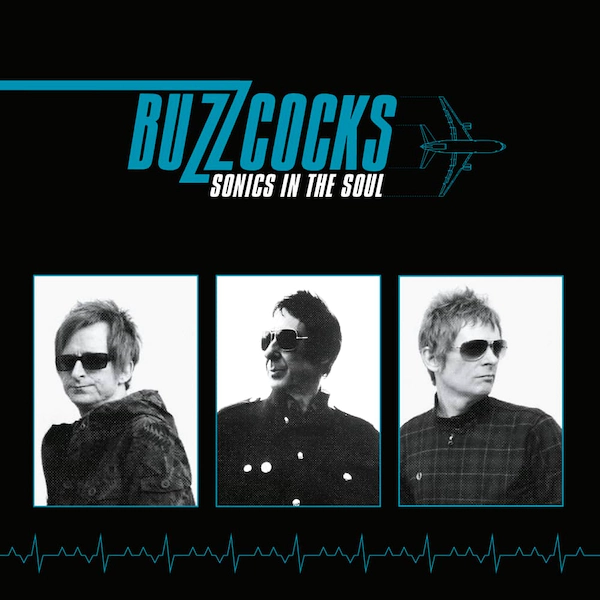
Sonics In The Soul
This was their first new studio offering since “The Way” in 2014!
The legendary Manchester punk band need little introduction. Back in 1977, they gave birth to a generation of independent labels with their debut EP ‘Spiral Scratch’. Thereafter, their melodic punk-pop proved irresistible, leading to hit singles and three landmark albums. They broke up in 1981 but reunited in 1989 and have been going steady ever since. Sadly, singer Pete Shelley passed away in 2018 but founder member and the band’s other singer/songwriter Steve Diggle has kept the flag flying. During the COVID pandemic, Steve and co. (Chris Remington on bass, Danny Farrant on drums) busied themselves with recording “Sonics In The Soul”. Recorded at Studio 7in London, the album was co- produced by Steve himself with Laurence Loveless.
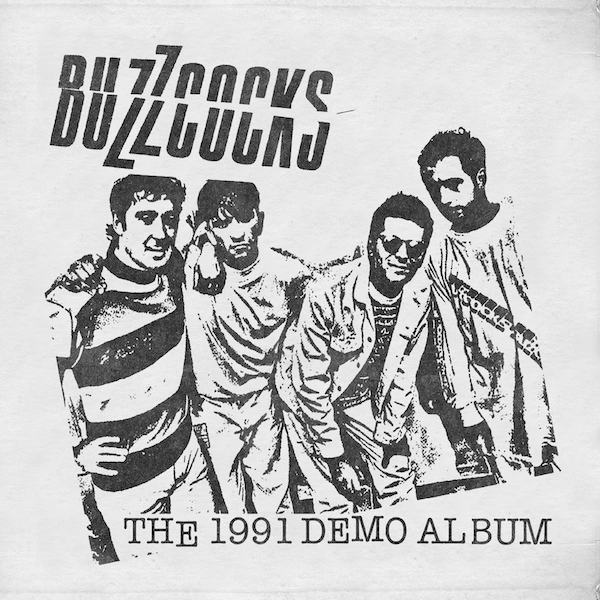
The 1991 Demo Album
Buzzcocks require no introduction. Pivotal to the punk and post-punk DIY movements, the group, led by frontman Pete Shelley and co-conspirator Steve Diggle, brought a unique pop sensibility and sartorial style to the late 1970s and early 1980s.
Having disbanded in 1981, the band regrouped in 1989 and began to work on a new album, resulting in a demo cassette circulated in 1991. Featuring early versions of tracks which would appear on later albums, and material which would not make it that far, this collection has remained unreleased until now.
Released in association with the band, “The 1991 Demo Album” is alive with the combination of punk energy and melodic and memorable songwriting the band’s reputation is founded on, and is both a long-awaited treat for fans and an important document of the group’s rebirth.
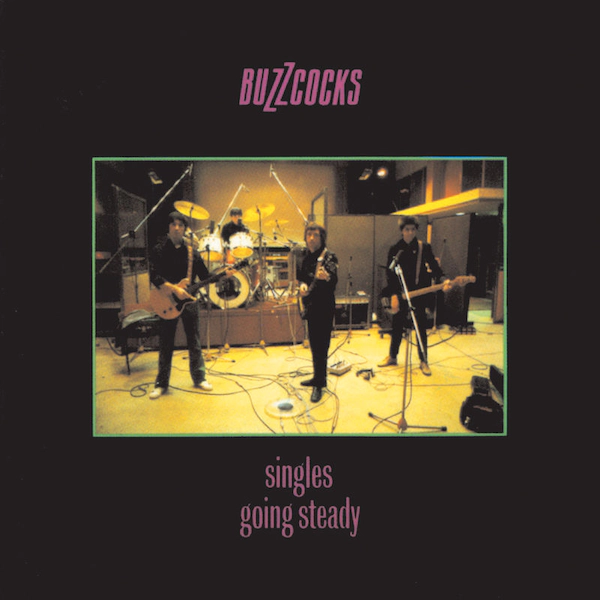
Singles Going Steady
“Singles Going Steady” was the Buzzcocks’ classic Singles compilation originally released in 1979. Re-mastered from the original tapes and with the artwork restored under the supervision of Malcolm Garrett (designer of the original sleeves) along with the addition of essays penned by Jon Savage and Clinton Heylin, the packaging is a wonder to behold.
Released quickly after their third studio album, “A Different Kind Of Tension”, in 1979, “Singles Going Steady” collected their first eight United Artists singles, A-sides on the first side, with B-sides on the reverse.
Why Can’t I Touch It? A Slower and heavier than most early Buzzcocks material, this brawny, six-minute beast from 1979 reflected Diggle’s more experimental, prog-leaning tastes. Eddie Vedder has covered the song live many times.
The single “What Do I Get?” is classic Buzzcocks, utterly batshit and totally definitive. It was the band’s top 40 debut and peaked at number 37 in February ’78. It features a trademark, snappy riff, and a melodic, poppy solo that contrasts the yearning yet snarling Shelley.
The B-side to ‘Orgasm Addict’, ‘Whatever Happened To…?’ is better, and more Buzzcocks than its sibling. It starts with a clanking bass, tinged with the chorus, then jumps into the song, where Shelley ponders all facets of modern life. In this respect, it is another punk staple, laying out the movement’s ethos and critiquing consumerism. The mainline “your love is a cashed-in cheque” sums this up perfectly.
It is classic Shelley, using sardonic humour, and better production than its punk contemporaries, it can almost be seen as a prototype of today’s West Coast punk scene, given its chord progression, and the crazy, reverb-drenched vocals that the song ends on.
‘Why Can’t I Touch It?’ with that funky bassline. That funky guitar riff. That funky rhythm. Apart from latter era Clash, these are three elements one wouldn’t normally equate with punk. However, ‘Why Can’t I Touch It?’ is one of Buzzcocks’ best tunes. Clocking in at over six minutes, this is also a structural element one wouldn’t normally equate with punk. The song veers into the psychedelic, with its hazy chorus and drawn out ending.
Referring back to the claims that Shelley was a one-dimensional writer of solely pop-punk proportions, this song also totally refutes it. It is closer to the art-punk of Talking Heads and Gang of Four than the Sex Pistols and Dead Kennedy’s. Its effortlessly cool, laid back groove, shows that punk’s ethos is all-encompassing, and can’t be confined by brash, trivial ideals, and paper clips.
Everybody’s Happy Nowadays is instantly infectious shot of amphetamine bubblegum angst rewinds Buzzcocks to their sarcastic punk-pop roots, as a sulky Shelley protests:_ ‘Life’s an illusion, love is a dream.’_
From the hits “Love You More”, “Promises”, “Ever Fallen in Love”, “Everybody’s Happy Nowadays” to the bleak “Something’s Gone Wrong Again” and the repetitive, mantra-like “Why Can’t I Touch It”, this captures the group at their fleeting best, as essential to the late 70s as the Sex Pistols or The Clash.
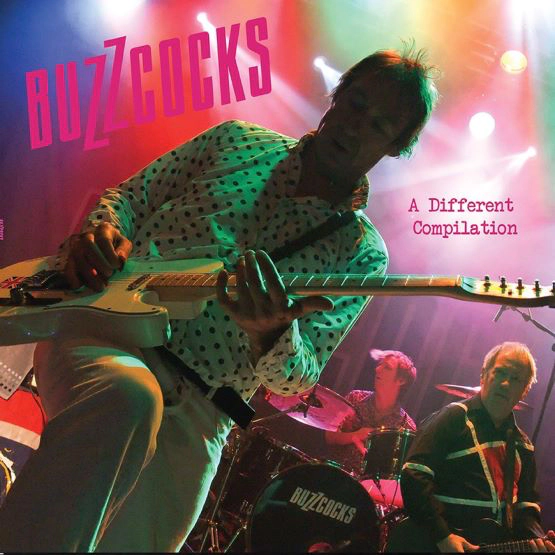
A Different Compilation
First time on Vinyl. Intended to capture their explosive and hugely popular live set in the studio, “A Different Compilation” sees Buzzcocks, led as ever by Pete Shelley and Steve Diggle, re-visit 24 of their best loved songs, bringing a new energy to those familiar tunes. Performed with all of the energy and pace of a live show, and captured in a raw and uncompromising state, “A Different Compilation” sits as a perfect companion to the original recordings, and was a huge hit among fans on its original release. Now available on vinyl for the first time, and spread across two glorious pink LPs, this is the perfect opportunity to revisit some old friends and see how well they’ve grown!
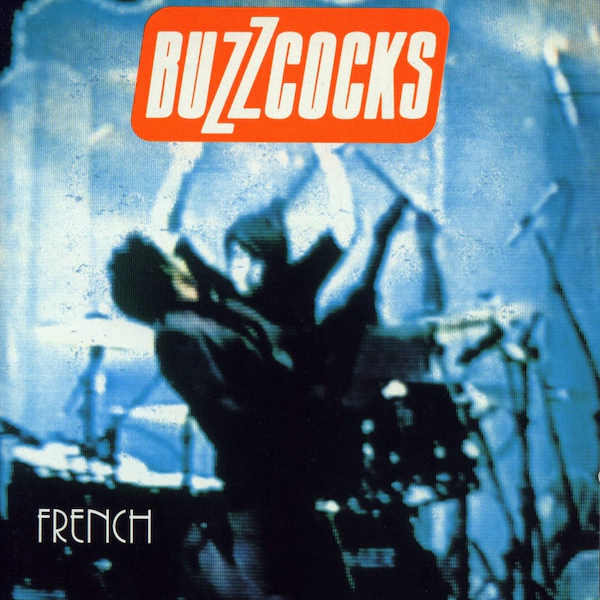
French
Buzzcocks: Pete Shelley, Steve Diggle, Tony Barber, Philip Barber. Recorded live at L’Arapho Club, Paris, France on April 12th, 1995. When the Buzzcocks announced their decision to reunite and tour after an almost 8-year hiatus, fans could be forgiven for exhibiting either a certain skepticism or an overly optimistic attitude. After all, the Buzzcocks were one of the punk revolution’s tightest bands, and their short, frenetic bursts of guitar pop and angelic harmonies require a certain level of professionalism to be put across in a live setting. Thankfully, subsequent tours and American shows showcased the Buzzcocks as a tight, lean pop machine. “French”, a live document from one of these shows, is an excellent souvenir of the band at its best.
The album is also an excellent introduction for those nay-sayers who insist that punk doesn’t work on the live stage. Whether running through the perfect anguish of “Ever Fallen in Love…” and “What Do I Get?’ or the goofily risque “Orgasm Addict,”
Buzzcocks’ first major label single is a two minute, not-so-thinly veiled tribute to masturbation. Yes, masturbation. Whilst, it is not surprising from the snotty, punk point of view, it is surprising that major label United Artists agreed to run the record, due to its highly provocative nature.
Furthermore, as anything to do with punk was banned by the BBC at the time, concurrently they banned this particular cracker, about “beating your meat to death”. Ironic, given the vice and depravity we all know was occurring at the broadcaster during that period.
Unsurprisingly, ‘Orgasm Addict’ caused much sensation when released due to its controversial lyrical content and expletives, and perhaps because it was the ’70s, and some listeners found the line “it’s a habit that sticks” a little too close to home. Retrospectively, Shelley would say the song “is embarrassing. It’s the only one I listen to and… shudder”.
Contrastingly, the record has a beautiful, bricolage sleeve. In true DIY style, artist Linder Sterling, of esteemed Manc punk’s Ludus said: “The iron came from an Argos catalogue and the female torso came from a photographic magazine. I never cleared the copyright, but no one noticed, so it was alright.”
“French” presents the Buzzcocks as one of the premier live bands of their era. Anyone who doesn’t get a lump in his throat during the anthemic “I Believe” has no business listening to music. Some bands age like moldy cheese; the Buzzcocks have aged like fine wine.
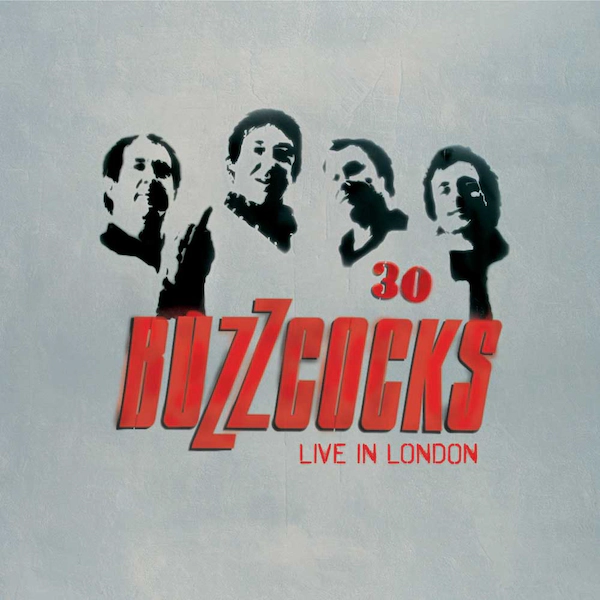
30 (Live in London)
Join Buzzcocks as they celebrate the 30th Anniversary of the band’s formation in front of a ravenous London audience. Recorded in December 2006, and never before released on vinyl, “30” captures the band on excellent form, performing twenty-eight songs from across their back catalogue, including the seminal late ‘70s hits and highlights from the rest of their career.
Still wired, still buzzing with punk energy and still playing loud, fast and unapologetically, this is the sound of a band on unstoppable form, led, as ever, by the inimitable combination of Pete Shelley and Steve Diggle.
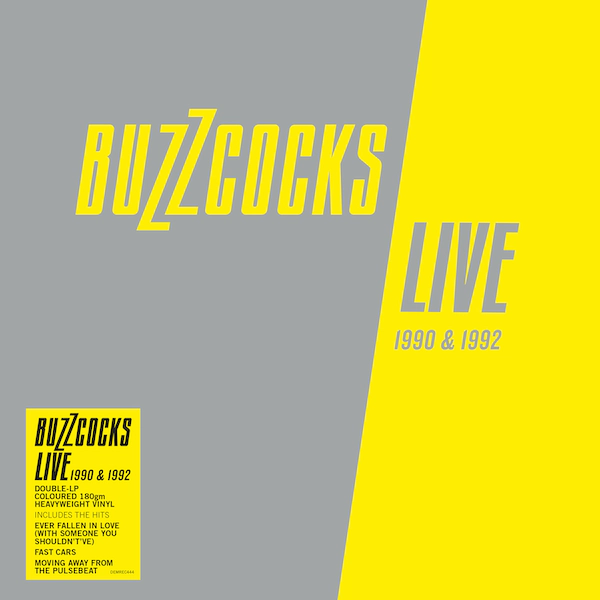
Live 1990 and 1992
Re-forming in 1989 after a decade apart, Manchester’s Buzzcocks proved their music had the staying power to remain relevant long after the new wave had broken. Performing at a 1990 and 1992 gig that captures the bands energy demonstrating that these punk pioneers still rock. Highlights include “Ever Fallen In Love (With Someone You Should’ve’), “Fast Cars”, “Moving Away from the Pulsebeat,” “Autonomy” and “What Do I Get?“. 1990 line up includes the classic line up: Pete Shelley, Steve Diggle, Steve Garvey, John Maher. 1992 line up includes Steve Diggle and Pete Shelly with a new rhythm section.
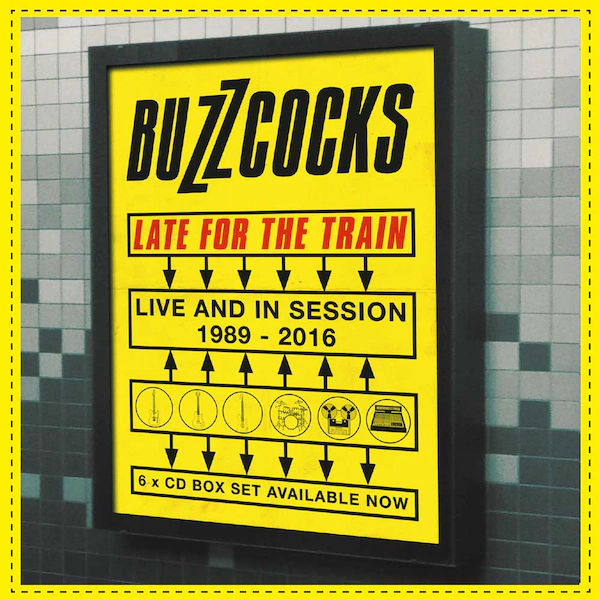
Late For The Train – Live and In Session 1989-2016
6CD set featuring five live sets and 32 Tracks from the BBC. 137 Tracks total with 83 previously unreleased including the support set to the Sex Pistols in Finsbury Park. Buzzcocks require no introduction. Pivotal to the punk and DIY movements, the group, led by frontman Pete Shelley and co-conspirator Steve Diggle, brought an essential pop sensibility and sartorial style to the late 1970s and early 1980s.
Having disbanded in 1981, the band regrouped in 1989 and began to tour the world and record new music, becoming legends in their own lifetime in the process. “Late For The Train” explores the group’s live career, and their ongoing relationship with the BBC, for whom they recorded multiple excellent sessions and live performances over the years. Crammed with previously unreleased recordings, long-forgotten shows and brilliant renditions of seminal tracks from their growing back catalogue, this companion piece to this year’s critically acclaimed “Sell You Everything” studio box set is produced in association with Buzzcocks, and includes notes from Steve Diggle alongside fan reminiscences, live photographs and recording information.
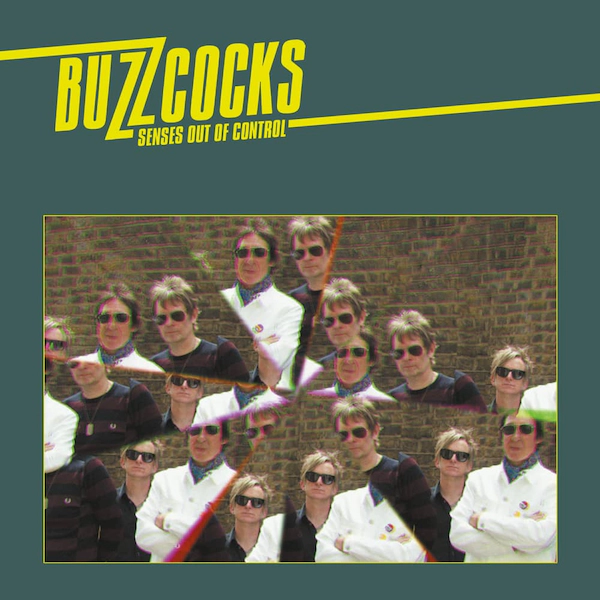
Senses Out Of Control
New 10-inch single from punk icons Buzzcocks. “Senses Out Of Control” offers a sneak preview of the new LP, and is issued on the back of Buzzcocks’ forthcoming live dates. Released on limited edition vinyl boasting two exclusive non-album tracks.
Buzzcocks are back! The legendary Manchester punk band should need little introduction. Back in 1977, they all but gave birth to a new generation of independent labels with their debut EP ‘Spiral Scratch’. Thereafter, their melodic brand of punk-pop proved irresistible, leading to hit singles and three landmark albums. They broke up in 1981 but reunited in 1989 and have been going steady ever since. Sadly, singer Pete Shelley passed away in 2018 but founder member and the band’s other singer/songwriter Steve Diggle has kept the flag flying.
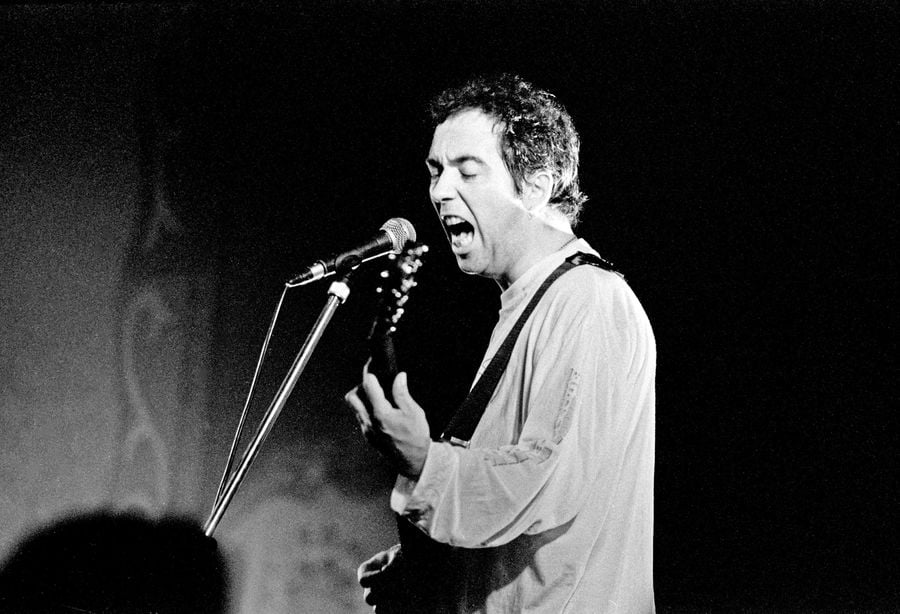
Of course, Buzzcocks’ music was much more impactful than their peers’ too. The guitars were more muscular, the melodies were more prominent, and the band did exciting things with their songwriting. This isn’t to say bands like The Clash and Siouxsie and the Banshees didn’t; I just think that what they were doing had more weight for the time. The likes of ‘Why Can’t I Touch It?’ with its unbelievably groovy bassline and the power pop of ‘Promises’ are two further examples of Buzzcocks’ scope.
Musically, Shelley and Buzzcocks augmented the punk formula. They didn’t confine themselves to playing just three power chords, and because of this, it wouldn’t be excessive to label them more art-rock than punk. Ironically, there’s room for them to be described as the first post-punk band, as they were railing against the genre even when they were deeply embedded within it. Following this, there are more parallels between them and Magazine, XTC and Squeeze than with the likes of Sex Pistols and The Clash.
 The Fat Angel Sings