


Few artists have had the cultural impact of Bob Dylan, and his discography is filled with terrific albums. While there are additional highly-rated compilations, “Bootleg Series“, and boxed sets, These are the highlights of his 5-star main albums .
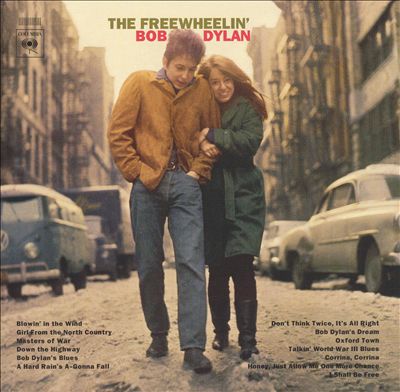
The Freewheelin’ Bob Dylan, 1963.
It’s hard to overestimate the importance of “The Freewheelin’ Bob Dylan”, the record that firmly established Dylan as an unparalleled songwriter, one of considerable skill, imagination, and vision. At the time, folk had been quite popular on college campuses and bohemian circles, making headway onto the pop charts in diluted form, and while there certainly were a number of gifted songwriters, nobody had transcended the scene as Dylan did with this record.
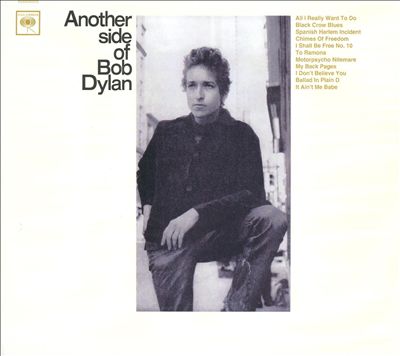
Another Side of Bob Dylan, 1964.
The other side of Bob Dylan referred to in the title is presumably his romantic, absurdist, and whimsical one anything that wasn’t featured on the staunchly folky, protest-heavy “Times They Are a-Changin'”, really. Because of this, “Another Side of Bob Dylan” is a more varied record and it’s more successful, too, since it captures Dylan expanding his music, turning in imaginative, poetic performances on love songs and protest tunes alike.

Bringing It All Back Home, 1965.
With “Another Side of Bob Dylan”, Dylan had begun pushing past folk, and with “Bringing It All Back Home”, he exploded the boundaries, producing an album of boundless imagination and skill. And it’s not just that he went electric, either, rocking hard on “Subterranean Homesick Blues,” “Maggie’s Farm,” and “Outlaw Blues”; it’s that he’s exploding with imagination throughout the record.

Highway 61 Revisited, 1965.
Taking the first, electric side of “Bringing It All Back Home” to its logical conclusion, Bob Dylan hired a full rock & roll band, featuring guitarist Michael Bloomfield, for “Highway 61 Revisited”. Dylan had not only changed his sound, but his persona, trading the folk troubadour for a streetwise, cynical hipster. Throughout the album, he embraces druggy, surreal imagery, which can either have a sense of menace or beauty, and the music reflects that, jumping between soothing melodies to hard, bluesy rock.
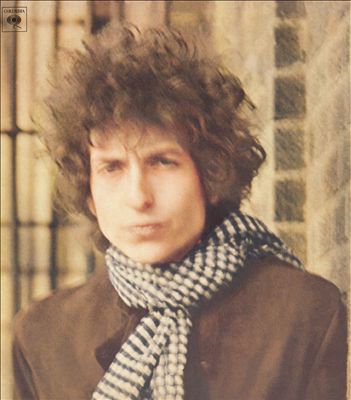
Blonde on Blonde, 1966.
If “Highway 61 Revisited” played as a garage rock record, the double album “Blonde on Blonde” inverted that sound, blending blues, country, rock, and folk into a wild, careening, and dense sound. Replacing the fiery Michael Bloomfield with the intense, weaving guitar of Robbie Robertson, Bob Dylan led a group comprised of his touring band the Hawks and session musicians through his richest set of songs. “Blonde on Blonde” is an album of enormous depth, providing endless lyrical and musical revelations on each play.
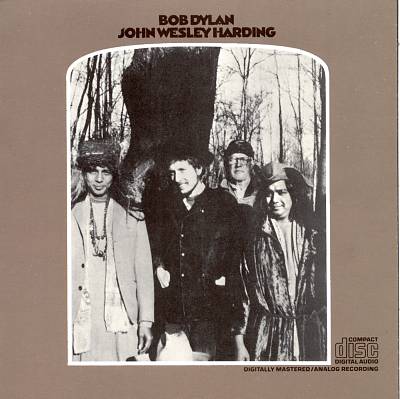
John Wesley Harding, 1967.
“John Wesley Harding” is informed by the rustic sound of country, as well as many rural myths, with seemingly simple songs like “All Along the Watchtower,” “I Dreamed I Saw St. Augustine,” and “The Wicked Messenger” revealing several layers of meaning with repeated plays. Although the lyrics are somewhat enigmatic, the music is simple, direct, and melodic, providing a touchstone for the country-rock revolution that swept through rock in the late ’60s.
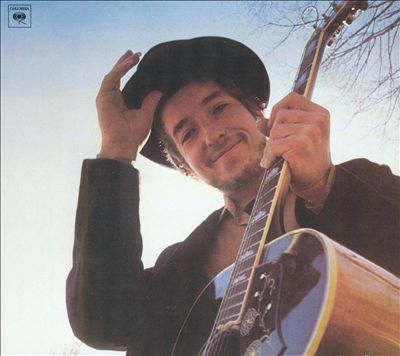
Nashville Skyline, 1969.
“John Wesley Harding” suggested country with its textures and structures, but “Nashville Skyline” was a full-fledged country album, complete with steel guitars and brief, direct songs. It’s a warm, friendly album, particularly since Bob Dylan is singing in a previously unheard gentle croon — the sound of his voice is so different it may be disarming upon first listen, but it suits the songs.
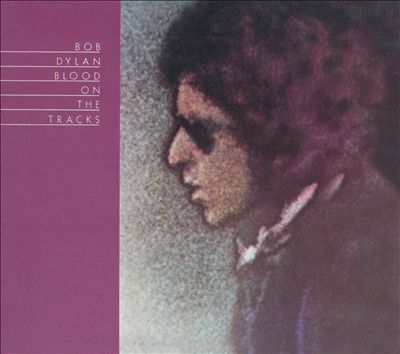
Blood on the Tracks, 1975.
Following on the heels of an album where he repudiated his past with his greatest backing band, “Blood on the Tracks” finds Bob Dylan, in a way, retreating to the past, recording a largely quiet, acoustic-based album. But this is hardly nostalgia — this is the sound of an artist returning to his strengths, what feels most familiar, as he accepts a traumatic situation, namely the breakdown of his marriage. This is an album alternately bitter, sorrowful, regretful, and peaceful, easily the closest he ever came to wearing his emotions on his sleeve.
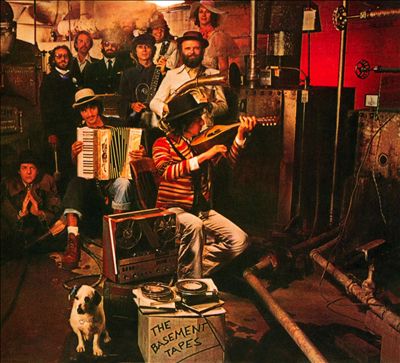
The Basement Tapes, 1975.
The official release of “The Basement Tapes” which were first heard on a 1968 bootleg called The Great White Wonder — plays with history somewhat, as Robbie Robertson overemphasizes the Band’s status in the sessions, making them out to be equally active to Dylan, adding in demos not cut at the sessions and overdubbing their recordings to flesh them out. As many bootlegs (most notably the complete five-disc series) reveal, this isn’t entirely true and the Band were nowhere near as active as Dylan, but that ultimately is a bit like nitpicking, since the music here (including the Band’s) is astonishingly good.
 The Fat Angel Sings